Top 4 Caves around Seelze
Best caves around Seelze are primarily historical and man-made structures, as the town is known for its urban amenities and green spaces rather than natural cave systems. The region offers various cave-like features, including former mining tunnels and historical cellars. These sites provide insights into local history and geology. The landscape around Seelze features waterways and green areas, offering opportunities for outdoor activities.
Best caves around Seelze
- The most popular caves is Seating grotto at the Ministerstollen, a historical…
Last updated: May 14, 2026
Bärenhöhle Restaurant
Highlight • Restaurant
Translated by Google •
Tip by

Seating grotto at the Ministerstollen
Highlight • Structure
Translated by Google •
Tip by

Sign up now to discover places like this
Get recommendations on the best single tracks, peaks, & plenty of other exciting outdoor places.
Sign up for free
Entrance to the Egestorfer Stollen
Highlight • Historical Site
Translated by Google •
Tip by

König-Wilhelm-Stollen
Highlight • Historical Site
Translated by Google •
Tip by
Start today with a free account
Your next adventure awaits.
Login or Signup

Tips from the Community

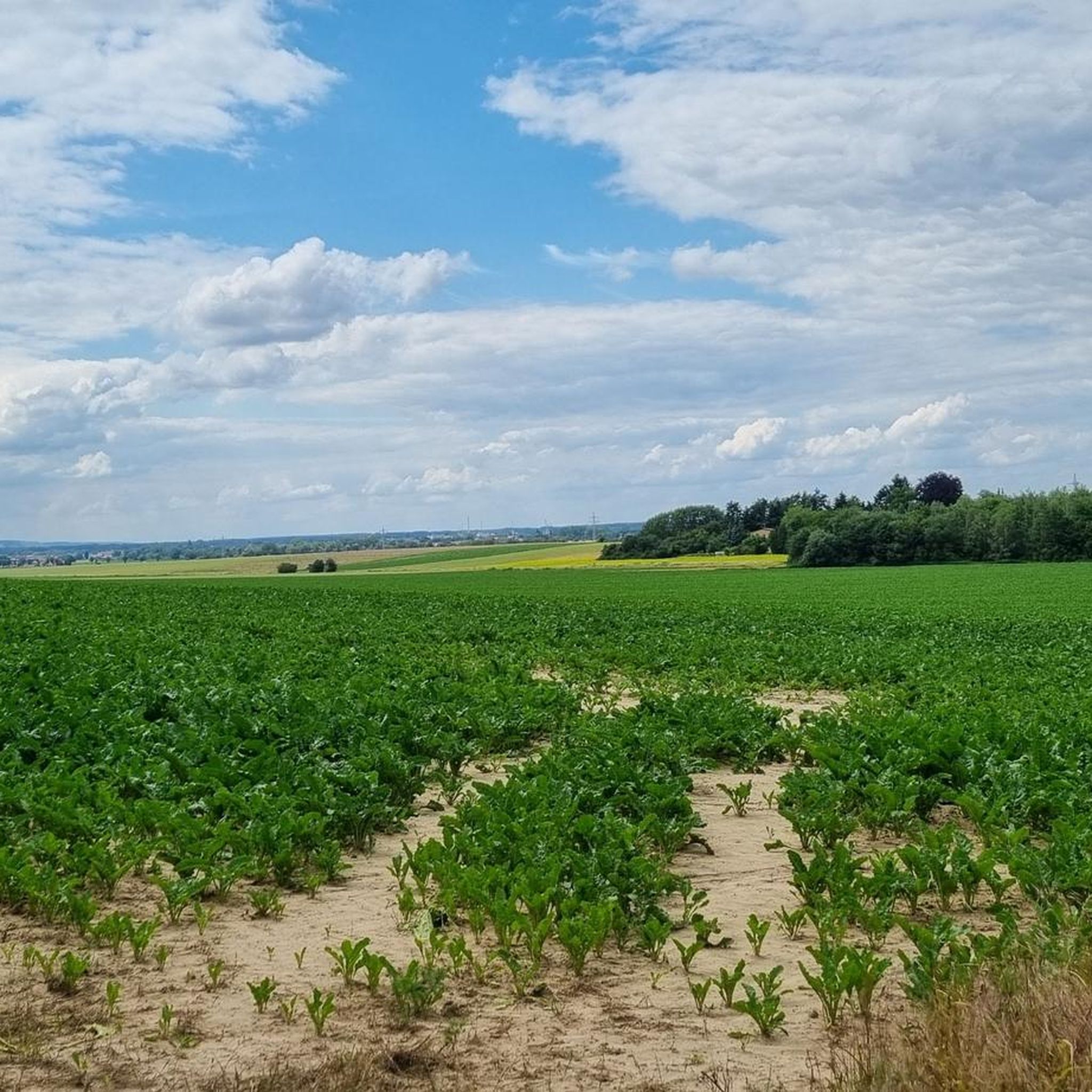
The Bärenhöhle forest inn is idyllically situated in the Deister hills near Egestorf (Barsinghausen) and is a popular destination for hikers and day-trippers. Surrounded by ancient beech trees, it offers a cozy atmosphere with a rustic dining room, a conservatory, and a large beer garden nestled in the greenery. The kitchen combines regional and seasonal dishes – from game and asparagus specialties to the popular schnitzel day. Breakfast is served in the mornings, and on weekends a generous buffet featuring regional products and homemade jams is offered. Thanks to its proximity to the Egestorf S-Bahn station, the Bärenhöhle is easily accessible and perfect for a break after a hike. Whether for a family outing, a celebration, or a casual get-together – here, good food meets genuine Deister idyll.
1
0
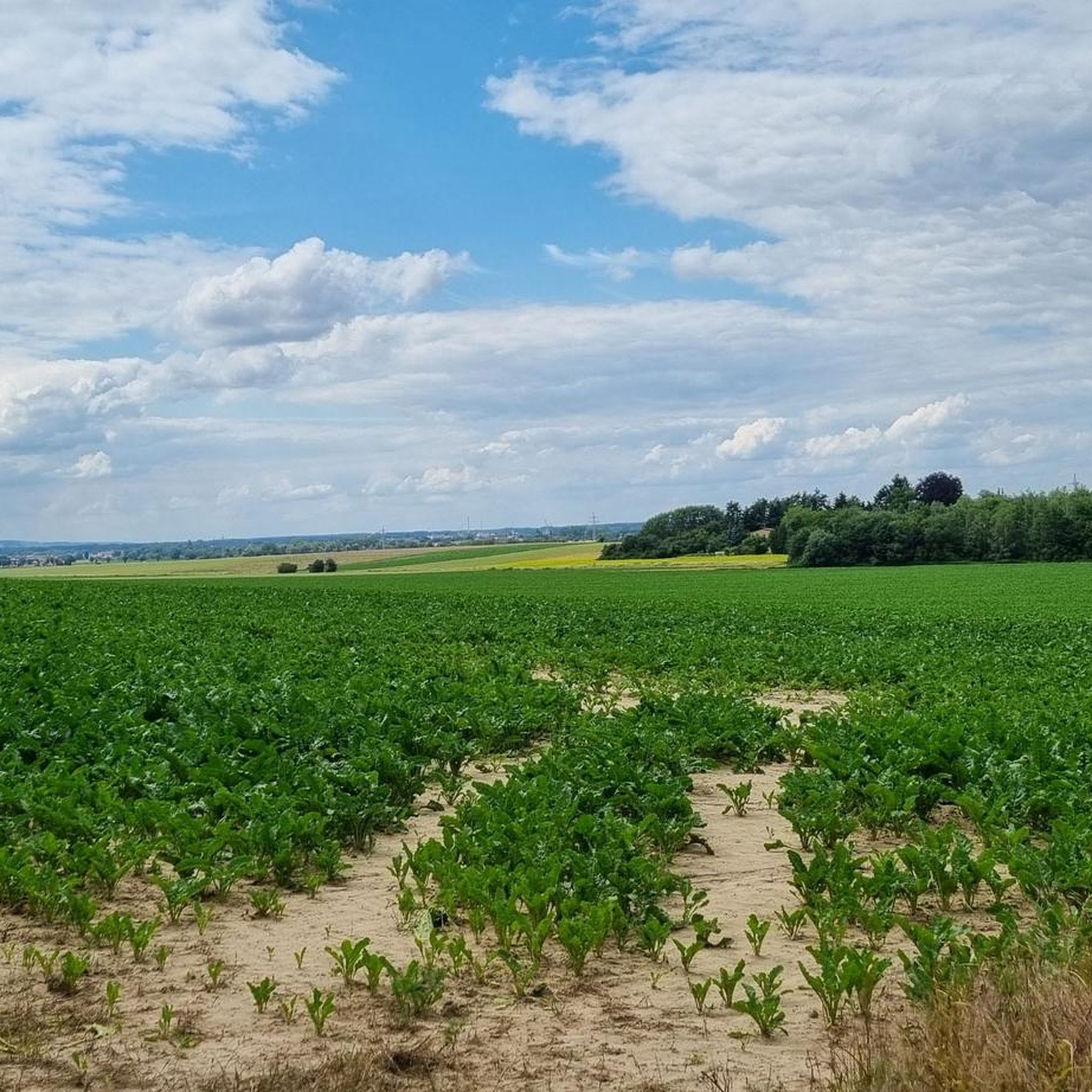
Named after the farm owner Giesecke. "It earned its name in the presence of a minister who was present to settle a dispute by approaching the minister from among those present and giving all the necessary information about the regulation. This resulted in the minister immediately agreeing to the proposals." The tunnel was opened in 1845 and operated until 1875. In 1864, 21,800 tonnes of coal were produced. A railway line was built from the tunnel entrance in 1860, which took the coal to Rehrbrinkstrasse. The line was in operation until 1896. Today, not much of this factory can be seen, but in the seating grotto you can meditate a little on the meaning of life, like the miners did back then. Source: https://www.barsinghausen.de/regional/touren/erlebnistour-2-bullerbachtal-903000002-20002.html?title=erlebnistour+2+-+Bullerbachtal
1
0

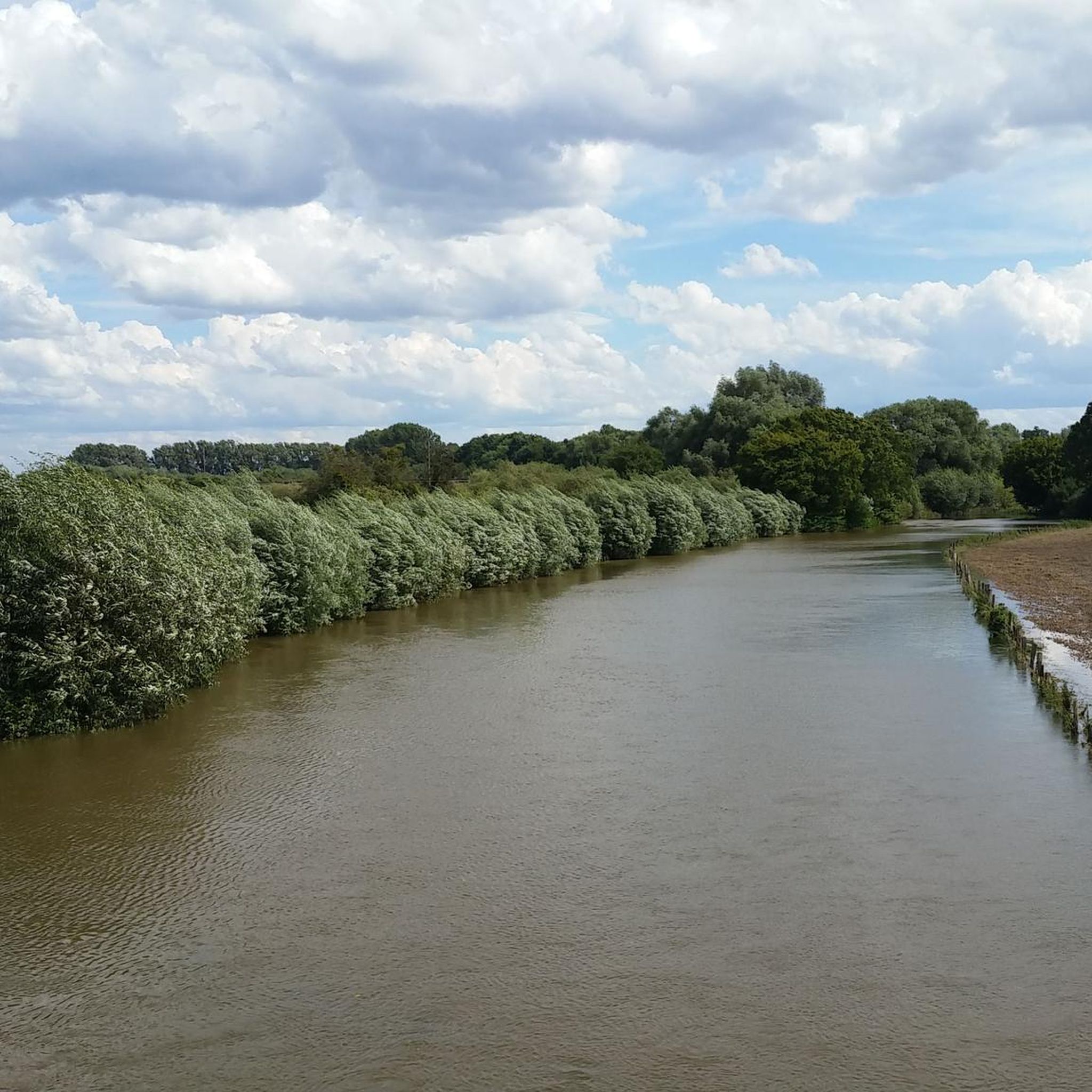
The information board is very well done and provides you with some information about the tunnel here and the coal mining in the Deister. On the other side of the path you can walk a bit along the spoil heap. The stream that carries the water from the old tunnel also runs along there.
1
0

Mining history to experience and touch
0
1
Mining history to experience and touch
0
2
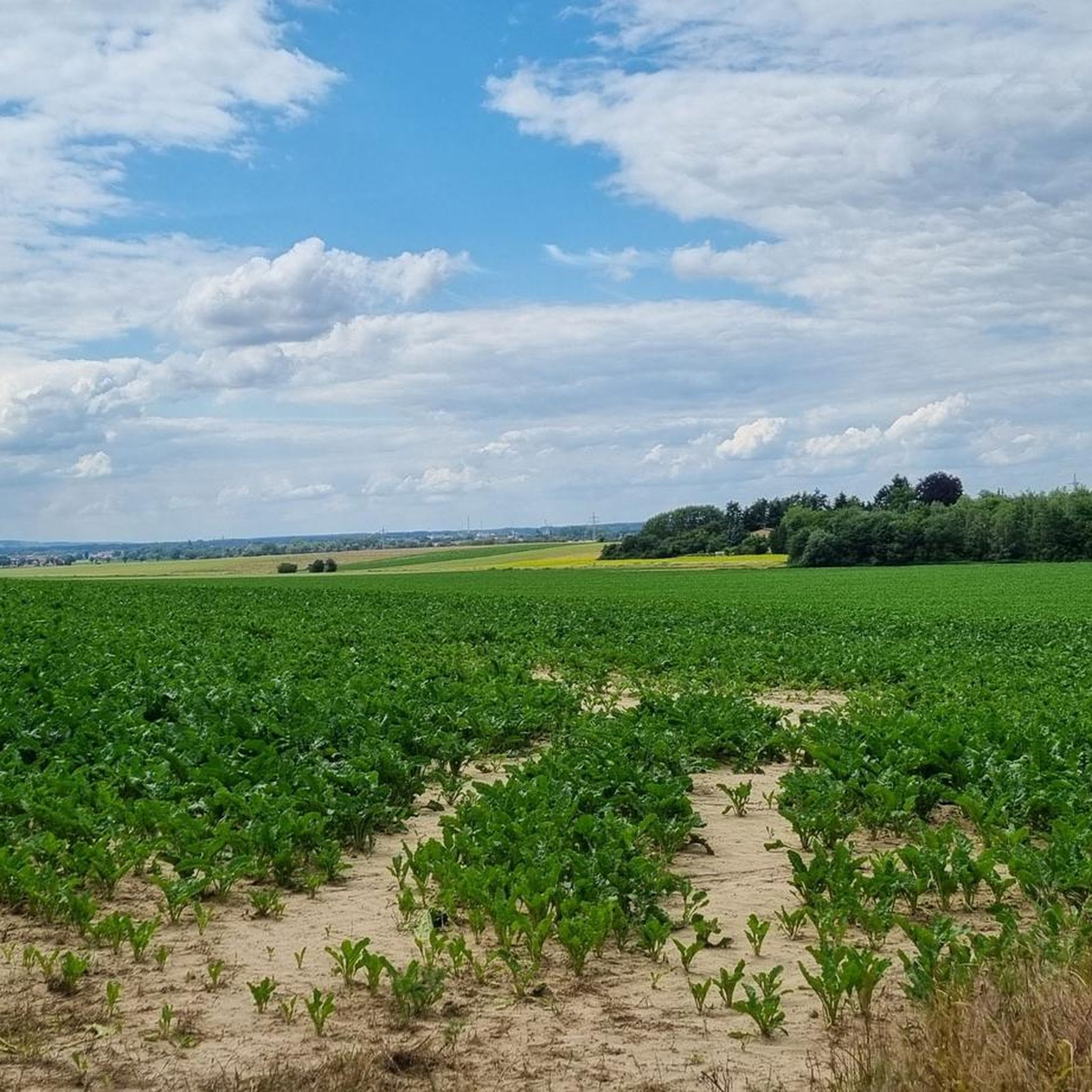
The Egestorfer Stollen is a listed former mining tunnel in the Deister near Barsinghausen's Egestorf district in the Hanover region. The Egestorfer tunnel was driven from May 1874 in order to reach further, deeper-lying coal deposits. The mining rights for the area had already been auctioned in 1854 for 30,717 thalers by the mining administration. At the mouth of the Stockbach, an area first had to be leveled for the necessary operating buildings. After driving 608 m in 1876, a 50 to 63 cm thick seam was developed. The coal was eventually transported from the 720 m long tunnel over a braking hill and with the help of horses over 1.2 km to a loading track on the Deisterbahn, which opened in 1872, and transported away by train. In 1877, 273 miners were employed in the Egestorfer tunnel. The output rose to 45,272 t by 1883/84 and remained at this level until 1897, when it fell due to exhaustion of the reserves and the output was stopped for the time being on November 1, 1898 after a total of 1.3 million tons of coal had been mined. The Egestorfer tunnel was also used to ventilate the monastery tunnel, for which there had been a breakthrough since 1882. In the years 1914/15 to 1920/21, coal was once again mined in quantities of 50 to 80 tons annually via the Egestorfer tunnel. In 1983, the plan to expand the easily accessible Egestorfer tunnel into a visitor mine failed because bats had settled here in the meantime. Instead, the Barsinghausen monastery tunnel became a visitor mine. Source: https://de.wikipedia.org/wiki/Egestorfer_Stollen
1
0

There are several tunnels in the area ..
2
0

here is more information: http://waldwirtschaft-baerenhoehle.de/
2
0
Frequently Asked Questions
What kind of 'caves' can I expect to find around Seelze?
The 'caves' around Seelze are primarily historical, man-made structures rather than natural geological formations. These include former mining tunnels, ice cellars, and grottoes, offering a glimpse into the region's industrial and historical past. For example, the Ice Cellar on Lindener Berg was once used for beer storage and as a WWII bunker.
Are there any natural show caves with stalactites and stalagmites near Seelze?
No, Seelze itself is not known for natural cave systems with stalactites and stalagmites. The region's geology does not support such formations. Germany does have impressive show caves in other regions, such as the Harz Mountains or Sauerland, but these are not in the immediate vicinity of Seelze. You can find more information about show caves in Germany on Wikipedia.
What historical sites related to 'caves' can I visit around Seelze?
You can explore several historical sites. The Seating grotto at the Ministerstollen and the Entrance to the Egestorfer Stollen are remnants of former coal mining operations, offering insights into the region's industrial heritage. The Ice Cellar on Lindener Berg also has a rich history, serving various purposes over the centuries.
Are there any family-friendly 'caves' or related attractions in the area?
While the historical tunnels are interesting, they are not typically designed as family-friendly attractions in the same way natural show caves might be. However, the Bärenhöhle Restaurant, which has 'cave' in its name, is listed as family-friendly and offers a pleasant dining experience. For outdoor activities suitable for families, consider the nearby hiking routes.
What outdoor activities can I do near these historical 'caves'?
The areas around these historical sites offer various outdoor activities. You can find numerous hiking trails, such as those listed in the Hikes from bus stations around Seelze guide. There are also options for running trails and road cycling routes in the broader Seelze region.
Can I go inside the historical mining tunnels?
Access varies by site. For example, the Ice Cellar on Lindener Berg is privately owned and can only be visited with a guide. The Egestorfer Stollen is a listed former mining tunnel where bats have settled, preventing its development into a visitor mine. Always check local information or official websites for current access rules and guided tour availability.
What should I wear when visiting these historical 'caves' or tunnels?
Since these are mostly outdoor historical sites or entrances to tunnels, comfortable walking shoes are recommended. If you plan to join a guided tour into a cellar or grotto, be aware that temperatures underground can be cooler, so a light jacket might be advisable even in summer. For the Ice Cellar on Lindener Berg, appropriate footwear and warm clothing are suggested for tours.
Are there any viewpoints or natural features near these 'caves'?
While the 'caves' themselves are man-made, they are often situated within natural settings. For instance, the Seating grotto at the Ministerstollen is described as being in beautiful nature with silvicultural interest. The surrounding areas often feature forests and green spaces, providing opportunities for scenic walks.
What do visitors enjoy most about the historical 'caves' around Seelze?
Visitors appreciate the historical insights and the unique atmosphere of these sites. For example, the Seating grotto at the Ministerstollen is noted for its combination of mining history and beautiful nature, offering a place for quiet reflection. The information boards at sites like the König-Wilhelm-Stollen are also highly valued for providing context about the region's coal mining past.
Are there any cafes or restaurants near these historical 'caves'?
Yes, the Bärenhöhle Restaurant is a notable option, offering great food and a friendly atmosphere. It's conveniently located close to transport links. Other amenities, including cafes and pubs, can be found in the towns and villages surrounding these historical sites.
Most popular routes around Seelze
Most popular attractions around Seelze

Get inspired with the komoot mobile app


Explore more
Extend your search for the best caves by checking out these guides of the top ones around Seelze:
