Top 18 Caves around Eibenstock
Best caves around Eibenstock are often linked to the region's rich mining history and geological features within the Erzgebirge. This area offers a blend of natural curiosity and historical significance, providing insights into the underground world. Visitors can explore various sites that showcase both natural formations and historical mining tunnels. The landscape around Eibenstock provides a unique setting for discovering these underground attractions.
Best caves around Eibenstock
- The most popular caves is Eispinge (Ice Pit), a gorge that often…
Last updated: September 29, 2026
Eispinge (Ice Pit)
Highlight • Gorge
Translated by Google •
Tip by

Cave Entrance on Floßgrabenweg
Highlight • Cave
Great highlight on the floßgrabenweg even if it's too scary for us 🙈
Translated by Google •
Tip by

Sign up now to discover places like this
Get recommendations on the best single tracks, peaks, & plenty of other exciting outdoor places.
Tannenberg Mine
Highlight • Historical Site
Translated by Google •
Tip by
Neu Freiberger Glück Stolln
Highlight • Cave
Translated by Google •
Tip by

Gegenglück Stolln and Hohneujahrer Pochwäsche
Highlight • Historical Site
Translated by Google •
Tip by
Sign up for free to discover even more caves around Eibenstock.
Already have an account?
Start today with a free account
Your next adventure awaits.
Popular around Eibenstock

Let it flow! Cross-country skiing in the Ore Mountains

The Stoneman Trail in the Ore Mountains
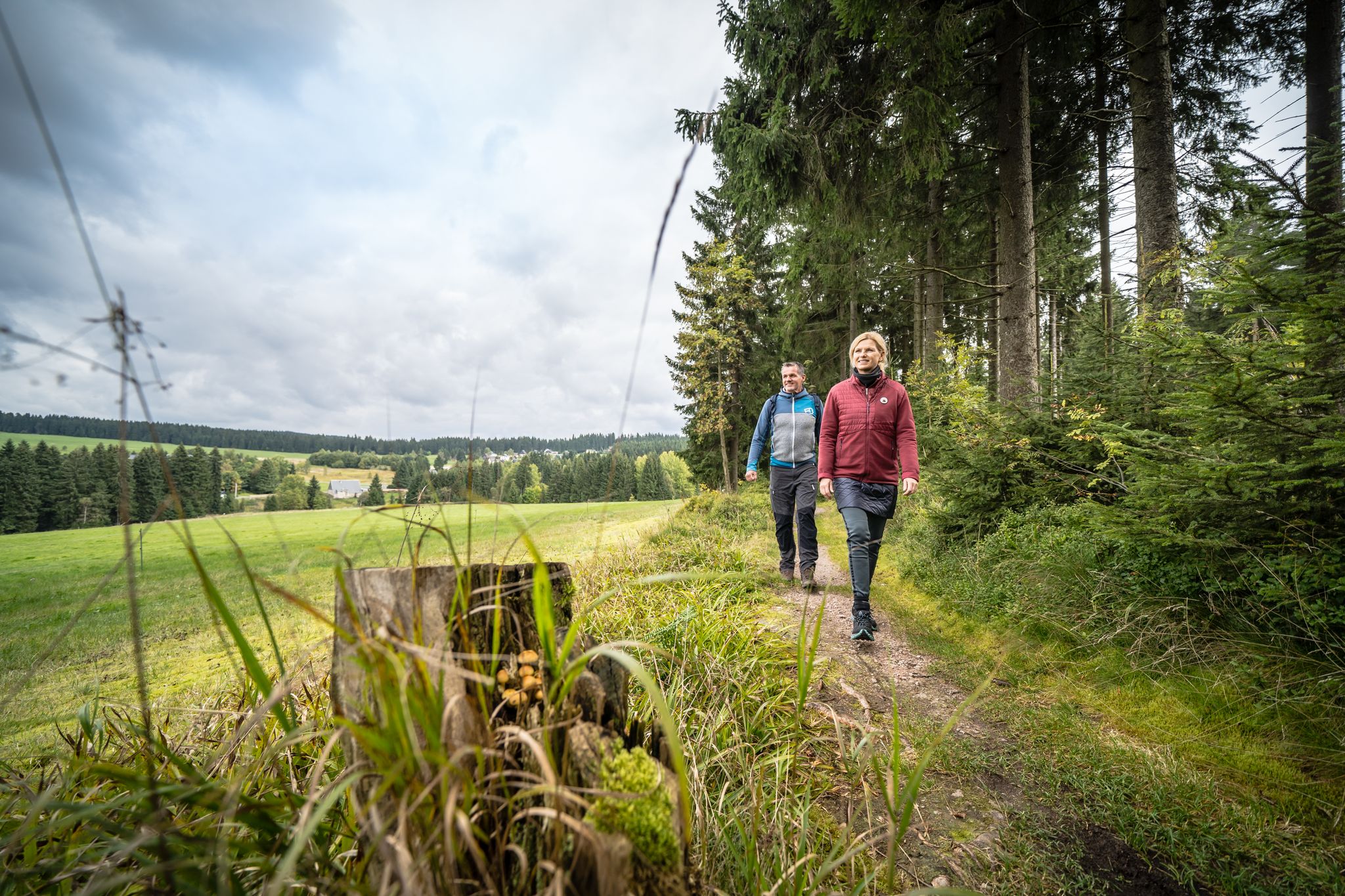
Hiking with heart in the Ore Mountains
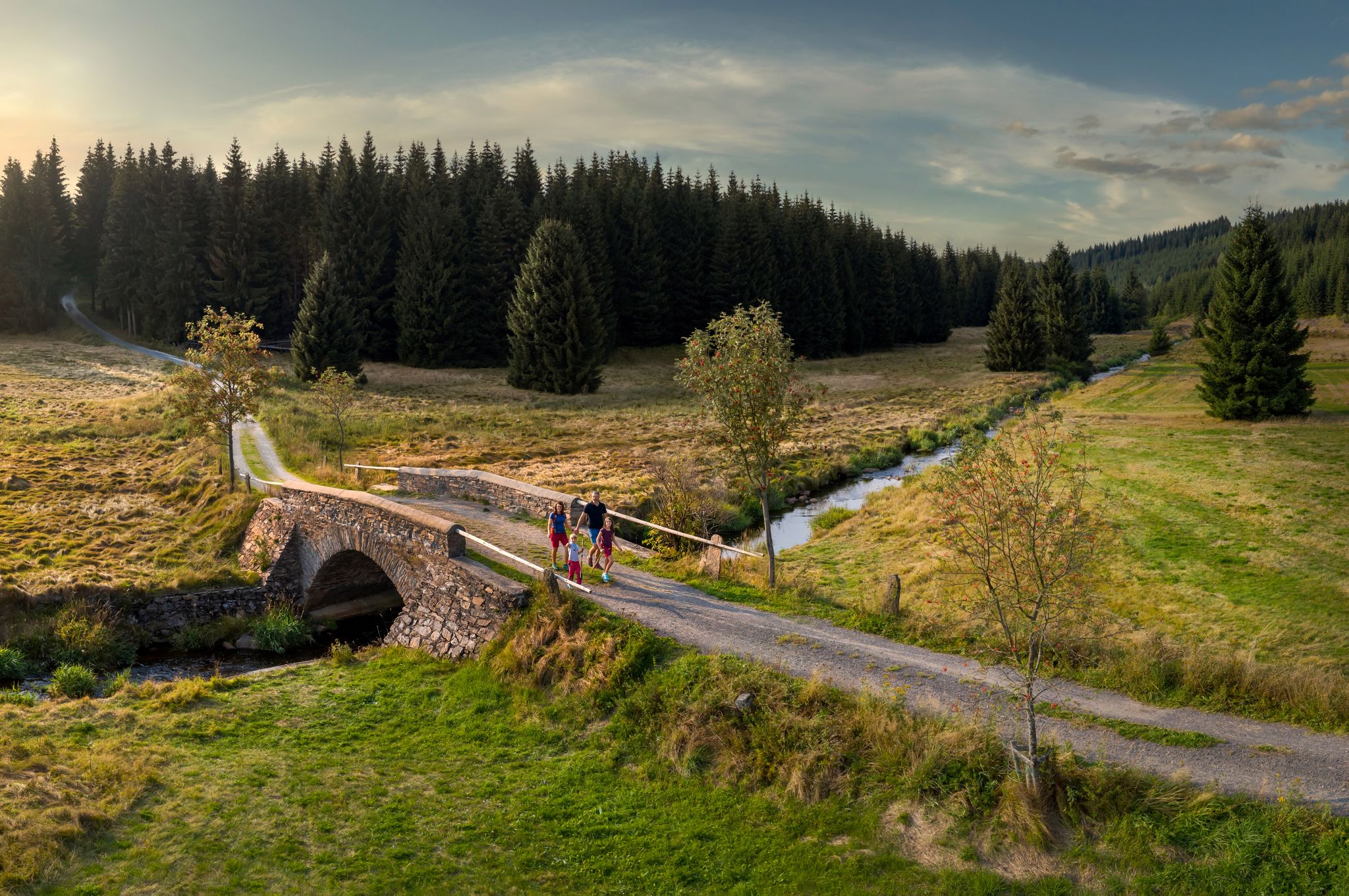
‘Good luck’ in the hiking paradise of the Ore Mountains
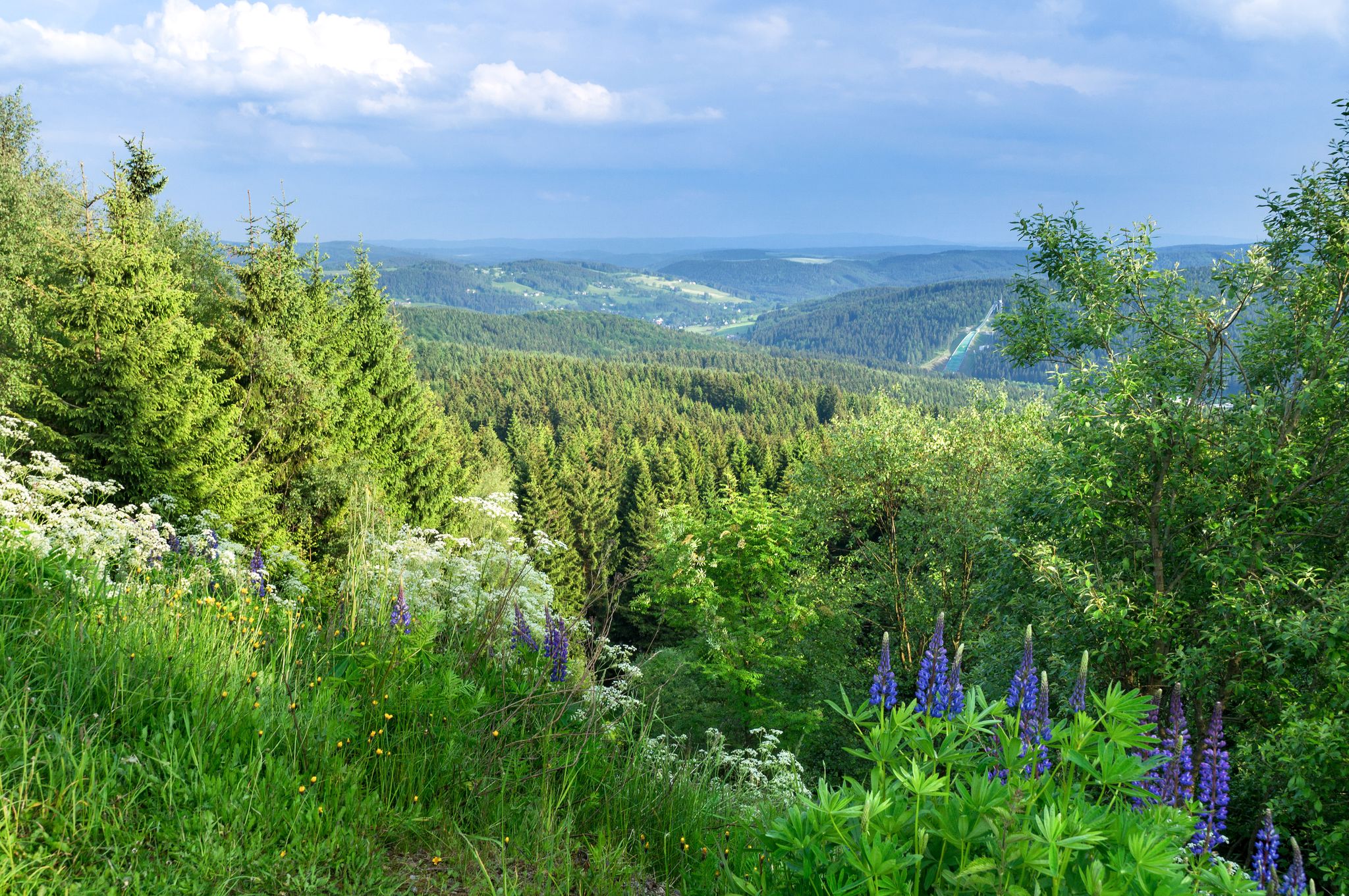
History meets nature – Erzgebirge-Vogtland Ridge Trail
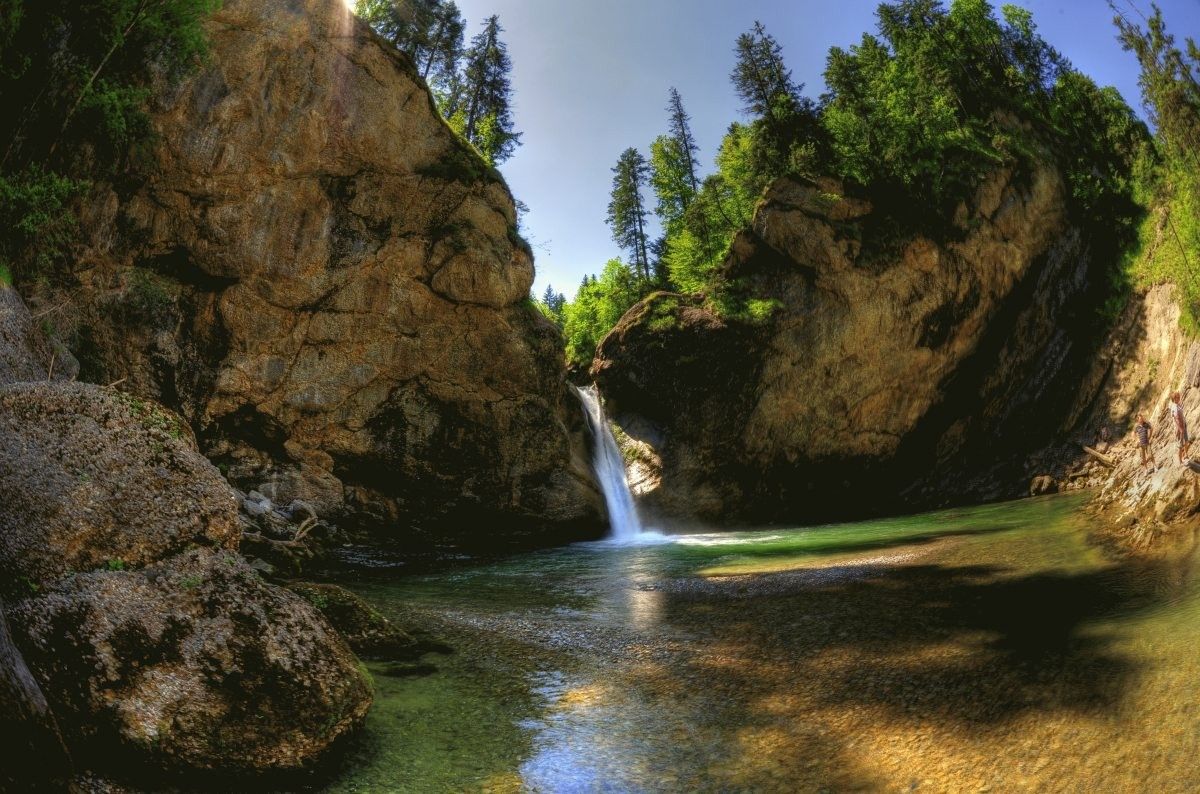
Germany's roaring waterfalls
Zwei Tage raus! – Rad-Micro-Adventures in Sachsen
Digitale Wandernadel
Der Kammweg Erzgebirge-Vogtland aus Sicht einer Bloggerin
Wandertouren - Für kleine Wanderfreunde
Other adventures around Eibenstock


Tips from the Community

The Neu Freiberger Glück Stolln is a mining facility in Johanngeorgenstadt in the Erzgebirgskreis district in Saxony. Further older spellings include Neu Freybergerglück Stolln, Neu Freybergisch Glück Stolln, and Neu Freybergischglücker Stolln. The adit of the Stolln is located in Lehmergrund. As early as 1698, Georg Zocher, a citizen of Freiberg, registered a mine called Freibergisches Glück for silver. However, operations soon came to a standstill. Since there is no location information for this mine, it is unclear whether the current Stolln is identical to the old mine. From 1714 onwards, the Neu Freiberger Glück Stolln was driven in several stages into the Vordere Fastenberg; between 1726 and 1766 as a subordinate mine of the Henneberger Tiefen Erbstolln and between 1768 and 1772 once again as an independent mine. In 1799, it was purchased by the Electorate of Saxony. (Wikipedia)
0
0
A great highlight not only for the adults, it certainly stimulated the sense of adventure and imagination of our kids;)
0
0

very nice corner. Always worth a visit
0
0


Nice little cave with interesting grain inside (iron) and a bridge over the Floßgrabenweg. Flashlight 🔦 recommended
2
0

The Eispinge was created by the mining of the Georg ore vein. There is often ice in the Pinge until late summer.
17
1

Ice Pine: This chasm is very narrow and deep, so there are no air currents in it. The cold, heavy air sinks in winter and stays there in summer. This creates the "HöhleNeid", which does not melt even in summer. After the Battle of the Nations near Leipzig (1813), 6 loads of ice were extracted from here for the treatment of the wounded. If you look down from the Plattenberg, you can see the remains of the mine.
6
0

I always find caves fascinating. You should have lights with you and waterproof shoes.
5
0
Frequently Asked Questions
What types of caves can I explore around Eibenstock?
The Eibenstock region offers a mix of natural caves, historical mining tunnels, and artificial cavities. These include former ore veins, show mines, and cave entrances that reveal the area's geological and industrial past. Examples include the natural gorge of Eispinge (Ice Pit) and the historical Tannenberg Mine.
Are there family-friendly caves to visit in the Eibenstock area?
Yes, several sites are suitable for families. The Cave Entrance on Floßgrabenweg is considered family-friendly and offers an interesting glimpse into an old mine. The Tannenberg Mine, a show mine, is also a great family destination, featuring one of Saxony's largest artificial cavities with a 45 m deep lake.
What is the historical significance of the caves around Eibenstock?
Many caves and underground sites in Eibenstock are deeply connected to the region's rich mining history. Sites like the Gegenglück Stolln and Hohneujahrer Pochwäsche and the Weiße Taube Stolln are former mining facilities, offering insights into the centuries-old tradition of ore extraction that shaped towns like Eibenstock. The Eispinge (Ice Pit) itself was formed by the mining of the Georg ore vein.
What unique natural features can I expect to see in these caves?
The Eispinge (Ice Pit) is a notable natural gorge where ice often remains until late summer, even featuring a steep staircase for descent. The Cave Entrance on Floßgrabenweg is recognized for its interesting internal grain formations.
Are there any specific recommendations for exploring the Cave Entrance on Floßgrabenweg?
When visiting the Cave Entrance on Floßgrabenweg, it's advisable to bring lights and wear waterproof shoes. While not particularly large, it offers an interesting glimpse into an old mine and is considered a great highlight along the Floßgrabenweg.
What is special about the Tannenberg Mine?
The Tannenberg Mine is a show mine, built in 1996, and is home to one of Saxony's largest artificial cavities, which includes a 45-meter-deep lake. It provides a comprehensive experience of the region's mining heritage.
What outdoor activities can I combine with a visit to the caves?
The Eibenstock region offers various outdoor activities. You can explore waterfall hikes, general hiking trails, or even go gravel biking. Many routes pass by or near these historical and natural sites, allowing you to combine underground exploration with scenic outdoor adventures.
What do visitors generally appreciate about the caves around Eibenstock?
Visitors appreciate the blend of natural curiosity and historical significance offered by the caves. The community often highlights the unique geological features, the insights into the region's mining past, and the adventurous experience, especially for families. The scenic locations also make them worth a detour.
Are there any specific safety considerations for exploring the Eispinge (Ice Pit)?
The Eispinge (Ice Pit) features a very steep staircase with varying heights. It's important to hold on tightly while descending. While the entrance to the Pinge itself is prohibited due to collapse danger, the accessible areas offer a unique experience.
Can I find information about the mining history at the Gegenglück Stolln?
Yes, the Gegenglück Stolln is a former mining facility with a rich history. Although the tunnel was buried after a few meters, it was active from 1694 to 1777, yielding 133 kg of silver. A reconstructed tunnel mouth and informational signs provide context about its past.
What is the story behind the Weiße Taube Stolln?
The Weiße Taube Stolln, started in 1692, never achieved significant mining importance. It later served as an air raid shelter during World War II. Its tunnel mouth has been reconstructed from rubble stones as part of a mining trail, reminding visitors of its historical uses.
Are there any viewpoints near the caves in Eibenstock?
The Cave Entrance on Floßgrabenweg is also listed as a viewpoint, suggesting scenic surroundings. Many trails in the Eibenstock region offer panoramic views that can be combined with cave visits.
Most popular routes around Eibenstock
Most popular attractions around Eibenstock

Get inspired with the komoot mobile app


Explore more
Extend your search for the best caves by checking out these guides of the top ones around Eibenstock:
