Top 10 Caves around Adenau
Best caves around Adenau include both historically significant grottoes within the town and natural cave systems in the broader Eifel region. Adenau itself features the Grotto of Olives and the Burial Grotto, integral parts of its neo-Gothic Way of the Cross, constructed between 1861 and 1863. The surrounding Eifel region is geologically diverse, offering various natural caves formed by volcanic activity, water erosion, and historical mining. These sites provide insights into the area's natural history, cultural heritage, and geological processes.
…Last updated: May 13, 2026
Black Madonna Grotto
Highlight • Cave
Translated by Google •
Tip by

Burial Grotto on the Adenau Way of the Cross
Highlight • Religious Site
+ At the beginning one with …
Translated by Google •
Tip by

Sign up now to discover places like this
Get recommendations on the best single tracks, peaks, & plenty of other exciting outdoor places.
Sign up for free
Heinzelmännchen Cave
Highlight • Cave
Translated by Google •
Tip by

Goldloch Mine near Insul
Highlight • Historical Site
Translated by Google •
Tip by

World War II Air Raid Shelter (Rhein-Ahr-Eifel)
Highlight • Monument
Translated by Google •
Tip by

Sign up for free to discover even more caves around Adenau.
Sign up for free
Already have an account?
Start today with a free account
Your next adventure awaits.
Login or Signup
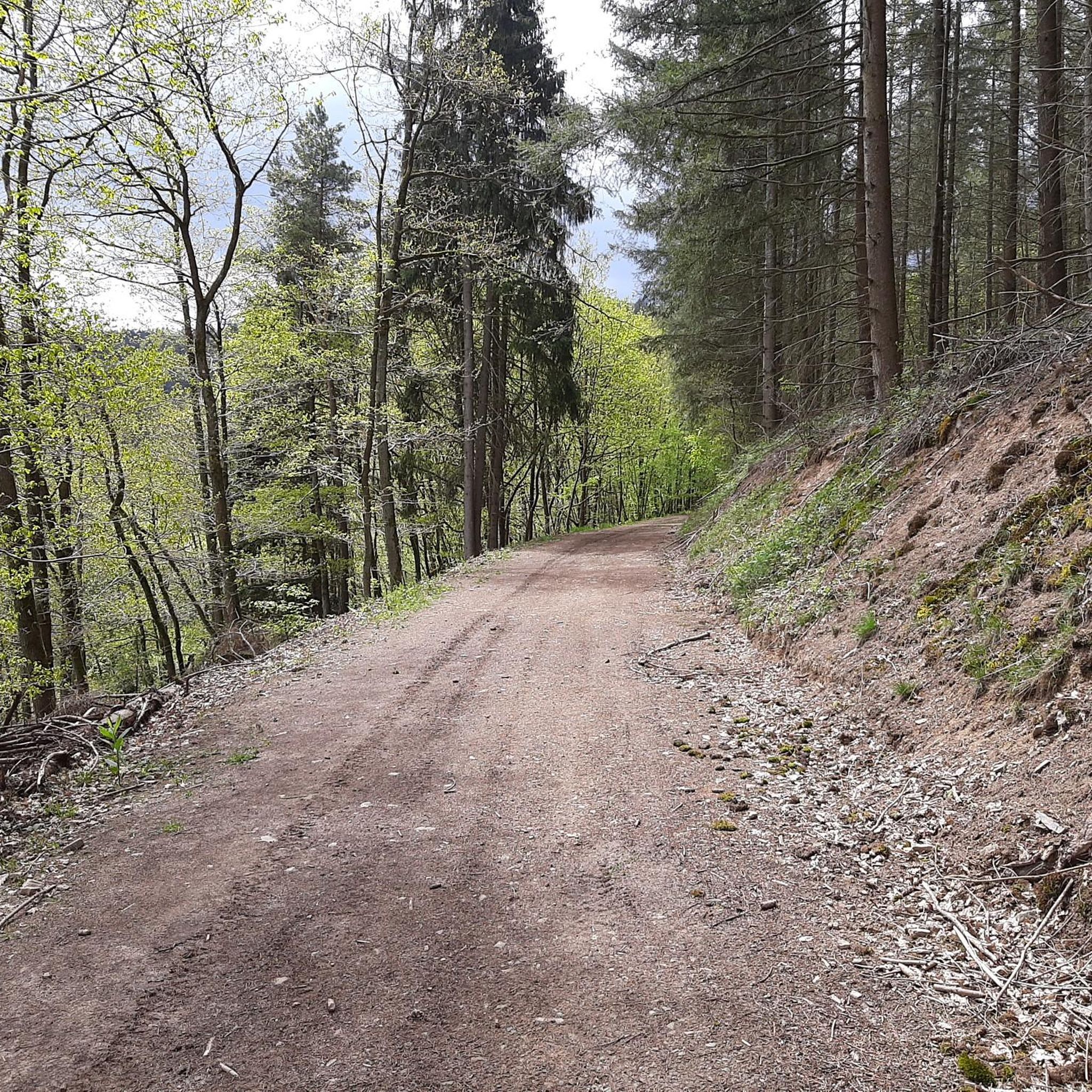
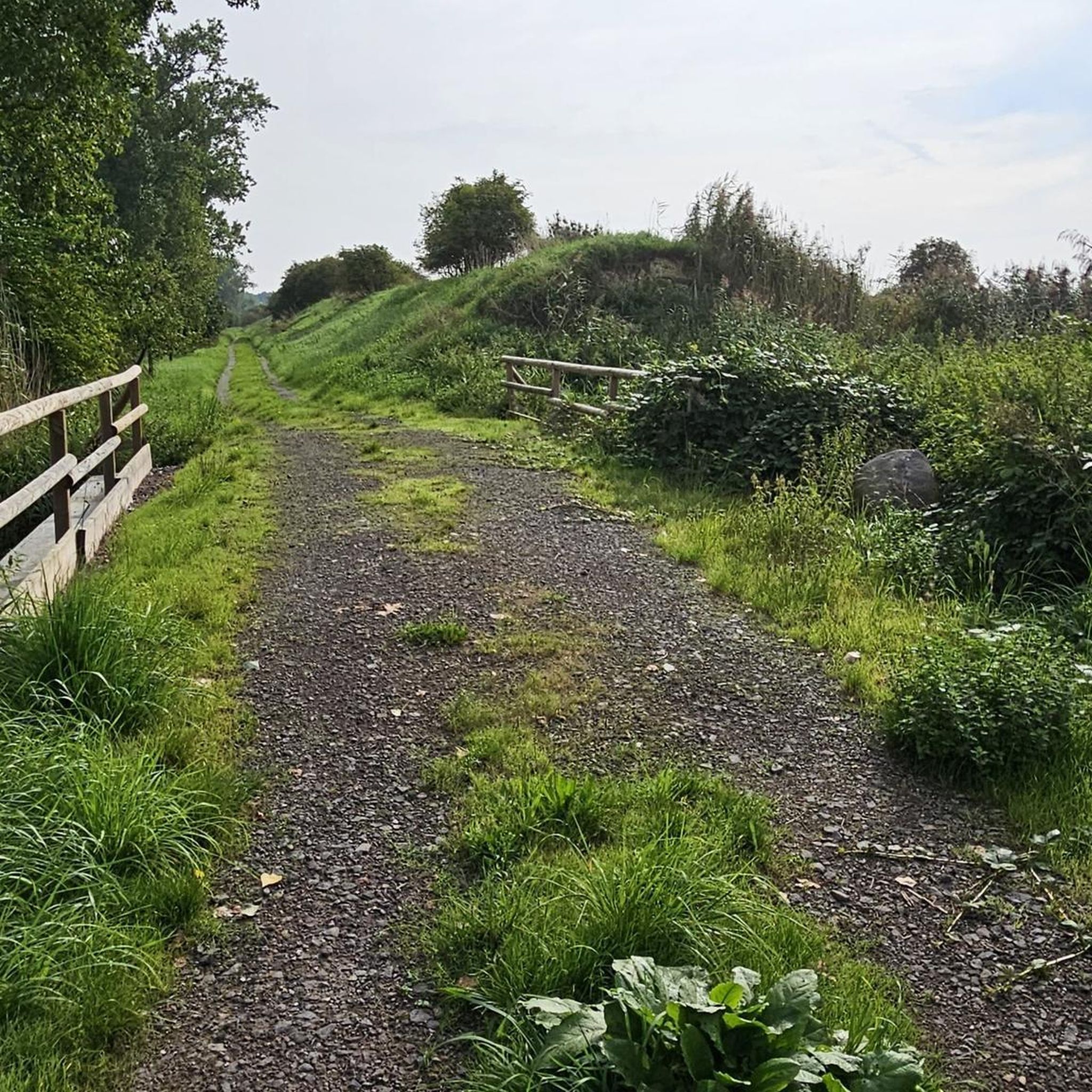
Tips from the Community

The impressive structure of this open-air Stations of the Cross, beautifully embedded in nature a little above the village of Adenau, has two grottos: + At the beginning one with a depiction of Jesus' prayer on the Mount of Olives, + At the end one with a depiction of the burial of Jesus. In between, the well-known 14 Stations of the Cross are lined up along the Stations of the Cross.
10
0

<< Adenauer Way of the Cross >> "The neo-Gothic Way of the Cross is within walking distance of the market square in Adenau and can be described as a unique cultural monument due to its location and its charming composition of various stone materials from the Upper Eifel. The length of the stations is approx. 700 m with a difference in altitude of approx. 75 m. The historic Way of the Cross is also a small section of the EIFELLEITER premium hiking trail." https://www.eifel.info/a-adenauer-kreuzweg
0
0

The Judokusweg leads from Langenfeld to Niederwelschenbach and via the pilgrimage stations “Black Madonna” and Judokusbrunnen through the Achterbachtal to the pilgrimage church of St. Jost and back to Langenfeld.
1
0

The information board is also very interesting.
1
0

In the language of the island, the piece of land with the 3 tunnel entrances in the so-called Kupferberg has always been referred to as a "gold hole". However, neither gold nor other precious metals have brought any monetary benefit to the citizens of the island in recent times. Rather, after mining was abandoned in the 1930s, the tunnels served as a place of refuge from bombing raids in World War II.
8
0

Very beautiful grotto and the last station of the Adenauer Way of the Cross. If you want, you can take a contemplative break here.
2
0

On the way from St. Jost to Acht, on the Jodokusweg, the statue of the "Black Mother of God" stands at the edge of the forest. It was once brought from Africa by the "White Fathers" and placed there. The lovingly designed and maintained place invites you to linger. The rippling of the nearby Achterbach creates a calming atmosphere.
3
0

Table and benches, nice place to rest. At the nearby fountain there is water!
1
0
Frequently Asked Questions
What types of caves can I explore around Adenau?
Around Adenau, you can explore both historically significant grottoes within the town and natural cave systems in the broader Eifel region. Adenau itself features religious grottoes like the Burial Grotto on the Adenau Way of the Cross, while the Eifel offers natural formations such as prehistoric caves, those formed by volcanic activity, and even former mining tunnels.
Are there any historical or religious grottoes in Adenau itself?
Yes, Adenau is home to significant historical and religious grottoes. The Burial Grotto on the Adenau Way of the Cross and the Grotto of Olives are integral parts of the neo-Gothic Way of the Cross, a contemplative path constructed in the 1860s. These sites offer a spiritual journey within a historical setting.
Which caves in the Eifel region are known for their historical significance?
The Eifel region boasts several historically significant caves. The Kakushöhle near Mechernich is one of Europe's oldest settlement sites, with traces of Neanderthal hunter-gatherers. The Buchenlochhöhle near Gerolstein also shows evidence of Neanderthal use. Additionally, the World War II Air Raid Shelter (Rhein-Ahr-Eifel) and the Goldloch Insul Mining Information Site offer insights into more recent history.
Are there family-friendly caves to visit near Adenau?
Many caves in the broader Eifel region are suitable for families. The Kakushöhle is freely accessible and offers an exciting excursion into nature and history. The Goldloch Insul Mining Information Site is also categorized as family-friendly, providing a nice rest area with explanations about mining history.
What natural caves can I find in the Eifel region?
Beyond Adenau's grottoes, the Eifel region offers diverse natural caves. The Heinzelmännchen Cave is a natural monument with views over the Mimbachtal. Other notable natural formations include the Genoveva Cave with its impressive rocky landscapes, and the Elfengrotte near Bad Bertrich, known for its unique basalt formations.
What is the best time to visit caves in the Eifel region?
Many caves in the Eifel region, especially the natural ones like the Millstone Caves, are freely accessible year-round. However, some may be temporarily closed in winter to protect hibernating bats. For specific caves, it's always advisable to check local information. Spring to autumn generally offers the most comfortable conditions for exploring and combining visits with outdoor activities.
Can I go hiking near the caves around Adenau?
Yes, the region around Adenau and the Eifel offers numerous hiking opportunities that can include cave visits. The Way of the Cross in Adenau, which includes the Grotto of Olives and the Burial Grotto, is a 1.8 km contemplative path. For more extensive hikes, you can find many trails in the Eifel that pass by caves like the Kakushöhle or the Buchenlochhöhle.
Are there any caves related to mining history in the Eifel?
Yes, the Eifel region has caves with a strong connection to mining history. The Goldloch Insul Mining Information Site features three tunnel entrances from former ore and gold mining. Additionally, the Millstone Caves in the Gerolsteiner Land are artificial caves formed by centuries of basalt extraction for millstones, offering a glimpse into historical human industry.
What outdoor activities can I combine with a visit to the caves near Adenau?
The area around Adenau is excellent for various outdoor activities. You can find numerous running trails, gravel biking routes, and road cycling routes. Many of these routes pass through scenic landscapes, allowing you to combine your cave exploration with a run, bike ride, or a leisurely walk.
What is special about the <a href="https://www.komoot.com/highlight/308955" target="_blank" rel="noopener">Black Madonna Grotto</a>?
The Black Madonna Grotto is a romantic place of worship that also serves as a quiet rest area. It is part of the Jodokus pilgrimage route, making it a popular stop for hikers seeking reflection and a peaceful break amidst nature.
Are there any caves near Adenau that are associated with local legends?
Yes, the Eifel region has caves steeped in local folklore. The Genoveva Cave south of Kordel is famously linked to the Sigfrid legend, with Genoveva said to have sought refuge there. The Heinzelmännchen Cave near Nachtsheim is also associated with the legend of the Heinzelmännchen (brownies) who, according to local tales, found a new home in the Eifel after fleeing Cologne.
What kind of geological formations can be seen in the Eifel caves?
The Eifel caves showcase diverse geological formations. The Elfengrotte, for instance, was formed by hot basalt flows, creating unique rock structures. The Millstone Caves are notable for their artificial formations resulting from basalt extraction, and in colder winters, impressive icicles can form within them. The Buchenlochhöhle highlights formations carved by groundwater over millions of years.
Are dogs allowed in the caves around Adenau?
Accessibility for dogs can vary significantly between different caves. Freely accessible natural caves like the Kakushöhle or the Buchenlochhöhle are generally dog-friendly, especially if they are open-air or unguided. For religious grottoes or more structured sites, it's best to check specific rules beforehand.
Most popular routes around Adenau
Most popular attractions around Adenau

Get inspired with the komoot mobile app


Explore more
Extend your search for the best caves by checking out these guides of the top ones around Adenau:
