Top 5 Caves in the Tuxer Alps
Best caves in the Tuxer Alps are found within a mountainous region in Tyrol, characterized by both natural geological formations and historical mining tunnels. The area features a mix of natural grottoes and man-made caverns that once yielded silver and copper. Visitors can explore these underground sites to gain insights into the region's natural processes and its industrial past. These locations offer a diverse range of experiences for those interested in the underground landscapes of the Tuxer Alps.
Best caves…
Last updated: May 13, 2026
Schrauben Waterfall
Highlight • Waterfall
Translated by Google •
Tip by

Schwaz Silver Mine
Highlight • Historical Site
The Schwaz Silver Mine – Following in the Footsteps of the Miners
"The mother of all mines," the largest silver mine of the late Middle Ages, is …
Translated by Google •
Tip by

Sign up now to discover places like this
Get recommendations on the best single tracks, peaks, & plenty of other exciting outdoor places.
Sign up for free
Wild Man Schrofen Grotto
Highlight • Cave
Translated by Google •
Tip by

Boulder Cave
Highlight • Cave
Translated by Google •
Tip by

Juliusstollen Show Mine
Highlight • Historical Site
Translated by Google •
Tip by

Hildegard Tunnel
Highlight (Segment) • Cave
Translated by Google •
Tip by

Start today with a free account
Your next adventure awaits.
Login or Signup
Popular around Tuxer Alps
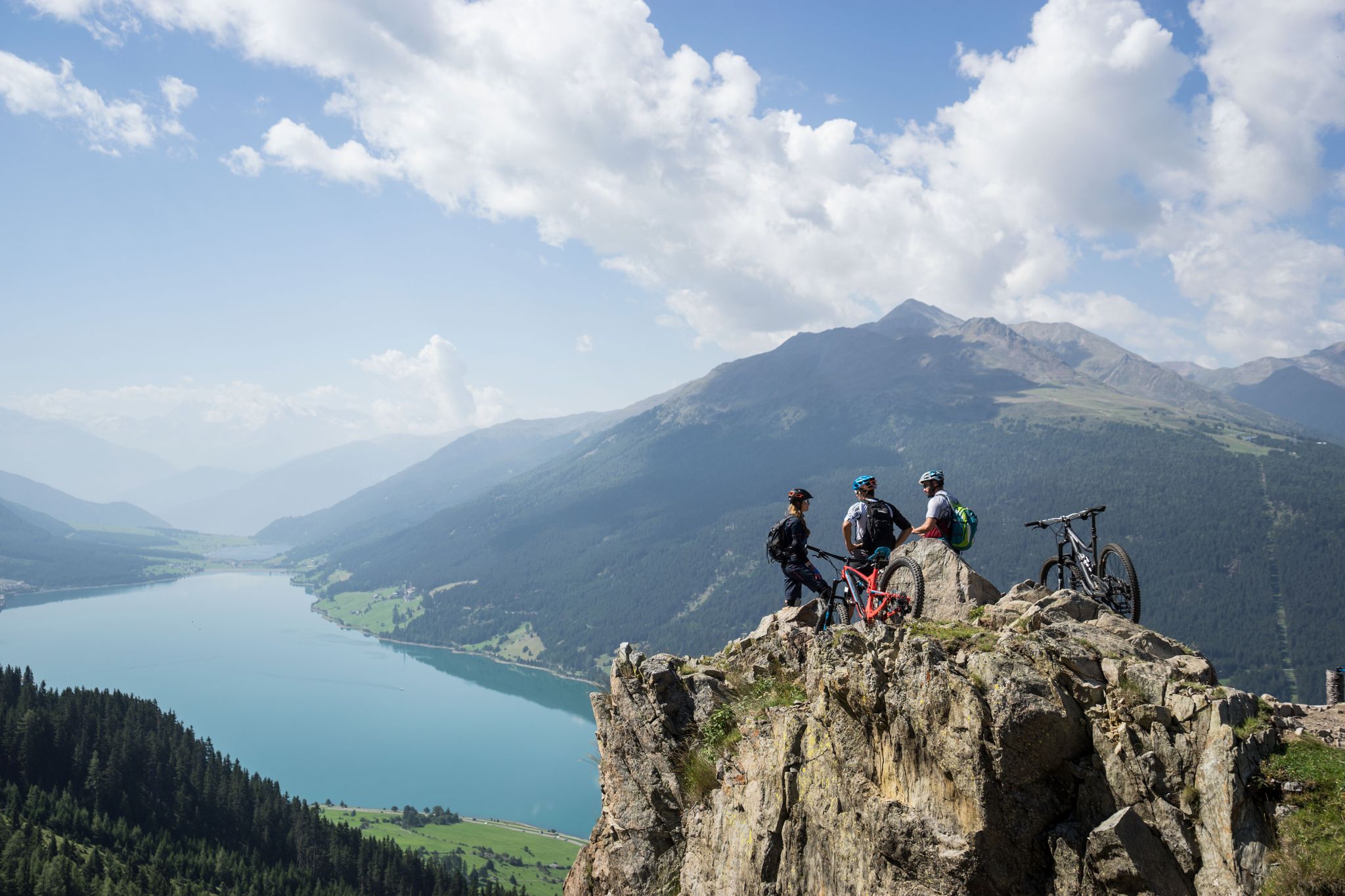
High into the Tyrolean mountain world – mountain biking in Tyrol
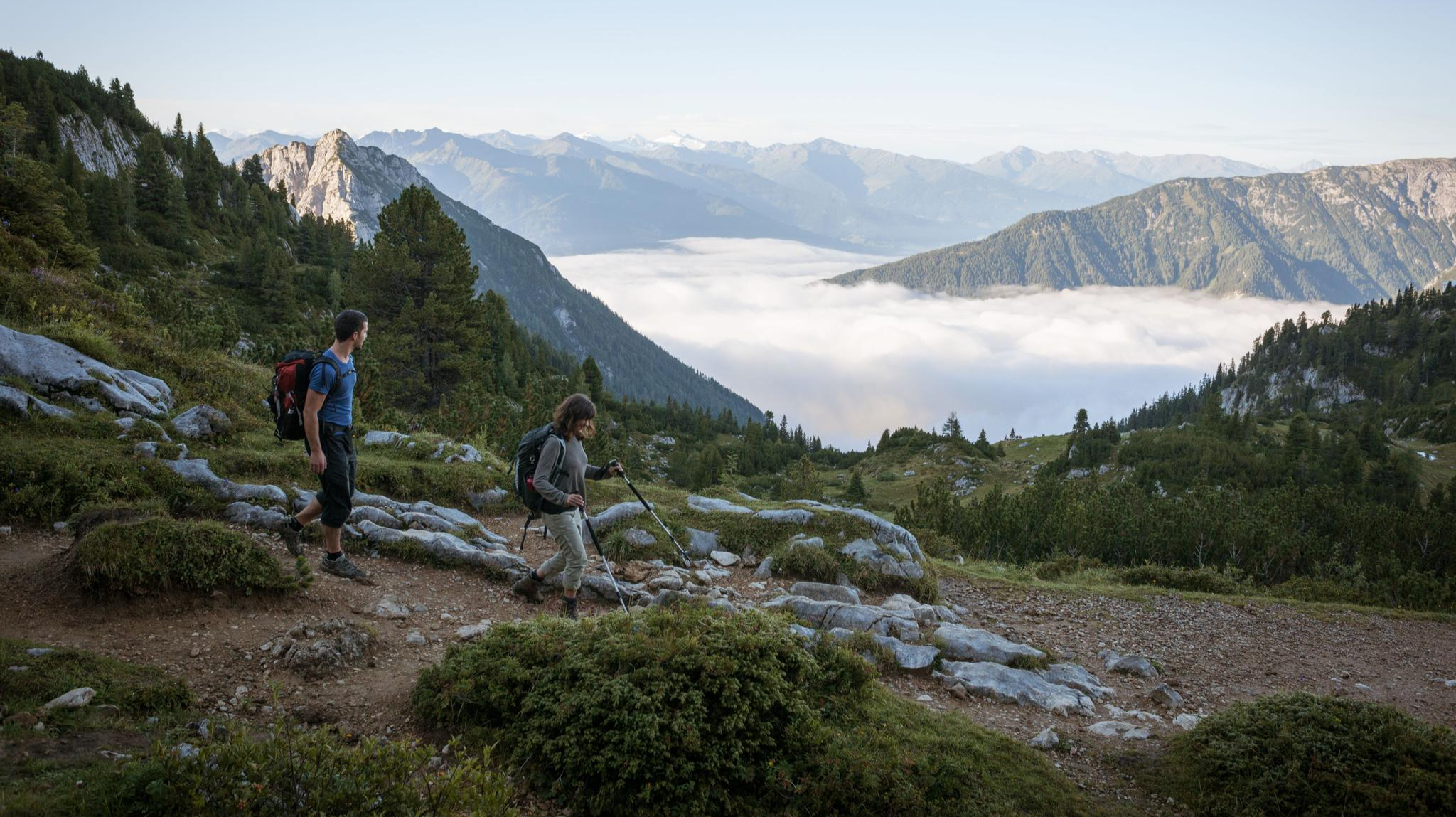
Eagle Walk – Majestic hiking along Tirol's trail
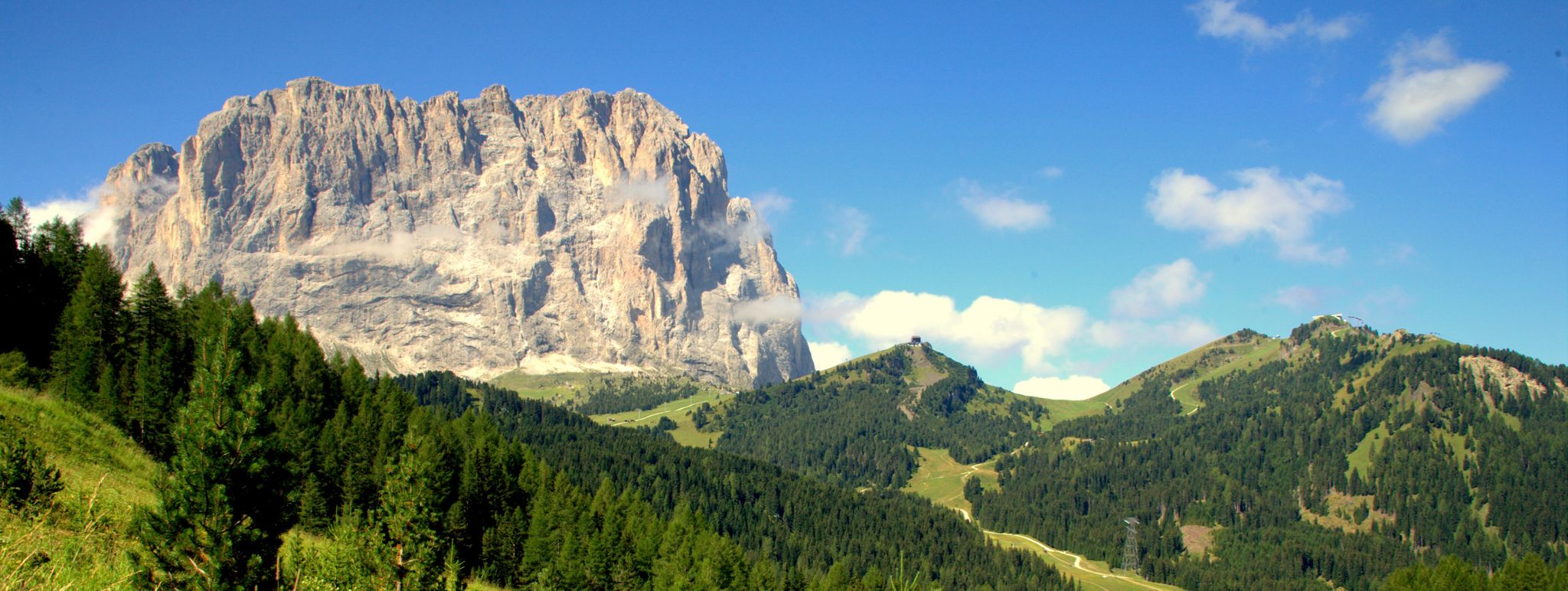
Via Venezia Alpina – hiking across the Alps to the Adriatic Sea
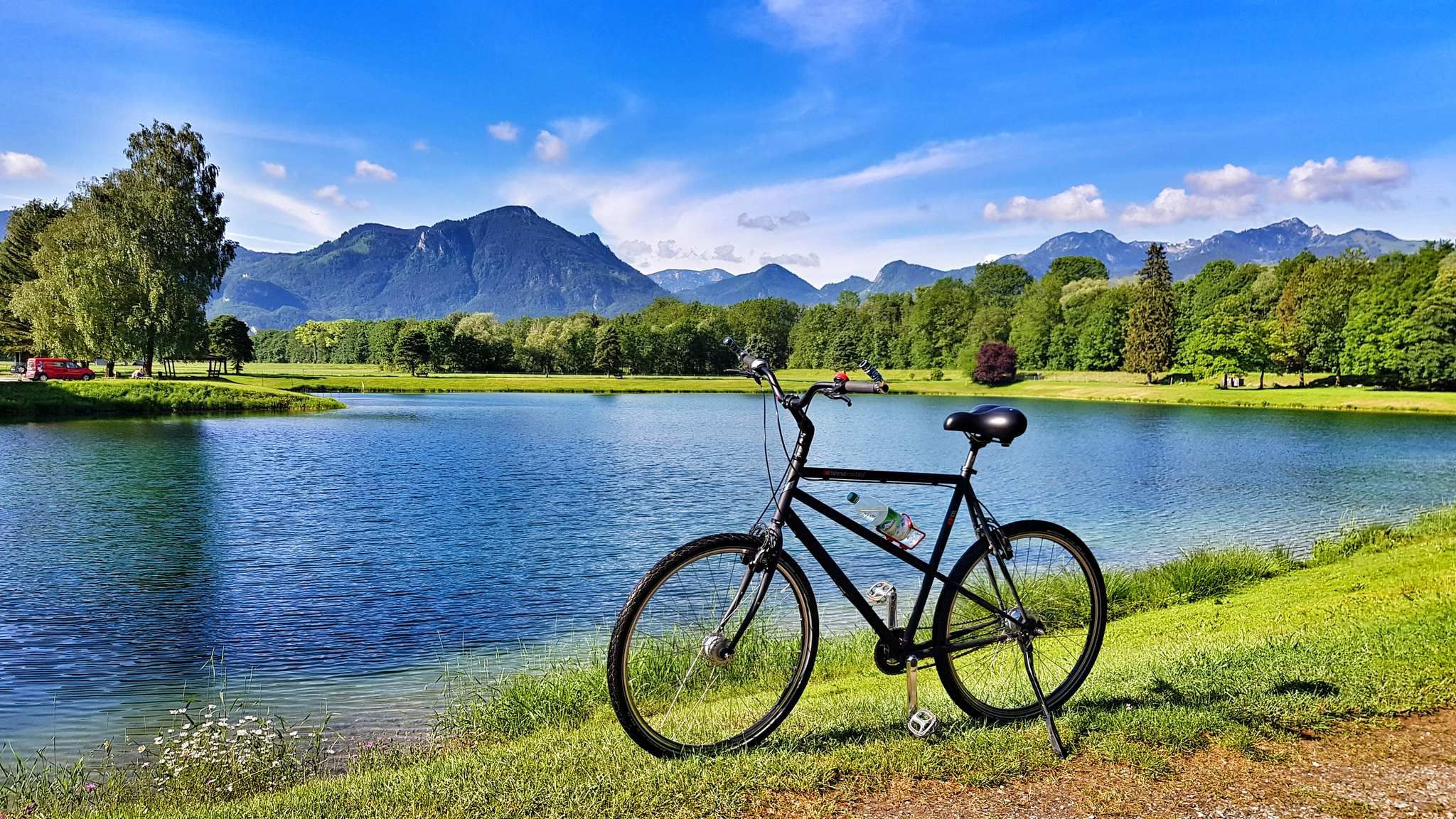
The Inn Cycle Path – From a babbling brook to a mighty river
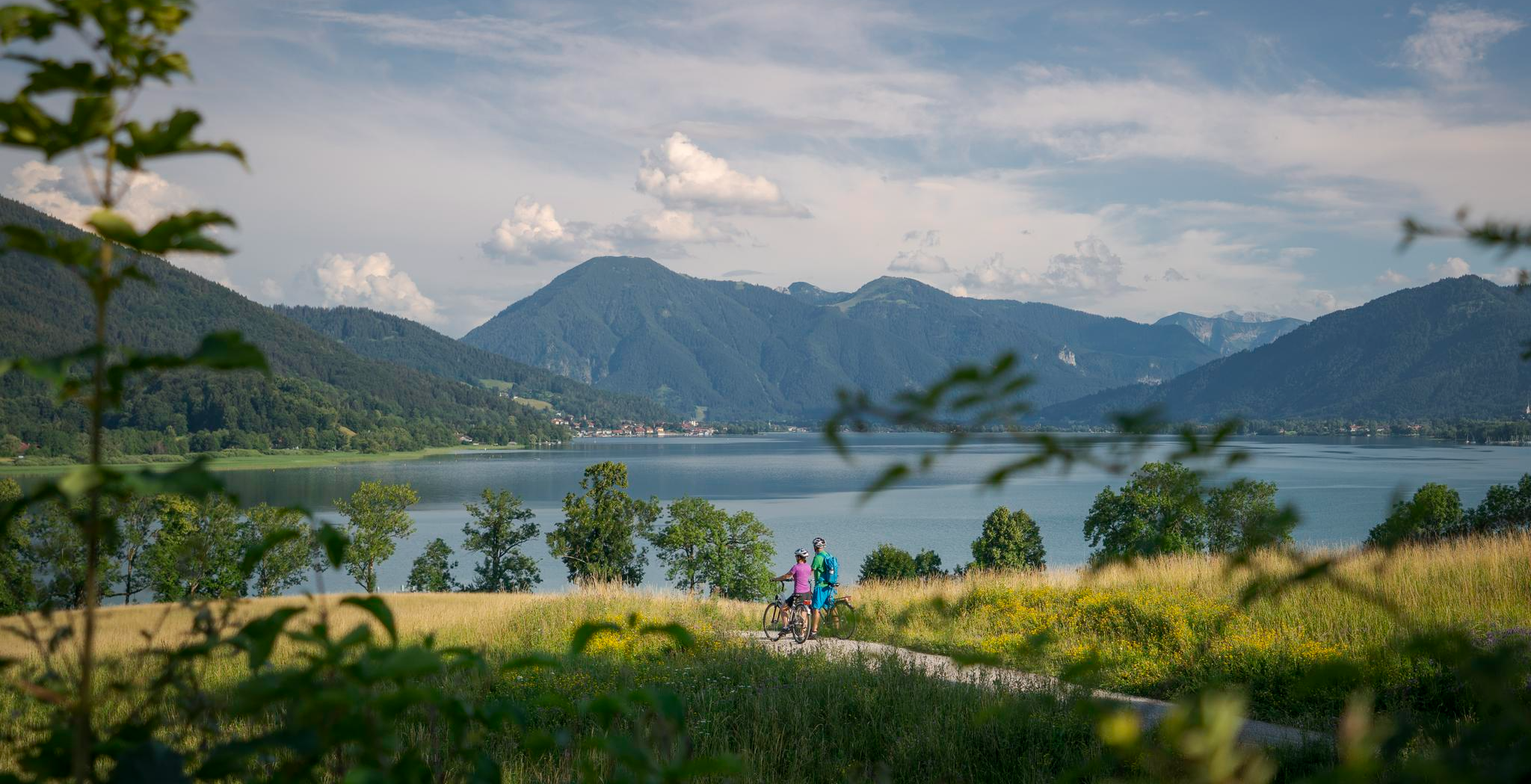
The Munich-Venice Long-Distance Cycle Path – A beautiful Alps crossing
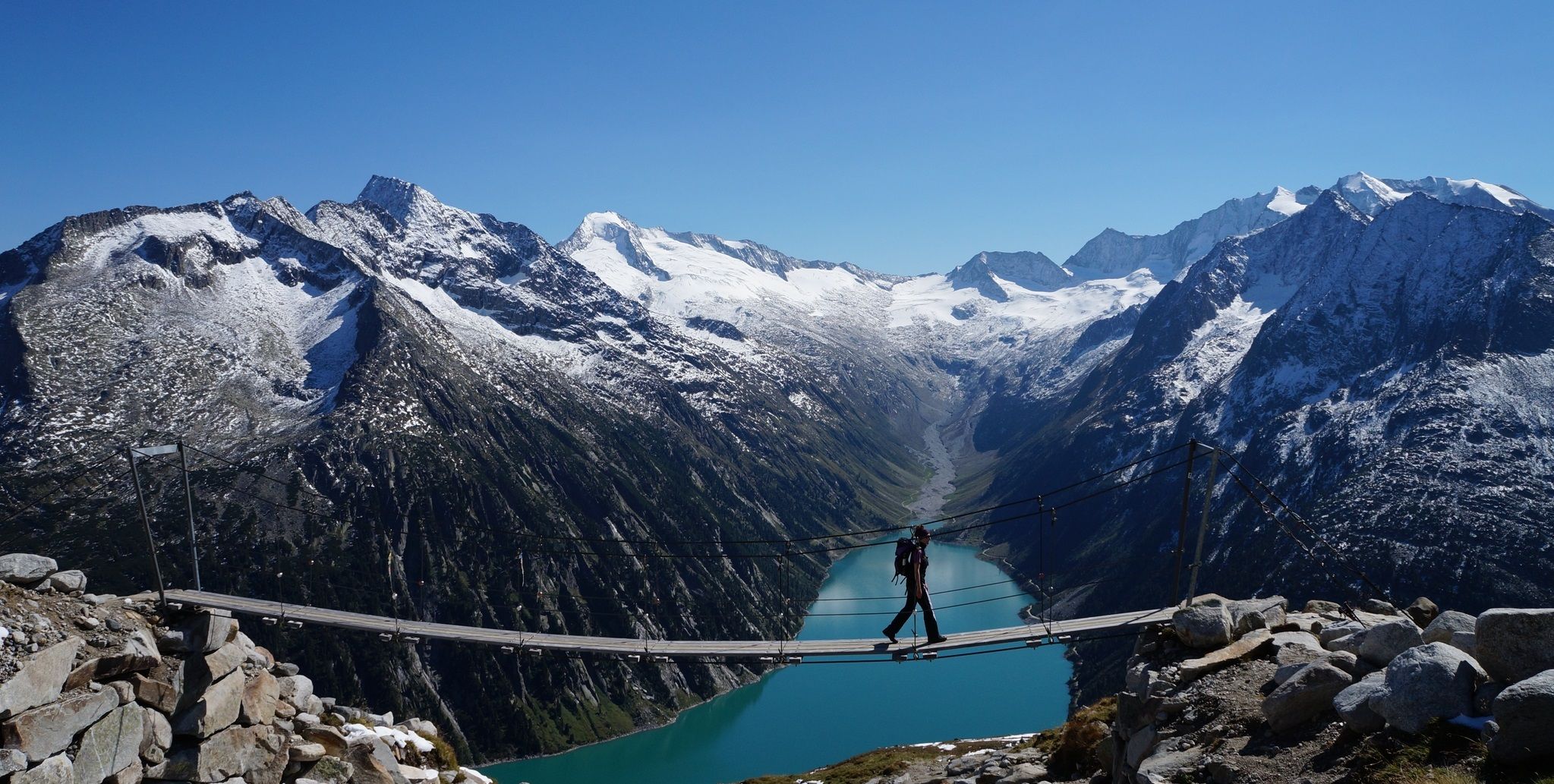
The Peter Habeler loop — an alpine trail around the Olperer
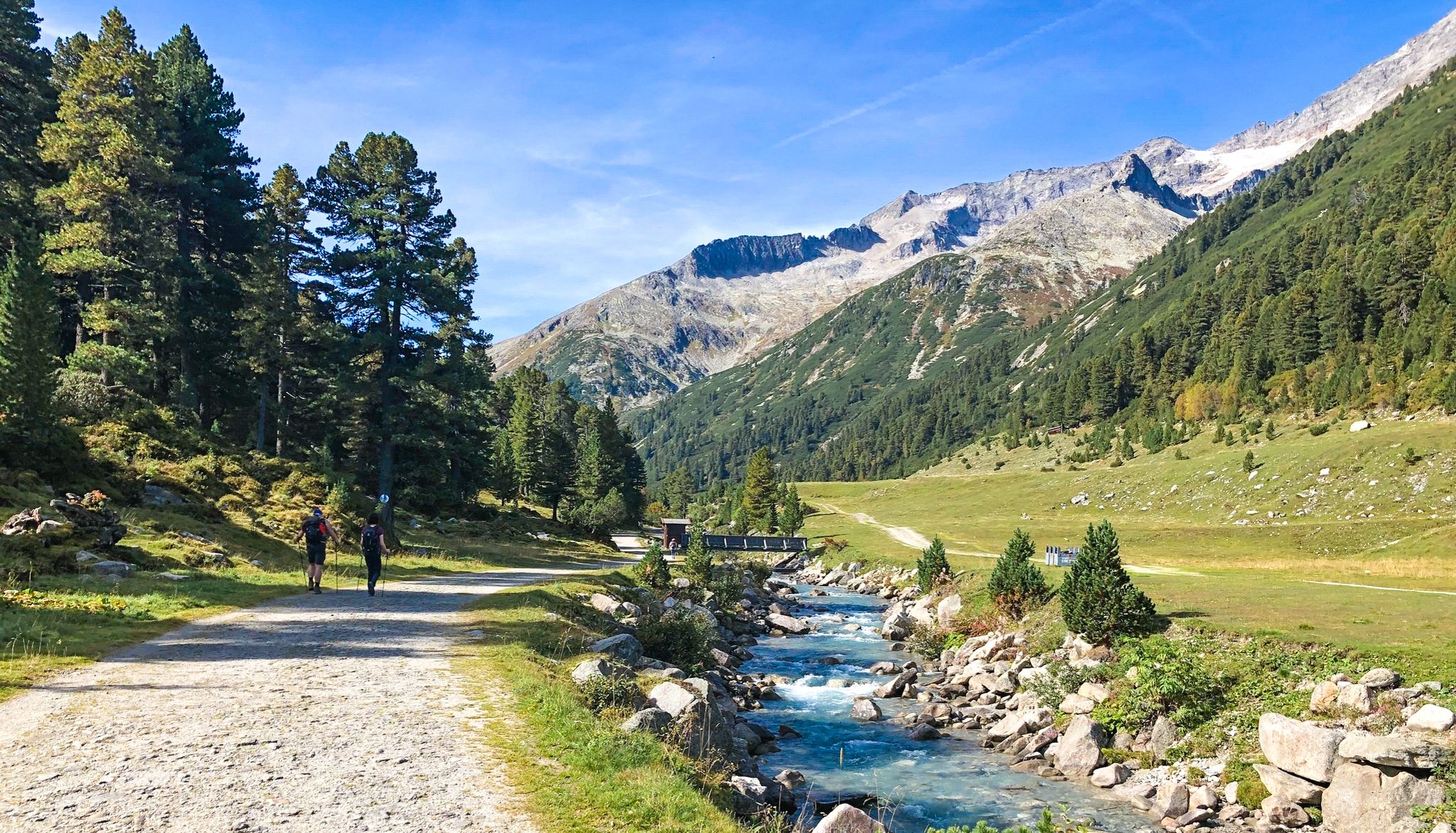
Alpine crossing for pleasure hikers – 7 stages from Lake Tegernsee to Sterzing
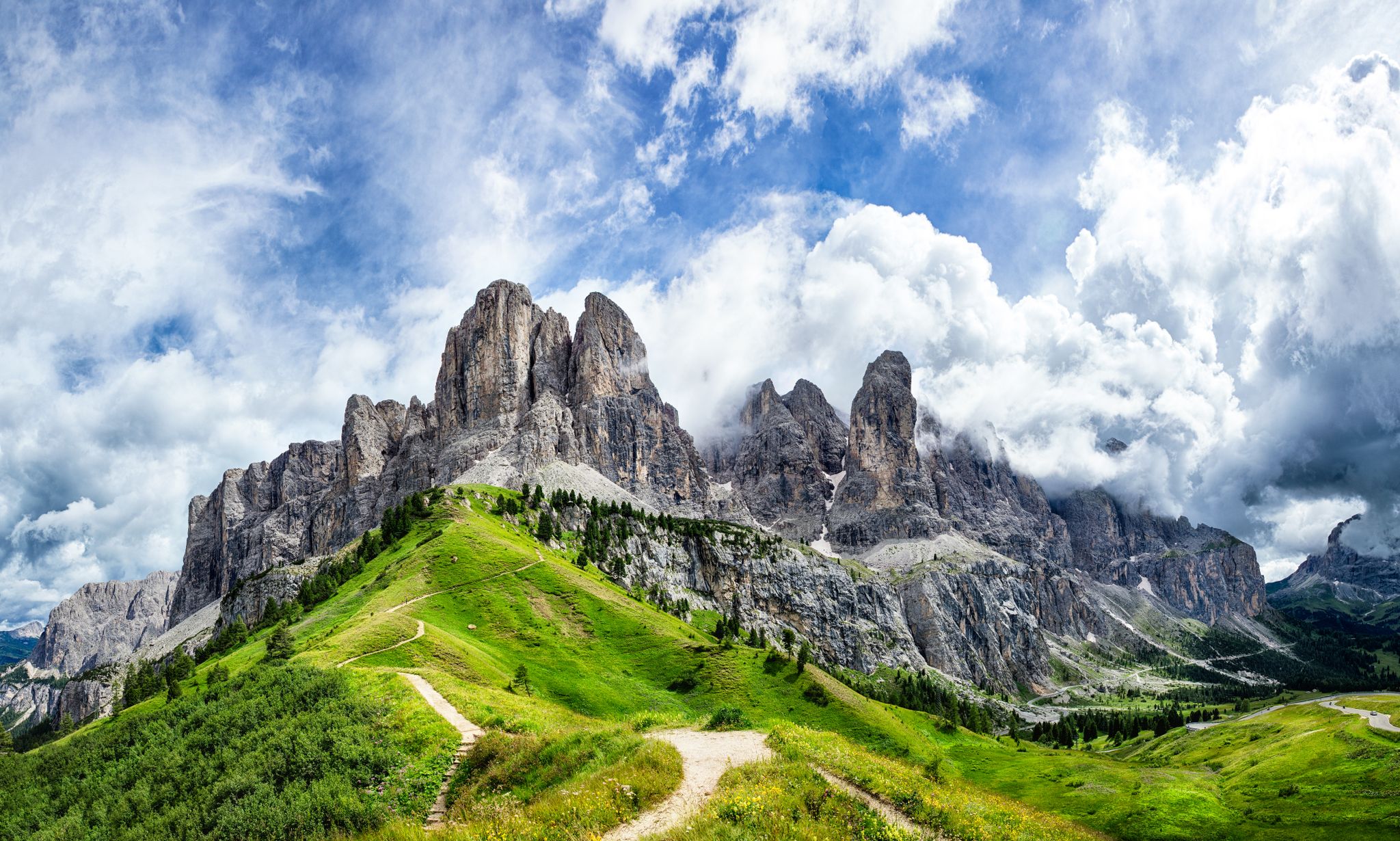
The "Dream Path" hiking trail – From Munich to Venice in 28 stages
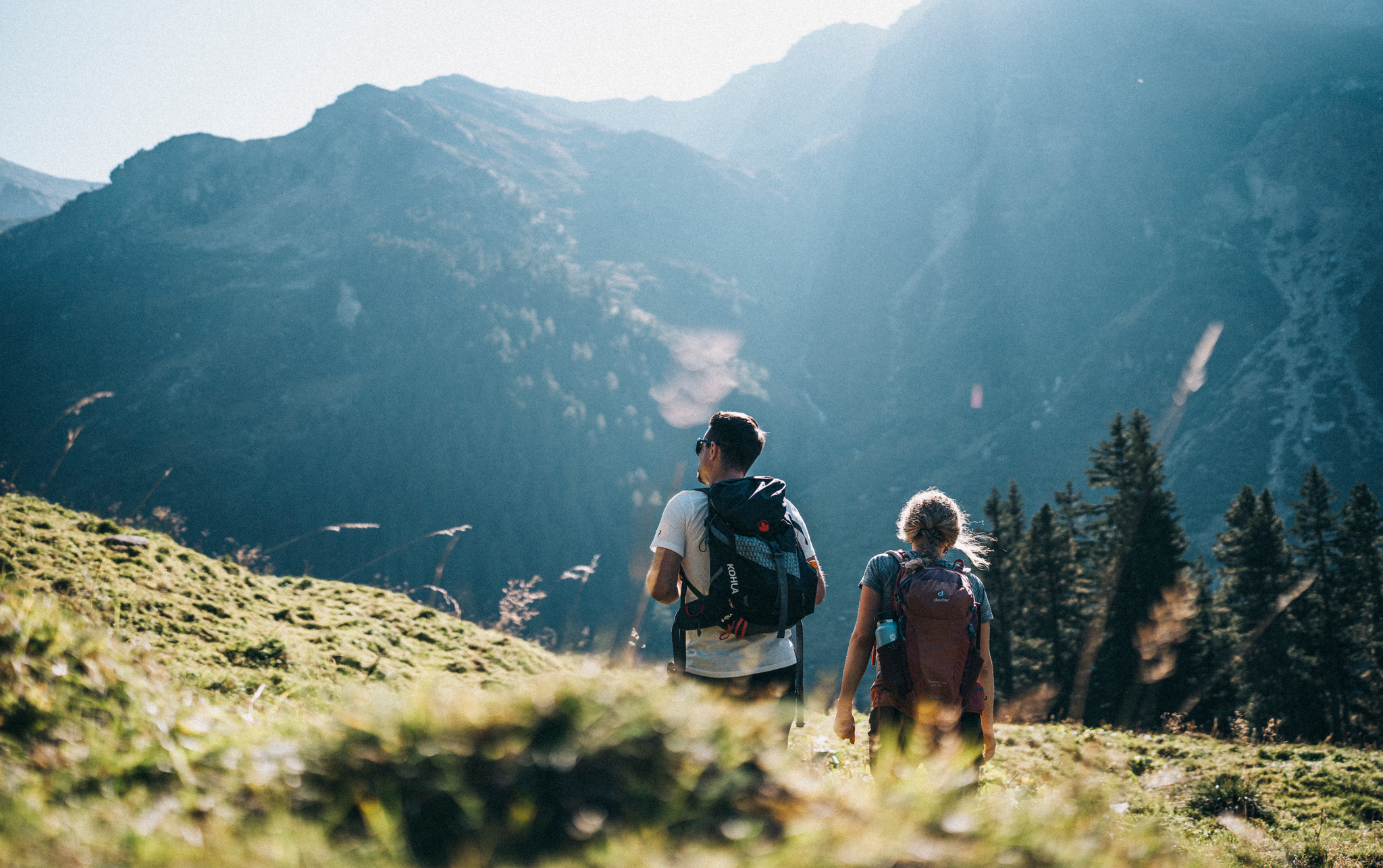
The most beautiful autumn hikes in Hall-Wattens
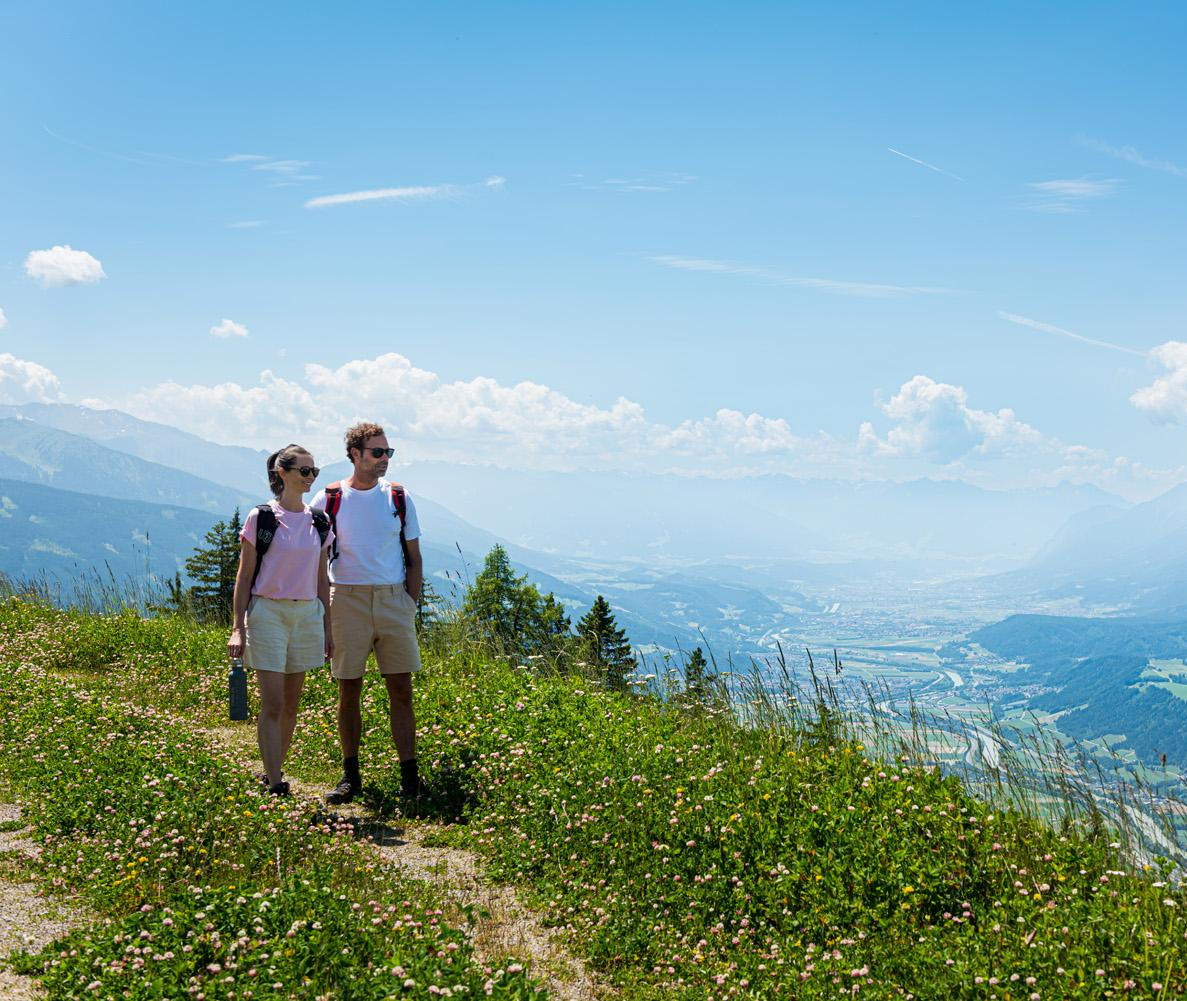
Pure enjoyment in nature – hiking in the Silberregion Karwendel
Other adventures in the Tuxer Alps


Tips from the Community

Following in the Miners' Footsteps / Schwaz Silver Mine The silver mine is "the must-see attraction in Tyrol." 85% of the world's mined silver came from this mine, which extends deep into the mountain. After descending 800 meters on the mine train, a breathtaking underground world awaits you. You'll follow in the footsteps of the miners and experience the hardships they endured 500 years ago to extract copper and silver. One of the highlights is the famous Schwaz waterwheel, installed in 1556 to pump out the mine water – it was considered a true marvel of engineering at the time. Text / Source: Schwaz Silver Mine, Alte Landstraße 3a, Schwaz https://www.silberbergwerk.at/
13
0
Schwaz Silver Mine The Schwaz Silver Mine – Following in the Footsteps of the Miners "The mother of all mines," the largest silver mine of the late Middle Ages, is located in Schwaz, Tyrol. Up to 10,000 miners searched for and found silver and copper here 500 years ago, making the town of Schwaz the largest mining metropolis in the world! Discover breathtaking insights into bygone eras – the silver mine will be an unforgettable excursion! Text / Source: Schwaz Silver Mine, Alte Landstraße 3a, Schwaz https://www.silberbergwerk.at/
15
0

There are several waterfalls on the Hintertux hiking trail 526 and all of them are beautiful to look at.
0
0

"The mother of all mines," the largest silver mine of the late Middle Ages, is located in Schwaz in Tyrol. Up to 10,000 miners searched for and found silver and copper here 500 years ago, turning the town of Schwaz into the largest mining metropolis in the world!
4
0

There are a few places to sit and relax here.
0
0

In the Middle Ages, Schwaz was the mining center of Europe. About 85% of the world's silver produced came from Schwaz, making the city the world's largest mining metropolis around 1500 and making Tyrol one of the richest countries in Europe. The great trading families became so influential that they used the Schwaz silver to dictate the politics of Europe and the discoveries of the new world. https://www.silberbergwerk.at/
9
0

The Schwaz silver mine was one of the largest and most productive mines of the late Middle Ages and was known far beyond the country's borders. It is also called the "mother of all mines". Silver and copper ores were mainly mined here. The tour of the mine is really adventurous and extremely interesting! You learn a lot about the work underground and Schwaz's rise to become the largest silver mining metropolis. We were totally amazed and would have loved to see and learn more. Good shoes and appropriate clothing are recommended, as the temperature in the tunnel is a constant 12 °C and it is a bit wet and slippery in places.
2
0

Wear good shoes, a bit slippery
0
0
Frequently Asked Questions
Are there family-friendly caves to visit in the Tuxer Alps?
Yes, the Schwaz Silver Mine is a popular family-friendly attraction where you can explore historical mining tunnels. The Hildegard Tunnel is also considered family-friendly, offering a cool and well-lit walk that is particularly enjoyable with children.
What historical insights can I gain from visiting caves in the Tuxer Alps?
The Tuxer Alps are rich in mining history. The Schwaz Silver Mine, known as the 'mother of all mines,' offers a deep dive into the region's past as the largest silver mine of the late Middle Ages. You can also visit the Juliusstollen Show Mine, Austria's highest show mine, to learn about historical mining practices.
What natural features can I expect to see in the caves of the Tuxer Alps?
You can explore natural grottoes and unique geological formations. The Schrauben Waterfall features water flowing through the Screwfall Cave, with display boards explaining the significance of water in the valley. The Wild Man Schrofen Grotto is another natural monument, offering a glimpse into the region's natural rock formations.
What should I wear when visiting caves in the Tuxer Alps?
For most cave visits, especially those involving walking or exploring natural grottoes, it's advisable to wear sturdy, closed-toe shoes with good grip, as conditions can be slippery. Layers of clothing are also recommended, as temperatures underground are consistently cool, even in summer.
Are there any guided tours available for caving in the Tuxer Alps?
Yes, guided tours are available, particularly for historical sites like the Schwaz Silver Mine, where you descend by mine train. The Juliusstollen Show Mine also offers guided tours into the hand-milled tunnels, providing insights into mining history.
What outdoor activities can I do near the caves in the Tuxer Alps?
The Tuxer Alps offer a variety of outdoor activities. You can find numerous mountain hikes, including routes like the Schleier Waterfall loop. For cyclists, there are road cycling routes and gravel biking trails, such as the Zillertal Cycle Path loops.
Are there any caves in the Tuxer Alps that are easily accessible?
The Hildegard Tunnel is well-lit and pleasant to walk through, making it quite accessible. While the Wild Man Schrofen Grotto is accessible, sure-footedness is recommended due to potentially slippery conditions.
What do visitors enjoy most about the caves in the Tuxer Alps?
Visitors appreciate the blend of natural beauty and historical significance. The Schrauben Waterfall is noted for its interesting water flow through the cave. The Schwaz Silver Mine is a highlight for its immersive historical experience, while the Hildegard Tunnel is enjoyed for its cool atmosphere and family-friendly nature.
Can I visit caves in the Tuxer Alps during winter?
Some indoor attractions like the Schwaz Silver Mine may operate during winter months, but it's essential to check their specific opening hours and seasonal schedules. Natural grottoes and outdoor cave entrances might be less accessible or closed due to snow and ice.
Are there any hidden or less-known caves to explore in the Tuxer Alps?
While the region is known for its prominent natural grottoes and historical mines, the Boulder Cave offers a more secluded natural monument experience. For specific hidden spots, local guides or detailed topographical maps might provide further insights.
Are permits required for caving in the Tuxer Alps?
For organized show mines like the Schwaz Silver Mine or the Juliusstollen Show Mine, entry tickets are required. For exploring natural, undeveloped caves, specific permits might be necessary depending on the location and any protected status; it's always best to check with local authorities or tourism offices beforehand.
What are the difficulty levels for exploring caves in the Tuxer Alps?
Difficulty varies. Sites like the Hildegard Tunnel are generally easy walks. Others, such as the Wild Man Schrofen Grotto, recommend sure-footedness due to potentially slippery conditions. Show mines typically involve guided tours on established paths, suitable for most visitors.
Most popular routes in the Tuxer Alps
Most popular attractions in the Tuxer Alps

Get inspired with the komoot mobile app


Explore more
Extend your search for the best caves by checking out these guides of the top ones in the Tuxer Alps:
