Top 5 Caves in the High Tauern
Best caves in the High Tauern are found within a significant mountain range in the Central Eastern Alps, spanning parts of Austria. This region is characterized by its high peaks, glaciers, and diverse geological formations, including numerous natural and historical cave systems. The landscape offers a variety of outdoor experiences, from alpine trails to explorations of subterranean environments. The High Tauern is a protected area, home to the Hohe Tauern National Park, preserving its natural heritage.
Best caves in the…
Last updated: June 25, 2026
Eisloch
Highlight • Cave
Translated by Google •
Tip by

Rock Tunnel in Prosseggklamm
Highlight • Cave
Translated by Google •
Tip by

Sign up now to discover places like this
Get recommendations on the best single tracks, peaks, & plenty of other exciting outdoor places.
Sign up for free
Ofenloch Cave
Highlight • Cave
Tip by

Cave Behind the Waterfall
Highlight • Cave
Translated by Google •
Tip by

Old Gold Miners' Tunnel
Highlight • Cave
Translated by Google •
Tip by

Zirknitzgrotte
Highlight • Cave
Translated by Google •
Tip by

Hieronymus-Erbstollen
Highlight • Historical Site
Translated by Google •
Tip by

Start today with a free account
Your next adventure awaits.
Login or Signup
Popular around High Tauern
#Winterlove — 14 tips for your winter adventure in Austria
The Tauernhöhenweg – Once across the Hohe Tauern
From Bavaria to the Adriatic - My Bikepacking Adventure to Croatia 2023
Hohe Tauern Panorama Trail – Face-to-face with 3000-metre peaks
Long hikes on the southern side of the Austrian Alps – in Carinthia
Austria's High & Holy Pilgrimage Trail – Walking across mountains and borders
Ruperti Trail – Hike from Austria's Bohemian Forest to the Carnic Alps
Wiener Höhenweg in Austria – 6 stages in the Schober Group
Venediger High Trail – mountain huts and glacial views
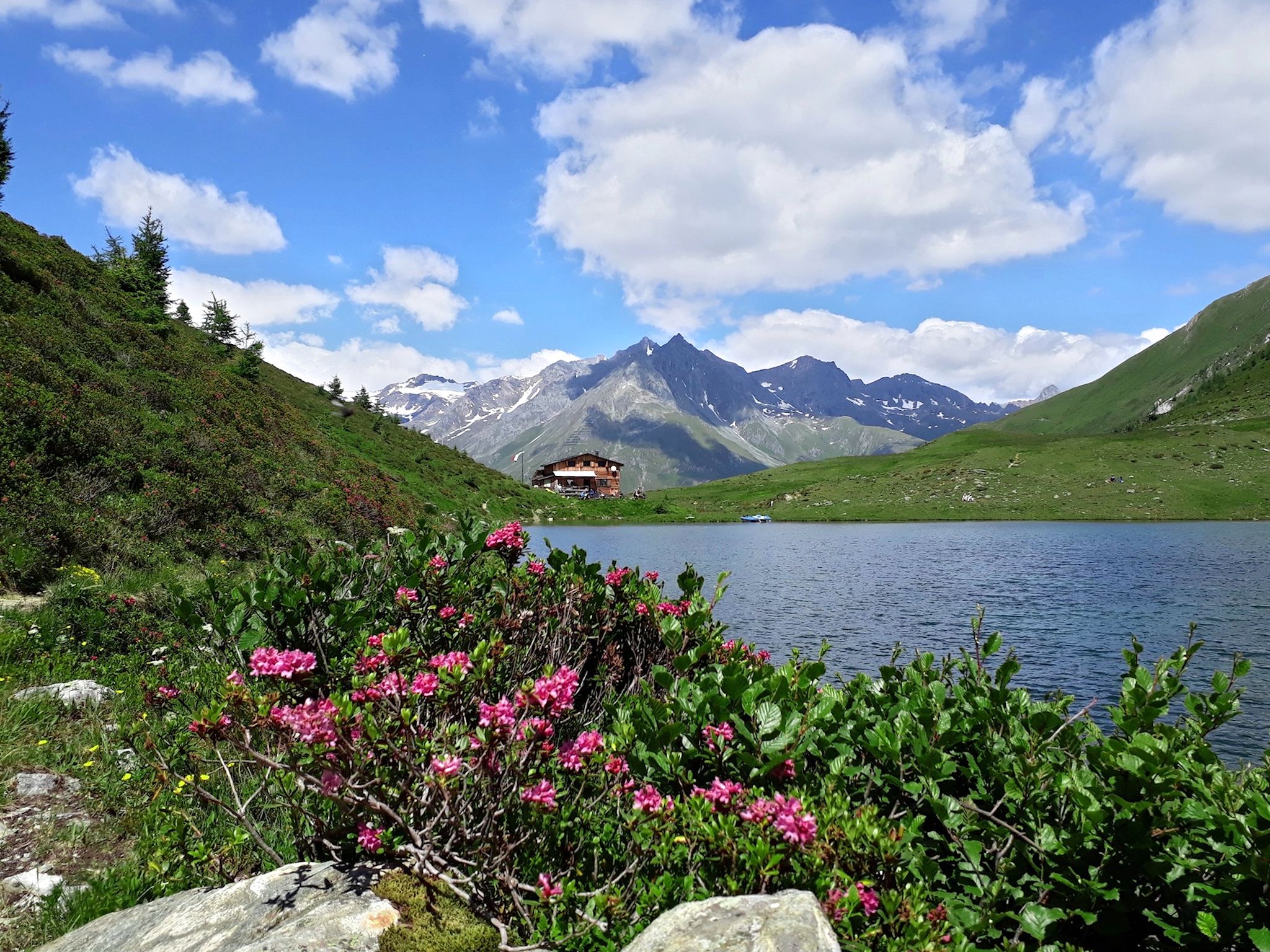
Lasörling High Altitude Trail in Austria – Alpine huts and glacial views
Other adventures in the High Tauern


Tips from the Community

Anyone who steps close enough to the large block work suddenly feels an icy breath. Cold air flows through the large cracks, crevices, and fissures between the rock blocks. Cold air is heavier than warm air and seeps down through the cavities. It cools down further until it finally emerges at the ice hole with temperatures of 4-6 degrees. The sun warms the air again, it rises and is sucked back between the rocks by the resulting negative pressure. One could describe an ice hole as a refrigerator powered by a sun engine.
0
0


Reconstructed shaft entrance, foundations of a dwelling, and information boards. The path is unmarked. Simply follow the large cairns that someone kindly erected.
0
0

A small cave behind the waterfall offers a magnificent view through the waterfall into the valley below. A steep path with a via ferrata (secured by a wire rope) leads there.
0
0


The path along the Tauernbach is adventurous. It leads past and through rocks, like this tunnel here. A flashlight is helpful.
0
1

Frequently Asked Questions
What types of caves can I explore in the High Tauern region?
The High Tauern offers a diverse range of subterranean environments, including natural caves, historical mining tunnels, and ice caves. You can find geological formations, as well as sites reflecting past human activity like gold and copper mining.
Are there any family-friendly caves in the High Tauern?
While specific 'family-friendly' designations aren't always available, many natural caves and historical sites can be enjoyed by families. For example, the Old Gold Miners' Tunnel offers information boards and a reconstructed shaft entrance, providing an educational experience. Always check the difficulty level for specific routes leading to caves.
What are some unique natural features to look for in High Tauern caves?
The region's caves showcase diverse geological formations. For a unique experience, visit Eisloch, known for its natural cooling effect, or the Cave Behind the Waterfall, which offers a view through the waterfall into the valley below.
What historical sites related to mining can be found in the High Tauern caves?
The High Tauern has a rich mining history. You can explore the Old Gold Miners' Tunnel, a restored tunnel from the 17th-century gold mining era. Another significant site is the Hieronymus-Erbstollen, which is the entrance to the Hochfeld show mine where copper was once extracted.
What is the difficulty level for exploring caves in the High Tauern?
The difficulty varies significantly. Some caves, like Cave Behind the Waterfall, involve a steep path with a via ferrata, making them challenging. Others, like the approach to Ofenloch Cave, might be intermediate. Always check the specific route details for each cave to assess its difficulty.
What should I wear when visiting caves in the High Tauern?
Given that caves can be cool and damp, even on warm days, it's advisable to wear layers of clothing. Sturdy, waterproof footwear with good grip is essential, especially if paths are wet or uneven. For more challenging caves, consider bringing a headlamp and gloves.
Are there any hidden gem caves in the High Tauern?
Yes, the Ofenloch Cave is considered a hidden exploration opportunity, as it's not directly in the line of sight from the main path. It requires a keen eye to discover while hiking.
What outdoor activities can I combine with a visit to the High Tauern caves?
The High Tauern region offers numerous outdoor activities. You can find excellent options for cycling, mountain biking, and waterfall hikes. Many caves are located along hiking trails, allowing you to integrate cave exploration into a longer outdoor adventure.
What do visitors enjoy most about the caves in the High Tauern?
Visitors appreciate the unique experiences offered by the caves. Many enjoy the refreshing coolness of places like Eisloch on a hot day, or the magnificent views from behind the Cave Behind the Waterfall. The historical insights from mining tunnels also draw significant interest.
Is it possible to find guided tours for caves in the High Tauern?
While some historical mining tunnels, like the Hieronymus-Erbstollen (Hochfeld show mine), may offer guided tours, many natural caves are accessible for self-exploration. It's recommended to check local tourist information for specific tour availability and schedules, especially for show mines.
What is the best season to visit the High Tauern caves?
The best season often depends on the specific cave and its accessibility. Many natural caves are accessible during the warmer months when hiking trails are clear of snow. Ice caves are typically best visited in late spring or early summer when the ice formations are most impressive. Historical mining tunnels may have specific opening seasons, so it's best to check in advance.
Most popular routes in the High Tauern
Most popular attractions in the High Tauern

Get inspired with the komoot mobile app


Explore more
Extend your search for the best caves by checking out these guides of the top ones in the High Tauern:
