Top 5 Gorges around Landkreis München
Canyons around Landkreis München primarily refer to the impressive gorges, known as "Klamm," found in the surrounding Bavarian Alps. This region, adjacent to Munich, is characterized by its diverse natural landscape, including forests and river valleys. These natural formations provide popular day trip destinations for outdoor enthusiasts. The area offers scenic hiking opportunities through these unique geological features.
Best canyons around Landkreis München
- The most popular canyons is Gleißental Valley, a gorge that offers a scenic and shady route.…
Last updated: September 29, 2026
Gleißental Valley
Highlight (Segment) • Gorge
Translated by Google •
Tip by

Gleißental Dip Between Kreuzpullach and Ödenpullach
Highlight (Segment) • Gorge
Translated by Google •
Tip by

Sign up now to discover places like this
Get recommendations on the best single tracks, peaks, & plenty of other exciting outdoor places.
Schlocker Grotto (Aying)
Highlight • Religious Site
Translated by Google •
Tip by

Kupferbachtal
Highlight (Segment) • Gorge
Translated by Google •
Tip by
Wilder Graben Trail
Highlight • Trail
Translated by Google •
Tip by

Gleißental Valley
Highlight (Segment) • Gorge
Even with high temperatures, it is pleasantly cool here in midsummer.
In winter it is very cold here!
Translated by Google •
Tip by

Start today with a free account
Your next adventure awaits.
Popular around Landkreis München

Triathlon 360 – my journey around the world
The Munich-Venice Long-Distance Cycle Path – A beautiful Alps crossing
Isar cycle path — From Alpine peaks to the Auenwald (7 stages)
The "Dream Path" hiking trail – From Munich to Venice in 28 stages
Rando Imperator — a road bike dream with gravel
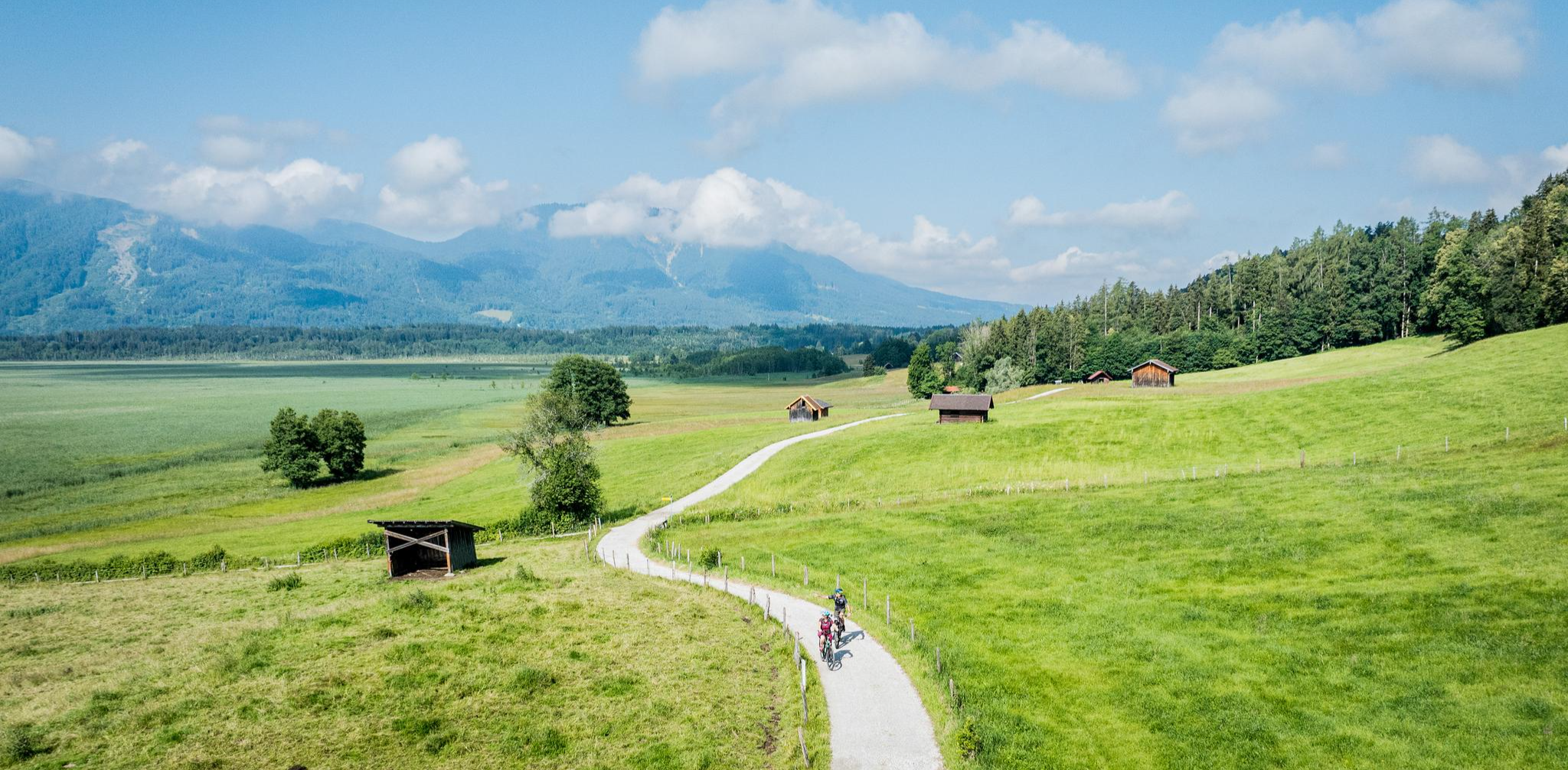
Art and nature by bike – from Munich to the edge of the Alps
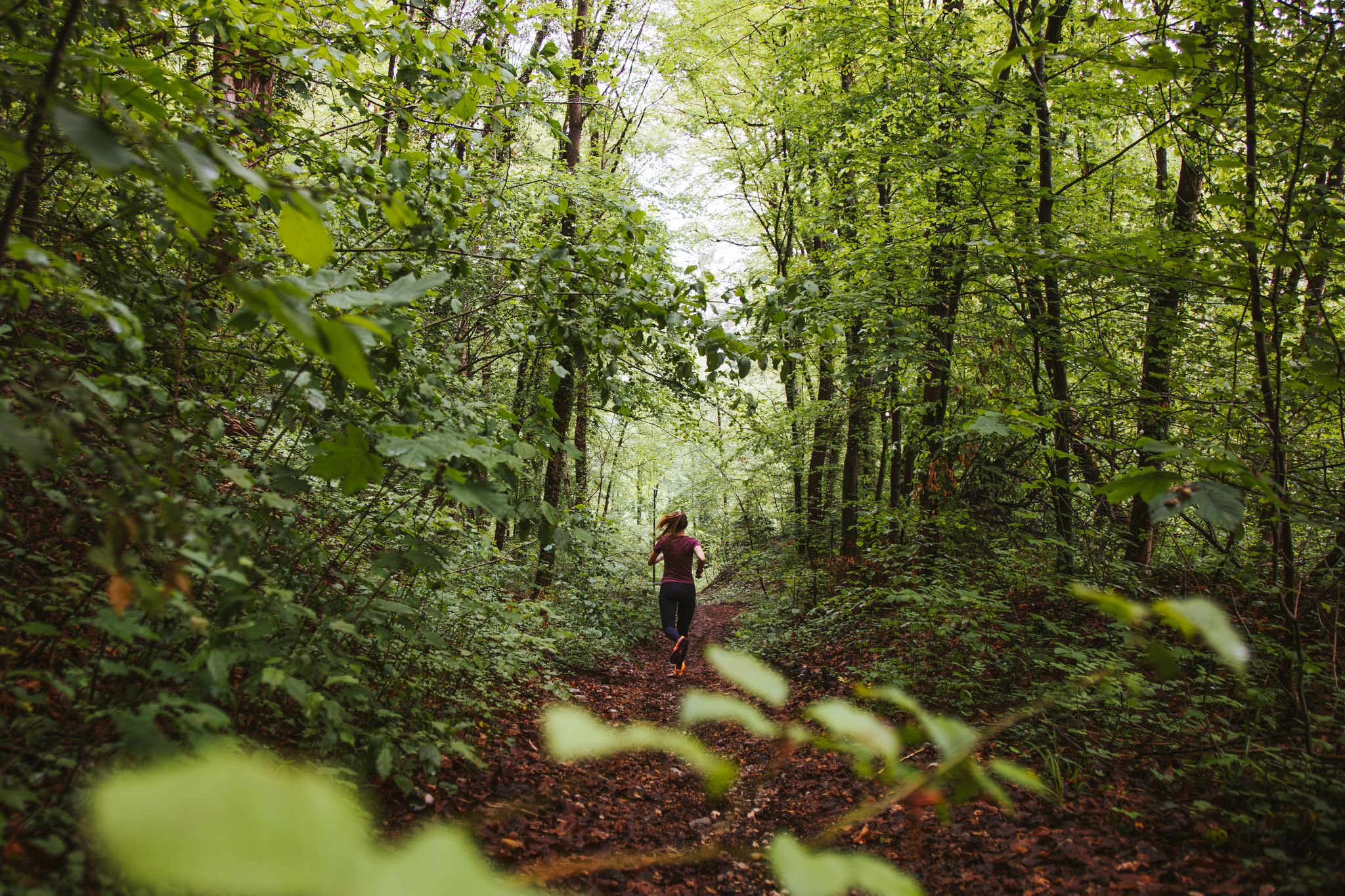
From the river to the forest - Trail Running around Munich with HOKA
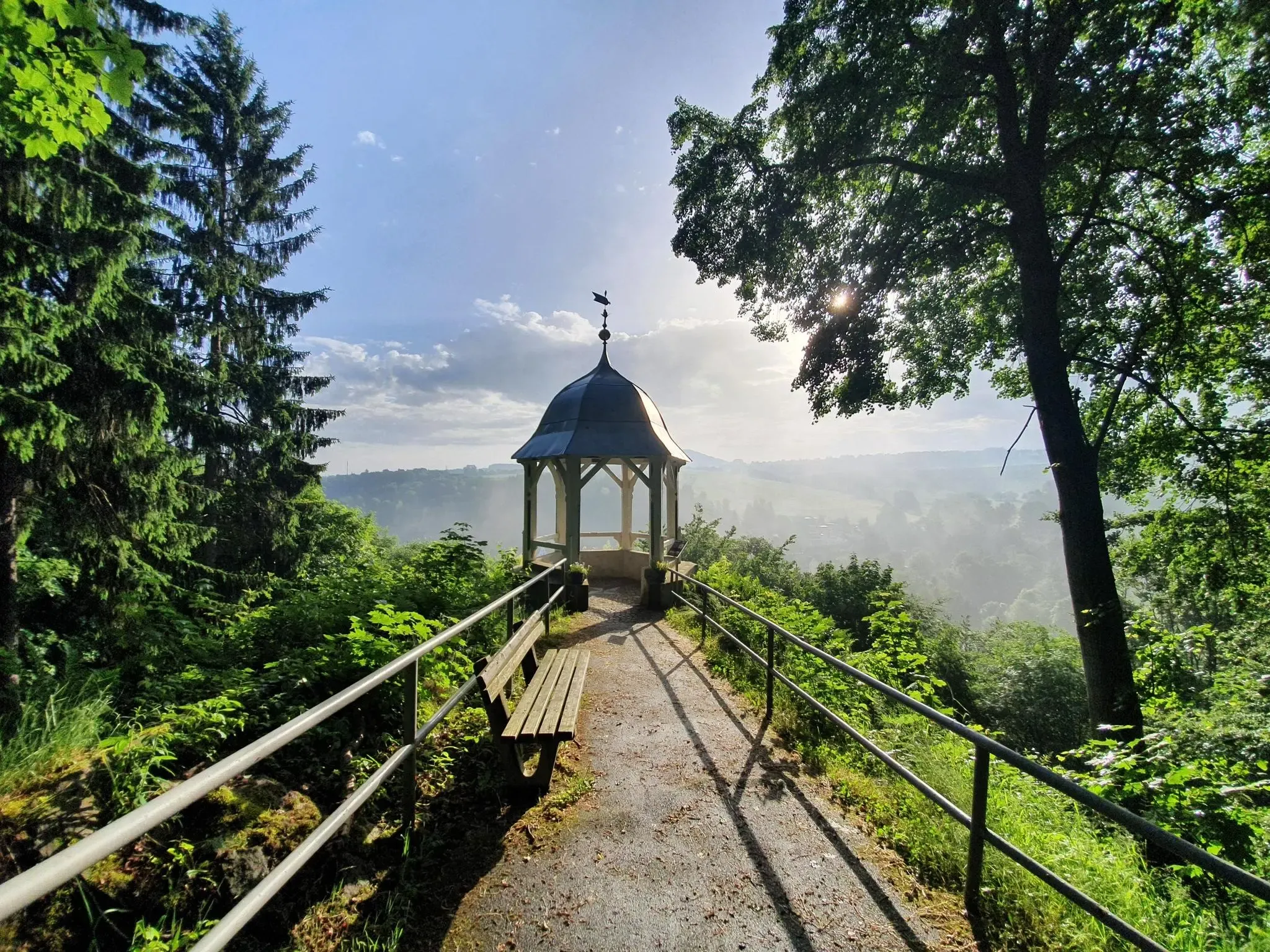
#GoFurther – discover the views of Germany!
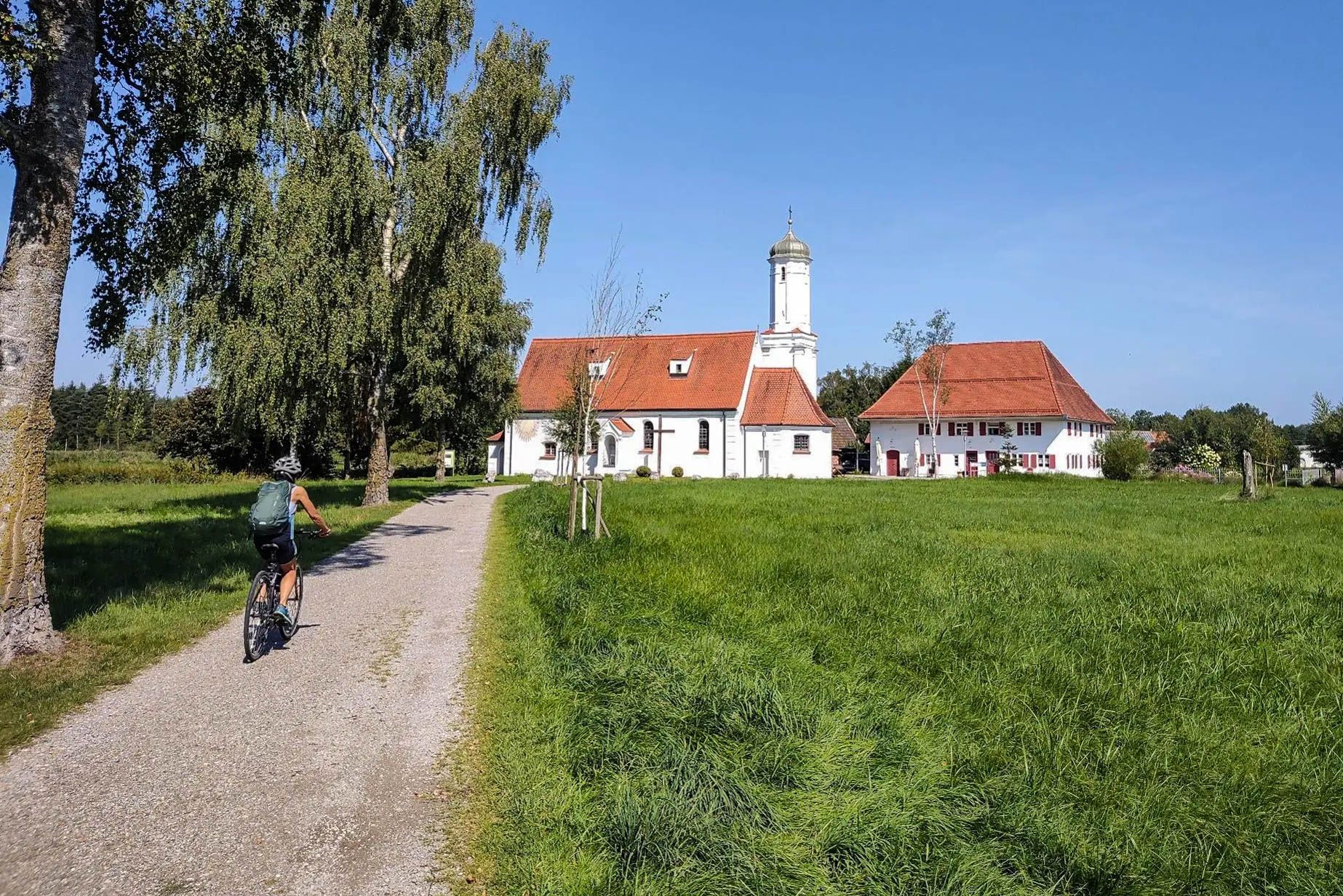
City, country and lake – Munich to Lake Constance by bike
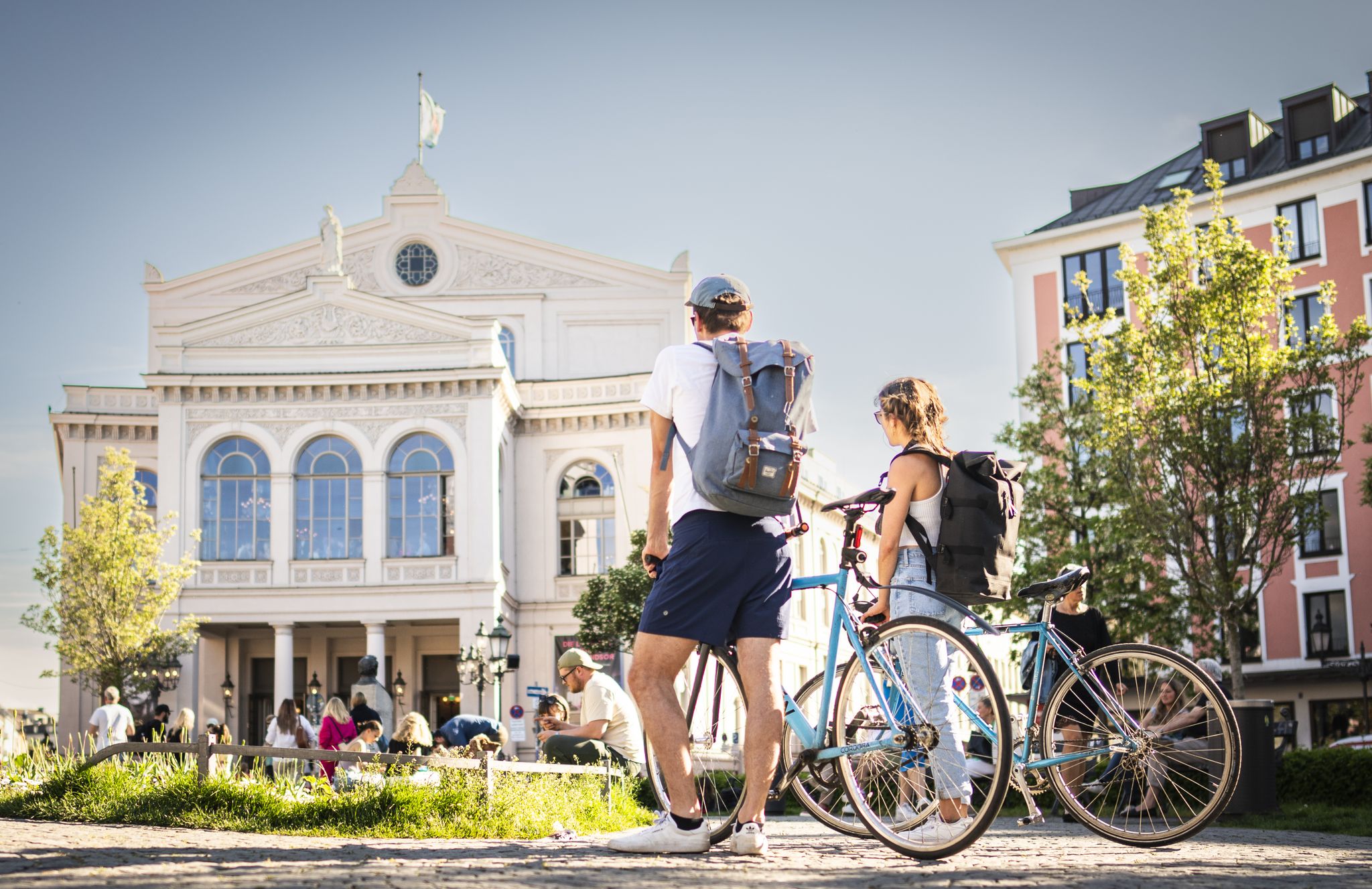
Discover Munich by bike – rides through the Isar metropolis
Other adventures around Landkreis München


Tips from the Community

Too many trees in the way. You can save yourself the trouble
1
0

According to legend, at the end of the 19th century, the Ayingen village shepherd at the time, the "Much", sought shelter under an ancient, large beech tree with the sheep he had entrusted to him because of an approaching storm. This spot was popular because a spring rose there where people could cool off. For no apparent reason, all the sheep suddenly ran off in the same direction. The Much found them nearby in what was then a young forest. Minutes later, lightning struck the ancient beech tree and destroyed it completely. The Much would probably not have survived if he had stayed in the old location. Overwhelmed by the event, the Much knelt down and thanked God for his rescue. Afterwards he was changed, taciturn and thoughtful. Weeks later he was found dead in the spot where he had thanked God for his rescue, dressed in his Sunday best. What and how he died was never clarified. The source and the entire history of both grottos can be found at the following link: www.mystisch.net/blog/?p=128
2
0
The Kupferbachtal was created at the end of the last Ice Age when the meltwater from the Inn-Chiemsee Glacier and partly from the Isar Glacier could not flow into the Rosenheim Basin, which was still filled with ice, and thus a longer period of standstill at the edge of the glacier (so-called Ellkofen Stage). Northeast towards Wasserburg or Gars towards the Inn (“surrounding channel”). The surrounding channel was formed and used between around 18,000 years ago and around 16,500 to 17,000 years ago. Today the area is characterized by several strong calcareous springs. Source and further information https://de.m.wikipedia.org/wiki/Kupferbachtal
1
0

The trail, which is rarely used, leads along a wild ravine. It will no longer be accessible by spring 2025, following a storm last year.
1
0

Nice waypoint, but not a highlight
1
0

This small valley is part of the Gleißental. From the Deininger Weiher there is a drain first on the surface, which then seeps away. It has its source on the southern edge of Oberhaching as the Hachinger Bach.
0
0

Looks beautiful route through the Kupferbachtal
0
0

Just feasible with a gravel bike. But after rain the day before, it was so muddy and large slippery roots on the way in 2 or 3 places that I preferred to push it briefly. But actually nice to practice more difficult parts, and nice valley! Mud-proof shoes and pedals recommended and wrists warm; D ...
2
0
Frequently Asked Questions
What are the most notable gorges or 'canyons' near Landkreis München?
While the immediate Landkreis München area features natural depressions like the Gleißental Valley and the Gleißental Dip Between Kreuzpullach and Ödenpullach, the broader region around Munich, particularly in the Bavarian Alps, is home to impressive gorges known as 'Klamm'. These include the dramatic Partnachklamm near Garmisch-Partenkirchen, the adventurous Höllentalklamm at the foot of the Zugspitze, and the scenic Wimbachklamm near Berchtesgaden.
Are there any easy or family-friendly gorge hikes in the area?
Yes, the Gleißental Valley within Landkreis München offers a scenic and shady route popular with hikers and cyclists. Further afield, the Partnachklamm near Garmisch-Partenkirchen is considered a family-friendly half-day adventure, offering accessible paths through a dramatic natural setting.
What kind of natural features can I expect to see in these gorges?
You can expect to encounter diverse natural features. The gorges are characterized by narrow, deep passages carved by rivers, dramatic rock formations, and often feature waterfalls, tunnels, and unique hiking trails. For instance, the Partnachklamm boasts depths of up to 80 meters with thundering water, while the Höllentalklamm offers numerous waterfalls and illuminated passages. Locally, the Schlocker Grotto (Aying) is a natural monument with a spring.
What is the best time of year to visit the gorges near Munich?
Many gorges offer unique experiences throughout the year. The Partnachklamm, for example, is open year-round and transforms into an icy wonderland in winter. However, some gorges like the Höllentalklamm are typically closed during the off-season (winter) due to conditions like avalanches. Spring and autumn offer pleasant temperatures and vibrant scenery, while summer provides a cool escape from the heat. Always check specific gorge opening times before your visit.
What outdoor activities can I do near these gorges?
Beyond exploring the gorges themselves, the surrounding region offers a variety of outdoor activities. You can find numerous mountain hikes, waterfall hikes, and gravel biking routes. Some gorges, like the Höllentalklamm, serve as popular starting points for more challenging tours, such as those leading towards the Zugspitze. Adventurous visitors can also find guided canyoning tours in the wider Munich-Bad Tölz region.
Are there any historical or cultural sites associated with these natural attractions?
Yes, some locations have historical or cultural significance. The Partnachklamm has been a national monument since 1912. The Schlocker Grotto (Aying) is a natural monument associated with a local legend about a shepherd and a miraculous rescue, adding a layer of local folklore to its natural beauty.
What should I bring for a trip to a gorge near Landkreis München?
Given the nature of these environments, strong, waterproof shoes are highly recommended. Rain gear is also advisable, especially for gorges like the Partnachklamm, where you might pass under waterfalls or experience wet conditions. For longer hikes or canyoning tours, appropriate outdoor clothing, sufficient water, and snacks are essential.
Can I reach these gorges using public transport from Munich?
Many of the popular gorges are accessible by public transport. For example, the Partnachklamm near Garmisch-Partenkirchen is approximately 90 minutes by car or train from Munich, making it a feasible day trip without a car. It's always best to check specific public transport connections for your chosen destination.
Are there less crowded alternatives to the well-known gorges?
While popular gorges like Partnachklamm can attract many visitors, you might find quieter experiences in the immediate Landkreis München area, such as the Gleißental Valley. For other options, exploring smaller, less advertised 'Klamm' or visiting during off-peak hours or seasons can help avoid crowds. The Wilder Graben Trail offers a rarely used ravine experience, though it has accessibility challenges.
What do visitors enjoy most about the gorges around Landkreis München?
Visitors frequently appreciate the unique sensory experience of these natural wonders, from the thundering sound of rivers to the dramatic rock formations and cool, shady paths. The Gleißental Valley is praised for being scenic and shady, perfect for hot days. The overall appeal lies in the blend of natural beauty, accessible trails, and the opportunity for refreshing outdoor activity.
Are there any dog-friendly trails in the gorges near Munich?
Many natural areas and hiking trails in the region are dog-friendly, but specific rules can vary for gorges with entry fees or secured paths. For instance, the Gleißental Valley is a popular spot for walks with pets. It's recommended to check the specific regulations for each gorge before visiting with your dog, as some may require dogs to be on a leash or have restricted access in certain sections.
Most popular routes around Landkreis München
Most popular attractions around Landkreis München

Get inspired with the komoot mobile app


Didn’t find what you were looking for?
Want to see even more gorges? See the best ones around Landkreis München region by region:
Explore more
Already discovered everything in this region? See additional gorges around Landkreis München for your next adventure:
