Top 20 Caves in the Ruhr Region
Best caves in the Ruhr Region are located within North Rhine-Westphalia, Germany, a landscape shaped by its industrial heritage and varied natural features. The region presents a range of subterranean sites, from natural caves to historical mining tunnels. These locations offer insights into geological formations and the area's rich past. Exploring these underground environments reveals unique natural and historical aspects of the Ruhr Region.
Best caves in the Ruhr Region
- The most popular caves is Post-War Mine Tunnel, a…
Last updated: August 19, 2026
Grotto at the Source of the Schnodderbach
Highlight • Cave
Translated by Google •
Tip by

Braunschweig Tunnel South Wing
Highlight • Historical Site
de.wikipedia.org/wiki/Zeche_Braunschweig
Translated by Google •
Tip by

Sign up now to discover places like this
Get recommendations on the best single tracks, peaks, & plenty of other exciting outdoor places.
Sign up for free
Western Day Drift Frielinghaus
Highlight • Historical Site
The tunnel began at a depth of 13 m at the St. …
Translated by Google •
Tip by

Kluter Cave
Highlight • Cave
Translated by Google •
Tip by
Post-War Mine Tunnel
Highlight • Historical Site
Translated by Google •
Tip by

Dünkelberg Quarry and Nachtigallstollen
Highlight • Natural Monument
Translated by Google •
Tip by

United Eulalia Mine Tunnel
Highlight • Historical Site
Translated by Google •
Tip by

Brotmann Cave
Highlight • Cave
Translated by Google •
Tip by

Fetzer Cave and Former Open-Air Stage
Highlight • Cave
Translated by Google •
Tip by

Adit of the Turteltaube Mine
Highlight • Historical Site
Translated by Google •
Tip by

Sign up for free to discover even more caves in the Ruhr Region.
Sign up for free
Already have an account?
Start today with a free account
Your next adventure awaits.
Login or Signup
Popular around Ruhr Region
WHEW 100 – An Ultramarathon in three days in the middle of NRW
LandesGartenSchau Route – Westphalian Dream Parks
Germany's Westphalian City Tour — linking historic town centres
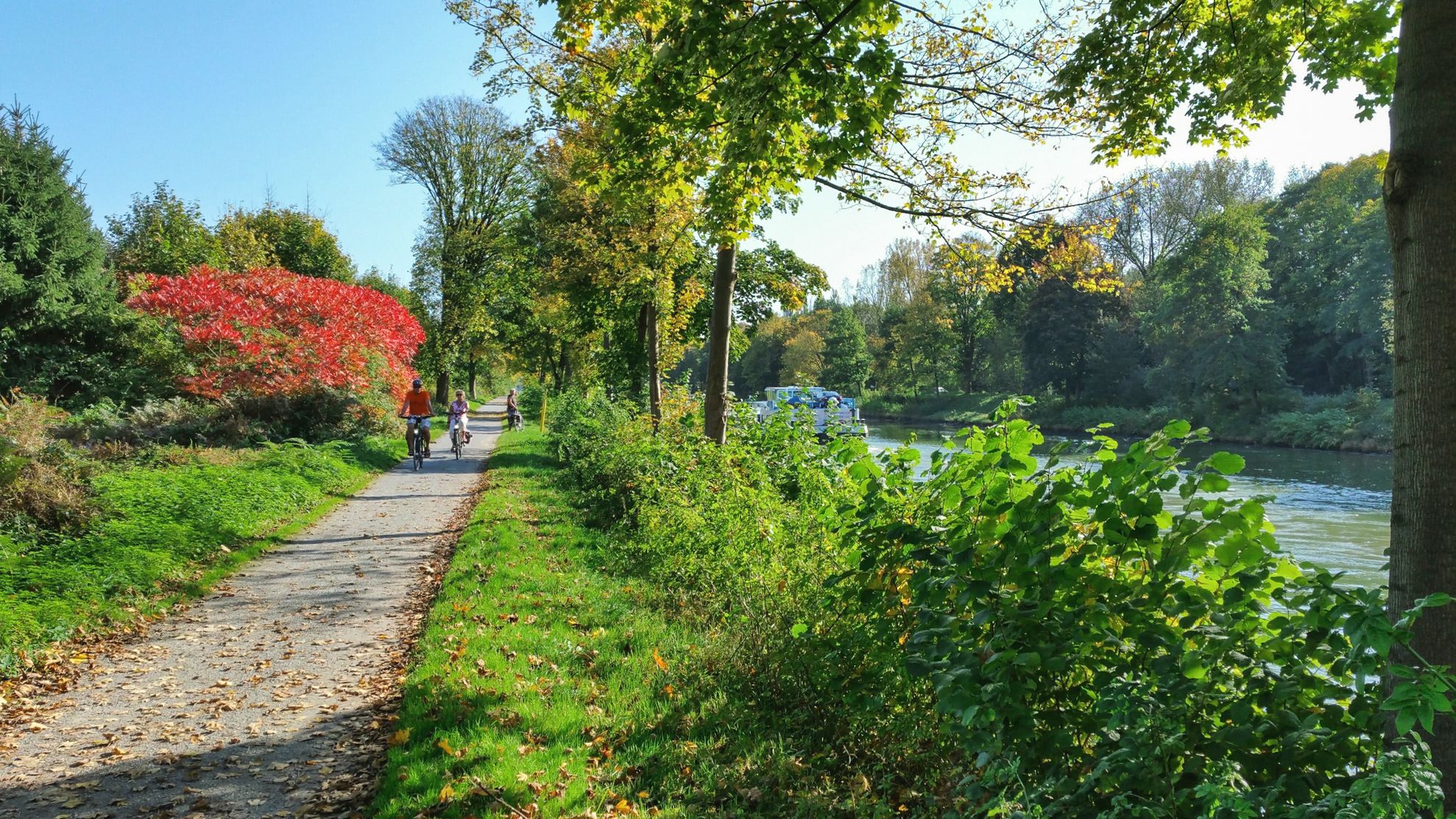
Römer‑Lippe Route – Water and history – 6 days
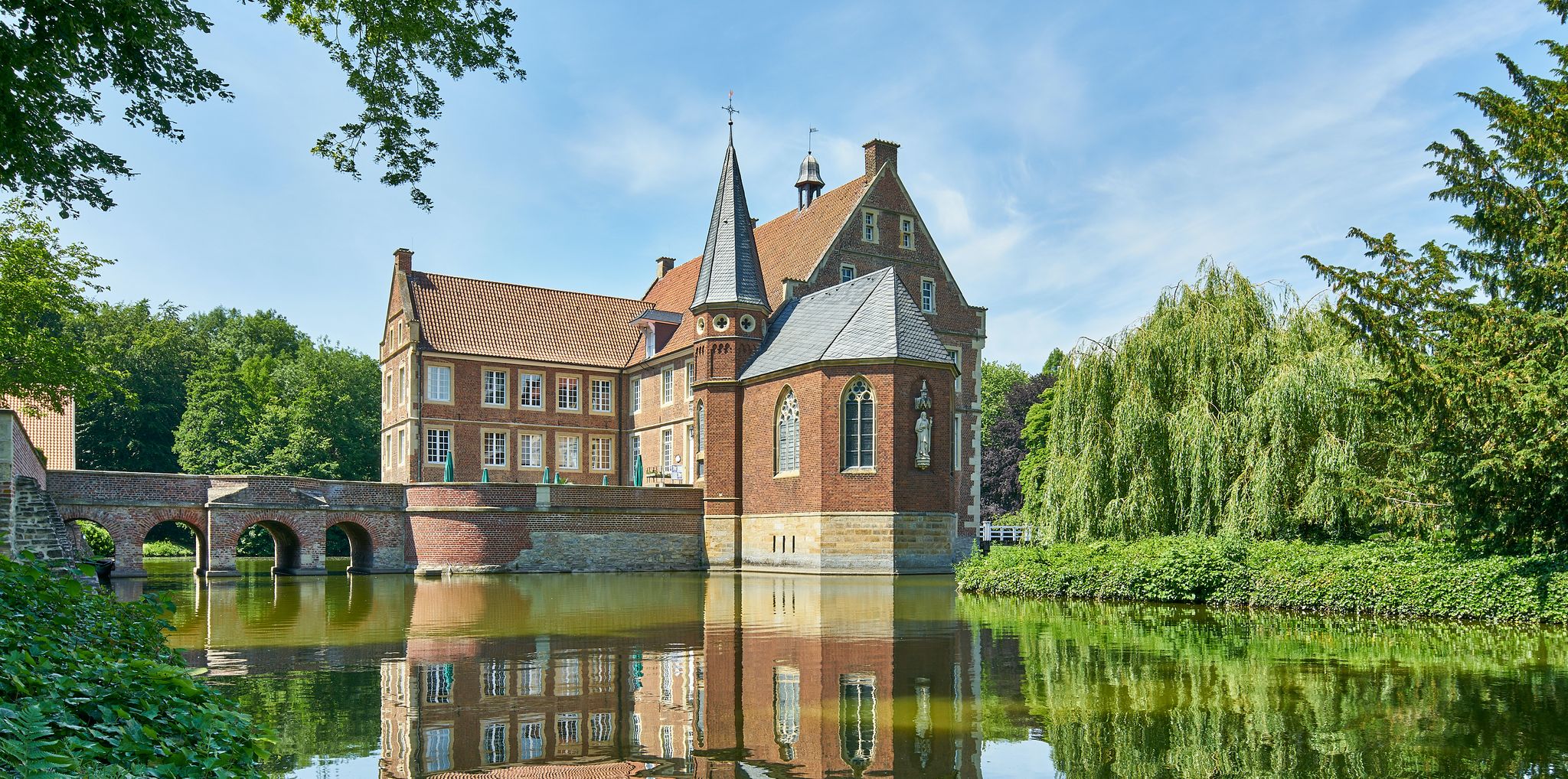
100 Castles Route – Discover the historical treasures of Münsterland by bike
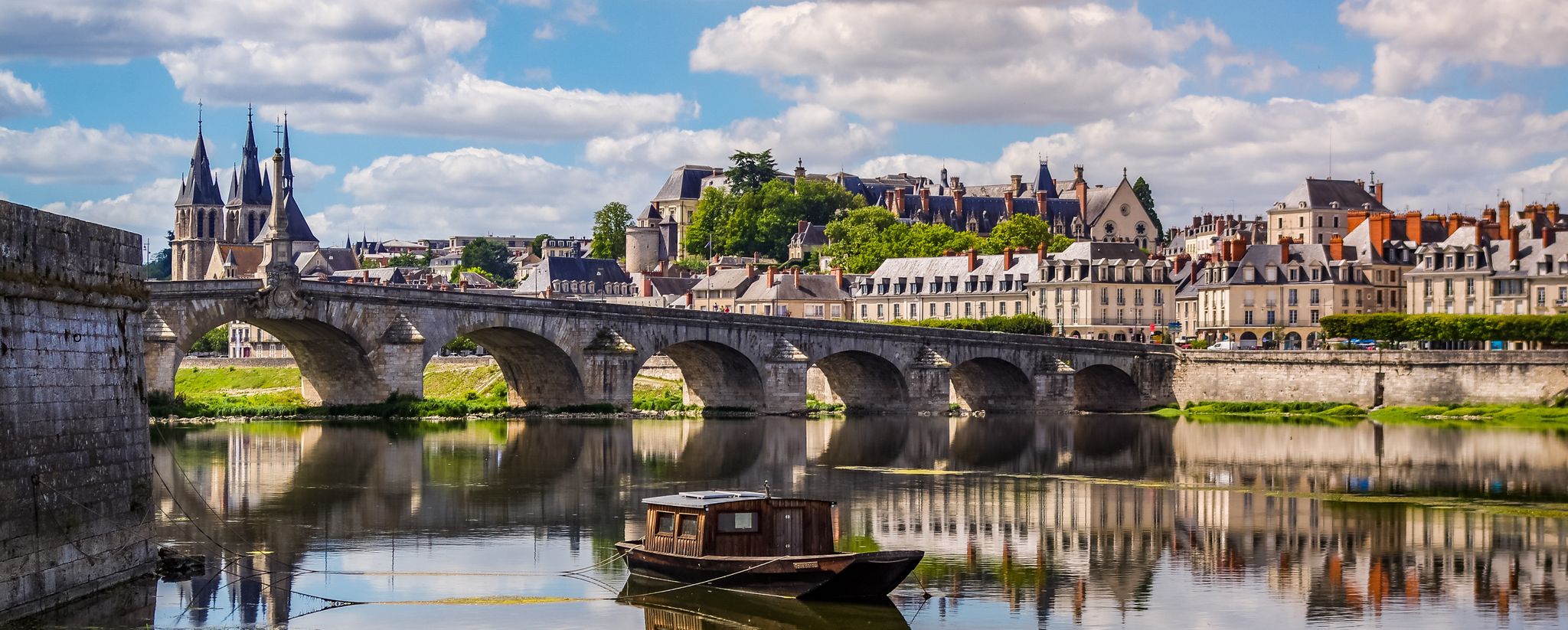
EuroVelo 3 – A cycling pilgrimage from Norway to France
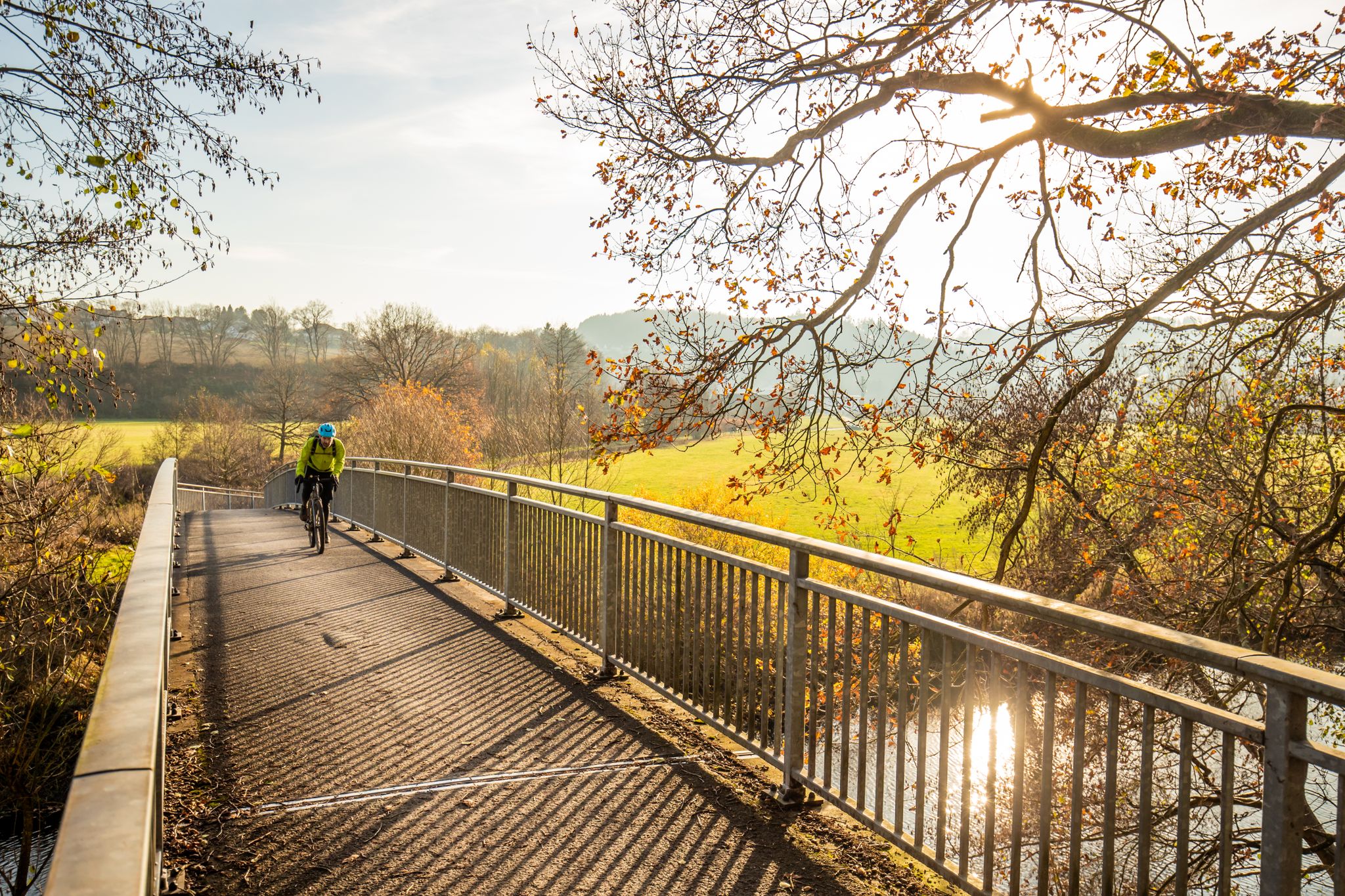
Ruhr Valley Gravel – rediscover the Ruhr Area in Germany
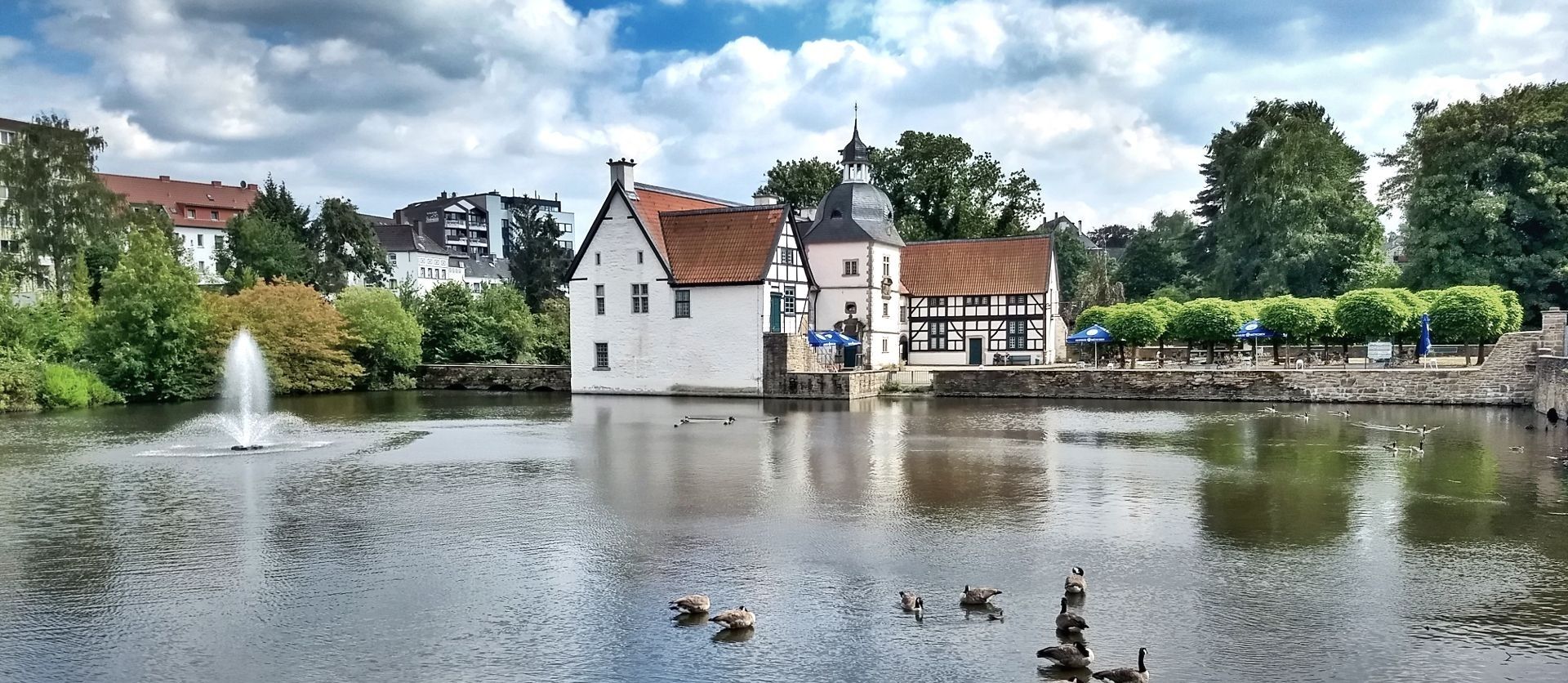
The Emscher-Weg – Between nature and industrial heritage
Römer‑Lippe Route – Water & history, 6 days
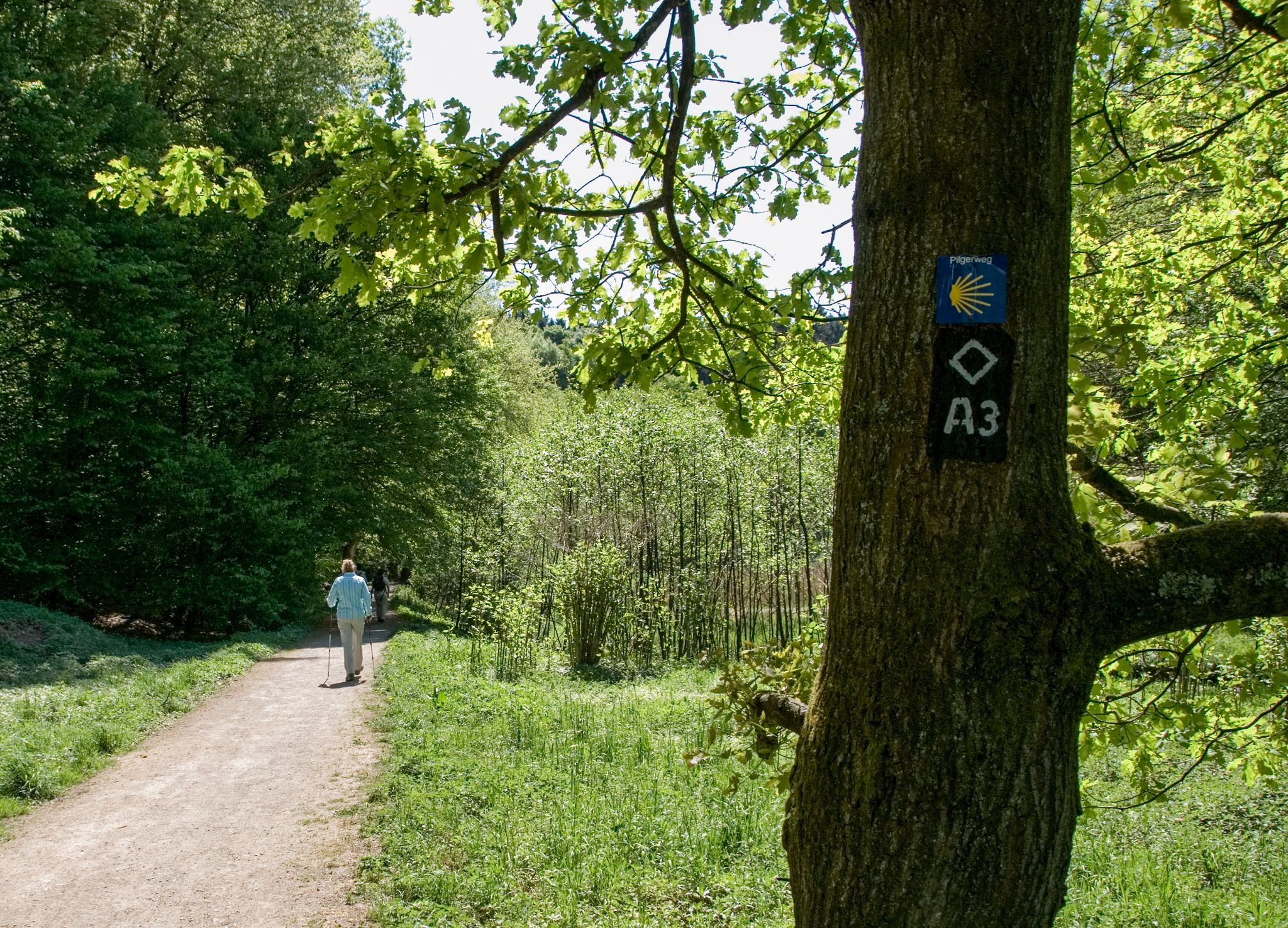
Westphalian Way of St. James – 9 days
Other adventures in the Ruhr Region


Tips from the Community

The Zeche Vereinigte Eulalia is a former hard coal mine in Wetter. The mine was first mentioned in 1855 and was in operation until 1922 with several interruptions and a name change.
0
0


The Turteltaube mine was a tunnel mine in Bommern in the Muttental valley. The mine belonged to the Herbede district. The mine consisted of two wings, each with a separate tunnel, in the Nachtigallmulde valley and was in operation until the mid-19th century.
0
0

You can't get right up close, but you can still get a good view of the deserter's old home from the path 🙂
0
0

There are some small hills and jumps here that you can take.
1
0

The western Frielinghaus open-pit tunnel is a historic tunnel in the Muttental that was part of the Frielinghaus mine. This mine was a hard coal mine in the Vormholz-Hardenstein district of Witten and was put into operation in 1771. The western open-pit tunnel was driven from the Hardenstein valley to connect the Erbstollenboden with the Muttental1. The Frielinghaus mine is now part of the Muttental mining hiking trail, which includes numerous historic mining sites and artifacts. Source: KI
1
0
The post-war tunnel in Muttental is a historic mining tunnel that is part of the Muttental mining hiking trail in Witten. This hiking trail leads through a region that is considered the cradle of Ruhr mining and shows numerous relics from the early mining era2. The post-war tunnel is one of the last tunnel entrances that can be visited on the mining circular trail. It is a testament to the mining activities that were briefly revived after the world wars due to the lack of fuel. Source: KI
2
0
The Braunschweig South Wing tunnel is a historic mining tunnel in Witten, North Rhine-Westphalia. It belongs to the former Braunschweig mine, which was in operation between 1748 and 1886. The tunnel is located near the German Mining and Field Railway Museum and the former forced labor camp Nachtigallstrasse2. The Braunschweig mine consisted of two wings, the north wing and the south wing. Mining in the south wing began in 1750 and was operated by the tradesmen Johann Peter Hundeiker and Gerhard Peter Merklinghaus. Today the tunnel is part of the Route of Industrial Heritage and a popular destination for hikes and circular walks. Source: KI
1
0
Frequently Asked Questions
What are some of the most impressive natural caves in the Ruhr Region?
The Ruhr Region offers several impressive natural caves. The Dechenhöhle in Iserlohn is renowned for its beautiful stalactite and stalagmite formations, including the 'palm tree' and 'organ'. The Atta-Höhle in Attendorn, often called the 'Queen among the stalactite caves', is one of Germany's largest dripstone caves. The Kluterthöhle in Ennepetal is notable as a fossilized coral reef and Germany's largest cave system. Another option is the Bilsteinhöhle in Warstein, featuring a subterranean river and unique speleothems.
Are there family-friendly caves to visit in the Ruhr Region?
Yes, several caves in the Ruhr Region are suitable for families. The Dechenhöhle offers guided tours and has an adjacent German Cave Museum. The Atta-Höhle provides engaging guided tours through its vast dripstone formations. The Bilsteinhöhle is connected to a wildlife park and forest playground, making it a comprehensive family outing. Additionally, the Dünkelberg Quarry and Nachtigallstollen offers a mix of nature and mining history that can be interesting for all ages.
What historical mining sites can I explore in the Ruhr Region?
The Ruhr Region is rich in mining history. You can visit the Post-War Mine Tunnel, an old tunnel from 1774 that is part of the Muttental mining trail. The Adit of the Turteltaube Mine is another significant point on the same trail, showcasing a former colliery. The Dünkelberg Quarry and Nachtigallstollen also offers insights into coal mining history. For a deeper dive, the German Mining Museum in Bochum provides an immersive experience with a recreated underground show mine.
What unique geological features can be found in the Ruhr Region's caves?
The caves in the Ruhr Region boast diverse geological features. The Dechenhöhle and Atta-Höhle are famous for their extensive stalactite and stalagmite formations. The Kluterthöhle is particularly unique as one of Europe's best-preserved fossilized coral reefs, dating back over 380 million years. The Bilsteinhöhle features a subterranean river and a 'forest of stalagmites' growing directly on the tour path.
Are there any caves in the Ruhr Region with therapeutic benefits?
Yes, the Kluterthöhle in Ennepetal has been designated a 'climate cave' since 1954 due to its therapeutic effects, particularly beneficial for respiratory conditions. The Atta-Höhle also features a 'health grotto' where visitors can relax and breathe pure, dust-free cave air, which is said to be good for bronchial problems, allergies, and stress.
What is the best time to visit the caves in the Ruhr Region?
Many show caves in the Ruhr Region maintain a constant cool temperature year-round (e.g., Dechenhöhle at 10°C, Atta-Höhle at 9°C, Bilsteinhöhle at 8°C). This makes them a comfortable destination regardless of the season. They are particularly appealing during hot summer days for a cool escape or on rainy days as an indoor activity.
Can I find hiking routes near the caves in the Ruhr Region?
Yes, the region around the caves offers various hiking opportunities. For instance, the Muttental mining trail is a popular easy hike that connects several historical mining sites, including the Post-War Mine Tunnel and the Adit of the Turteltaube Mine. You can find more hiking options in the Mountain Hikes in the Ruhr Region guide.
Are there cultural events or unique experiences offered at any of the caves?
Absolutely. The Dechenhöhle hosts special events like 'Cave Lights' art installations, concerts, and even whiskey tastings, with cave whiskey maturing in its crystal grotto. The Kluterthöhle also serves as a venue for cultural events. The Balver Höhle is particularly known as Europe's largest open cultural cave, regularly hosting concerts and theater performances.
What can I expect from a visit to the German Cave Museum?
Located adjacent to the Dechenhöhle, the German Cave Museum is the only one of its kind in North Rhine-Westphalia. It provides an in-depth look at caves, displaying Ice Age animal bones, including a baby cave bear skeleton, and documentation on the world's largest caves. It's an excellent complement to a cave tour.
What are some lesser-known or unique cave-related sites in the Ruhr Region?
Beyond the major show caves, you can explore sites like the Grotto at the Source of the Schnodderbach, an unexpected natural grotto. The Fetzer Cave and Former Open-Air Stage offers a blend of natural cave and historical performance space. The Heinrichshöhle in Hemer is known as the 'legendary realm of the cave bear' with impressive stalactite formations.
Are there cycling routes available near the caves?
Yes, the Ruhr Region offers various cycling opportunities. You can find several routes in the Cycling in the Ruhr Region guide, which includes options like the 'Family bike tour around Lake Baldeney' or routes that explore the industrial heritage of the area, often passing near historical mining tunnels and natural features.
Most popular routes in the Ruhr Region
Most popular attractions in the Ruhr Region

Get inspired with the komoot mobile app


Didn’t find what you were looking for?
Discover more caves in the Ruhr Region region by region:
Explore more
Extend your search for the best caves by checking out these guides of the top ones in the Ruhr Region:
