Top 20 Lakes in the Wicklow Mountains National Park
Best lakes in the Wicklow Mountains National Park are characterized by their diverse origins and scenic surroundings. The park features glacial lakes, man-made reservoirs, and natural bodies of water nestled within mountain valleys. Many lakes are associated with historical sites, such as the Glendalough monastic settlement. The landscape offers a variety of natural features for exploration.
Best lakes in the Wicklow Mountains National Park
- The most popular lakes is Upper Lake, Glendalough, a lake that reflects the surrounding mountains…
Last updated: June 25, 2026
Upper Lake, Glendalough
Highlight • Lake
Translated by Google •
Tip by

Glendalough Round Tower
Highlight • Historical Site
Translated by Google •
Tip by

Sign up now to discover places like this
Get recommendations on the best single tracks, peaks, & plenty of other exciting outdoor places.
Sign up for free
Glendalough Caher (Ring Fort) at Upper Lake
Highlight • Historical Site
Translated by Google •
Tip by

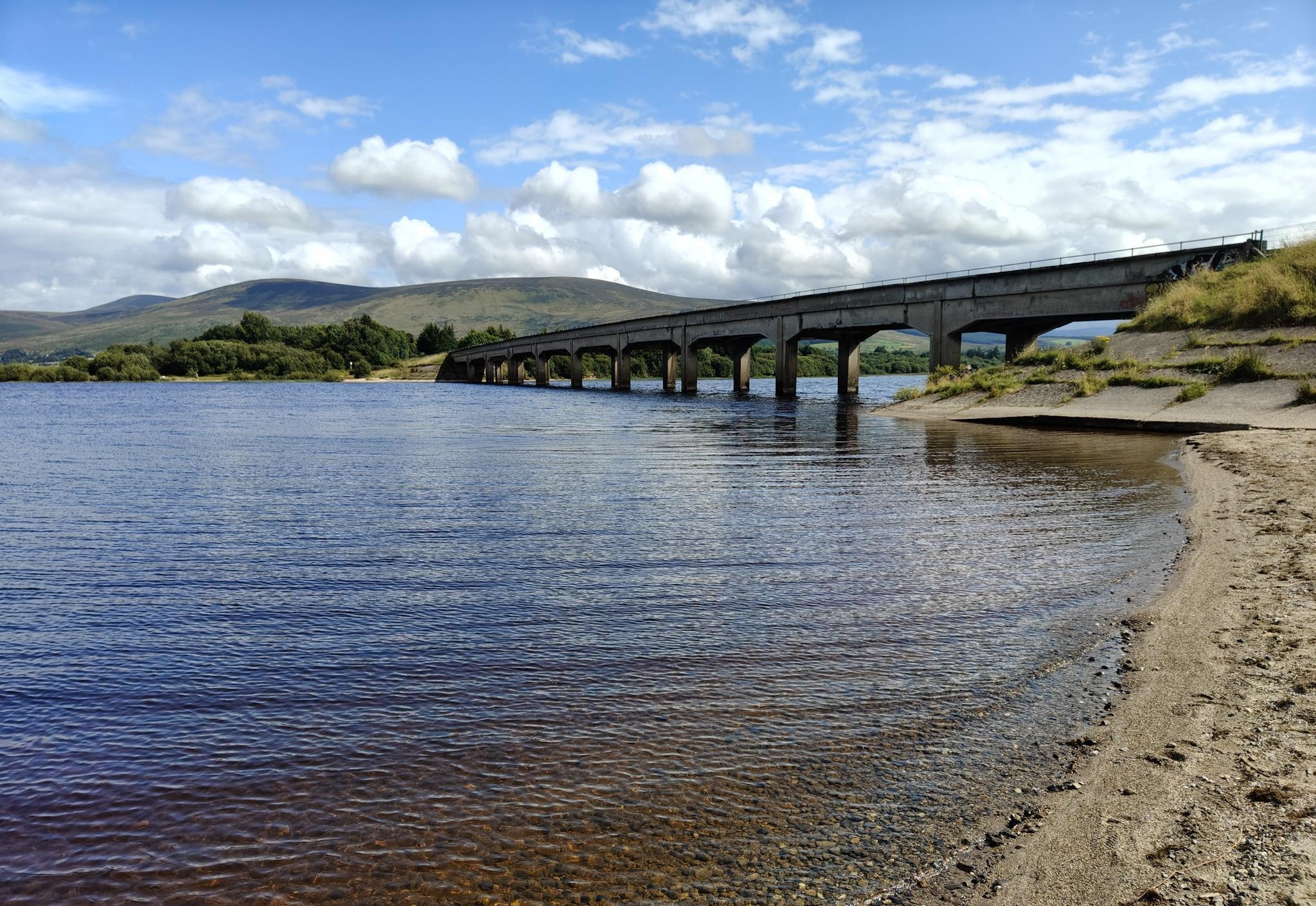
Bohernabreena Upper Reservoir
Highlight • Lake
Showing Translation
Tip by

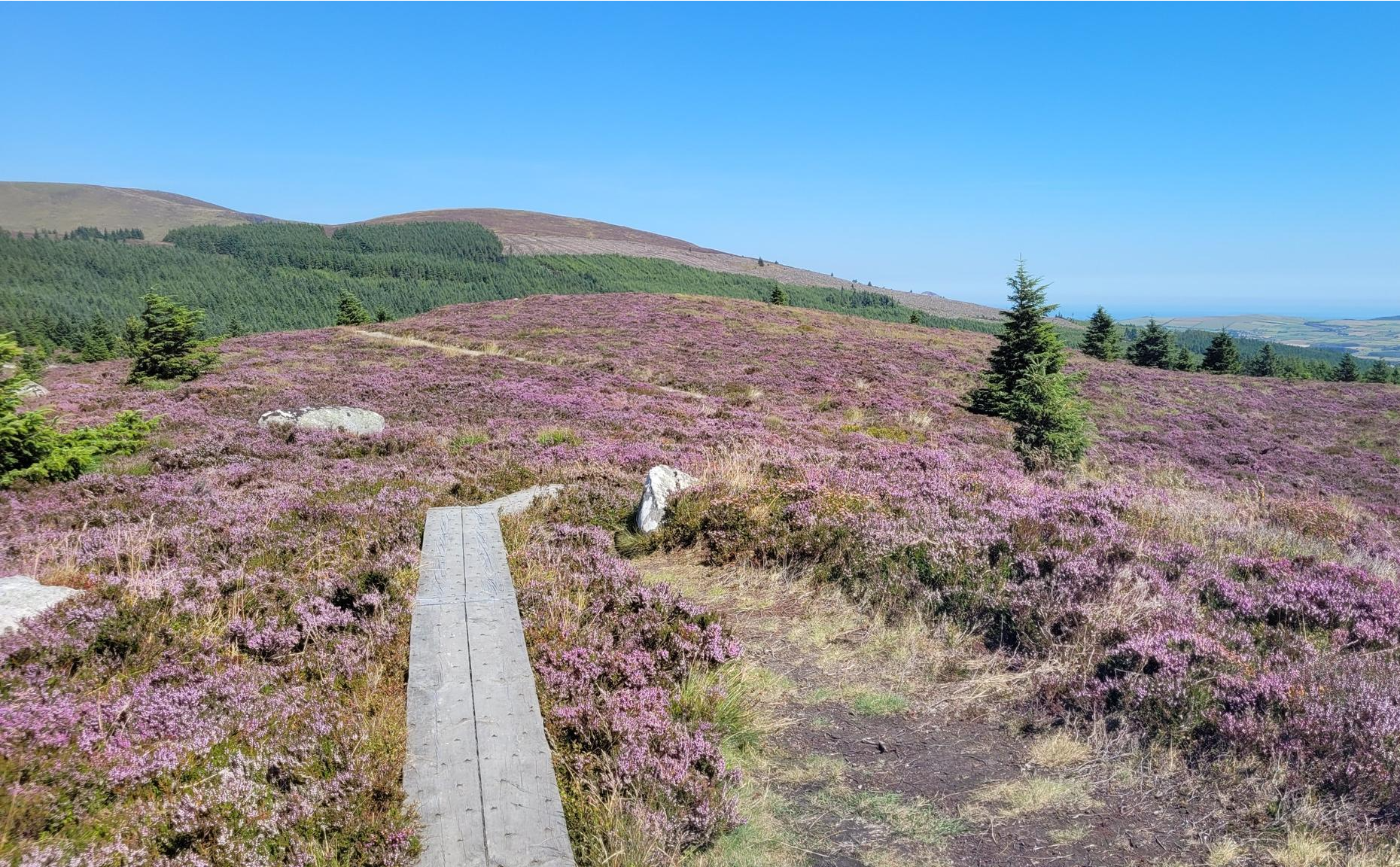
The Wicklow Way
Highlight • Trail
Tip by

Sign up for free to discover even more lakes in the Wicklow Mountains National Park.
Sign up for free
Already have an account?
Start today with a free account
Your next adventure awaits.
Login or Signup
Popular around Wicklow Mountains National Park
Running the Wicklow Way – From the city to the mountains
The Wicklow Way — discover Ireland's east
Dublin Mountains Way – hiking from city to summit
Lough shores and country roads – Blessington Loop
Follow the water - Along Ireland's rivers and lakes
Discover Ireland's unspoilt nature in its national parks
Ireland's blue rivers and lakes – walks along the water
Discover Ireland's past – historical walks on the Emerald Isle
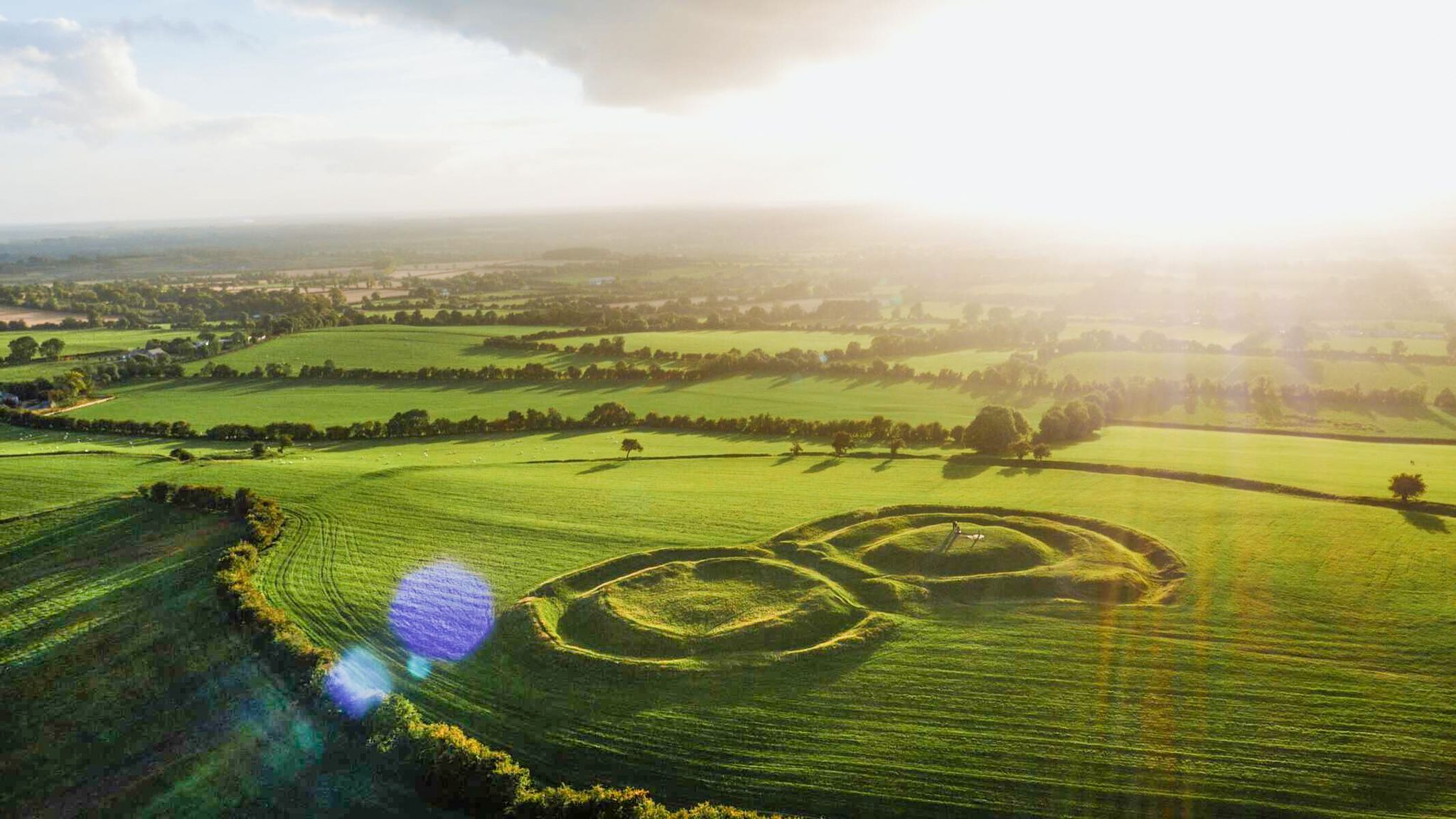
The magical east of Ireland – ancient places, scenic lakes and rocky mountains
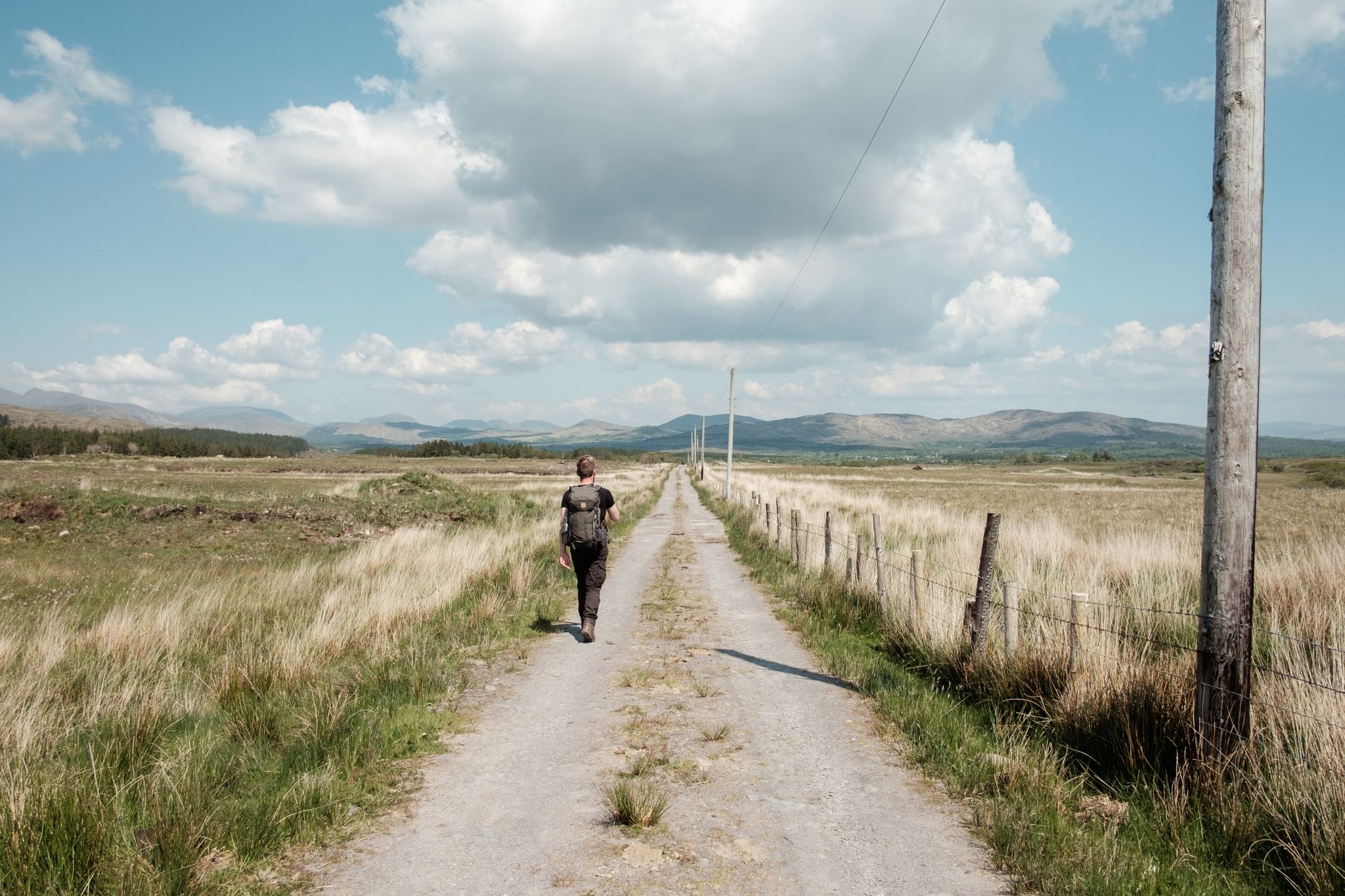
Irish wanderlust — 8 long-distance hiking trails on the Emerald Isle
Other adventures in the Wicklow Mountains National Park


Tips from the Community

The Upper Reservoir is the highest lake in the Glenasmole valley and feels a lot wilder and more remote than its lower neighbour. At this point on the south-eastern shore, you are riding deep into the heart of the catchment area, where the wooded slopes of the Dublin Mountains seem to drop straight into the deep, dark water.
8
0

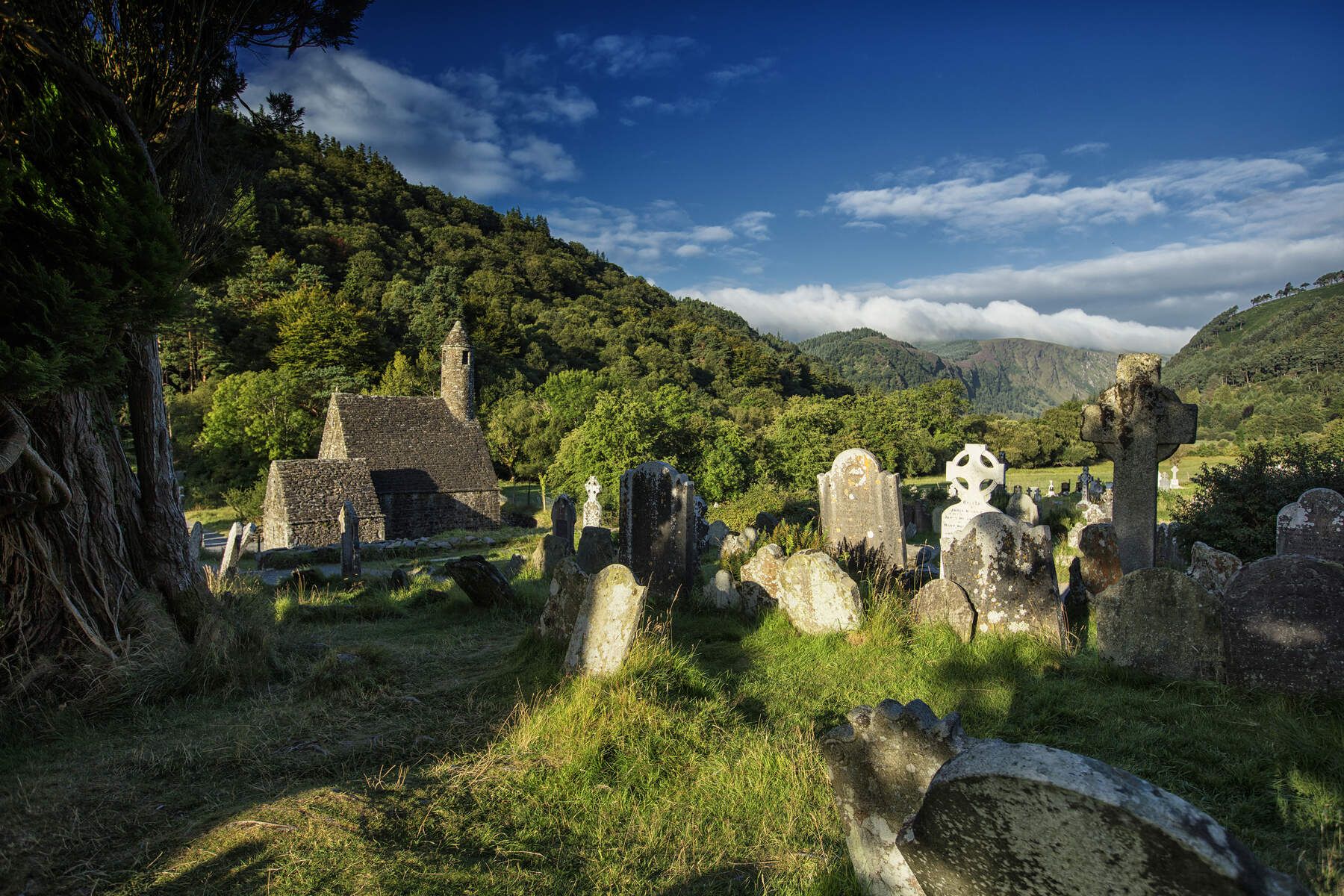
Very special place with old graves standing askew. The whole area breathes a distant mystical history.
0
0

The Irish saint St. Kevin (c. 498–618 AD), from a noble family in Leinster, was trained as a monk and then sought solitude – here in Glendalough as a hermit. Around 540, he withdrew to this remote valley to live in seclusion, asceticism, and prayer. Legends tell that he had deer, otters, and birds as friends. But as it sometimes happens: disciples soon followed him, and a monastic community was established (545 AD), which developed into one of the most important monasteries in Ireland (heyday: 10th–12th centuries). A 30-meter-high round tower (10th–11th centuries), the ruins of the cathedral (1214), a stone church (St. Kevin's Kitchen), and a house still remain. – Very pretty and mystical, the whole thing in the middle of the cemetery.
1
0

Ireland is famous for its round towers, and this one in Glendalough is one of the most famous of them all. They were normally built between the 9th and 12th centuries and were used for calling people to prayer. In the late In the late 19th century, the conical top of the round tower in Glendalough was hit by lighting, destroying it. At 30 metres high, it is an imposing sight and the centrepiece of this ancient monastic centre.
1
0

Gleann Dá Loch, nestled along the Wicklow Way, is a captivating valley that enchants hikers with its pristine beauty. The name itself, translating to "Valley of the Two Lakes" in Irish, hints at the scenic wonders that unfold within this natural haven. As you traverse the Wicklow Way through Gleann Dá Loch, the landscape transitions between lush greenery, rolling hills, and the serene presence of two shimmering lakes. The trail meanders through this picturesque valley, offering breathtaking views of the surrounding mountains and the reflective waters below.
4
0

This area is not only suitable for cycling, you can also go for a hike around the lakes.
2
0
This is a very nicely located hostel. We were able to see a golden pheasant there while having breakfast outside,
1
0

Frequently Asked Questions
Which lakes are known for their unique natural features in the Wicklow Mountains National Park?
The Wicklow Mountains National Park boasts several lakes with distinctive natural features. Upper Lake, Glendalough, is a glacial lake known for its deep blue waters reflecting the surrounding mountains. Lough Ouler, often called 'Ireland's heart-shaped lake,' is a beautiful glacial lake on Tonelagee mountain. Lough Tay, or 'Guinness Lake,' is famous for its dark waters and white sandy shoreline, resembling a pint of stout.
Are there family-friendly lakes with easy walks in the Wicklow Mountains National Park?
Yes, several lakes offer family-friendly options. The Vartry Reservoir near Roundwood provides nearly 20 kilometers of easy walking trails suitable for families, with excellent views. The trails around Glendalough Lower Lake are also generally easier and accessible for a wider range of visitors.
What historical or cultural landmarks can be found near the lakes?
The Glendalough Valley is particularly rich in history. The Upper Lake, Glendalough, is notable for its proximity to the historic Glendalough monastic site, founded by St. Kevin in the 6th century, making it a significant archaeological and spiritual site. The Triton Lake at Powerscourt Estate features a dramatic fountain inspired by Rome's Piazza Barberini and Pegasus statues, adding a touch of classical artistry.
What outdoor activities can I do near the lakes in the Wicklow Mountains National Park?
The area around the lakes offers a variety of outdoor activities. You can find numerous hiking trails, such as those around Glendalough, including the popular Spinc Trail. For more options, explore the Waterfall hikes in the Wicklow Mountains National Park. Mountain biking is also popular, with trails like the Lough Tay – White Hill loop. Check out the MTB Trails in the Wicklow Mountains National Park for more details. Road cycling routes, such as the Sally Gap and Slieve Man loop, are also available; see the Road Cycling Routes in the Wicklow Mountains National Park guide.
Are there any less crowded lake walks in the Wicklow Mountains National Park?
For a more tranquil experience away from the busiest spots, consider visiting the Bohernabreena Upper Reservoir. It offers serene walks surrounded by trees with views of the Dublin Mountains, providing a peaceful retreat. The Vartry Reservoir also provides extensive trails that can be less crowded than Glendalough, especially on weekdays.
What is the best time to visit the lakes in the Wicklow Mountains National Park?
The best time to visit the lakes generally depends on your preferred activities. Spring and autumn offer pleasant temperatures and beautiful scenery with fewer crowds. Summer is ideal for longer days and warmer weather, though popular spots like Glendalough can be busy. Winter can be stunning with snow-capped peaks but requires appropriate gear for colder, potentially icy conditions on trails.
Can I bring my dog to the trails around the lakes?
Many trails in the Wicklow Mountains National Park are dog-friendly, but it's important to keep dogs on a leash, especially in areas with livestock or wildlife. The Vartry Reservoir, for instance, is noted as suitable for walking or running with your dog.
Where can I find viewpoints for scenic photography of the lakes?
For breathtaking views, the summits above Glendalough Upper Lake offer panoramic mountain vistas. Lough Ouler's heart shape is best appreciated from above, typically from the Tonelagee mountain trail. Lough Tay can be admired from several viewing points along the Sally Gap Drive, providing dramatic scenery often used for filming.
Is there public transport available to reach the lakes, particularly Glendalough?
Yes, Glendalough is accessible by public transport. St. Kevin's Bus Service operates daily routes from Dublin city center directly to Glendalough, making it convenient for visitors without a car. It's advisable to check their schedule for current timings.
Are there any lakes suitable for wild swimming in the Wicklow Mountains National Park?
While some visitors do engage in wild swimming, it's important to exercise caution and be aware of local regulations and safety. The water in many of the glacial lakes can be very cold. Always prioritize safety, check water conditions, and be mindful of private land restrictions, such as at Lough Tay.
What do visitors enjoy most about the lakes in the Wicklow Mountains National Park?
Visitors frequently praise the stunning natural beauty and tranquility of the lakes. Many appreciate the opportunity to relax by the water, explore the surrounding trails, and take in the panoramic mountain views. The historical significance of sites like Glendalough also adds a unique dimension to the experience, blending nature with heritage.
Are there any lakes that supply water to Dublin city?
Yes, both the Bohernabreena Upper Reservoir and the Vartry Reservoir are crucial water sources. The Bohernabreena Upper Reservoir supplies water for the south of Dublin, while the Vartry Reservoir is a primary water source for Dublin city, formed by constructing a dam across the River Vartry in the 1860s.
Most popular routes in the Wicklow Mountains National Park
Most popular attractions in the Wicklow Mountains National Park

Get inspired with the komoot mobile app


Explore more
Still not found your perfect lake in the Wicklow Mountains National Park? Check out the guides of these regions to see even more beautiful places.
