Top 20 Natural Monuments in the Sardinia Mountains
Best natural monuments in the Sardinia Mountains are found across its rugged and diverse mountainous interior, shaped by millennia of geological activity. Key ranges like Gennargentu, Supramonte, and Monti Limbara feature granite, schist, and limestone formations. These sites offer insights into the island's natural history and provide varied landscapes. The region is characterized by deep canyons, high peaks, and unique coastal formations.
Best natural monuments in the Sardinia Mountains
- The most popular natural monuments is Gorropu Gorge, a canyon with almost 500-meter-high walls of karstic rock. It is considered one of Europe's deepest canyons.
- Another must-see spot is Monte Corrasi Summit, a summit known for its sheer limestone walls, towers, and white spires. From its 1,463-meter elevation, visitors can expect a 360-degree panorama encompassing Nuoro, Orgosolo, Dorgali, and the coast of Cala Gonone.
- Visitors also love Pedra Longa Rock Formation, an imposing limestone cliff that rises dramatically from the sea. It is a designated natural monument along the eastern coast and serves as a gateway to the Selvaggio Blu long-distance trail.
- Sardinia Mountains is known for canyons, summits, and unique rock formations. The region offers a variety of natural monuments to see and explore, including beaches, gorges, and other natural features.
- The natural monuments in the Sardinia Mountains are appreciated by the komoot community, with more than 1,200 upvotes and nearly 1,000 photos shared across over 300 highlights.
Last updated: September 29, 2026
Gorropu Gorge
Highlight • Canyon
Translated by Google •
Tip by

Cala Fuili
Highlight • Beach
Translated by Google •
Tip by

Sign up now to discover places like this
Get recommendations on the best single tracks, peaks, & plenty of other exciting outdoor places.
Summit of Punta La Marmora
Highlight • Summit
Ideally, start your tour in the parking area at Rifugio Sa Crista or Rifugio S’Arena near Desulo. The route is not short at 15.5 kilometers, but it rewards you with an incredible variety of landscapes. Within a walking time of three and a half to four and a half hours, you will cross picturesque forests, pass flowering meadows and hike across impressive boulder and craggy terrain. Among other things, it goes over the summits of Bruncu Spina and Punta Paulinu.
As you climb from Bruncu Spina towards Punta La Marmora, a huge summit cross might lead you astray. But don't be fooled, because the true summit is only reached when you reach the small rock pyramid that marks the top of La Marmora.
The peak itself was named after the general and scientist Alberto Ferrero della Marmora, who described Sardinia in detail in his works. His love for the island will become clear to you at the summit when you enjoy the breathtaking view.
You should be well prepared for this hike. This means: Sturdy hiking boots, enough water and sun protection should be in your luggage. If you need refreshment in between, you can stop off in the towns of Desulo or Fonni.
The months from June to September are ideal for the tour. But Punta La Marmora is actually a year-round hiking destination for everyone who is looking for something special. Ready for this adventure? Then lace up your hiking boots and experience Sardinia at its best!
Translated by Google •
Tip by

Cala Luna
Highlight • Beach
The beauty of this bay is beyond compare. Here you can find shelter in the shade of one of the numerous caves or immerse yourself in the crystal clear waters, a true treasure of Sardinia. At the end of the bay, an oasis invites you to stop for a snack in the kiosk or for a picnic. Also watch out for bold goats grazing on the steep slopes!
If the walk back seems too challenging, you can always take a boat back to Cala Gonone or Cala Fuili.
Translated by Google •
Tip by

Pedra Longa Rock Formation
Highlight (Segment) • Natural Monument
Translated by Google •
Tip by

Wooden steps to Cala Goloritzé Beach
Highlight • Trail
Translated by Google •
Tip by

Rock Spire at Gorropu Gorge
Highlight • Gorge
Translated by Google •
Tip by
Font Spring (Fonte di Gorroppu)
Highlight • Natural Monument
Translated by Google •
Tip by

Monte Corrasi Summit
Highlight • Summit
From here, at 1,463 meters above sea level, the spectacular views offer a 360 degree panorama that embraces Nuoro, Orgosolo, Dorgali, the coast of Cala Gonone and the Gennargentu.
Translated by Google •
Tip by
Natural Arch on the Cala Goloritzé Trail
Highlight • Natural Monument
Translated by Google •
Tip by
Sign up for free to discover even more natural monuments in the Sardinia Mountains.
Already have an account?
Start today with a free account
Your next adventure awaits.
Popular around Sardinia Mountains
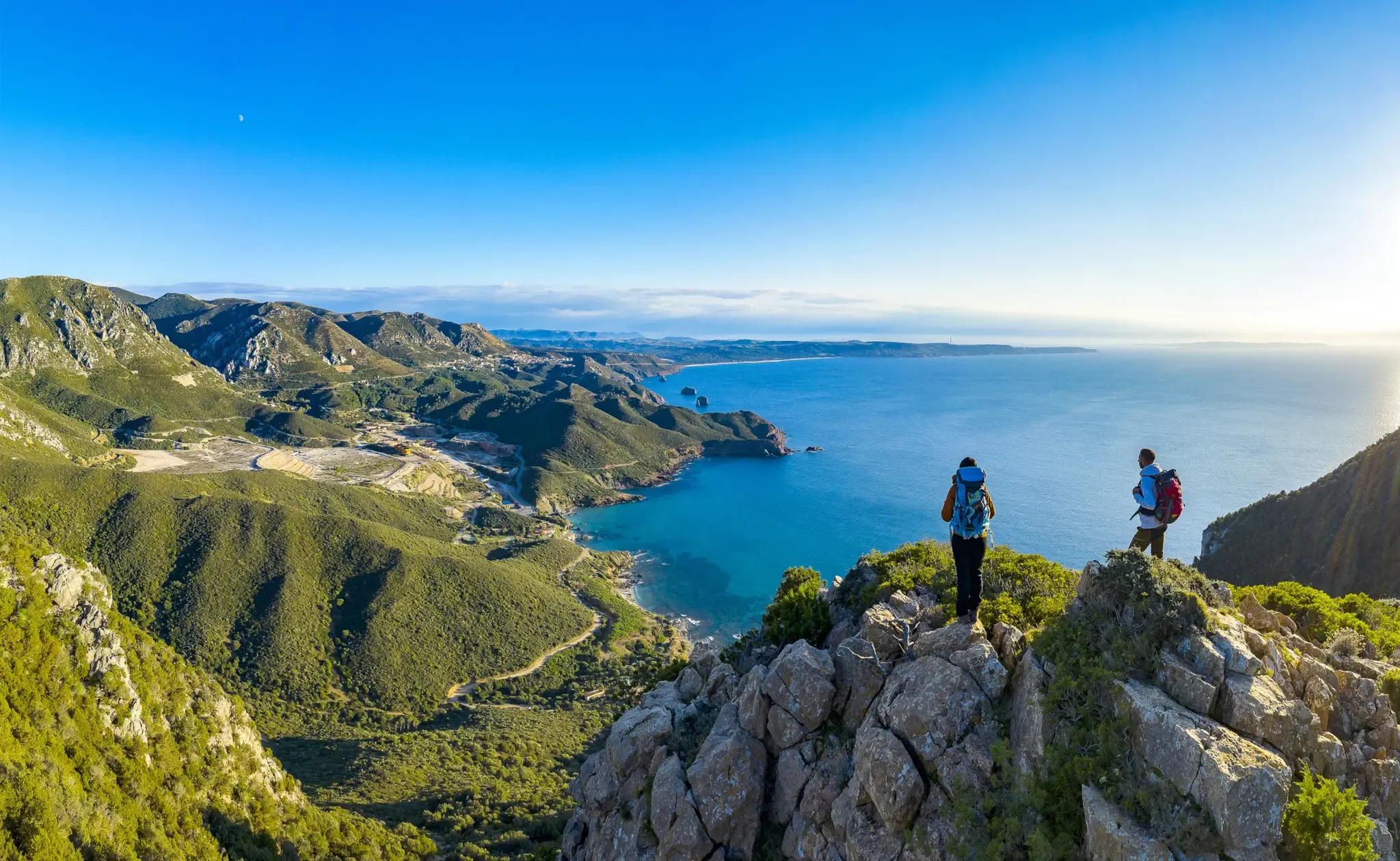
Cammino Minerario di Santa Barbara – memories of ancient Sardinia
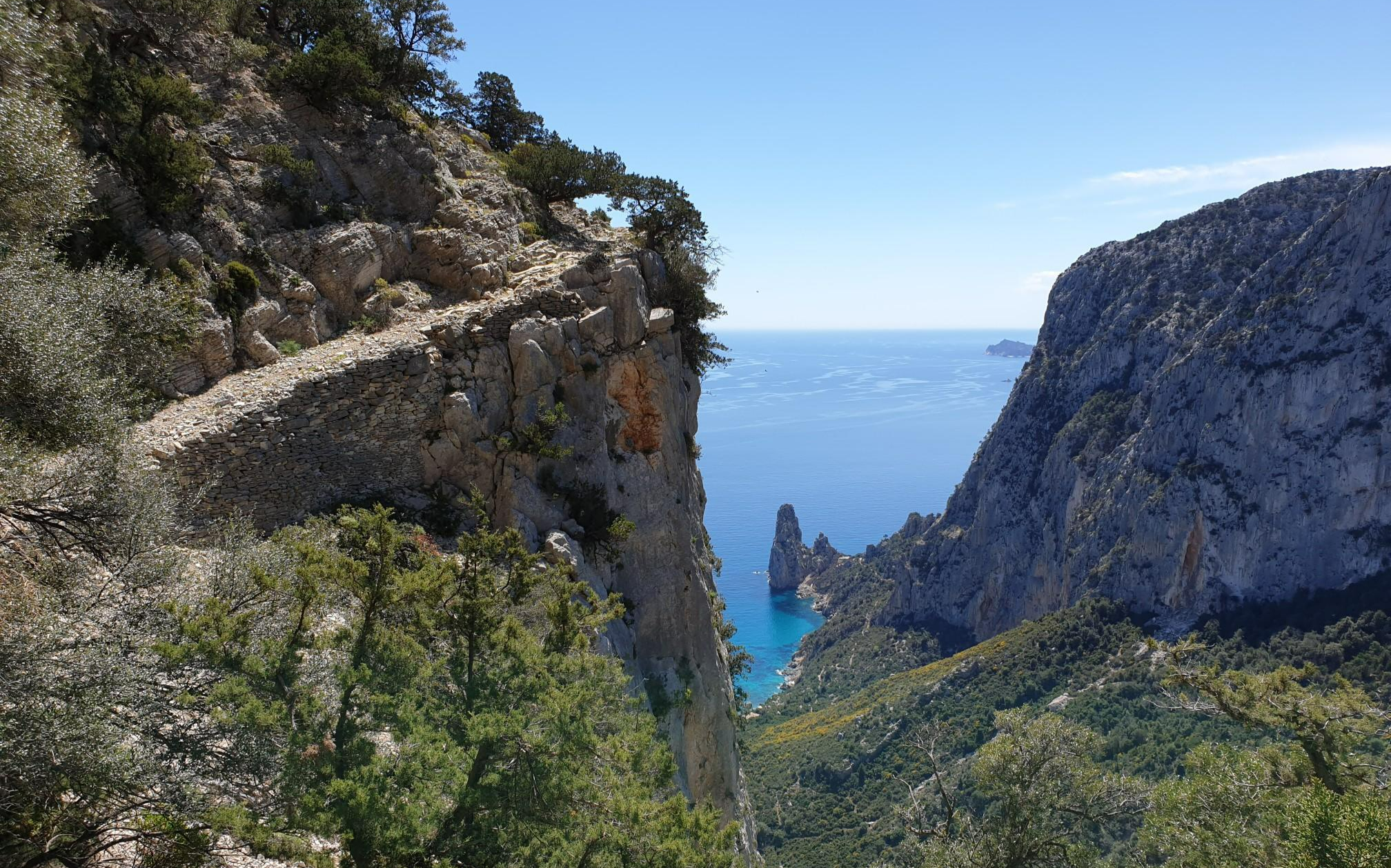
Wild Blue - an adventure overlooking the sea
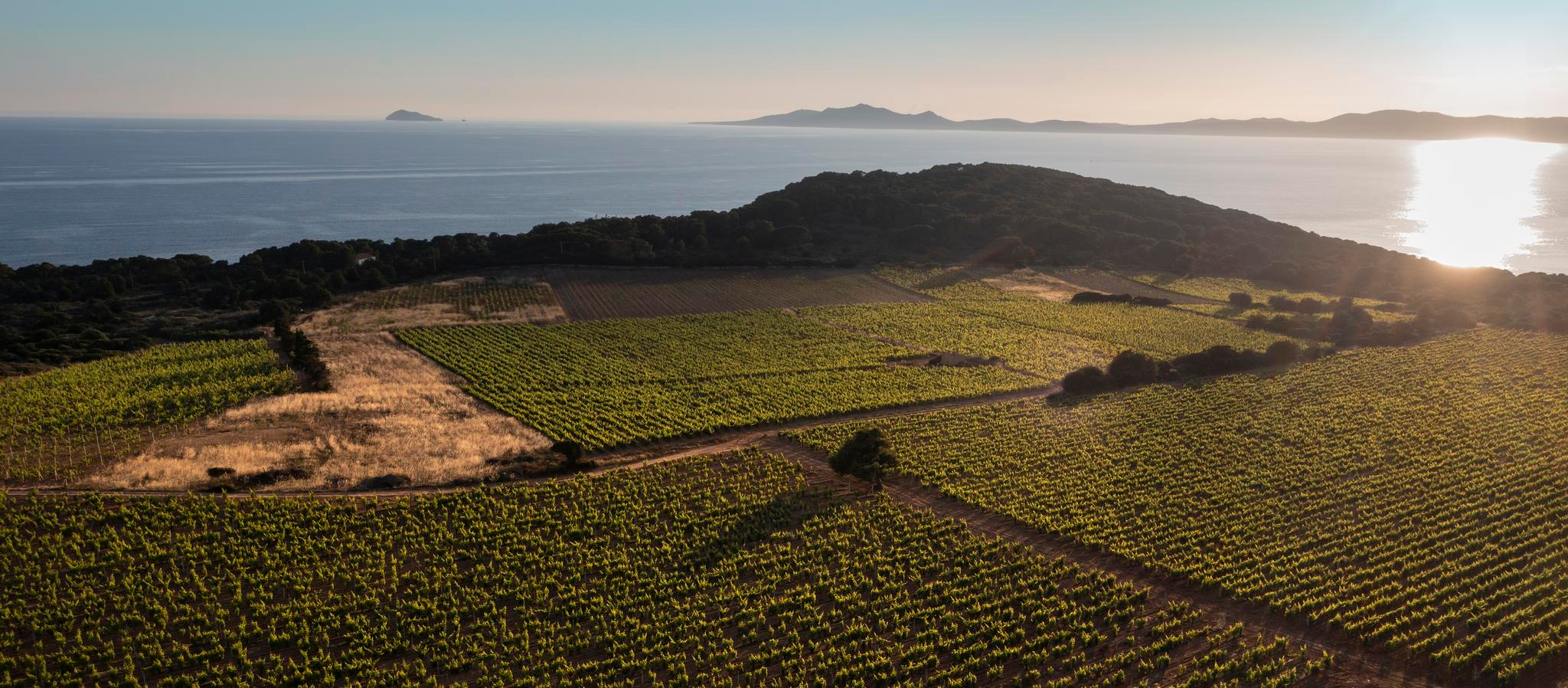
Trails among Carignano's vineyards – Cammino Minerario di Santa Barbara
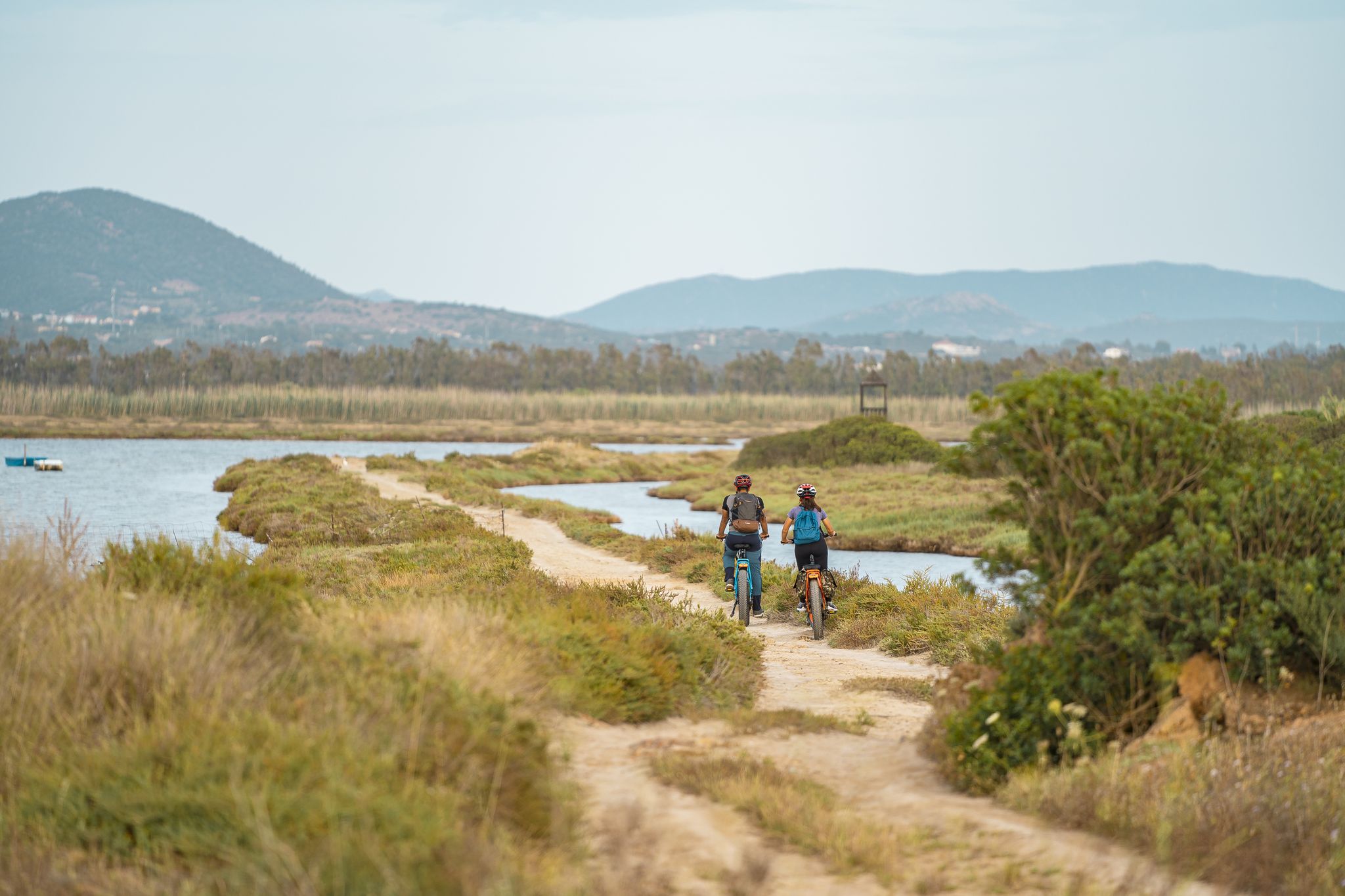
Ciclovia del Cammino Minerario di Santa Barbara
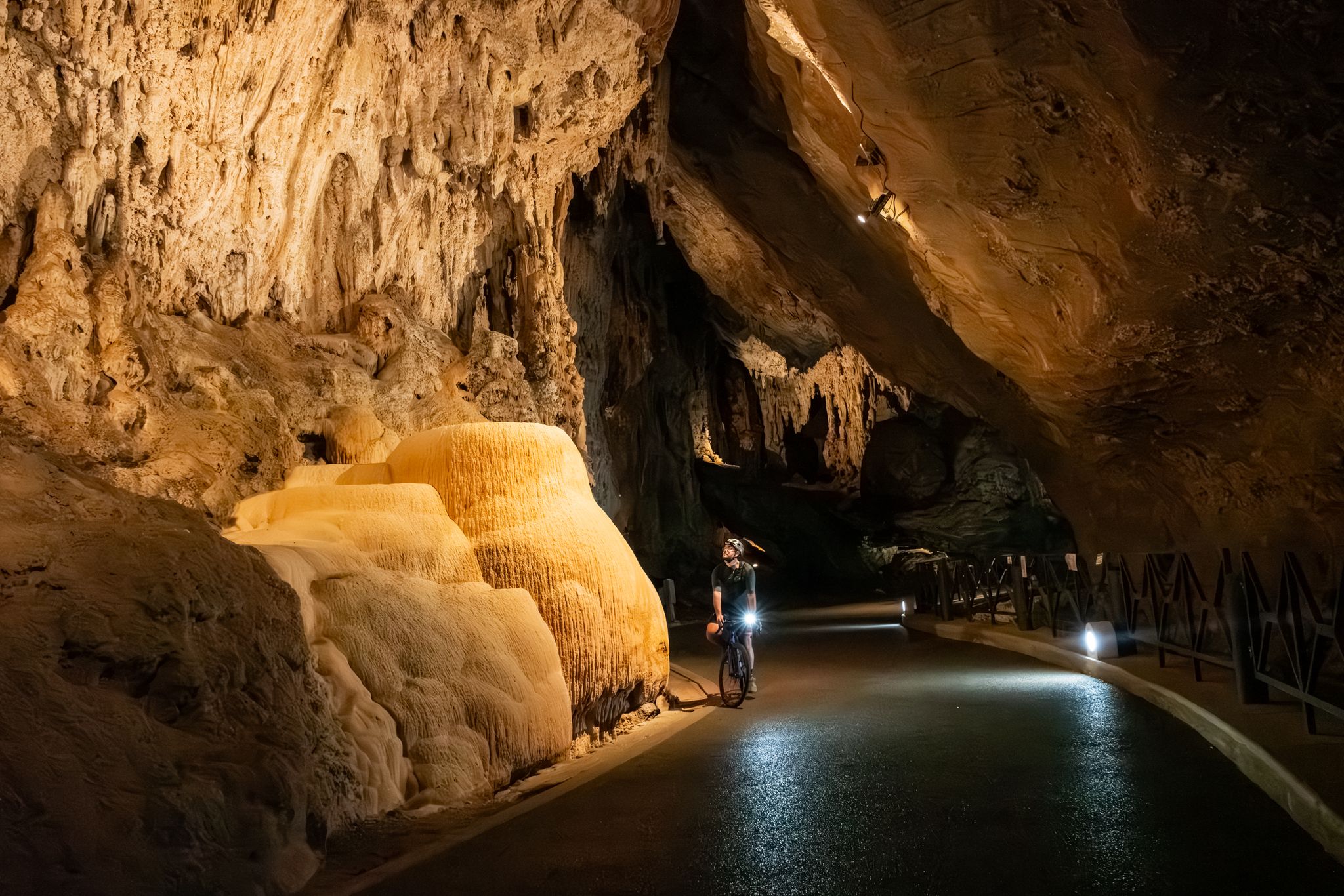
Sardinia by bike – three days in the southwest with Pietro Franzese
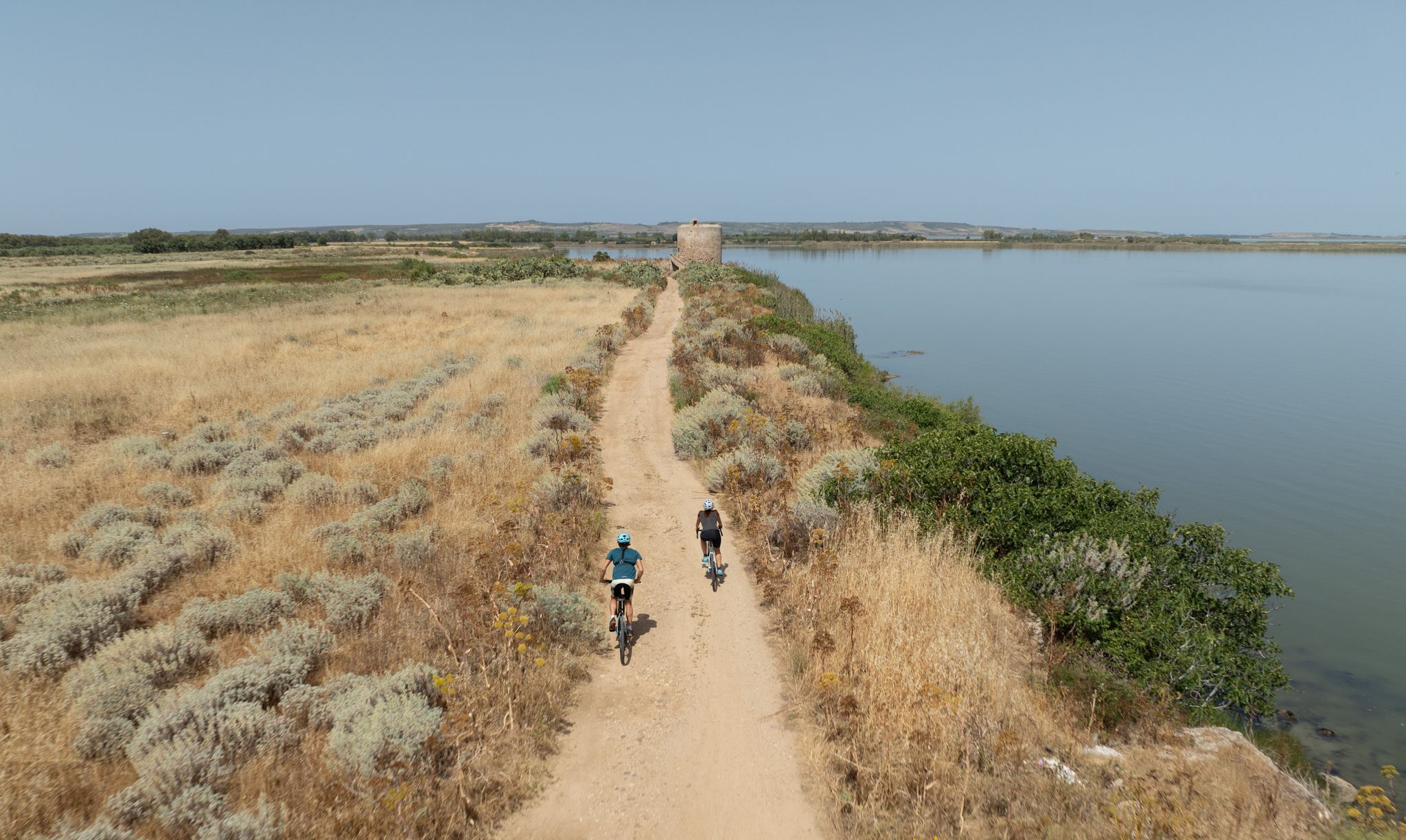
Discover wild Sardinia – 10 superb MTB Tours
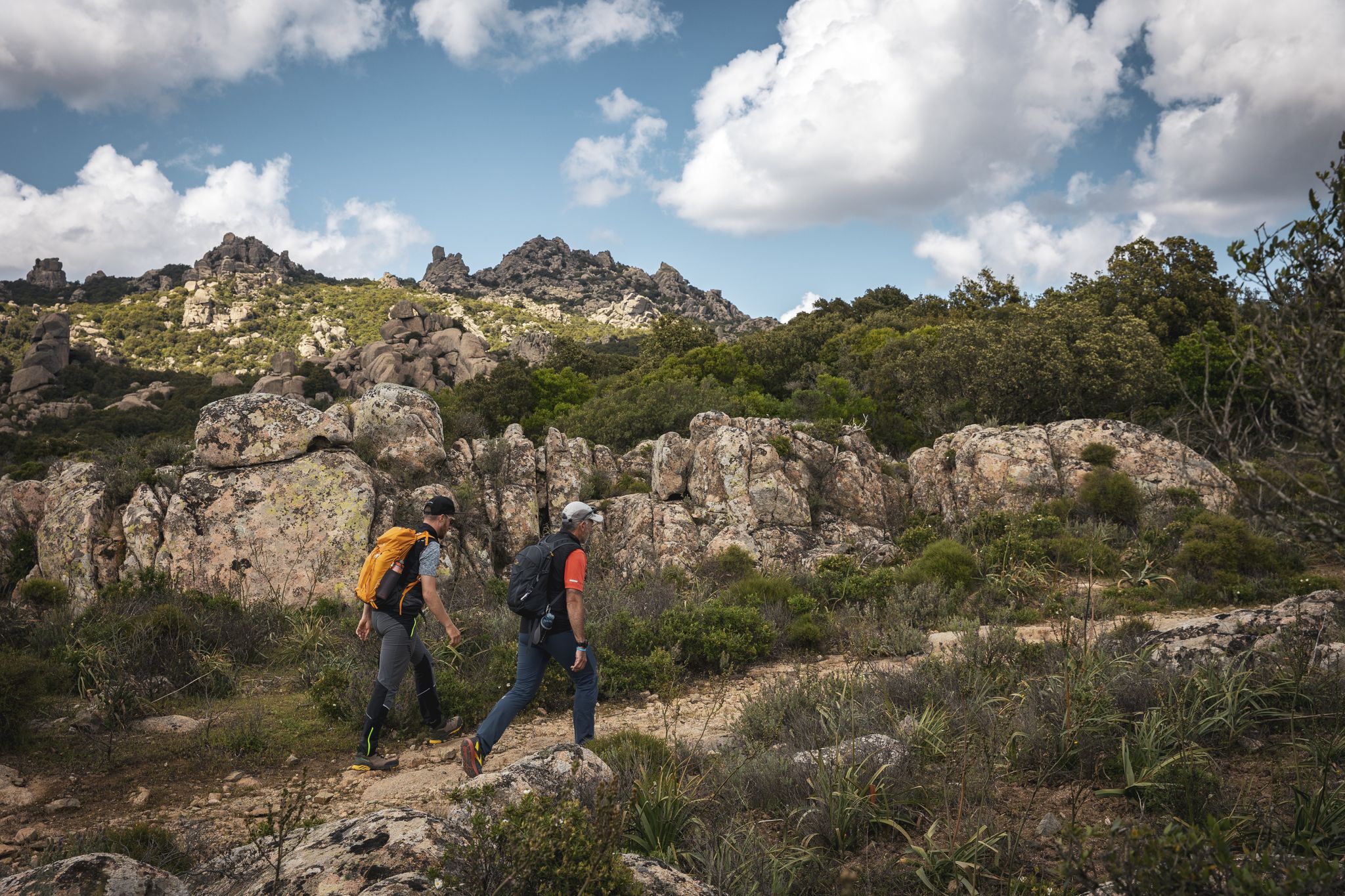
Eternal Sardinia – walks among the wonders of the hinterland
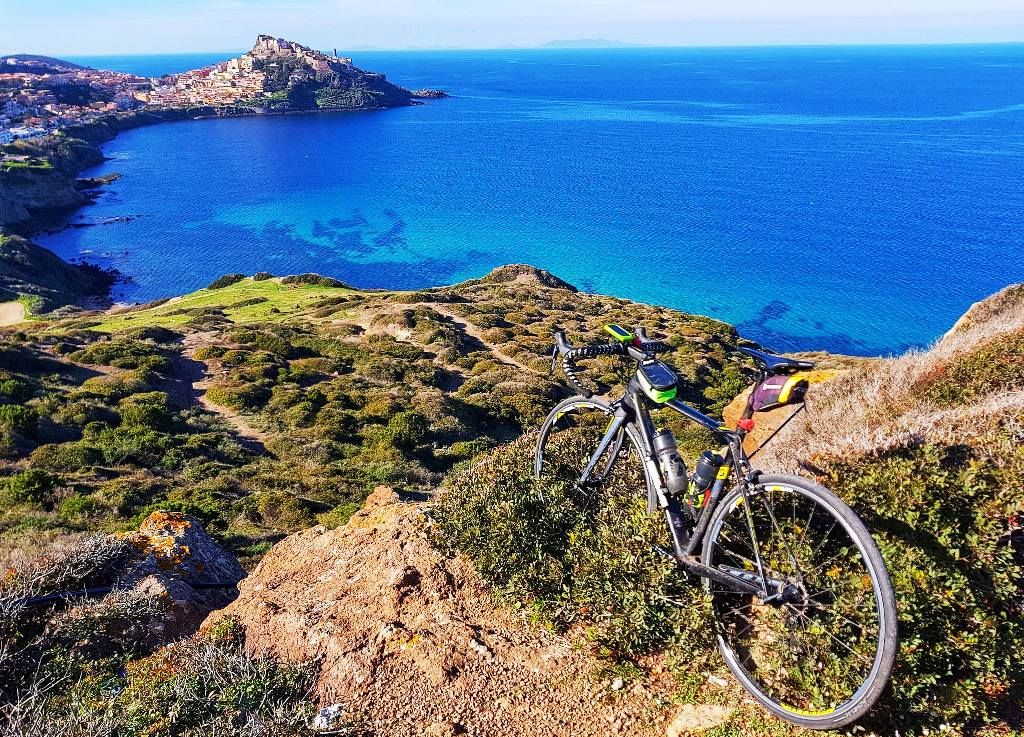
Sardinia by road bike – ten routes to discover the island
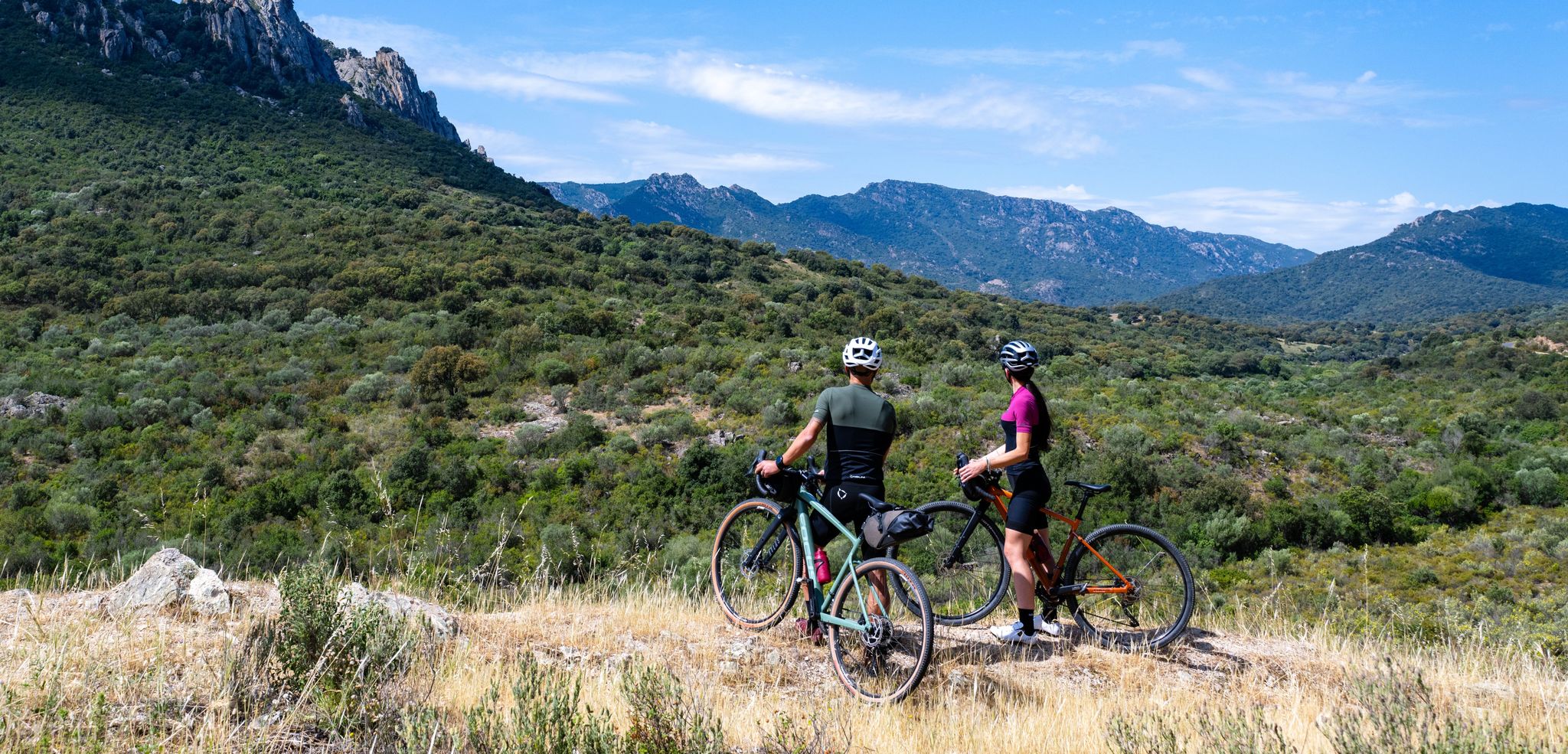
Sardinia by e-bike – enchanting landscapes and ancient culture
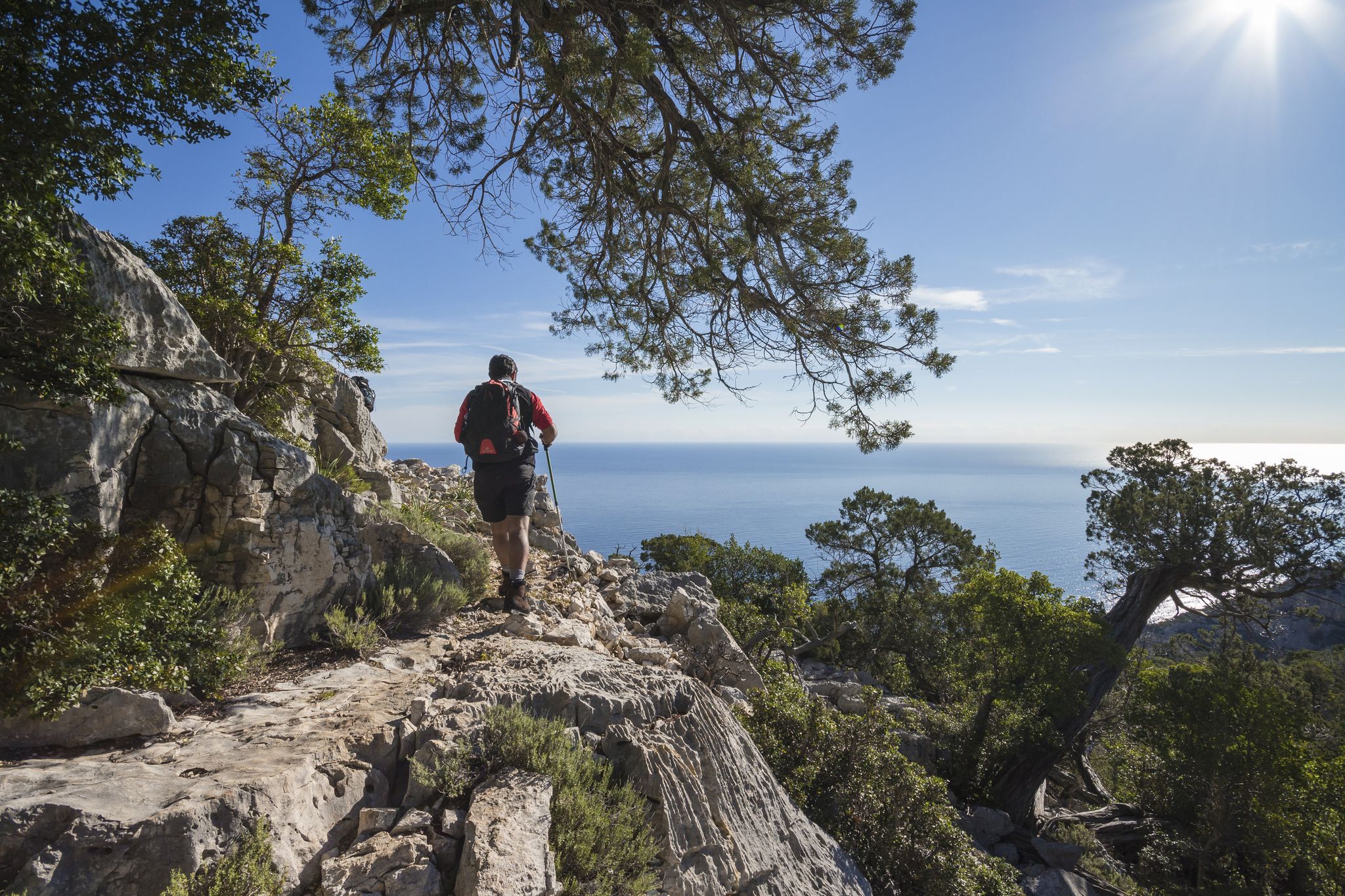
Magnificent Sardinia – day hikes overlooking the sea
Other adventures in the Sardinia Mountains


Tips from the Community


After a great tour you will be rewarded with a fantastic view.
0
0

Nice easy path to the gorge
1
0

Done, goal reached, all effort forgotten, now a nice swim in the crystal clear water.
2
0

Mount Corrasi, the highest peak of the vast and wild Supramonte, is characterized by sheer limestone walls, towers, white spiers, caves and large plateaus. From here, at 1,463 meters above sea level, the spectacular views offer a 360 degree panorama that embraces Nuoro, Orgosolo, Dorgali, the coast of Cala Gonone and the Gennargentu.
5
0
Walking along the Cala Goloritzé path you come across this natural arch, which embellishes an already beautiful path. It's great to admire the nature on the other side before crossing.
1
0
Cala Luna is an enchanting bay and an estuary very frequented by summer maritime traffic. It is absolutely worth a visit, as it represents a true pearl of the Mediterranean with its light sand, turquoise water, numerous small caves and almost white rocks. It can be reached either on foot or by boat. The beauty of this bay is beyond compare. Here you can find shelter in the shade of one of the numerous caves or immerse yourself in the crystal clear waters, a true treasure of Sardinia. At the end of the bay, an oasis invites you to stop for a snack in the kiosk or for a picnic. Also watch out for bold goats grazing on the steep slopes! If the walk back seems too challenging, you can always take a boat back to Cala Gonone or Cala Fuili.
4
11

The somewhat exposed summit offers not only enough space to take a break but also a comprehensive panoramic view over the sea in the Gulf of Orosei to the other mountains of the Supramonte.
2
1
Frequently Asked Questions
What are some of the most impressive natural features to explore in the Sardinia Mountains?
The Sardinia Mountains are rich in diverse natural features. Beyond the well-known gorges and peaks, you can discover the unique granite formations of Monte Limbara, which offer panoramic views extending to Corsica on clear days. The Domo Andesitico di Acquafredda presents a majestic volcanic relief with significant biodiversity, while Su Stampu de Su Turrunu features a magical tunnel carved by water erosion and a 16-meter waterfall. Off the coast, the Pan di Zucchero (Sugar Loaf) is a striking sea stack, and near Palau, the Bear Rock (Capo d'Orso) is an impressive granite formation sculpted by nature into the shape of a bear.
Are there challenging hiking opportunities around the natural monuments in the Sardinia Mountains?
Yes, the Sardinia Mountains offer several challenging hikes. The Gorropu Gorge is one of Europe's deepest canyons, with trails that can be quite demanding, especially in its more advanced sections. Reaching the Summit of Punta La Marmora, Sardinia's highest peak, also involves a challenging ascent but rewards with spectacular 360-degree panoramic views. Additionally, the Pedra Longa Rock Formation serves as a gateway to the Selvaggio Blu, a renowned long-distance trail known for its difficulty.
What are the best viewpoints in the Sardinia Mountains?
For breathtaking vistas, the Monte Corrasi Summit offers a spectacular 360-degree panorama encompassing Nuoro, Orgosolo, Dorgali, the coast of Cala Gonone, and the Gennargentu range. The Summit of Punta La Marmora, as the island's highest point, also provides unparalleled views across the entire island. From Monte Limbara, on a clear day, you can even see Corsica.
What outdoor activities can I do near the natural monuments in the Sardinia Mountains?
The Sardinia Mountains provide a wealth of outdoor activities. You can find numerous hiking opportunities, including waterfall hikes and coastal treks. For example, there are routes like 'The Gorropu canyon - Ring tour' or 'Hike to Cala Goloritzé'. Gravel biking is also popular, with routes such as 'Chiesa di San Pietro di Golgo – Rural Church of Golgo loop'. You can explore more options for hiking at Hiking in the Sardinia Mountains, for waterfall hikes at Waterfall hikes in the Sardinia Mountains, and for gravel biking at Gravel biking in the Sardinia Mountains.
Are there any family-friendly natural monuments or activities in the Sardinia Mountains?
While many natural monuments involve challenging terrain, some areas offer more accessible experiences. For instance, the ancient olive trees in Santa Maria Navarrese provide a serene setting for a family visit. The Monti Arci park, known for its obsidian deposits and beautiful forests, can also offer gentler trails suitable for families. When planning, look for trails marked as 'intermediate' or 'easy' on komoot, and always check specific route details for suitability.
What is the best time to visit the natural monuments in the Sardinia Mountains?
The best time to visit the natural monuments in the Sardinia Mountains is generally during spring (April-May) and autumn (September-October). During these seasons, the weather is milder, making hiking and exploration more comfortable. Summer can be very hot, especially in the gorges and on exposed peaks, while winter might bring colder temperatures and occasional snow to the higher elevations like the Gennargentu range.
What do visitors enjoy most about the natural monuments in the Sardinia Mountains?
Visitors frequently praise the dramatic and unique landscapes. For instance, the Gorropu Gorge is often described as 'very impressive' and 'breathtaking' due to its towering karstic rock walls. The Monte Corrasi Summit is celebrated for its 'fantastic view' and 'breathtaking panorama'. The coastal natural monuments like Pedra Longa Rock Formation are admired for their 'beautiful stage along the east coast' and 'mega coastal tour'.
Are there any natural monuments with historical or geological significance in the Sardinia Mountains?
Absolutely. The Sulcis Mountains, for example, feature ancient geological formations and karst topography, including the Is Zuddas Grottoes. The Domo Andesitico di Acquafredda, a volcanic relief, is of significant scientific interest, and its summit hosts the ruins of a medieval castle, adding a historical layer to its natural beauty. The Gorropu Gorge itself is formed by carbonate rocks rich in shell fossils, revealing its ancient marine genesis.
Can I find natural monuments that include beaches or coastal features in the Sardinia Mountains region?
Yes, while the focus is on mountains, the region also boasts stunning coastal natural monuments. Cala Goloritzé is a famous beach known for its towering Aguglia spire and natural arch, formed by a landslide. Cala Fuili and Cala Luna are also beautiful beaches that serve as natural monuments, often reached via scenic coastal trails.
Are there any natural monuments in the Sardinia Mountains that are considered 'hidden gems' or less frequented?
While many sites are popular, some offer a more secluded experience. Su Stampu de Su Turrunu, with its water-carved tunnel and waterfall, provides a magical and enchanting landscape within a lush forest, often feeling more off the beaten path. The ancient olive trees in Santa Maria Navarrese, including one of Italy's largest, offer a tranquil and historically rich natural encounter away from the more adventurous trails.
What kind of wildlife can I expect to see near the natural monuments?
The diverse ecosystems of the Sardinia Mountains support a variety of wildlife. In the rugged Gennargentu and Supramonte areas, you might spot mouflon, wild boars, and various bird species, including eagles and vultures. The coastal areas near monuments like Cala Goloritzé are home to marine birds, and the clear waters can reveal diverse marine life. Always observe wildlife from a respectful distance.
Are there any natural monuments in the Sardinia Mountains that involve water features like springs or rivers?
Yes, several natural monuments are defined by their water features. The Font Spring (Fonte di Gorroppu) is a notable natural monument within the Gorropu area. Su Stampu de Su Turrunu features a 16-meter waterfall and a pond created by the Su Longufresu stream, offering a refreshing and picturesque spot. The deep canyons themselves, like Gorropu Gorge, were carved by ancient rivers, showcasing the power of water over millennia.
Most popular routes in the Sardinia Mountains
Most popular attractions in the Sardinia Mountains

Get inspired with the komoot mobile app


Explore more
Extend your search for the best caves by checking out these guides of the top ones in the Sardinia Mountains:
