The best city hikes and walks in the Sardinia Mountains
4.4
(16587)
79,571
hikers
41
hikes
Urban hiking trails in the Sardinia Mountains traverse a landscape characterized by diverse topography, including mountainous regions and plateaus. The island's interior features massifs like Gennargentu and Supramonte, with elevations reaching over 1,800 meters, alongside coastal paths and limestone formations. This varied terrain offers a range of experiences, from urban explorations within historic centers to routes that connect towns with their immediate natural surroundings.
Best urban hiking trails in the Sardinia Mountains
- The most popular urban hiking route is Cammino…
Last updated: October 1, 2026
1
hikers
2.31km
00:37
20m
20m
Explore Nuoro's city center and pine forests on this easy 1.4-mile (2.3 km) ring tour with panoramic views.
4.4
(10)
40
hikers
Easy hike. Great for any fitness level. Easily-accessible paths. Suitable for all skill levels.

28
hikers
Easy hike. Great for any fitness level. Easily-accessible paths. Suitable for all skill levels.
1.0
(2)
9
hikers
6.76km
01:46
50m
50m
Easy hike. Great for any fitness level. Easily-accessible paths. Suitable for all skill levels.
5.0
(1)
12
hikers
Easy hike. Great for any fitness level. Easily-accessible paths. Suitable for all skill levels.
Get access to more routes and recommendations from other explorers.
Already have an account?
Our route recommendations are based on thousands of hikes, rides, and runs completed by other people on komoot.
Start today with a free account
Your next adventure awaits.
Popular around Sardinia Mountains
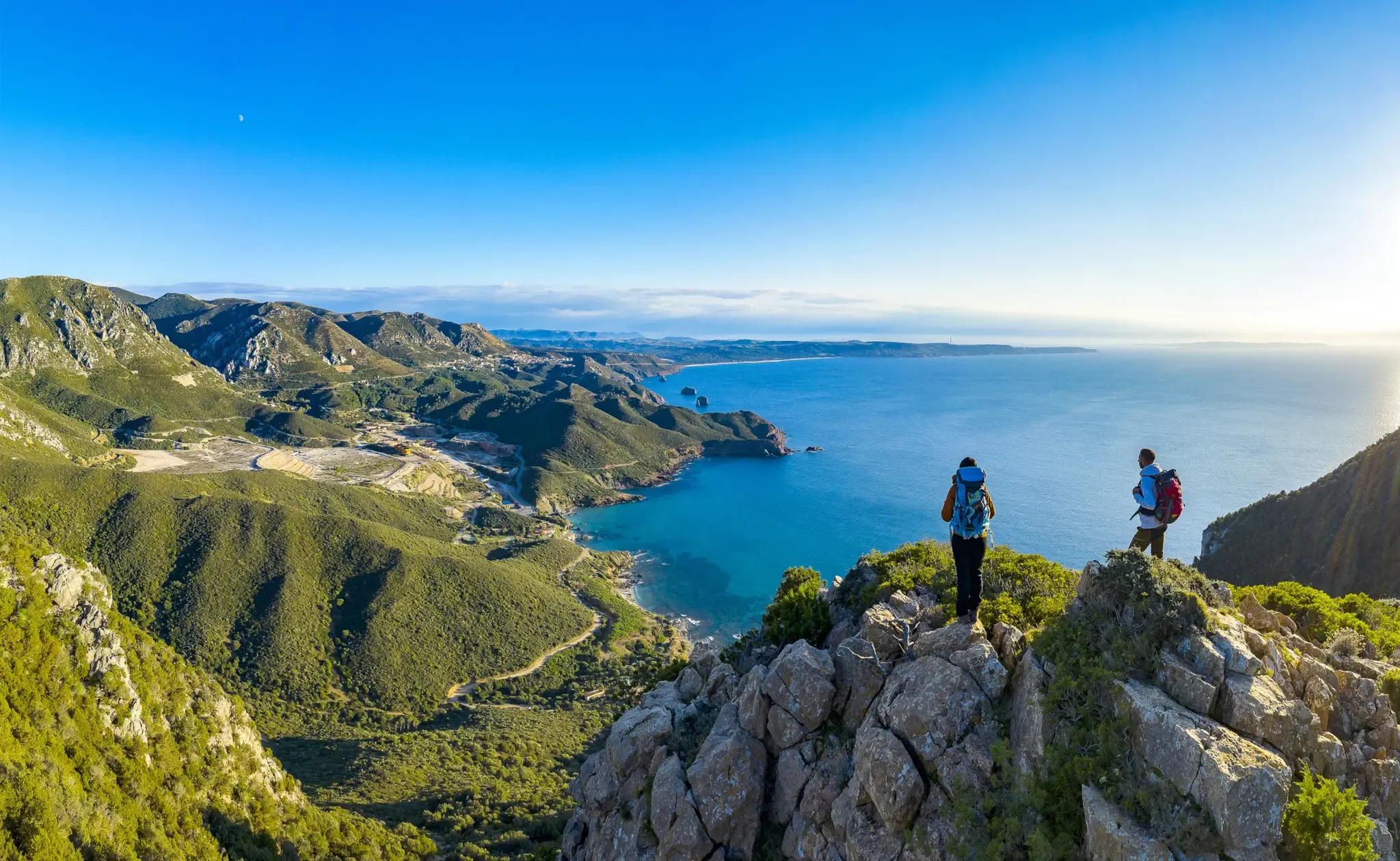
Cammino Minerario di Santa Barbara – memories of ancient Sardinia
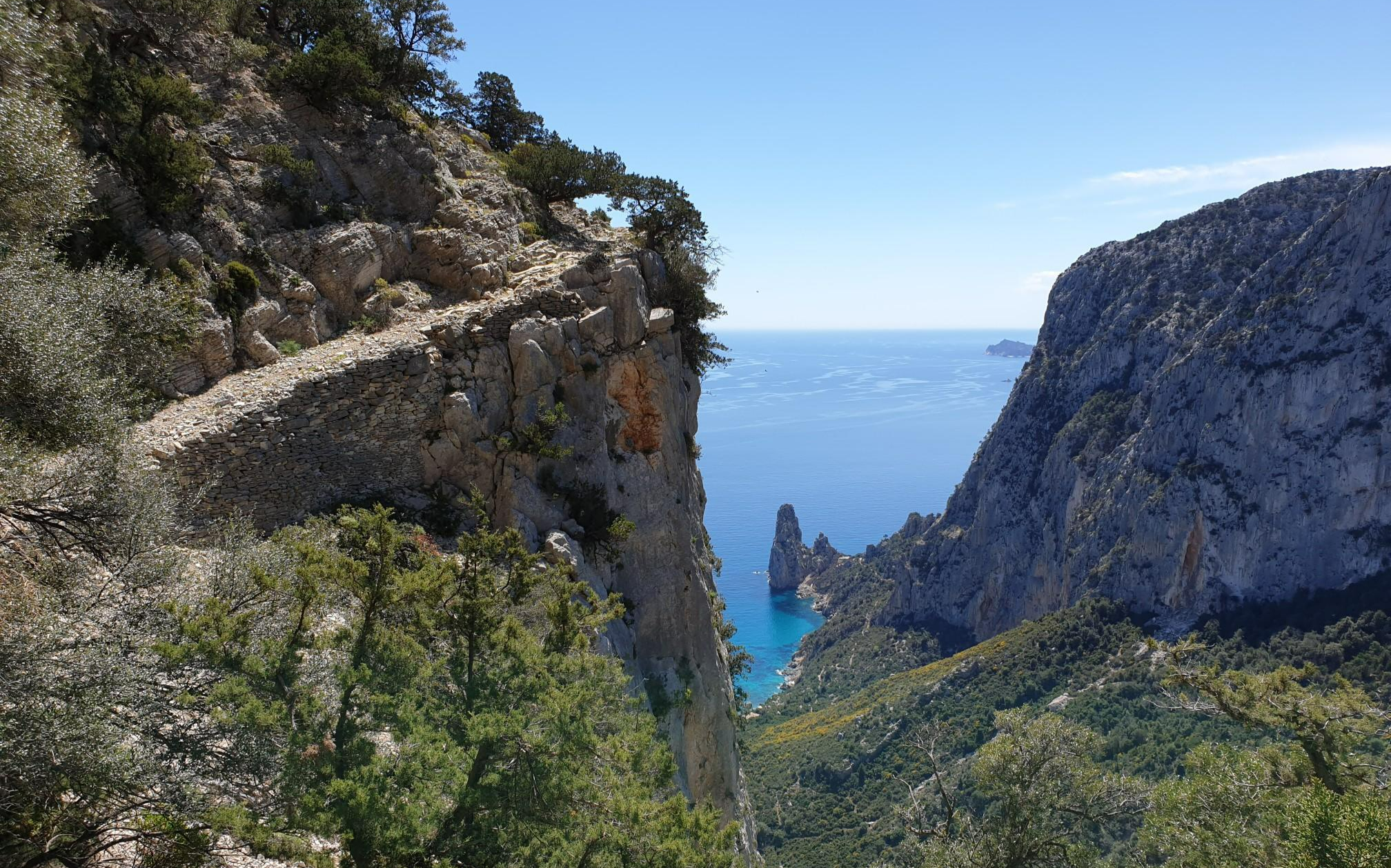
Wild Blue - an adventure overlooking the sea
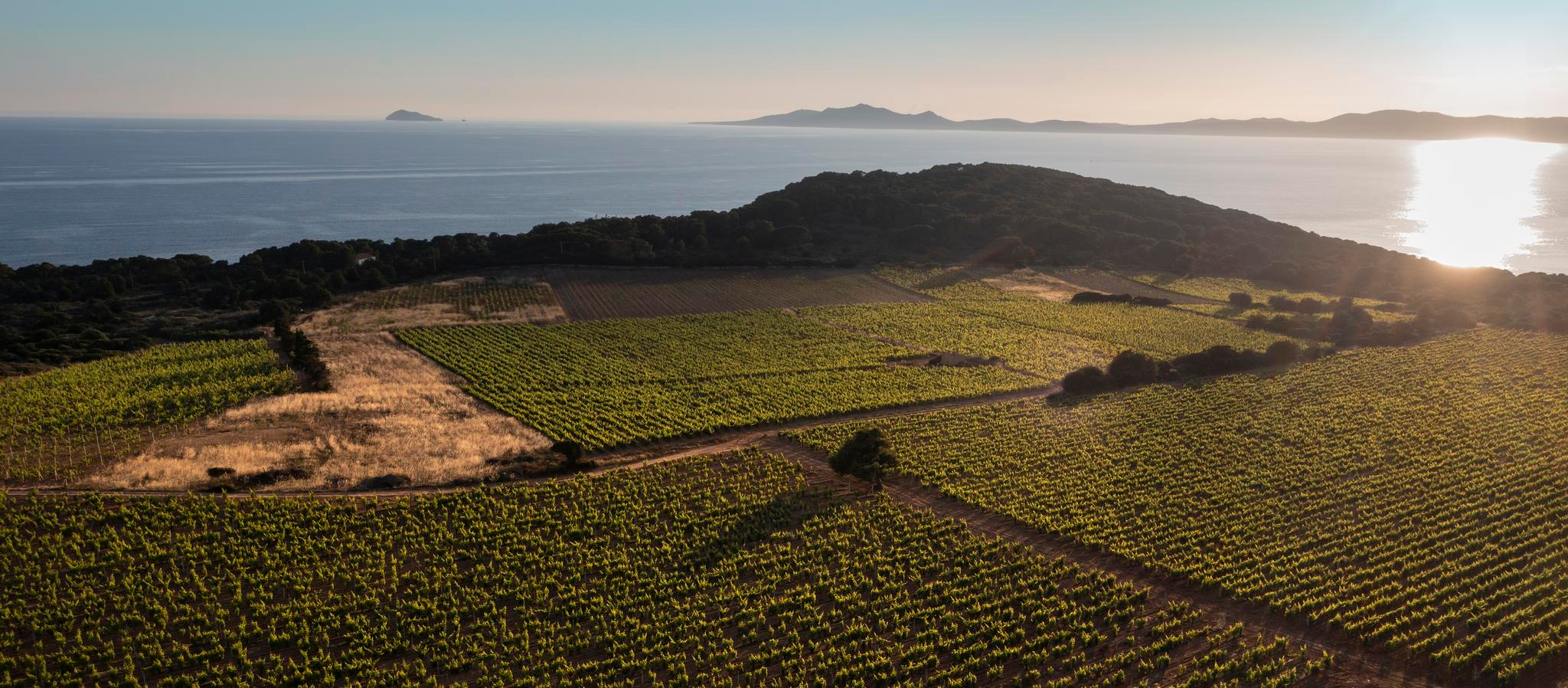
Trails among Carignano's vineyards – Cammino Minerario di Santa Barbara
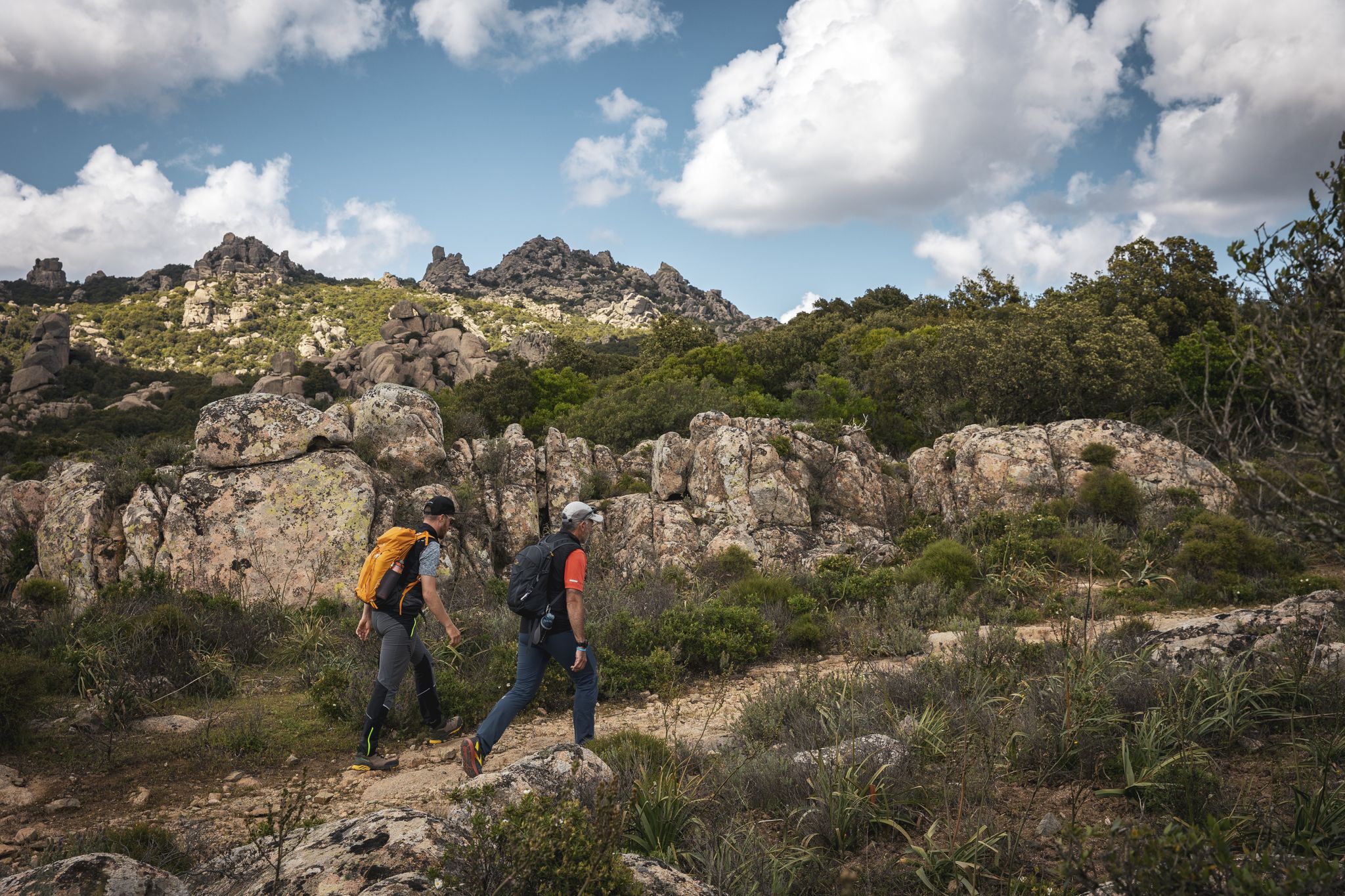
Eternal Sardinia – walks among the wonders of the hinterland
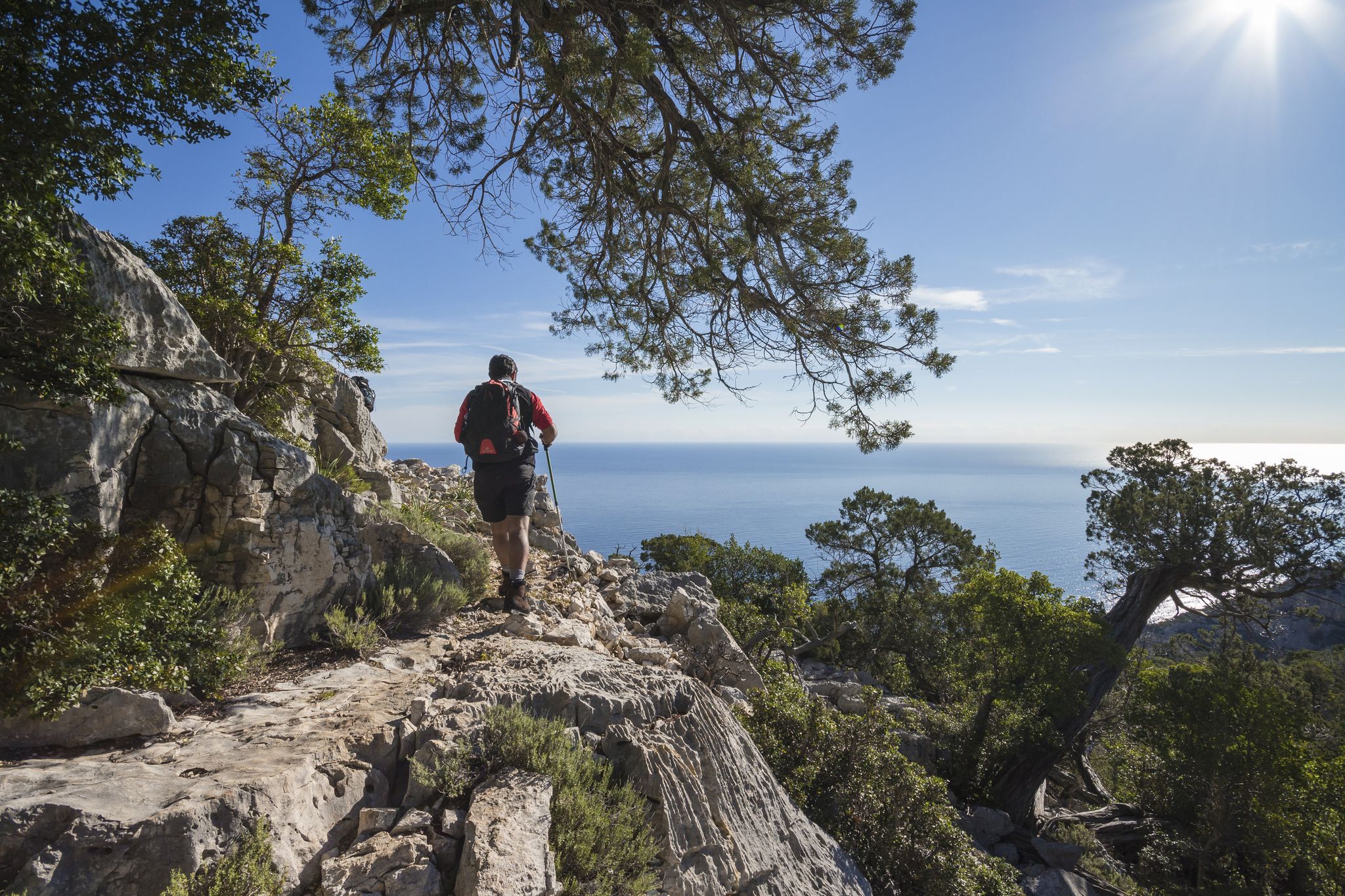
Magnificent Sardinia – day hikes overlooking the sea
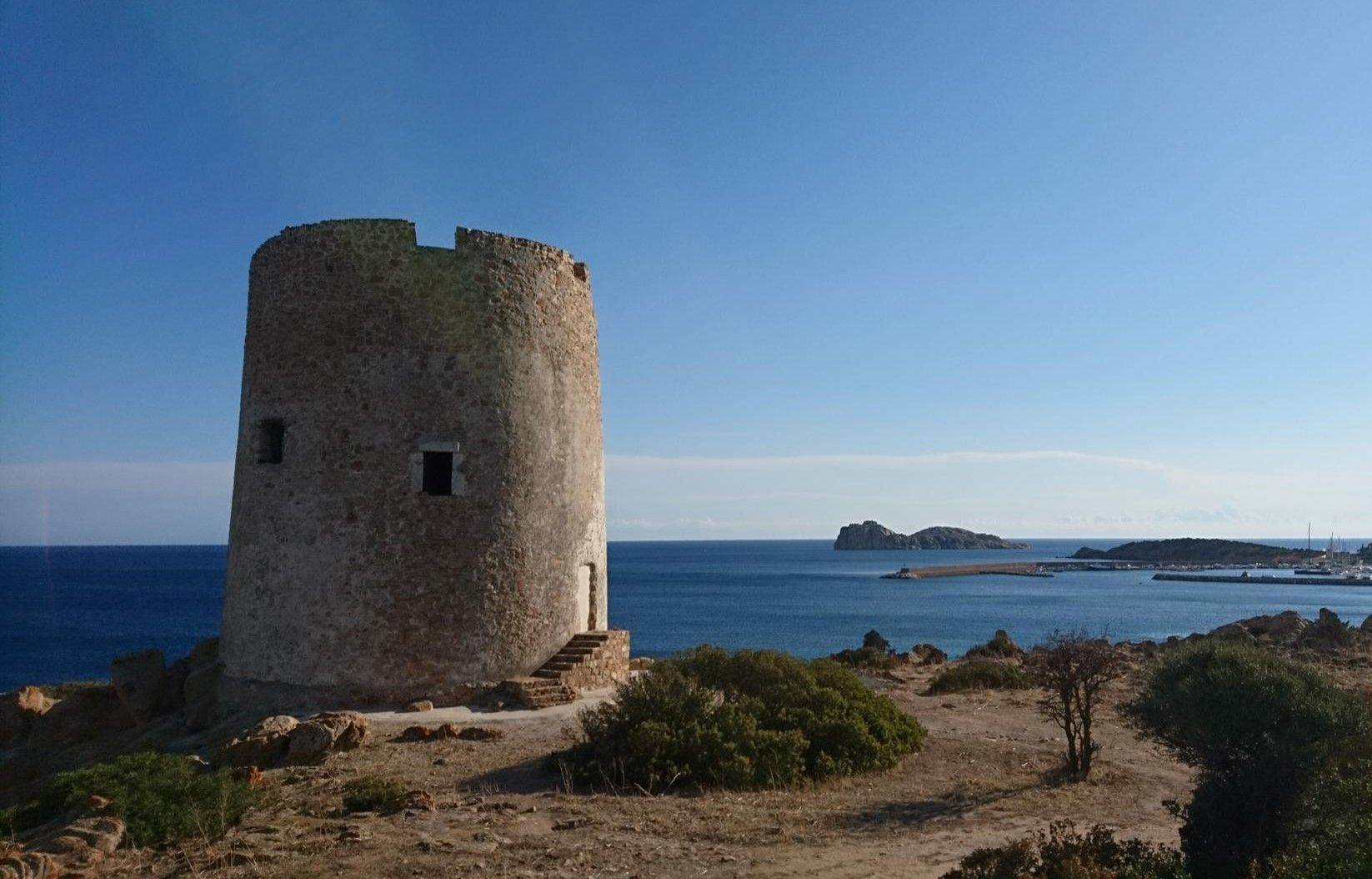
Portoscuso to Cagliari on the Via del Martirio – Cammino 100 Torri
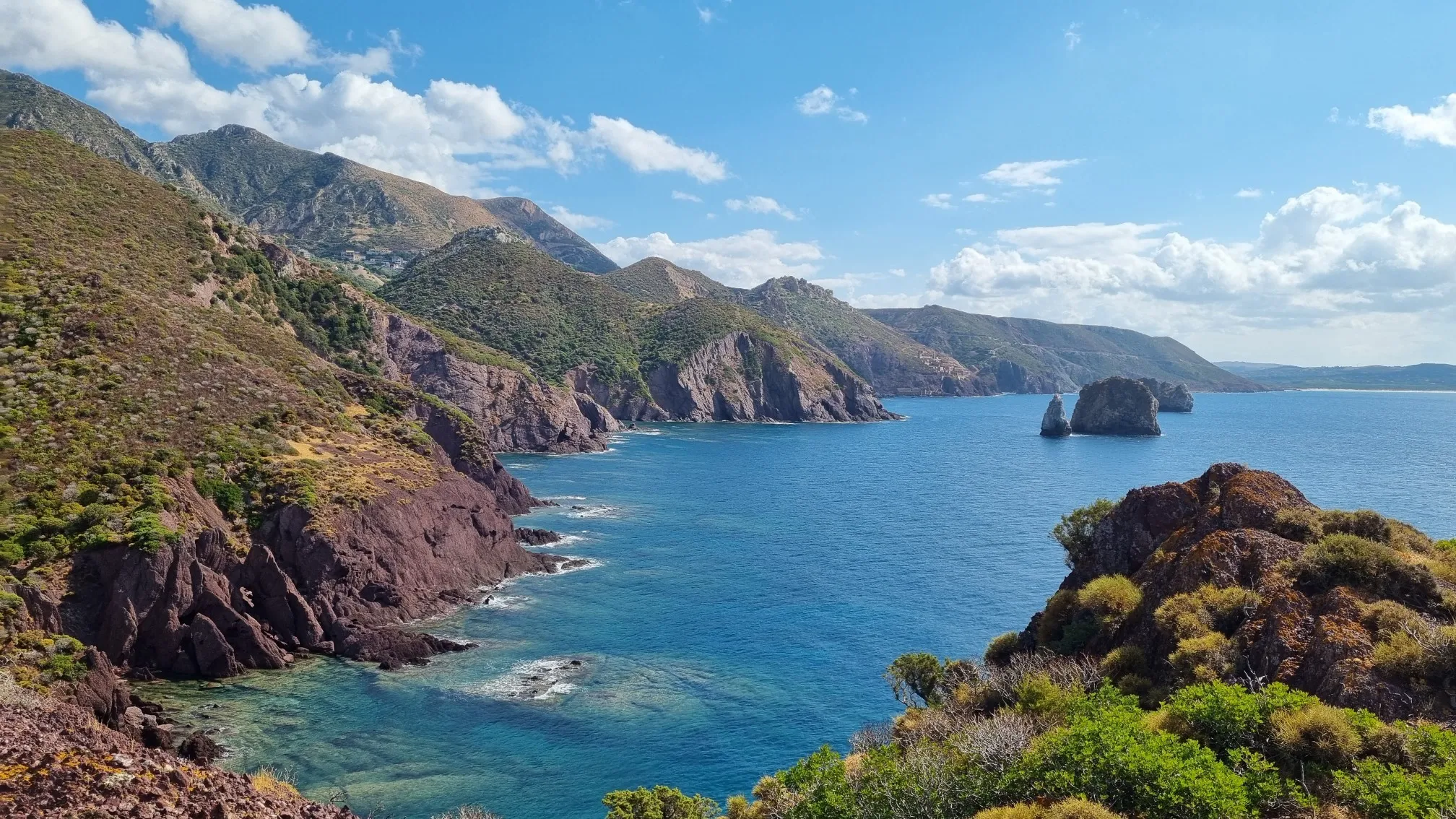
Along the Costa Verde on the Via delle Miniere – Cammino 100 Torri
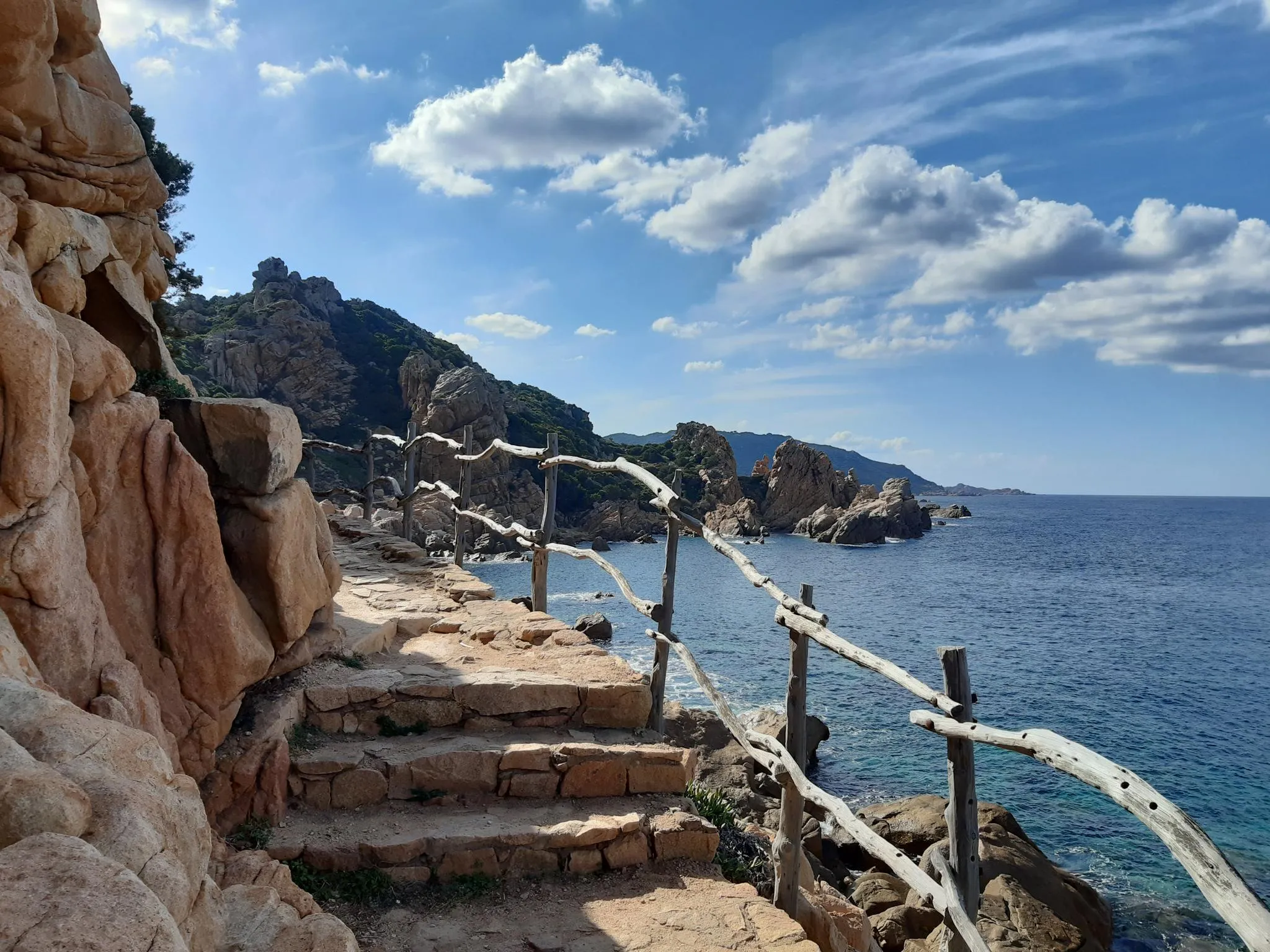
Budoni to Castelsardo on Italy's Via Gallura – Cammino 100 Torri
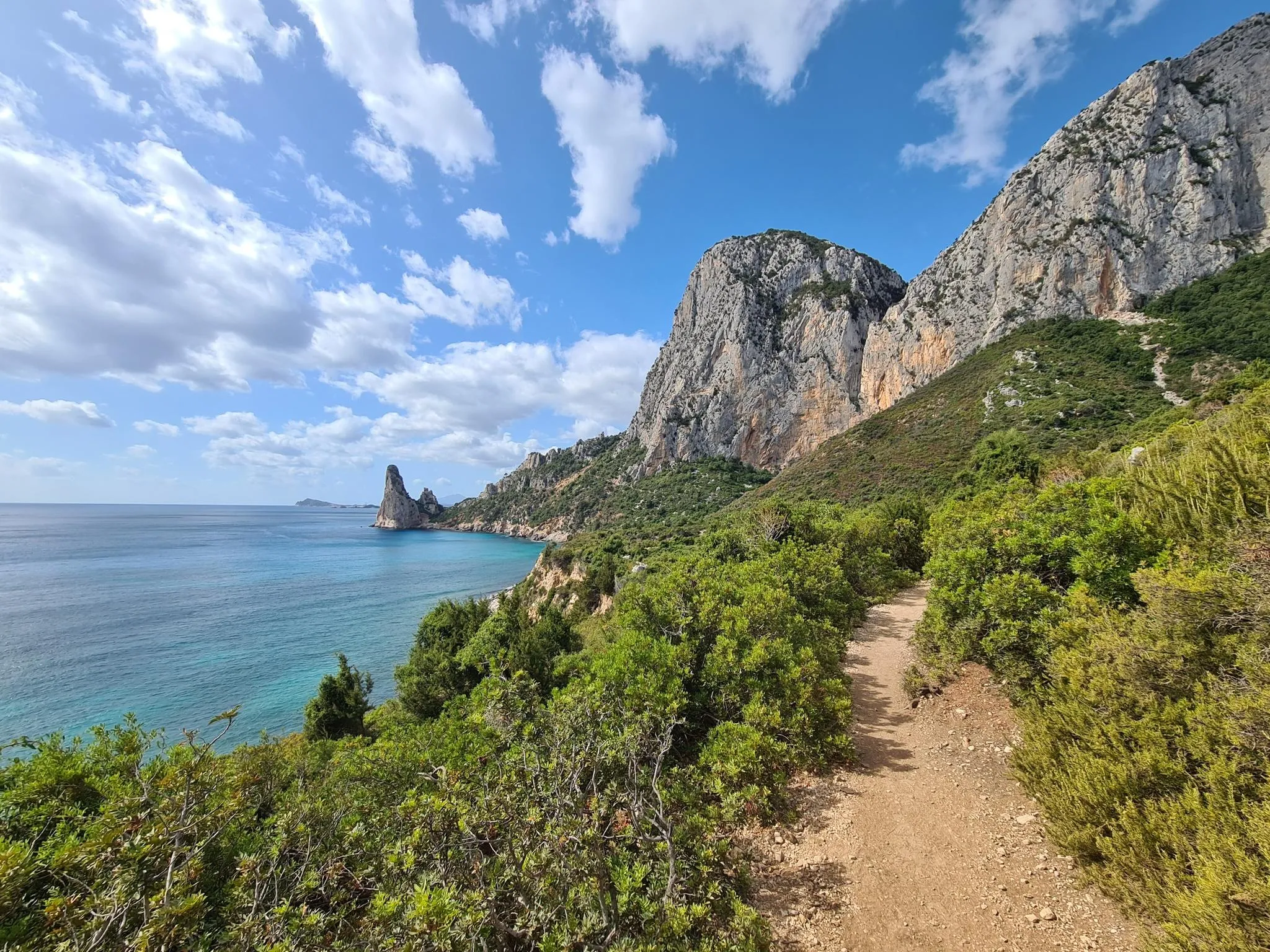
Discover Sardinia on the Via Ogliastra – Cammino 100 Torri
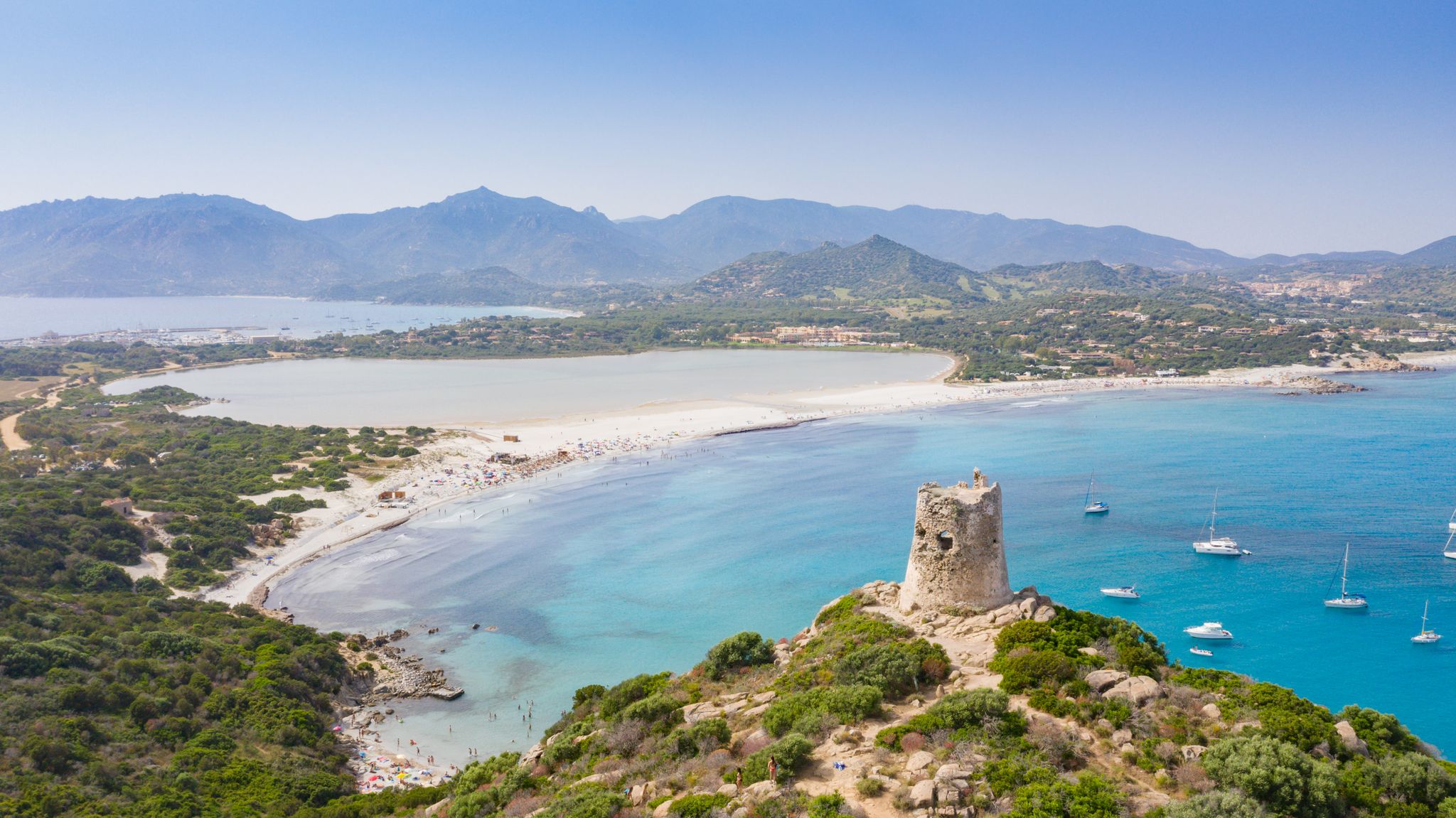
Villasimius to Arbatax along the Via Sarcapos - Cammino 100 Torri
Other adventures in the Sardinia Mountains


Tips from the Community

Memorial plaque for the journalist Deffenu, who was politically engaged, represented socialist theses, fought for the equality of Sardinia and fell in the 1st World War at the age of only 27
0
0
Designed by the artist Constantino Nivola, the small bronze figures, which originally combine modern and traditional, are reminiscent of menhirs and the Nuragic statuettes in the rocks.
0
0
The church is locked and can only be viewed from the outside
0
0
Monument to the founder of Sardinia's industrialization. He had a dam built that generated electricity, which powered machines and installed the first street lighting.
0
0
Birthplace of the 1926 Nobel Prize in Literature laureate, Grazia Deledda (1871-1936). She is considered the most important writer from Sardinia and described the hard life on her home island in poems and novels since she was 15 years old.
0
0

Located in the historic center of Orosei, the Church of Saint Anthony Abbott is a significant religious and architectural site built between the 14th and 15th centuries using volcanic stone. The church features a single-nave design and houses rare 14th-century frescoes depicting the life of Christ. It is part of a larger medieval complex that includes a Pisan-era watchtower and *cumbessias*, which are small dwellings historically used by pilgrims. The site remains a vibrant hub for local tradition, especially during January’s fire-related festivals.
0
0

In the diary of his pilgrimage on the Way of St. James, which was published later, the German entertainer Hape (Hans-Peter) Kerkeling also writes about the meditative experience of praying the Rosary together, which he experienced himself in the “grandiose village church, which has the makings of a cathedral” of Castildelgado (Castile). Under the date June 21, 2001, he notes: “I simply must see the only tourist attraction in town! (…) She is all the more pleased that I want to see the jewel of Castildelgado and accompanies me inside. Our tour quickly ends in front of the altar, and so the woman asks me to take a seat in one of the wonderfully cool pews. Gradually, other people enter the church. The older lady begins to pray the rosary. The monotonous chanting has a calming effect, and the constantly repeating lament gives strength, security, and peace! So, after I can recite the words along with her, I join in the mantra…” (Hape Kerkeling in “I’m Off Then: My Journey on the Camino de Santiago”)
0
0

Séuna is the first Nuoro, the farmers' neighborhood. Satta depicts it as a "cluster of small, single-story houses," dirt courtyards enclosed by dry-stone walls, and "cassi" (small boxes) at the doorstep: an order born from disorder. In the center, the little Church of the Grazie: simple, rustic, almost a house like any other, surmounted by a pediment with a bell. Here, Satta places a crucial part of his popular chorus: the peasant-priest, the vegetable garden, the almsgiving, the minimal rites of a very poor but cohesive community. Séuna, he says, could be a seaside village "if there were a sea": instead, there is a merciless white light that splits the shadows of the courtyards and accompanies the funerals that, as they pass, force the "lords of Tettamanzi" to rise and uncover their heads. Strolling today through the narrow streets that climb toward the Corso means recognizing the material grammar of the novel: courtyards, gates, irregular paving stones. Stop in front of the church facade and look at the low houses: you'll understand why Satta, in his "balance sheets," makes Séuna the origin of the village and at the same time its limit—proud, industrious, poor. It's the necessary counterpoint to the city of courts, classrooms, and cafés.
0
0
Frequently Asked Questions
What defines an urban hike in the Sardinia Mountains?
Urban hikes in the Sardinia Mountains are trails that explore towns, cities, and their immediate surroundings, often incorporating historical sites, local architecture, and accessible natural features. They typically have lower elevation gains and are suitable for a wider range of fitness levels, offering a blend of cultural immersion and gentle outdoor activity.
How many urban hiking trails are available in the Sardinia Mountains?
There are over 25 urban hiking trails documented in the Sardinia Mountains, ranging from easy strolls through historic centers to moderate walks along coastal paths and town perimeters. This guide features 28 routes, with 23 classified as easy and 5 as moderate.
Are there easy urban hikes suitable for beginners or families in the Sardinia Mountains?
Yes, many urban hikes in the Sardinia Mountains are easy and family-friendly. For instance, the Cammino di Santu Jacu: Anello del Centro di Nuoro offers a gentle exploration of Nuoro's heart. Another great option is the Santa Margherita di Pula Beach loop from Spiaggia di Santa Margherita di Pula, which is very flat and ideal for a relaxed outing.
What kind of landmarks and viewpoints can I expect on urban hikes in the Sardinia Mountains?
Urban hikes often lead through historic centers, offering glimpses of ancient architecture and local life. You can discover sites like the Historic Center of Posada or the Church of the Souls in Orosei. Coastal urban routes, such as the Port of Arbatax – Pedestrian and Cyclist Bridge loop, provide scenic sea views and opportunities to see coastal towers like the San Gemiliano Tower.
Are there circular urban hiking routes available?
Yes, many urban trails in the Sardinia Mountains are designed as circular routes, allowing you to start and end at the same point. Examples include the Church of St. James the Greater – Orosei Historic Centre loop from Orosei, which explores the historic core of Orosei, and the Nuoro Pedestrian Zone – Birthplace of Salvatore Satta loop from Nuoro, offering a cultural walk through Nuoro.
What is the best time of year for urban hiking in the Sardinia Mountains?
The best time for urban hiking in the Sardinia Mountains is generally during the spring (April to June) and autumn (September to October). During these periods, the weather is mild and pleasant, making it comfortable for walking. Summer can be very hot, especially in July and August, while winter can bring cooler temperatures and occasional rain, particularly in the higher mountain areas.
Can I bring my dog on urban hiking trails in the Sardinia Mountains?
Many urban trails in the Sardinia Mountains are dog-friendly, especially those that follow public sidewalks, pedestrian zones, or less restricted natural paths. However, it's always advisable to keep your dog on a leash and be mindful of local regulations, especially in crowded areas or near historical sites. Always carry water for your pet and clean up after them.
What do other hikers enjoy most about urban hiking in the Sardinia Mountains?
The komoot community highly rates urban hiking in the Sardinia Mountains, with an average score of 4.4 out of 5 stars from over 13,000 ratings. Hikers often praise the unique blend of cultural exploration and accessible natural beauty, the charm of the historic towns, and the ease of access to these routes.
Is public transport or parking available near urban hiking trails?
Yes, urban hiking trails are typically well-integrated into towns and cities, meaning public transport options are often available to reach starting points. Parking is also generally more accessible in urban areas compared to remote mountain trails, though it may vary by location and time of day. It's recommended to check specific town parking regulations.
What should I wear for urban hiking in the Sardinia Mountains?
For urban hiking, comfortable walking shoes are essential, as you'll be on paved surfaces and possibly some uneven cobblestones. Light, breathable clothing is recommended, especially during warmer months. A hat, sunglasses, and sunscreen are also advisable. Always carry water, even for shorter walks, and consider a light jacket for cooler evenings or unexpected weather changes.
Most popular routes in the Sardinia Mountains
Most popular attractions in the Sardinia Mountains

Get inspired with the komoot mobile app


Explore more
Browse the best Hikes in other regions.
