Top 20 Gorges in the Sardinia Mountains
Canyons in the Sardinia Mountains offer diverse experiences for trekkers and nature enthusiasts, characterized by unique geological features. The region is known for its deep gorges carved by ancient rivers, showcasing towering limestone walls and dramatic landscapes. These natural formations provide opportunities for exploration and offer insights into the island's geological history. The Sardinia Mountains present a rugged and beautiful interior, making them a notable destination for outdoor activities.
Best canyons in the Sardinia Mountains
- The most popular canyons is Gorropu Gorge, a canyon considered one of the deepest in Europe, with walls reaching 500 meters in height. It features a dramatic landscape of sheer rock faces and boulder fields.
- Another must-see spot is Gorropu Gorge Trail, a trail. This path offers a moderate incline with views, leading to the gorge entrance.
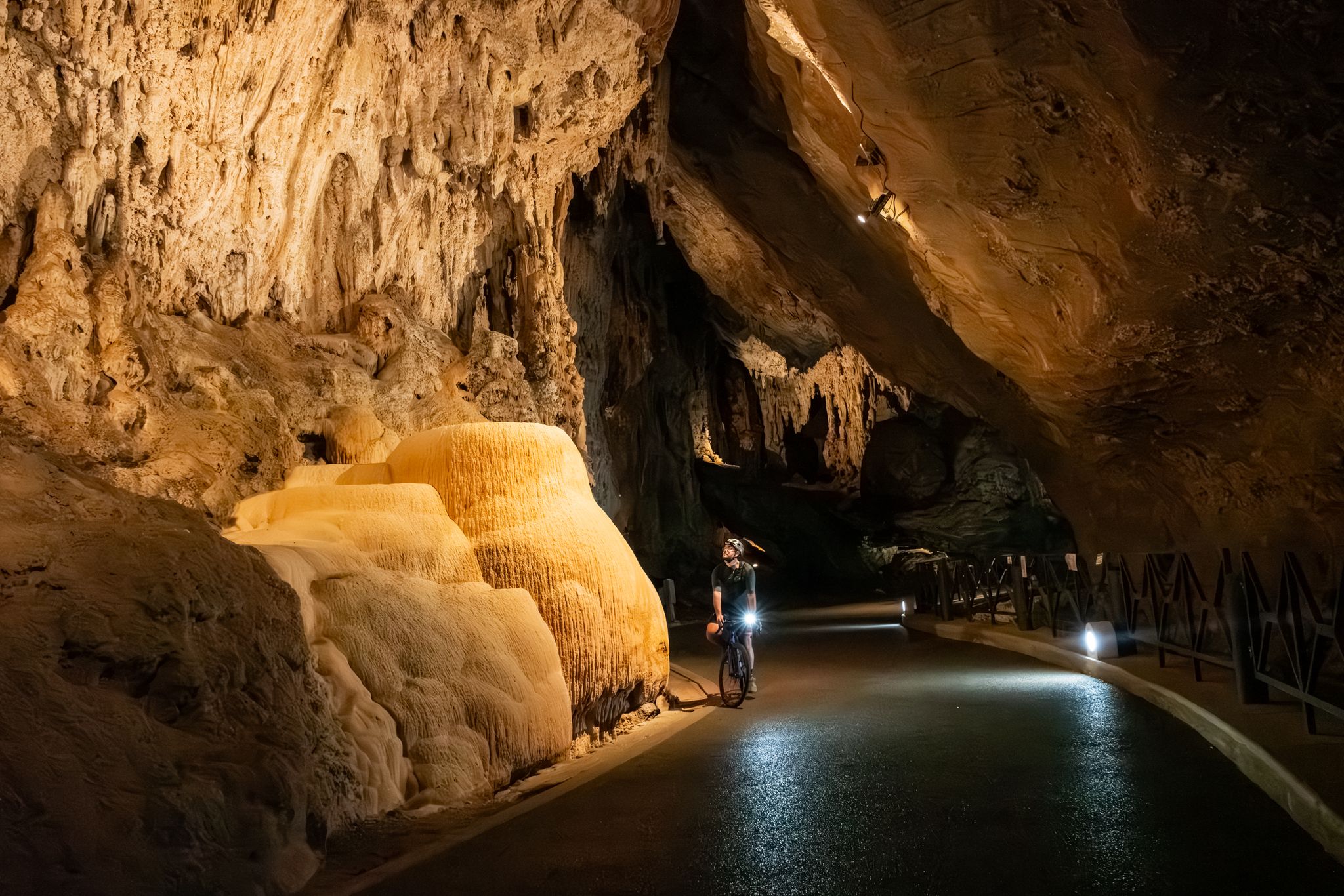
- Visitors also love San Giovanni Cave, a cave and historical site. This cave is notable for being one of the longest vehicle-accessible caves in the world, offering a unique passage for pedestrians through its 860 meters of internal road.
- Sardinia Mountains is known for deep gorges, impressive rock formations, and accessible caves. The region offers a variety of natural attractions to see and explore, from challenging trails to unique geological sites.
- The canyons in the Sardinia Mountains are appreciated by the komoot community, with more than 1200 upvotes and over 1000 photos shared by visitors.
Last updated: September 27, 2026
Gorropu Gorge
Highlight • Canyon
Translated by Google •
Tip by

Cala Luna Cave
Highlight • Cave
Translated by Google •
Tip by

Sign up now to discover places like this
Get recommendations on the best single tracks, peaks, & plenty of other exciting outdoor places.
Font Spring (Fonte di Gorroppu)
Highlight • Natural Monument
Translated by Google •
Tip by

Rock Spire at Gorropu Gorge
Highlight • Gorge
Translated by Google •
Tip by
Grotta del Bue Marino North Entrance
Highlight • Cave
Translated by Google •
Tip by

Path with Caves in Cala Goloritzé Gorge
Highlight • Trail
Translated by Google •
Tip by

San Giovanni Cave
Highlight • Cave
Translated by Google •
Tip by

Su Mannau Cave
Highlight • Cave
Translated by Google •
Tip by

Grotta di Ispinigoli
Highlight • Cave
Translated by Google •
Tip by

Oridda Gorge
Highlight • Gorge
Translated by Google •
Tip by

Sign up for free to discover even more gorges in the Sardinia Mountains.
Already have an account?
Start today with a free account
Your next adventure awaits.
Popular around Sardinia Mountains
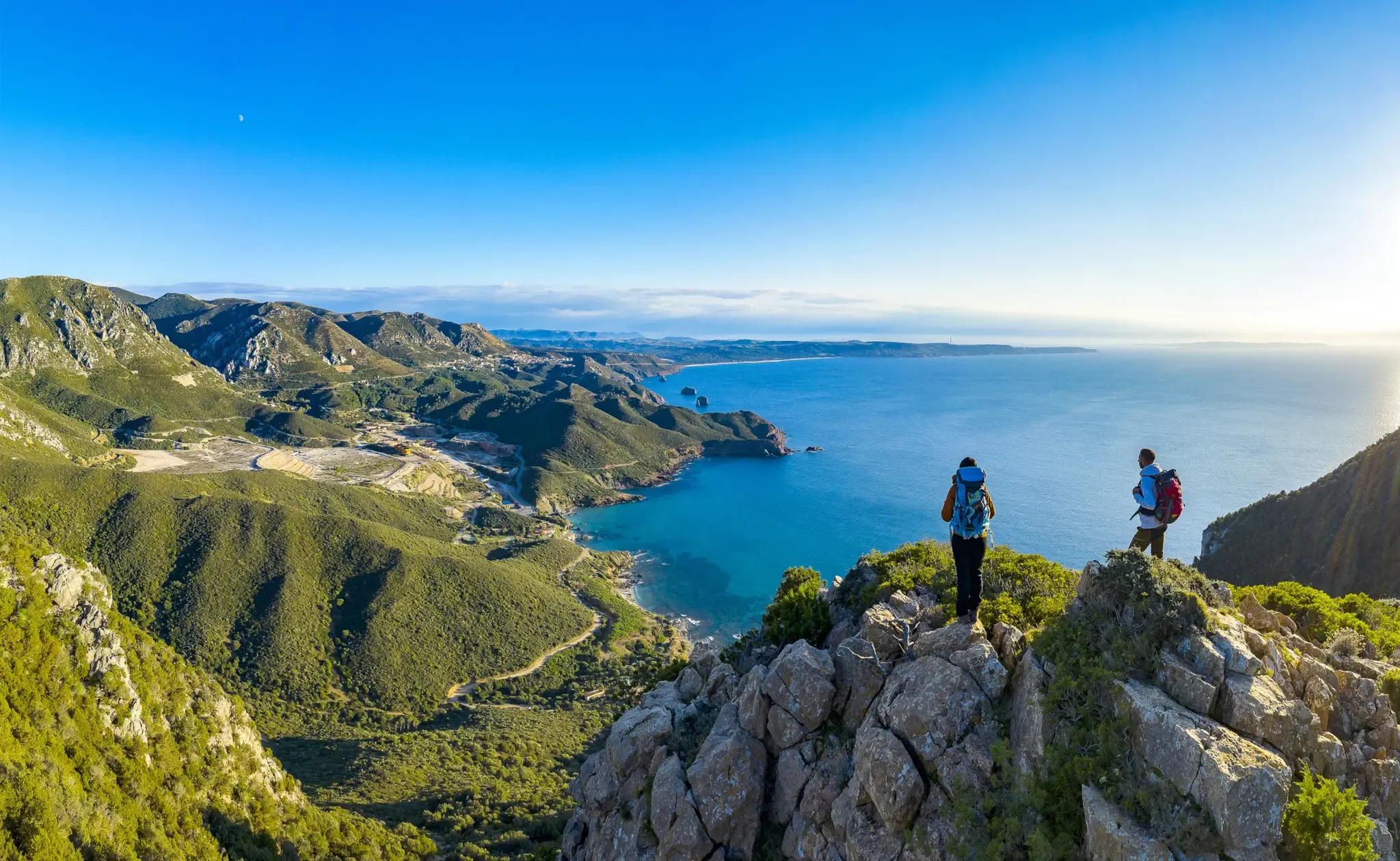
Cammino Minerario di Santa Barbara – memories of ancient Sardinia
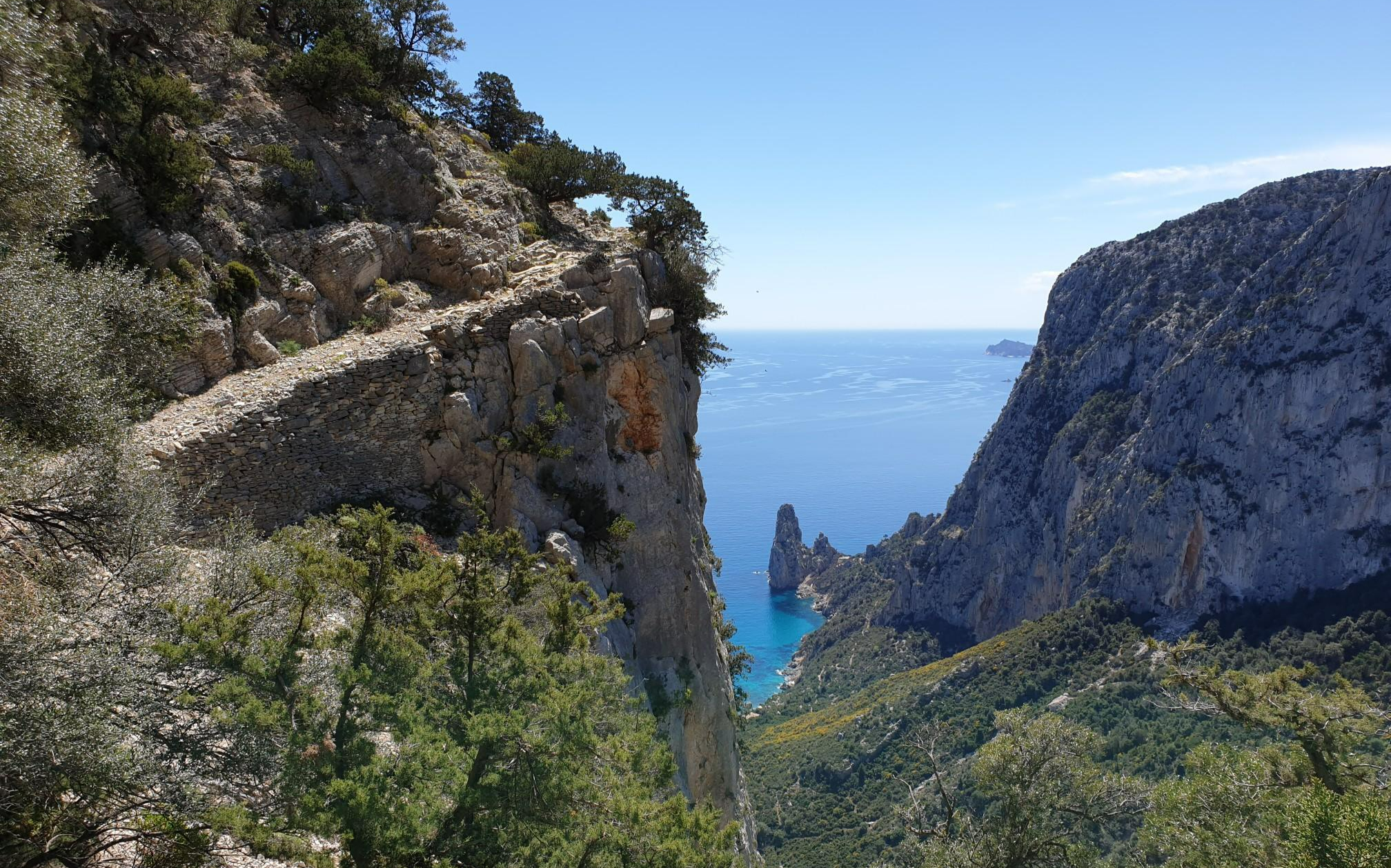
Wild Blue - an adventure overlooking the sea
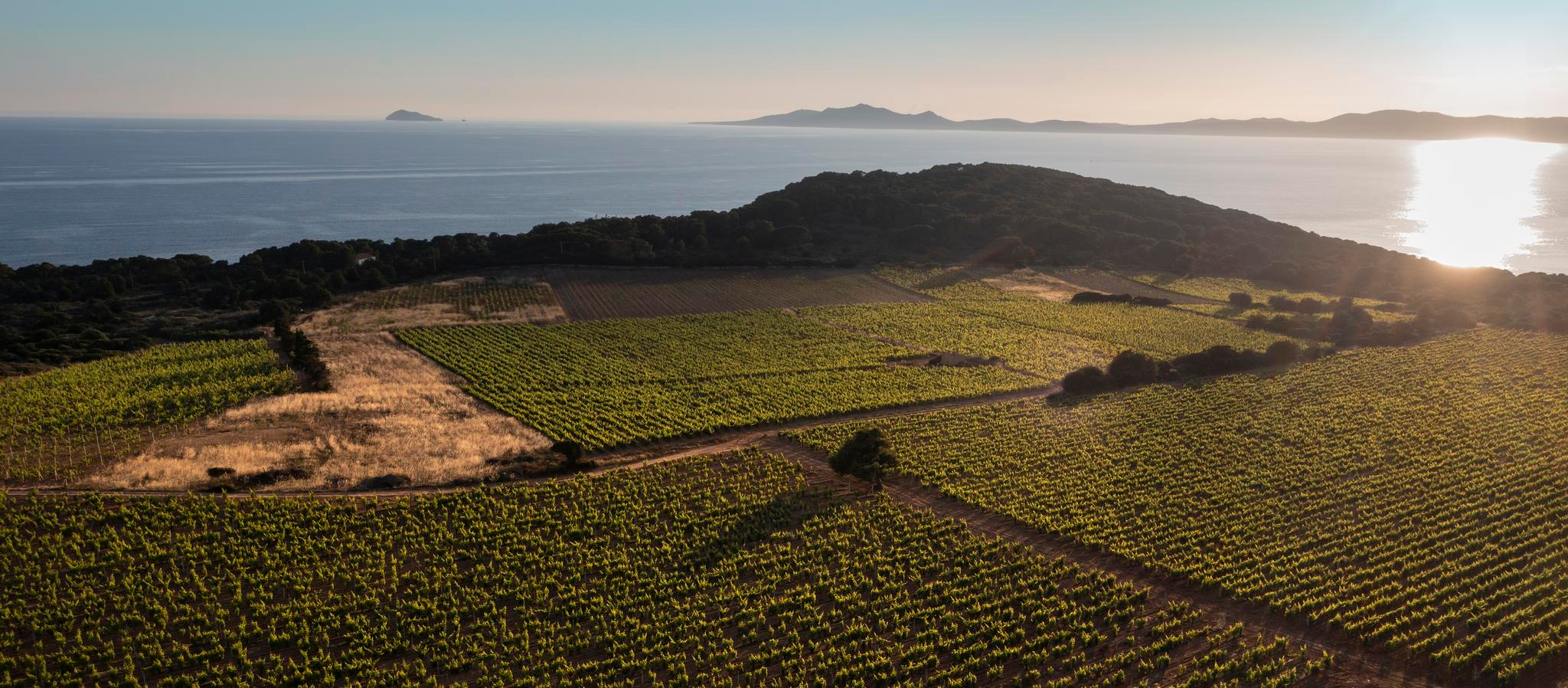
Trails among Carignano's vineyards – Cammino Minerario di Santa Barbara
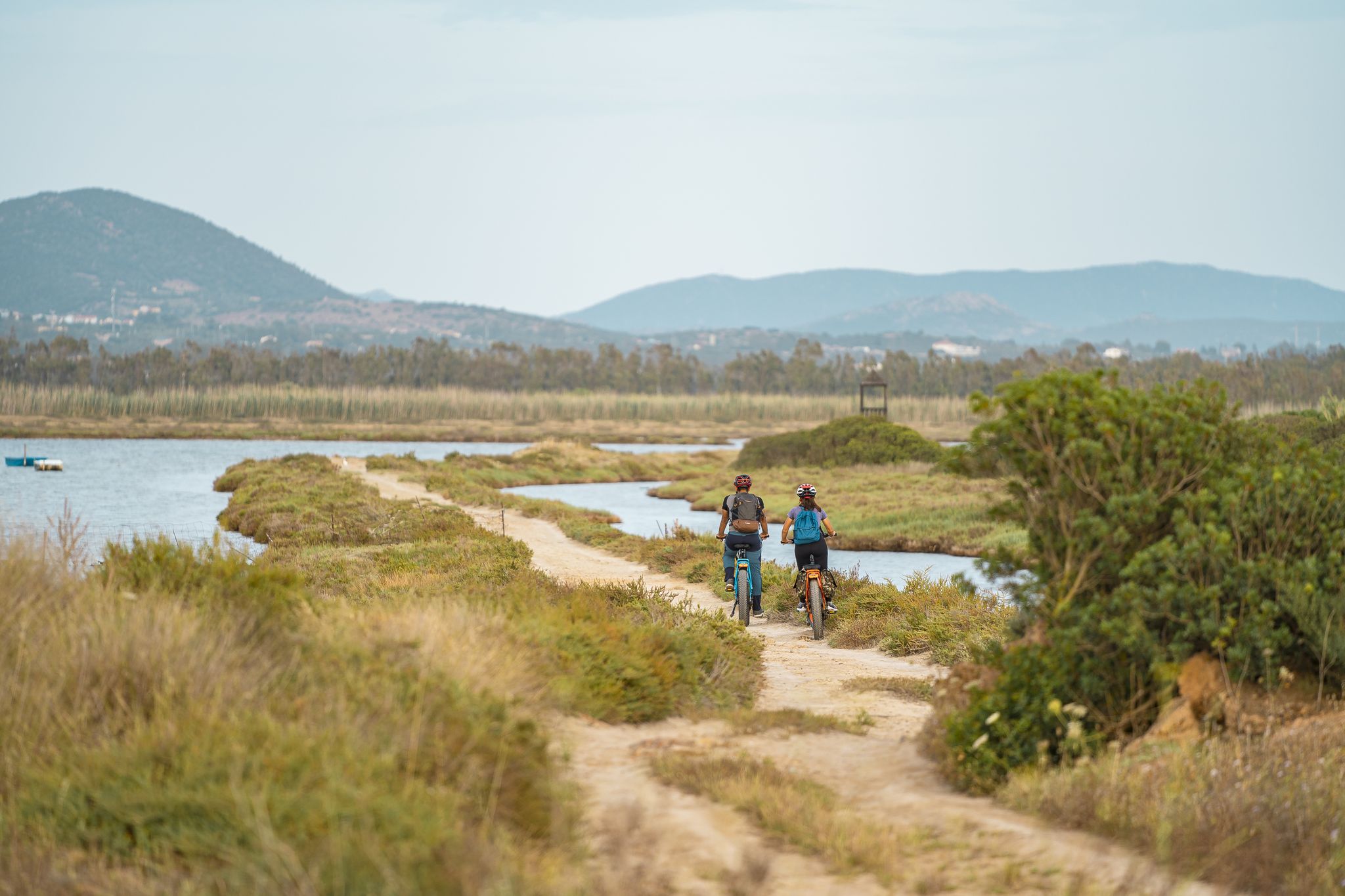
Ciclovia del Cammino Minerario di Santa Barbara
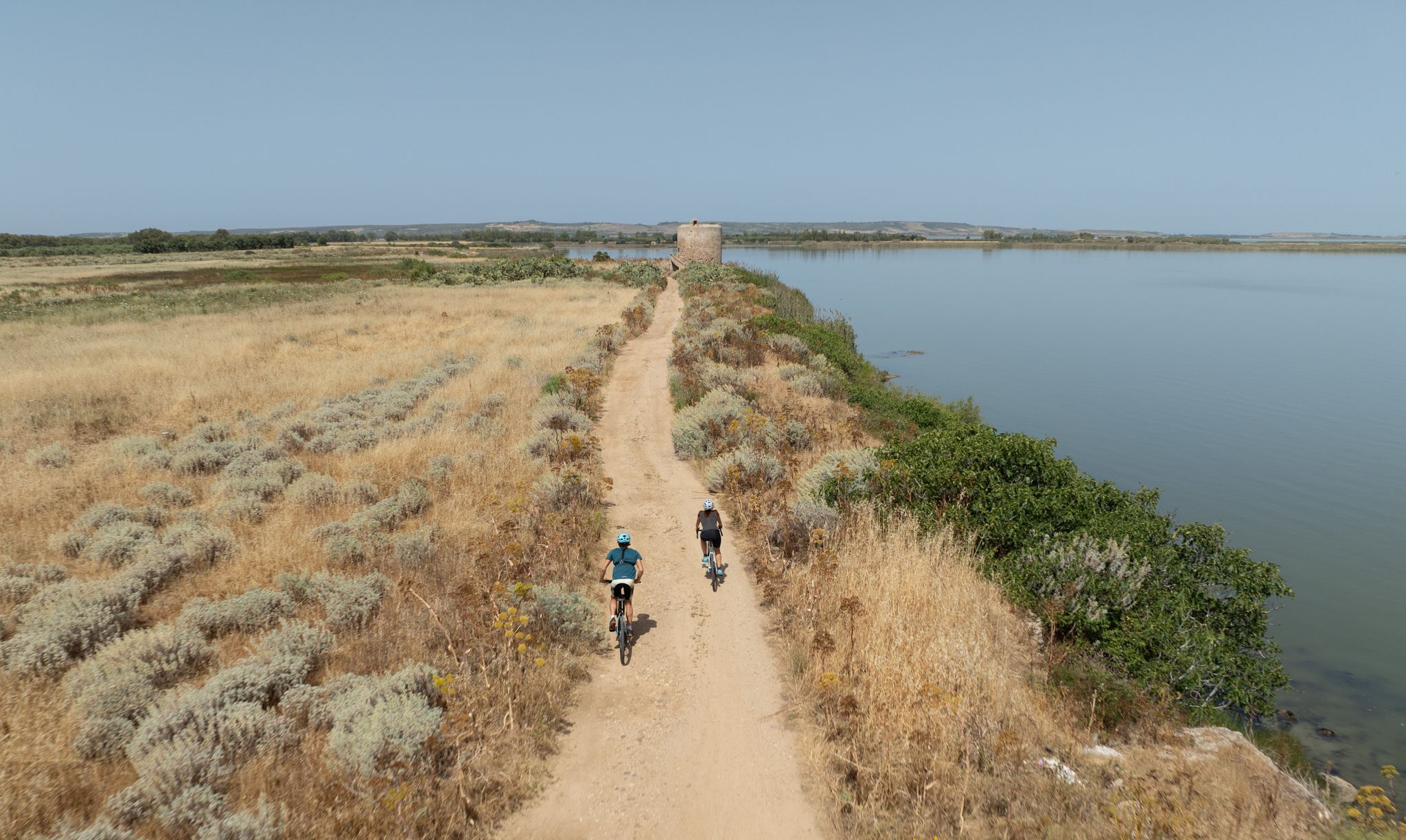
Sardinia by bike – three days in the southwest with Pietro Franzese
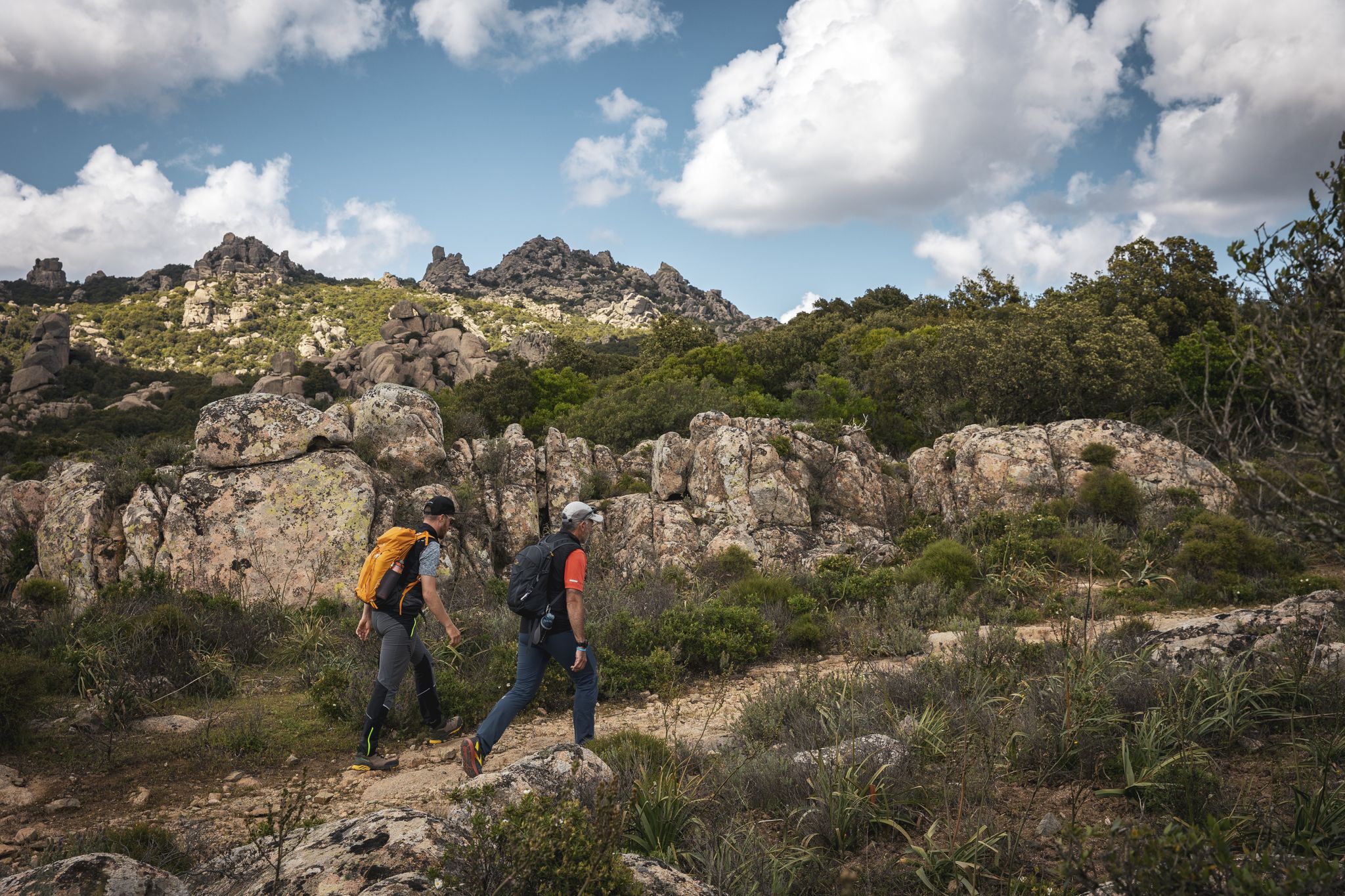
Discover wild Sardinia – 10 superb MTB Tours
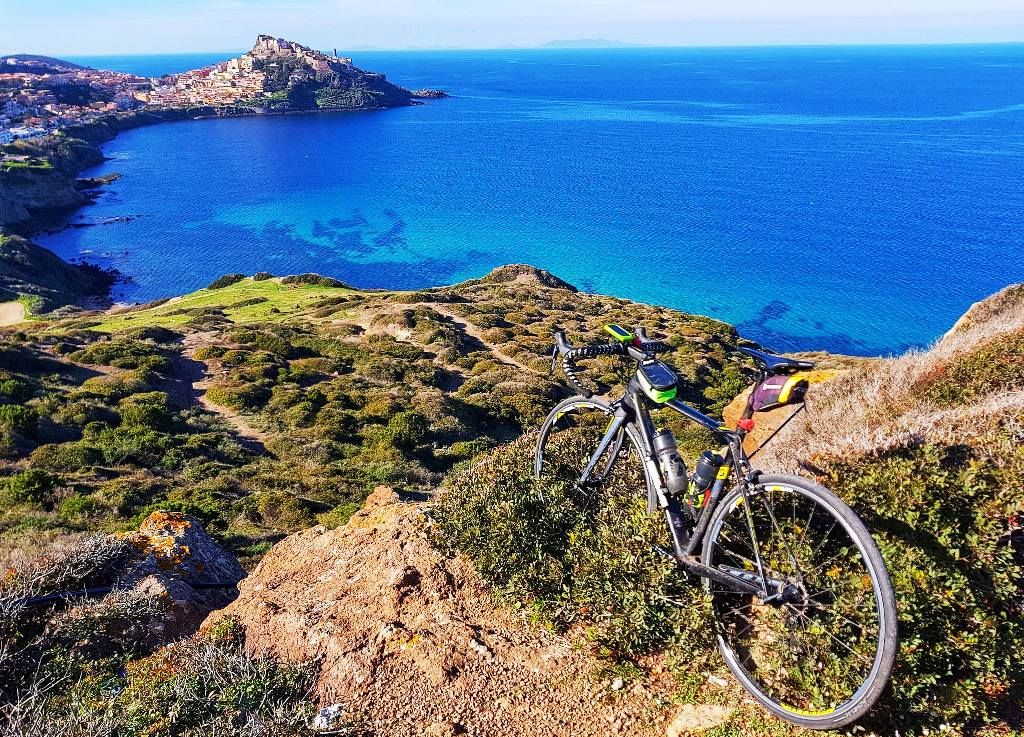
Eternal Sardinia – walks among the wonders of the hinterland
Sardinia by road bike – ten routes to discover the island
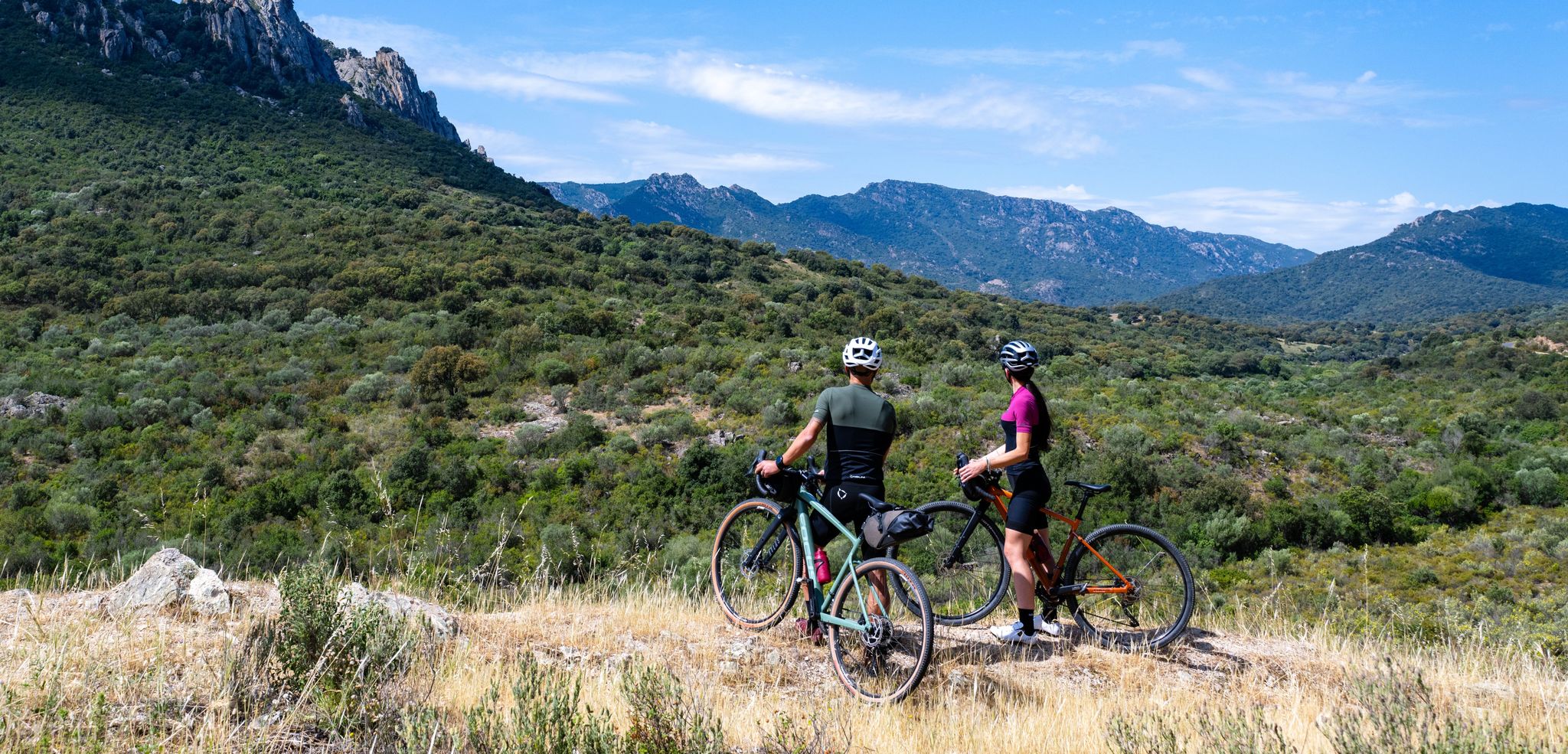
Sardinia by e-bike – enchanting landscapes and ancient culture
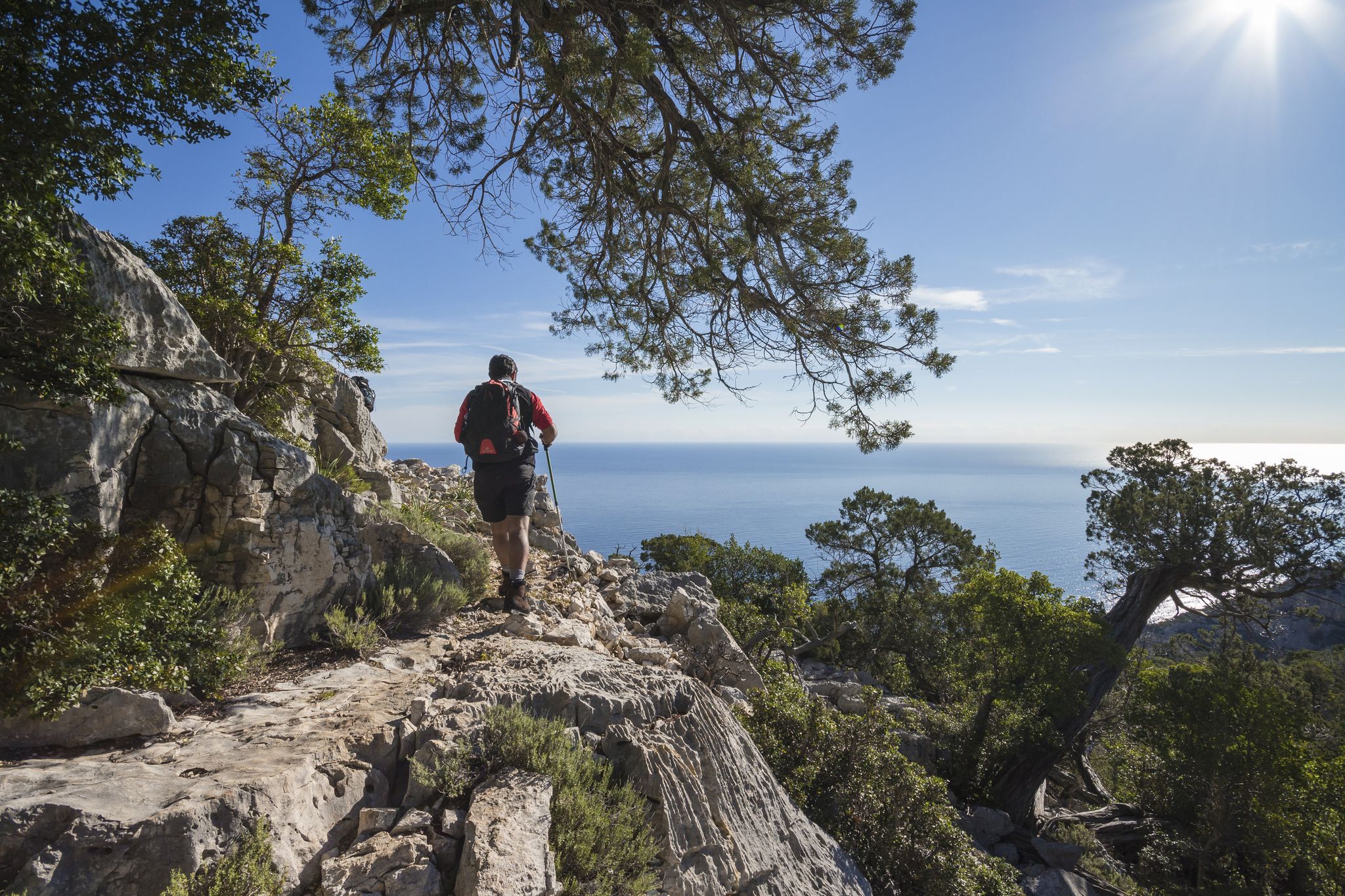
Magnificent Sardinia – day hikes overlooking the sea
Other adventures in the Sardinia Mountains


Tips from the Community

The Su Mannau Caves, near Fluminimaggiore, are a unique feature of their extensive cave system, among the oldest in the world. With its two branches, they are also of great archaeological and speleological interest. The right-hand section consists of an extensive karst complex of Cambrian origin and extends over several levels. Some are higher and already fossilized, others deeper and still active. The right-hand branch was formed by the Rapido River and consists of numerous and varied passages and halls, which are the most interesting sight in the cave. The first hall is of great historical importance, not least because of its connections to the nearby Punic-Roman temple of Antas. A must-see!
0
0

The evocative Grotta di San Giovanni is a geological and archaeological treasure, as well as the longest vehicle-accessible cave in the world. The cave is accessible from two sides, but the ticket office and information point are located at the main, southern entrance. Entrance is permitted only during cave opening hours. Ticket prices vary depending on the type of visit. You can find all the latest information on the website: https://www.grottasangiovanni.com/.
1
0
The Su Mannau Cave is one of the most spectacular karst caves in Sardinia. It extends for approximately 8 kilometers, although the accessible section is limited to a 500-meter path through walkways, rooms, ponds, and underground waterfalls. The first part of the visit leads to the archaeological hall, an ancient underground temple used as a water cult in the pre-Nuragic era, connected to the nearby Temple of Antas. Continuing, you enter a living environment, where stalactites, stalagmites, and alabaster flows are reflected in the clear water, home to the Stenasellus nuragicus, a tiny crustacean unique in the world. The cave is open for guided tours year-round: information and hours at https://www.sumannau.it/
1
0


I read dramatic comments about crossing the Rio Oridda gorge. First of all, everyone does what they want....... I wait for July and for years I have been bathing in the boilers, it takes patience and I pass. It's fun to see all those wetsuits, ropes......... so my grandfather goes down too!!! P.S. we go to the waterfall and the gorge, from Monti Mannu, Figus, Linas, Muru Mannu, Oridda plain, Gutturu Abis. Walk slowly, without looking for the event. Saludusu.
1
0

On the approximately 3.6 km long and 400 meter deep descent you will see many cave entrances, mostly on the right side. These are relatively small grottos.
4
0

Rocky and gravelly descent and ascent through the gorge over more than 500 meters in altitude. Sturdy, suitable footwear is essential. To walk through the gorge, an entrance fee of €6 per person must be paid at the beginning of the path (or probably also possible via the official Heart of Sardinia app), the number of visitors is limited to 250 per day. The hike can be started until 2 p.m., and you must set off at the bottom of the gorge at 4 p.m. (at least that was the case in October 2024, the times may vary in summer because it is light longer then). Take enough water and snacks with you, there is no opportunity to buy anything down at the bay. Despite the conditions, which require a bit of planning, the hike and the visit to the bay are definitely worth it. There are great views to enjoy and the bay itself is beautiful.
2
0

Nice easy path to the gorge
1
0
Frequently Asked Questions
What are the most popular canyons in the Sardinia Mountains?
The Gorropu Gorge is widely considered one of the deepest and most spectacular canyons in Europe, with walls reaching up to 500 meters. It's a prime destination for hikers and nature enthusiasts. Another notable spot within the gorge is the Rock Spire at Gorropu Gorge, known for its impressive, colorful rock formations.
Are there family-friendly canyons or activities in the Sardinia Mountains?
Yes, some canyons offer more accessible experiences. For canyoning, Rio Pitrisconi is an excellent option for beginners and families due to its permanent water flow, natural slides, and waterfalls. Additionally, the San Giovanni Cave is a unique historical site that is wheelchair accessible and offers a pedestrian passage through its 860-meter internal road, making it suitable for families. The Su Mannau Cave is also listed as family-friendly.
What unique natural features can I expect to see in the canyons of the Sardinia Mountains?
The canyons showcase diverse geological wonders. You'll find towering limestone walls, deep gorges carved by ancient rivers, and impressive rock formations rich in shell fossils, revealing their marine genesis. Some canyons, like Rio Pitrisconi and Rio Zairi, feature permanent water flow, creating natural slides, waterfalls, and crystal-clear pools. Others, like Bacu Padente, offer a unique combination of mountain and sea views, leading to sea caves.
What are the difficulty levels for canyoning in the Sardinia Mountains?
Canyoning experiences range from beginner-friendly to highly challenging. Rio Zairi is recommended for learning the basics, while Rio Pitrisconi is suitable for beginners and families. For experienced canyoneers, Bacu Sa Figu offers a wild and demanding adventure with 14 compulsory descents, and Bacu Padente presents a tough, spectacular route combining mountain and coastal exploration, suitable only for those with significant experience.
What is the best time of year to visit the canyons in the Sardinia Mountains?
Spring is often recommended for visiting the canyons, especially those with water features, as the water levels are typically good and the weather is pleasant for hiking. During summer, water can be scarce in some riverbeds, making dry canyons like Codula Fuili a good alternative. Always check local conditions and specific canyon requirements before planning your visit.
Are permits required for canyoning or accessing specific canyons in the Sardinia Mountains?
Access to some popular canyons, such as Gorropu Gorge, typically involves an entrance fee. For example, the Gorropu Gorge charges around 5-6 euros, which often includes a short introduction on how to behave in the gorge. It's advisable to check the specific requirements and fees for each canyon you plan to visit, as these can vary.
What other outdoor activities can I do near the canyons in the Sardinia Mountains?
The region offers a wide range of outdoor activities. You can find numerous hiking trails, including routes to Cala Goloritzé and challenging treks like 'Discovering Gola Su Gorropu'. For cyclists, there are gravel biking routes with stunning coastal views. Additionally, the area is known for waterfall hikes, such as exploring the Piscina Irgas waterfall.
Can I explore caves within or near the canyons?
Yes, the Sardinia Mountains are home to several impressive caves. The San Giovanni Cave is notable for being one of the longest vehicle-accessible caves in the world, now open to pedestrians. Other significant caves include the Grotta del Bue Marino North Entrance, Grotta di Ispinigoli, and Su Mannau Cave, offering unique geological and historical insights.
What should I wear for canyoning in the Sardinia Mountains?
For canyoning, it's essential to wear appropriate footwear, such as sturdy, closed-toe shoes suitable for wet and rocky terrain. Depending on the canyon and water conditions, a wetsuit might be necessary, especially for canyons with permanent water flow like Rio Pitrisconi. Always bring layers, sun protection, and sufficient water and snacks. For challenging routes, alpine equipment may be required.
Are there any dry canyons in the Sardinia Mountains?
Yes, Codula Fuili, located near Cala Gonone, is an accessible dry canyon. It allows for walking through astonishing landscapes and rappelling into narrow gorges without the constant presence of water. This makes it an ideal option for those who prefer dry canyoning experiences or when wet canyons are seasonal.
What do visitors enjoy most about the canyons in the Sardinia Mountains?
Visitors are consistently thrilled by the sheer scale and natural beauty of the canyons. Many highlight the breathtaking views, the impressive rock formations with varying colors, and the profound sense of natural wonder. The adventurous routes, whether hiking through boulder fields or rappelling down waterfalls, are also highly praised. The unique combination of mountain and sea in some areas, like Bacu Padente, also leaves a lasting impression.
Most popular routes in the Sardinia Mountains
Most popular attractions in the Sardinia Mountains

Get inspired with the komoot mobile app


Explore more
Already discovered everything in this region? See additional gorges in the Sardinia Mountains for your next adventure:
