Top 20 Castles in the Cantabrian Mountains
Castles in the Cantabrian Mountains offer a journey through history amidst a diverse landscape of peaks, valleys, and coastal areas in northern Spain. This region, also known as the Cordillera Cantábrica, is characterized by its rugged terrain and rich cultural heritage. The mountains stretch across several provinces, providing a natural barrier and strategic locations for historical fortifications. Visitors can explore these structures, many of which are remnants of medieval times, reflecting centuries of regional history.
Best castles in the Cantabrian…
Last updated: August 22, 2026
Ponferrada Castle
Highlight • Castle
Translated by Google •
Tip by

Villafranca del Bierzo Castle
Highlight • Castle
Translated by Google •
Tip by

Sign up now to discover places like this
Get recommendations on the best single tracks, peaks, & plenty of other exciting outdoor places.
Sign up for free
San Vicente de la Barquera
Highlight • Settlement
Translated by Google •
Tip by

San Vicente de la Barquera Old Town and La Maza Bridge
Highlight • Historical Site
Translated by Google •
Tip by

Sobrellano Palace
Highlight • Castle
Showing Translation
Tip by
Statue of Nazareno Lambrion Chupacandiles
Highlight • Monument
Translated by Google •
Tip by
Palace of the Dukes of Estrada
Highlight • Historical Site
Translated by Google •
Tip by

Castillo de Valdés-Salas
Highlight • Castle
Translated by Google •
Tip by

Medieval Tower of Proaza
Highlight • Castle
Translated by Google •
Tip by

Velarde Palace (Plaza de las Arenas)
Highlight • Historical Site
Translated by Google •
Tip by

Sign up for free to discover even more castles in the Cantabrian Mountains.
Sign up for free
Already have an account?
Start today with a free account
Your next adventure awaits.
Login or Signup
Popular around Cantabrian Mountains
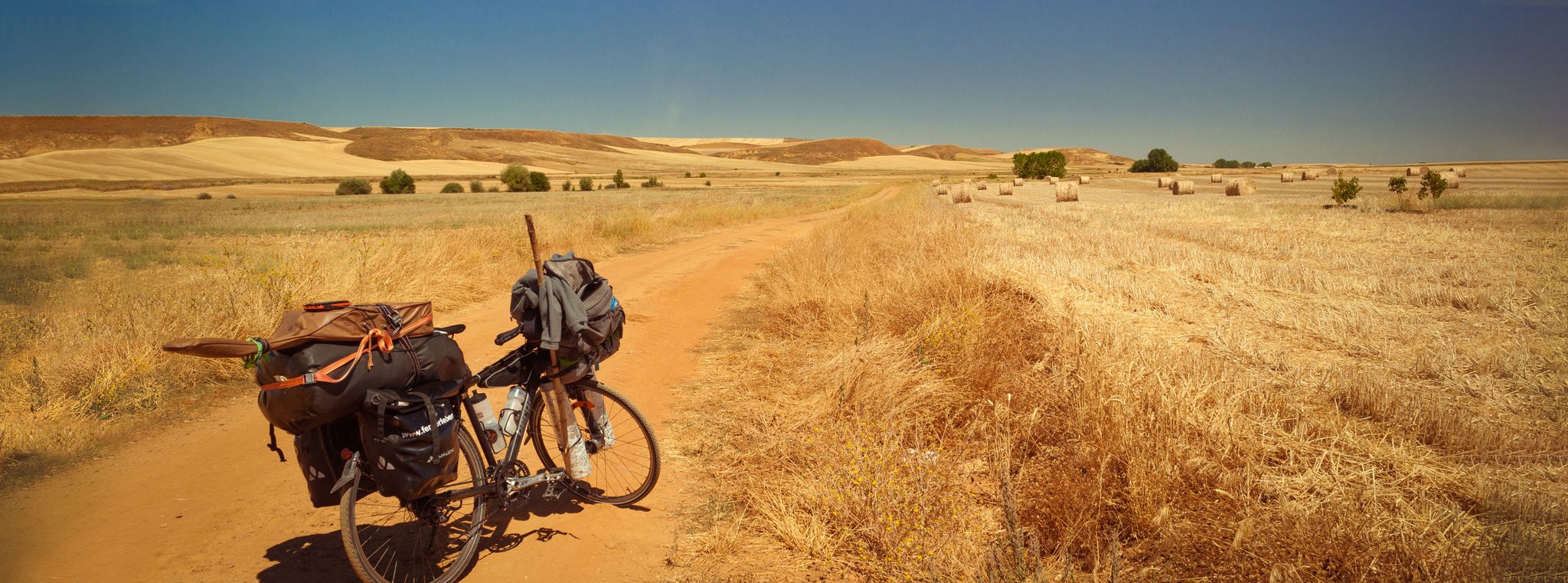
Camino Francés and Camino Finisterre – Cycling pilgrimages in Spain
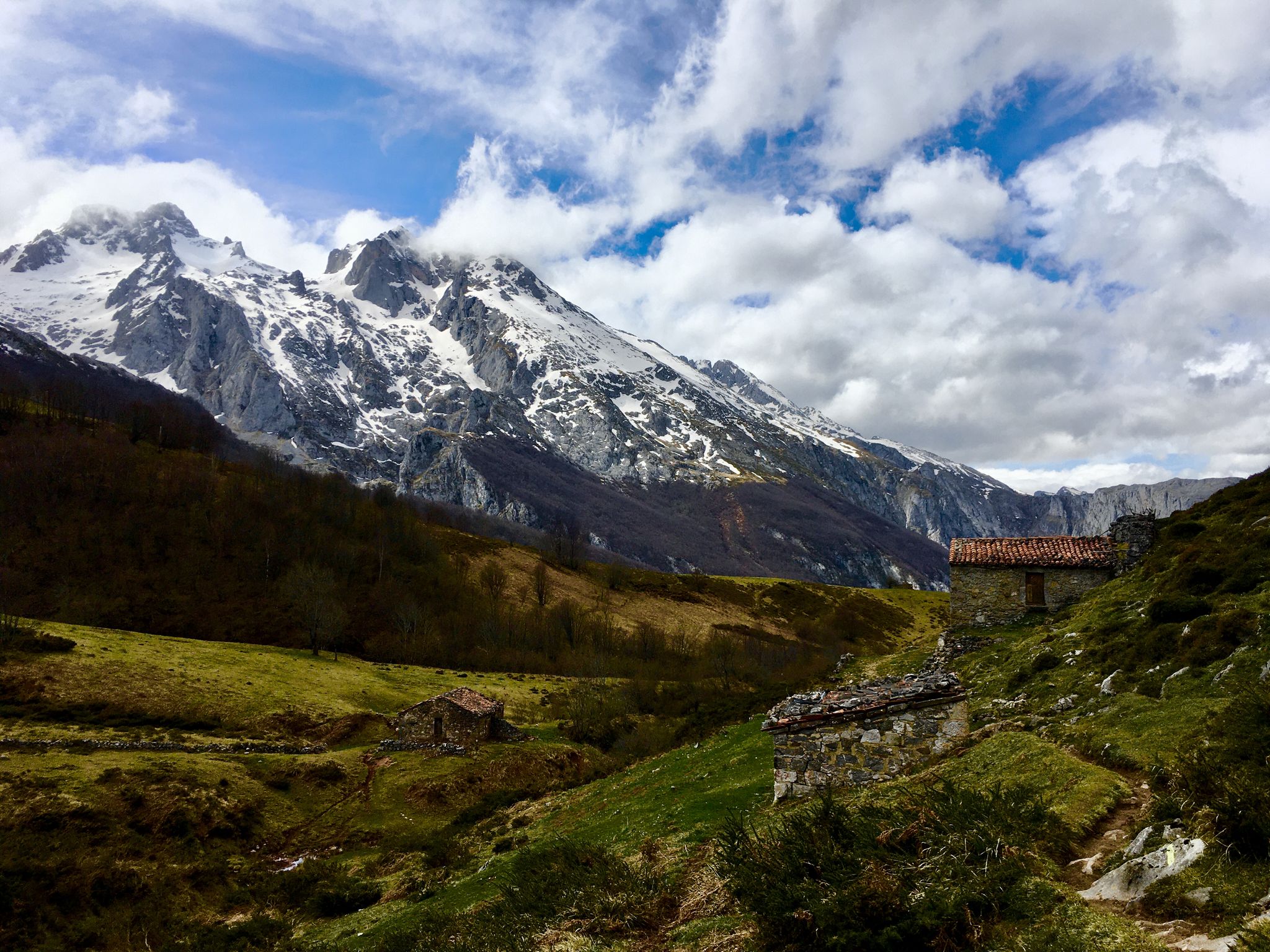
Route of the Reconquest (GR 202) – In the footsteps of an army
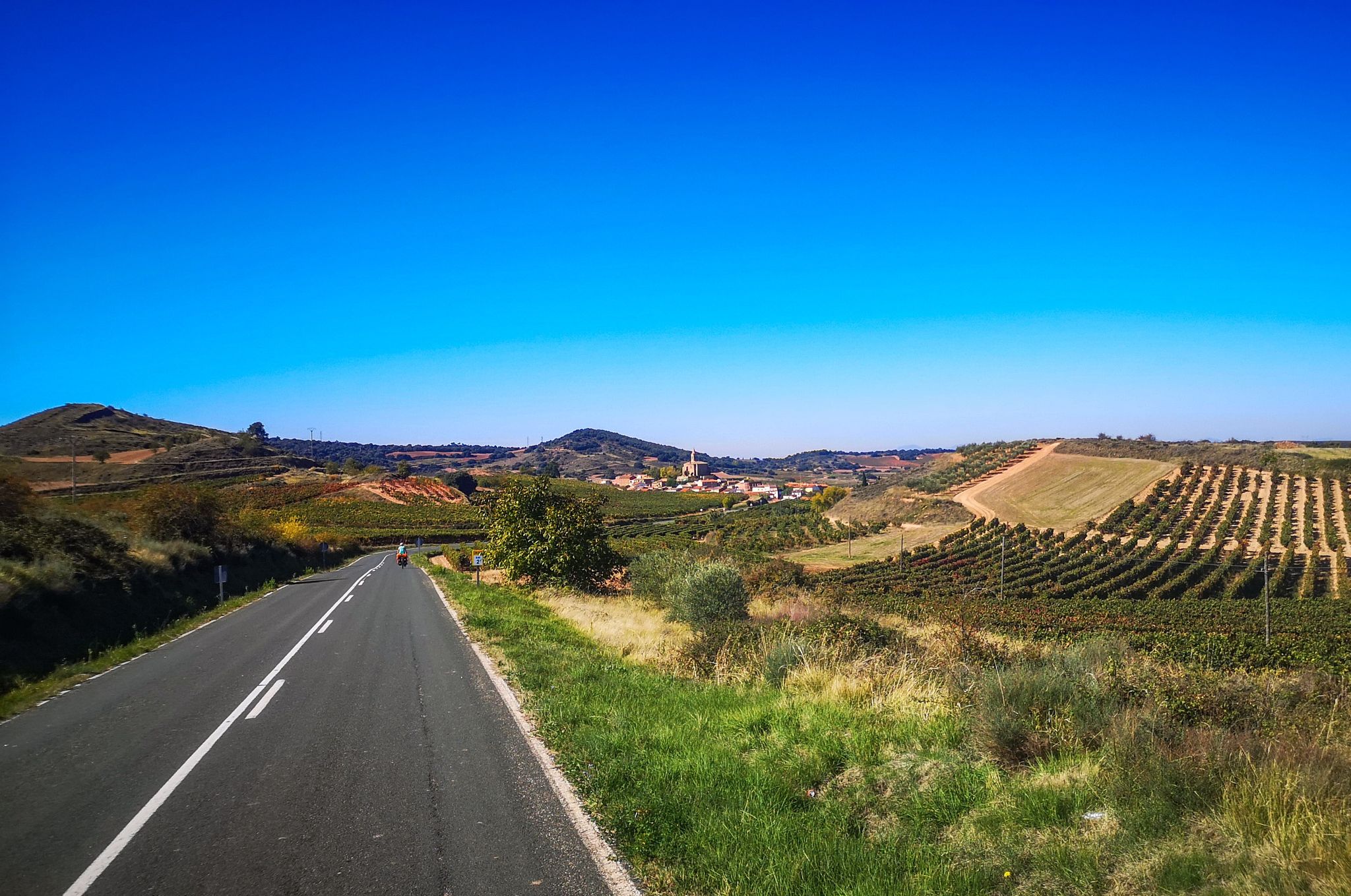
Santiago de Compostela – A journey through northern Spain (10 days)
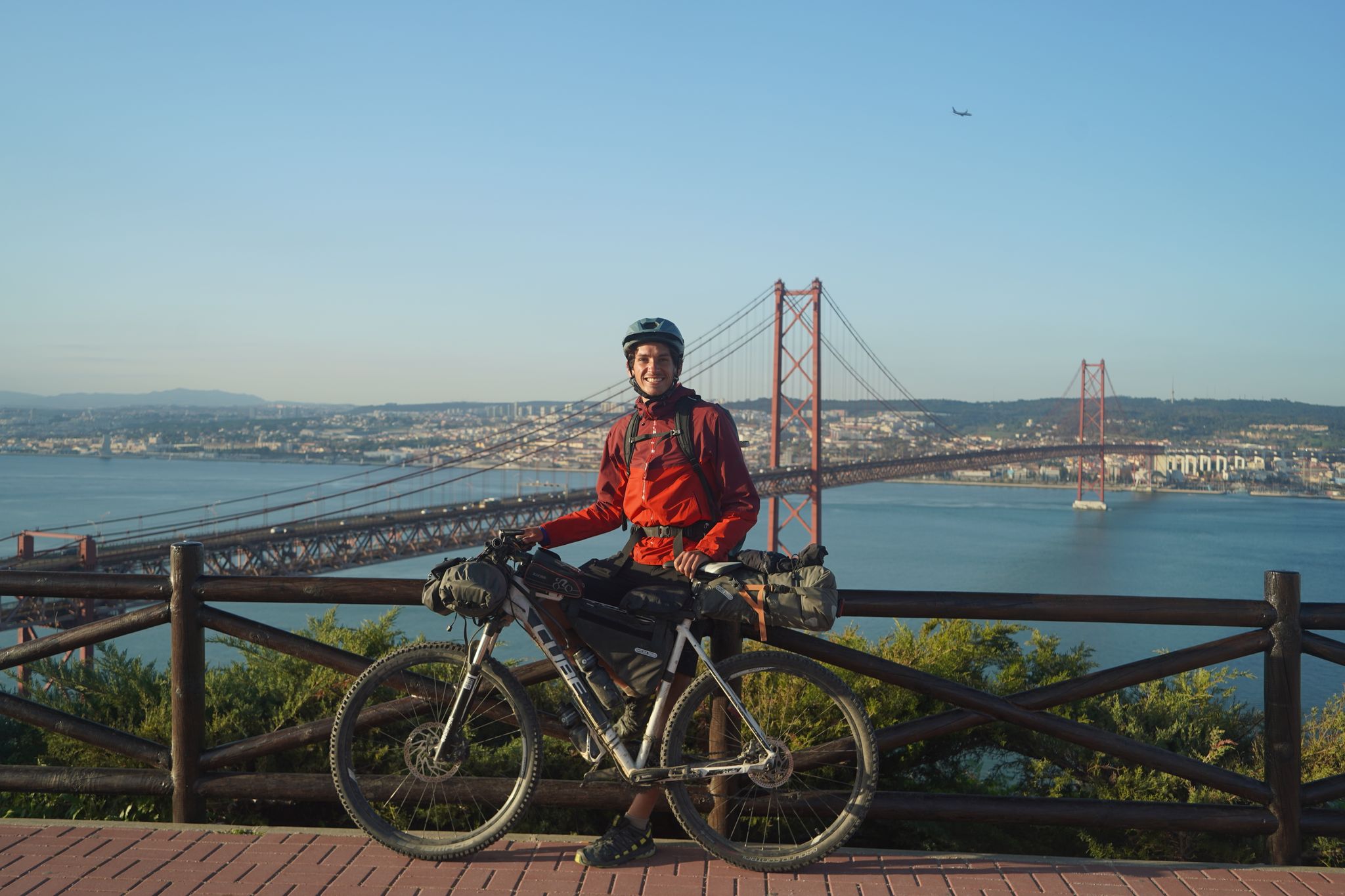
Road to Lisbon – bikepacking the Alps, Pyrenees and Picos de Europa
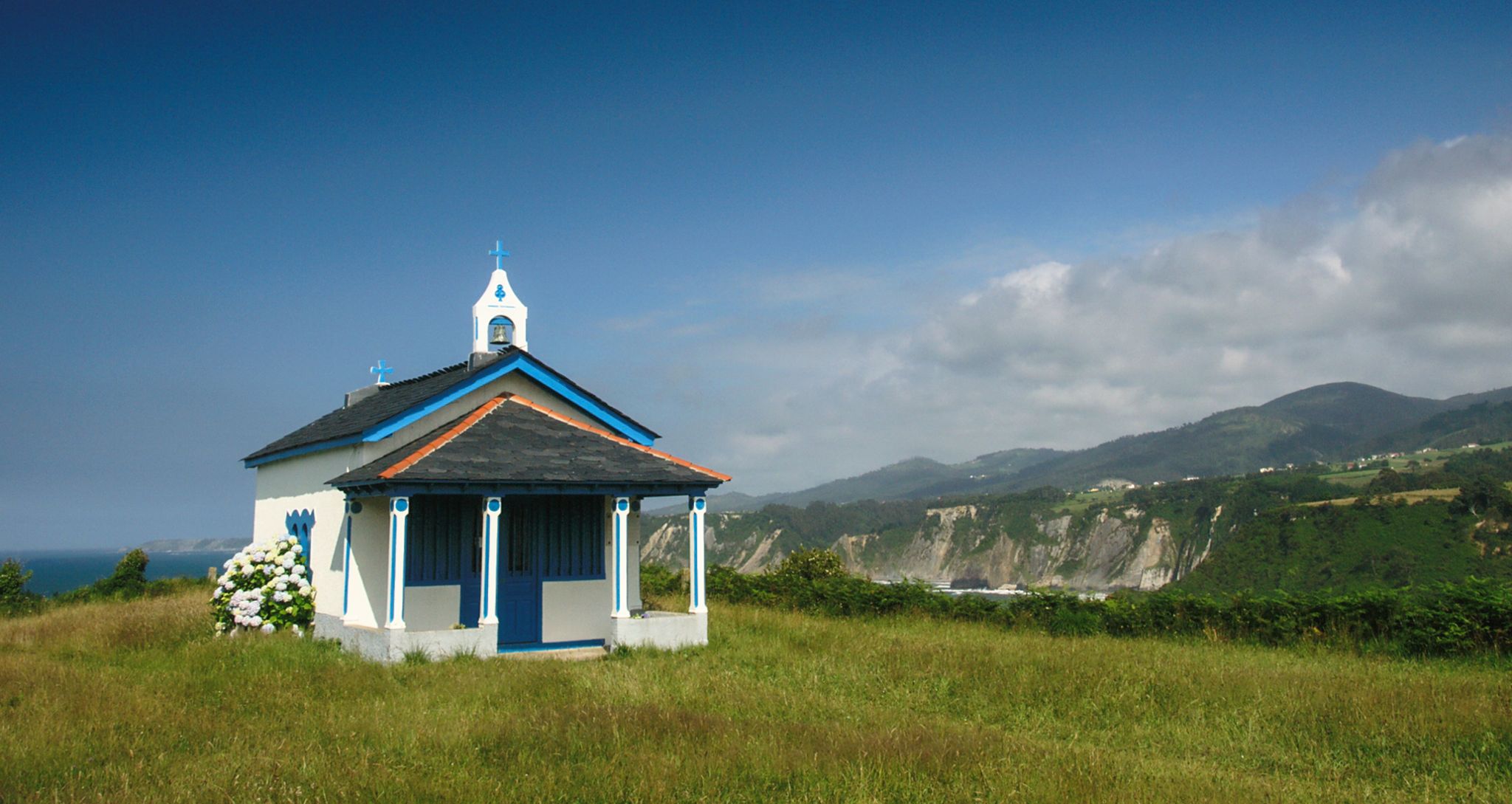
Camino del Norte – 15 stages
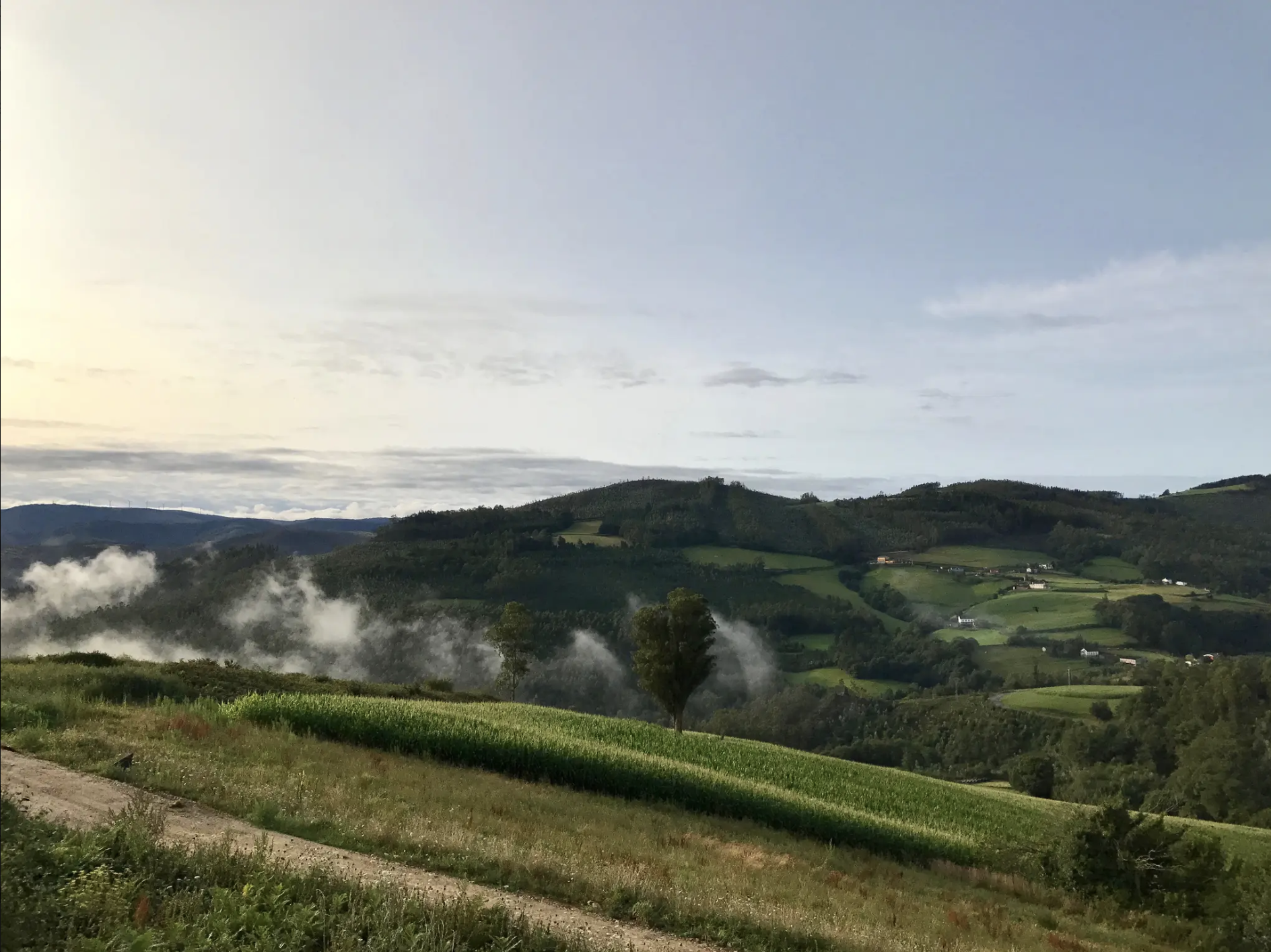
Camino del Norte (in reverse) – Discovering northern Spain's stunning coastline
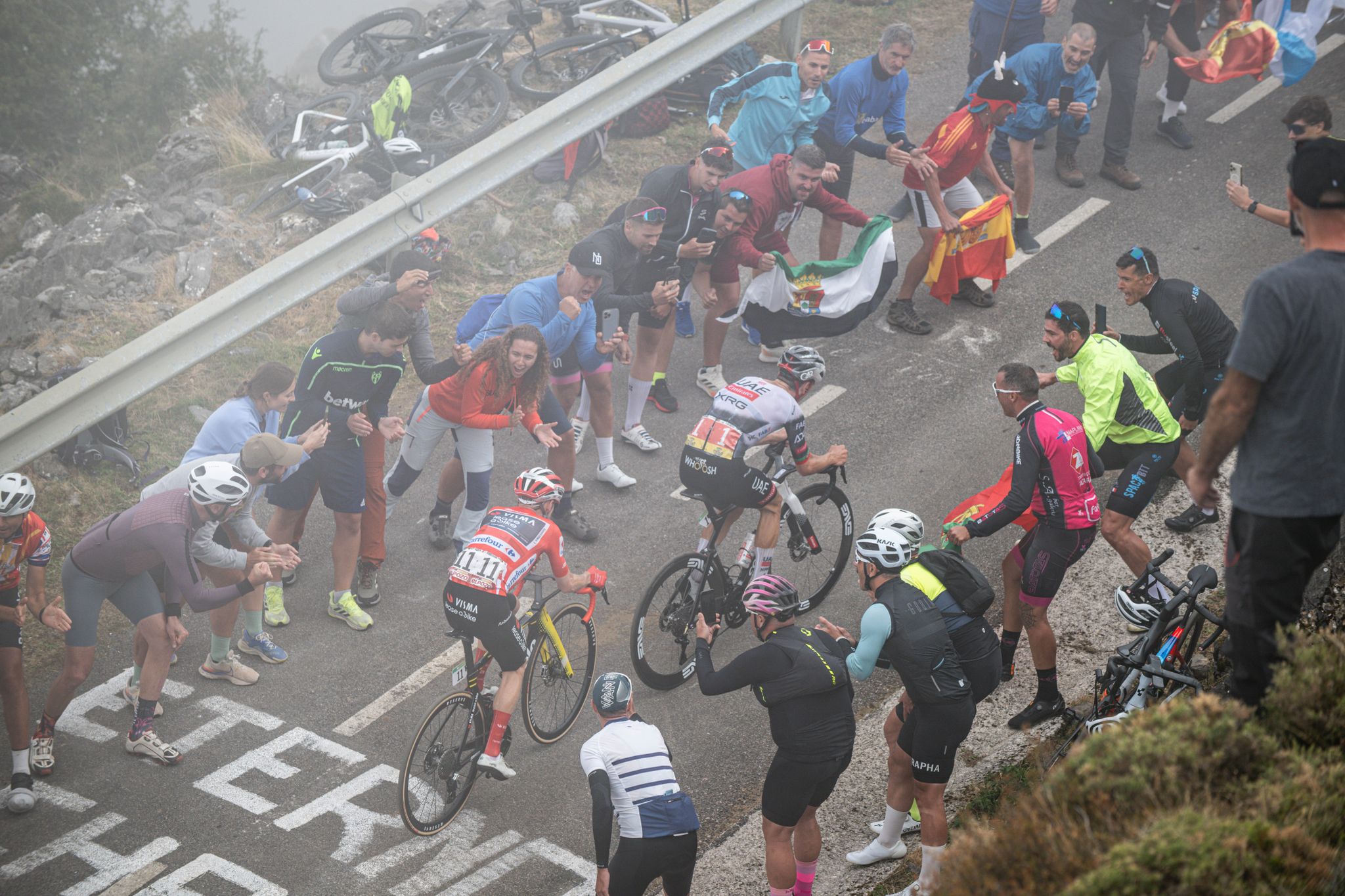
Mythical Passes and Sections of La Vuelta
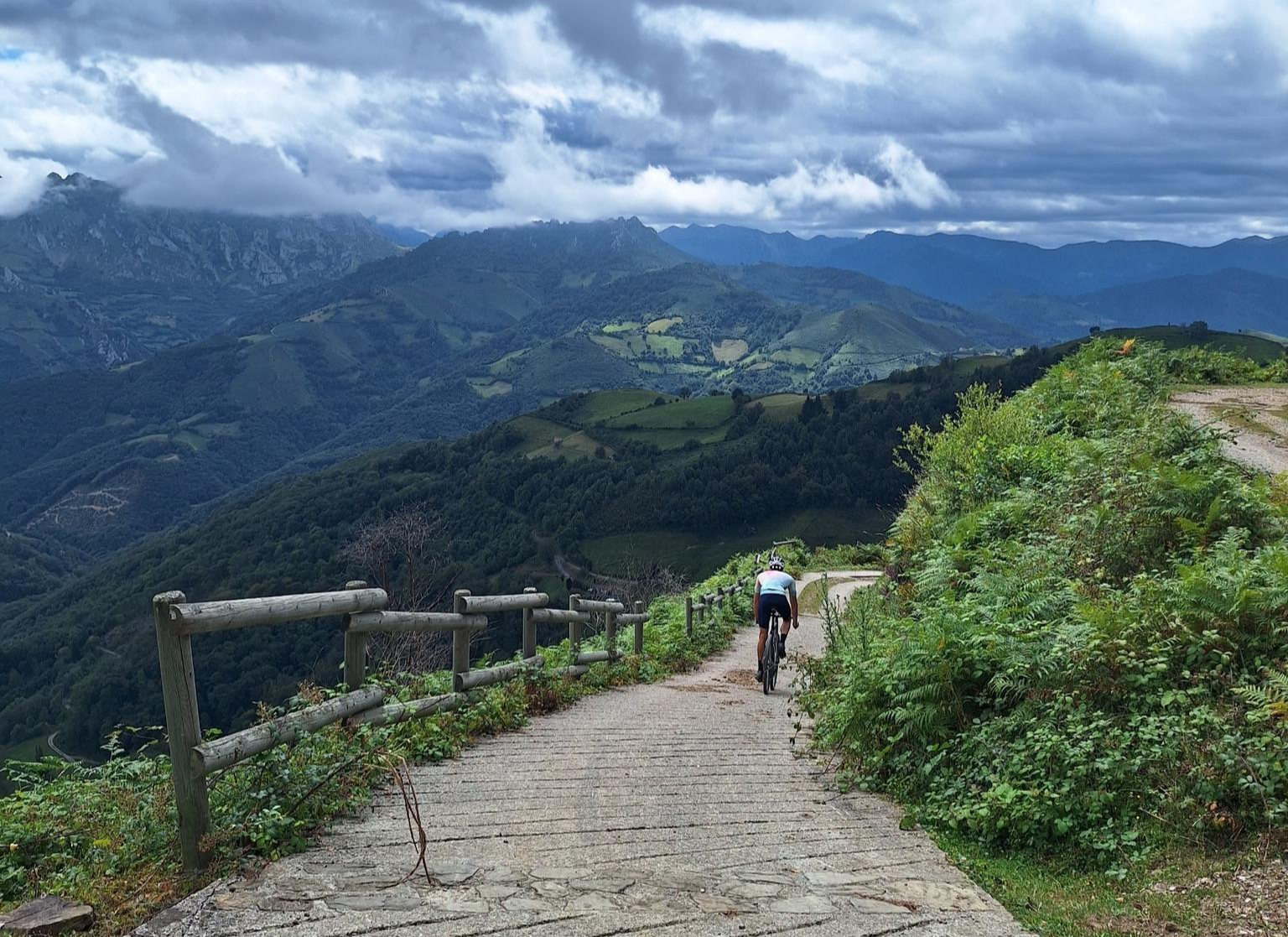
Central Mountain Cycling Ring GR 208 - Tour of the Asturian Mountains
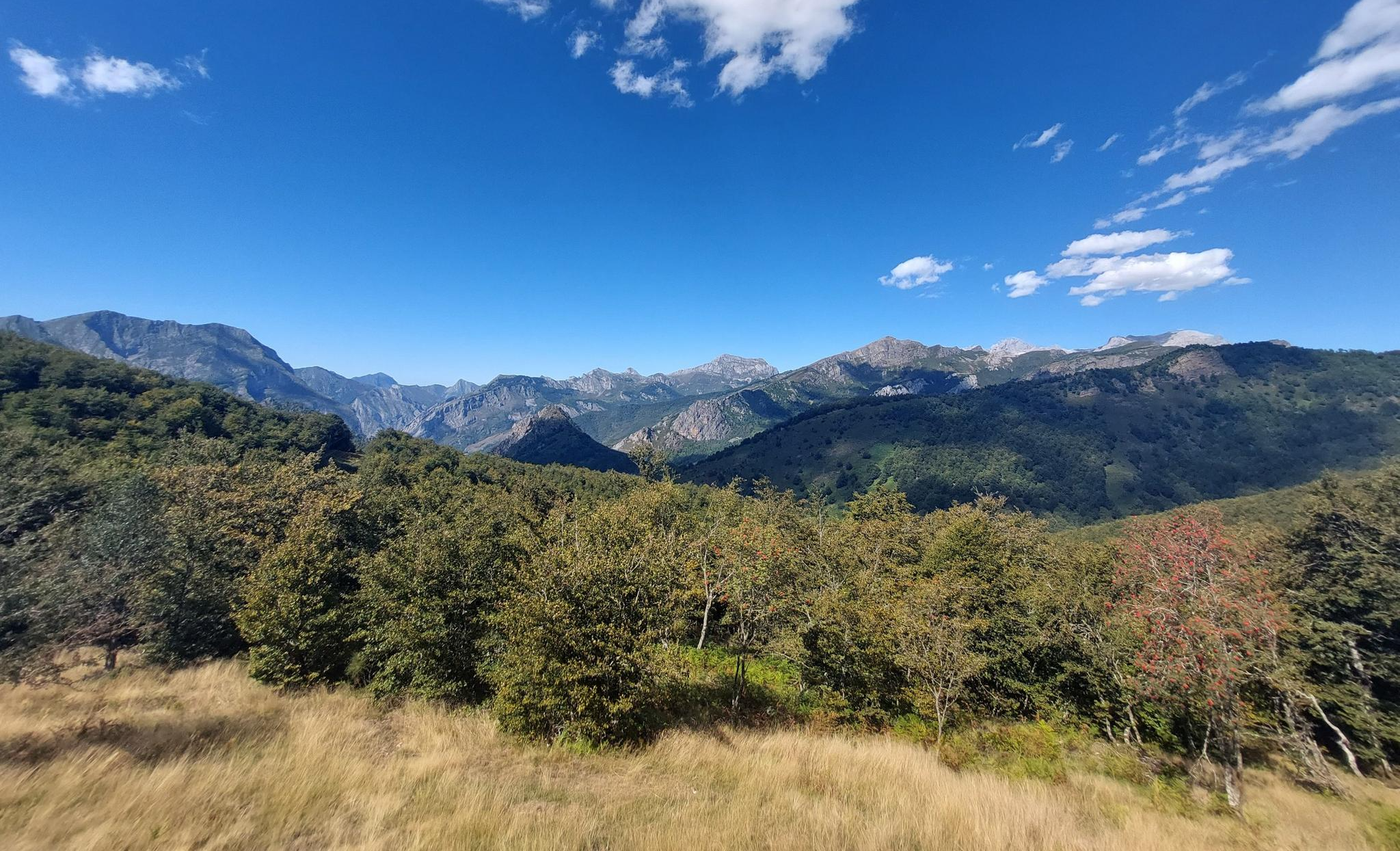
Senda del Arcediano (GR 210) - A historical hike through the Picos del Picos
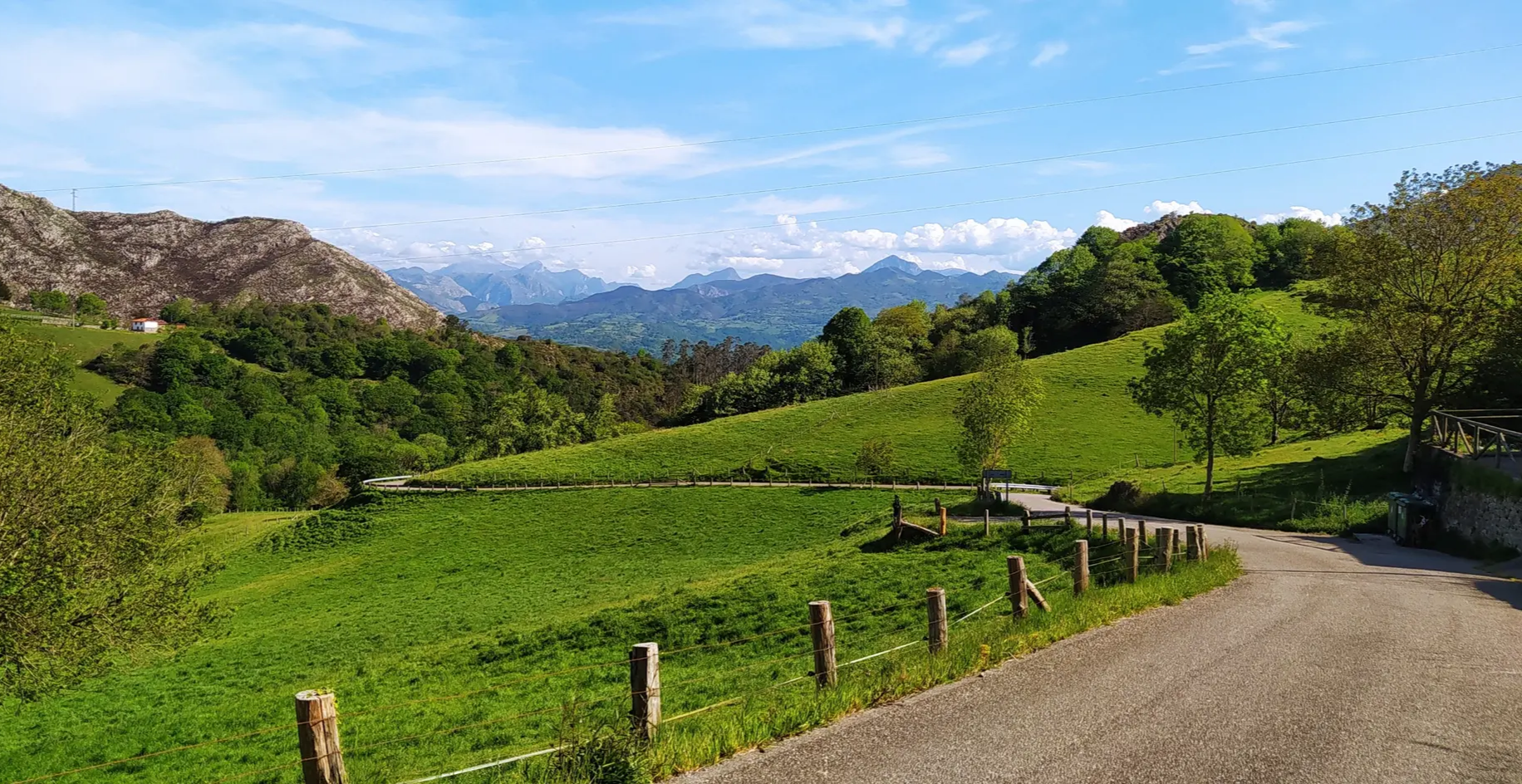
Great mountain passes of Picos de Europa on road bikes
Other adventures in the Cantabrian Mountains


Tips from the Community

The Palacio de Sobrellano, also known as the Palacio del Marqués de Comillas, is one of the most important architectural jewels in Cantabria. It was built in the 19th century and stands out for its neo-Gothic style and its close connection with the Indian legacy and the Spanish aristocracy.
2
0

It's very interesting to take a look at
0
0
Very interesting to visit
0
0

The Lambrión Chupacandiles statue in Ponferrada is a bronze tribute to one of the most iconic figures of the local Semana Santa tradition. Installed in 2024 at the Church of San Andrés, the statue depicts a Nazareno in a black hooded robe, holding a bell—just as he parades through the city each year to announce the arrival of Holy Week. The figure, which originated in the 17th century, is linked to the Hermandad de Jesús Nazareno and takes its name from a legend that says he tasted wine and even oil from candlesticks along the way. Designed by Tomás Bañuelos and Soraya Triana, the sculpture has become a recognizable symbol of Ponferrada's religious heritage.
3
1
The old town of San Vicente de la Barquera and the Maza Bridge are two of the main tourist attractions of this picturesque fishing village in Cantabria. This historic center dates back to medieval times and is located in a privileged natural setting within the Oyambre Natural Park.
1
0

It's an ideal starting point for tours in the region. Hotels and restaurants are available. However, the bears have retreated.
2
0

Stage of the Camino de Santiago. It goes from the vineyards of Bierzo to the green mountains of the mythical O Cebreiro pass
5
0

At the end of the 11th century, Osmundo, Bishop of Astorga, ordered the construction of a bridge (partly made of iron = pons ferrata) over the Sil for the pilgrims on the Way of St. James, near which a settlement was built. At the "pons ferrata", the iron bridge, the Knights Templar built a huge castle on a surface area of 160 x 90 m to protect the pilgrims on the Way of St. James. The medieval castle complex was inhabited by the Knights Templar from 1178 to 1312. Source: Wikipedia
5
0
Frequently Asked Questions
Are there family-friendly castles to visit in the Cantabrian Mountains?
Yes, several castles in the region are suitable for families. Ponferrada Castle, with its vast enclosure and historical significance, is a great option. Villafranca del Bierzo Castle also offers an impressive historical experience for all ages. Many of the castles and historical sites are categorized as family-friendly.
What is the best time to visit the castles in the Cantabrian Mountains?
The Cantabrian Mountains experience varied weather. Spring and autumn generally offer pleasant temperatures for exploring. Summer is also popular, though some areas can be busy. Winter can bring snow to higher elevations, offering a different, often dramatic, perspective, but some sites or access roads might be affected by weather conditions.
Are there any castles with unique architectural features or historical connections?
Absolutely. Ponferrada Castle was a significant Templar fortress in the Middle Ages, known for its extensive double and triple defenses. Sobrellano Palace, while a neo-Gothic building, features furniture designed by Antoni Gaudí, offering a unique blend of styles.
What kind of outdoor activities can I do near these castles?
The Cantabrian Mountains offer a wide range of outdoor activities. You can find numerous cycling routes, including challenging road cycling trails like the 'Trail to the Lakes of Covadonga' or more moderate touring bicycle options. There are also many running trails, such as the 'Pico Gilbo Circular Trail'. For more details, explore the Road Cycling Routes, Cycling, and Running Trails guides for the region.
Are there any castles or historical sites located near the coast?
Yes, the fishing village of San Vicente de la Barquera, located in the heart of the Oyambre natural park, features the remains of a medieval castle and walls. It offers a unique setting where you can see historical structures against a backdrop of estuaries and the Cantabrian Sea, with views of the Picos de Europa.
Can I find any lesser-known or 'hidden gem' castles in the Cantabrian Mountains?
While not as widely known as the larger fortresses, sites like the Medieval Tower of Proaza offer a glimpse into the region's history in a more secluded setting. The Castillo de Valdés-Salas is another historical site that provides a rich experience away from the main tourist routes.
Are there any castles or historical sites with good viewpoints?
Many castles, due to their strategic locations, offer excellent viewpoints. Ponferrada Castle and the Medieval Tower of Proaza are examples of sites that provide panoramic views of the surrounding landscapes, including mountains and valleys.
What kind of historical context do these castles provide?
The castles in the Cantabrian Mountains reflect centuries of regional history, from medieval fortresses like Ponferrada Castle, which was once a Templar stronghold, to palatial residences such as Sobrellano Palace. They showcase the strategic importance of the region and its diverse cultural heritage, including Roman and Visigoth influences in some locations.
Are there any castles or historical sites that are wheelchair accessible?
While many older castles may have limited accessibility due to their historical structure, some sites or parts of them might be more accommodating. For example, the Statue of Nazareno Lambrion Chupacandiles, located near Ponferrada Castle, is noted as wheelchair accessible, indicating that some modern installations or surrounding areas may be designed for easier access.
What can I expect from the architecture of castles in the Cantabrian Mountains?
The architecture varies significantly. You'll find robust medieval fortresses with double and triple defenses, like Ponferrada Castle, alongside 16th-century palatial castles such as Villafranca del Bierzo Castle with its square layout and circular corner towers. There are also neo-Gothic buildings like Sobrellano Palace, showcasing later architectural styles.
Are there any historical centers or settlements near the castles that are worth exploring?
Yes, several castles are situated within or near charming historical settlements. San Vicente de la Barquera is a notable fishing village with a rich monumental heritage, including an old church, castle, and medieval walls. The Historic Center of Vinhais also offers a glimpse into the past with its historical buildings and castle remnants.
Most popular routes in the Cantabrian Mountains
Most popular attractions in the Cantabrian Mountains

Get inspired with the komoot mobile app


Explore more
Looking for the best castles somewhere else? Discover other guides in the Cantabrian Mountains:
