Top 20 Natural Monuments in the Cantabrian Mountains
Best natural monuments in the Cantabrian Mountains offer a diverse range of geological formations and natural landscapes across northern Spain. This mountain range features towering limestone peaks, deep gorges, and high-altitude lakes, shaped by ancient glaciers. The Cantabrian Mountains also host a rich biodiversity and distinct ecosystems, separating the "Green Spain" from the central plateau. These natural features provide varied opportunities for outdoor exploration and appreciation of the region's natural heritage.
Best natural monuments in the Cantabrian Mountains
- The most…
Last updated: August 19, 2026
6 km on the Ruta del Cares
Highlight • Gorge
Translated by Google •
Tip by

El Cable Viewpoint
Highlight • Viewpoint
Translated by Google •
Tip by

Sign up now to discover places like this
Get recommendations on the best single tracks, peaks, & plenty of other exciting outdoor places.
Sign up for free
Fuente Dé Cable Car
Highlight • Rest Area
Translated by Google •
Tip by

Ancient Chestnut Tree in Ramil
Highlight • Natural Monument
Translated by Google •
Tip by

Cares Gorge (Garganta Divina) – Picos de Europa National Park
Highlight • Gorge
You …
Translated by Google •
Tip by

Crystal-clear stream near the Cares River
Highlight • River
Do …
Translated by Google •
Tip by
Arenillas Blowholes
Highlight • Natural Monument
Translated by Google •
Tip by

Lake Ercina
Highlight • Lake
Translated by Google •
Tip by
Orellán Galleries
Highlight • Historical Site
Translated by Google •
Tip by
Beach of the Cathedrals
Highlight • Beach
Translated by Google •
Tip by

Sign up for free to discover even more natural monuments in the Cantabrian Mountains.
Sign up for free
Already have an account?
Start today with a free account
Your next adventure awaits.
Login or Signup
Popular around Cantabrian Mountains
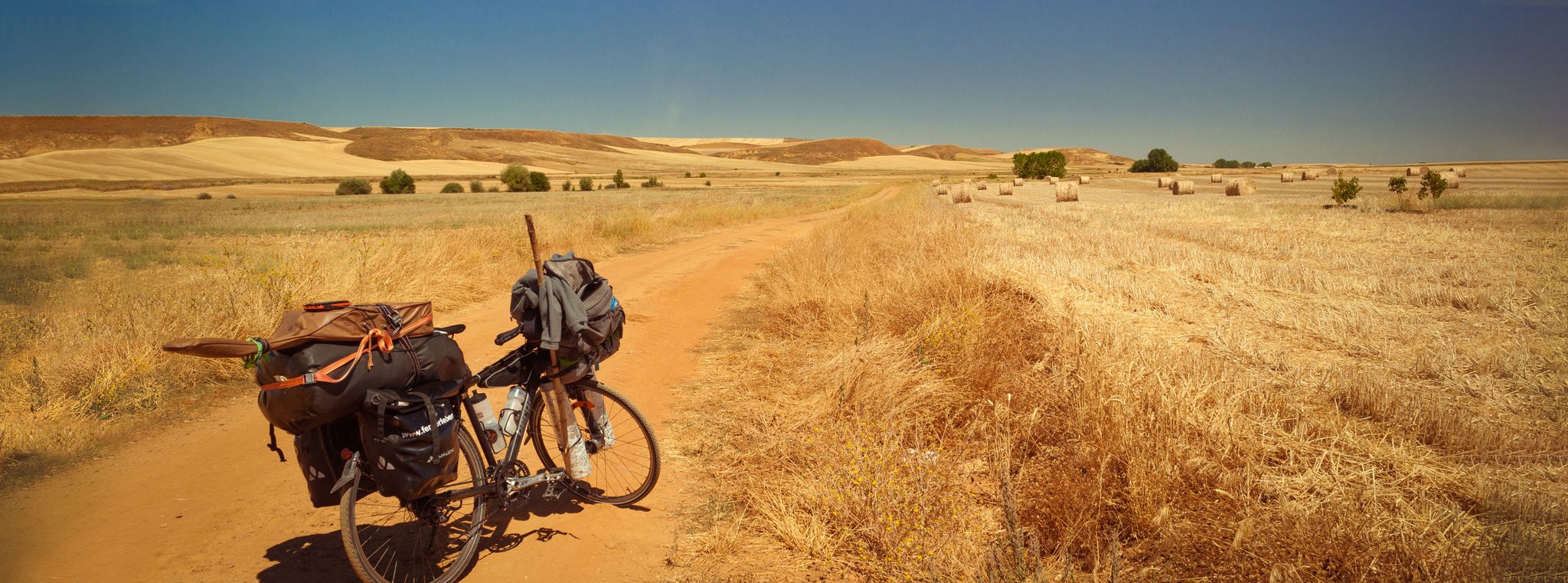
Camino Francés and Camino Finisterre – Cycling pilgrimages in Spain
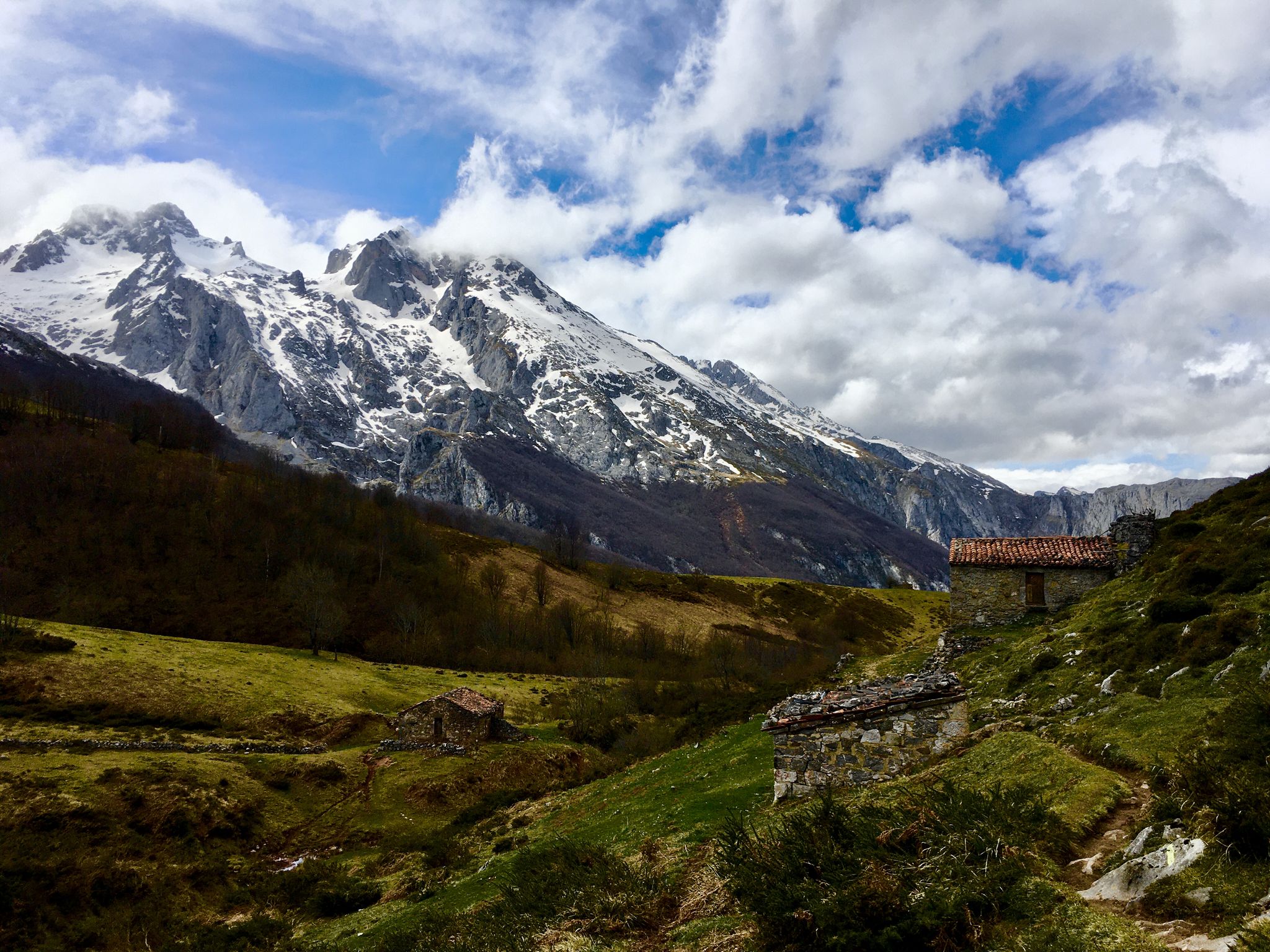
Route of the Reconquest (GR 202) – In the footsteps of an army
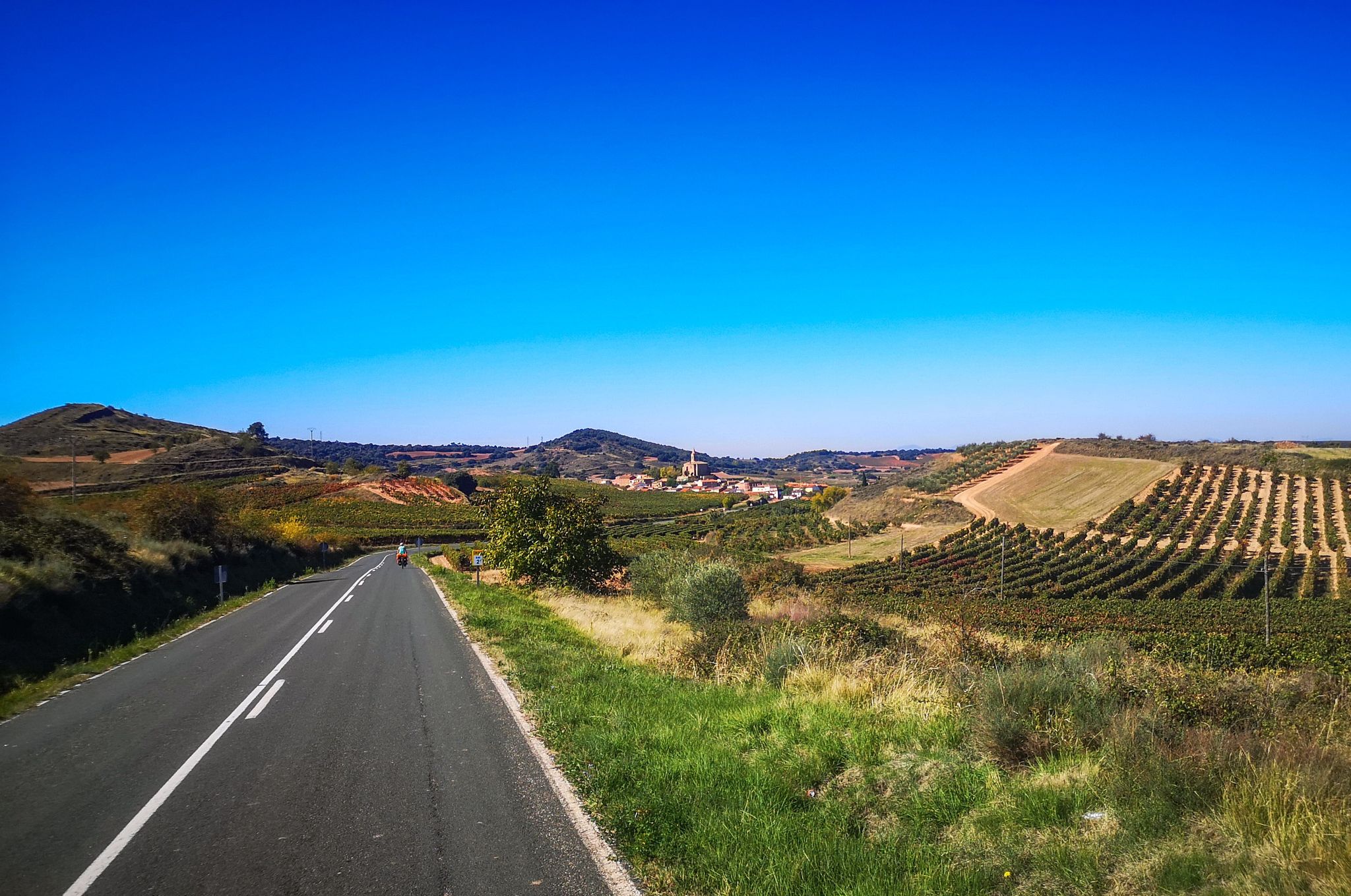
Santiago de Compostela – A journey through northern Spain (10 days)
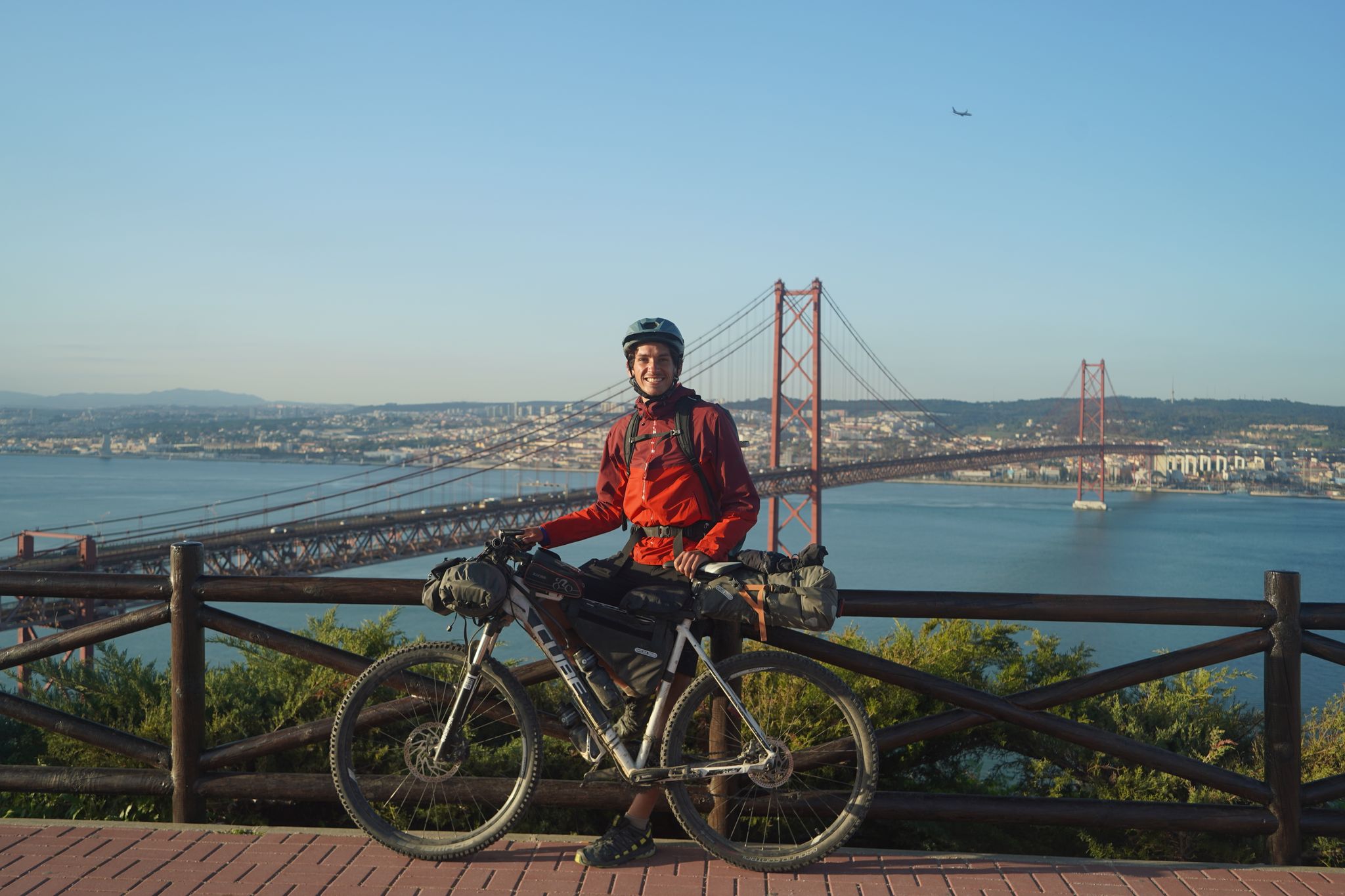
Road to Lisbon – bikepacking the Alps, Pyrenees and Picos de Europa
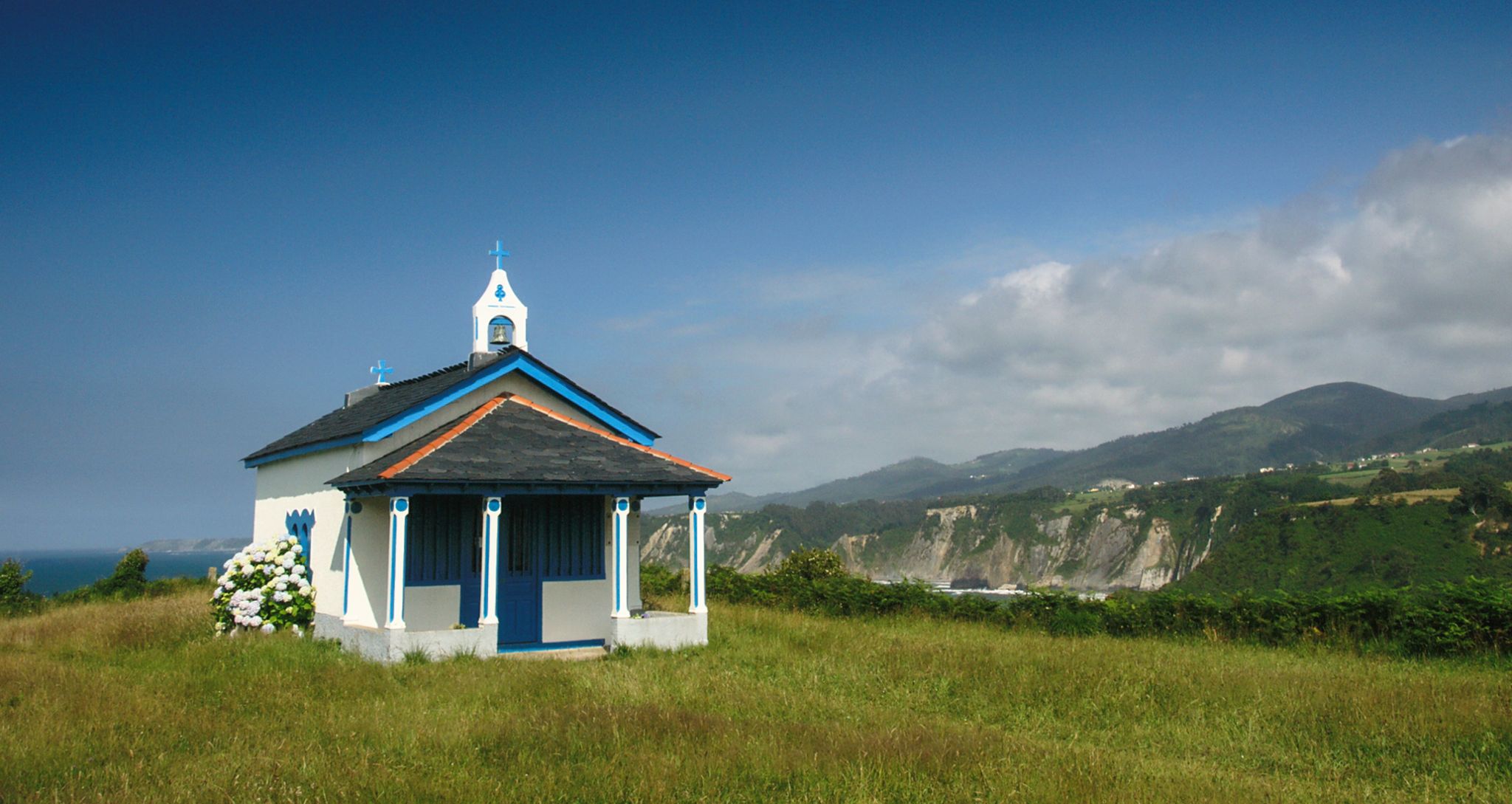
Camino del Norte – 15 stages
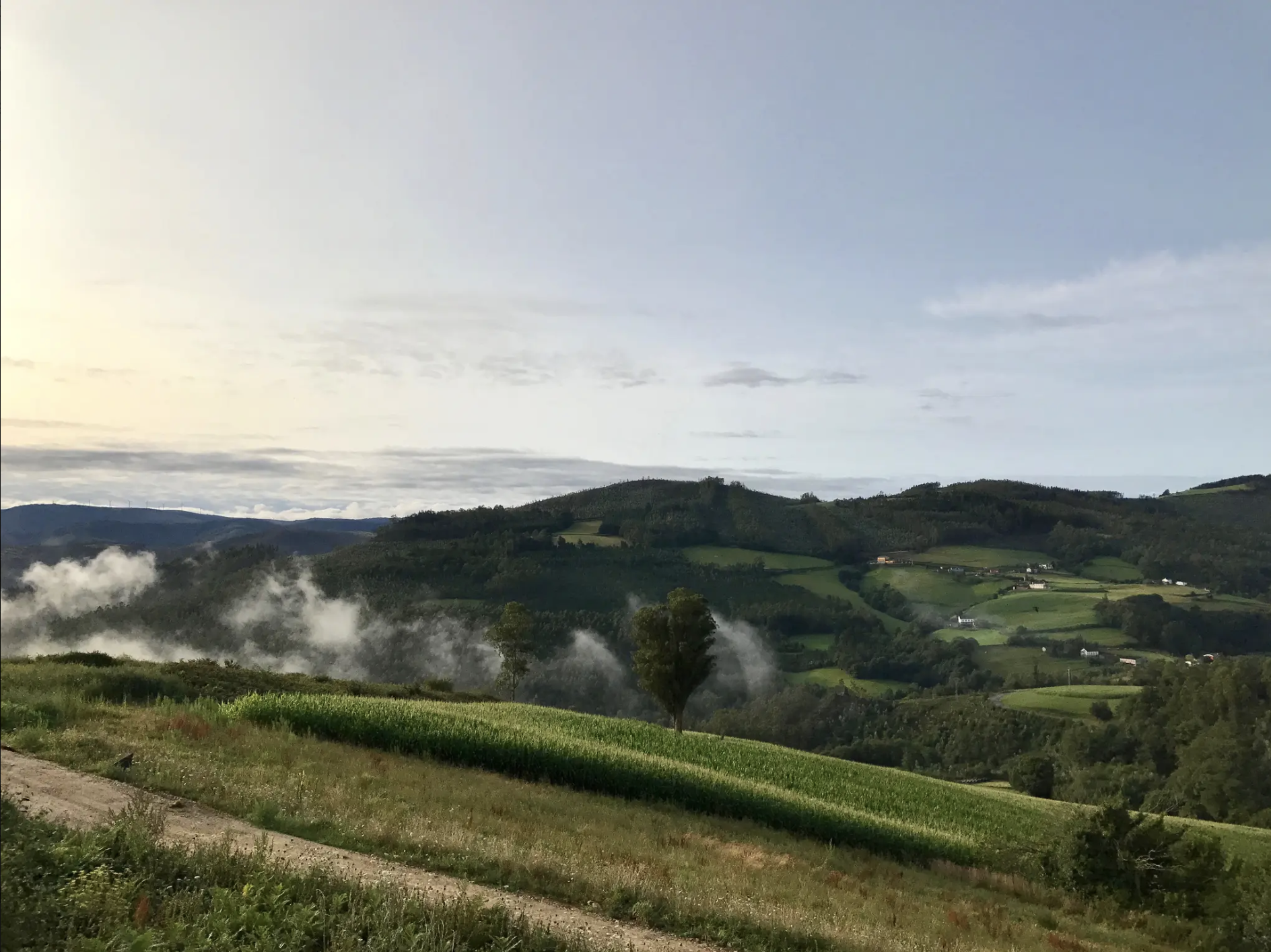
Camino del Norte (in reverse) – Discovering northern Spain's stunning coastline
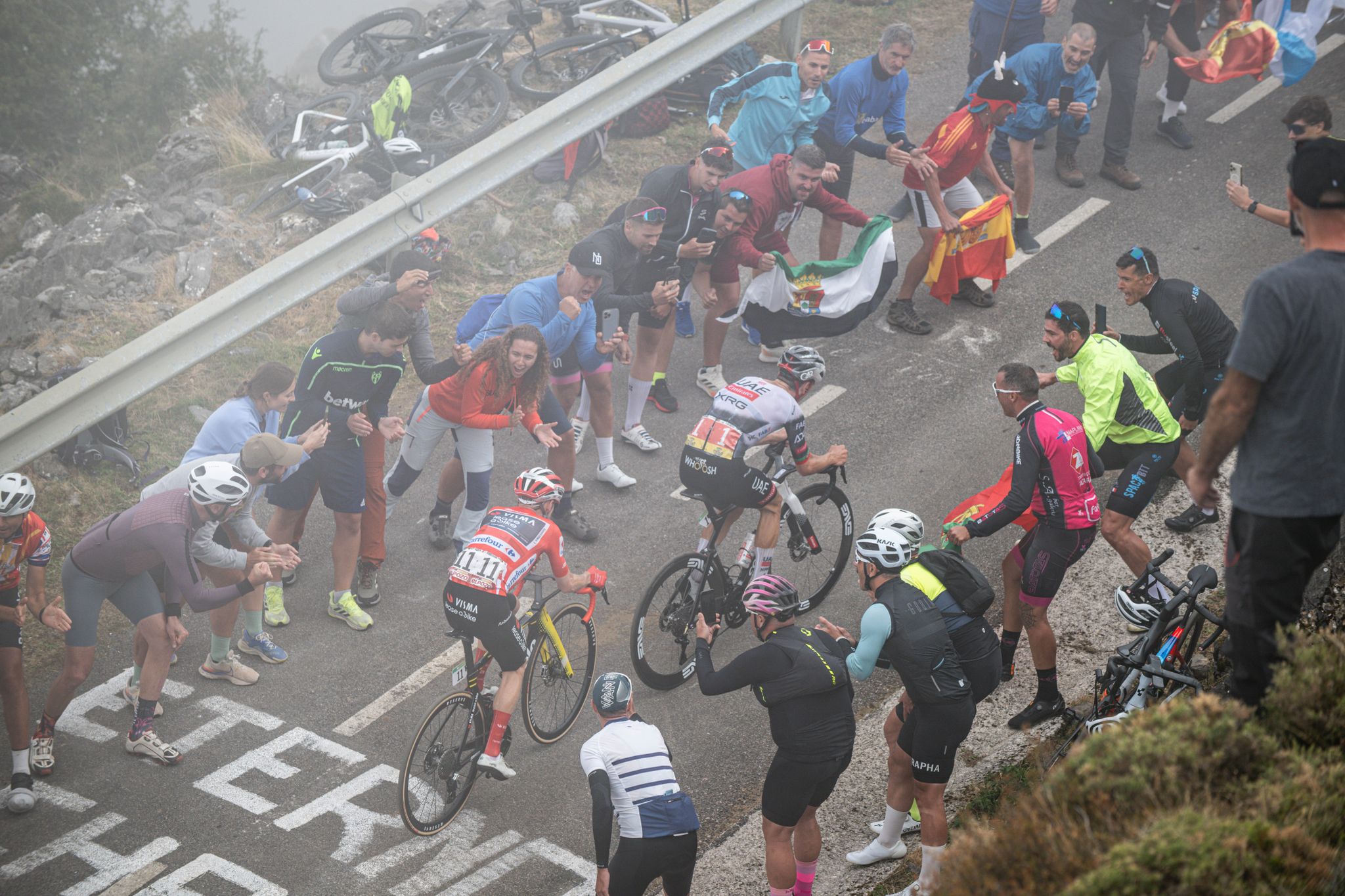
Mythical Passes and Sections of La Vuelta
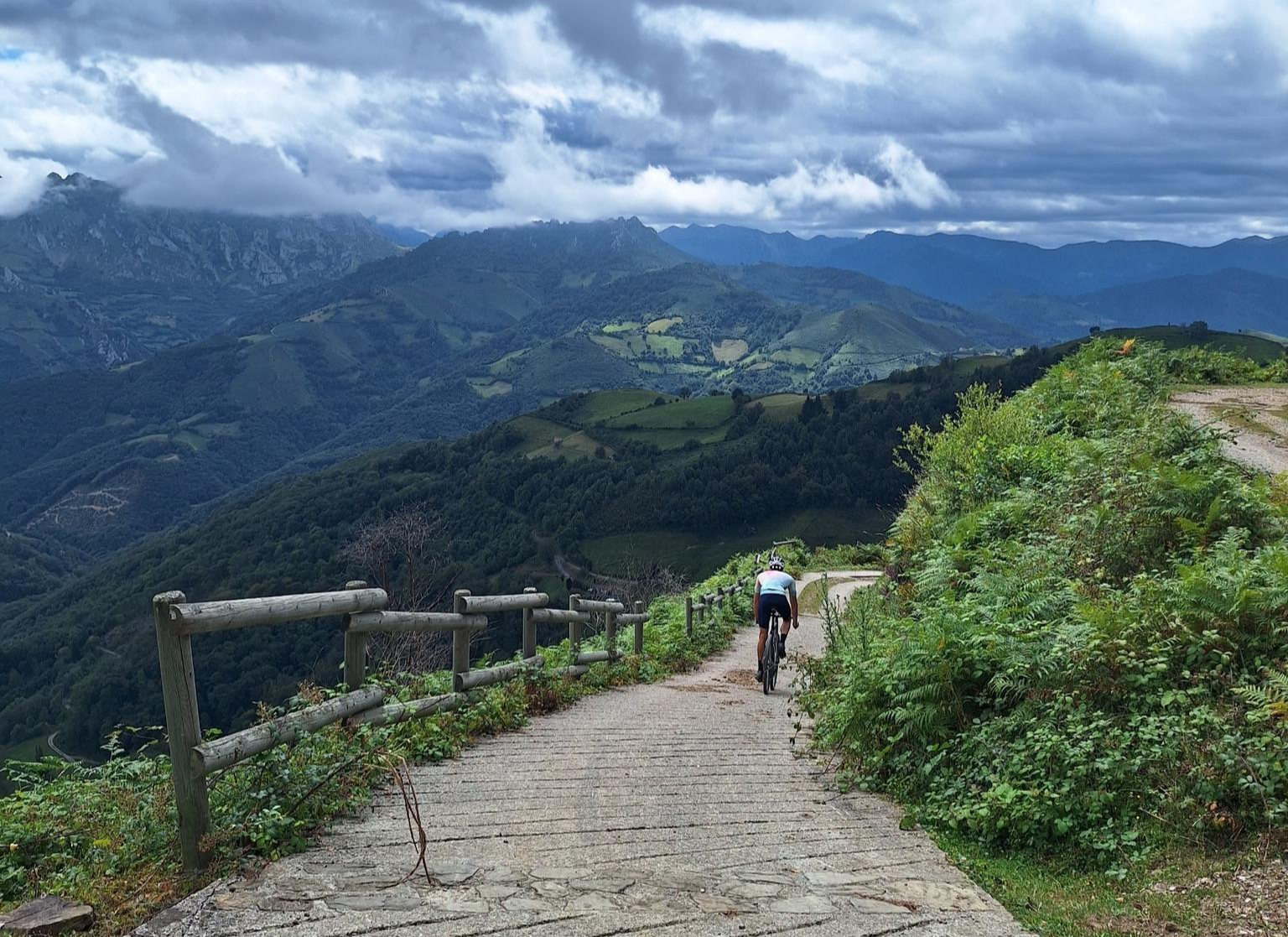
Central Mountain Cycling Ring GR 208 - Tour of the Asturian Mountains
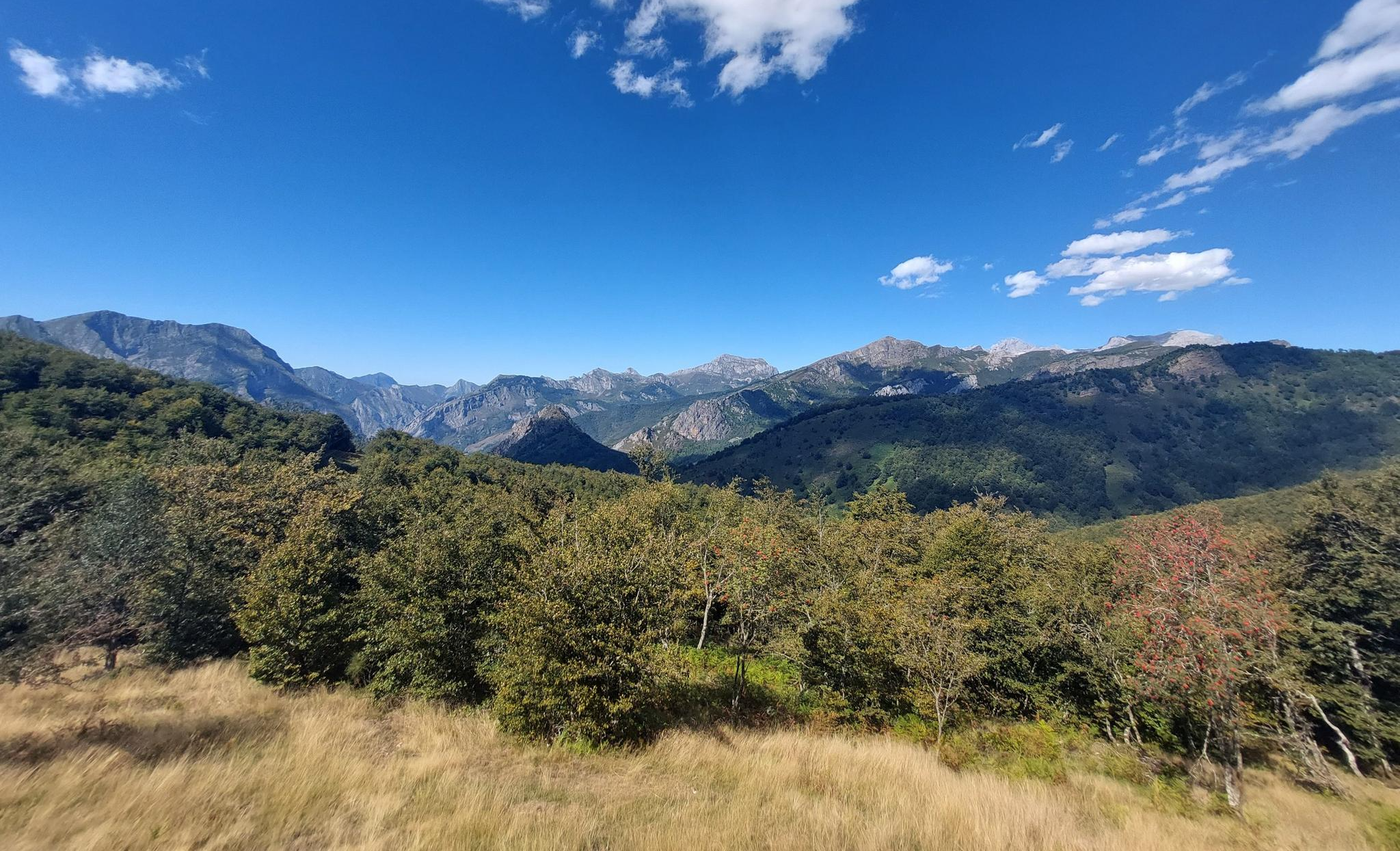
Senda del Arcediano (GR 210) - A historical hike through the Picos del Picos
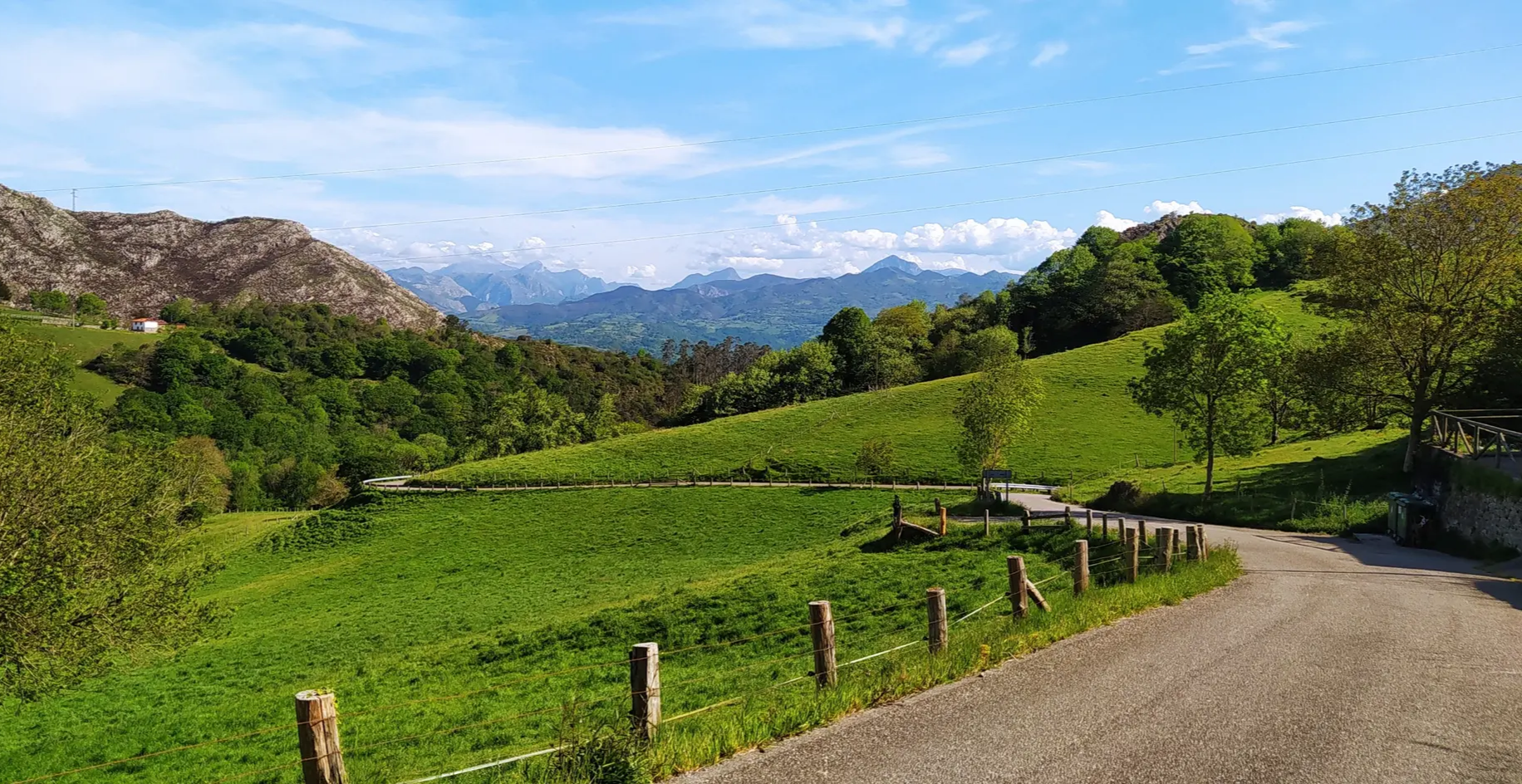
Great mountain passes of Picos de Europa on road bikes
Other adventures in the Cantabrian Mountains


Tips from the Community

Spectacular landscapes. The cable car ride also offers beautiful views. I visited/walked around there and loved it, I recommend it.👍🥾
0
0

Wonderful location in the Picos de Europa
2
0

A fantastic swimming spot in the VERY cold Cares River. Highly recommended, especially after a hike!
0
0

In the small village of Ramil at the foot of the Camino, just before Triacastela, stands one of Galicia's most beautiful century-old chestnut trees. Its trunk spans 8.5 meters and, with its hollow spaces and thick branches that seem to embrace the tree, resembles an X-ray of time.
0
1

At high tide, fountains spray from the ground
0
1


The Playa de las Catedrales, known in Galician as Praia das Catedrais, is an impressive natural monument located on the coast of the province of Lugo, in Galicia, Spain. Its official name is Playa de Aguas Santas, but it is popularly known as Playa de las Catedrales due to the appearance of its cliffs, which are reminiscent of the arches and vaults of a cathedral.
8
0

Large deciduous tree that is common in the mountains of Galicia. The fruits are covered with a green rind with thorns, the "erize". The season for harvesting chestnuts is November, and in Triacastela and throughout Galicia in general it is celebrated with a festival called "magesto". The main use of the chestnut tree is to obtain its wood and use its fruit as food for the population in general and as food for livestock.
1
0
Frequently Asked Questions
What are some of the most popular natural monuments to visit in the Cantabrian Mountains?
The Cantabrian Mountains offer a diverse range of natural monuments. Highly popular choices include the dramatic Ruta del Cares, known for its spectacular gorge views, and the unique Arenillas Blowholes, where seawater geysers erupt. For breathtaking panoramic vistas, the El Cable Viewpoint, accessible via the Fuente Dé cable car, is a must-see.
Are there family-friendly natural monuments in the Cantabrian Mountains?
Yes, several natural monuments are suitable for families. The El Cable Viewpoint offers easy access via cable car and stunning views. The Fuente Dé Cable Car itself is an experience. Additionally, the Ancient Chestnut Tree in Ramil and Lake Ercina are pleasant spots for all ages. The Beach of the Cathedrals, with its unique rock formations, is also a great family destination, though access depends on tides.
What kind of geological formations can I expect to see in the Cantabrian Mountains?
The Cantabrian Mountains are renowned for their intricate geological formations. You'll encounter towering limestone peaks, deep gorges carved by ancient glaciers, and high-altitude lakes, especially within the Picos de Europa National Park. Unique features include the seawater geysers at the Arenillas Blowholes and the spectacular stalactites and stalagmites in caves like Cullalvera, or the eccentric aragonite formations of El Soplao Cave, often called the 'Sistine Chapel of geology'.
Are there any historical or cultural sites among the natural monuments?
Yes, the region blends natural beauty with rich history. The Orellán Galleries are an ancient underground Roman mining conduit offering a unique historical and natural experience. Beyond the immediate guide, the Cantabrian Mountains are also home to world-renowned prehistoric caves like Altamira (with its Neocueva replica) and El Castillo Cave, featuring some of Europe's oldest cave art.
What outdoor activities can I do near these natural monuments?
The Cantabrian Mountains are ideal for outdoor enthusiasts. You can explore numerous hiking trails, from easy walks to challenging ascents, especially around the Picos de Europa. There are also opportunities for gravel biking and discovering waterfalls. For specific routes, you can find detailed guides for gravel biking, waterfall hikes, and easy hikes in the region.
What is the best time to visit the natural monuments in the Cantabrian Mountains?
The best time to visit generally depends on the activity. For hiking and exploring the mountain areas like Picos de Europa, late spring (May-June) and early autumn (September-October) offer pleasant temperatures and fewer crowds. Summer (July-August) is popular but can be busy, especially at key attractions. If you're interested in the coastal natural monuments like the Arenillas Blowholes or the Beach of the Cathedrals, summer provides warmer weather, but always check tide times for beach access.
Are there any natural monuments that involve caves or underground exploration?
Absolutely. The Cantabrian Mountains are rich in caves. While the original Altamira Cave is restricted, its faithful replica, the Neocueva, offers an incredible experience of Paleolithic art. Other significant caves include El Castillo Cave with ancient hand stencils, Cullalvera Cave known for its impressive stalactites and stalagmites, and El Soplao Cave, famous for its unique aragonite formations. The Orellán Galleries also provide an opportunity for underground exploration of Roman mining tunnels.
What unique natural features can be found in the Picos de Europa National Park within the Cantabrian Mountains?
Within the Cantabrian sector of the Picos de Europa National Park, you'll find towering limestone peaks, deep gorges like the Cares Gorge, and high-altitude lakes such as Lake Ercina. The area around Fuente Dé, with its cable car ascending to over 1,800 meters, offers breathtaking views. The park's dramatic contrasts between sheer cliffs and lush pastures, along with its rich biodiversity, make it a UNESCO World Network of Biosphere Reserves.
What do visitors enjoy most about the natural monuments in the Cantabrian Mountains?
Visitors frequently praise the spectacular views and the immersive natural beauty. The Ruta del Cares is often highlighted for its awe-inspiring scenery. The Arenillas Blowholes are noted for their impressive natural spectacle and unique sounds. Many also appreciate the panoramic vistas from viewpoints like El Cable Viewpoint, especially after a scenic ride on the Fuente Dé Cable Car.
Are there any natural monuments that are particularly good for wildlife spotting?
The Cantabrian Mountains, particularly within the Picos de Europa National Park, are a UNESCO Biosphere Reserve, indicating rich biodiversity. While specific natural monuments aren't solely dedicated to wildlife spotting, areas around the Fuente Dé Cable Car are known for abundant species of birds and ibex. For a more direct wildlife experience, Cabárceno Natural Park (though not a geological natural monument) provides a semi-wild habitat for a wide array of animals, including endangered species.
Can I find unique forest environments among the natural monuments?
Yes, the region offers unique forest experiences. Beyond the typical mountain forests, you can discover the unexpected Redwood Forest of Cabezón de la Sal. This serene environment features towering redwood trees, providing a distinct and peaceful walking experience that stands out within the Cantabrian landscape.
How accessible are the natural monuments for visitors?
Accessibility varies by monument. Many viewpoints, like El Cable Viewpoint, are easily reached via cable car, making them accessible to a wider range of visitors. Some trails, such as sections of the Ruta del Cares, offer relatively accessible paths through impressive landscapes. However, many natural monuments involve hiking on uneven terrain or require specific access, such as checking tide times for the Beach of the Cathedrals. It's always advisable to check specific access details for each location.
Most popular routes in the Cantabrian Mountains
Most popular attractions in the Cantabrian Mountains

Get inspired with the komoot mobile app


Explore more
Extend your search for the best caves by checking out these guides of the top ones in the Cantabrian Mountains:
