Top 20 Caves in the Baetic System Mountains
Best caves in the Baetic System Mountains are found throughout this major mountain range in Southern Spain. The region is known for its impressive caves, many of which feature significant geological formations and archaeological importance. These natural features offer diverse experiences for visitors interested in natural landscapes and historical sites. The Baetic System Mountains provide a varied terrain for exploring these underground wonders.
Best caves in the Baetic System Mountains
- The most popular caves is Forat de Bèrnia, a cave that crosses the mountain range from north to south. This natural tunnel, about 15 to 20 meters long, offers panoramic views of Altea, the Serra Gelada, and the Mediterranean from its widest entrance.
- Another must-see spot is Cuevas del Sol Street, Setenil de las Bodegas, a settlement where houses are built into natural rock overhangs. Visitors can expect to see unique architecture where some rock formations serve as walls or roofs, providing natural insulation.
- Visitors also love Dark Cave, a cave of great geological importance. The views from its access are notable, and it is a site for caving and abseiling, though guided access with safety equipment is recommended for risky activities.
- Baetic System Mountains is known for natural tunnels, historical cave dwellings, and geologically significant caves. The region offers a variety of caves to see and explore, from those with challenging access to those integrated into historical settlements.
- The caves in the Baetic System Mountains are appreciated by the komoot community, with 168 highlights and 297 photos shared by users.
Last updated: May 10, 2026
Forat de Bèrnia
Highlight • Cave
Translated by Google •
Tip by

Cuevas del Sol Street, Setenil de las Bodegas
Highlight • Settlement
Translated by Google •
Tip by

Sign up now to discover places like this
Get recommendations on the best single tracks, peaks, & plenty of other exciting outdoor places.
Sign up for free
Dark Cave
Highlight • Cave
Translated by Google •
Tip by

Nerja Cave
Highlight • Cave
The Cuevas de Nerja are a perfect combination of natural wonders and cultural history and are one of the most important attractions in Andalusia. For a special experience, we recommend a guided tour, which also offers deeper insights into the lesser-known areas of the caves.
Translated by Google •
Tip by

Malena Waterfall
Highlight • Waterfall
Translated by Google •
Tip by

Cat Cave
Highlight • Cave
Translated by Google •
Tip by

Sacromonte Abbey
Highlight • Religious Site
Translated by Google •
Tip by

Usero Waterfall
Highlight • Waterfall
If you have the opportunity to visit it, you will enjoy waterfalls, natural baths and a stunning natural environment. Do not miss it! 🌿🌊
Translated by Google •
Tip by
Source of the Mundo River
Highlight • Waterfall
Translated by Google •
Tip by

Guadix
Highlight • Settlement
Guadix is known for its cave districts made of soft tufa rock.
There were about 2000 dwelling caves.
Translated by Google •
Tip by

Sign up for free to discover even more caves in the Baetic System Mountains.
Sign up for free
Already have an account?
Start today with a free account
Your next adventure awaits.
Login or Signup
Popular around Baetic System Mountains

Triathlon 360 – my journey around the world
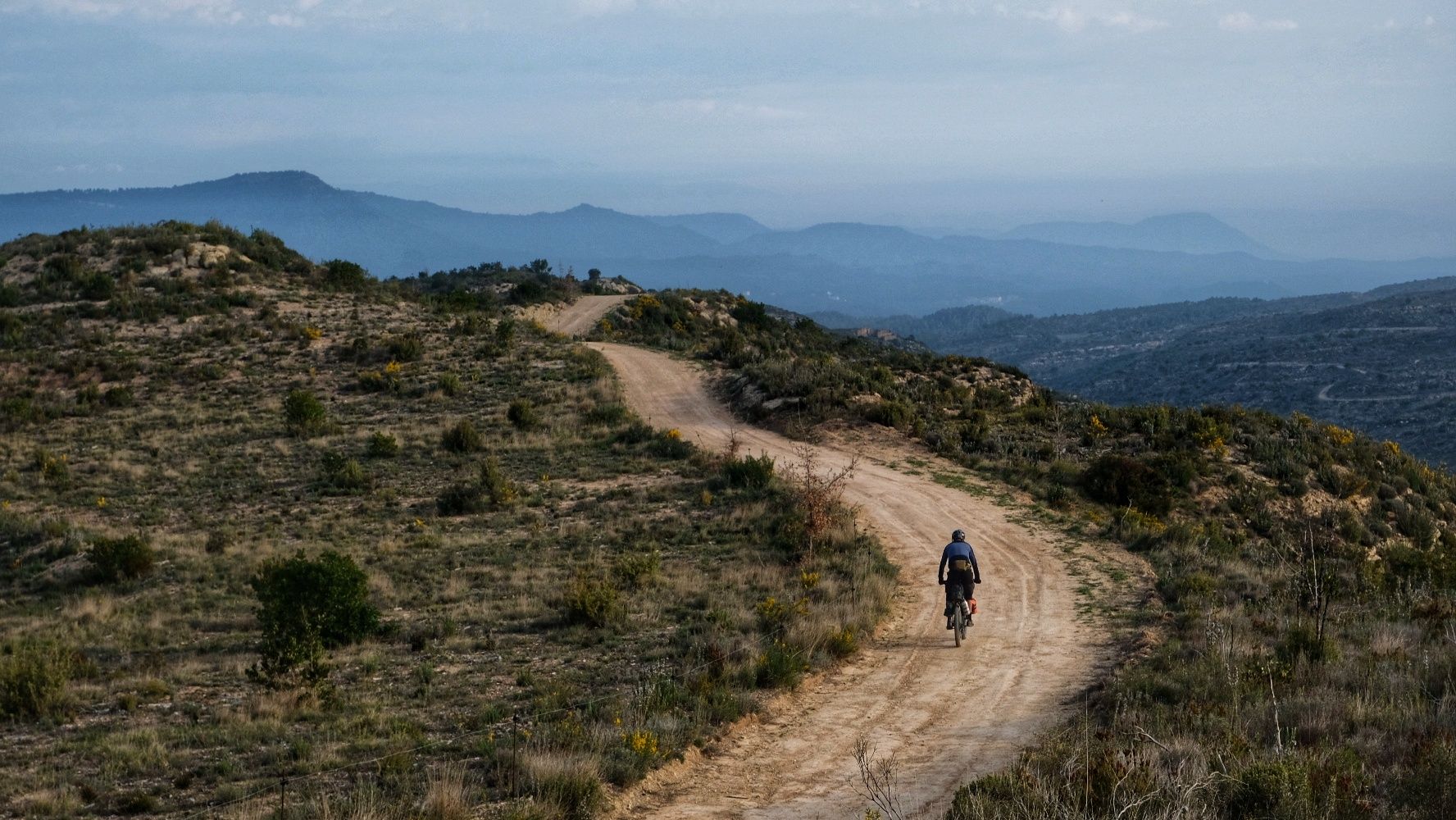
European Divide Trail — 7,600 km across the continent
GR 238 Tierra del Vino - A journey on foot through lands of silence
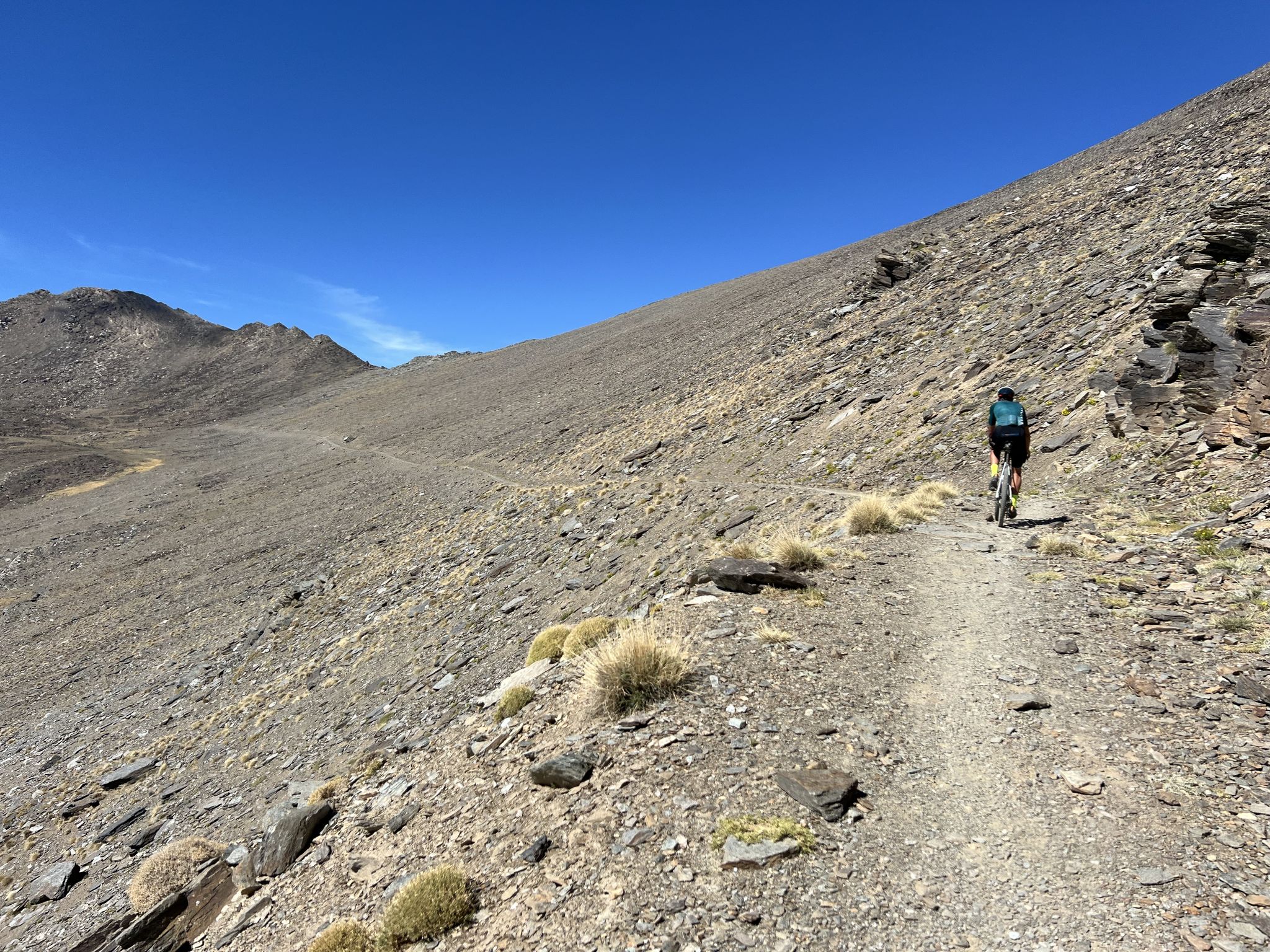
Badlands 2024 – extreme experiences and a sense of joy
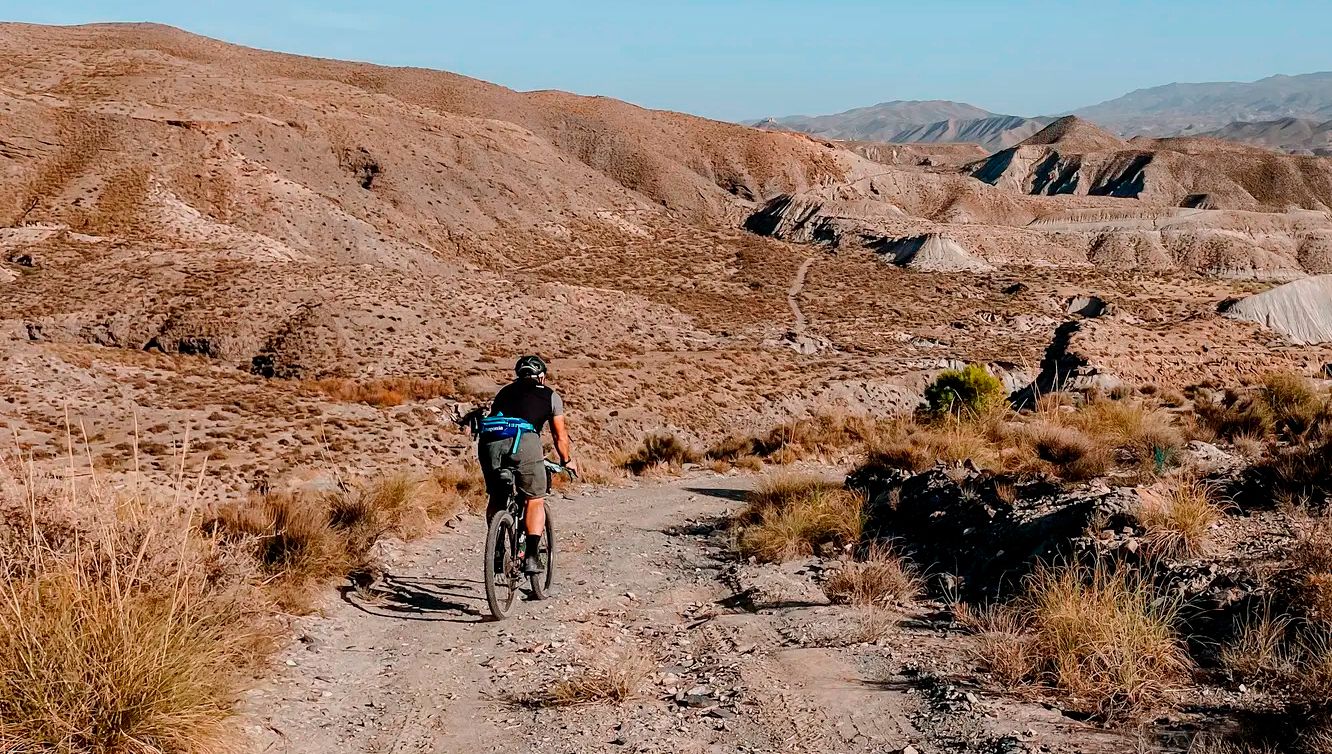
TransAlmería Gravel – Summits, dry riverbeds and deserts
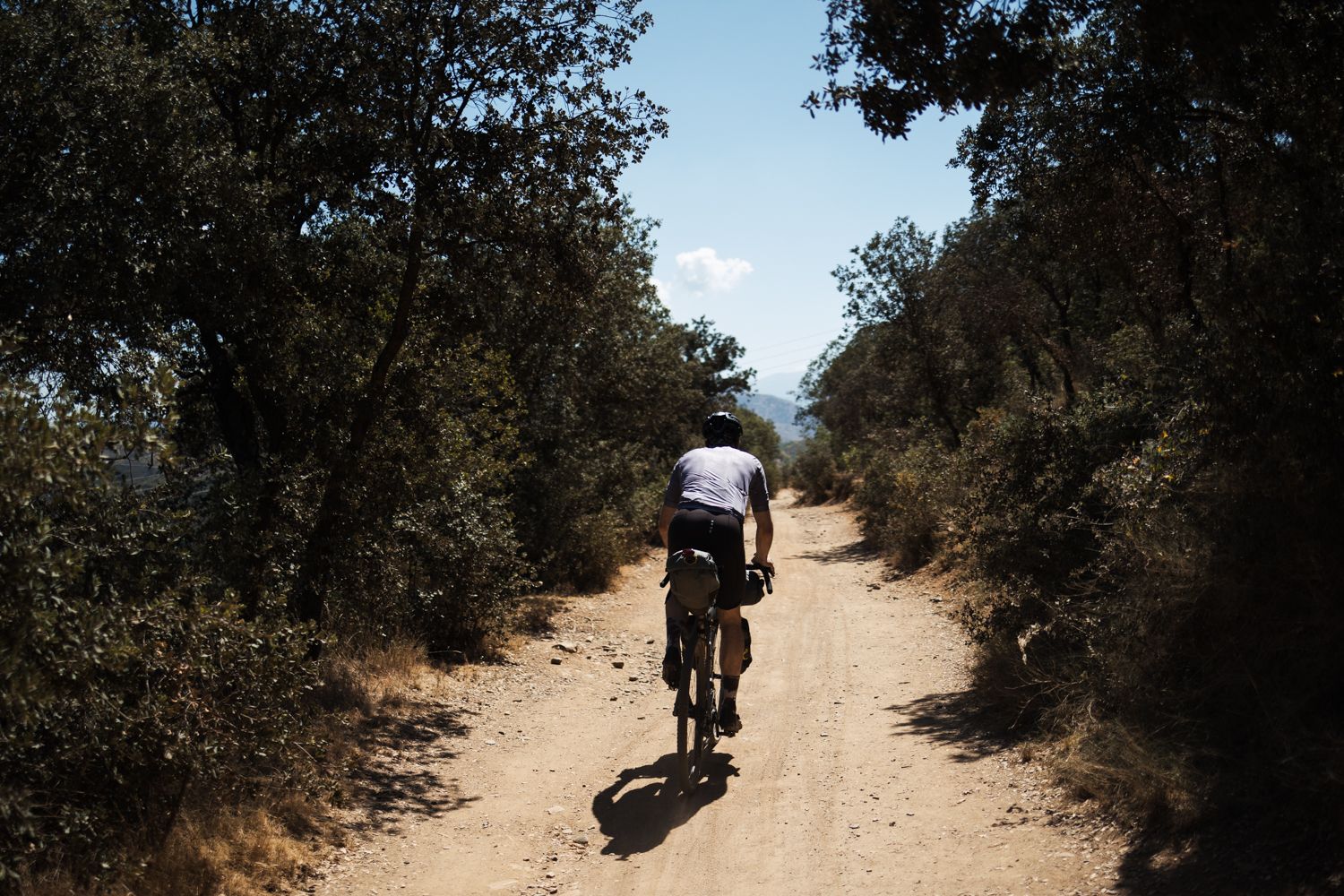
Mozarabic Way to Santiago – Gravel between two worlds
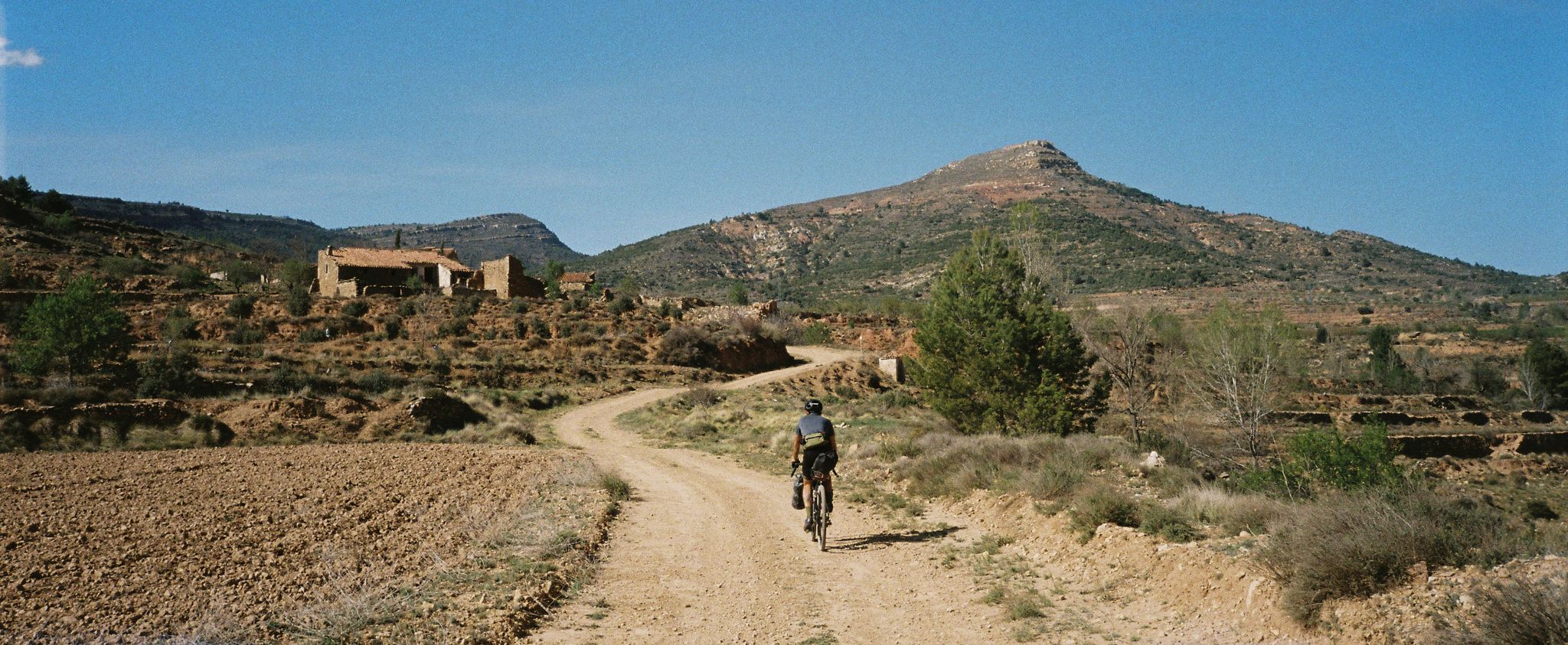
Path of the Tasters - Bikepacking in the Valencian ranges
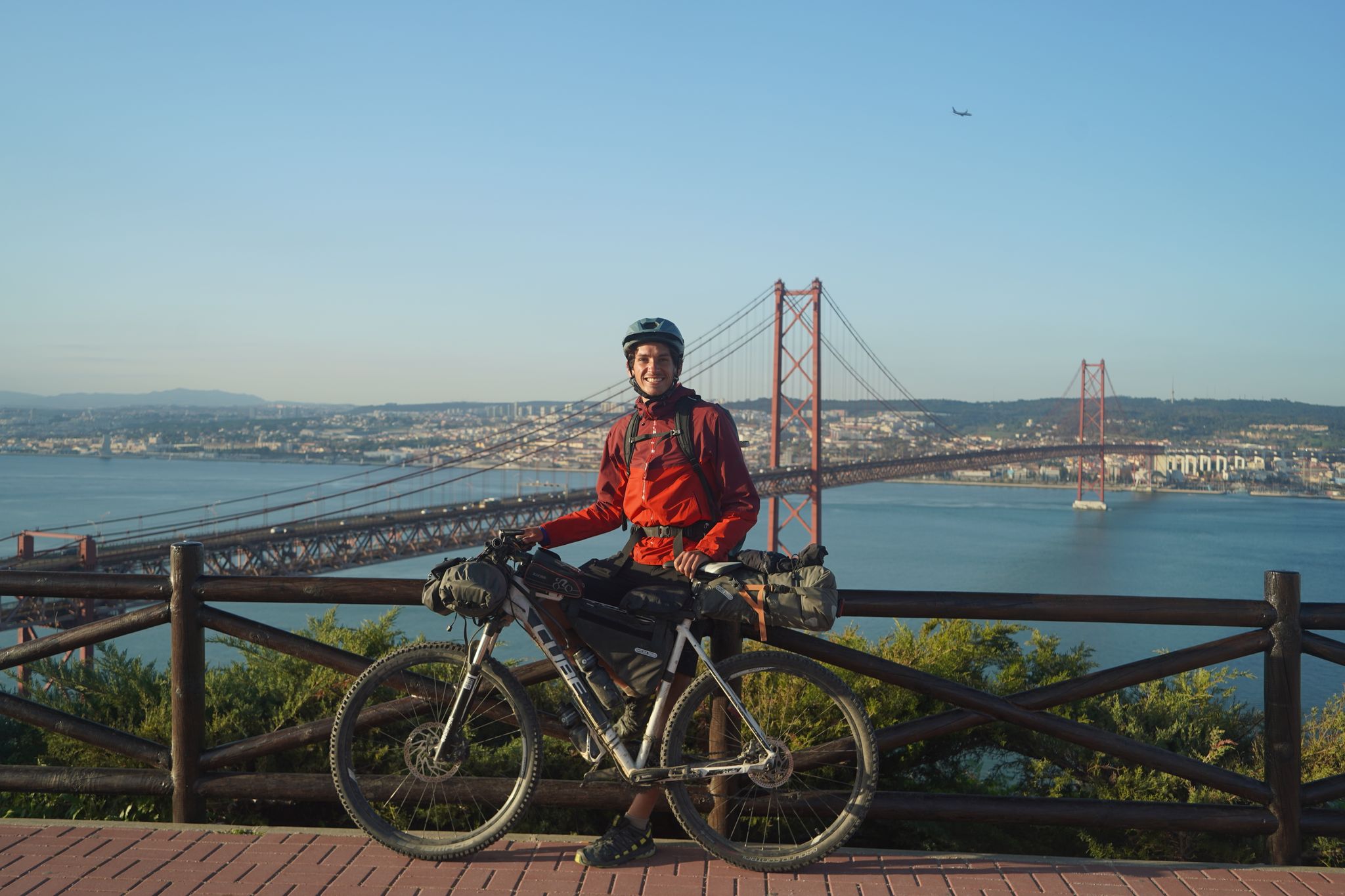
Road to Lisbon – bikepacking the Alps, Pyrenees and Picos de Europa
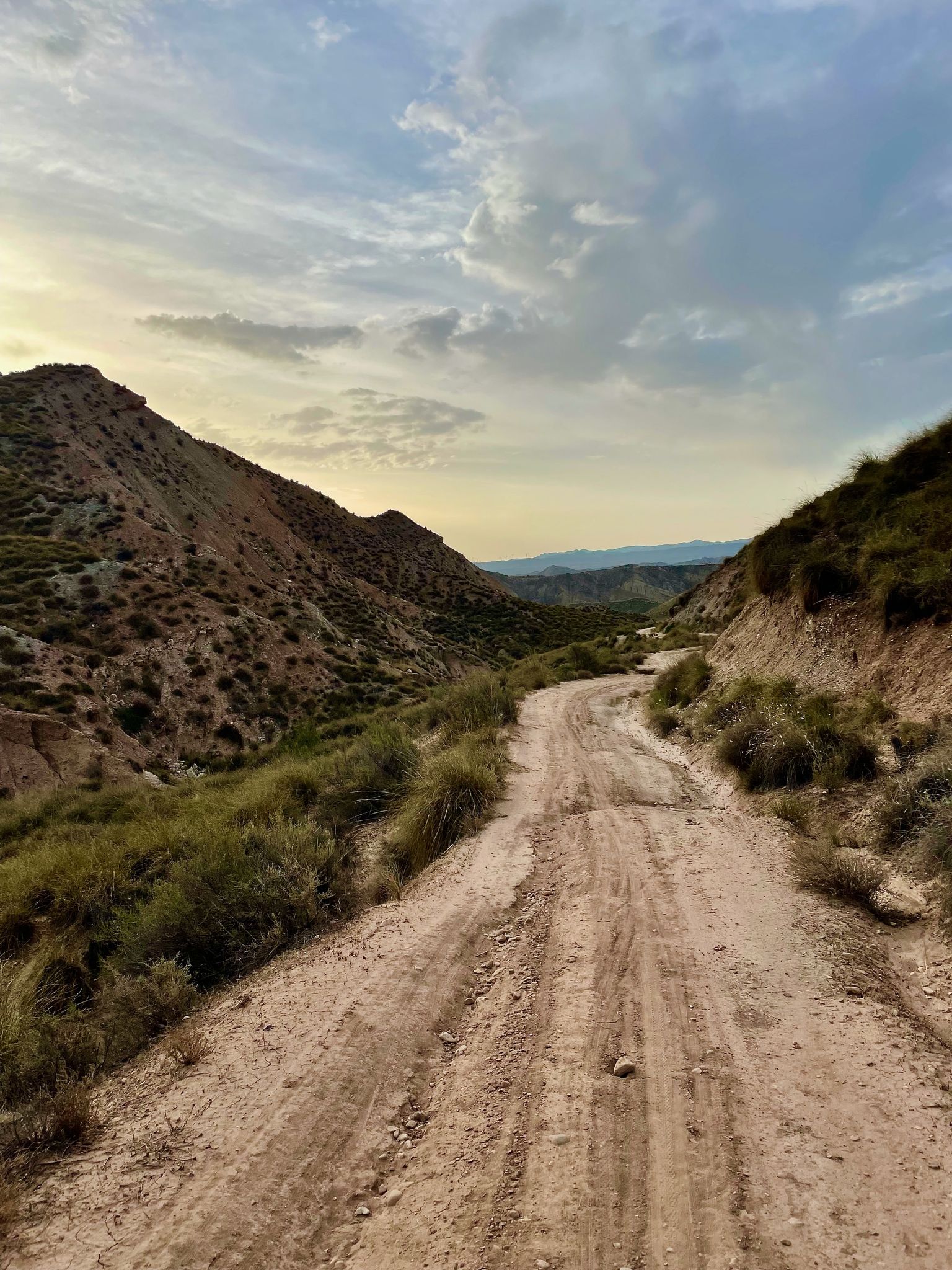
Badlands 2021 — 750km of gravel in the Spanish deserts
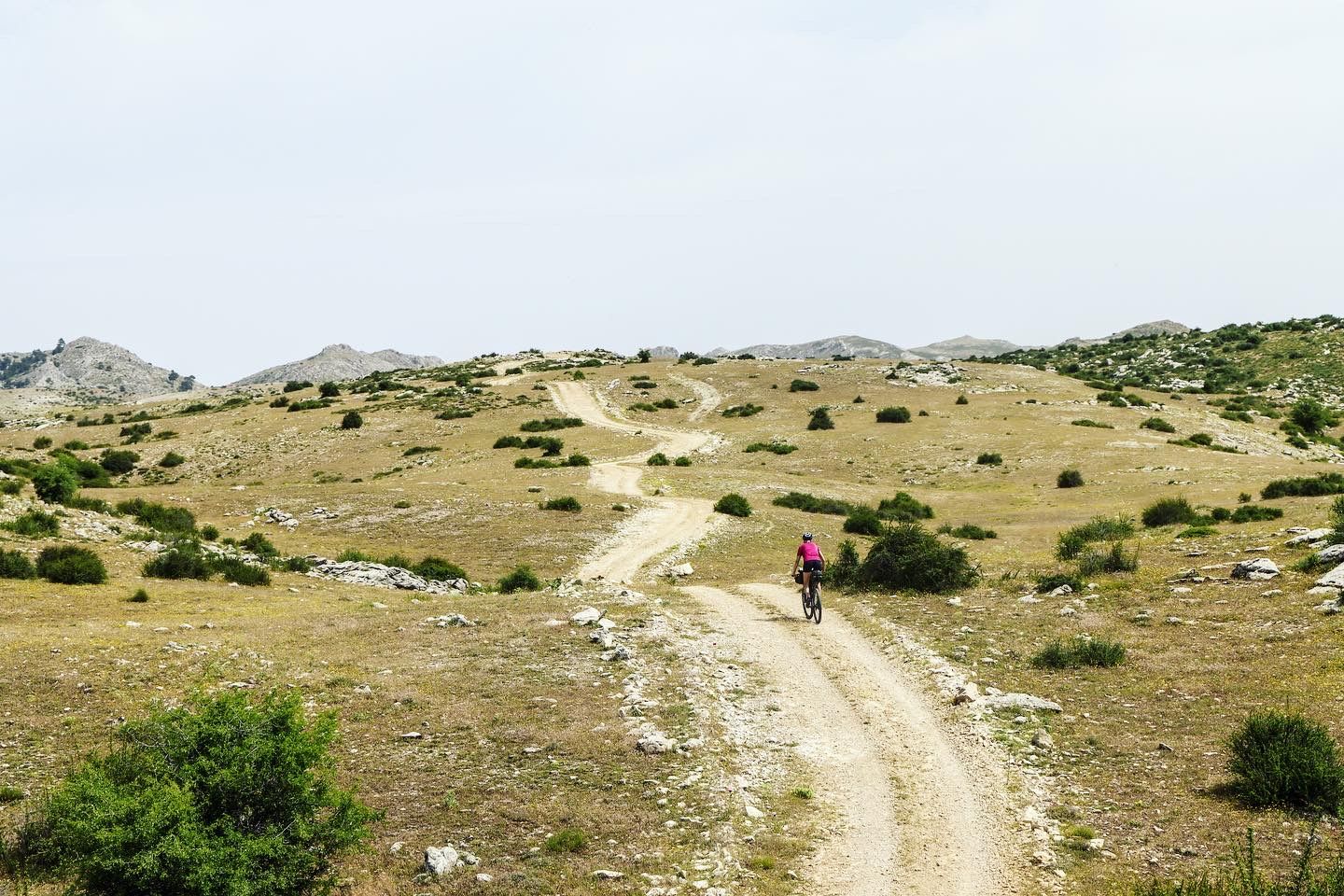
Bikepacking the mountains and deserts of Andalucía
Other adventures in the Baetic System Mountains


Tips from the Community

Amazing what five boys found in 1959. The Great Hall was found a little later after they dared to venture further inside. For an entrance fee of €18, you get to see a very impressive cave. Additionally, an audio guide, but some don't know how to use it properly - they move around the cave with their phones at full volume.
2
0

The birth of the river Mundo is located in the municipality of Riópar, south of Albacete and between the Sierras of Alcaraz and Segura. It receives numerous visits for its spectacular waterfalls and for the reventón phenomenon, to see this waterfall in all its splendor it is advisable to visit it after periods of intense rains. What is most impressive is the Los Chorros waterfall, where the water gushes from a cave located more than 85 meters high above the valley, falling in a series of jumps and pools of great beauty.
2
0

Cuevas del Sol Street in Setenil de las Bodegas is one of the most iconic and photographed corners of this picturesque town in the Sierra de Cádiz, famous for its houses built directly beneath enormous rocks.
7
0

An approximately 1 km long area within the Sierra Segaria, which contains various caves - the Cova Fosca is of course the largest, most famous, and most spectacular!
1
0

Beautiful setting, impressive waterfall during its bursting season, which is usually in March. And a 700m hike to the highest viewpoint.
1
0
Setenil de las Bodegas is a picturesque municipality in the province of Cadiz, Andalusia. It is known for its unique urban layout, with houses built under large rocks that form part of the Trejo River canyon. This town is an essential stop on the famous route of the White Villages of Cadiz.
8
0

There is a main street on either side of the Guadalporcún river that runs through the village, both of which offer the perfect places to enjoy the view of the rocks. They are called Cuevas del Sol and Cuevas de la Sombra (Sun and Shadow Caves). They owe their name to the sunlight phenomenon that occurs thanks to the rocks above them. Cuevas del Sol is always in sunlight.
7
0

The caves were discovered by chance in 1959 by a group of five young people and are now one of the most famous sights in the region. The Cuevas de Nerja are a perfect combination of natural wonders and cultural history and are one of the most important attractions in Andalusia. For a special experience, we recommend a guided tour, which also offers deeper insights into the lesser-known areas of the caves.
12
0
Frequently Asked Questions
Which caves in the Baetic System Mountains are known for their historical or archaeological significance?
The Baetic System Mountains are rich in caves with significant historical and archaeological value. The Nerja Cave is famous for human occupation dating back 30,000 years and ancient rock paintings. Cueva de la Pileta in Benaoján is a natural museum of prehistoric rock art from the Upper Palaeolithic period, featuring depictions of animals. Cueva de Ardales is globally significant for housing over 1,000 paintings and engravings, some potentially by Neanderthals over 65,000 years ago.
Are there caves in the Baetic System Mountains that are family-friendly?
Yes, several caves in the Baetic System Mountains are suitable for families. The Nerja Cave offers adapted walkways for easy and safe viewing of its stunning formations. Cuevas del Sol Street, Setenil de las Bodegas, while a settlement, is family-friendly and offers a unique architectural experience where houses are built into natural rock overhangs. Additionally, the Malena Waterfall area includes the Cueva de la Malena, which is part of a family-friendly route.
What kind of natural features can I expect to see in the caves of this region?
The caves in the Baetic System Mountains boast a variety of impressive natural features. You can expect to see stunning speleothems like stalactites and stalagmites, including the world's longest and largest stalactite in the Nerja Cave. Many caves also feature shimmering underground pools and lakes, such as the 'Emerald Lake' in Gruta de las Maravillas, and unique rock formations. Some caves, like Cat Cave, are associated with waterfalls and rivers.
What is the best time to visit the caves in the Baetic System Mountains?
Many caves in the Baetic System Mountains, especially show caves like the Nerja Cave and Gruta de las Maravillas, are accessible year-round. However, visiting during the shoulder seasons (spring and autumn) can offer pleasant temperatures and fewer crowds. For caves that require more adventurous exploration or are part of outdoor routes, checking local conditions and guided tour availability is recommended, as some may have seasonal access restrictions or require permits.
Are there any caves in the Baetic System Mountains that are particularly challenging to explore?
Yes, some caves offer more challenging experiences. The Dark Cave is known for its geological importance and is a site for caving and abseiling, recommending guided access with safety equipment for risky activities. The Forat de Bèrnia, a natural tunnel, requires crossing about 80 meters in a low inclined position, which can be challenging for some visitors.
What outdoor activities can I do near the caves in the Baetic System Mountains?
The Baetic System Mountains offer a wide range of outdoor activities near its caves. You can find numerous hiking trails, including waterfall hikes like those detailed in the Waterfall hikes in the Baetic System Mountains guide. For cycling enthusiasts, there are many MTB trails, such as those listed in the MTB Trails in the Baetic System Mountains guide. Mountain hiking and mountaineering routes are also popular, with options available in the Mountain Hikes in the Baetic System Mountains guide.
Which caves in the Baetic System Mountains are known for their unique geological formations?
The Baetic System Mountains host several caves with unique geological formations. The Nerja Cave is home to the world's longest and largest stalactite. Gruta de las Maravillas, the 'Grotto of Wonders,' is celebrated for its shimmering pools and surreal rock formations, including the 'Emerald Lake' and the 'Cathedral.' The Dark Cave is also noted for its significant geological importance.
Are there any caves in the Baetic System Mountains that are integrated into historical settlements?
Yes, Cuevas del Sol Street, Setenil de las Bodegas, is a prime example where houses are built directly into natural rock overhangs, with some rock formations serving as walls or roofs. This unique architecture provides natural insulation and showcases a long history of human adaptation to the landscape. Another notable settlement is Guadix, known for its cave dwellings.
What do visitors enjoy most about exploring the caves in the Baetic System Mountains?
Visitors frequently highlight the breathtaking beauty of the natural formations, the profound sense of history and connection to ancient civilizations through prehistoric art, and the unique experiences offered by each cave. The sheer size and beauty of formations like those in the Nerja Cave, the intimate torchlight tours of Cueva de la Pileta, and the surreal landscapes of Gruta de las Maravillas are often praised. The integration of caves into historical settlements, such as Cuevas del Sol Street, also provides a unique cultural experience.
Are there guided tours available for cave exploration in the Baetic System Mountains?
Yes, guided tours are available for many caves, especially those open to the public. Cueva de la Pileta offers intimate and informative guided tours, often led by descendants of its discoverer, conducted by torchlight to highlight ancient artworks. Cueva de Ardales also provides cultural guided tours, allowing visitors to explore a 1.5-kilometer path. For more adventurous caving activities in places like the Dark Cave, guided access with safety equipment is recommended.
Can I find caves that are part of a larger natural area or park?
Yes, many caves are situated within or near larger natural areas. For instance, Cueva de la Pileta is located in the Sierra de Grazalema, a protected natural park. The Forat de Bèrnia is an impressive natural tunnel in the Sierra de Bèrnia. Additionally, the Malena Waterfall and its associated cave are part of a route along the Cerezuelo River, offering a rich natural environment.
Are there any caves in the Baetic System Mountains with connections to local legends or folklore?
Yes, some caves are steeped in local legends. The Cueva de la Malena, near the Malena Waterfall, is said to have been a refuge for bandits during the Reconquest and is shrouded in legends, such as that of the Tragantía, a mythical creature whose song warned of danger. These stories add an intriguing layer to the natural wonders of the region.
Most popular routes in the Baetic System Mountains
Most popular attractions in the Baetic System Mountains

Get inspired with the komoot mobile app


Explore more
Extend your search for the best caves by checking out these guides of the top ones in the Baetic System Mountains:
