The best cycling routes in the Baetic System Mountains
4.5
(9178)
151,275
riders
6,216
rides
Touring cycling in the Baetic System Mountains offers a diverse range of routes across southern and eastern Spain, characterized by varied landscapes from high alpine mountains to coastal paths. The region features significant mountain ranges like the Sierra Nevada, with its high peaks, and numerous natural parks such as Sierra de Grazalema and Sierras de Cazorla, Segura y Las Villas. Cyclists can navigate established routes, including converted railway lines known as "Vías Verdes," and experience contrasts from arid steppes to…
Last updated: May 10, 2026
4.7
(35)
761
riders
52.1km
03:55
1,170m
1,170m
This difficult 32.4-mile touring cycling loop from Málaga offers challenging climbs, pine forests, and panoramic views of the city and coast
4.3
(49)
393
riders
32.9km
02:22
660m
660m
Cycle a difficult 20.4-mile loop from Nerja to Frigiliana and Torrox via EuroVelo 8, featuring sea views and white villages.

Sign up for free
4.9
(56)
388
riders
73.2km
04:59
1,030m
1,030m
Cycle the difficult 45.5-mile Vía Verde de la Sierra Loop from Olvera, featuring tunnels, viaducts, and griffon vultures.
4.0
(63)
326
riders
43.6km
02:46
150m
150m
Moderate bike ride. Good fitness required. Mostly paved surfaces. Suitable for all skill levels.
4.0
(36)
292
riders
Moderate bike ride. Good fitness required. Mostly paved surfaces. Suitable for all skill levels.
4.2
(48)
320
riders
Cycle 37.6 miles (60.6 km) from Vélez-Málaga's Alcazaba to Nerja's Balcón de Europa on this moderate EuroVelo 8 route.
4.3
(17)
96
riders
29.9km
01:54
110m
110m
Easy bike ride. Great for any fitness level. Mostly paved surfaces. Suitable for all skill levels.
4.9
(14)
229
riders
21.8km
01:49
550m
550m
A difficult 13.5-mile touring cycling loop in Granada's Dehesa del Generalife, offering panoramic views of the Alhambra and Sierra Nevada.
4.6
(13)
2,615
riders
25.1km
01:32
250m
250m
Moderate bike ride. Good fitness required. Mostly paved surfaces. Suitable for all skill levels.
4.7
(18)
2,598
riders
31.4km
02:05
410m
410m
Moderate bike ride. Good fitness required. Mostly paved surfaces. Suitable for all skill levels.
Get access to more routes and recommendations from other explorers.
Sign up for free
Already have an account?
Our route recommendations are based on thousands of hikes, rides, and runs completed by other people on komoot.
Start today with a free account
Your next adventure awaits.
Login or Signup
Popular around Baetic System Mountains
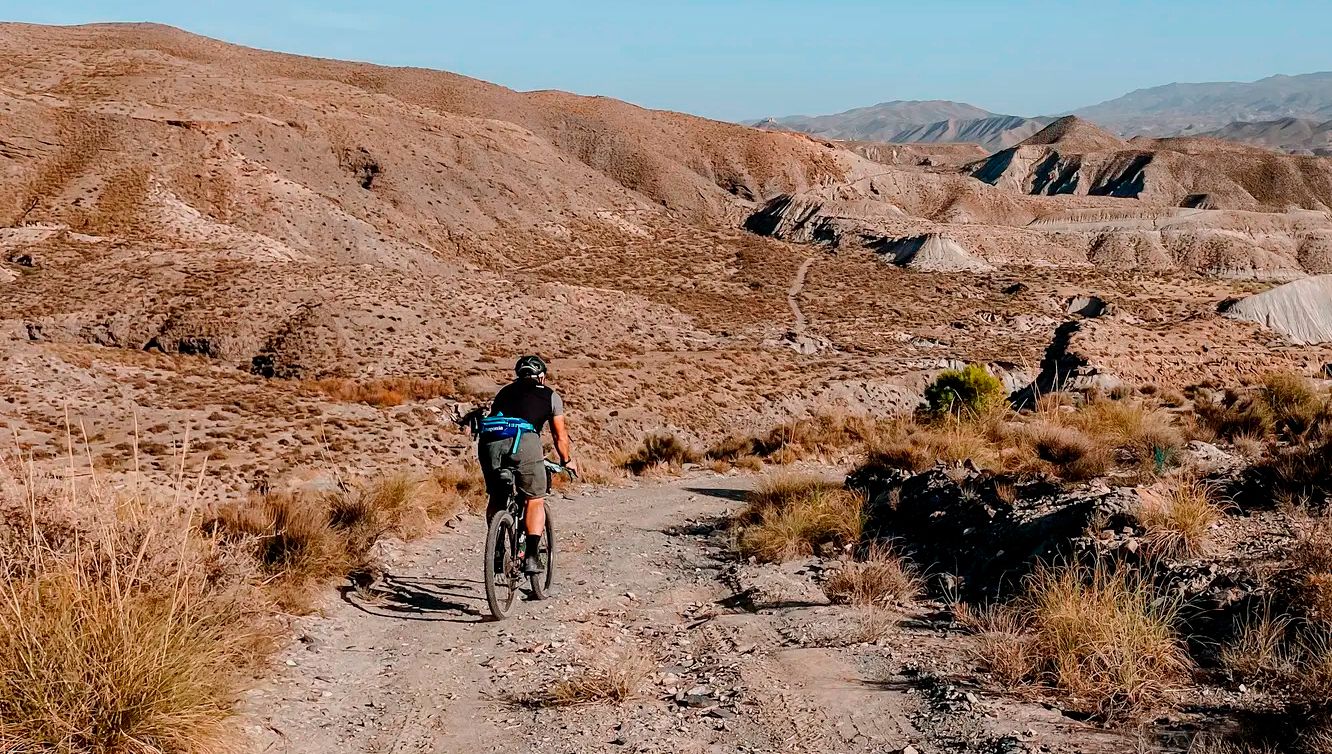
TransAlmería Gravel – Summits, dry riverbeds and deserts
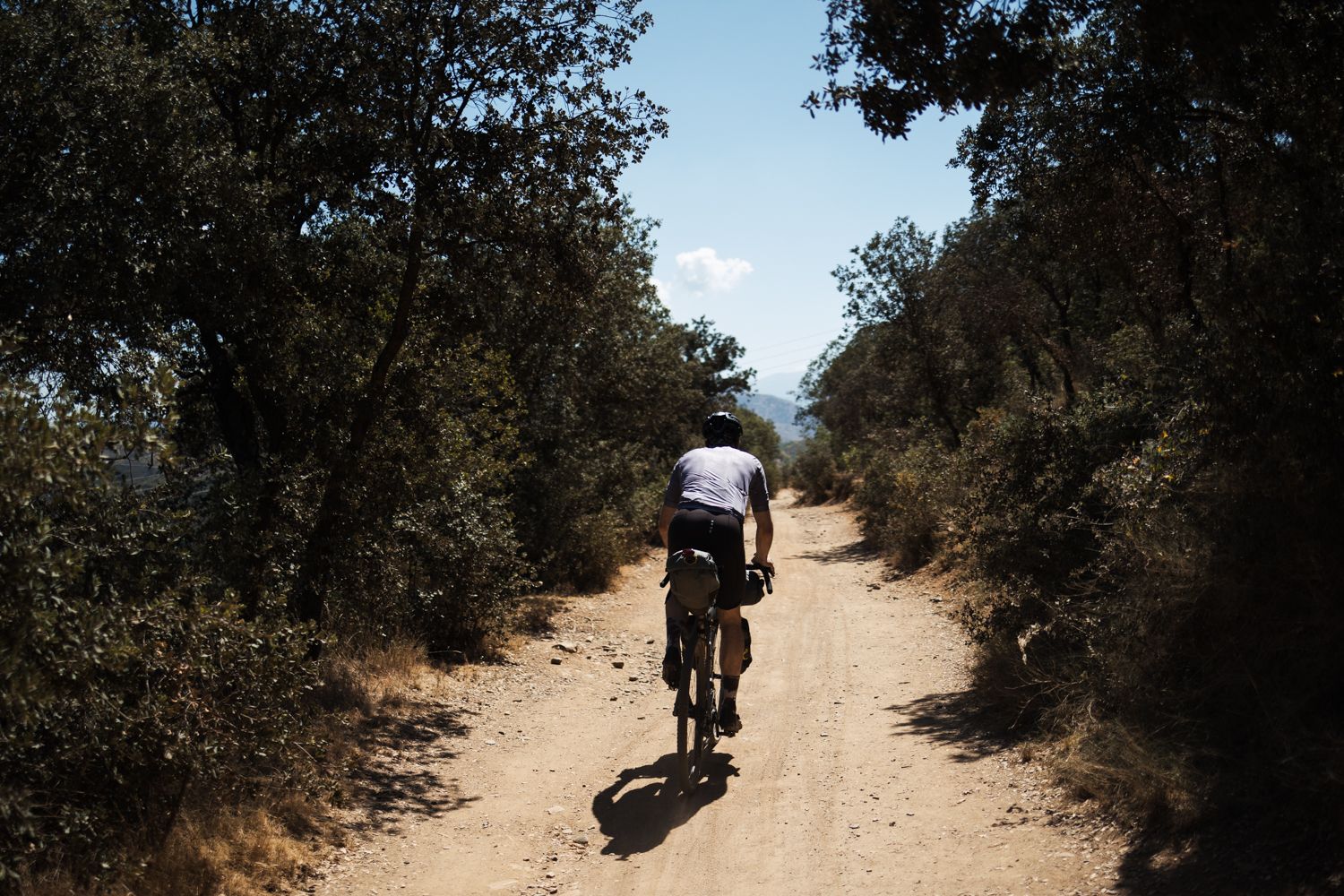
Mozarabic Way to Santiago – Gravel between two worlds
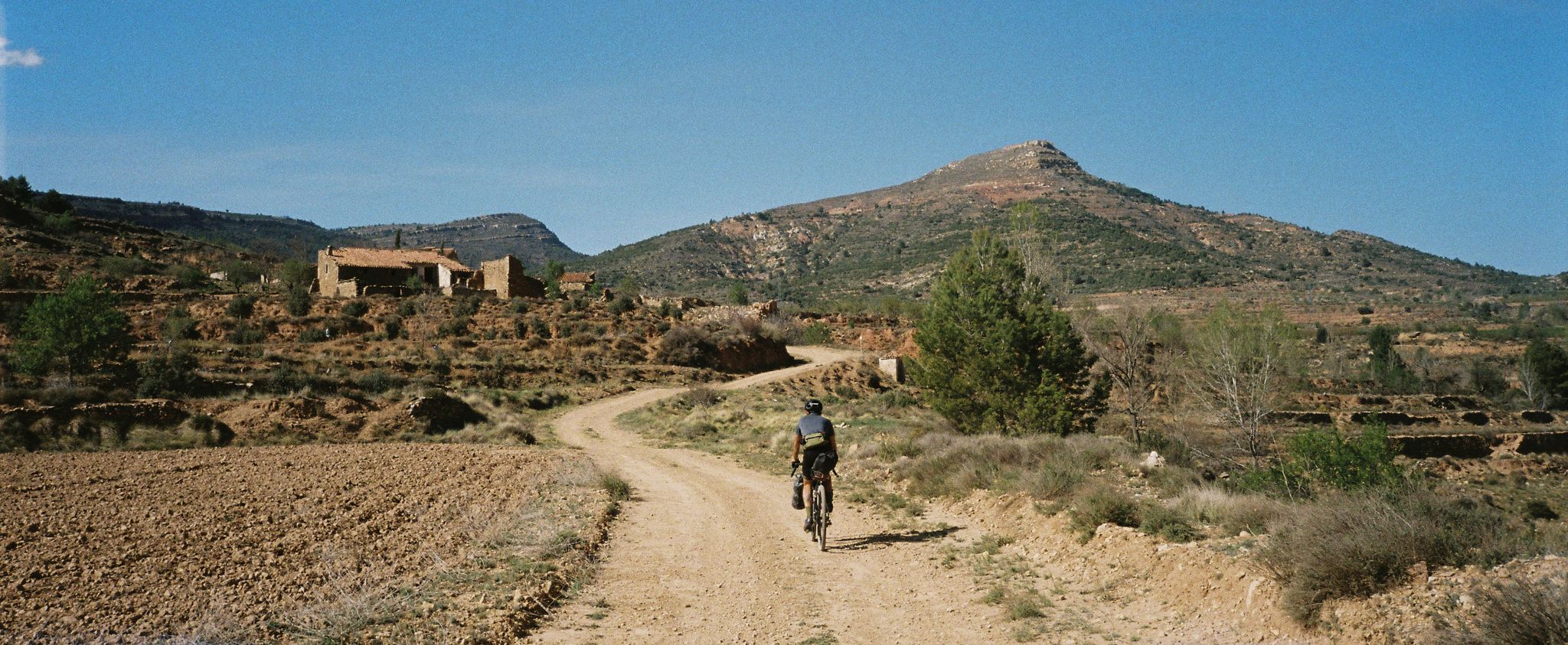
Path of the Tasters - Bikepacking in the Valencian ranges
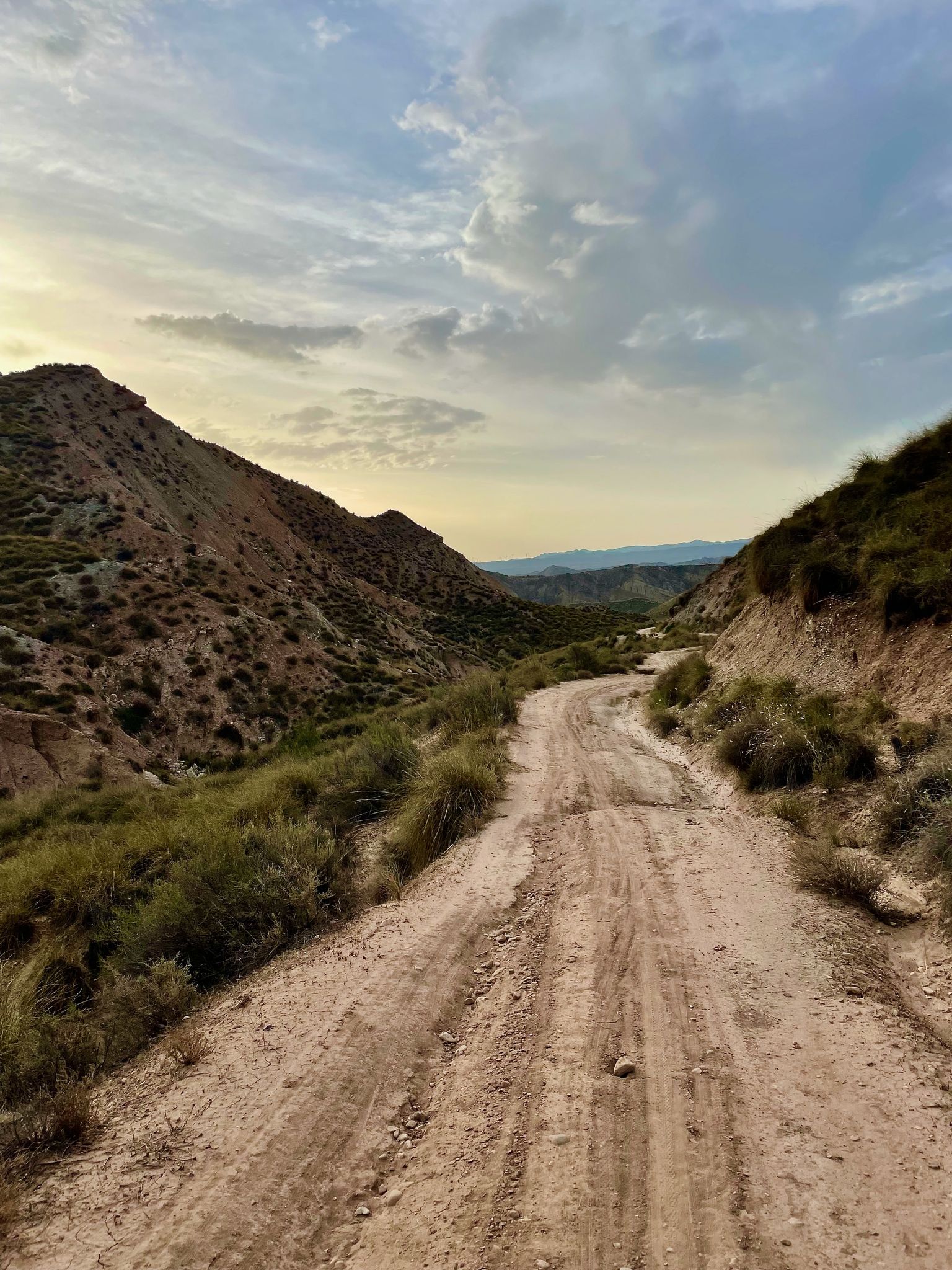
Badlands 2021 — 750km of gravel in the Spanish deserts
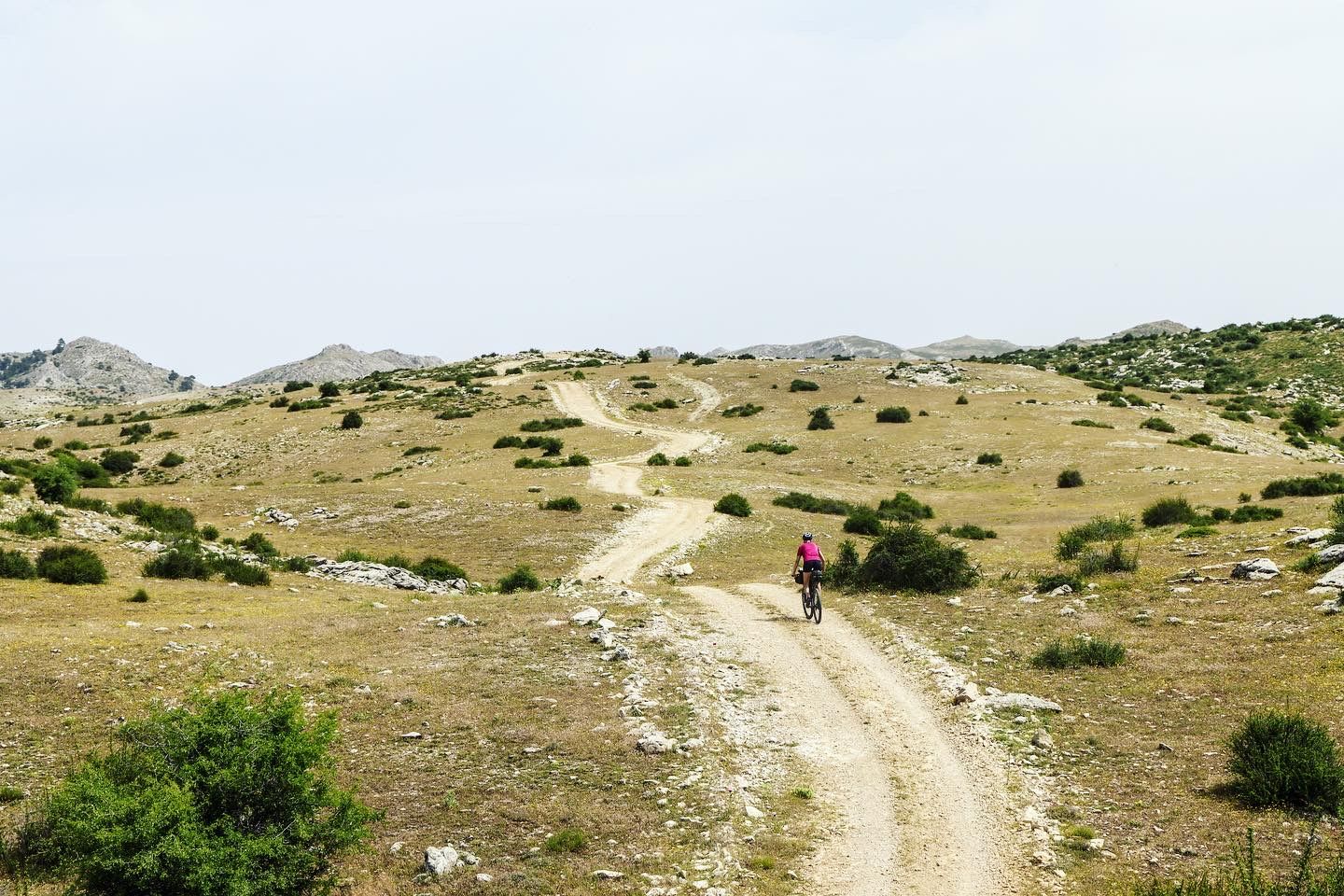
Bikepacking the mountains and deserts of Andalucía
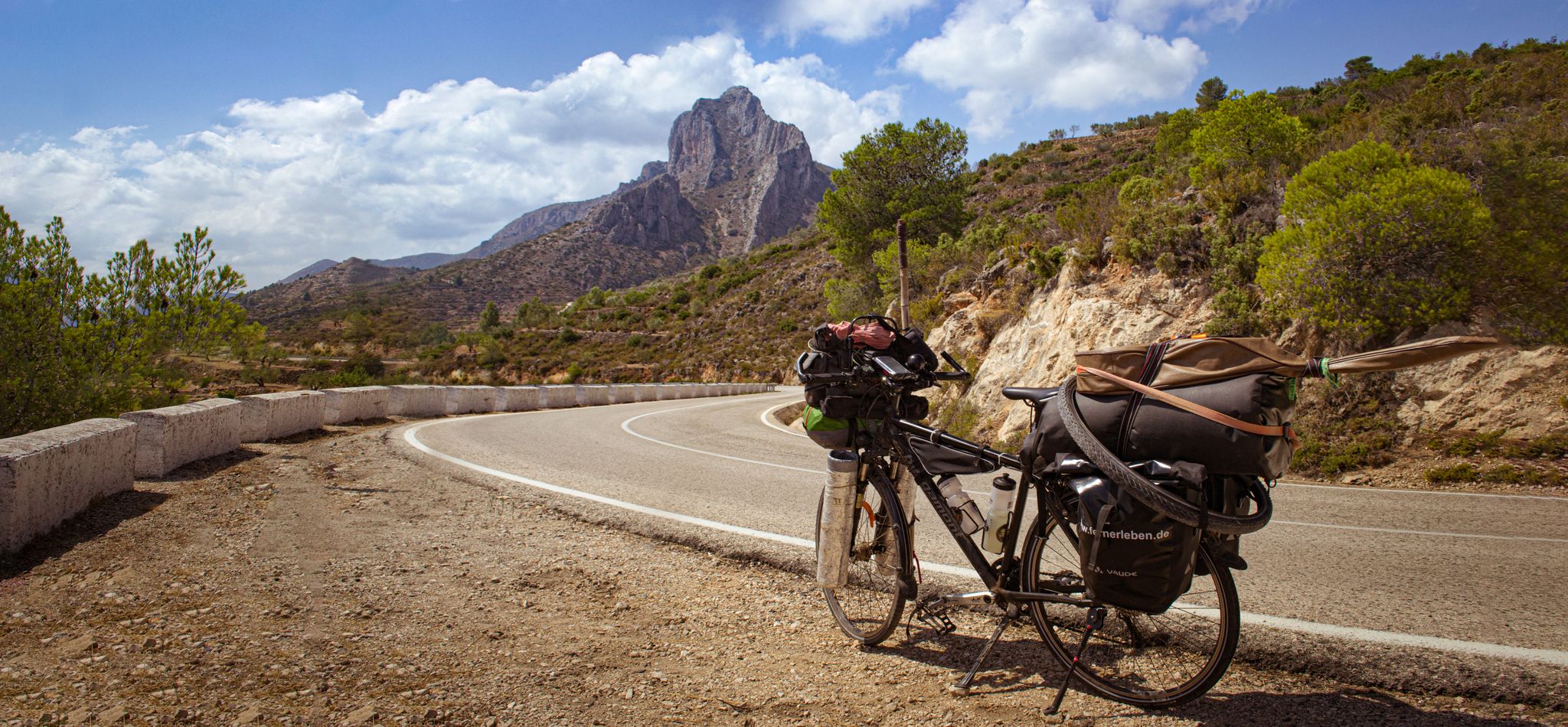
On the road to the sun — bikepacking to southeast Spain
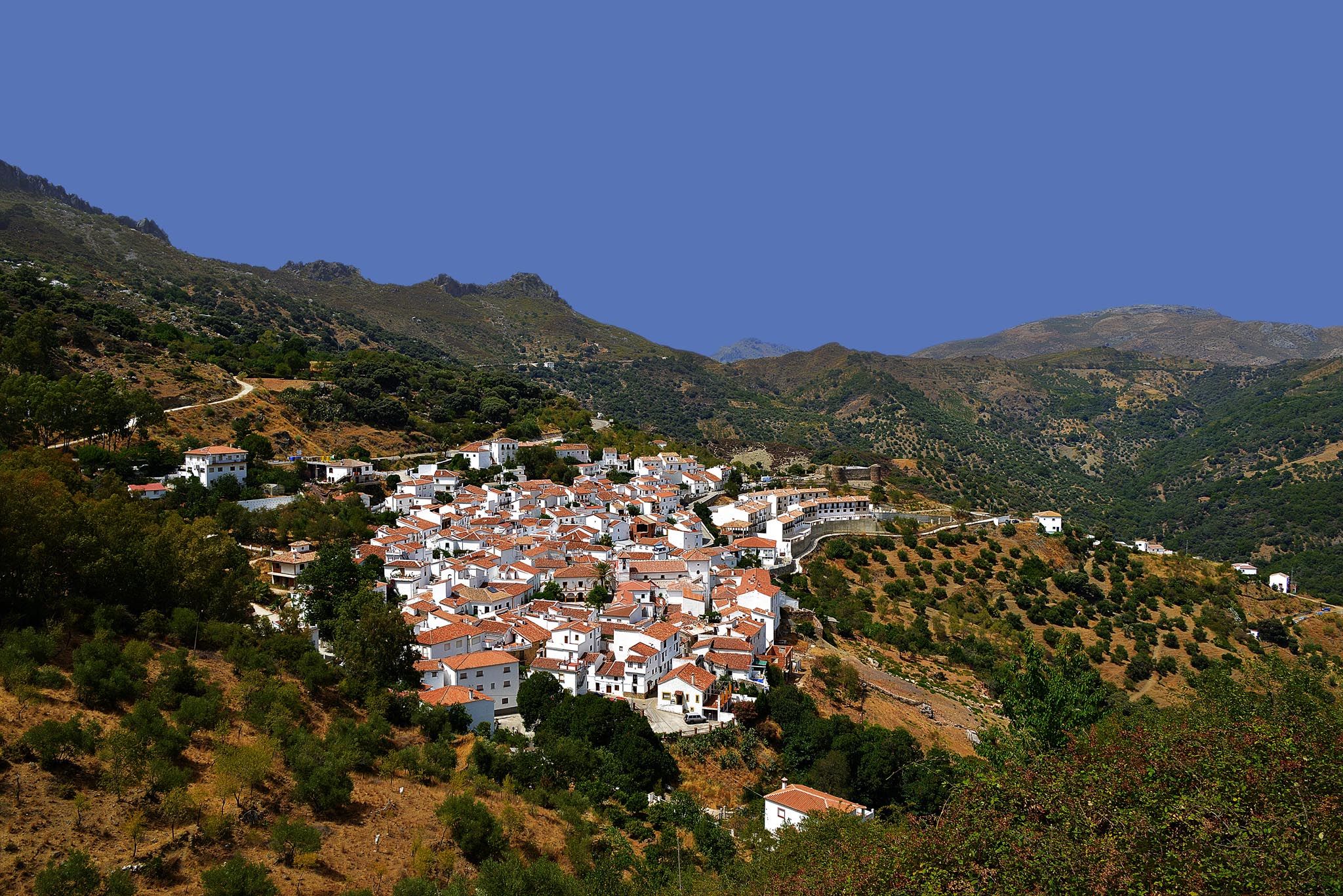
Windows to the past – White Towns of Andalusia
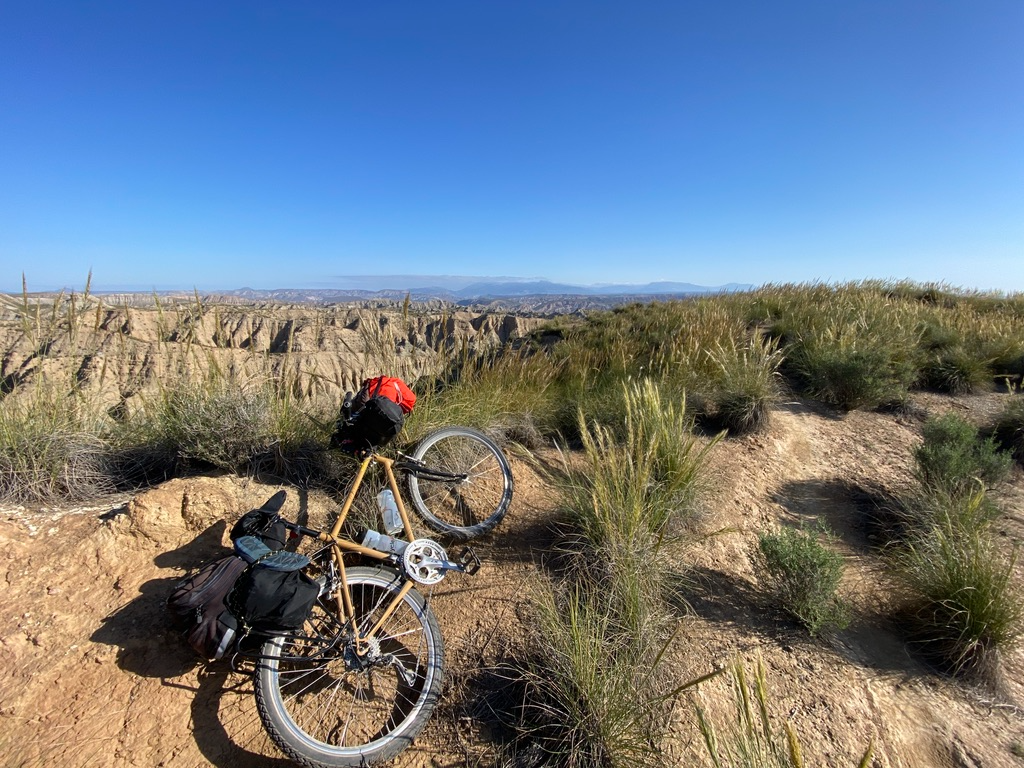
Mountain, Desert and Sea — Andalusian Trilogy
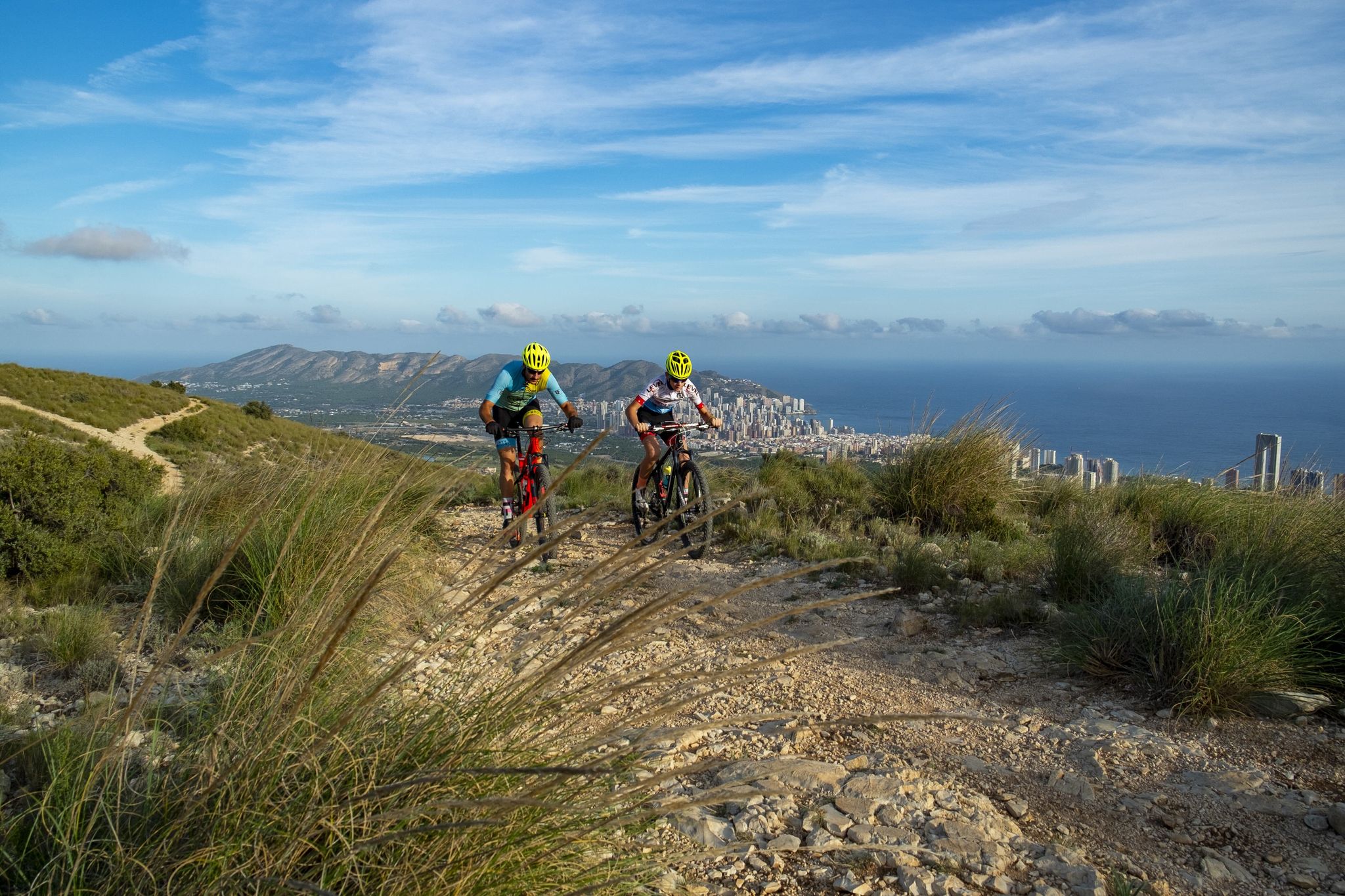
Costa Blanca on a gravel bike – the finest loops
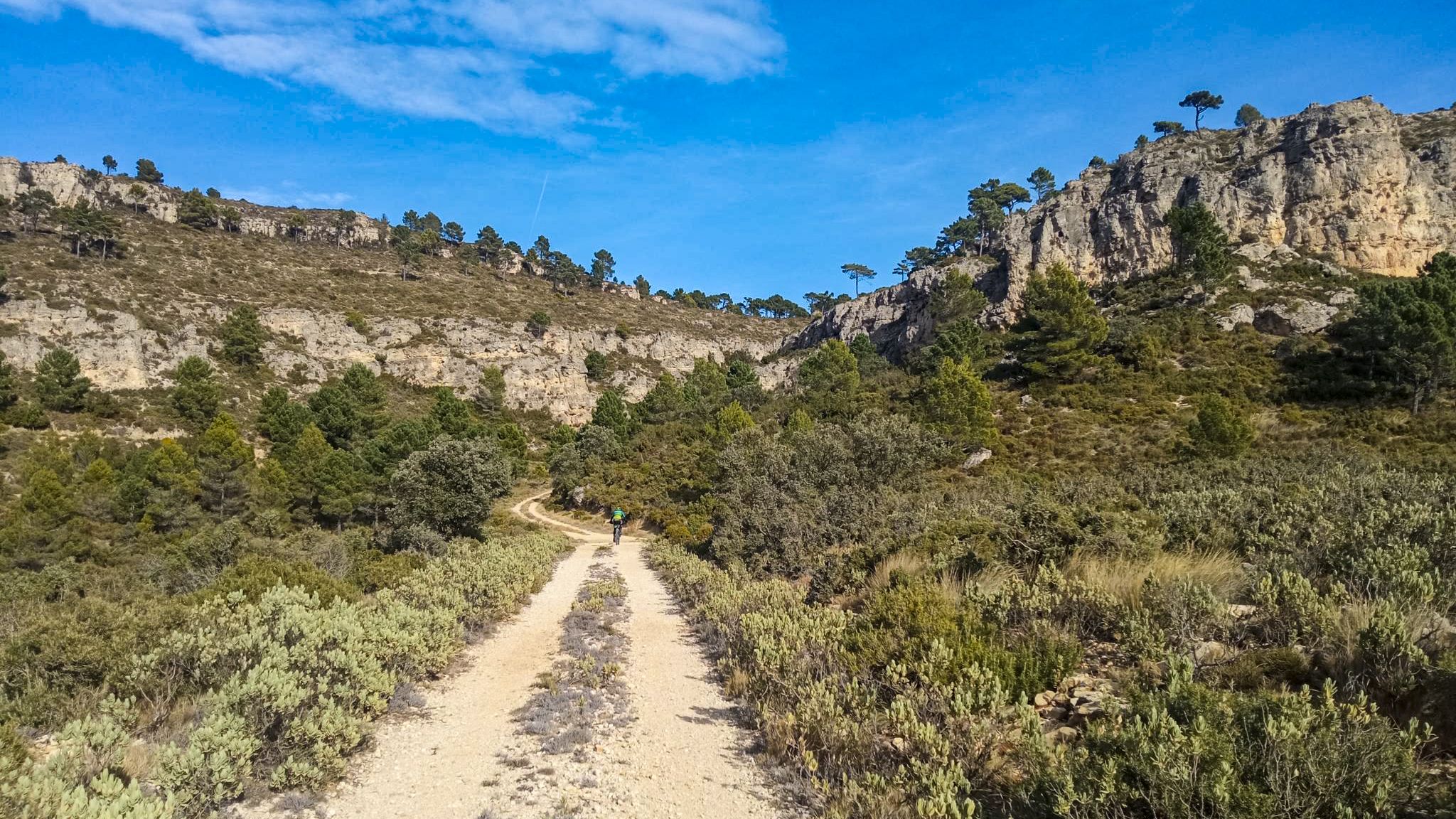
10 gravel routes to discover hidden gems in Spain
Other adventures in the Baetic System Mountains


Tips from the Community

Impressive views. It must be done by bike but be careful with people walking.
0
0


The medieval tower of Alcalalí stands in the Plaça de l'Ajuntament and was for a long time the tallest building in the city, until a church was built in front of it in the 18th century. Even today, they remain the two tallest buildings in Alcalalí, and no modern construction has detracted from the charm and essence of the historic center. The medieval tower of Alcalalí was built at the end of the 14th century. At that time, Alcalalí and La Vall de Pop were frequently attacked by pirates and bandits; the tower served as a watch post and a refuge in case of invasion. Later, at the behest of the Ruiz de Lihory family, a palatial residence was built, connected to the tower by a drawbridge. This family ruled Alcalalí until 1837, which is why the building is also known as the Torre y Palacio Señorial de Rois de Liori (Torre and Palace of the Kings of Lihory). Since 1992, the tower has belonged to the Alcalalí city council, which restored it and transformed it into a viewpoint that visitors can climb to enjoy the incredible panorama of the Vall de Pop. The tower's original five-story structure has been preserved, and the first and second floors now house a museum. On the third floor, you can admire engravings and graffiti from the 16th to 18th centuries, offering a glimpse into the customs and traditions of Alcalá's inhabitants during that period.
2
0
Description The Ermita de la Sangre in Murla is a small church located in the heart of the town. Behind its walls lies a long history. The building's history stretches from the Middle Ages to the present day, resulting in various uses and changes to its appearance. The Ermita de la Sangre in Murla was restored in 1979. It is a semi-detached building with a vaulted ceiling and two transverse arches, above which, from the altar, stands the image of Ecce Homo. To one side is the old Chapel of San Francisco de Borja, which has housed the image of the town's patron saint, the Divine Aurora, since 1856. History The Ermita de la Sangre in Murla has a centuries-old history. Although the exact date of its construction is unknown, all indications point to around 1591. The building was formerly the city's old women's hospital, which, like these rooms in the Middle Ages, was converted into a hermitage invoking the Blood of Christ. However, it had been used as a prison long before that. In 1600, the prison was located within the hospital, but the diocese at the time decided to separate them. Documents indicate that the old prison was located where the image of the divine Aurora is currently situated.
2
0

sandwich with the Alkmaar tour club
0
1

The ascent to Puerto del León follows a winding, paved road characterized by a consistently steep gradient, particularly noticeable in the switchbacks. The route leads through the foothills of the Montes de Málaga, past wooded slopes, scattered olive groves, and small fields. Upon reaching the upper sections, a view opens up to the mountainous landscape of the Axarquía region, with its gentle mountain ranges and deep valleys. The road itself snakes through the mountains, with the gradient frequently alternating between moderate and challenging, demanding both stamina and pedaling technique. The route, combined with the altitude, offers an intense experience of nature and riding.
2
0

Frequently Asked Questions
What kind of terrain can I expect when touring cycling in the Baetic System Mountains?
The Baetic System Mountains offer incredibly diverse terrain. You'll find everything from high alpine mountains and pine forests, especially in areas like the Sierra Nevada, to arid steppes and fertile plains. Routes can take you through traditional 'white villages' (Pueblos Blancos), cork oak forests, and even offer spectacular sea views, particularly in ranges like the Sierra de Tejeda, Almijara y Alhama. The geological complexity ensures a varied and engaging cycling experience.
Are there any easy touring cycling routes suitable for beginners or families?
Yes, while the region is known for its challenging routes, there are options for easier rides. For instance, the City tour of Málaga – circular is an easy 29.9 km route. Additionally, the region has converted over 3,200 kilometers of decommissioned railway lines into 'Vías Verdes' (greenways) and 10,300 kilometers of 'Caminos Naturales' (natural trails), which often provide safer and flatter paths suitable for a more relaxed pace. One such route is the Vía Verde del Rincón de la Victoria hasta Torre del Mar – circular, a moderate 43.6 km option.
What are some notable natural features or landmarks I can see along the cycling routes?
The Baetic System Mountains are rich in natural beauty and landmarks. You can encounter dramatic peaks, deep gorges, and expansive natural parks. Specific highlights include the stunning Puente Nuevo (New Bridge) in Ronda, the impressive Los Cahorros Gorge, Monachil with its Hanging Bridge, and the unique Barrancos de Gebas in Sierra Espuña, which resembles a desert landscape. The region also boasts numerous waterfalls, such as the Elche Reservoir and Waterfall.
Are there any circular touring cycling routes in the Baetic System Mountains?
Yes, many routes in the Baetic System Mountains are designed as loops, offering convenient starting and ending points. Examples include the popular Puerto del León Loop from Málaga, the Vía Verde de la Sierra Loop from Olvera, and the scenic Nerja, Frigiliana, and Torrox Loop. For a route that incorporates part of the EuroVelo 8, consider the From Alcazaba of Vélez-Málaga to Balcón de Europa of Nerja – circular via EuroVelo 8.
What is the best time of year to go touring cycling in the Baetic System Mountains?
The Baetic System Mountains are suitable for cycling almost year-round due to their Mediterranean climate. However, spring and autumn offer the most pleasant temperatures and vibrant colors, making them ideal seasons for touring cycling. During these times, you can avoid the intense heat of summer and the cooler, sometimes wetter, conditions of winter, especially at higher elevations.
How many touring cycling routes are available in the Baetic System Mountains?
There are over 6,300 touring cycling routes available in the Baetic System Mountains. This extensive network caters to all levels, from easy family-friendly paths to challenging multi-day bikepacking adventures, ensuring a wide variety of options for every cyclist.
What do other touring cyclists enjoy most about cycling in the Baetic System Mountains?
The area is highly rated by the komoot community, with an average score of 4.5 stars from over 8,900 reviews. Reviewers often praise the dramatic peaks, deep gorges, and extensive natural parks that define the region. Cyclists appreciate the variety of terrain, from challenging mountain ascents to easy coastal rides, and the opportunity to explore charming white villages and enjoy panoramic sea views.
Are there any long-distance touring cycling routes or bikepacking options?
Yes, the Baetic System Mountains are home to ambitious long-distance routes. The Altravesur Route, for example, is a challenging 1,327-kilometer bikepacking route that traverses the Baetic Mountains, crossing Andalusia, Castilla La Mancha, and Valencia. It offers wild high-mountain scenery, welcoming villages, and significant altitude gains for experienced touring cyclists seeking a multi-day adventure.
Can I find routes that offer panoramic views of the Alhambra or the Sierra Nevada?
Absolutely. The region offers several routes with breathtaking views. The Dehesa del Generalife Loop in Granada provides panoramic views of the iconic Alhambra and the majestic Sierra Nevada mountains. Additionally, routes from Málaga, such as the Puerto del León Loop from Málaga, offer panoramic views of the city and the coast after challenging climbs through pine forests.
Are there any routes that pass through unique geological areas like deserts?
Yes, the Baetic System Mountains offer routes that showcase its diverse geological formations. For a unique experience, consider the Gorafe Desert Route. This route takes you through a landscape reminiscent of a desert, characterized by distinctive rock formations and arid steppes, providing a stark contrast to the region's more mountainous and coastal areas.
What kind of cycling infrastructure is available in the Baetic System Mountains?
The region boasts extensive cycling infrastructure. Spain has transformed over 3,200 kilometers of decommissioned railway lines into 'Vías Verdes' (greenways), providing safe and scenic paths. Additionally, there are over 10,300 kilometers of 'Caminos Naturales' (natural trails) along old railways, canals, and historical routes. The EuroVelo 8 route, which stretches from Cádiz to Athens, also passes through this region, offering well-established paths for touring cyclists.
Most popular routes in the Baetic System Mountains
Most popular attractions in the Baetic System Mountains

Get inspired with the komoot mobile app


Explore more
Browse the best Cycling routes in other regions.
