The 20 Most Amazing Peaks in the Sawatch Range
Best mountain peaks in the Sawatch Range include a significant concentration of high-altitude summits in central Colorado. This range features 15 "fourteeners," peaks exceeding 14,000 feet, and eight of the twenty highest in the Rocky Mountains. The mountains offer diverse terrain, from challenging ascents to extensive ridge lines, making them a notable destination for outdoor activities. The Sawatch Range is also part of the Continental Divide, with its eastern side draining into the Arkansas River.
Best mountain peaks in the Sawatch Range
- The most popular mountain peaks is Summit of Mount Elbert, a summit that is the highest peak in Colorado at 14,440 feet. It is known for its well-maintained hiking trails and 360-degree views of the surrounding ranges.
- Another must-see spot is Mount Yale, a summit that is 14,200 feet tall and part of the Collegiate Peaks. It is considered a popular non-technical fourteener, offering a challenging yet fulfilling experience for hikers.
- Visitors also love Mount Belford, a summit that stands at 14,203 feet and is one of three 14ers accessible from the Missouri Gulch Trailhead. It is known for its steep switchbacks on the northwest slopes and offers views of nearby high peaks.
- Sawatch Range is known for its numerous fourteeners, high-altitude summits, and mountain passes. The region offers a variety of mountain peaks to see and explore, from prominent summits to challenging trails connecting them.
- The mountain peaks in the Sawatch Range are appreciated by the komoot community, with more than 10 upvotes and 15 photos shared across its highlights.
Last updated: July 1, 2026
Summit of Mount Elbert
Highlight • Summit
Tip by

Hope Pass
Highlight • Mountain Pass
Tip by
Sign up now to discover places like this
Get recommendations on the best single tracks, peaks, & plenty of other exciting outdoor places.
Sign up for free
Mount Belford
Highlight • Summit
Tip by
Huron Peak
Highlight • Summit
Huron Peak is accessed via North Huron Trail off of Forest Service Road 390. There is parking both at the back of Winfield or you can park at the base of North Huron Trail (only if you have a high clearance vehicle).
Tip by
Mount Princeton Summit
Highlight • Summit
Tip by
Missouri Mountain
Highlight • Summit
Tip by
Mount Massive
Highlight • Summit
Tip by
Mount Harvard
Highlight • Summit
Tip by
Harvard and Columbia Traverse
Highlight (Segment) • Trail
Tip by
Mount Columbia switchbacks
Highlight (Segment) • Trail
Tip by
Sign up for free to discover even more peaks in the Sawatch Range.
Sign up for free
Already have an account?
Start today with a free account
Your next adventure awaits.
Login or Signup
Popular around Sawatch Range
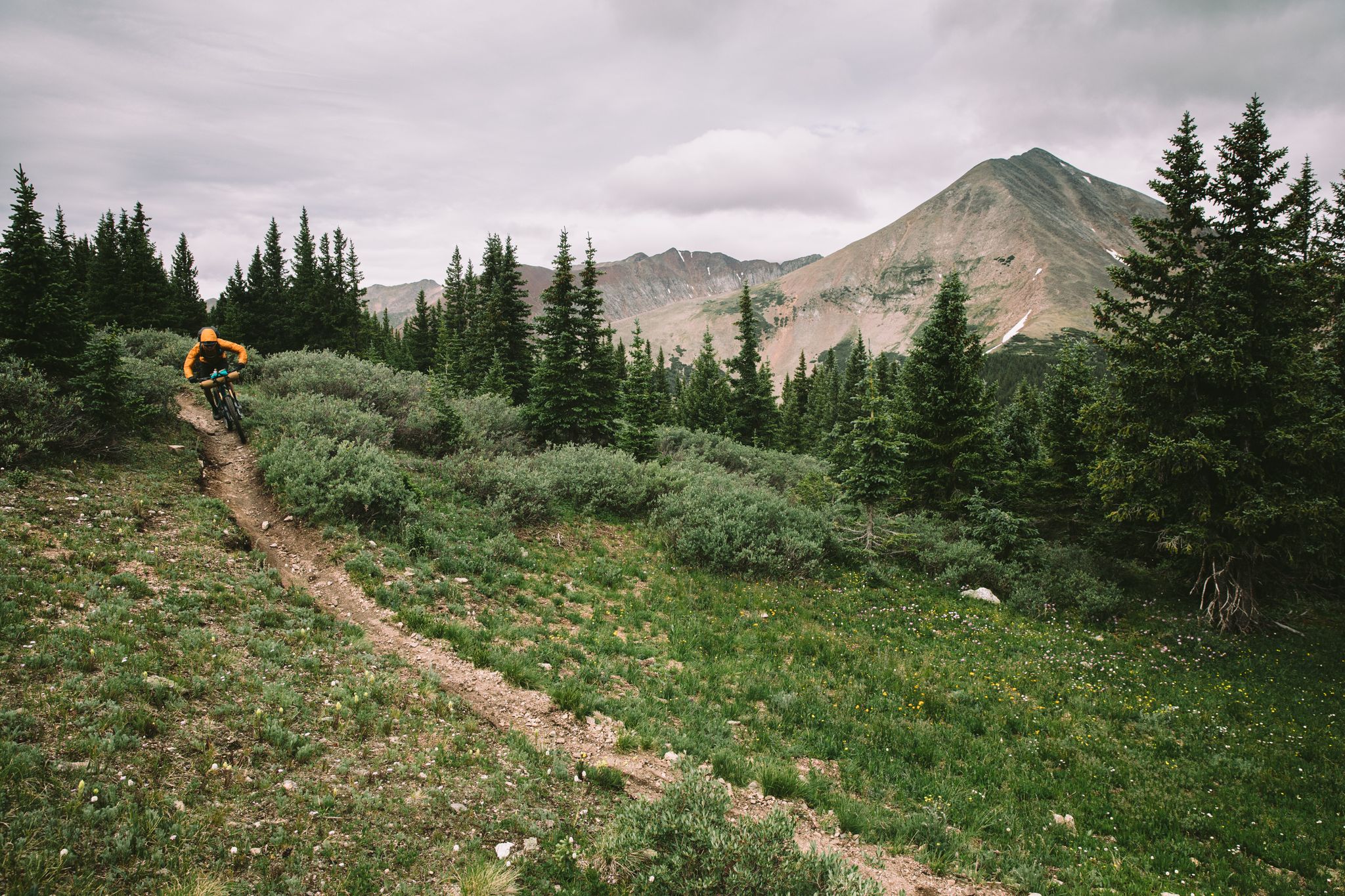
The Colorado Trail — Ten incredible days in the Rocky Mountains
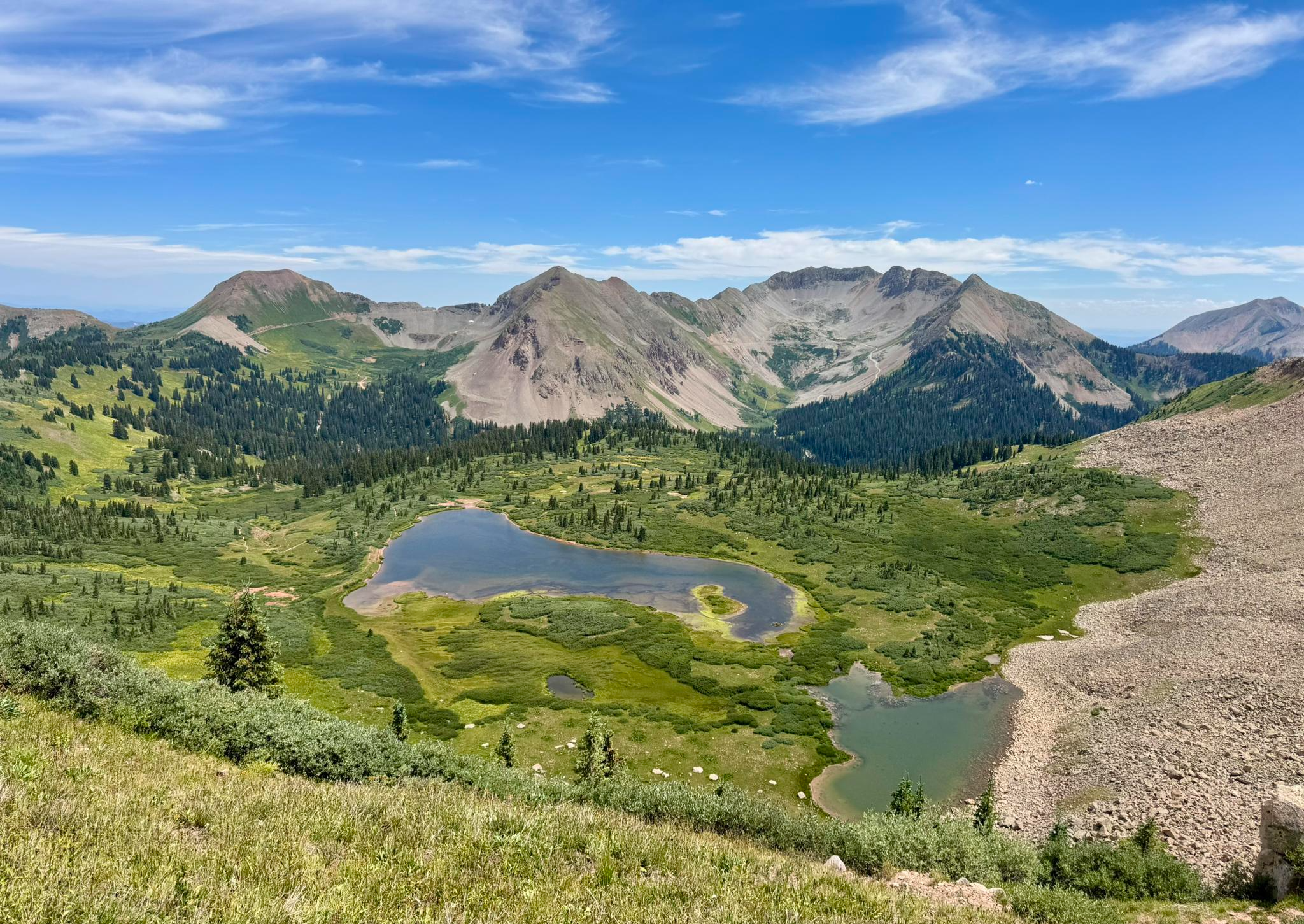
Colorado Trail — The pinnacle of wild Colorado
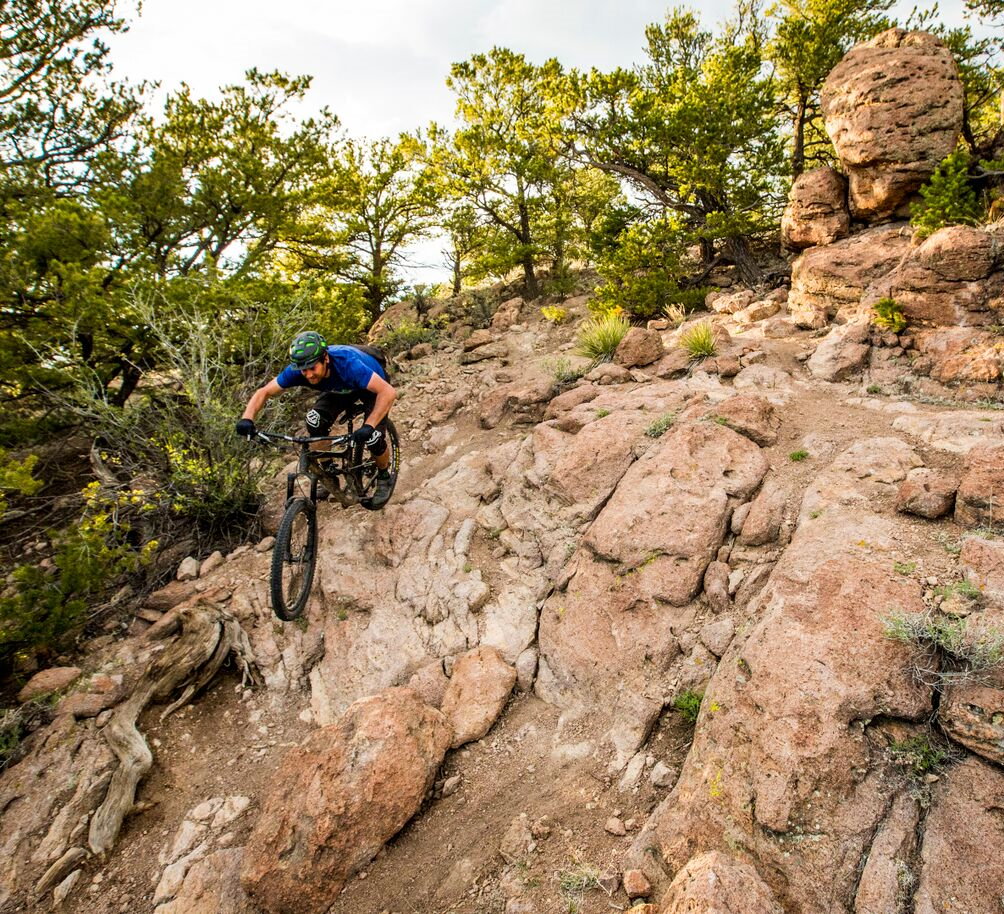
Mountain bike paradise around Salida in Colorado
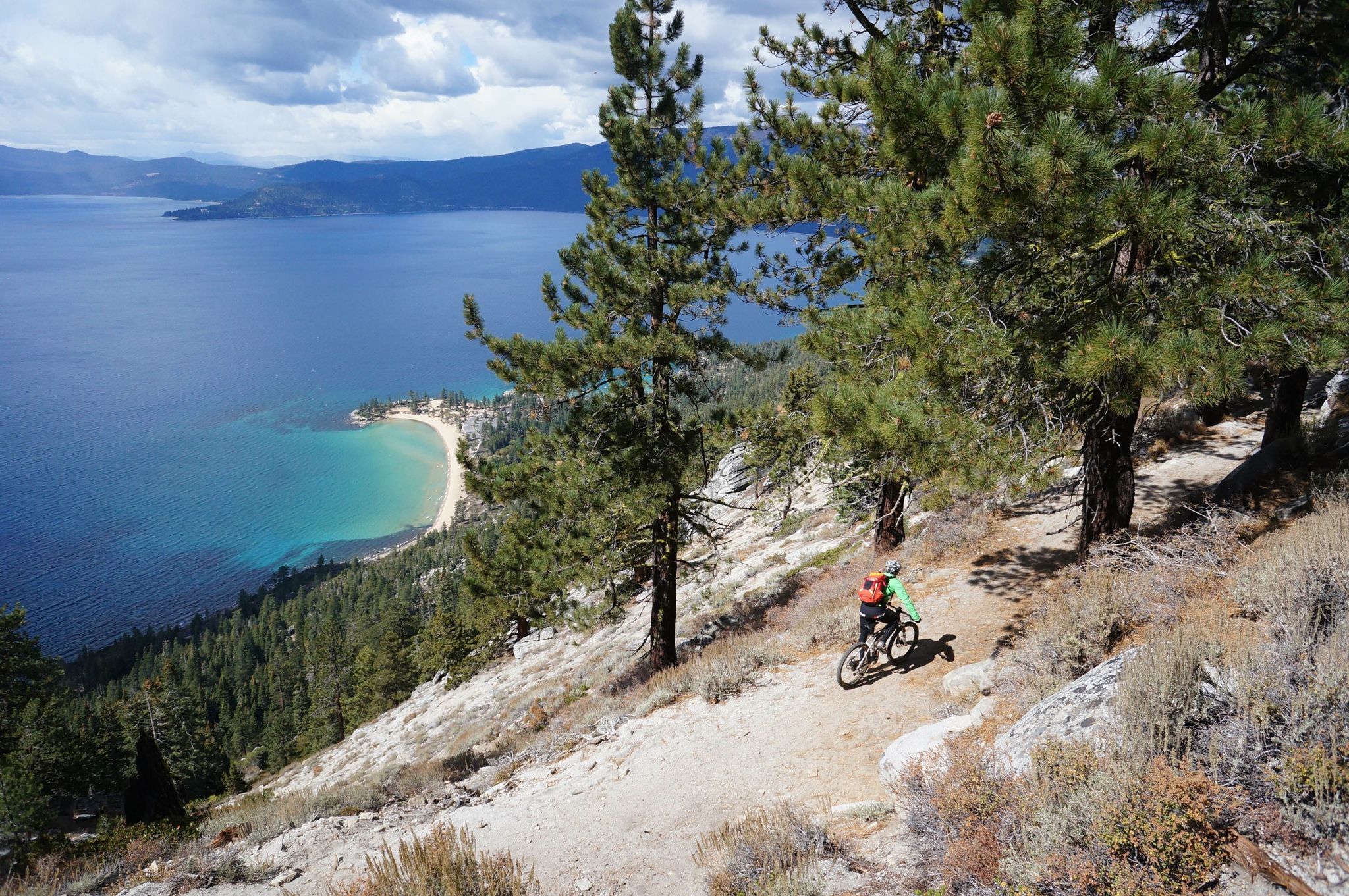
Unforgettable MTB Adventures – IMBA Epic Trails in USA and Canada
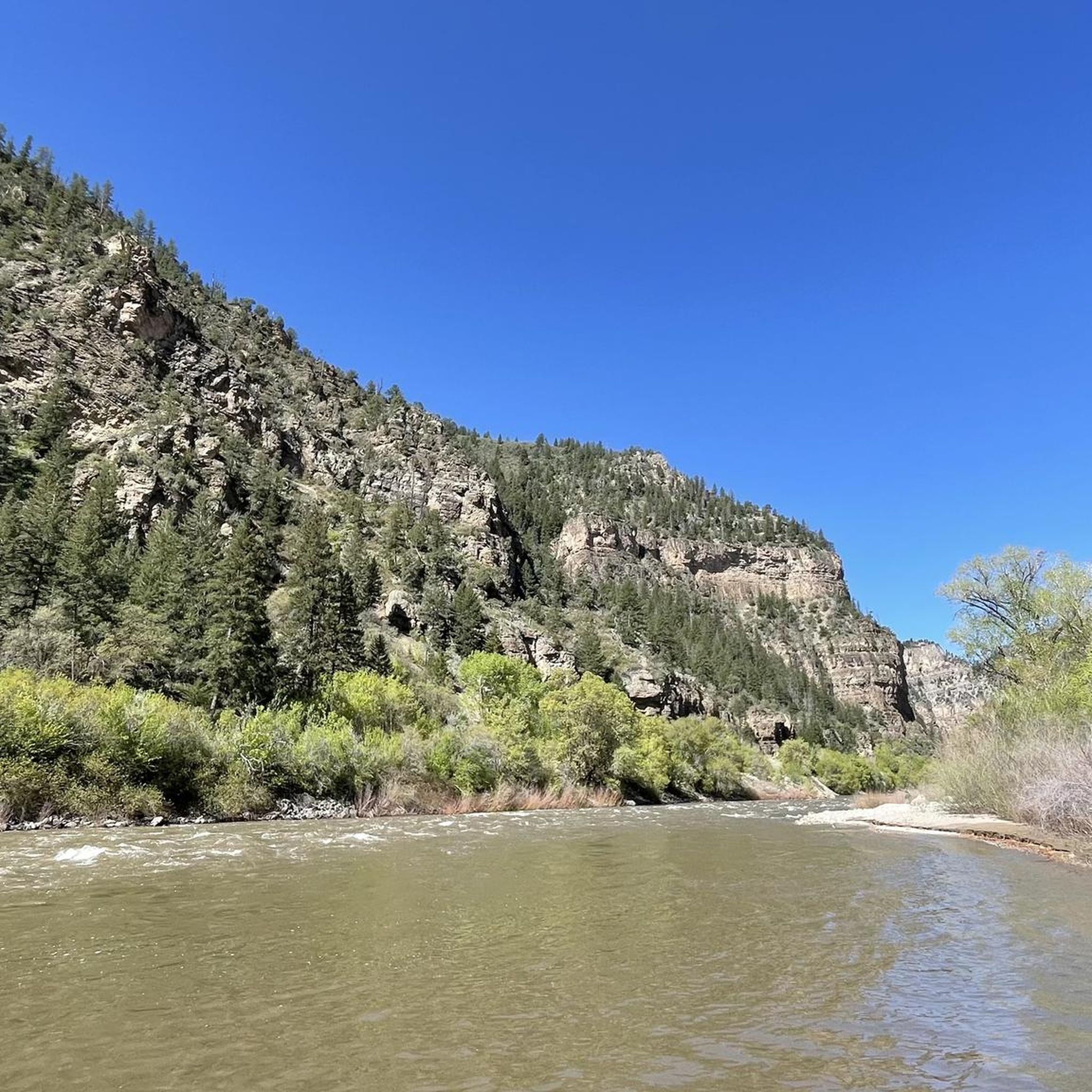
Hiking in the Sawatch Range
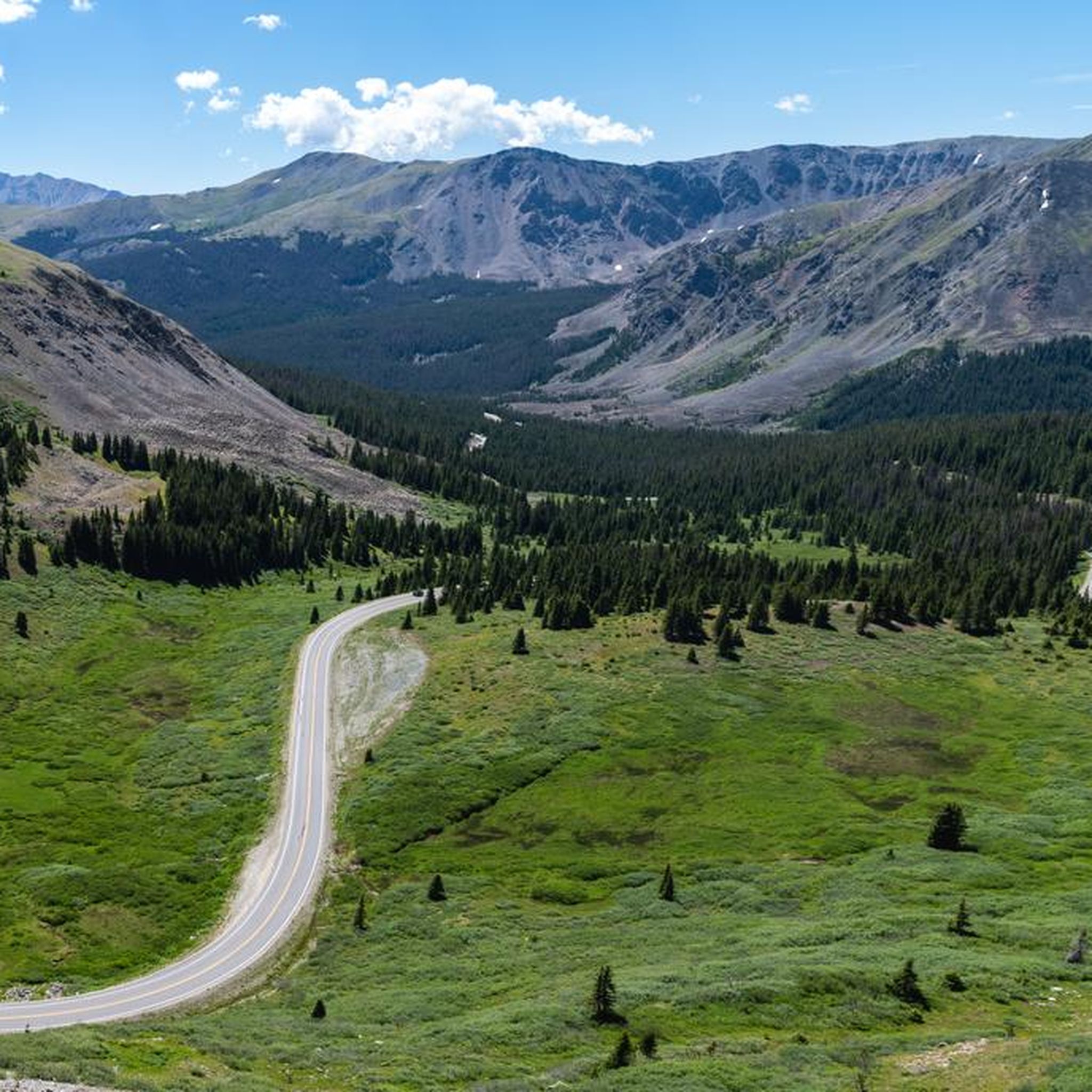
Road Cycling Routes in the Sawatch Range
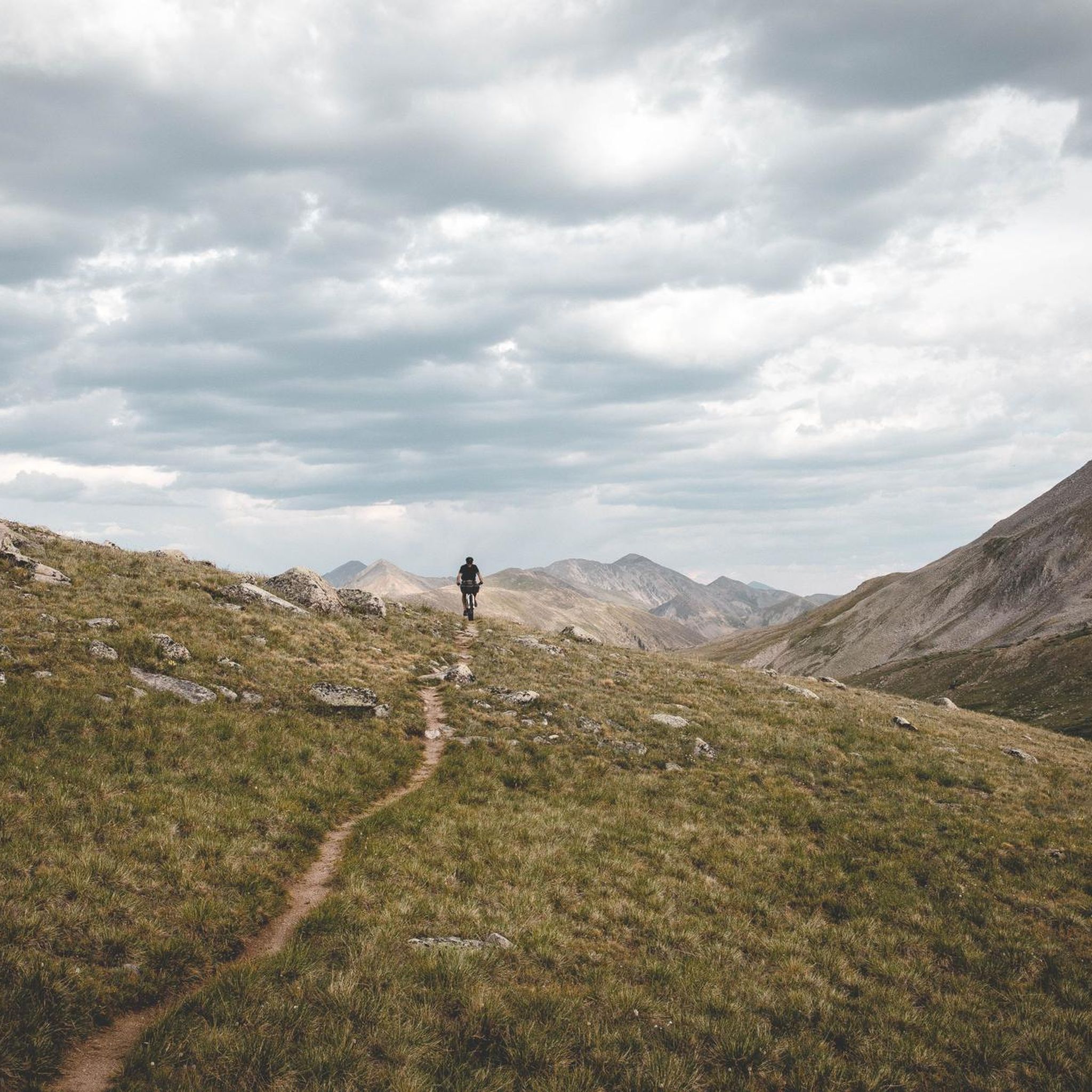
MTB Trails in the Sawatch Range
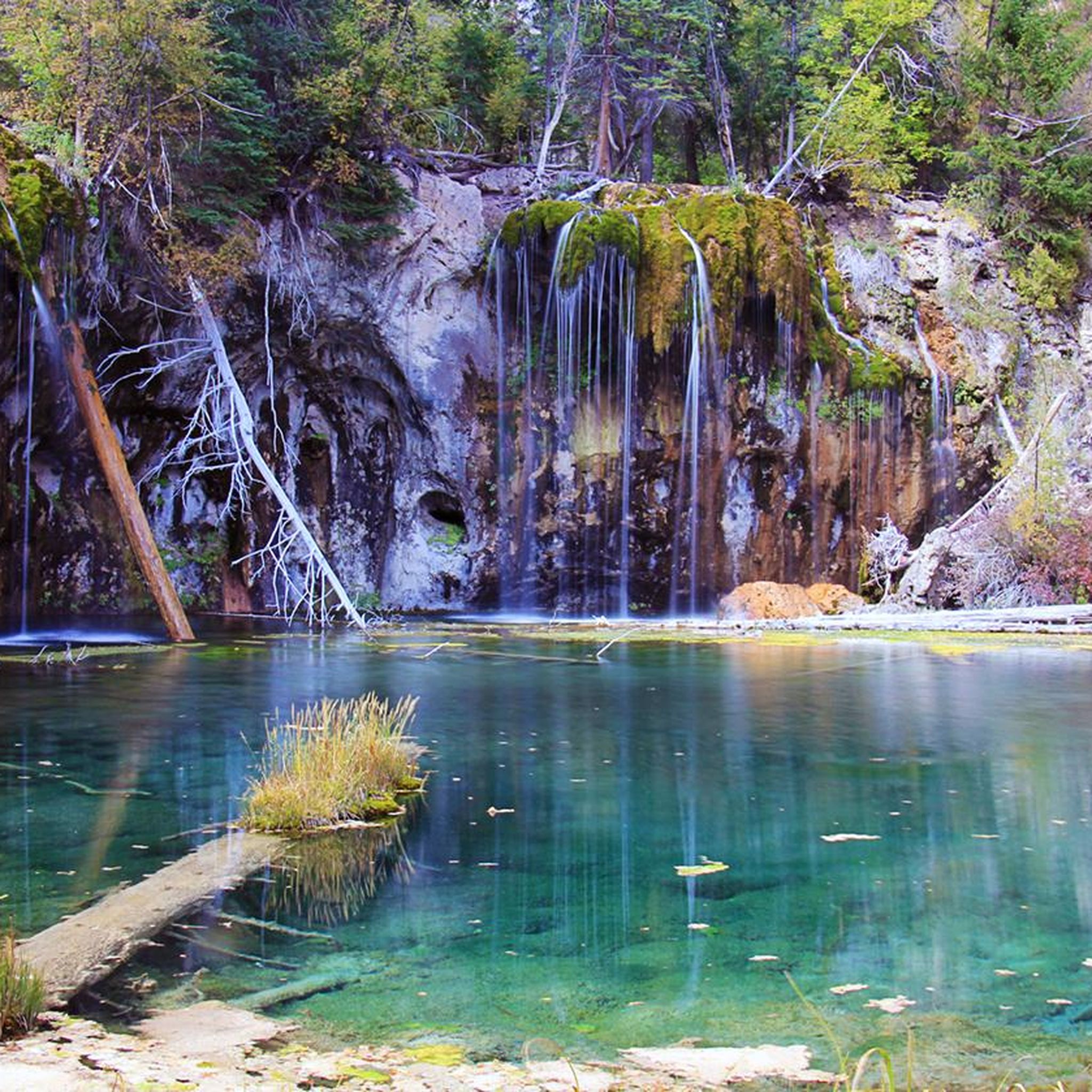
Running Trails in the Sawatch Range
Cycling in the Sawatch Range
Gravel biking in the Sawatch Range
Other adventures in the Sawatch Range


Tips from the Community

I saw an advertisement in a regional magazine from Ternitz and wanted to see if the technology was stable. I was frustrated after a series of bad card games and actually wanted to quit the whole thing. But Hot Chilli Bells https://hotchilli-bells.pro/ offered me a fresh start on the slot machines. I achieved a win that immediately lifted my mood and covered my old losses. I am very satisfied with the result today.
0
0

To be honest, it's a bit disappointing that they haven't managed to install a decent summit cross or other special marker on Colorado's highest mountain. Arizona, Texas, and New Mexico are much better at that on their highest mountains.
0
0

The switchbacks on the southwest ridge of Mount Columbia are steep, rocky, and sandy. Going up usually isn't an issue besides being steep and tiring, but his can be a quad busting decent. Trekking poles can be helpful on these unrelenting steeps. On a positive side, the switchbacks near the bottom of the mountain are not nearly as steep, and there are wide open views of Bear Lake and Mount Harvard nearly the entire climb.
0
0
At 14,428 feet, Mount Massive is the second highest peak in Colorado. It is a popular summit due to having multiple routes and mainly only requiring class 1 and class 2 moves to reach the top. Like all 14ers, the weather can change fast, and it's best to try to get below treeline as early in the day as possible during the spring and summer months. The ridge and summit involve some fun rock hopping, but the lower trails offer great running through meadow and basin trails.
0
0
Mount Princeton is an often underrated 14er in terms of difficulty. At 14,196 feet, Mount Princeton is located in the heart of the Sawatch Range and is one of the rockiest peaks in the range. The final two miles up to the peak heavily consists of talus hopping and steep scree hiking. There is not much exposure, but making progress on this peak is tedious. The views from the top are great, like any other Colorado 14er. Don't plan to make up a lot of time on the initial downhill from the peak (or along the ridge until you hit the road). The talus and scree move underfoot a bit, and it's easy to fall through some of the cracks.
0
0
The Harvard and Columbia Traverse is one of the famous American 14er link-ups linking the peaks Mount Harvard (14,421 feet) and Mount Columbia (14,079 feet). The ridge is mostly class 2 and class 3 maneuvering and is more or less completely off-trail. This should only be attempted if you have backcountry travel and good route finding skills. There really isn't any "running" during this traverse (besides the upper portion of the grassy ridge of Harvard). Make sure to not stay on the ridge proper at the saddle, as this gets into class 5+ territory.
0
0
Mount Harvard is the highest mountain in all the Collegiate Peaks at 14,421 feet. Its steep, rocky slopes are similar to that of many Sawatch 14ers, but the high alpine pools and vegetation make it one of the greener high summits. This mountain can be easily paired with the nearby 14er Mount Columbia, but this is a long, tedious traverse. Don't plan to be running a lot after 13,000 feet. With that being said, the lower elevation miles in the basin are great for running when they aren't covered in snow.
0
0
At 14,203 feet tall, Mount Belford is one of three 14ers attainable from the Missouri Gulch Trailhead. The mountain is infamous for its steep switchbacks traveling up it's northwest slopes. It is the 19th highest peak in Colorado, and the views from the top are special, sharing the high elevation with many nearby high peaks. It's easy for this "run" to turn into a slow walk as you come up the switchbacks, but it's almost impossible not to run down the mountain with how steep the trail gets.
0
0
Frequently Asked Questions
What are some of the most prominent mountain peaks in the Sawatch Range?
The Sawatch Range is home to many notable peaks, including eight of the twenty highest in the Rocky Mountains. Among them are Mount Elbert, the highest peak in the Rockies, and Mount Massive, the second highest in Colorado. Other significant peaks include La Plata Peak and several Collegiate Peaks like Mount Harvard, Mount Yale, and Mount Princeton.
What kind of hiking experiences can I expect on the Sawatch Range peaks?
The Sawatch Range offers a diverse range of hiking experiences. Many peaks, such as Mount Elbert, feature well-maintained trails with relatively non-technical Class 1 routes, making them accessible for challenging yet rewarding ascents. Others, like Mount Massive and Mount Yale, offer Class 2 routes that are popular for those seeking a fulfilling experience without specialized equipment. More rugged options, such as La Plata Peak's Ellingwood Ridge, provide technical Class 3 routes for experienced climbers.
Are there any family-friendly or dog-friendly trails in the Sawatch Range?
While many trails in the Sawatch Range are challenging due to elevation gain, some peaks offer more moderate options. Missouri Mountain, for example, is considered a relatively moderate 14er hike suitable for those with some experience, and it is also dog-friendly in most seasons. Always check specific trail conditions and regulations before heading out with family or pets.
What natural features and viewpoints can I discover in the Sawatch Range?
The Sawatch Range is rich in natural beauty. From the summit of Mount Elbert, you can enjoy 360-degree views of surrounding mountain ranges, lakes, forests, and rivers. Mount Harvard boasts stunning alpine scenery, wildflower meadows, and alpine lakes. Hope Pass, at 12,600 feet, offers true Rocky Mountain vistas, often snow-covered until late July. Missouri Mountain provides panoramic views and features crystal clear lakes at its base and numerous streams.
What is the best time of year to hike the peaks in the Sawatch Range?
The best time to hike the peaks in the Sawatch Range is generally during the late spring, summer, and early fall months. During spring and summer, it's advisable to start early in the day to get below the treeline before afternoon thunderstorms, as weather can change rapidly. Some high-altitude passes, like Hope Pass, can remain snow-covered until late July.
Are there any historical sites or unique cultural aspects related to the Sawatch Range peaks?
Yes, the Sawatch Range has historical significance. La Plata Peak, meaning 'silver' in Spanish, was named for the silver deposits found in the area, with nearby ghost towns like Winfield and Hamilton offering a glimpse into its mining history. The Collegiate Peaks, such as Mount Harvard and Mount Yale, were named after prestigious universities, with Mount Harvard being named by a Harvard Mining School class in 1869.
What outdoor activities, besides peak bagging, can I do near the Sawatch Range mountain peaks?
Beyond summiting peaks, the Sawatch Range offers a variety of outdoor activities. You can explore numerous routes for gravel biking, cycling, and running. For instance, there are challenging gravel biking routes like the Red Sandstone/Muddy Pass Road loop, and scenic cycling routes such as the Gore Valley Trail. Runners can tackle demanding trails like the North Mount Elbert Trail or the Mount Yale Trail. You can find more details on these activities in the Gravel biking in the Sawatch Range, Cycling in the Sawatch Range, and Running Trails in the Sawatch Range guides.
Which Sawatch Range peaks are considered good for beginners looking to climb a 'fourteener'?
For beginners looking to tackle a 'fourteener' (a peak over 14,000 feet), Mount Elbert is often recommended due to its well-maintained trails and Class 1 routes, despite substantial elevation gain. Mount Yale is also considered a popular 'non-technical fourteener' and a good training mountain. Missouri Mountain is another relatively moderate option for those starting their 14er journey.
What are the most challenging multi-day hiking options in the Sawatch Range?
For experienced hikers seeking a challenge, the Sawatch Range offers multi-day options. The 'Tour de Massive' on Mount Massive is a 9-mile loop hitting five different summits, providing an extensive ridge experience. Traversing between peaks like Mount Harvard and Mount Columbia is another challenging option recommended for experienced hikers. Backpacking and dispersed camping are available in many areas, allowing for multi-day adventures.
What do visitors enjoy most about the Sawatch Range mountain peaks?
Visitors to the Sawatch Range particularly enjoy the sense of accomplishment from summiting Colorado's highest peaks, the breathtaking 360-degree views, and the diverse natural beauty. Many appreciate the well-maintained trails on popular peaks like Mount Elbert, and the challenging yet fulfilling experiences offered by peaks like Mount Yale. The region's numerous fourteeners and stunning landscapes make it a highly sought-after destination for outdoor enthusiasts.
Are there any unique amenities or attractions near the Sawatch Range peaks?
While the focus is on the natural environment, Mount Princeton Hot Springs Resort is located at the base of Mount Princeton. This resort offers natural hot springs pools, lodging, dining, and various outdoor activities like kayaking, rafting, and horseback riding, providing a unique amenity in the vicinity of the peaks.
What is the typical terrain and difficulty level for climbing a 14er in the Sawatch Range?
The terrain and difficulty for 14ers in the Sawatch Range vary. Many popular routes, such as those on Mount Elbert, are considered Class 1, meaning they are well-maintained trails without technical climbing, though they involve significant elevation gain. Peaks like Mount Massive and Mount Yale typically feature Class 2 routes, which may include scree, boulder fields, and some scrambling. More technical routes, like La Plata Peak's Ellingwood Ridge, are Class 3 with jagged rock pinnacles.
Most popular routes in the Sawatch Range
Most popular attractions in the Sawatch Range

Get inspired with the komoot mobile app


Explore more
See even more amazing summits in the Sawatch Range with these guides:
