Top 20 Gorges in the Kaibab Plateau
Best canyons in the Kaibab Plateau are part of a high-elevation region in northern Arizona, featuring a forested landscape with diverse tree species. This area is home to several canyons, many of which are integrated into the Grand Canyon system. The terrain includes deeply incised gorges, slickrock benches, and sheer-walled formations. These natural features offer varied experiences for exploration.
Best canyons in the Kaibab Plateau
- The most popular canyons is Mohave Point, a viewpoint that offers views of the…
Last updated: June 28, 2026
Mohave Point
Highlight • Viewpoint
Tip by

Bright Angel Point
Highlight • Viewpoint
Tip by
Sign up now to discover places like this
Get recommendations on the best single tracks, peaks, & plenty of other exciting outdoor places.
Sign up for free
Pima Point
Highlight • Viewpoint
Tip by
Cottonwood Campground
Highlight • Rest Area
Tip by
Maricopa Point and Orphan Mine
Highlight • Viewpoint
Tip by
The Tipoff
Highlight • Viewpoint
Tip by
The Box
Highlight • Gorge
Tip by
Ribbon Falls View
Highlight • Waterfall
Tip by
Mohave Point — View of the Grand Canyon
Highlight • Viewpoint
Tip by

Fence Point
Highlight • Viewpoint
Tip by
Sign up for free to discover even more gorges in the Kaibab Plateau.
Sign up for free
Already have an account?
Start today with a free account
Your next adventure awaits.
Login or Signup
Popular around Kaibab Plateau
Arizona Trail — A beautiful 800-mile struggle
The Arizona Trail — From Mexico to Utah in 43 days
Rim-to-Rim-to-Rim – top to bottom through the Grand Canyon
Rim-to-Rim-to-Rim — Fastpacking into the Grand Canyon’s heart
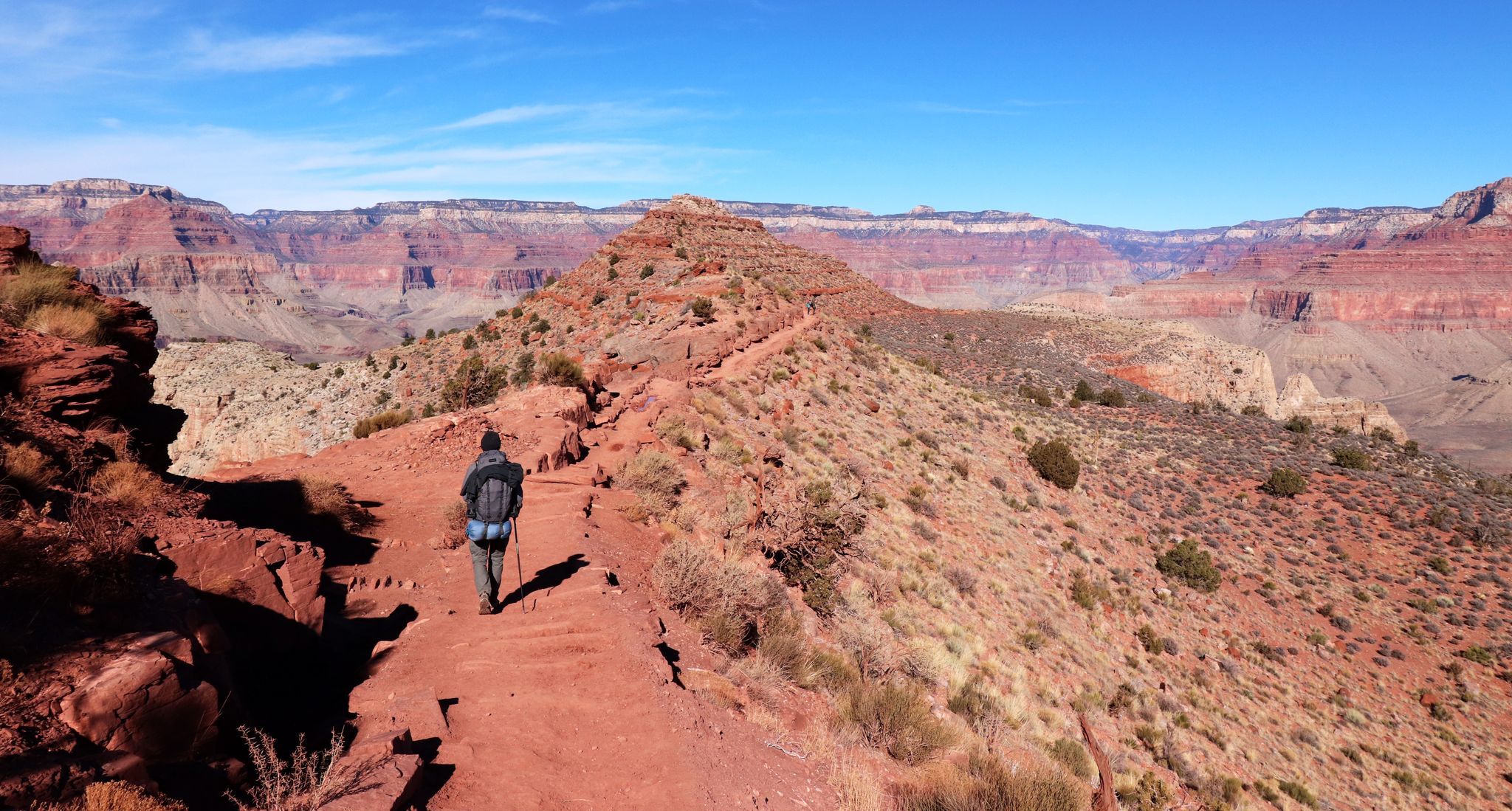
An unforgettable winter hike through the Grand Canyon
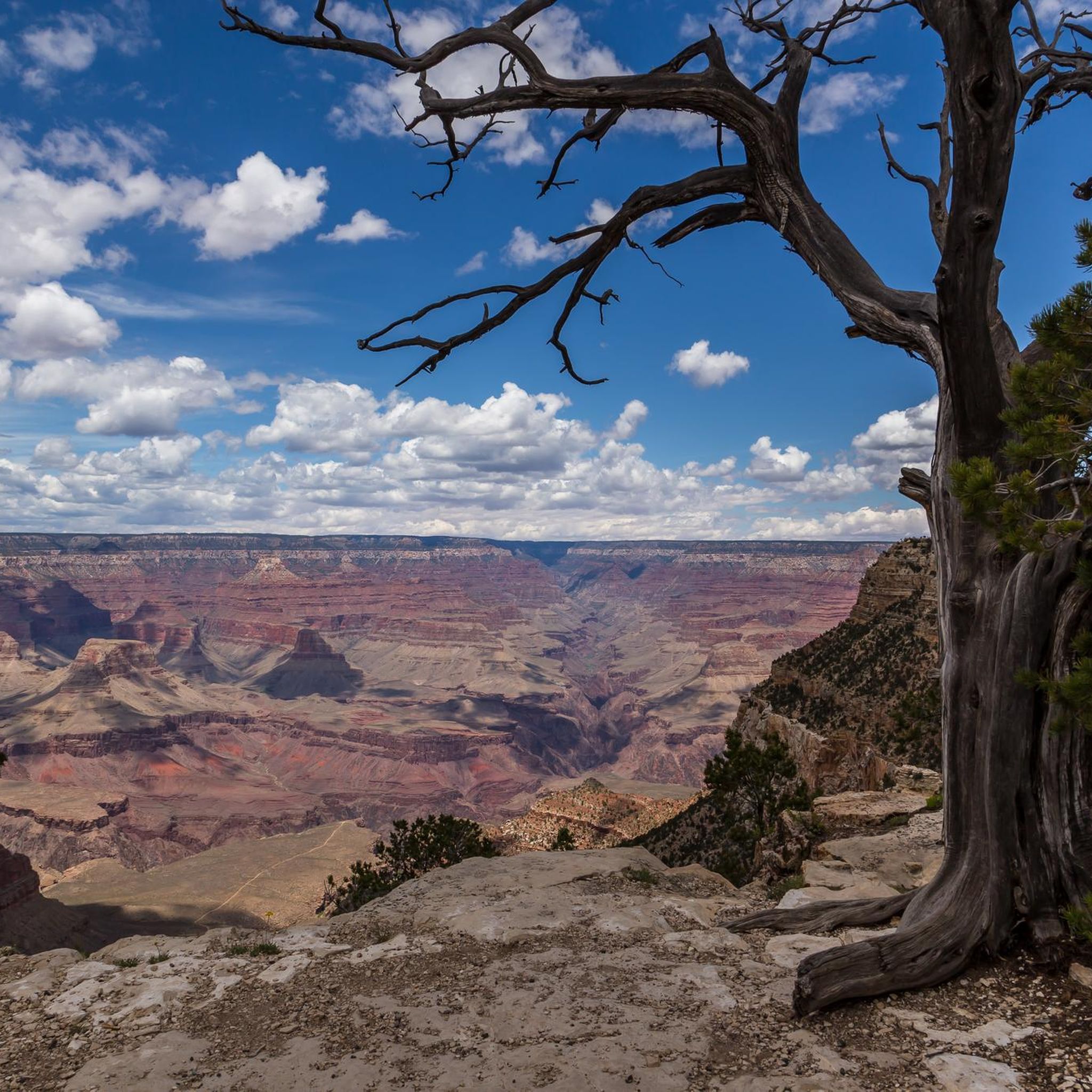
Hiking in the Kaibab Plateau
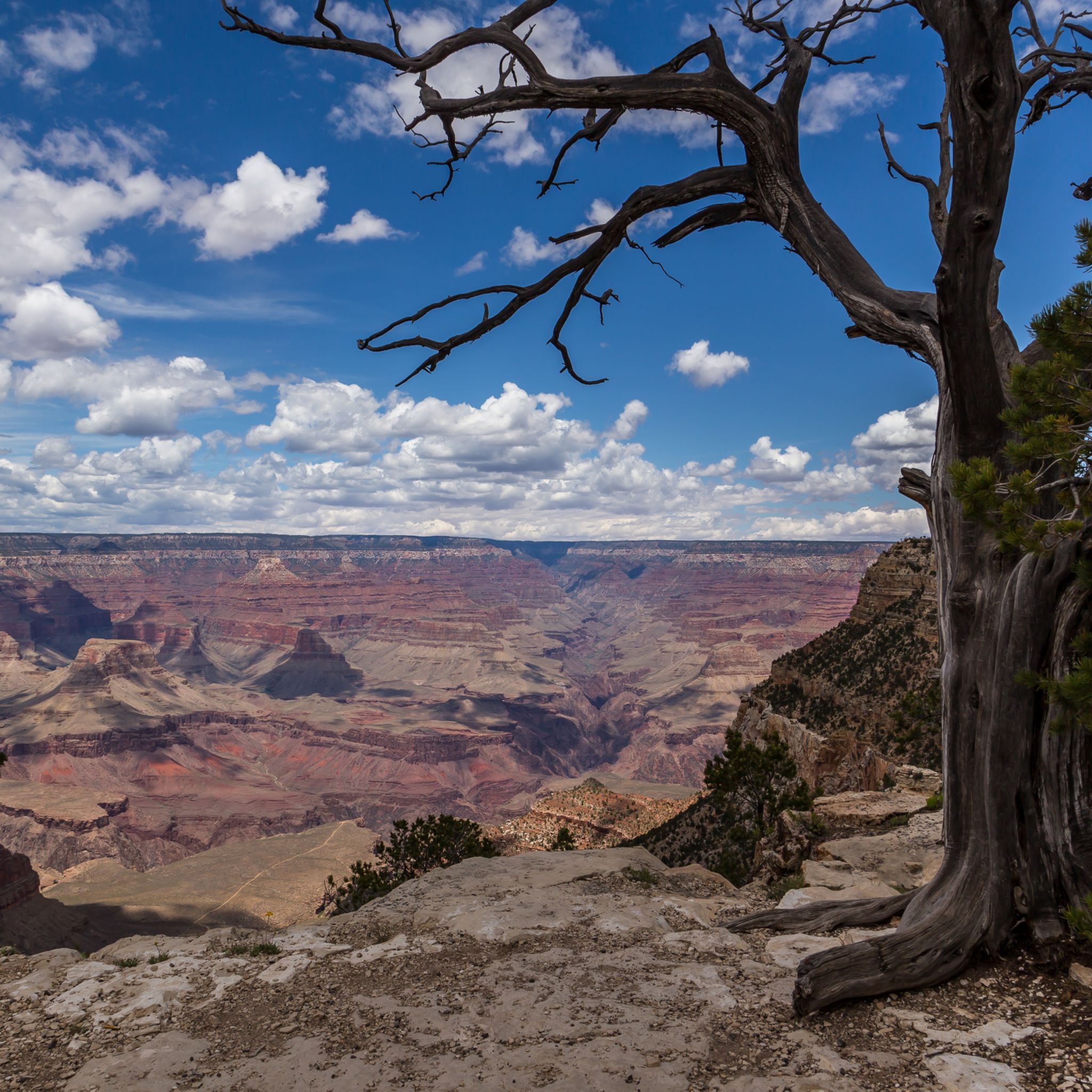
MTB Trails in the Kaibab Plateau
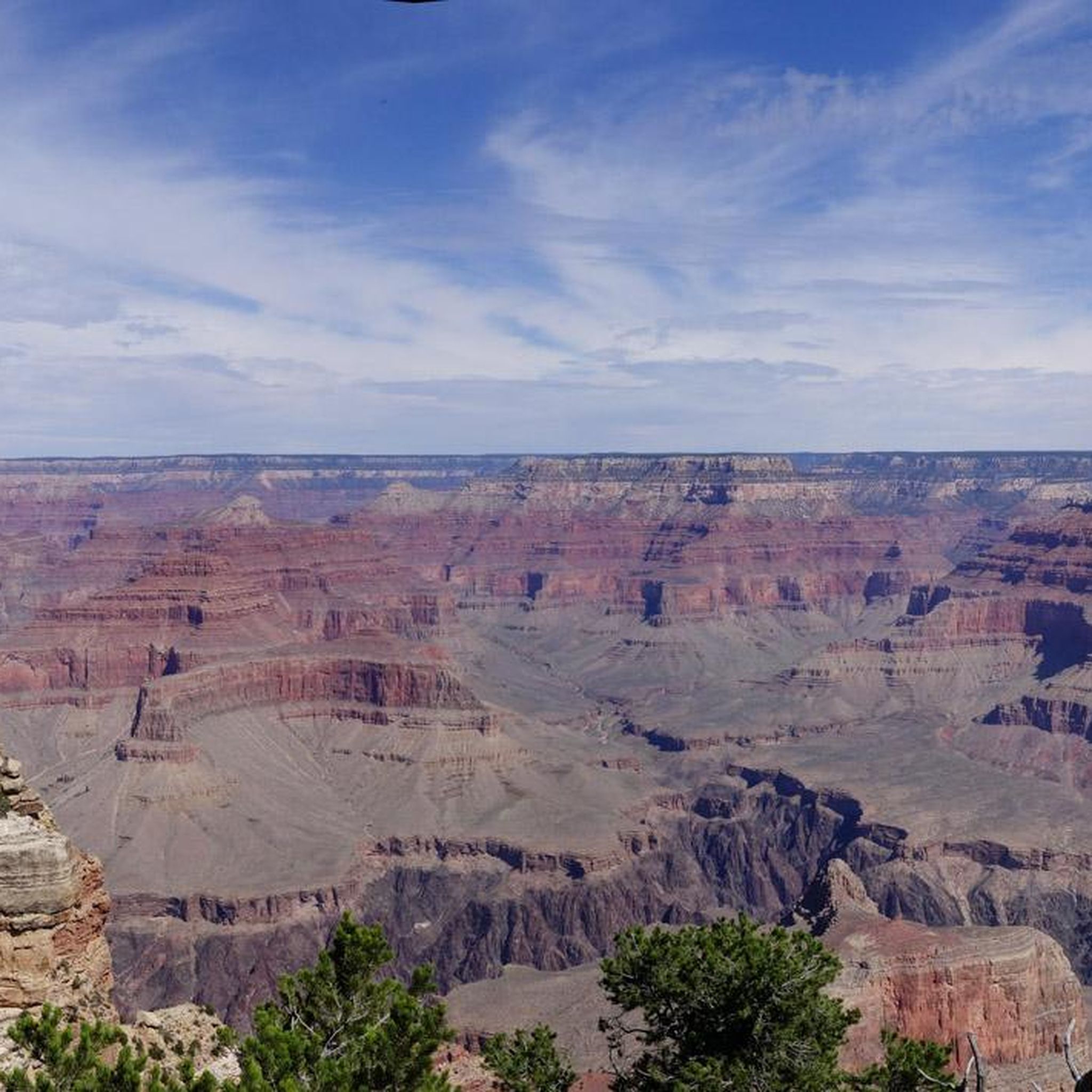
Cycling in the Kaibab Plateau
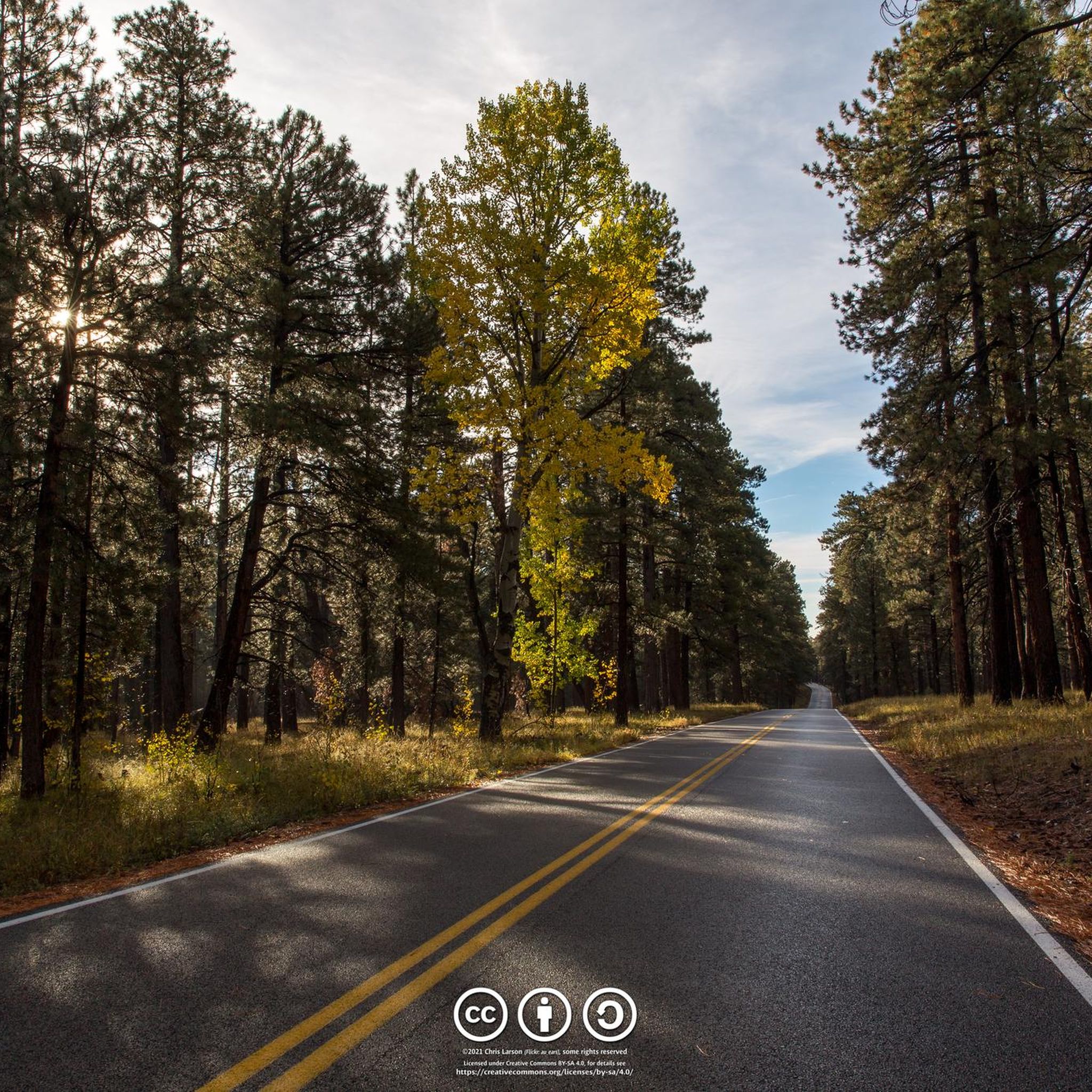
Road Cycling Routes in the Kaibab Plateau
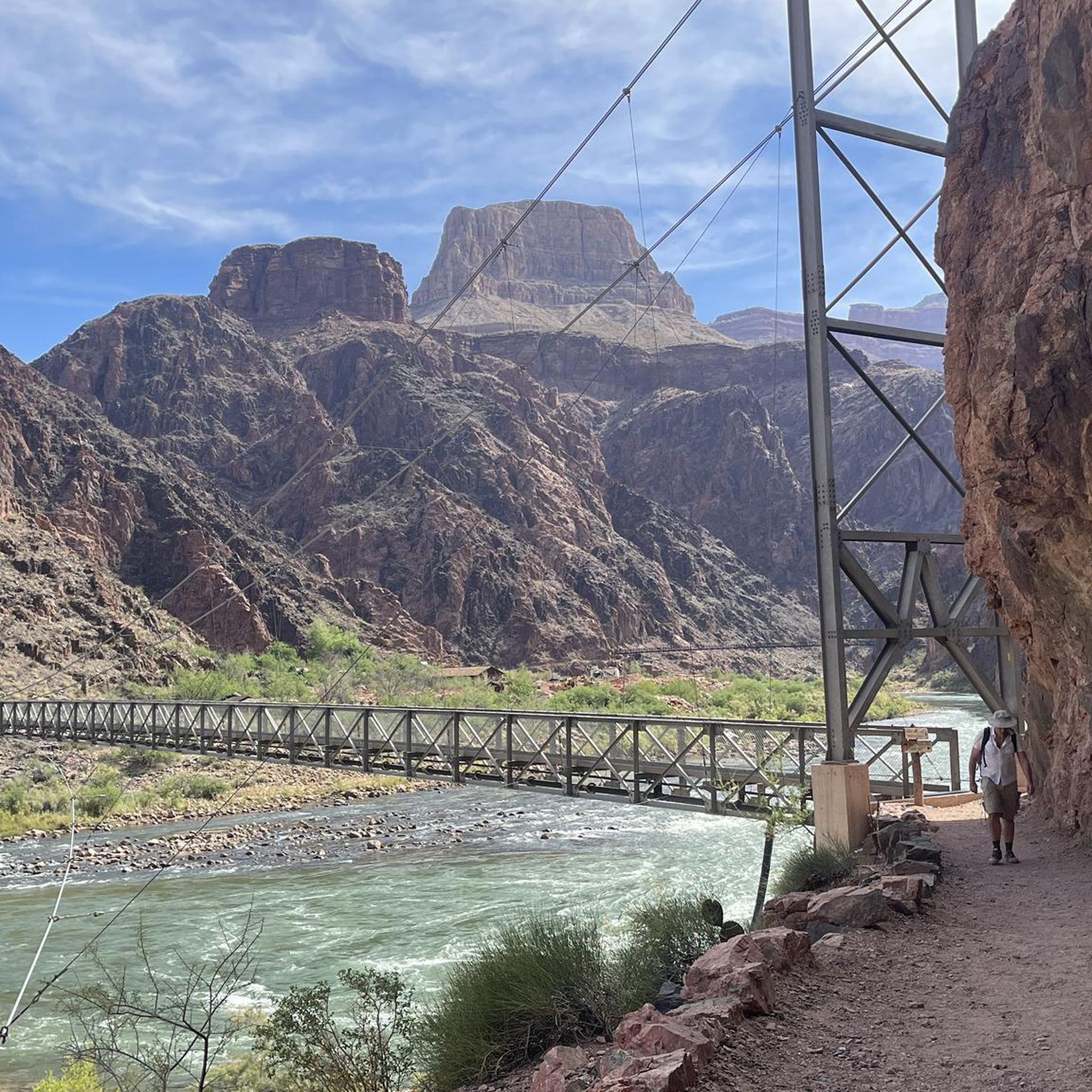
Running Trails in the Kaibab Plateau
Other adventures in the Kaibab Plateau


Tips from the Community

Update: Keep your eyes peeled for a view of Ribbon Falls! It is a bridal veil-like waterfall you might not expect in the gorge of the Grand Canyon. Since the bridge over the Bright Angel Creek is long gone, you need to ford Bright Angel Creek to get to the falls. Don't try to cross the Bright Angel Creek in rain or during snow melt as flash-floods might occur.
4
0

Mohave Point offers incredible views over the Grand Canyon, especially at sunset. You’ll also get a perfect view of the Tonto Trail winding deep into the canyon. The trail to the very tip of the point isn’t paved, so you can stop your bike and take a short hike to check it out.
0
0
At Pima Point, you can both see and hear the rumbling Colorado River with the Hermit Rapids in sight.
1
0
Mohave Point offers incredible views over the Grand Canyon, especially at sunset. You’ll also get a perfect view of the Tonto Trail winding deep into the canyon. The trail to the point isn’t paved, so you can stop your bike and take a short hike to check it out
1
0

There's a parking lot near Fence Point, which also features an optional spur to the point itself—with its sparkling view west into the Grand Canyon and of Steamboat Mountain.
0
0

Absolutely amazing waterfall not far from Cottonwood Campground. I've been there in the mornings when it's not too hot and you have it to yourself. Since the bridge is missing from the trail over Bright Angel Creek, you have to wade through the creek to reach the falls. I think that this currently contributes to the fact that you have your peace here :-)
1
0
Nice small campsite with clearly defined camp spots. In summer, almost all of the pitches are in the sweltering sun for a long time, only two (one of which is a group spot) offer some shade. But you have the Bright Angel Creek behind the tent wall, where you can cool off and refill your water supplies.
1
0

A good place to fill up water and to turn around if you are feeling tired for the climb up to the North Rim.
3
0
Frequently Asked Questions
What are some of the most popular viewpoints in the Kaibab Plateau canyons?
The Kaibab Plateau offers several stunning viewpoints. Mohave Point is highly regarded for sunset views over the Grand Canyon and offers a perspective on the Tonto Trail. Pima Point provides views and sounds of the Colorado River and Hermit Rapids. On the North Rim, Bright Angel Point is easily accessible and offers impressive vistas.
Are there family-friendly options for exploring the canyons in the Kaibab Plateau?
Yes, several viewpoints are considered family-friendly. Mohave Point, Pima Point, and Bright Angel Point are all accessible and suitable for families. The North Rim of the Grand Canyon, with its cooler temperatures and forested landscape, also offers accessible paved paths like the Bright Angel Point Trail (0.5 miles round trip).
What kind of natural features can I expect to see in the Kaibab Plateau canyons?
The canyons in the Kaibab Plateau are characterized by deeply incised gorges, sheer-walled formations, and slickrock benches. You'll encounter diverse landscapes, from the forested areas of the North Rim with aspen and ponderosa pine, to the riparian vegetation along Kanab Creek. Features like the rumbling Colorado River, Hermit Rapids, and waterfalls such as Ribbon Falls are also prominent.
What is the best time of year to visit the canyons in the Kaibab Plateau?
Spring and fall are generally the optimal seasons to visit the canyons in the Kaibab Plateau. During these times, temperatures are more moderate, making hiking and exploration more comfortable. The North Rim, being at a higher elevation, can experience snow until late May or even June, offering cooler conditions than the South Rim.
Can I find historical sites within the canyons of the Kaibab Plateau?
Yes, the region holds historical significance. Nankoweap Canyon, for instance, features ancient Nankoweap granaries built by the Ancestral Pueblo people for food storage. Additionally, Maricopa Point offers views of the historic Orphan Mine, where copper and uranium were once extracted.
What outdoor activities can I do near the canyons in the Kaibab Plateau?
The Kaibab Plateau offers a variety of outdoor activities. You can find numerous hiking opportunities, including easy trails like Transept Trail and Cape Final Trail, which you can explore further in the Easy hikes in the Kaibab Plateau guide. For mountain biking, trails like the Rainbow Rim Trail and Arizona Trail are popular, detailed in the MTB Trails in the Kaibab Plateau guide. Running enthusiasts can find challenging routes like the Bright Angel Trail and Rim Trail, as highlighted in the Running Trails in the Kaibab Plateau guide.
What makes the North Rim of the Grand Canyon, near the Kaibab Plateau, unique?
The North Rim stands out due to its higher elevation (8,000 to 8,800 feet), resulting in cooler temperatures and a more forested landscape with aspen, spruce-fir, and ponderosa pine. It is generally less crowded than the South Rim, offering a more tranquil experience. Notable viewpoints like Point Imperial and Cape Royal provide unique perspectives and expansive panoramic views, including glimpses of the Colorado River.
Where can I experience solitude and wilderness in the Kaibab Plateau canyons?
For a truly immersive wilderness experience, Kanab Creek Canyon is an excellent choice. It's a remote system of deeply incised canyons known for its silence, scale, and solitude. Similarly, Nankoweap Canyon offers a challenging and rigorous adventure for experienced hikers seeking solitude, with rewards like stunning views from the granaries and peaceful riverside camping.
Are there easy hiking trails available in the Kaibab Plateau canyons?
Yes, while many canyon trails can be challenging, there are easier options. The North Rim offers accessible paths like the Bright Angel Point Trail. Additionally, nearby easy hikes include the Transept Trail, Bill Hall Trail, and Cape Final Trail. You can find more details on these in the Easy hikes in the Kaibab Plateau guide.
What should I know about permits or regulations when visiting the Kaibab Plateau canyons?
Many canyons in the Kaibab Plateau are part of the Grand Canyon system or other protected areas. Visiting remote areas like Kanab Creek Canyon often involves off-trail travel and route finding, and permits may be required for overnight backpacking. It's crucial to check with the National Park Service or relevant land management agencies for specific permit requirements, regulations, and current conditions before your visit, especially for challenging routes.
Are there opportunities for wildlife spotting in the Kaibab Plateau canyons?
Yes, the forested areas of the North Rim are known for abundant wildlife. Visitors might spot various animals, including deer, elk, and a wide array of bird species. The Marble Canyon area, bordering the Kaibab Plateau, is also notable for sightings of California condors, offering a unique wildlife viewing experience.
How can I access viewpoints like Mohave Point or Pima Point?
Viewpoints such as Mohave Point and Pima Point are accessible either by hiking portions of the Rim Trail or by utilizing the shuttle bus service from or to Hermits Rest. This makes them convenient for visitors who prefer not to drive or want to enjoy a scenic walk.
What are some of the most challenging canyon experiences in the Kaibab Plateau region?
For highly experienced hikers seeking a rigorous adventure, Nankoweap Canyon is considered one of the most difficult trails in the Grand Canyon. It involves a 14-mile route descending over 6,000 feet to the Colorado River. Kanab Creek Canyon also offers a challenging and immersive wilderness backpacking experience, often requiring off-trail travel and route finding.
Most popular routes in the Kaibab Plateau
Most popular attractions in the Kaibab Plateau

Get inspired with the komoot mobile app


Explore more
Already discovered everything in this region? See additional gorges in the Kaibab Plateau for your next adventure:
