Top 8 Castles around Comunanza Cadenazzo/Monteceneri
Best castles around Comunanza Cadenazzo/Monteceneri are found across two distinct historical landscapes. Comunanza, located in Italy's Marche region, features remnants of medieval fortifications and castle ruins. The Cadenazzo/Monteceneri area in the Swiss canton of Ticino is situated near Bellinzona, home to three well-preserved medieval castles recognized as a UNESCO World Heritage site. These regions offer insights into different periods of European history through their defensive structures.
Best castles around Comunanza Cadenazzo/Monteceneri
- The most popular castles is Montebello Castle, a…
Last updated: July 8, 2026
Bellinzona: Old Town and Castles
Highlight • Historical Site
Once upon a time, there were knights and drawbridges. Where? In Bellinzona, of course! Take a journey back in time and visit the …
Translated by Google •
Tip by

Castelgrande Bellinzona
Highlight • Castle
Translated by Google •
Tip by

Sign up now to discover places like this
Get recommendations on the best single tracks, peaks, & plenty of other exciting outdoor places.
Sign up for free
Montebello Castle
Highlight • Castle
Here, the walls surrounding the old town and meeting with …
Translated by Google •
Tip by

Sasso Corbaro Castle
Highlight • Castle
Tip by

Castello Grande
Highlight • Castle
April 5, 2025 - November 9, 2025: 10:00 a.m. - 6:00 p.m.
November 10, 2025 - March 27, 2026: 10:30 a.m. - 4:00 p.m.
Translated by Google •
Tip by

Sign up for free to discover even more castles around Comunanza Cadenazzo/Monteceneri.
Sign up for free
Already have an account?
Start today with a free account
Your next adventure awaits.
Login or Signup
Popular around Comunanza Cadenazzo/Monteceneri
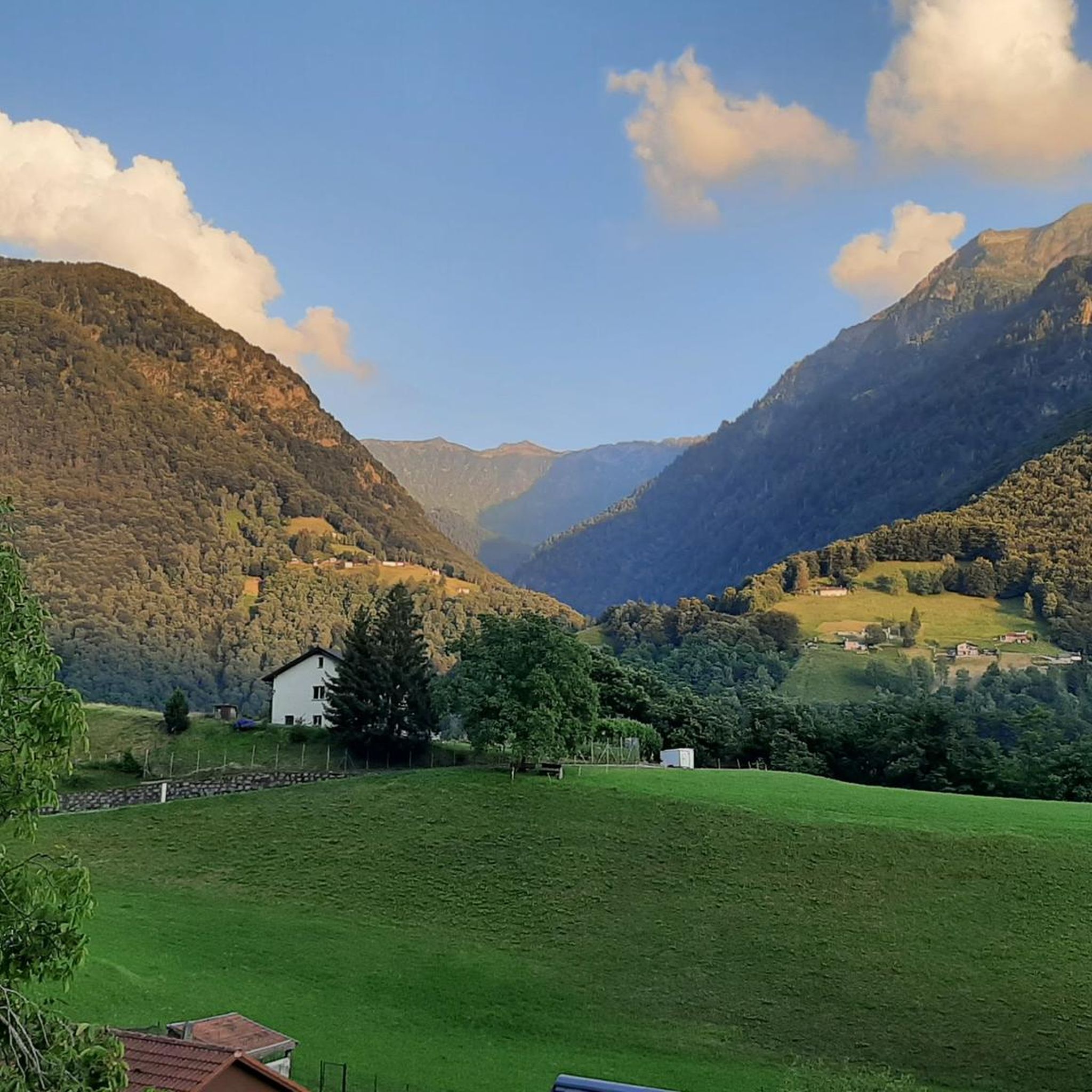
Hiking around Comunanza Cadenazzo/Monteceneri
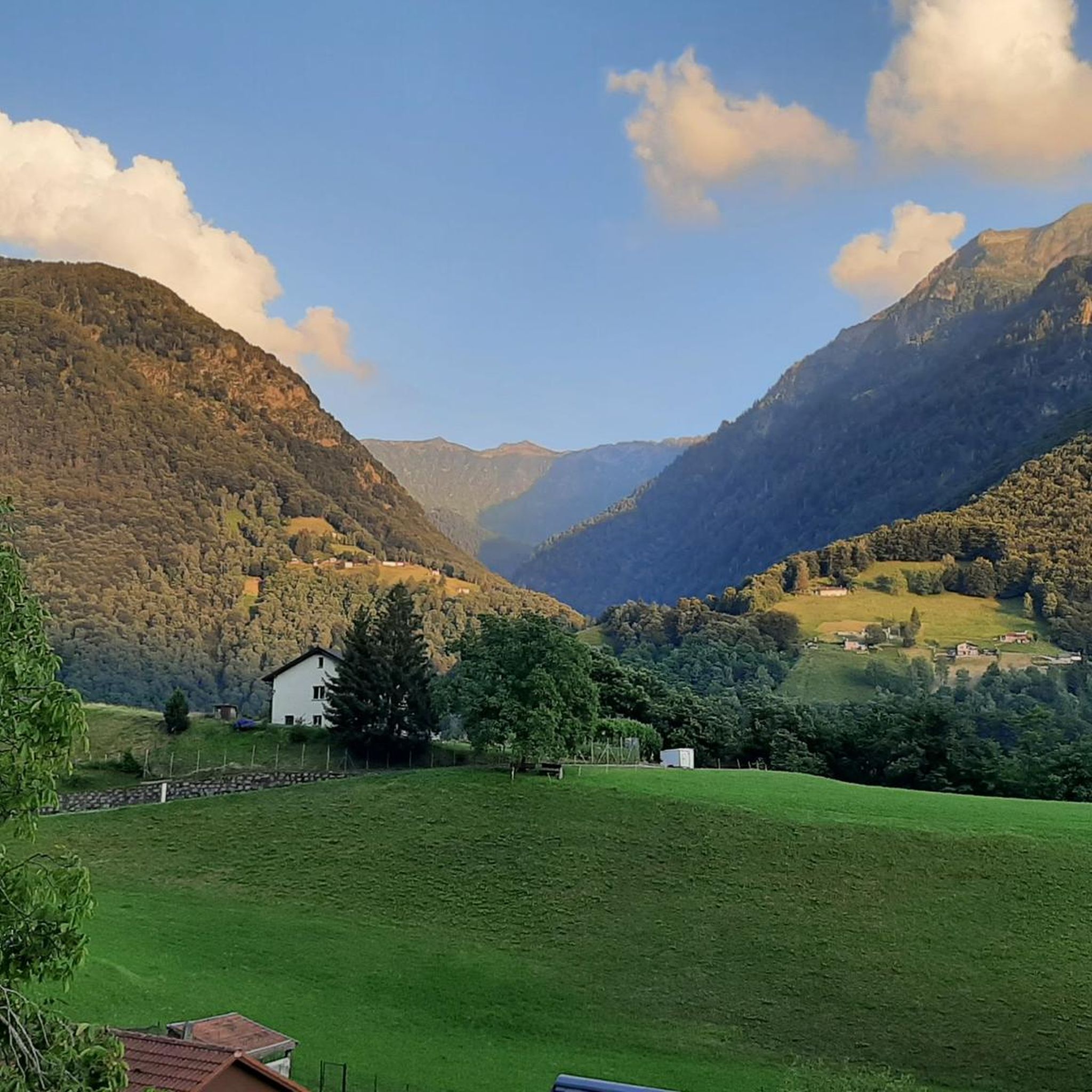
MTB Trails around Comunanza Cadenazzo/Monteceneri
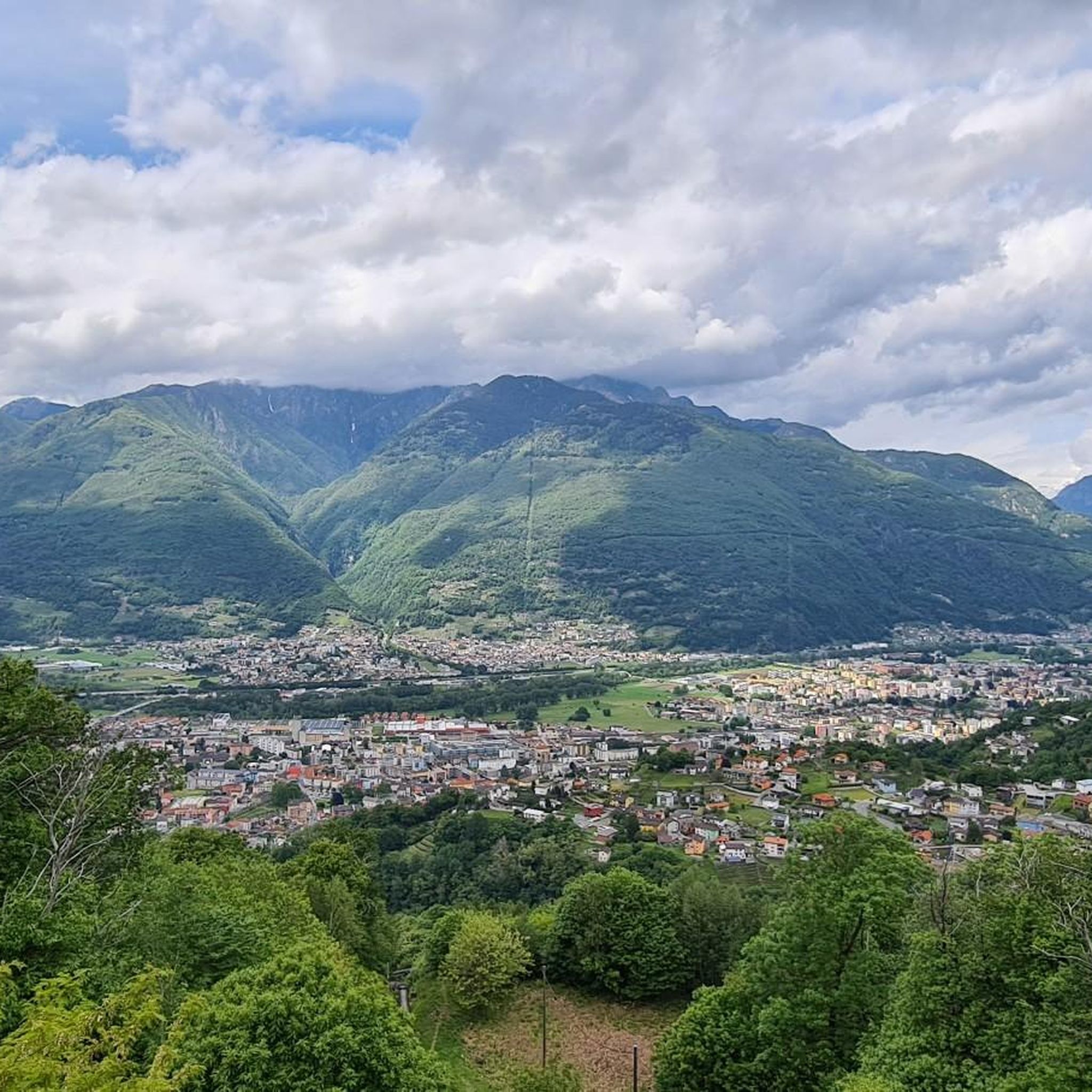
Road Cycling Routes around Comunanza Cadenazzo/Monteceneri
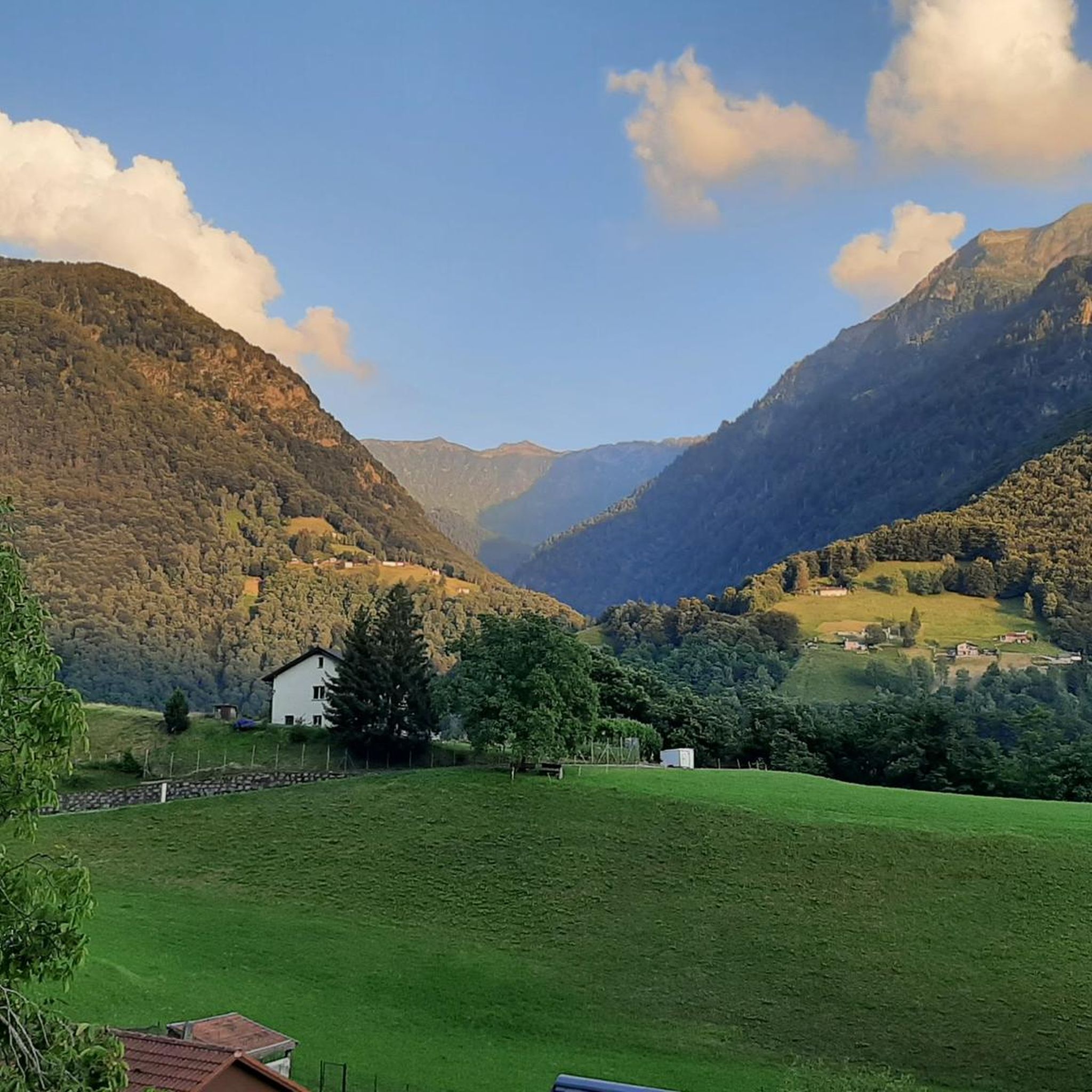
Cycling around Comunanza Cadenazzo/Monteceneri
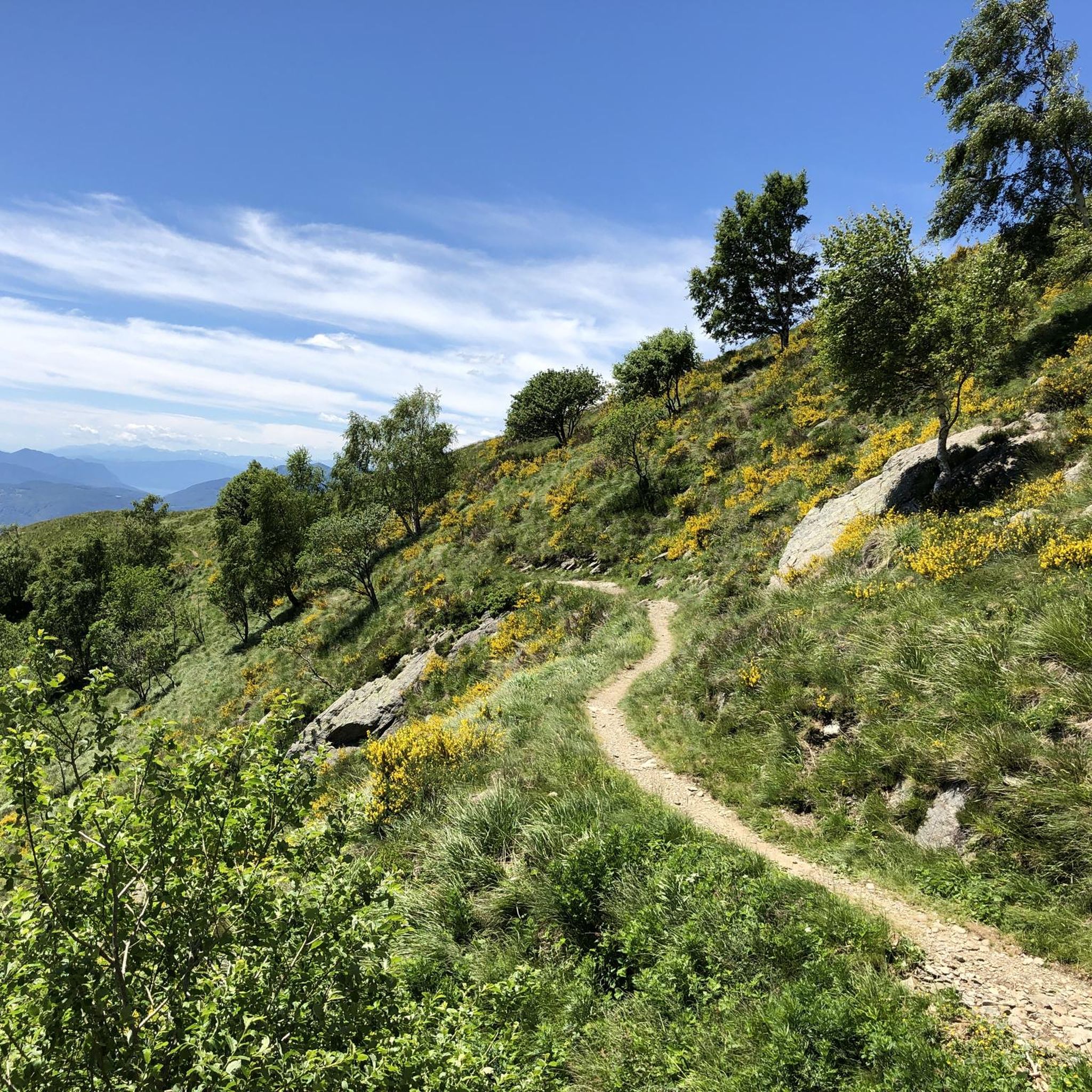
Running Trails around Comunanza Cadenazzo/Monteceneri
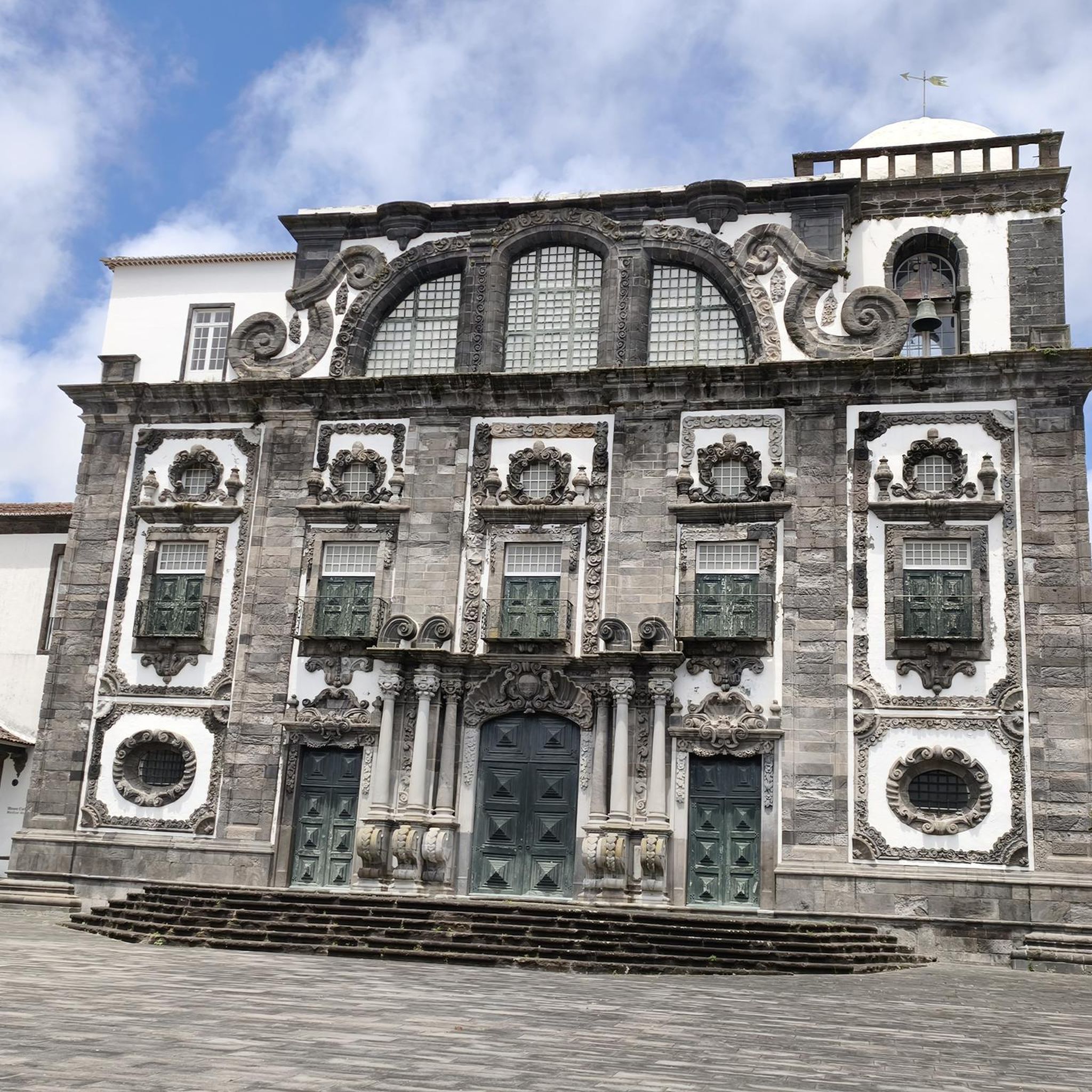
Gravel biking around Comunanza Cadenazzo/Monteceneri
Tips from the Community

Opening Hours 2025/2026 April 5, 2025 - November 9, 2025: 10:00 a.m. - 6:00 p.m. November 10, 2025 - March 27, 2026: 10:30 a.m. - 4:00 p.m. Don't miss the sights. The forts of Bellinzona offer you the opportunity to explore a defining element of the World Heritage!
5
0
Description Features See also Opening hours 2025/2026 April 5, 2025 - November 9, 2025: 10:00 a.m. - 6:00 p.m. November 10, 2025 - March 27, 2026: 10:30 a.m. - 4:00 p.m. The first human settlement on San Michele Hill dates back to 5500/5000 BC (Neolithic period). The first archaeologically confirmed fortress was built in the 4th century AD. Various documents from the 6th century also mention the existence of a fortified complex. In the 14th century, the castle was first called Castrum Magnum, Castel Grande. This is its current name, although during Swiss rule it was called Uri Castle (1630) or Altdorf Castle, and in 1818, S. Michele Castle.
4
0

In Bellinzona's Old Town From the train station, the bus takes us to the stop at the end of Via Lugano. To the east is the Church of Santa Maria delle Grazie. On the other side of the railway line, we pass the Villa dei Cedri, nestled in a magnificent park and home to the municipal art collection. We head north along Via Pedotti to Piazza San Biagio, where the 13th-century church of the same name can be admired. The church, one of the most interesting in the region, has been restored and stripped of its Baroque additions. The remarkable frescoes date from the late Middle Ages. We return and follow Via Lugano north to Piazza Indipendenza, where we find the Church of San Rocco, a building dating back to 1330 and enlarged in 1478. This is where the actual old town begins. The town hall, with its elegant courtyard, was completely rebuilt in 1924, using materials from the previous 15th-century building. At Piazza Nosetto, with its beautiful porticoes, we turn left onto Via Teatro, passing the restored theater building from the previous century and reaching the government building. The oldest part consists of the former Ursuline convent, dating back to the 13th century and rebuilt in the previous century. Returning to Piazza Nosetto, we approach Piazza Collegiata, passing the Casa Rossa, a brick-clad building inspired by the Lombard style of the 15th century. The massive church of SS. Pietro e Stefano reflects the Renaissance style with Baroque elements. A lively market is held every Saturday in Piazza Collegiata. On Viale Stazione, we find ourselves in the city's commercial district. The post office building is noteworthy, a prime example of contemporary Ticino architecture. Text / Source: Agenzia turistica ticinese SA., Via C. Ghiringhelli 7, Bellinzona https://www.ticino.ch/de/commons/details/In-Bellinzonas-Altstadt/3156.html
14
0
The Fortress of Bellinzona and its Castles Once upon a time, there were knights and drawbridges. Where? In Bellinzona, of course! Take a journey back in time and visit the castles, which were declared UNESCO World Heritage Sites in 2000. Arm yourself with a camera and discover Castel Grande, Montebello, and Sasso Corbaro. Tin-reinforced walls, towers, and enormous gates: you'll be catapulted straight into the Middle Ages! Dream of the knights' heroic deeds and immerse yourself in life back then. The Fortress of Bellinzona offers visitors a hands-on experience of medieval history. You can purchase the Fortress Pass online, at the InfoPoint in Bellinzona, or at the ticket offices of the three castles. It allows you to visit the fortress and its walls, the Castel Grande Museum, the Archeologia Montebello exhibition trail, and the temporary exhibitions. Are you primarily interested in visiting the exhibitions? Then buy the new Expo Pass: a combined ticket that grants access to the temporary exhibitions at Castel Grande, Sasso Corbaro, and the Museo Villa dei Cedri! Text / Source: Bellinzona e Valli Tourism https://www.bellinzonaevalli.ch/de/discover/castles.html
14
0


The cityscape of Bellinzona is reminiscent of the 17th century. The castles and city walls are a world heritage site.
0
0

Sasso Corbaro Castle was built in 1400 and today is a UNESCO heritage site.
1
0

Castle of modest dimensions compared to the other two in the city, characterized by its location on top of a cliff in a dominant position on the valley floor
2
0
Frequently Asked Questions
What types of castles can I expect to find in the Comunanza Cadenazzo/Monteceneri region?
The region offers a diverse range of historical fortifications. In Comunanza, Italy, you'll find remnants of medieval fortresses and castle ruins, such as those associated with Monte Pasillo and the Nobili family. Near Cadenazzo/Monteceneri in Switzerland, the focus is on the impressive, well-preserved medieval castles of Bellinzona, which are a UNESCO World Heritage site.
Where are the main castle attractions located within the Comunanza Cadenazzo/Monteceneri area?
In the Italian part of the region, Comunanza itself holds historical significance with its ancient walls and mentions of castle ruins within the medieval village. For the Swiss side, the primary attractions are the three Bellinzona Castles (Castel Grande, Montebello, and Sasso Corbaro), which are easily accessible from Cadenazzo and Monteceneri.
What makes the Bellinzona Castles a significant historical site?
The Bellinzona Castles – Castelgrande Bellinzona, Montebello Castle, and Sasso Corbaro Castle – are renowned for being among the best-preserved medieval castles in Switzerland. They form a mighty fortress complex that has been a UNESCO World Heritage site since 2000, offering a hands-on experience of medieval history with their walls, towers, and gates.
Can you tell me more about <a href="https://www.komoot.com/highlight/137287" target="_blank" rel="noopener">Montebello Castle</a>?
Montebello Castle towers 90 meters above Bellinzona, offering panoramic views of the city and the Castelgrande. Dating from the 13th to 14th century, it houses the Regional Archaeological Museum. You can reach it on foot from Piazza Collegiata or Quartier Nocca, or via a paved access road from Viale Stazione.
What can I see at <a href="https://www.komoot.com/highlight/973722" target="_blank" rel="noopener">Sasso Corbaro Castle</a>?
Sasso Corbaro Castle, built in the late 1400s, is the highest of the three Bellinzona castles and offers breathtaking vistas. It frequently hosts temporary exhibitions and is part of the UNESCO World Heritage site. It's a great spot for a picnic and to immerse yourself in the Middle Ages.
Is <a href="https://www.komoot.com/highlight/137286" target="_blank" rel="noopener">Castelgrande Bellinzona</a> accessible for visitors?
Yes, Castelgrande Bellinzona is very accessible. While you can use stairs, there are also two lifts available to take you up to the castle. The castle is considered family-friendly and dog-friendly, and parts of it are wheelchair accessible. It features a grotto (bistro) and a museum.
Are there family-friendly activities at the castles?
Yes, the Bellinzona Castles are very family-friendly. They offer a 'hands-on experience of medieval history' with their impressive walls, towers, and gates, which can be exciting for children. A Fortress Pass allows access to the castles, museums, and exhibition trails. The Bellinzona: Old Town and Castles highlight is specifically categorized as family-friendly.
What outdoor activities can I do near these castles?
Near the castles, especially in the Cadenazzo/Monteceneri area, you can find various outdoor activities. There are numerous hiking trails, such as the 'Giubiasco to Prada Abandoned Village Loop' or the 'Fortini della Fame Trail'. Cycling and gravel biking routes are also available, including the 'Gravel ascent from Bellinzona to Alpe del Giumello'. You can find more details on these activities in the Hiking around Comunanza Cadenazzo/Monteceneri, Cycling around Comunanza Cadenazzo/Monteceneri, and Gravel biking around Comunanza Cadenazzo/Monteceneri guides.
What is the best time to visit the castles in this region?
The best time to visit the castles, particularly those in Bellinzona, is generally during spring, summer, and early autumn when the weather is pleasant for exploring the outdoor areas and enjoying the views. Winter visits are possible, but some facilities or opening hours might be reduced, so it's advisable to check in advance.
Are there options for food and drink near the castles?
Yes, especially around the Bellinzona Castles. Castelgrande Bellinzona has a grotto (bistro) on its premises. The Bellinzona Historic Centre, located near the castles, offers small shops and restaurants. In Comunanza, the old town retains a medieval atmosphere with local establishments.
What historical elements can I explore in Comunanza?
Comunanza's historical origins are tied to the powerful fortress on Monte Pasillo, though now primarily ruins remain. Within the medieval village, you can find mentions of the 'ruins of the castle (once belonged to the Nobili's)', ancient walls, and other fortifications. Historic buildings like the 13th-century Torre e Palazzo dei Capitani del Popolo and Torre Ercolani also reflect the town's long history.
Can I visit the Bellinzona castles with my dog?
Yes, some of the Bellinzona castles, like Castelgrande Bellinzona and Montebello Castle, are categorized as dog-friendly, allowing you to explore the grounds with your canine companion. It's always a good idea to check specific rules for indoor areas or museums.
How long does it take to visit the Bellinzona Castles?
To fully experience the three Bellinzona Castles (Castel Grande, Montebello, and Sasso Corbaro), including their museums and exhibitions, you should plan for at least a full day. Many visitors enjoy walking between the castles, which adds to the experience. A Fortress Pass is available for comprehensive access.
Most popular routes around Comunanza Cadenazzo/Monteceneri
Most popular attractions around Comunanza Cadenazzo/Monteceneri

Get inspired with the komoot mobile app


Explore more
Looking for the best castles somewhere else? Discover other guides around Comunanza Cadenazzo/Monteceneri:
