Attractions and Places To See in Περιφερειακή Ενότητα Άρτας - Top 10
Best attractions and places to see in Περιφερειακή Ενότητα Άρτας include a diverse landscape of historical landmarks, natural features, and cultural sites. The region, located in Epirus, Greece, features rolling hills, valleys, and rivers, alongside ancient ruins and Byzantine architecture. Visitors can explore significant wetlands, mountains, and coastal areas, offering a variety of outdoor experiences. This area provides a blend of history, culture, and natural beauty for those seeking exploration.
Best attractions and places to see in Περιφερειακή Ενότητα Άρτας
…Last updated: August 23, 2026
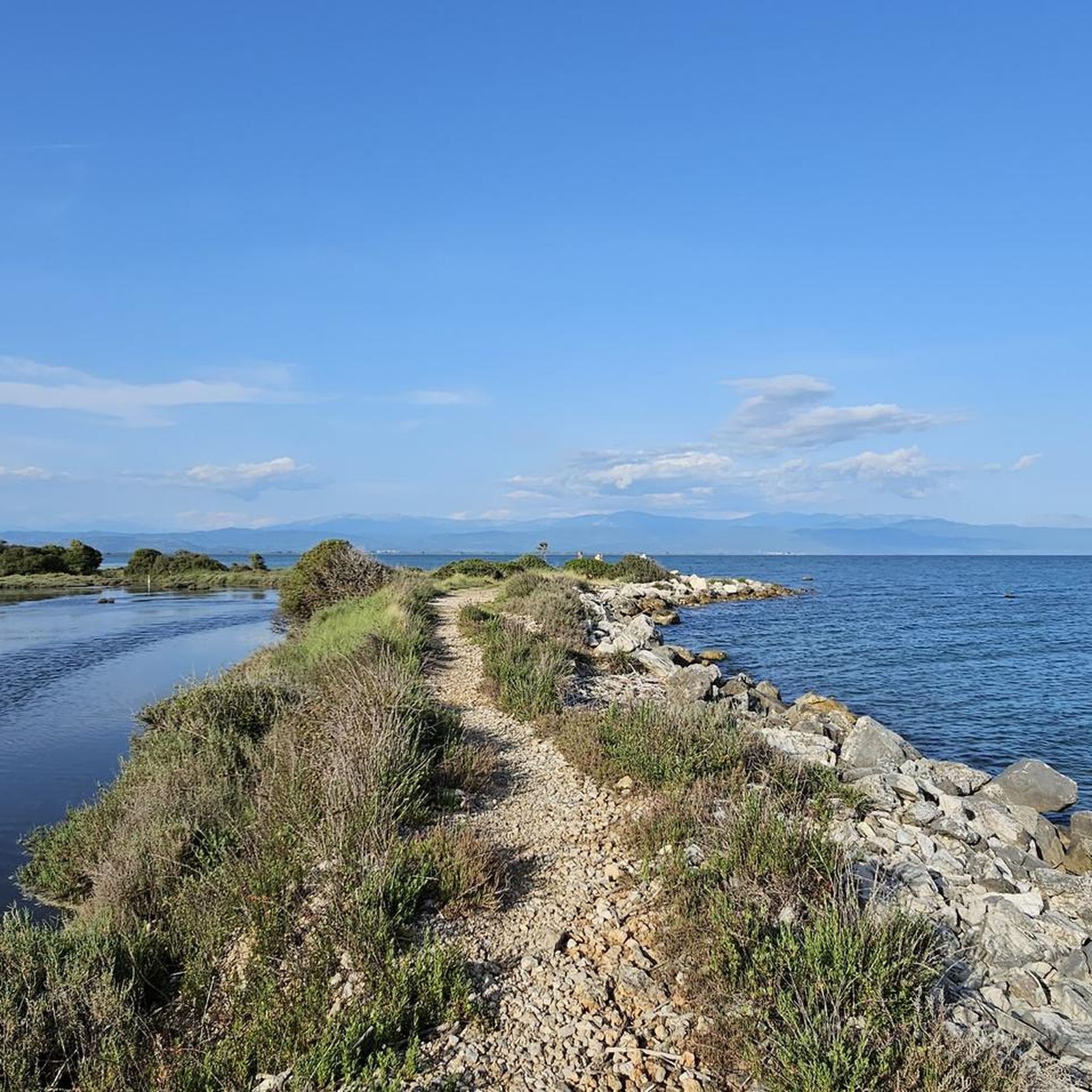
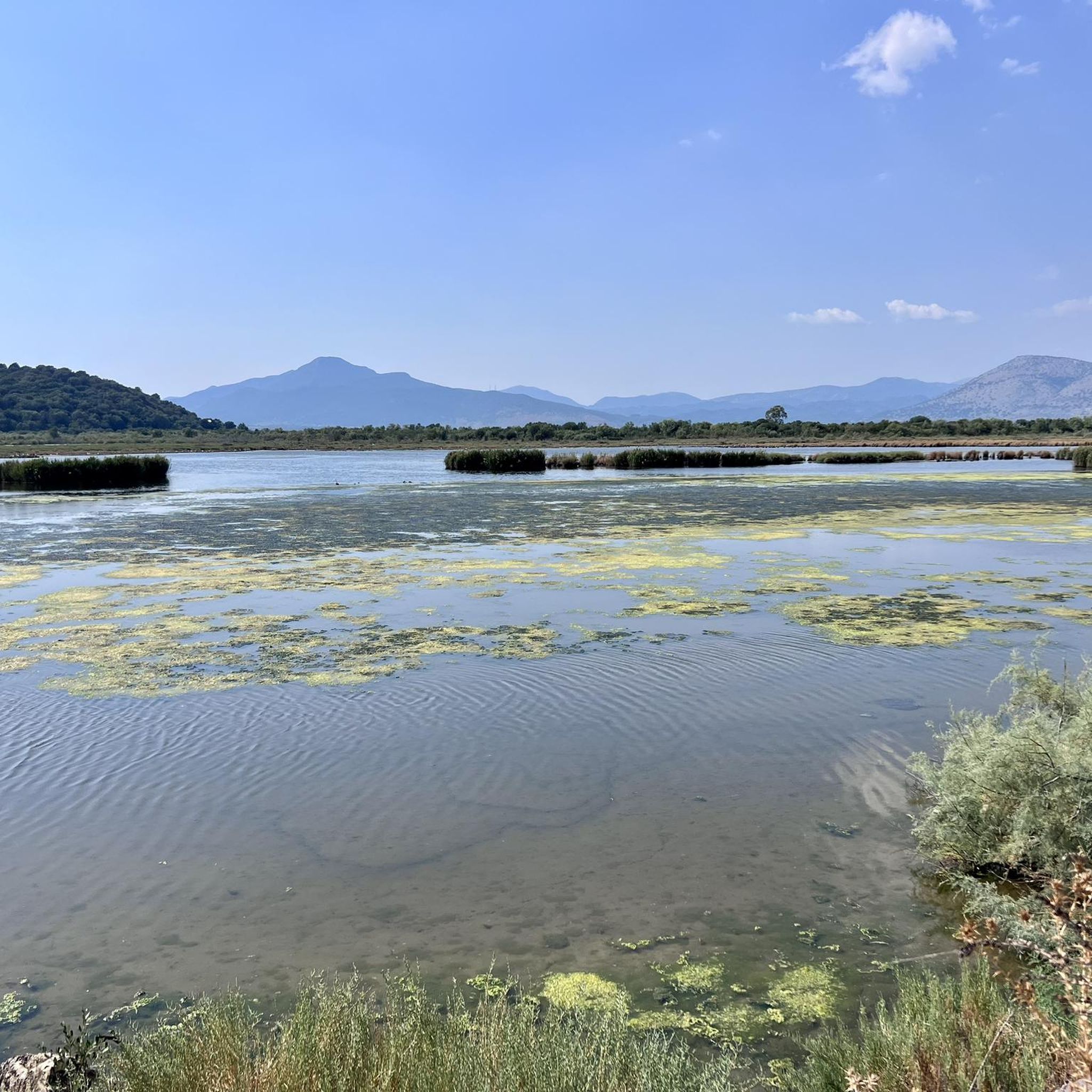
Gravel Road Along the Lagoon
Highlight (Segment) • Trail
Translated by Google •
Tip by

Arta Bridge
Highlight • Bridge
Showing Translation
Tip by

Sign up now to discover places like this
Get recommendations on the best single tracks, peaks, & plenty of other exciting outdoor places.
Sign up for free
Panagia Rodias Monastery
Highlight • Religious Site
Translated by Google •
Tip by

View of Mount Lakmos
Highlight • Viewpoint
Translated by Google •
Tip by

Ai Vlassis Cave
Highlight • Cave
Translated by Google •
Tip by
Tzoumerka Waterfall
Highlight • Waterfall
Translated by Google •
Tip by

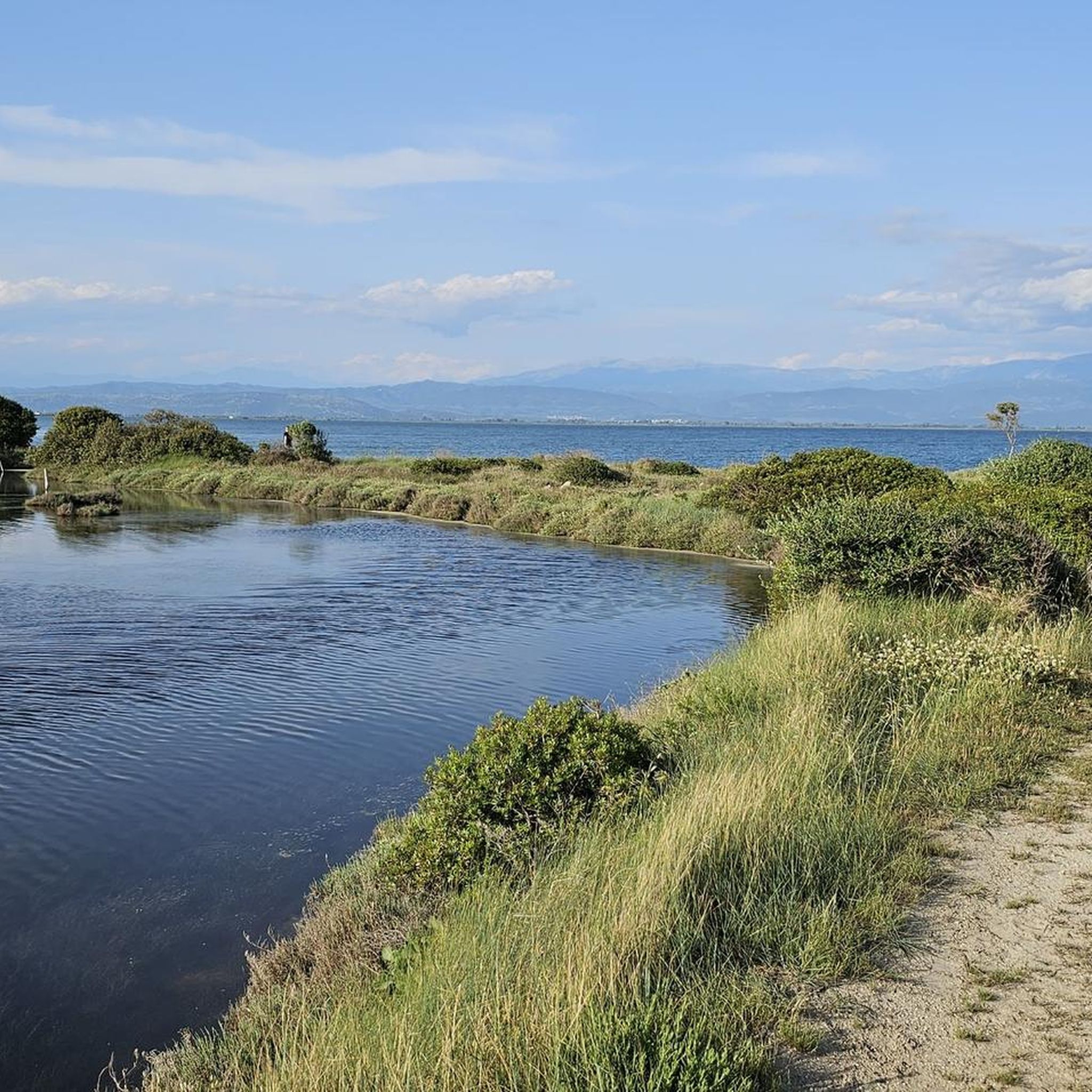
Bench With View of the Lagoon
Highlight • Viewpoint
Translated by Google •
Tip by

Our Lady of Kassopitra
Highlight • Religious Site
Showing Translation
Tip by
St. Basil of the Market
Highlight • Religious Site
Showing Translation
Tip by
Small Theatre of Ambrakia
Highlight • Historical Site
Translated by Google •
Tip by

Sign up for free to discover even more attractions in Περιφερειακή Ενότητα Άρτας.
Sign up for free
Already have an account?
Start today with a free account
Your next adventure awaits.
Login or Signup
Other adventures in Περιφερειακή Ενότητα Άρτας

Tips from the Community

The Panagia Rodias Monastery is picturesquely located on the slope of Mavrovouni mountain directly above the Rodia lagoon in Amvrakikos National Park. According to historical sources, the Byzantine monastery was originally founded in 970 during the reign of Emperor John Tzimiskes. The present-day church building (Katholikon) was rebuilt in 1860 on the old foundations. The area is characterized by its traditional, historic stone walls and the iron gate. The church inside houses impressive murals and historical frescoes.
0
0
The historic bridge of Arta (Greek Gefiri tis Artas), one of the most famous stone bridges in Greece. It spans the Arachthos River. A traditional stone arch bridge with four large asymmetrical arches. Its total length is about 145 meters. The foundations probably date back to antiquity under King Pyrrhus I (3rd century BC). It received its current form after multiple renovations under Ottoman rule in 1612.
2
0
The church Agios Vasilios tis Agoras (Saint Basil of the Agora) was built as a single-nave basilica with a wooden roof at the end of the 13th century. Later, around the year 1300, the side chapels were added. The church owes its name "tis Agoras" to its location in the old market district (formerly Tourkopazaro). It is thus distinguished from a second Byzantine church of Saint Basil near the city, the Agios Vasilios tis Gefiras (at the well-known bridge of Arta). The structure is famous for its exceptionally rich and magnificent ceramic-plastic decoration (patterns of bricks, tiles, and glazed elements) on the exterior walls.
0
0
It is a very small, single-nave basilica with a wooden roof, a walled portico, and a bell tower directly integrated at the front. The facade is made of traditional, unworked natural stone. To the right of the entrance, there is an embedded marble slab with a relief, which probably comes from an older building. The original church building was erected in 1732 to house a wonder-working icon of the Virgin Mary, which had been brought here from the famous Kassiopi monastery on Corfu. After a cypress tree fell on the building in 1818 and destroyed it, the church was rebuilt in its present form in 1820.
0
0
The Small Theater of Ambrakia (Greek: Μικρό Θέατρο Αμβρακίας) holds the remarkable distinction of being the smallest ancient Greek theater ever discovered in the country. It was built between the late 4th and early 3rd centuries BC. This falls within the reign of the famous King Pyrrhus of Epirus, who made Ambrakia his magnificent capital.
0
0

Great trail, but unfortunately, there were a few stray dogs. They came very close to us, but probably just wanted food. We were able to pass slowly.
1
0

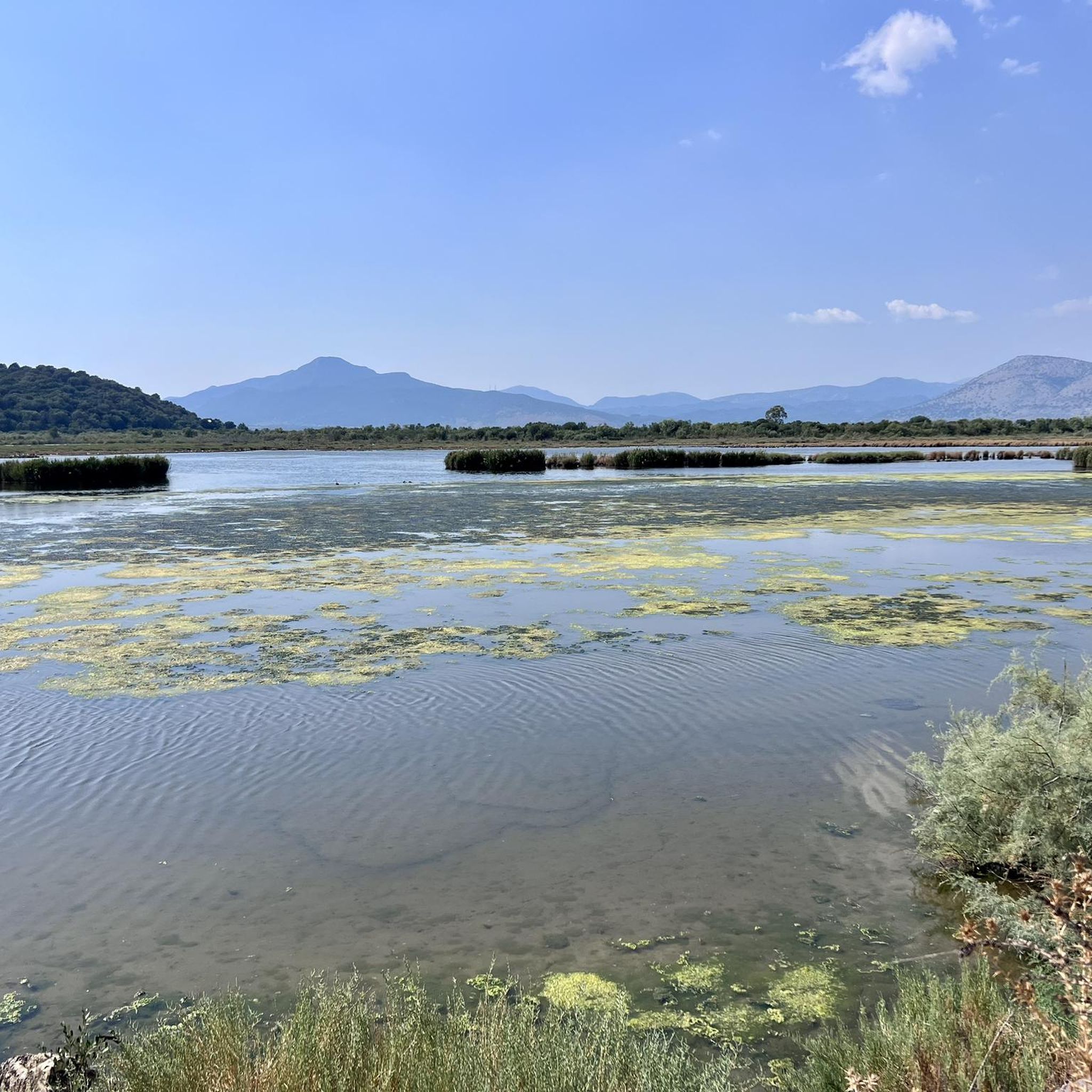
Beautiful... but with little water in summer... 🤗
0
0

Frequently Asked Questions
What are the best natural attractions to explore in Περιφερειακή Ενότητα Άρτας?
The region offers diverse natural beauty. You can enjoy panoramic vistas from View of Mount Lakmos, or take a scenic walk along the Gravel Road Along the Lagoon. The Tzoumerka National Park and Mountains are ideal for hiking and exploring hidden waterfalls, such as the Tzoumerka Waterfall. The Ambracian Gulf is also a rich ecosystem perfect for birdwatching, especially to see Flamingos at Amvrakikos Lagoon.
Are there any historical or cultural sites worth visiting in the region?
Yes, Περιφερειακή Ενότητα Άρτας is rich in history. The iconic Bridge of Arta over the Arachthos River is a must-see. You can also explore Byzantine architecture at the 13th-century Panagia Parigoritissa Church and the Castle of Arta. The Archaeological Museum of Arta houses artifacts from the Paleolithic Age to Roman times, including exhibits from ancient Amvrakia. For a unique historical experience, visit Ai Vlassis Cave, which served as a hermitage and a hiding place during WWII.
What outdoor activities can I do near these attractions?
The region is excellent for outdoor enthusiasts. You can find numerous routes for various activities. For hiking, explore the easy hikes in Περιφερειακή Ενότητα Άρτας, including trails around Tzoumerka. The Arachthos River offers adventurous activities like rafting and kayaking. The Ambracian Gulf is suitable for windsurfing and kitesurfing, particularly around the islet of Koronisia. Cycling is also popular, with options like the Scenic Road to Koronisia.
Are there family-friendly attractions in Περιφερειακή Ενότητα Άρτας?
Absolutely. Families can enjoy relaxing at the Bench With View of the Lagoon, which is perfect for birdwatching. The Flamingos at Amvrakikos Lagoon offer a captivating sight for all ages. The Scenic Road to Koronisia is also suitable for family cycling outings. Many natural areas, like Lake Pournari, provide green paths for walking and enjoying nature together.
What is the best time of year to visit Περιφερειακή Ενότητα Άρτας?
The region offers attractions year-round. For outdoor activities like hiking and exploring natural sites, spring and autumn provide pleasant temperatures. Birdwatching, especially for flamingos, is particularly rewarding in winter at the Ambracian Gulf. The mild climate generally makes it a good destination for quiet holidays throughout much of the year.
Where can I find religious buildings or monasteries?
The region has several significant religious sites. The 13th-century Panagia Parigoritissa Church in Arta is an impressive Byzantine structure. You can also visit the picturesque Panagia Rodias Monastery, the Church of Agia Theodora in Arta's old city, and the Panagia Vlachernon Church in Vlaherna. The Panagia Church of Koronisia and the Chapel of Saint Onouphrios of Preveza are also notable.
Are there any unique natural features or hidden gems?
Yes, the region holds several unique spots. The Katarraktis Waterfall, a hidden gem with impressive twin waterfalls, is accessible via a leisurely trek. The Ambracian Gulf, with its unique ecosystem where freshwater meets saltwater, is a natural wonder. The ancient settlement of Orraon, with its remarkably preserved structures, offers a glimpse into 4th-century BC life. The traditional village of Sirrako, with its stone houses and cobbled streets, is also a hidden gem for cultural immersion.
What are the options for hiking and walking trails?
Pεριφερειακή Ενότητα Άρτας provides various hiking and walking opportunities. The Tzoumerka Mountains offer rugged trails and scenic paths. You can find easy hikes suitable for different fitness levels. For a more challenging experience, the climb to View of Mount Lakmos requires sturdy shoes and hiking poles. The banks of the Arachthos River and the paths around Lake Pournari also offer pleasant walks.
Can I find places for birdwatching in the area?
Absolutely. The Ambracian Gulf is a prime location for birdwatching, recognized for its rich wetlands and diverse birdlife. You can observe various species, including Flamingos at Amvrakikos Lagoon. The Bench With View of the Lagoon is specifically noted as an ideal spot for relaxing and birdwatching, especially during winter.
What kind of views can I expect from the attractions?
The region offers breathtaking views, particularly from its numerous viewpoints. The View of Mount Lakmos provides extensive panoramic vistas. From the Castle of Arta, you can enjoy sweeping views of the surrounding landscape. The village of Rodavgi is also known for its stunning views. Many trails and natural monuments, like the Tzoumerka Waterfall, offer picturesque scenery.
Are there any cycling routes or scenic roads?
Yes, cycling is a great way to explore the area. The Scenic Road to Koronisia is a notable cycle way that is also family-friendly. You can also find various road cycling routes in Περιφερειακή Ενότητα Άρτας, ranging from easy to difficult, allowing you to discover the diverse landscapes of the region.
What are the best places to experience local culture and traditions?
To immerse yourself in local culture, visit the Skoufa Folk Art Museum, housed in a traditional Epirot mansion, which showcases traditional costumes, textiles, and everyday objects. The old quarter of Tourkopazaro, with the Agios Vasilios Agoras Church, offers a glimpse into the region's past. The traditional stone houses and cobbled streets of Sirrako Village also provide an authentic Epirote experience.
Most popular routes in Περιφερειακή Ενότητα Άρτας

Get inspired with the komoot mobile app


Didn’t find what you were looking for?
Are you keen on exploring more awesome places nearby? Browse our guides:
Explore more
Still not found the Highlight you’re looking for? See guides of the top attractions in other regions:
