The best cycling routes in Περιφερειακή Ενότητα Άρτας
4.7
(10)
58
riders
6
rides
Touring cycling in Περιφερειακή Ενότητα Άρτας offers diverse routes through varied landscapes. The region features the Tzoumerka mountains to the northeast, the Arachthos River, and the Ambracian Gulf in the southwest. Cyclists can explore coastal areas, wetlands, and the flat Arta Plain known for its orange groves. This combination of mountains, rivers, and coastal terrain provides a range of touring cycling experiences.
Best touring cycling routes in Περιφερειακή Ενότητα Άρτας
- The most popular touring cycling route is House of Ekdikos…
Last updated: August 21, 2026
5.0
(1)
7
riders
22.0km
01:20
50m
50m
Easy bike ride. Great for any fitness level. Mostly paved surfaces. Suitable for all skill levels.
5.0
(3)
13
riders
Moderate bike ride. Good fitness required. Mostly paved surfaces. Suitable for all skill levels.

Sign up for free
4.0
(1)
11
riders
13.5km
00:46
10m
10m
Easy bike ride. Great for any fitness level. Mostly paved surfaces. Suitable for all skill levels.
4
riders
46.4km
02:53
330m
330m
Moderate bike ride. Good fitness required. Mostly paved surfaces. Suitable for all skill levels.
6
riders
30.3km
01:49
130m
130m
Easy bike ride. Great for any fitness level. Mostly paved surfaces. Suitable for all skill levels.
Our route recommendations are based on thousands of hikes, rides, and runs completed by other people on komoot.
Start today with a free account
Your next adventure awaits.
Login or Signup
Other adventures in Περιφερειακή Ενότητα Άρτας

Tips from the Community

The city of Nikopolis (Greek for "City of Victory") was founded in 31 BC by Emperor Augustus. It was created to celebrate his historic victory in the naval Battle of Actium over Mark Antony and Cleopatra. The Odeon dates from the early 1st century AD and was used for lectures, literary and musical competitions, and theatrical performances during the Nea Aktia games in honor of the god Apollo. Outside of the festivals, it probably served as a meeting house (Bouleuterion). It is an architectural masterpiece of the Roman era. The entire area of the ancient city is now considered the largest archaeological site in Greece.
0
0
The Panagia Rodias Monastery is picturesquely located on the slope of Mavrovouni mountain directly above the Rodia lagoon in Amvrakikos National Park. According to historical sources, the Byzantine monastery was originally founded in 970 during the reign of Emperor John Tzimiskes. The present-day church building (Katholikon) was rebuilt in 1860 on the old foundations. The area is characterized by its traditional, historic stone walls and the iron gate. The church inside houses impressive murals and historical frescoes.
0
0
The ancient city had two large cemeteries outside its city walls: the western and eastern necropolis. While parts of the larger western necropolis (often referred to as the "Street of Tombs") are excavated and visible today within the modern city area, the eastern necropolis extended along the eastern slopes of the Peranthi hill. The cemeteries were continuously used from the city's founding in the late 7th century BC (approx. 625 BC) by the Corinthians until the 1st century BC.
0
0
The Small Theater of Ambrakia (Greek Μικρό Θέατρο Αμβρακίας) holds the remarkable distinction of being the smallest ancient Greek theater ever discovered in the country. It was built between the late 4th and early 3rd centuries BC. This falls within the reign of the famous King Pyrrhus of Epirus, who made Ambrakia his magnificent capital.
1
0
The historic bridge of Arta (Greek Gefiri tis Artas), one of the most famous stone bridges in Greece. It spans the Arachthos River. A traditional stone arch bridge with four large asymmetrical arches. Its total length is about 145 meters. The foundations probably date back to antiquity under King Pyrrhus I (3rd century BC). It received its current form after multiple renovations under Ottoman rule in 1612.
2
0
The remains of the Apollo temple date back to ancient Ambracia (the Corinthian colony located under present-day Arta). The most important finds from the excavations of the temple and the ancient city are exhibited in the nearby Archaeological Museum of Arta. Museum opening hours: Daily: 08:30 - 15:30 Closed on Tuesdays
0
0

Supposedly the smallest amphitheater in Greece. It's somewhat hidden in the city center, off the pedestrian zone. There were no signposts during our visit in September 2025.
1
0

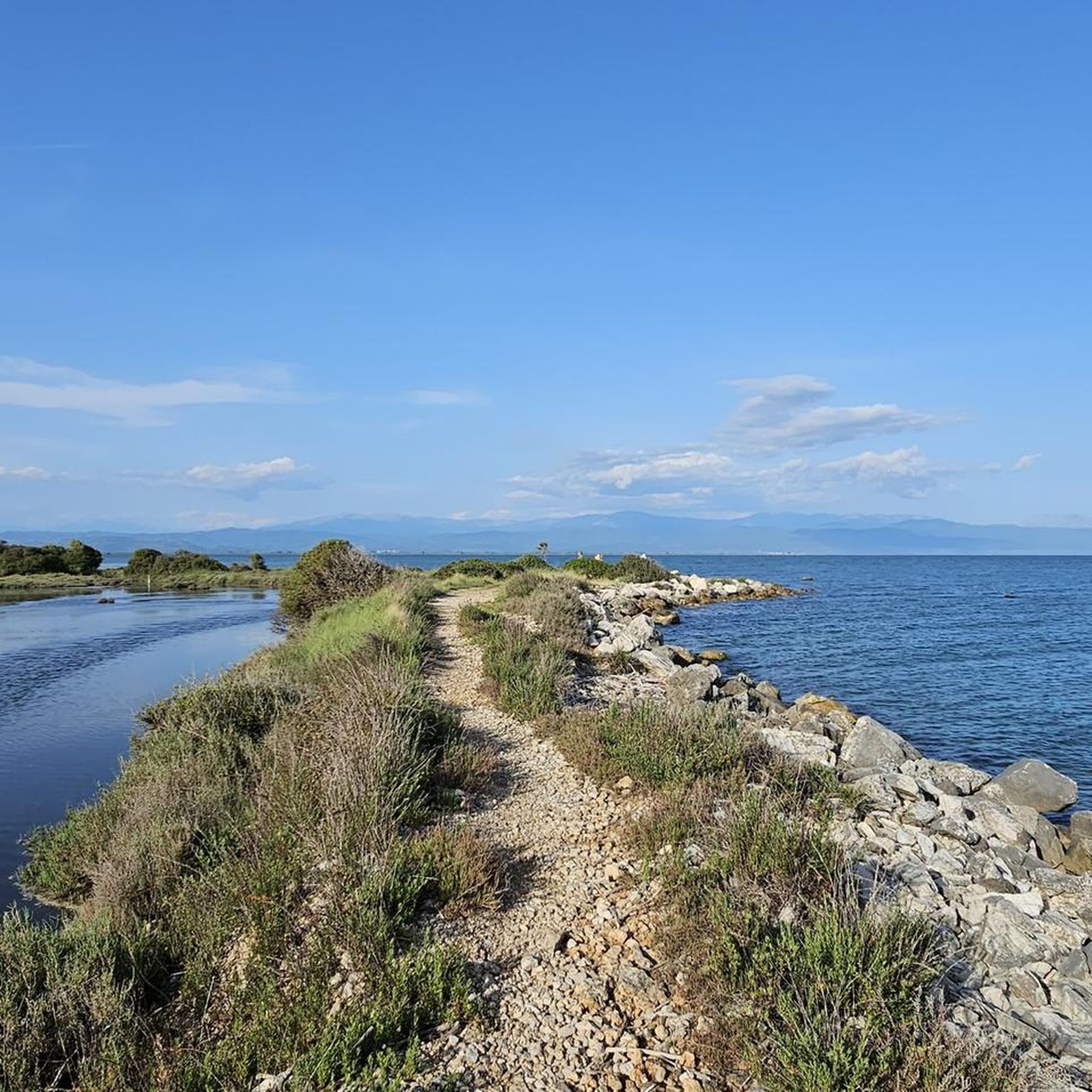
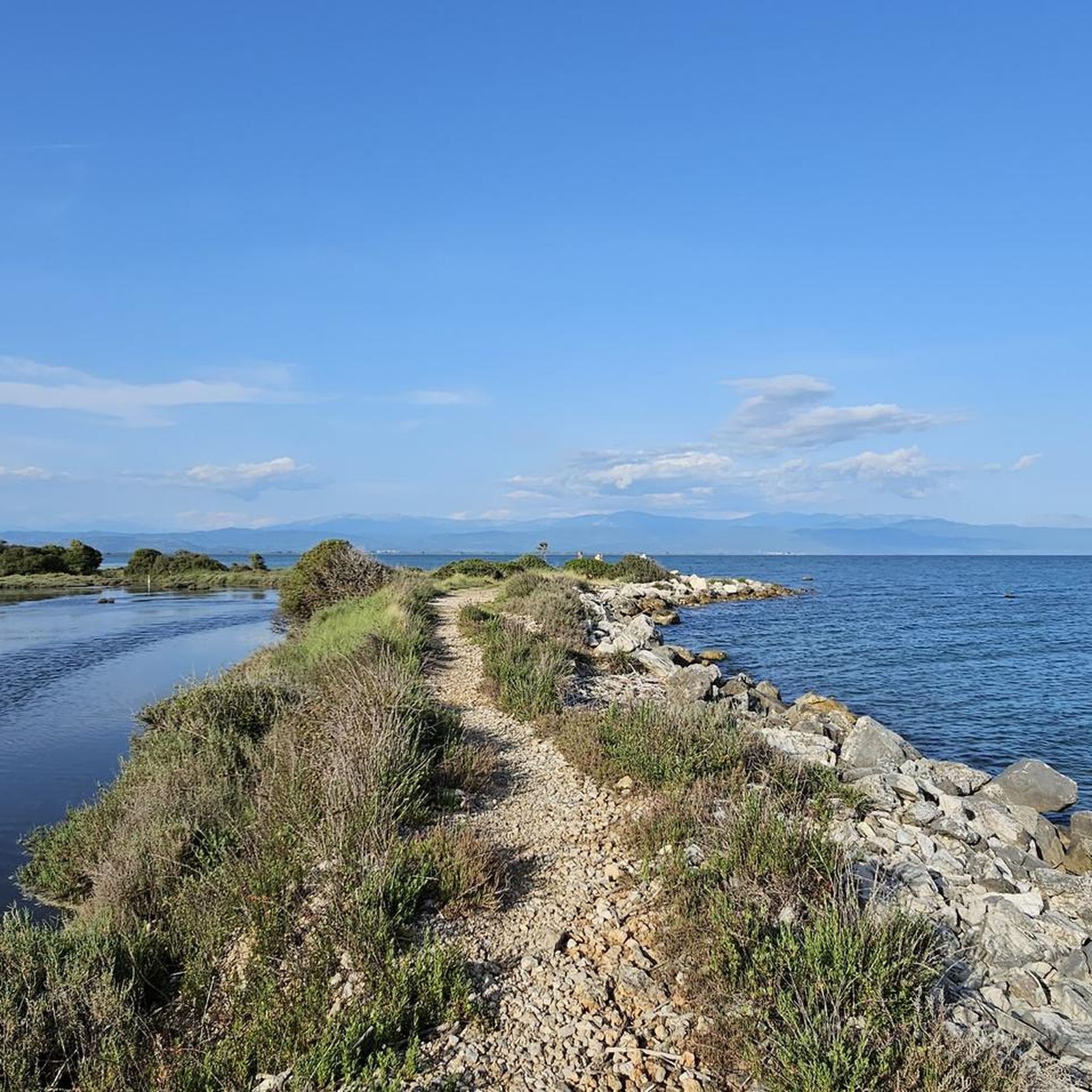
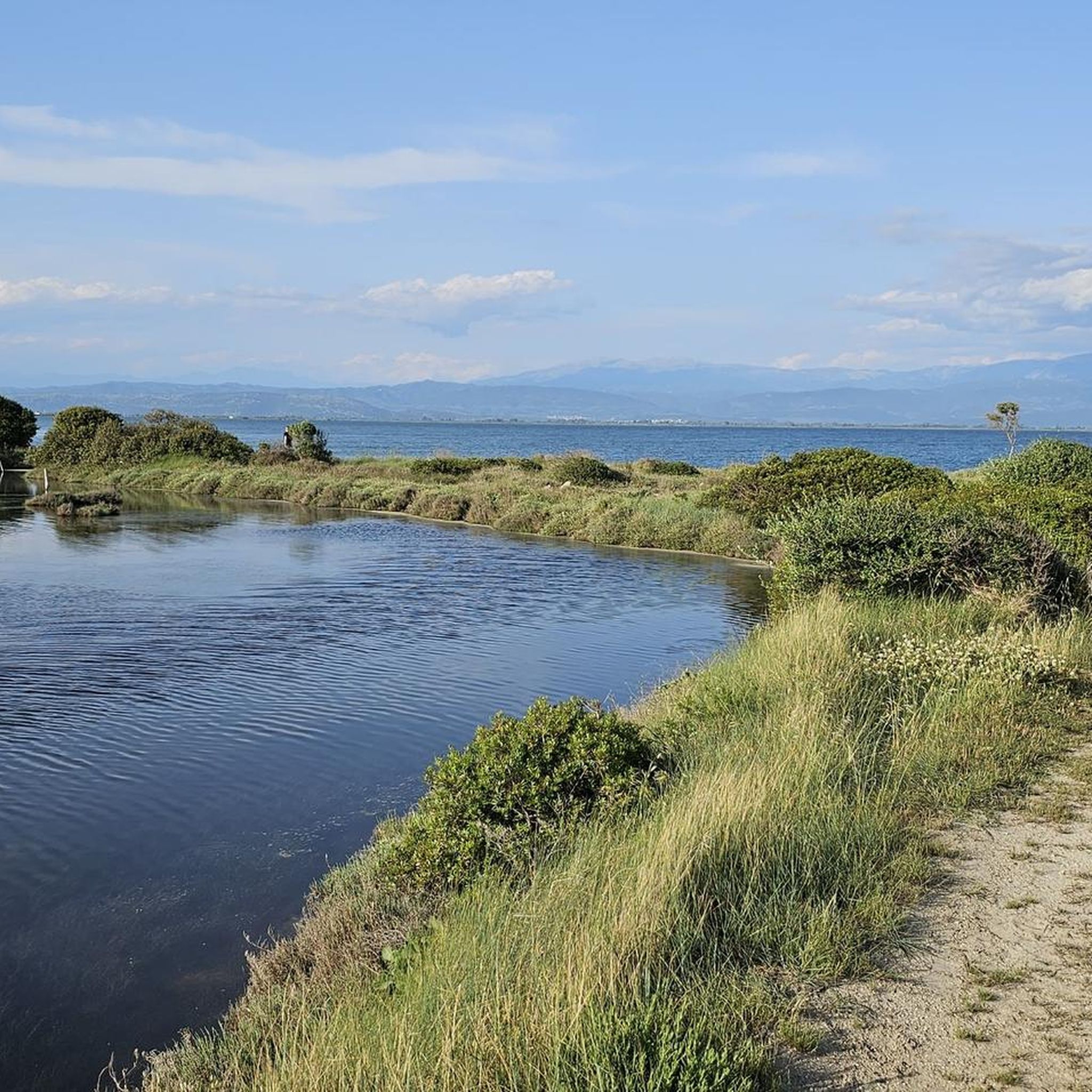
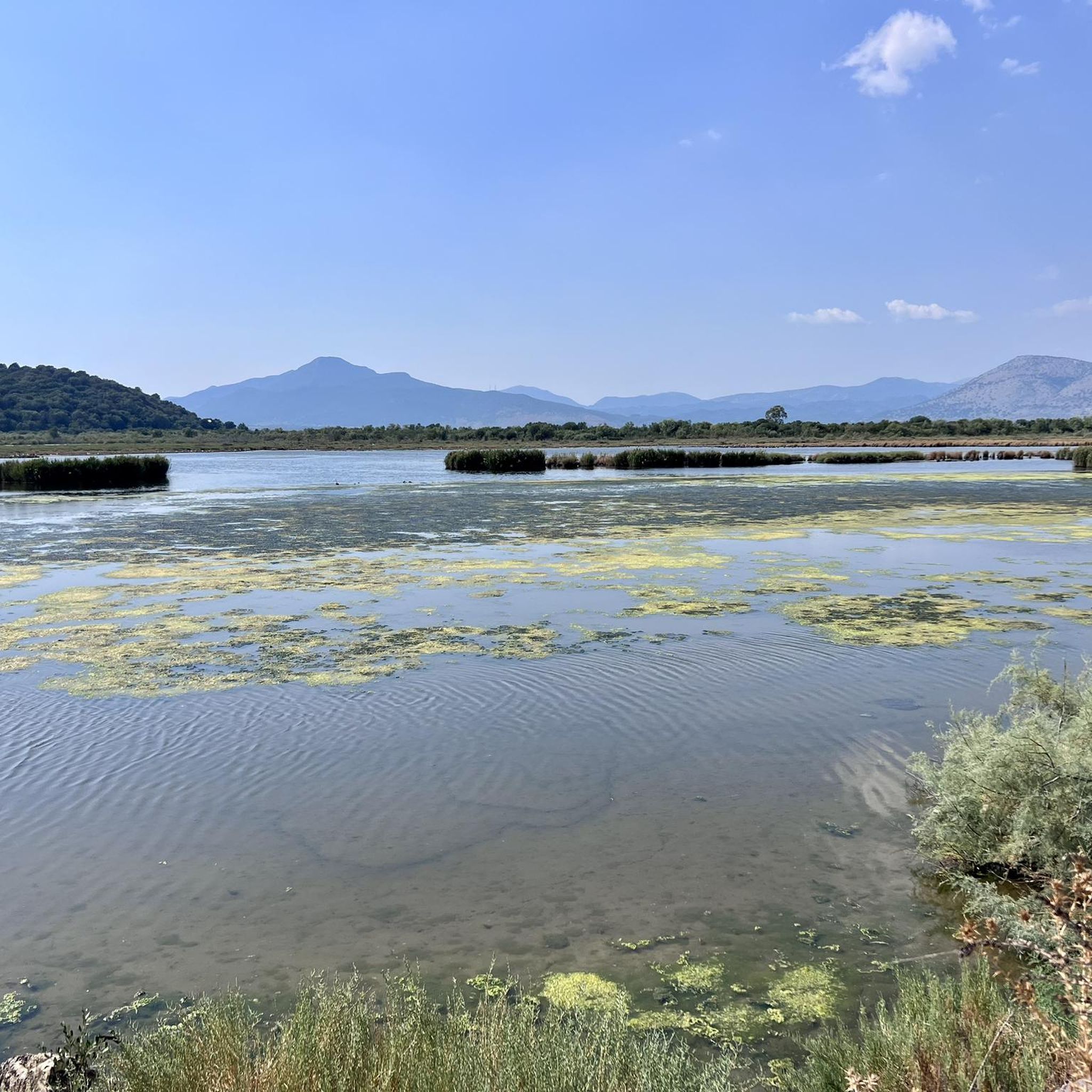
In late summer, flamingos can be seen here! Many other bird species also apparently stop here on their flights.
1
0
Frequently Asked Questions
How many touring cycling routes are available in Περιφερειακή Ενότητα Άρτας?
There are over 5 touring cycling routes documented in Περιφερειακή Ενότητα Άρτας, offering diverse experiences for cyclists. These routes are highly rated by the komoot community, with an average score of 4.7 stars.
Are there easy touring cycling routes suitable for beginners or families in the Arta region?
Yes, the region offers several easy touring cycling routes. For instance, the House of Ekdikos Georgios – Odeon of Nikopolis loop from Preveza is an easy 22 km trail that passes historical sites. Another accessible option is the Scenic Road to Koronisia – Frachti loop from Salaoras, an 8.4 miles (13.5 km) route through coastal scenery.
What kind of landscapes can I expect on touring cycling routes in Περιφερειακή Ενότητα Άρτας?
Touring cycling in Περιφερειακή Ενότητα Άρτας offers a rich variety of landscapes. You can cycle along the banks of the Arachthos River, explore the unique wetland ecosystems of the Ambracian Gulf with its lagoons, or traverse the flat Arta Plain, known for its extensive orange groves. Some routes also venture into the foothills of the Tzoumerka Mountains, providing more varied terrain.
Are there any circular touring cycling routes in the region?
Yes, many of the touring cycling routes in Περιφερειακή Ενότητα Άρτας are designed as loops, allowing you to start and end at the same point. Examples include the Ai Vlassis Cave – Bench With View of the Lagoon loop from Στρογγυλή and the House of Ekdikos Georgios – Ákra Mýtikas loop from Preveza.
What historical or cultural sites can I explore along touring cycling routes?
The region is rich in history. You can cycle past the legendary Bridge of Arta, explore Byzantine monuments like the Panagia Parigoritissa, or see the impressive Ancient Ambracia Walls. The Prytaneio of Amvrakia – Temple of Apollo Pythios Sotir loop from Arta specifically highlights ancient sites.
Are there touring cycling routes that pass by natural attractions like waterfalls or caves?
Yes, some routes offer access to natural wonders. For example, the Ai Vlassis Cave – Bench With View of the Lagoon loop from Στρογγυλή takes you near the Ai Vlassis Cave. While not directly on a listed touring route, the Tzoumerka Waterfall is a notable natural attraction in the wider region.
What is the best time of year to go touring cycling in Περιφερειακή Ενότητα Άρτας?
The Regional Unit of Arta is suitable for touring cycling throughout the year due to its diverse climate. Spring and autumn offer pleasant temperatures for exploring the plains and coastal areas, while the mountains provide cooler options during the summer. The region's blend of natural beauty and history makes it an appealing destination in any season.
Are there more challenging touring cycling routes for experienced cyclists?
Yes, while many routes are easy to moderate, the region also offers more challenging options, particularly as you approach the foothills of the Tzoumerka Mountains. These routes will feature more significant elevation changes compared to the flat Arta Plain or coastal paths.
What do other touring cyclists enjoy the most about touring cycling in Περιφερειακή Ενότητα Άρτας?
The area is highly rated by the komoot community, with an average score of 4.7 stars from over 9 reviews. Cyclists often praise the varied terrain, from serene coastal paths along the Ambracian Gulf to routes through picturesque villages and historical sites, offering a rich and engaging experience.
Can I find touring cycling routes that offer scenic viewpoints?
Absolutely. Many routes in Περιφερειακή Ενότητα Άρτας provide stunning vistas. The coastal routes near the Ambracian Gulf offer beautiful sea views, and paths leading towards higher ground, such as those near the Tzoumerka mountains, can reveal panoramic landscapes. The View of Mount Lakmos is a specific highlight offering a scenic perspective.
Are there touring cycling routes that explore the Ambracian Gulf wetlands?
Yes, the Ambracian Gulf is a significant feature of the region, and several touring cycling routes allow you to explore its unique wetland ecosystem. The Scenic Road to Koronisia – Frachti loop from Salaoras is an excellent example, leading through coastal scenery near the gulf. You can also find highlights like the Gravel Road Along the Lagoon, offering close-up views of the rich biodiversity.
Most popular routes in Περιφερειακή Ενότητα Άρτας
Most popular attractions in Περιφερειακή Ενότητα Άρτας

Get inspired with the komoot mobile app


Didn’t find what you were looking for?
Check out more Cycling routes throughout Περιφερειακή Ενότητα Άρτας below and find the perfect route in your destination.
Explore more
Browse the best Cycling routes in other regions.
