Attractions and Places To See around Argillières - Top 9
Best attractions and places to see around Argillières, a commune in Haute-Saône, Bourgogne-Franche-Comté, offer a mix of historical sites and natural features. The area has a rich past, evidenced by Gallo-Roman vestiges and its name derived from "argilla" (clayey places). Visitors can explore the highest point, Monteaubert, which provides scenic views, and discover unique natural phenomena like the underground Le Vanneau stream.
Best attractions and places to see around Argillières
- The most popular attractions is Delain, Saint-Hubert Church, a…
Last updated: July 4, 2026
Château de Champlitte
Highlight • Castle
Translated by Google •
Tip by

Delain, Saint-Hubert Church
Highlight • Religious Site
Translated by Google •
Tip by
Sign up now to discover places like this
Get recommendations on the best single tracks, peaks, & plenty of other exciting outdoor places.
Sign up for free
Ideal little road
Highlight (Segment) • Cycleway
Translated by Google •
Tip by

Saint Christopher Church
Highlight • Other
Translated by Google •
Tip by
Frânois
Highlight • Settlement
The Saint-Remy church has a beautiful bell tower.
Translated by Google •
Tip by
Sign up for free to discover even more attractions around Argillières.
Sign up for free
Already have an account?
Start today with a free account
Your next adventure awaits.
Login or Signup


Tips from the Community

In 1219, the lord granted the right to grind his mill to the monks of Aumonières. The village was burned down and pillaged in 1569. In the autumn of 1998 (from 15 to 20 October), the small, peaceful town made headlines and attracted media from all over the world because of supposedly inexplicable phenomena (flying candles and goblets, moving images, exploding light bulbs, etc.) that occurred in the village church for about ten days. After investigation, it turned out that the culprit was none other than the mayor of the village.
10
4
The church with its neoclassical façade was rebuilt around 1900. The 15th-century chapel and the Gothic bell tower (1437), which once stood 80m high, have been preserved. Inside, you can see a 12th-century baptismal font and some beautiful statues. They illustrate the importance of religious art in this village, which had no fewer than six monasteries.
10
4
The Château de Champlitte is a historic monument in the commune of Champlitte, in the Haute-Saône, France. The castle was originally built as a fortified fortress in the Middle Ages, but was later converted into a residential castle in the Renaissance and 18th centuries. The castle now houses the Museum of Popular Arts and Traditions, which shows the daily life and crafts of the past. You can visit the castle and the museum, and enjoy the formal gardens in the courtyard.
12
4

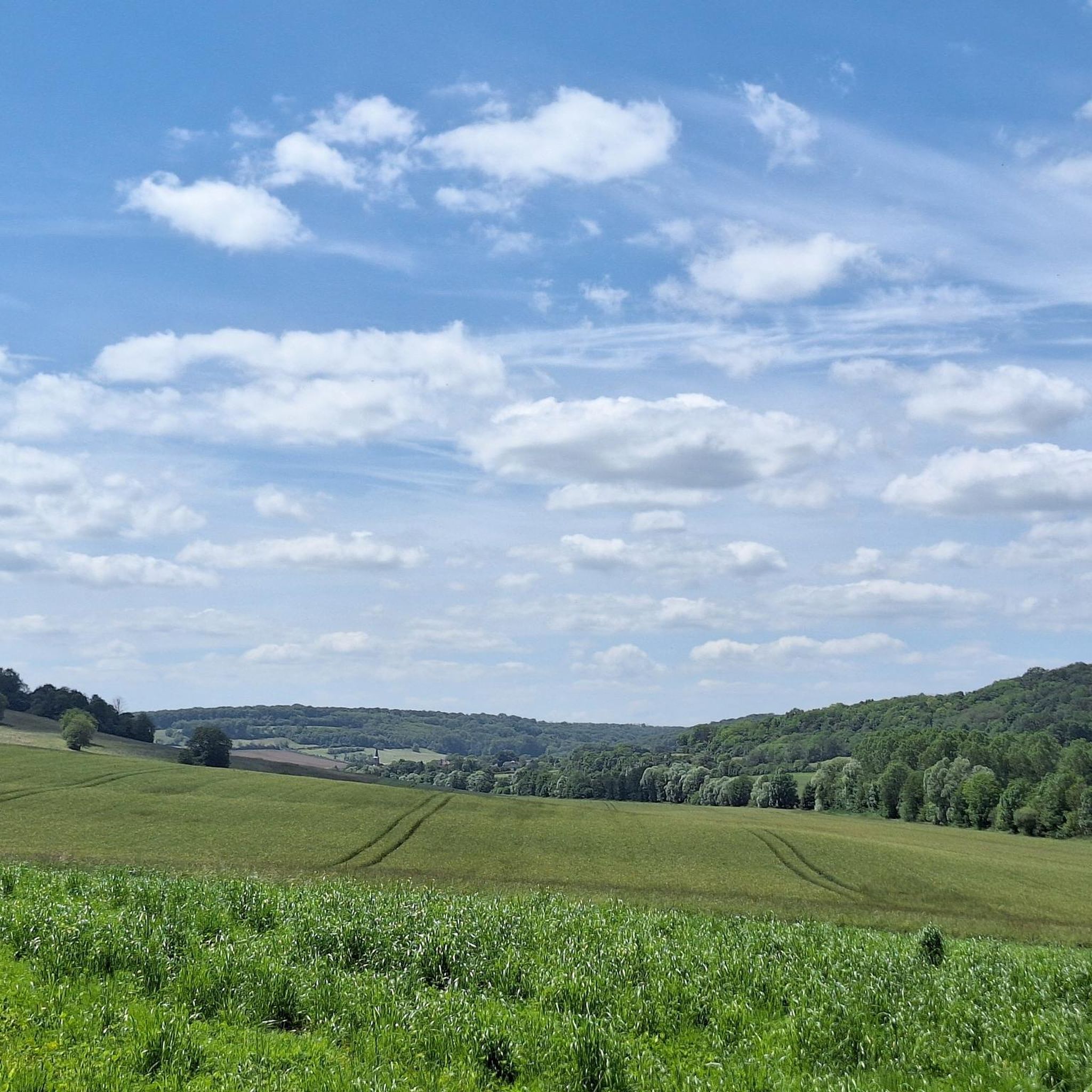
A very special gem between Villers-Vaudey and Morey. Currently in its best condition (09/2018), this tiny little road leads through a shallow valley through woods and past pastures - outrageously idyllic.
6
0
Frequently Asked Questions
What historical sites can I explore around Argillières?
The region around Argillières is rich in history. You can visit the 17th-18th century Château d'Argillières, rumored to have hosted the bandit Mandrin. Another significant site is Château de Champlitte, a historic monument that now houses the Museum of Popular Arts and Traditions. Don't miss the Delain, Saint-Hubert Church, known for its intriguing history, or the 18th-century Saint-Martin Church in Argillières itself, featuring an original bell tower with blue glazed tiles. Vestiges of Gallo-Roman villas also hint at the area's ancient past.
Are there any unique natural landmarks or viewpoints in the area?
Yes, Argillières offers several distinctive natural features. The Rock of the Druids is a significant landmark with mythical connections. For panoramic views, head to Monteaubert, the highest point in the commune, which offers picturesque vistas of the Saône valley. You can also discover the mysterious "Pas du cheval de Saint-Martin", an imprint in the rock believed to be Saint Martin's horse's footprint, located towards Fouvent.
What kind of outdoor activities, like hiking or cycling, are available near Argillières?
The area around Argillières is excellent for outdoor activities. For cycling, you can enjoy the Ideal little road, an idyllic cycle way through a shallow valley, woods, and pastures. If you're looking for more extensive routes, there are numerous options. You can find various hiking trails around Argillières, including moderate loops like 'La Grosse Roche – Butter bread' from La Roche-Morey. For runners, explore the running trails around Argillières, with options ranging from moderate to difficult. Road cyclists can also find several road cycling routes around Argillières, such as the 'Pertes de la Rigotte – Ideal little road loop'.
Are there family-friendly attractions or activities around Argillières?
Absolutely. The Château de Champlitte, with its Museum of Popular Arts and Traditions and formal gardens, is a great family outing. The Ideal little road offers a pleasant and easy cycling experience suitable for families. Exploring the legends surrounding the Witch's Trough can also be an engaging adventure for children, involving a short walk through nature.
What is the legend behind the 'Witch's Trough' near Argillières?
The Witch's Trough (Auge de la Sorcière) is a monumental trough, three meters long, steeped in local legend. It's said to have been broken by a witch's hammer blow. This intriguing feature is about a 30-minute walk from Argillières village, making it a fascinating spot to visit and ponder its folklore.
What makes the churches around Argillières noteworthy?
The churches in the Argillières region are notable for their history and unique features. The Saint-Martin Church in Argillières, dating to the 18th century, has an original bell tower with distinctive blue glazed tiles. The Delain, Saint-Hubert Church gained international attention in 1998 due to supposedly inexplicable phenomena. Additionally, the Saint Christopher Church, rebuilt around 1900, preserves a 15th-century chapel and a Gothic bell tower, along with a 12th-century baptismal font and beautiful statues.
Can I find charming villages to explore near Argillières?
Yes, the region is dotted with charming villages. Frânois is a particularly charming village in the Bourgogne-Franche-Comté region, known for its peaceful, rural atmosphere and the beautiful bell tower of its Saint-Remy church. These villages often offer a glimpse into the local history and culture.
What is the best time of year to visit Argillières for outdoor activities?
While specific data isn't provided, generally, spring and autumn offer pleasant temperatures for hiking and cycling in the Haute-Saône region, with vibrant foliage in autumn. Summer is also suitable, though it can be warmer. Winter activities are limited, but the landscape can be beautiful under snow.
Are there any hidden gems or lesser-known spots worth discovering?
Beyond the main attractions, the area holds some lesser-known treasures. The Communal Pond in Argillières offers a serene spot for relaxation. The small streams traversing the village, like the Vanneau which flows underground, add to the natural charm. Exploring the various walking trails can also lead you to quiet, picturesque spots off the beaten path.
What kind of historical significance does Argillières itself have?
Argillières has a deep historical past. The area was once a Gallo-Roman city, evidenced by discovered vestiges of Gallo-Roman villas. Its name is derived from "argilla," meaning clayey places, highlighting its ancient origins and the natural resources that shaped its early history.

Get inspired with the komoot mobile app


Explore more
Still not found the Highlight you’re looking for? See guides of the top attractions in other regions:
