Attractions and Places To See in Þingeyjarsveit - Top 18
Best attractions and places to see in Þingeyjarsveit encompass a diverse landscape of natural features and cultural sites in northern Iceland. The region is characterized by powerful waterfalls, unique geothermal areas, and serene natural landscapes. Visitors can explore various valleys, rivers, and historical locations.
Best attractions and places to see in Þingeyjarsveit
- The most popular attractions is Goðafoss, a waterfall that flows over horseshoe-shaped cliffs. This waterfall is fed by the Skjálfandafljót river and is one of Iceland's largest. …
Last updated: October 9, 2026
Goðafoss
Highlight • Waterfall
Translated by Google •
Tip by

Godafoss 'the beauty' Waterfall
Highlight • Waterfall
The Geitafoss is not very high or wide, but is admired …
Translated by Google •
Tip by

Sign up now to discover places like this
Get recommendations on the best single tracks, peaks, & plenty of other exciting outdoor places.
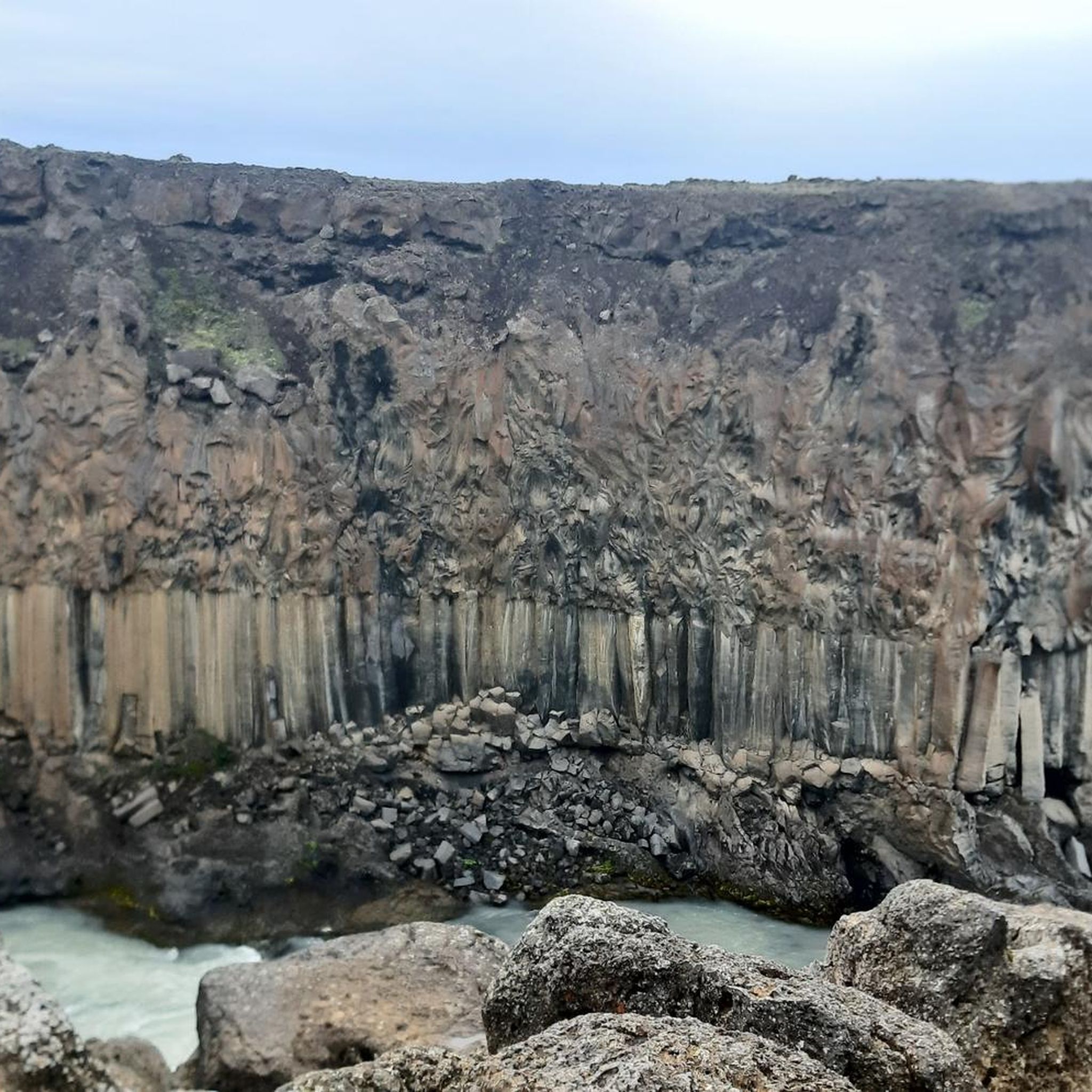
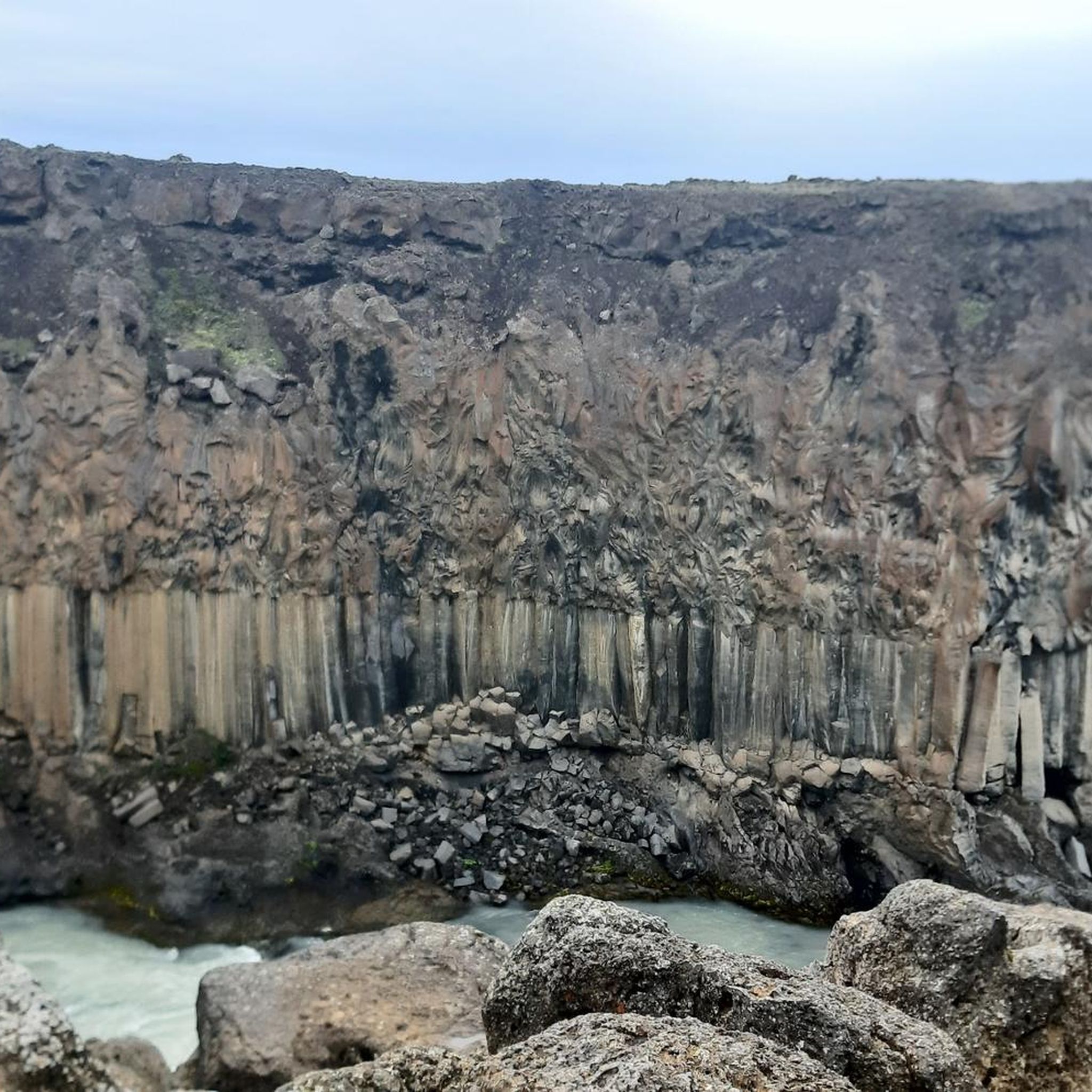
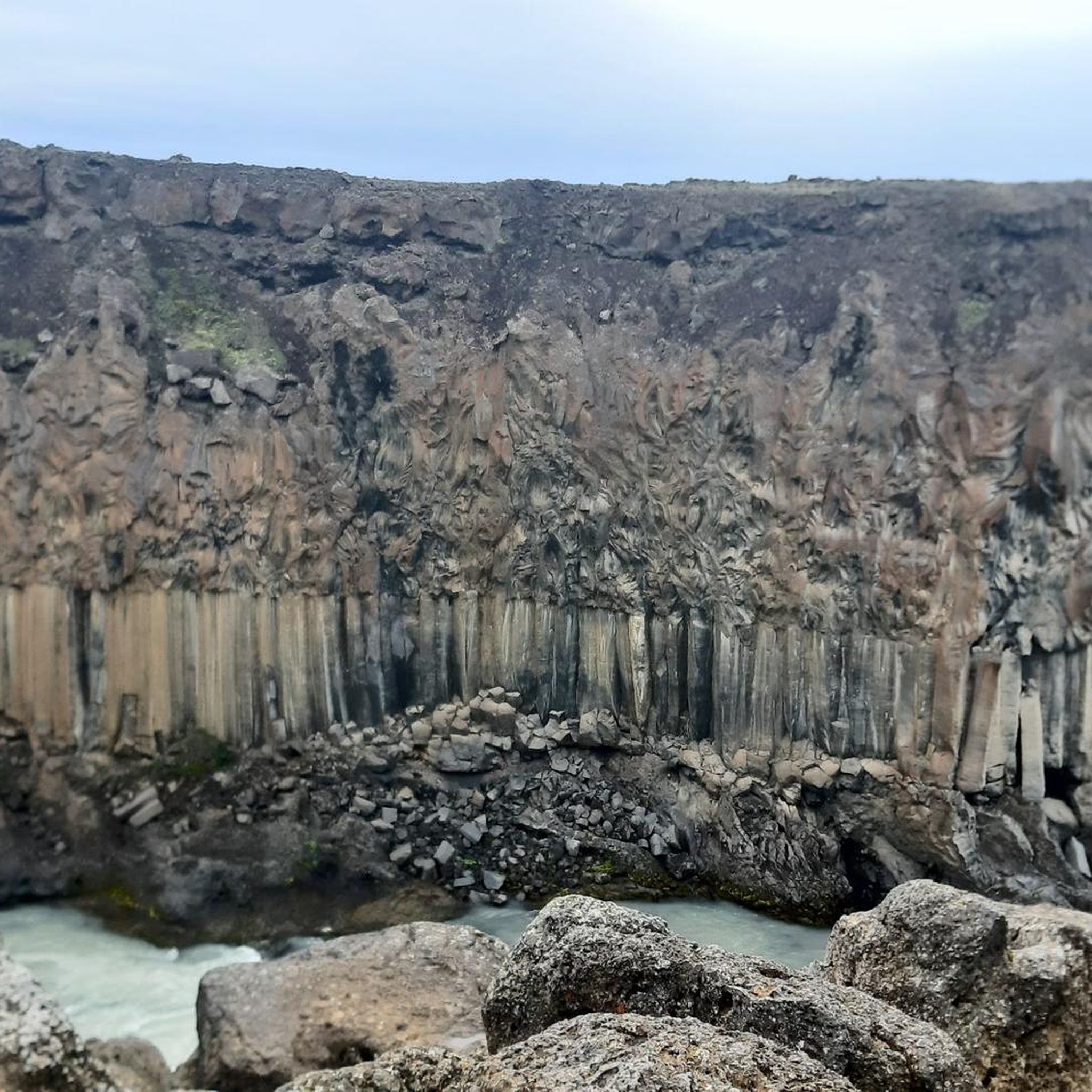
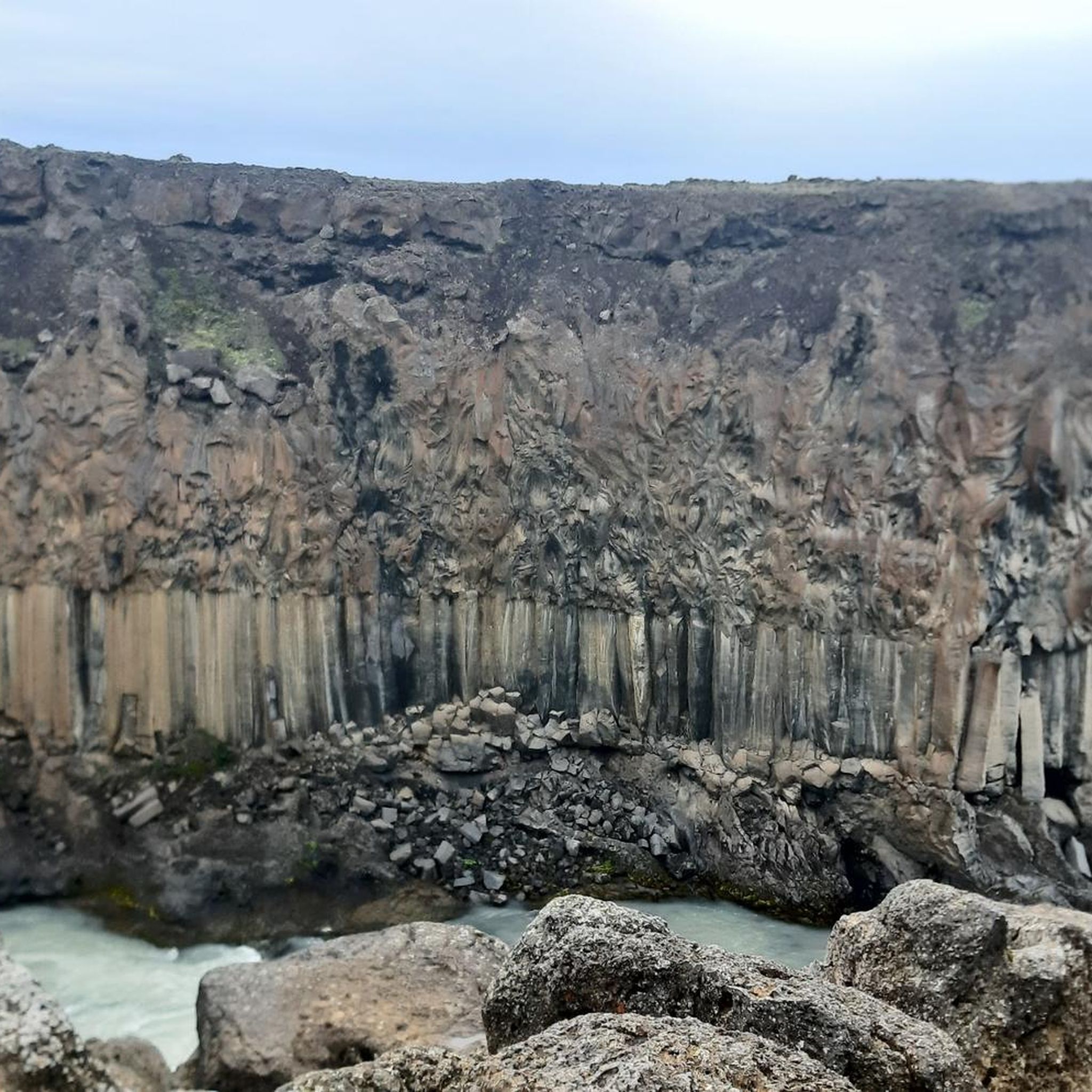
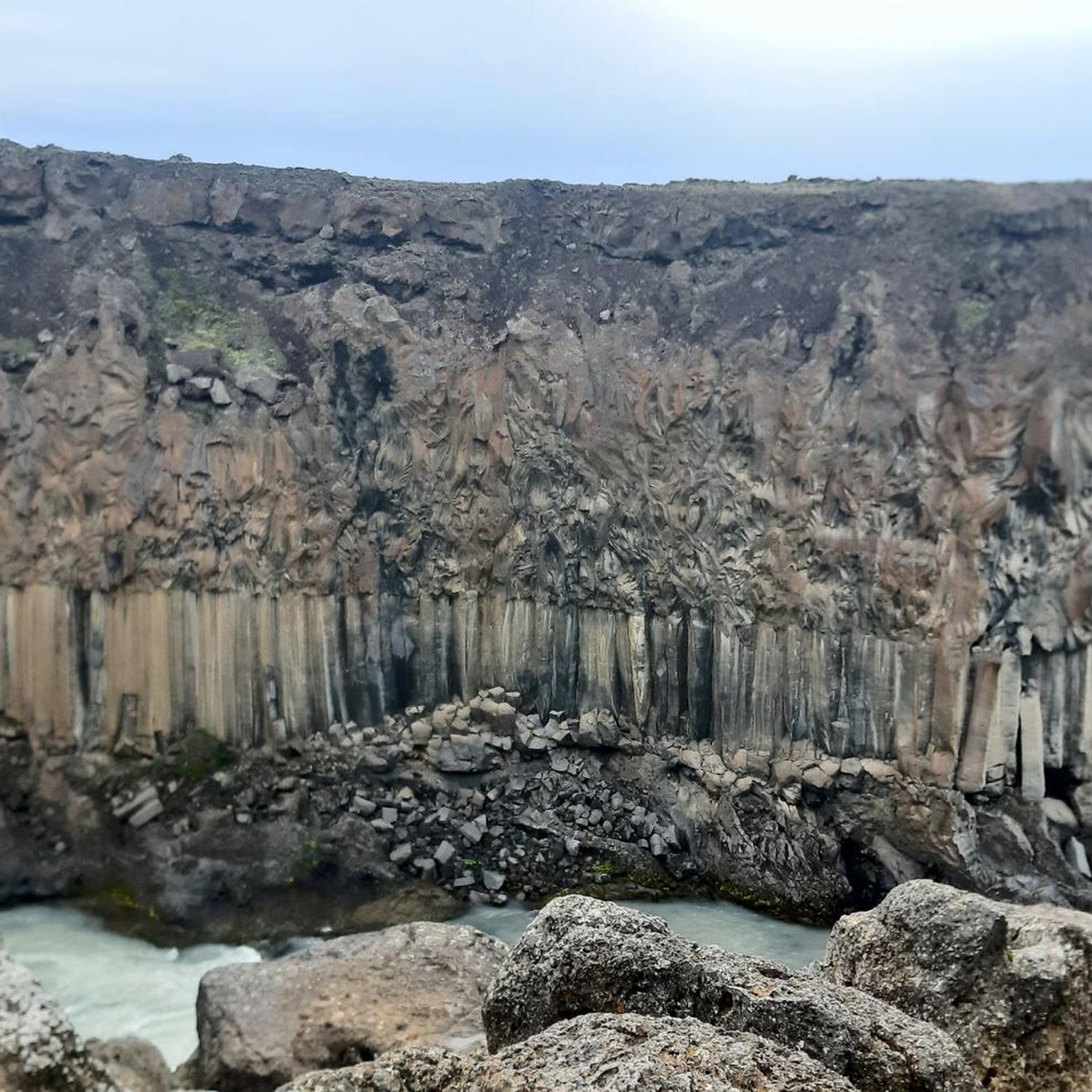
Aldeyjarfoss Waterfall
Highlight • Waterfall
Translated by Google •
Tip by

Skjálfandafljót
Highlight • River
Translated by Google •
Tip by
Vindbelgjarfjall Summit
Highlight • Summit
Translated by Google •
Tip by
Alternative river channel near Goðafoss
Highlight • River
Translated by Google •
Tip by
Zigzagging up the mountain
Highlight (Segment) • Trail
Translated by Google •
Tip by
Nyidalur FI Mountain Hut and Campsite
Highlight • Mountain Hut
Tip by

the first crossing of the lava field
Highlight • Natural Monument
Translated by Google •
Tip by
View of Geitafoss from the bridge
Highlight • Viewpoint
Translated by Google •
Tip by
Sign up for free to discover even more attractions in Þingeyjarsveit.
Already have an account?
Start today with a free account
Your next adventure awaits.
Popular around Þingeyjarsveit
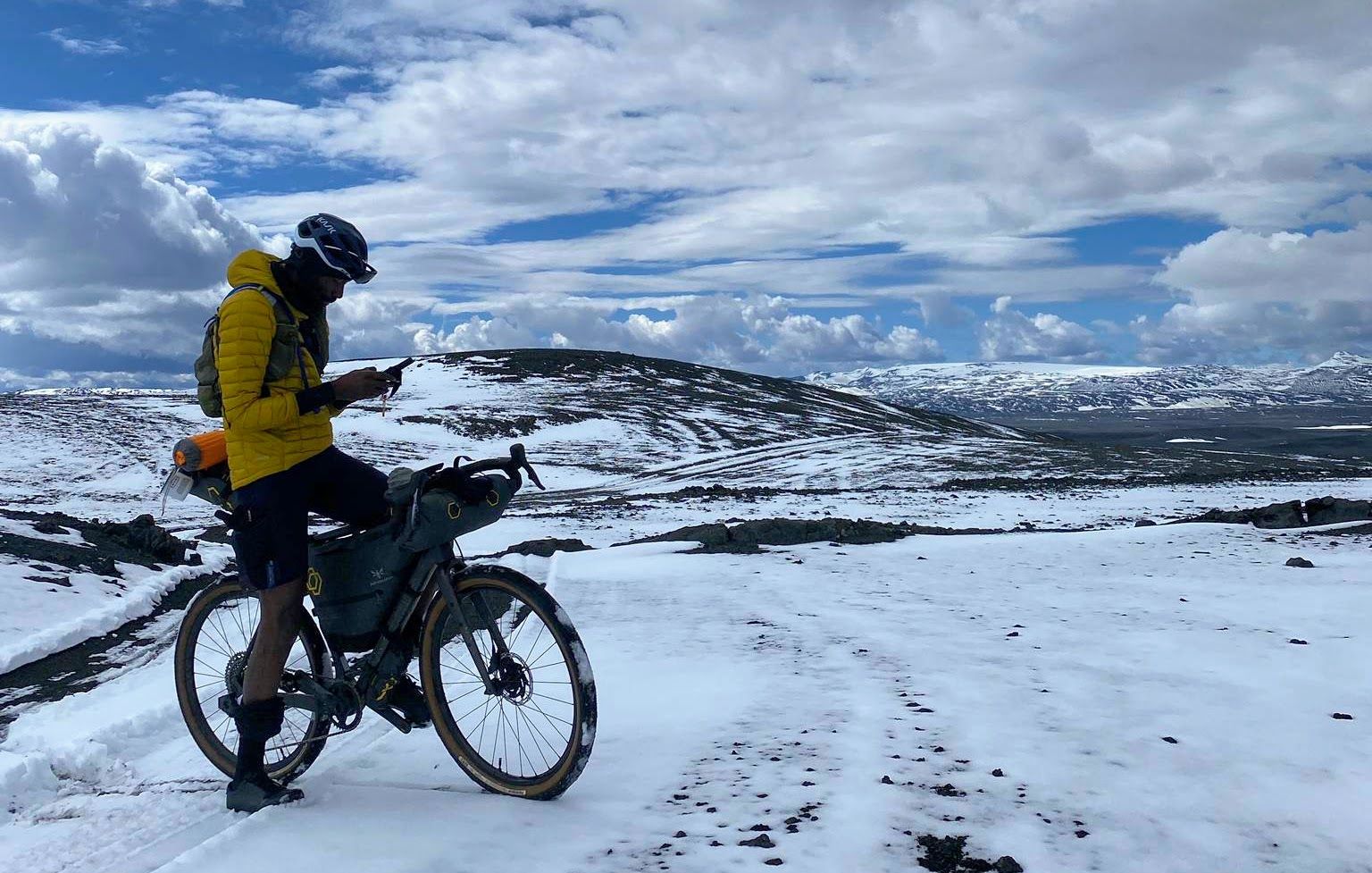
Iceland Divide – Lava fields, icy glaciers and river crossings
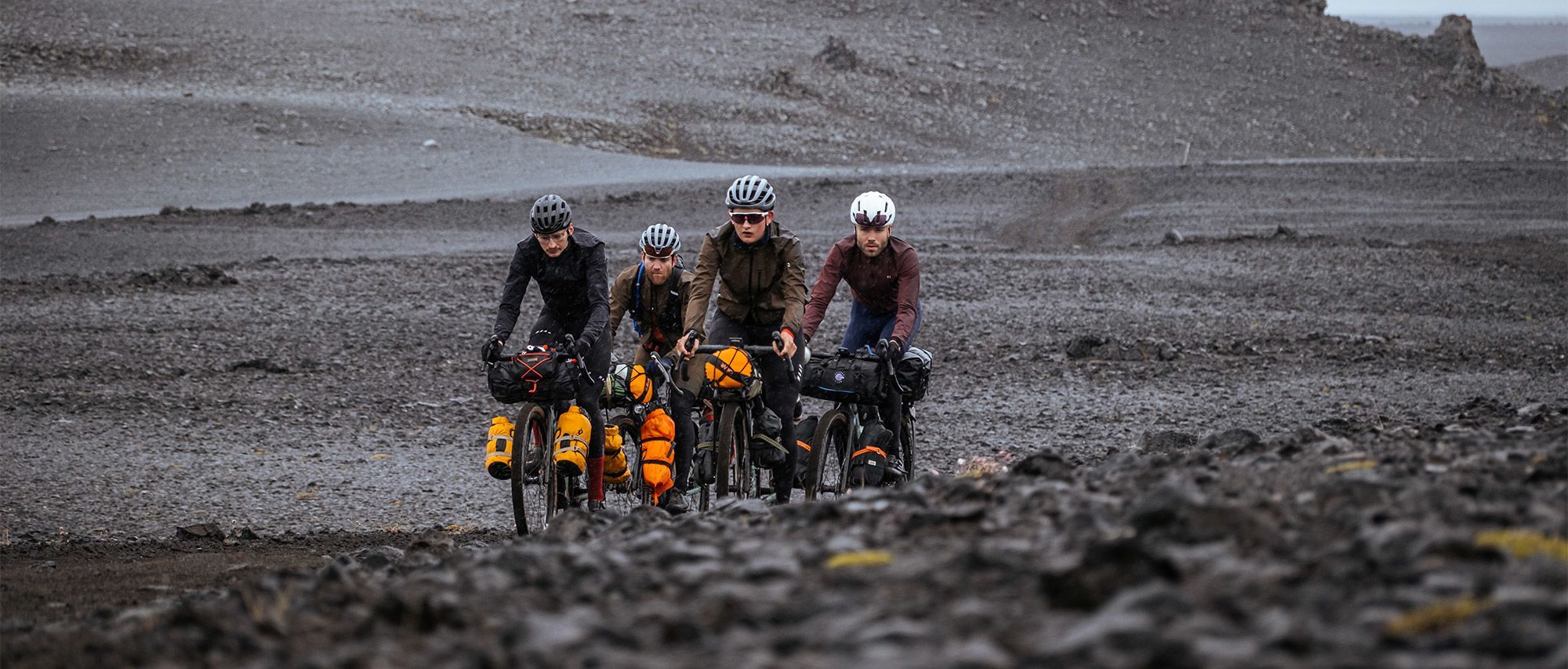
Iceland Divide — Ride Beyond Crew: between fire and ice
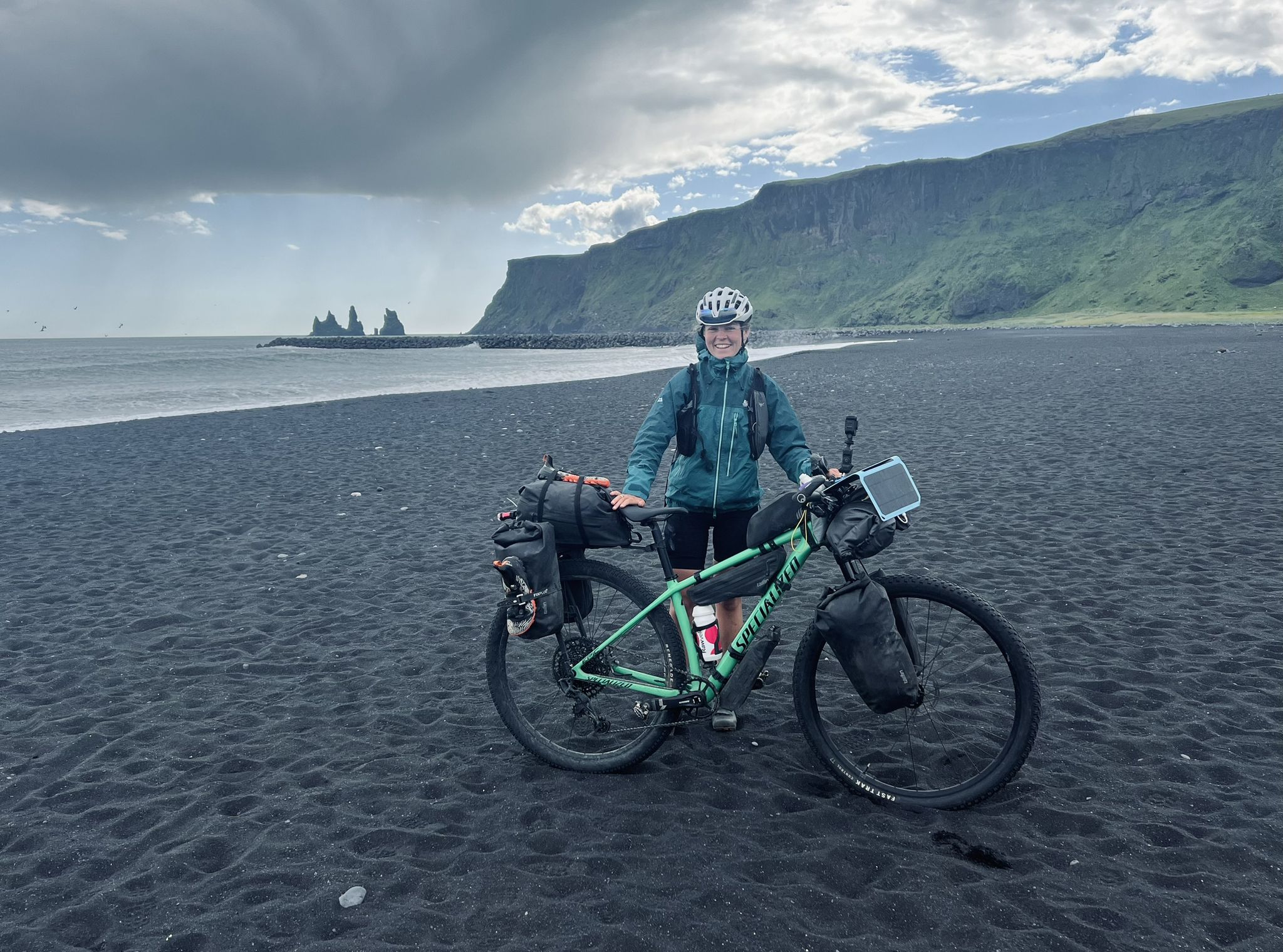
Solitude in the saddle – Iceland Divide
Hiking in Þingeyjarsveit
Running Trails in Þingeyjarsveit
Cycling in Þingeyjarsveit
MTB Trails in Þingeyjarsveit
Road Cycling Routes in Þingeyjarsveit
Other adventures in Þingeyjarsveit


Tips from the Community

A very impressive waterfall. There are no hiking trails there. You have to find your own way.
0
0

Situated on the F26 and close to glacial rivers, the Nýidalur hut is a beautiful place to rest. You can either sleep on the camp ground or in the hut itself. Equipped with showers and toilets as well.
0
0

Beautiful, very impressive waterfall. We saw canoes plunging down it. Easily accessible, as it is almost directly on the road.
4
0
Great hut in the middle of the highlands with a simple standard. Bring your own sleeping bags. Camping and cooking yourself is possible.
1
0


Great campsite with hot showers, a little tuck shop with chocolate and freeze dried meals and lovely walks surrounding it! Search & Rescue are based here.
0
0

This beautiful mountain on the banks of the Myvatn can be climbed in a good three quarters of an hour. If the weather is good, you have a great view from here over the Myvatn, the swamp area where numerous birds breed, and all the way to the Námaskarð thermal area. However, in summer you can expect thousands of flies. Tip: a cloth over your mouth, nose and ears helps. After a third of the way, the overgrown part is done and the wind blows the flies away :)
9
0

From the bridge you especially have a good view of the smaller waterfall, the Geitafoss.
11
0
Frequently Asked Questions
What are the most impressive waterfalls to visit in Þingeyjarsveit?
Þingeyjarsveit is home to several stunning waterfalls. The most famous is Goðafoss, known as 'the beauty,' which flows over horseshoe-shaped cliffs and is one of Iceland's largest. Nearby, you can also find Geitafoss, a smaller but powerful waterfall on the same river. Further afield, Aldeyjarfoss Waterfall is remarkable for its dramatic setting amidst black basalt columns.
Are there any unique geothermal areas to explore in the region?
Yes, Þingeyjarsveit and its immediate surroundings offer captivating geothermal landscapes. Hverir is a prominent geothermal area famous for its bubbling mud pools and steaming fumaroles, creating an otherworldly atmosphere. The nearby Lake Mývatn area also features the Earth Lagoon, with its milky blue, mineral-rich thermal waters.
What kind of historical or cultural sites can I visit in Þingeyjarsveit?
The region has a rich history. You can visit Thverá Church, built in 1878 from chiseled stone, or Thorgeirskirkja Church in Ljósavatnsskard, which commemorates Iceland's Christianization. The Ystafell Transportation Museum offers insights into local history, and Sölvahellir Cave by the Skjálfandafljót river is historically known as an outlaw's hideout.
What outdoor activities, like hiking or cycling, are available near these attractions?
Þingeyjarsveit offers numerous outdoor activities. For hiking, you can explore trails around Goðafoss Waterfall or the scenic path to Aldeyjarfoss Waterfall. The area around Lake Mývatn also provides excellent opportunities for walks, including the ascent to Vindbelgjarfjall Summit for panoramic views. For more detailed routes, check out the Hiking in Þingeyjarsveit guide. Cyclists can find various routes, including those around Lake Mývatn, as detailed in the Road Cycling Routes in Þingeyjarsveit guide.
Are there any family-friendly attractions in Þingeyjarsveit?
Many of Þingeyjarsveit's natural wonders are suitable for families. Goðafoss is easily accessible and captivating for all ages. The Lake Mývatn area, with its pseudocraters at Skútustaðagígar and the unique lava formations of Dimmuborgir, offers engaging exploration for children. The new swimming pool in Laugar also provides a relaxing family activity.
Where can I find the best viewpoints in Þingeyjarsveit?
For breathtaking views, consider hiking up Vindbelgjarfjall Summit near Lake Mývatn, which offers panoramic vistas of the lake and surrounding landscapes. The areas around Goðafoss and Geitafoss also provide excellent vantage points to admire the powerful waterfalls and the Skjálfandafljót River.
What are some lesser-known natural gems or 'hidden' spots in the region?
Beyond the main attractions, explore the Fnjóskadalur Valley, home to Iceland's longest spring-fed river and Vaglaskógur, the biggest birch forest in Iceland. The Bárðardalur Valley, one of Iceland's oldest settled valleys, also offers serene landscapes and a sense of untouched nature. The Kistufell Mountain Hut is situated in a remote volcanic lava field, offering a unique experience for hikers.
What is the best time of year to visit Þingeyjarsveit?
The summer months (June to August) are generally considered the best time to visit Þingeyjarsveit. During this period, the weather is milder, daylight hours are long (including the midnight sun), and all roads and attractions are typically accessible. This allows for optimal enjoyment of hiking, sightseeing, and outdoor activities.
Can I see any unique geological formations in Þingeyjarsveit?
Absolutely. The region is rich in unique geological features. Aldeyjarfoss Waterfall is famous for its striking black basalt columns. The Lake Mývatn area boasts pseudocraters at Skútustaðagígar and the intricate lava formations of Dimmuborgir, often called the 'Dark Castles.' Hverfjall, a tephra cone volcano, also offers a distinct geological landmark.
What rivers are significant in Þingeyjarsveit?
The Skjálfandafljót River is particularly significant, being Iceland's fourth-longest. It feeds the famous Goðafoss and Geitafoss waterfalls and flows through the Bárðardalur Valley. The Fnjóská River, Iceland's longest spring-fed river, runs through the Fnjóskadalur Valley, adding to the region's natural beauty.
Are there opportunities for wildlife spotting, especially birds, in the area?
Yes, the Lake Mývatn area is particularly renowned for its rich birdlife, especially around the wetlands of Skútustaðagígar. It's a prime location for birdwatching, attracting various species of ducks and other waterfowl during the breeding season.
Most popular routes in Þingeyjarsveit
Most popular attractions in Þingeyjarsveit

Get inspired with the komoot mobile app


Explore more
Still not found the Highlight you’re looking for? See guides of the top attractions in other regions:
