Top 20 Castles around Krumau am Kamp
Best castles around Krumau am Kamp are situated in a region characterized by its natural landscapes and historical significance. The area features the Kamp river, which has shaped the local geography, and is home to various historical sites. These castles offer insights into centuries of regional history and architectural development. The surroundings provide opportunities for exploration, with many sites integrated into the natural environment.
Best castles around Krumau am Kamp
- The most popular castles is Ottenstein Castle, a castle…
Last updated: November 18, 2026
Lichtenfels Castle Ruins
Highlight • Castle
Translated by Google •
Tip by

Schloss Waldreichs
Highlight • Castle
Nothing remains of the original moated castle.
Translated by Google •
Tip by

Sign up now to discover places like this
Get recommendations on the best single tracks, peaks, & plenty of other exciting outdoor places.
Dobra Castle Ruins
Highlight • Castle
Translated by Google •
Tip by

Ruins of Ödes Schloss (Stein am Kamp)
Highlight • Castle
Translated by Google •
Tip by

Brunn am Walde Castle
Highlight • Castle
I was lucky that …
Translated by Google •
Tip by
Sign up for free to discover even more castles around Krumau am Kamp.
Already have an account?
Start today with a free account
Your next adventure awaits.
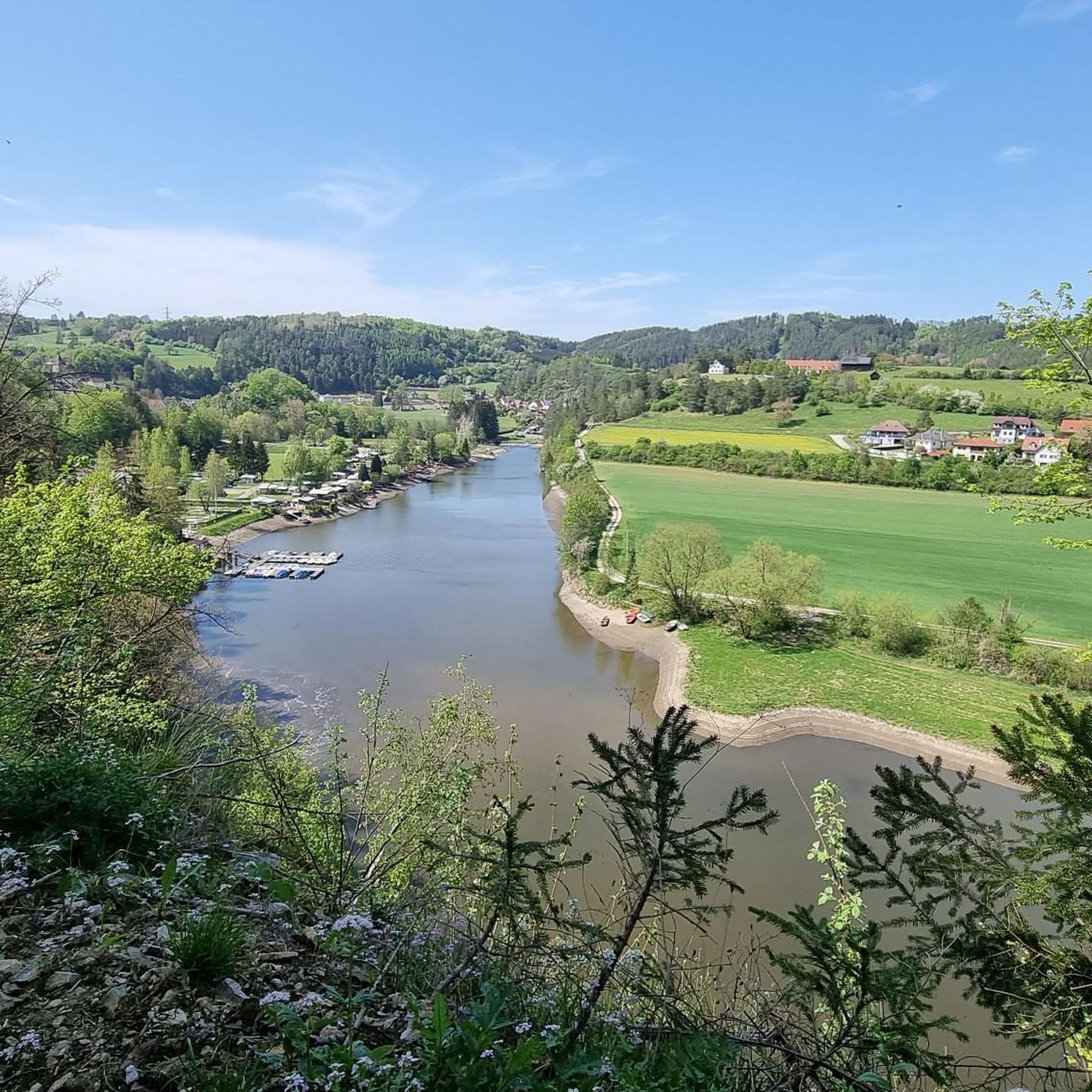
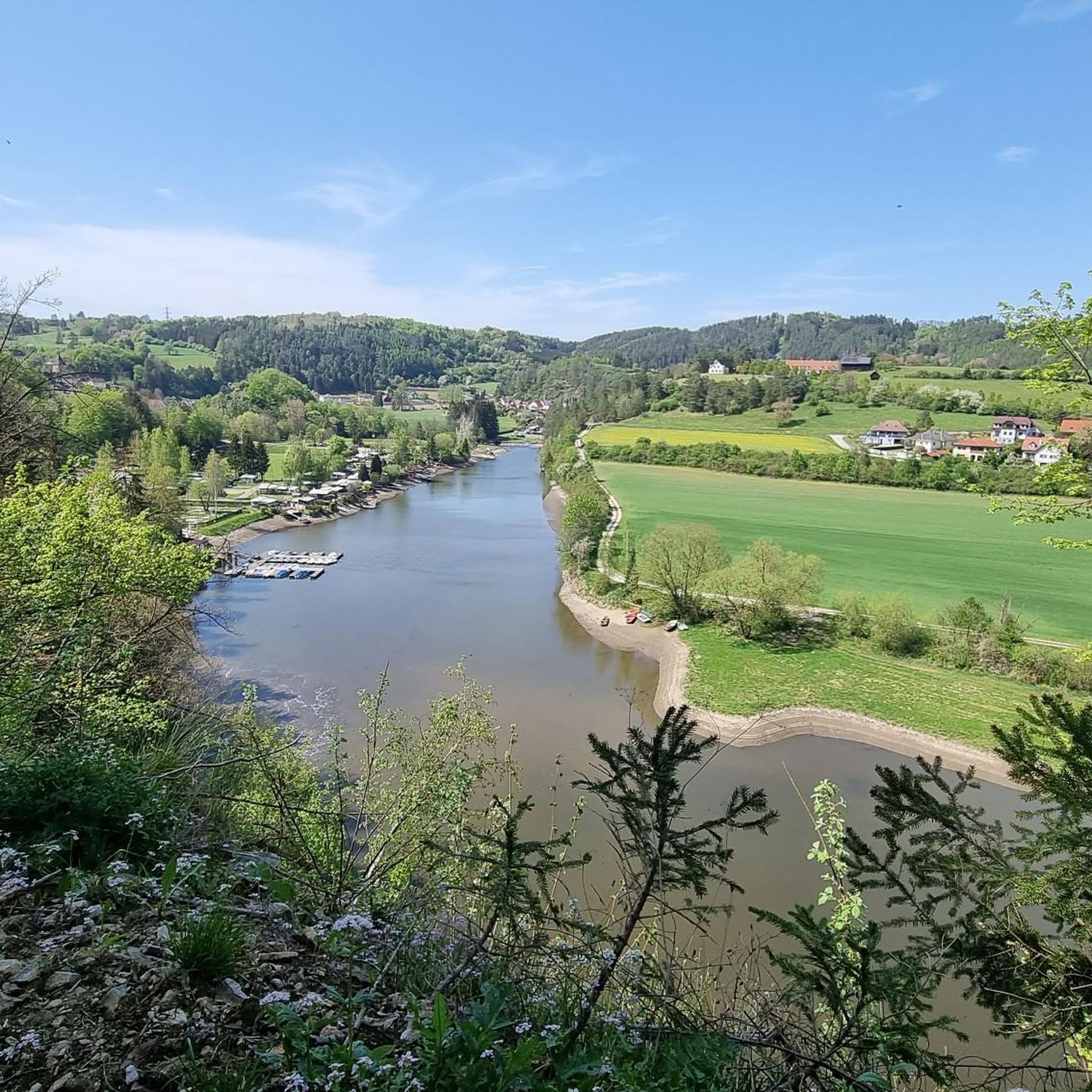
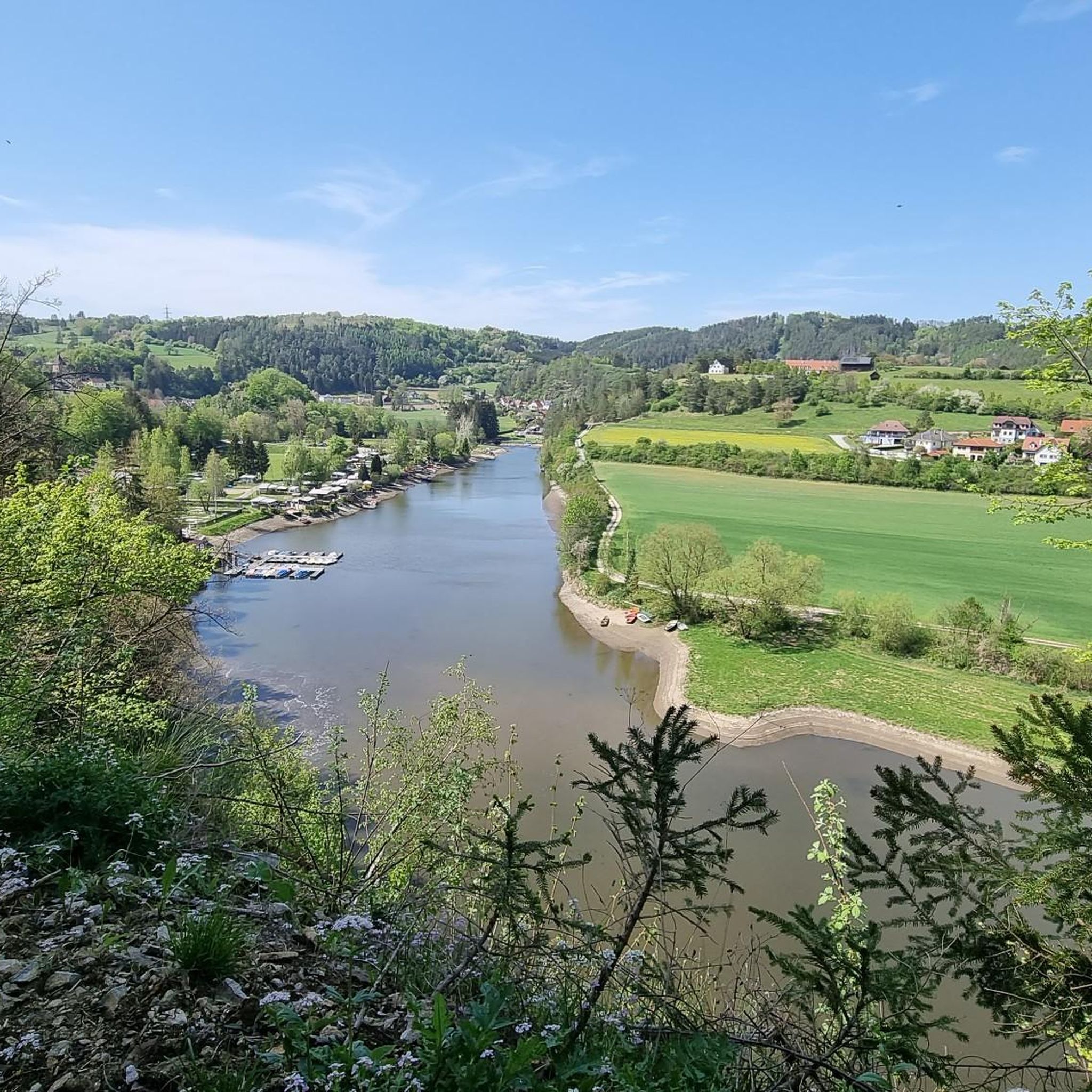
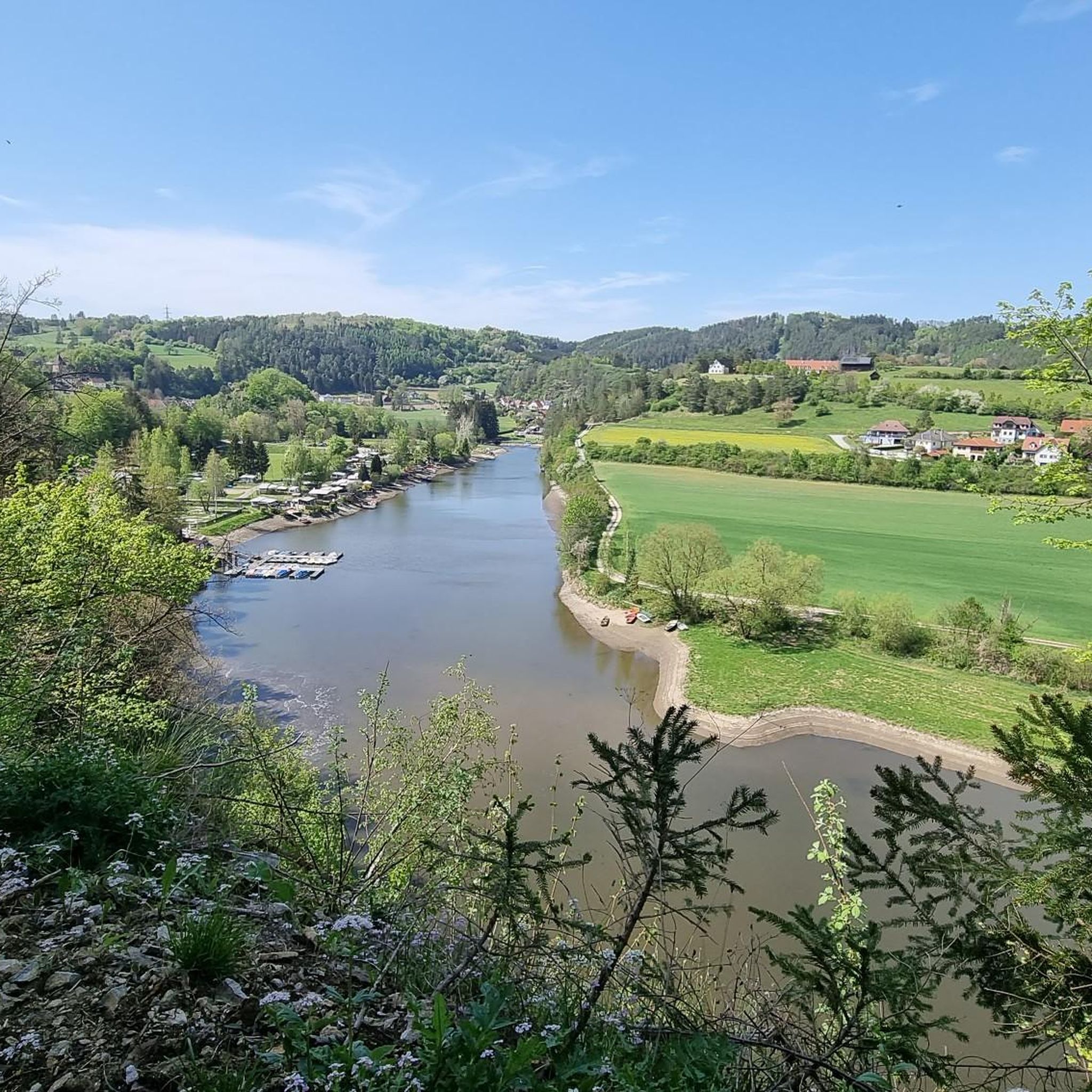
Tips from the Community

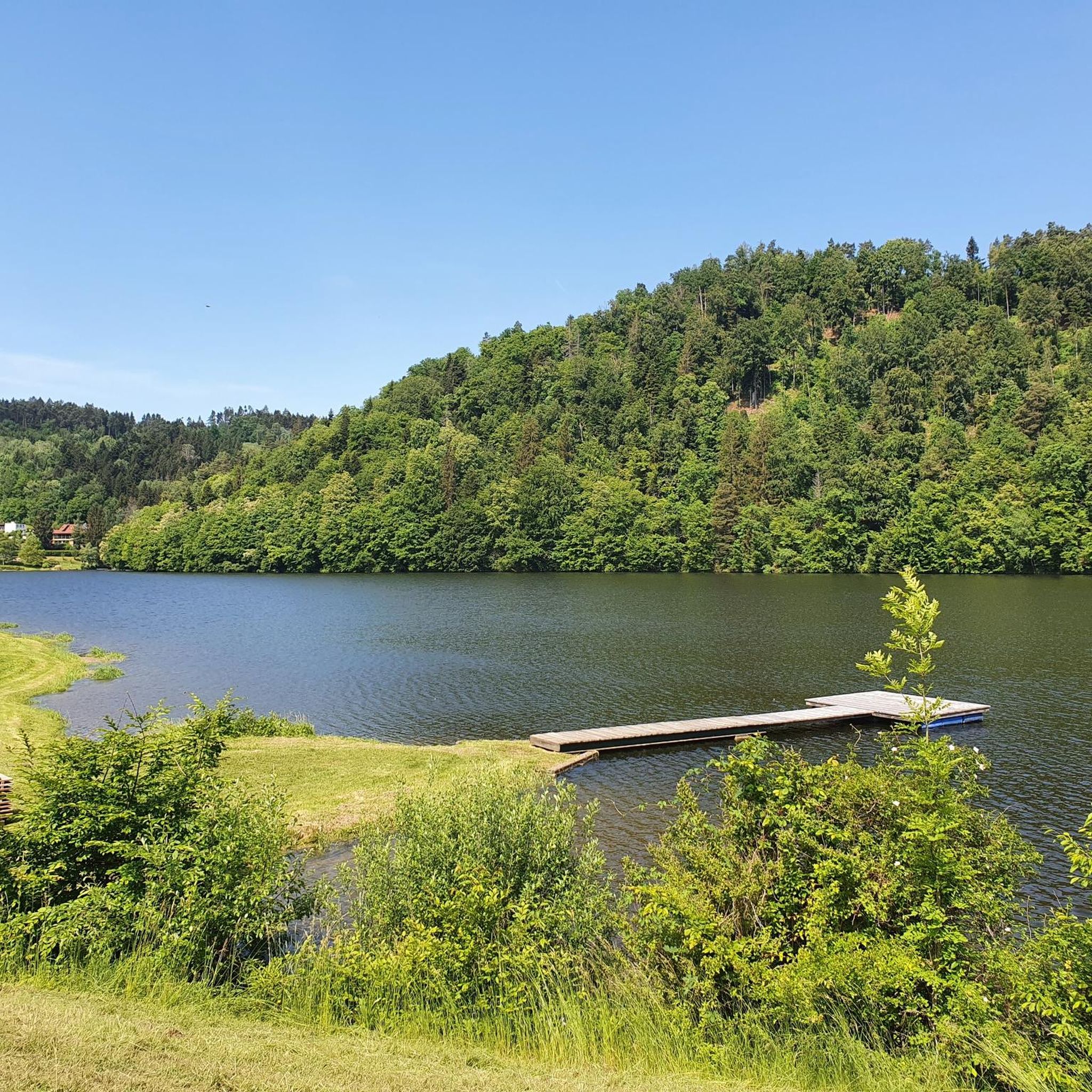
Mystical masonry, excursion destination, haven of peace, picture-book backdrop, wedding location, in short – the Dobra castle ruins are a place for lasting experiences. Just 30 minutes northwest of Krems in the Waldviertel, the Dobra castle ruins lie in the middle of the water, on a peninsula in the Stausee Dobra. Almost 750 years old and 100 meters long, its walls tell many stories from distant days. Today, the keep of the former castle is an observation tower and offers an impressive view far over the Kampsee.
0
0
From the 15th century onwards, Lichtenfels changed hands frequently until the castle came to Rastenberg in 1628. As the new owners moved their seat of power to Rastenberg, the slow decay of Lichtenfels began in 1774. In 1790, the Freiherrn von Bartenstein, who owned Rastenberg and Lichtenfels, sold the majority of the castle's roof to Stift Zwettl. The reason for this was the roof tax introduced by Emperor Joseph II, which was calculated based on the size of the roof areas. Numerous noble families throughout the country had their cold and uninhabitable castles de-roofed at that time to save taxes. In 1804, the last inhabitant left Lichtenfels castle, which has been owned by the Thurn-Valsassina family together with Rastenberg since 1872. The Romanesque chapel, formerly dedicated to the Apostle Paul, was a destination for small pilgrimages for a long time; the last one took place in 1960 from Friedersbach. Lichtenfels castle ruins can be visited all year round (at your own risk).
0
0
On a peninsula in the Ottenstein reservoir, the Lichtenfels castle ruins rise picturesquely. Before the creation of the reservoir (1954-1957) and the construction of the federal road B38 with the bridge completed in 1957, the Lichtenfels castle, first mentioned in 1248, stood lonely on a rocky ridge high above the Kamp river. In the 13th century, an important ministerial family resided here, initially bearing the nickname „Tursen“, deriving from Rauheneck castle near Baden, and towards the end of this century took the name „Lichtenfels“. Under their rule were numerous surrounding places, such as Friedersbach, for example. During the Hussite invasions of 1427/28, Lichtenfels served as a storage place for the archives and treasures of the Zwettl Abbey.
0
0

A great castle ruin. The keep can be climbed. A small donation is requested. From the tower, a flight on a steel cable to the opposite bank of the Kampsee is even offered. Events also take place here.
0
0

No Merlot here — the shelf stands empty, quiet, waiting for a bottle that never comes. Kein Merlot hier — das Regal bleibt leer, still, wartend auf eine Flasche, die nie kommt. Pas de Merlot ici — l'étagère reste vide, silencieuse, attendant une bouteille qui n'arrive jamais. No hay Merlot aquí — el estante queda vacío, silencioso, esperando una botella que nunca llega.
0
0
Schloss Waldreichs was first documented in 1258. Around 1400, Kaspar and Bernhard von Waldreichs are mentioned as feudal lords. After its destruction by an executionary army of the estates in 1446–1448, it was rebuilt as a fortress around 1450 under Hans Harrasser. The present-day ruin in the east wing, the chapel, and the eastern tower date from this period. In 1460, it was enfeoffed to Vinzenz Stodoligk. From 1519–1536, it was united with the Lordship of Ottenstein. Between 1530–1534, it was converted into a moated castle under Eustach Stodoligk. From 1533, it was a free property. In 1536, the complex passed to the Barons of Altena, who expanded it with a zwinger and a manor farm. After its conquest and plundering by imperial troops, the complex was rebuilt again and subsequently changed owners frequently. When it passed to Heinrich von Pereira-Arnstein in 1815, it was united with the Lordship of Wetzlas.
0
0

our tour to the castle - https://www.komoot.com/de-de/tour/2048966452
0
1

The castle is idyllically situated on the cycle paths and is perfectly embedded in the landscape.
0
0
Frequently Asked Questions
Which castles around Krumau am Kamp are suitable for families?
For families, Schloss Waldreichs is a great option as it hosts the Lower Austrian Falconry & Birds of Prey Center on its grounds. While the castle interior is not open to visitors, the falconry center provides an engaging experience. Ottenstein Castle also offers facilities for events like knight's dinners, which can be fun for all ages.
Are there any castles with good viewpoints or scenic surroundings?
Yes, Lichtenfels Castle Ruins offers a picturesque sight from the dam bridge, as it stands on a peninsula in the Ottenstein reservoir. The Ruins of Ödes Schloss (Stein am Kamp) also provide a good view over the Taffatal valley from its elevated position above the Kamp river.
What kind of outdoor activities can I do near these castles?
The region around Krumau am Kamp offers various outdoor activities. You can find numerous routes for gravel biking, running, and road cycling. For example, explore the gravel biking trails, enjoy the running trails, or embark on road cycling routes that often pass by these historical sites and the scenic Kamp river.
Which castles are freely accessible or can be admired from the outside?
Lichtenfels Castle Ruins is freely accessible, even allowing mountain bike access directly into the castle grounds. Schloss Waldreichs can be admired from the outside, and the area housing the Lower Austrian Falconry & Birds of Prey Center is also accessible. Brunn am Walde Castle is privately owned and generally not open to the public, but it is well-preserved and can be seen from the exterior.
Are there any castles with dining options or cafes nearby?
Ottenstein Castle is known for its castle kitchen, offering a la carte dining, banquets, and knight's dinners. This provides a convenient option for meals during your visit.
What is the best season to visit the castles around Krumau am Kamp?
The region's natural landscapes and opportunities for exploration make spring, summer, and early autumn ideal for visiting the castles. The weather is generally pleasant for outdoor activities and enjoying the scenic views around the Kamp river and reservoirs.
How long should I plan for a castle visit in this region?
The duration of your visit will vary depending on the castle. For ruins like Lichtenfels Castle Ruins, a quick stop to admire the views might take 30-60 minutes. For Ottenstein Castle, especially if attending an event or dining, you might spend several hours. If you plan to combine a castle visit with nearby outdoor activities, allocate a half-day or full day.
Are there any lesser-known or 'hidden' castle ruins to explore?
The Ruins of Ödes Schloss (Stein am Kamp), situated high above the Kamp river and accessible via a singletrack trail, could be considered a more secluded spot. While Brunn am Walde Castle is well-preserved, its private ownership makes it less publicly accessible, adding to a sense of discovery if you manage to view its exterior.
What should I bring when visiting the castles, especially if combining with outdoor activities?
If you plan to explore the castle grounds or engage in nearby outdoor activities like cycling or hiking, it's advisable to bring comfortable walking shoes, water, and appropriate clothing for the weather. Sun protection is recommended during warmer months. For visits to ruins like Lichtenfels, a camera is a must for the picturesque views.
Is parking available when visiting the castles?
While specific parking details for every castle are not provided, most popular historical sites in the region typically offer designated parking areas nearby. It's generally recommended to check local signage upon arrival or consult specific castle websites for detailed parking information.
Can I bring my dog to the castle sites?
Policies regarding dogs can vary between castle sites. While outdoor areas and trails around ruins like Lichtenfels Castle Ruins might be dog-friendly, interiors of castles or specific attractions like the falconry center at Schloss Waldreichs may have restrictions. It's best to check with individual castle management beforehand.
Are there any circular walks that incorporate castle visits?
While specific circular walks directly linked to individual castles aren't detailed, the region's extensive network of running, gravel biking, and road cycling routes often form loops that pass by or near several castles and ruins, allowing you to create your own circular tours.
Most popular routes around Krumau am Kamp
Most popular attractions around Krumau am Kamp

Get inspired with the komoot mobile app


Explore more
Looking for the best castles somewhere else? Discover other guides around Krumau am Kamp:
