The best MTB trails around Krumau am Kamp
4.4
(93)
459
riders
54
rides
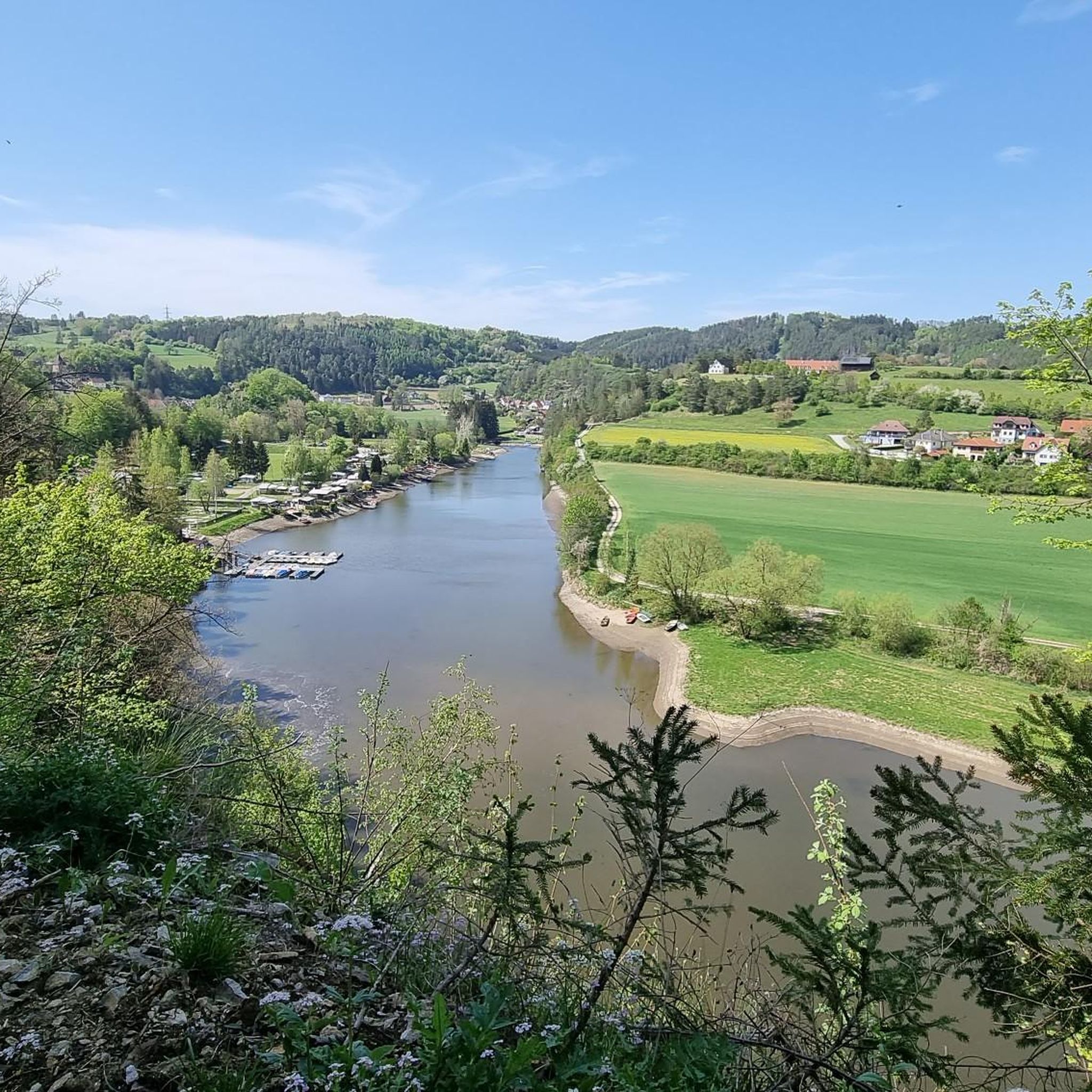
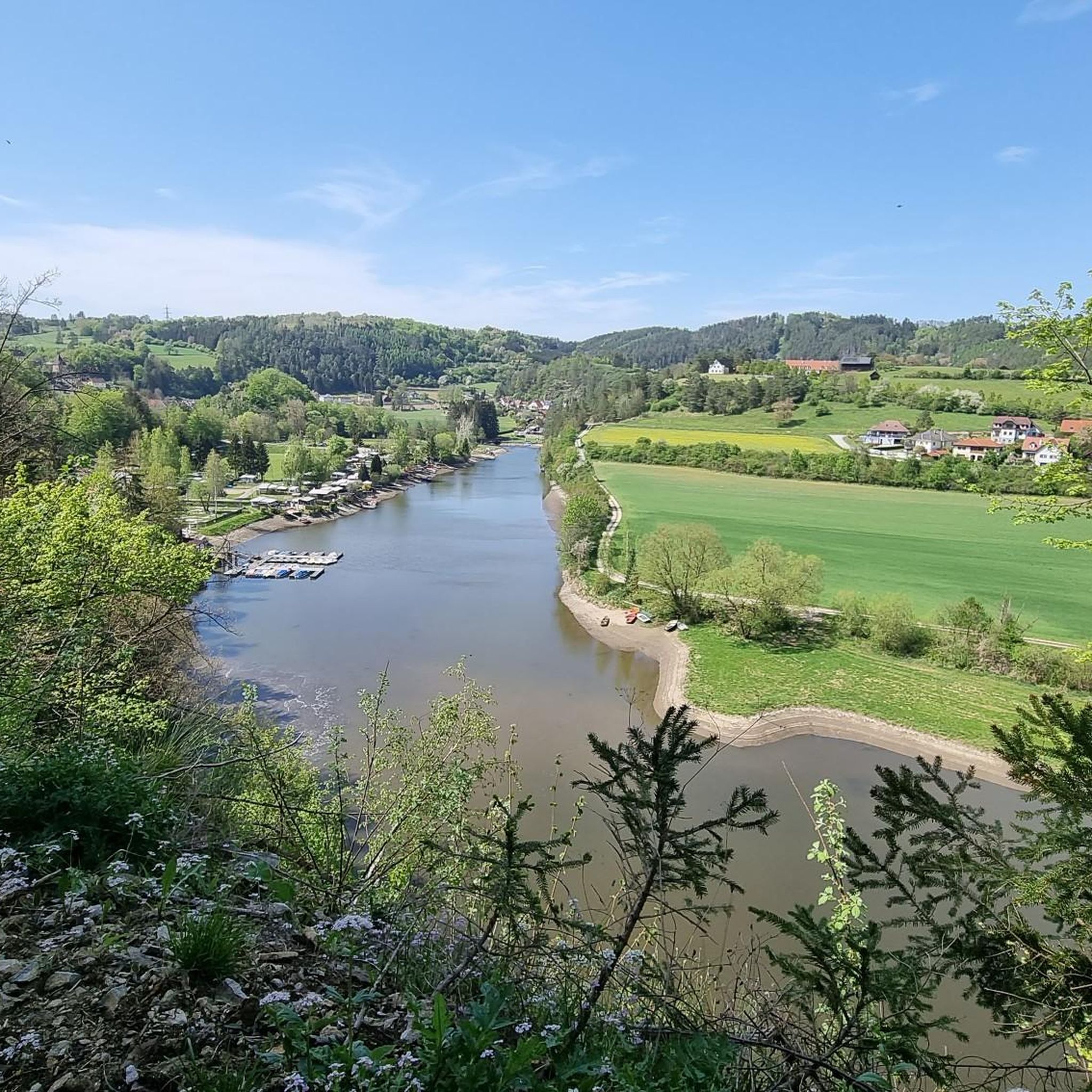
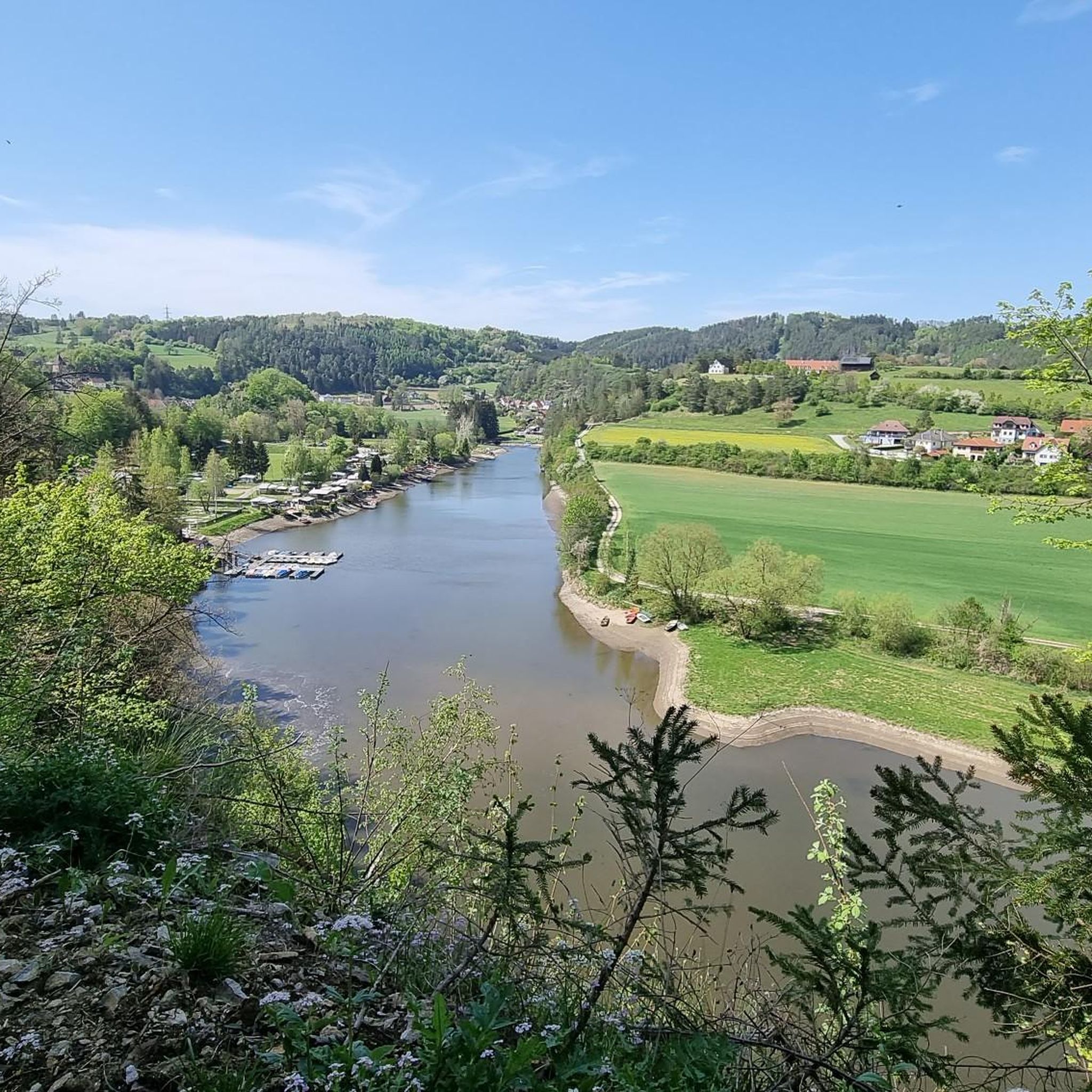
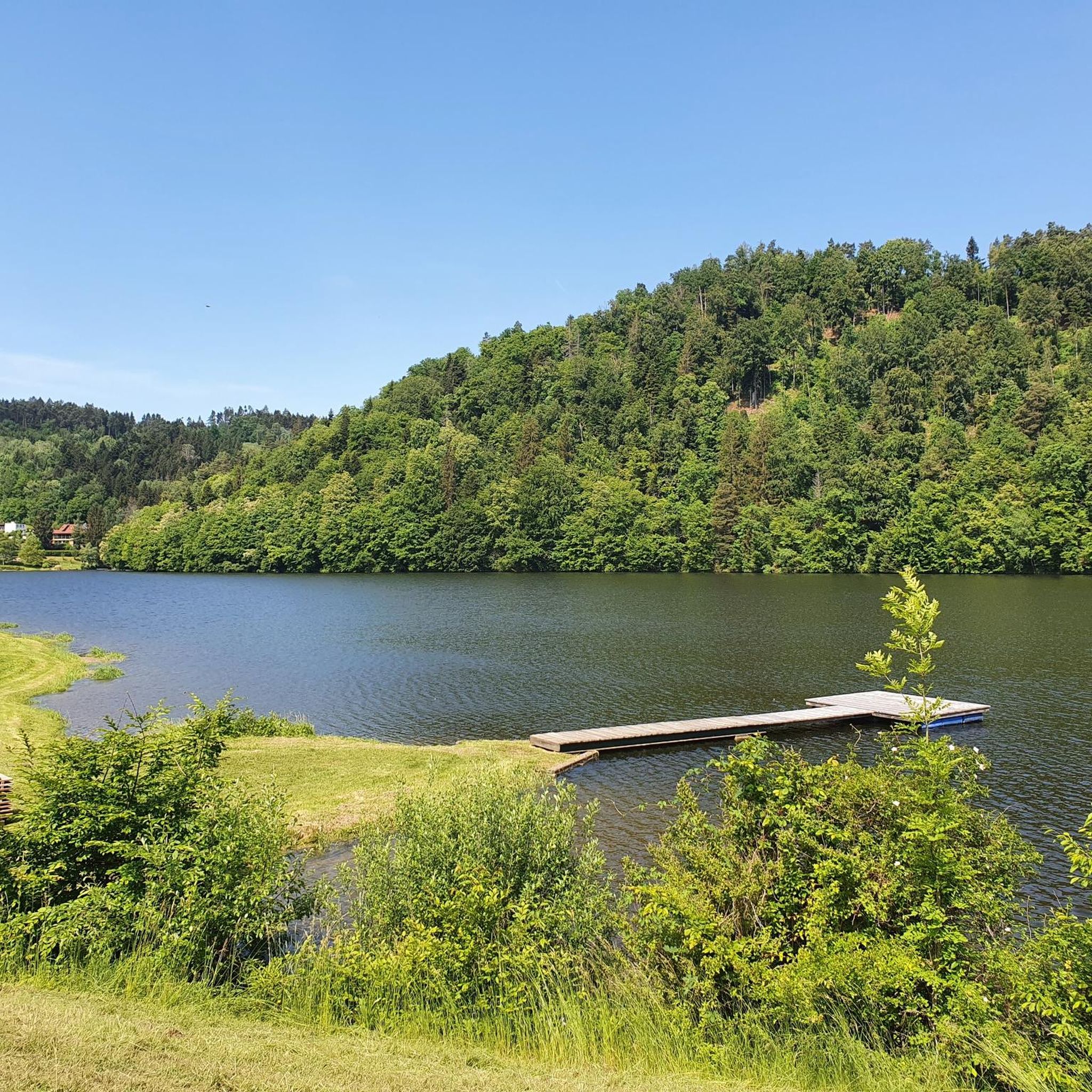
Mountain biking around Krumau am Kamp offers varied terrain within the picturesque Waldviertel region of Lower Austria. The landscape is characterized by forested hills, deep valleys carved by the Kamp River, and the unique "fjord-like" character of the Ottenstein and Thurnberg reservoirs. This diverse topography provides opportunities for both challenging climbs and exhilarating descents, making it suitable for a range of mountain biking experiences. The region's extensive cycling network includes unpaved sections, gravel paths, and forest roads.
Best mountain bike…
Last updated: July 2, 2026
4.4
(7)
45
riders
43.6km
03:26
770m
770m
Moderate mountain bike ride. Good fitness required. Advanced riding skills necessary.
4.8
(4)
24
riders
19.8km
01:48
480m
480m
Moderate mountain bike ride. Good fitness required. Advanced riding skills necessary.

Sign up for free
3.0
(3)
5
riders
29.9km
02:16
530m
530m
Moderate mountain bike ride. Good fitness required. Suitable for all skill levels.
5.0
(2)
11
riders
17.6km
01:15
340m
340m
Moderate mountain bike ride. Good fitness required. Suitable for all skill levels.
5.0
(1)
10
riders
34.5km
02:23
500m
500m
Moderate mountain bike ride. Good fitness required. Suitable for all skill levels.
Get access to more routes and recommendations from other explorers.
Sign up for free
Already have an account?
Our route recommendations are based on thousands of hikes, rides, and runs completed by other people on komoot.
Start today with a free account
Your next adventure awaits.
Login or Signup
Tips from the Community

No Merlot here — the shelf stands empty, quiet, waiting for a bottle that never comes. Kein Merlot hier — das Regal bleibt leer, still, wartend auf eine Flasche, die nie kommt. Pas de Merlot ici — l'étagère reste vide, silencieuse, attendant une bouteille qui n'arrive jamais. No hay Merlot aquí — el estante queda vacío, silencioso, esperando una botella que nunca llega.
0
0
No Merlot here — the shelf stands empty, quiet, waiting for a bottle that never comes. Kein Merlot hier — das Regal bleibt leer, still, wartend auf eine Flasche, die nie kommt. Pas de Merlot ici — l'étagère reste vide, silencieuse, attendant une bouteille qui n'arrive jamais. No hay Merlot aquí — el estante queda vacío, silencioso, esperando una botella que nunca llega.
0
0

The Krumau am Kamp castle is privately owned today and serves as a residence, which is why the interior rooms cannot be publicly viewed.
0
0


Schloss Waldreichs was first documented in 1258. Around 1400, Kaspar and Bernhard von Waldreichs are mentioned as feudal lords. After its destruction by an executionary army of the estates in 1446–1448, it was rebuilt as a fortress around 1450 under Hans Harrasser. The present-day ruin in the east wing, the chapel, and the eastern tower date from this period. In 1460, it was enfeoffed to Vinzenz Stodoligk. From 1519–1536, it was united with the Lordship of Ottenstein. Between 1530–1534, it was converted into a moated castle under Eustach Stodoligk. From 1533, it was a free property. In 1536, the complex passed to the Barons of Altena, who expanded it with a zwinger and a manor farm. After its conquest and plundering by imperial troops, the complex was rebuilt again and subsequently changed owners frequently. When it passed to Heinrich von Pereira-Arnstein in 1815, it was united with the Lordship of Wetzlas.
0
0
History of the fountain on the main square of the town of Gföhl. The fountain itself is in neo-Gothic style and was erected in 1870 according to a design by Karl Rösner. From 1999 onwards, the main square was redesigned under the leadership of architect Gerhard Mitterberger for 9.3 million Schilling. During this process, the fountain was extended with a few subtly worked granite elements.
0
0
History of the Church: A church was first documented in 1327 and initially belonged to the parish of Meisling as a branch church. A new church was built in the mid-17th century, followed by the current church building, constructed between 1715 and 1720, which was consecrated in 1724. Damage was caused by fires in the village in 1748 and 1820. Subsequently, the church gradually acquired 19th-century furnishings. Damage to the roof truss led to the vault sagging. During a renovation in 2020, the vault was raised again.
0
0
The parish church of Gföhl is located in the town of Gföhl in the Krems district of Lower Austria. The Roman Catholic parish church, dedicated to St. Andrew, belongs to the Krems deanery in the Diocese of St. Pölten. The church is a listed building.
0
0
Frequently Asked Questions
How many mountain bike trails are available around Krumau am Kamp?
There are over 50 mountain bike trails around Krumau am Kamp, offering a diverse range of experiences for riders. The komoot community has explored these routes more than 400 times.
What kind of terrain can I expect on mountain bike trails in Krumau am Kamp?
The terrain around Krumau am Kamp is characterized by forested hills, deep valleys carved by the Kamp River, and the unique 'fjord-like' landscapes of the Ottenstein and Thurnberg reservoirs. You'll encounter a mix of unpaved sections, gravel paths, and forest roads, providing both challenging climbs and exhilarating descents.
What are the difficulty levels of mountain bike trails in Krumau am Kamp?
The trails cater to various skill levels. You'll find 8 easy routes, 44 moderate routes, and 3 difficult routes, ensuring there's something for everyone from beginners to advanced riders.
When is the best time of year for mountain biking in Krumau am Kamp?
The Waldviertel region, including Krumau am Kamp, is generally excellent for outdoor activities from spring through autumn. The forested areas provide shade in warmer months, and the changing leaves in autumn offer beautiful scenery. Winter conditions can vary, with some trails potentially being snowy or icy.
Are there any interesting sights or landmarks along the mountain bike trails?
Yes, many routes integrate with the region's rich history and natural beauty. You can find trails that pass by impressive castles and ruins, such as Ottenstein Castle, Lichtenfels Castle Ruins, or Brunn am Walde Castle. Natural highlights include the Riesenstein Rock in the Kamp River and various scenic viewpoints like Steinberg Viewpoint.
Are there mountain bike trails suitable for families in Krumau am Kamp?
Yes, with 8 easy routes available, families can find suitable options for mountain biking. These trails typically feature less elevation gain and smoother surfaces, allowing for an enjoyable experience for all ages.
Are there mountain bike routes that are circular or loop trails?
Many of the mountain bike routes in Krumau am Kamp are designed as loops, allowing you to start and end at the same point. Examples include the Burg Krumau am Kamp – Wetzlas Castle loop from Ruine Dobra or the Kronsegg Castle Ruins – Kronsegg Reservoir loop from Gföhl.
What do other mountain bikers say about the trails in Krumau am Kamp?
The mountain bike trails in Krumau am Kamp are highly rated by the komoot community, with an average score of 4.4 out of 5 stars from over 80 reviews. Riders often praise the varied terrain, scenic views, and the well-maintained network of paths.
Are there any longer mountain bike routes for experienced riders?
For experienced riders seeking a longer challenge, routes like the Gut Ottenstein – Ottenstein Castle loop from Krumau am Kamp offer a substantial distance of over 43 kilometers with significant elevation changes, providing a demanding yet rewarding experience.
Can I find routes that pass by the reservoirs?
Absolutely. The Ottenstein and Thurnberg reservoirs are prominent features of the landscape. Routes such as the Ottenstein Castle – Ottenstein Dam loop from Ruine Dobra specifically lead through the reservoir area, offering stunning 'fjord-like' views and tranquil environments.
Is public transport available to access mountain bike trails in Krumau am Kamp?
While Krumau am Kamp is well-connected by road, public transport options to specific trailheads might be limited. It's advisable to check local bus schedules or consider driving to access the starting points of the mountain bike routes.
Where can I find parking for mountain bike trails in Krumau am Kamp?
Parking is generally available in and around the villages and at popular starting points for trails. Many routes begin near towns like Krumau am Kamp or Gföhl, where you can typically find designated parking areas.
Most popular routes around Krumau am Kamp
Most popular attractions around Krumau am Kamp

Get inspired with the komoot mobile app


Explore more
Browse the best MTB trails in other regions.
