The best gravel rides around Krumau am Kamp
8
riders
3
rides
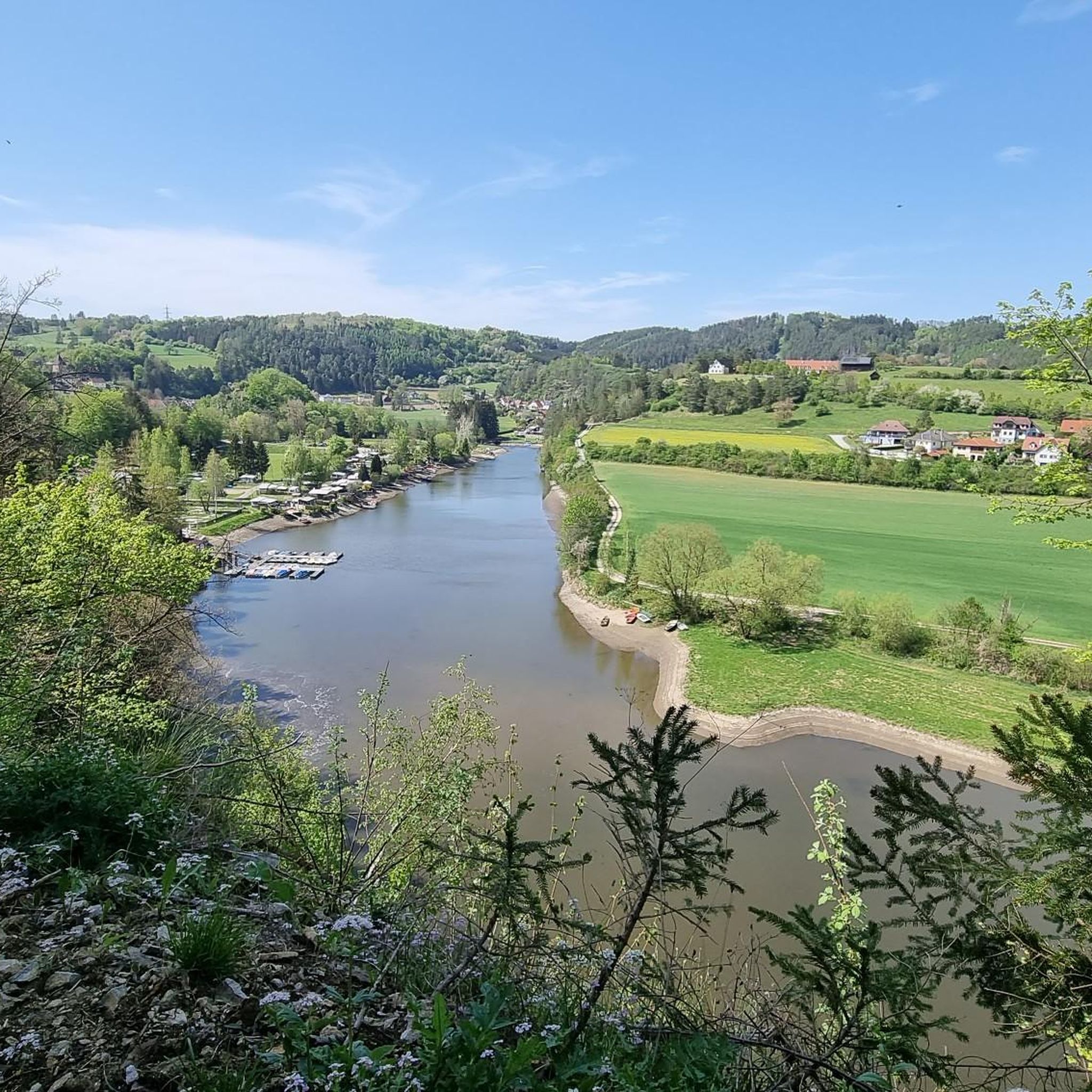
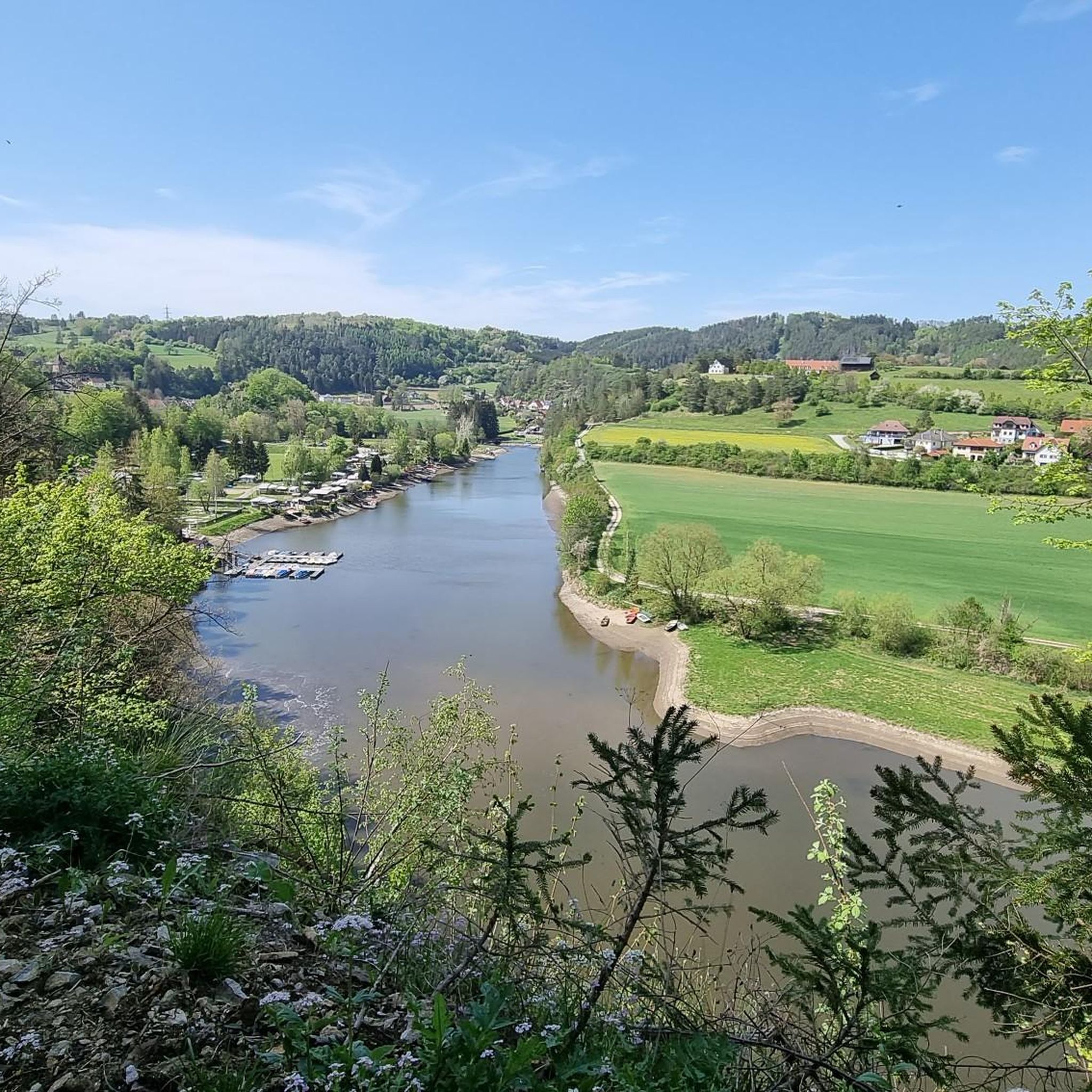
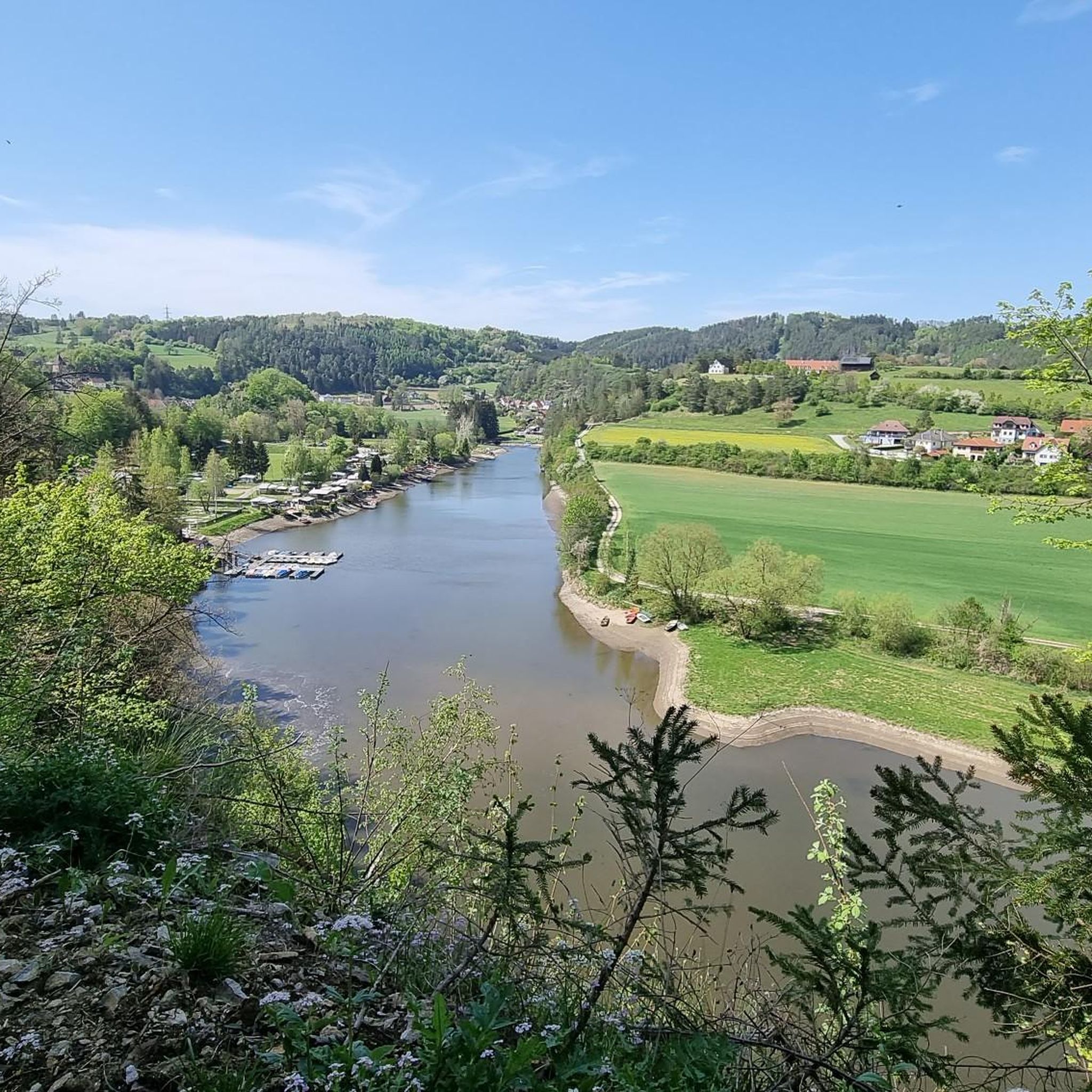
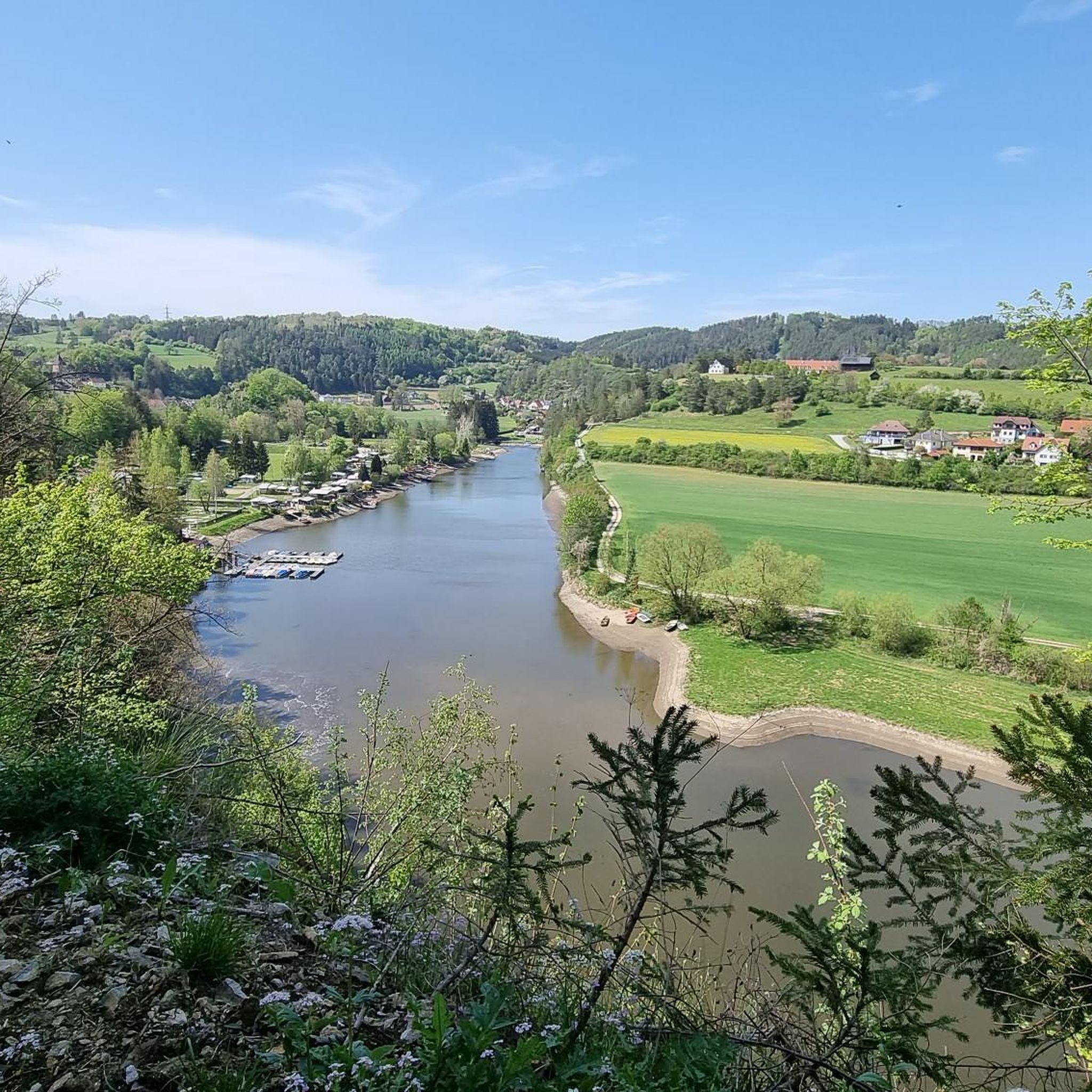
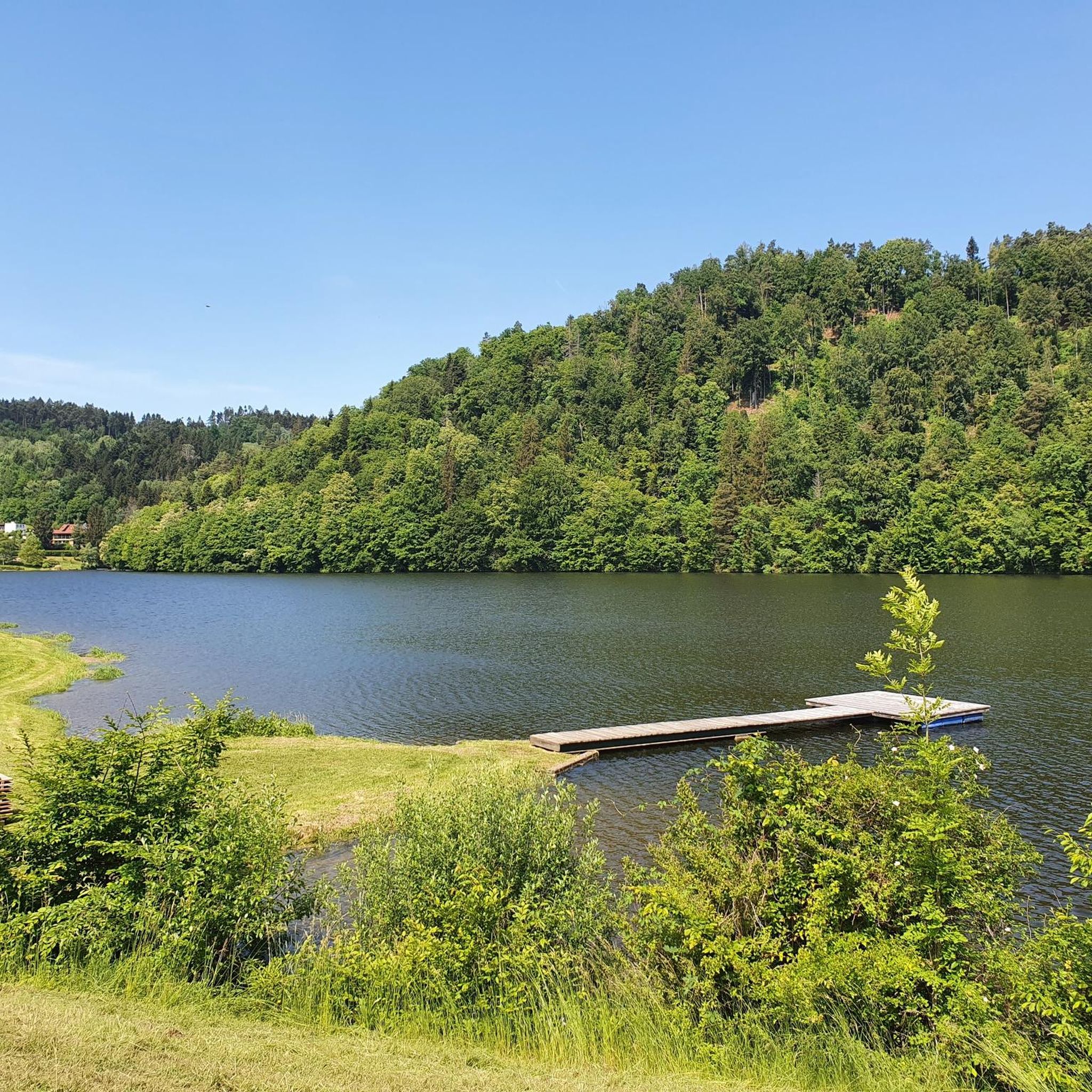
Gravel biking around Krumau am Kamp offers routes through the varied landscapes of the Waldviertel region in Lower Austria. The terrain is characterized by rolling hills, dense forests, and river valleys, including sections along the Kamp River. This area, part of the Bohemian Massif, features a mix of unpaved roads, forest tracks, and quieter asphalt sections. The region's elevation changes contribute to the challenging nature of the trails.
Best gravel bike trails around Krumau am Kamp
- The most popular gravel bike trail is Altenburg Abbey – Fast road, little traffic loop from Altenburg, a 24.2 miles (39.0 km) trail that takes 2 hours 38 minutes to complete. This difficult route leads through rolling hills and forested areas.
- Another top favourite among local gravel bikers is Gföhl – Jaidhof Castle loop from Gföhl, a difficult 21.6 miles (34.8 km) path. This route features significant elevation gain through the local landscape.
- Local gravel bikers also love the Jaidhof Castle – Ottenstein reservoir loop from Rastenfeld, a 50.4 miles (81.2 km) trail leading through varied terrain including the Ottenstein reservoir area, often completed in about 5 hours 15 minutes.
- Gravel biking around Krumau am Kamp is defined by river valleys, dense woodlands, and historic sites. The network offers options primarily for advanced ability levels.
- The routes in Krumau am Kamp are highly rated by the komoot community with an average score of 5.0 stars from 1 review. More than 30 gravel bikers have used komoot to explore Krumau am Kamp's varied terrain.
Last updated: May 21, 2026
3
riders
39.0km
02:38
700m
700m
Hard gravel ride. Very good fitness required. Mostly paved surfaces. Suitable for all skill levels.
1
riders
34.8km
02:29
530m
530m
Hard gravel ride. Very good fitness required. Mostly paved surfaces. Suitable for all skill levels.

Sign up for free
2
riders
81.2km
05:15
1,170m
1,170m
Hard gravel ride. Very good fitness required. Mostly paved surfaces. Suitable for all skill levels.
2
riders
42.3km
02:52
590m
590m
Hard gravel ride. Very good fitness required. You may need to push your bike for some segments of this route.
Our route recommendations are based on thousands of hikes, rides, and runs completed by other people on komoot.
Start today with a free account
Your next adventure awaits.
Login or Signup
Tips from the Community


A richly decorated Baroque monastery with a friendly guesthouse
0
0
A richly designed Baroque monastery with a friendly guesthouse.
0
0

History of the fountain on the main square of the town of Gföhl. The fountain itself is in neo-Gothic style and was erected in 1870 according to a design by Karl Rösner. From 1999 onwards, the main square was redesigned under the leadership of architect Gerhard Mitterberger for 9.3 million Schilling. During this process, the fountain was extended with a few subtly worked granite elements.
0
0
History of the Church: A church was first documented in 1327 and initially belonged to the parish of Meisling as a branch church. A new church was built in the mid-17th century, followed by the current church building, constructed between 1715 and 1720, which was consecrated in 1724. Damage was caused by fires in the village in 1748 and 1820. Subsequently, the church gradually acquired 19th-century furnishings. Damage to the roof truss led to the vault sagging. During a renovation in 2020, the vault was raised again.
0
0
History of the Church: A church was first documented in 1327 and initially belonged to the parish of Meisling as a branch church. A new church was built in the mid-17th century, followed by the current church building, constructed between 1715 and 1720, which was consecrated in 1724. Damage was caused by fires in the village in 1748 and 1820. Subsequently, the church gradually acquired 19th-century furnishings. Damage to the roof truss led to the vault sagging. During a renovation in 2020, the vault was raised again.
0
0
The parish church of Gföhl is located in the town of Gföhl in the Krems district of Lower Austria. The Roman Catholic parish church, dedicated to St. Andrew, belongs to the Krems deanery in the Diocese of St. Pölten. The church is a listed building.
0
0
The parish church of Gföhl is located in the town of Gföhl in the Krems district of Lower Austria. The Roman Catholic parish church, dedicated to St. Andrew, belongs to the Krems deanery in the Diocese of St. Pölten. The church is a listed building.
0
0
Frequently Asked Questions
What is the general difficulty level of gravel bike trails around Krumau am Kamp?
The gravel biking routes around Krumau am Kamp are primarily designed for advanced ability levels. All available routes are rated as difficult, featuring significant elevation changes and varied terrain through rolling hills and dense forests.
Are there any beginner-friendly gravel bike trails in the Krumau am Kamp area?
Currently, the komoot guide for Krumau am Kamp does not list any beginner-friendly or easy gravel bike trails. All nine routes available are categorized as difficult, suggesting they are best suited for experienced gravel bikers.
What kind of terrain can I expect on gravel bike routes near Krumau am Kamp?
You can expect a diverse mix of terrain, including unpaved roads, forest tracks, and quieter asphalt sections. The landscape features rolling hills, dense forests, and river valleys, particularly along the Kamp and Danube rivers, which contribute to the challenging nature of the trails.
Are there any loop gravel bike routes available around Krumau am Kamp?
Yes, many of the gravel bike routes in the area are loops. For example, you can explore the Ruins of Senftenberg Castle – Old Town of Krems on the Danube loop from Katastralgemeinde Litsch und Wurfenthalgraben or the Jaidhof Castle – Ottenstein reservoir loop from Rastenfeld, both offering extensive circular tours.
What are some notable attractions or landmarks I can see along the gravel bike trails?
Several routes pass by interesting sights. For instance, the Jaidhof Castle – Ottenstein reservoir loop from Rastenfeld takes you past the beautiful Ottenstein reservoir and Ottenstein Dam. You might also encounter the Riesenstein Rock in the Kamp River or enjoy views from the Steinberg Viewpoint.
How long are the typical gravel bike routes in Krumau am Kamp?
The gravel bike routes in Krumau am Kamp vary in length. For example, the Gföhl – Jaidhof Castle loop from Gföhl is about 34.8 km (21.6 miles), while the Jaidhof Castle – Ottenstein reservoir loop from Rastenfeld extends to approximately 81.2 km (50.5 miles).
What do other gravel bikers say about the routes in Krumau am Kamp?
The gravel biking routes in Krumau am Kamp are highly regarded by the komoot community, holding an average rating of 5.0 stars. Users often appreciate the varied terrain, the challenging nature of the rides, and the scenic beauty of the Waldviertel region.
Are there any routes that explore vineyard landscapes?
Yes, the Rohrendorf Cellar Lane – Kornplatz, Langenlois loop from Gföhl is a notable route that navigates through picturesque vineyard landscapes and rural roads, offering a unique regional experience.
What is the best season for gravel biking around Krumau am Kamp?
While specific seasonal recommendations are not provided, the varied terrain of rolling hills and forests suggests that spring and autumn would offer pleasant temperatures and beautiful scenery. Summer can also be enjoyable, though some routes might be more exposed to sun. Winter biking is possible but may require specific gear due to potential snow or ice.
Are there any routes that feature historical sites or abbeys?
Yes, the Altenburg Abbey – Fast road, little traffic loop from Altenburg is a great option. This route leads through rolling hills and forested areas, with the historic Altenburg Abbey as a significant point of interest.
How many gravel bike routes are available in the Krumau am Kamp area?
There are 9 gravel bike routes detailed in the komoot guide for Krumau am Kamp, all of which are classified as difficult and offer diverse experiences through the region's unique landscape.
Most popular routes around Krumau am Kamp
Most popular attractions around Krumau am Kamp

Get inspired with the komoot mobile app


Explore more
Browse the best Gravel rides in other regions.
