Attractions and Places To See in Bern-Mittelland - Top 20
Attractions and places to see in Bern-Mittelland include a diverse array of historic landmarks, cultural sites, and natural landscapes. The region encompasses the Swiss capital Bern, a UNESCO World Heritage Site known for its medieval core and sandstone buildings. Natural features include the Aare River, which encircles the Old City, and various lakes and mountains. The area offers opportunities for exploring both urban and natural environments.
Best attractions and places to see in Bern-Mittelland
- The most popular attractions is Wohlensee, a lake that is a long-drawn reservoir formed by the damming of the Aare River. It is popular for biking and offers many small bathing places.
- Another must-see spot is Gantrisch Summit, a summit. This mountain is popular for hiking and provides views of the Alps, the Mittelland, and the Jura.
- Visitors also love Gurten Viewpoint, a viewpoint. This location provides panoramic views of Bern and the surrounding Alps.
- Bern-Mittelland is known for its historical sites, natural landscapes, and viewpoints. The region offers a variety of attractions to see and explore, from castles to forests and rivers.
- The attractions in Bern-Mittelland are appreciated by the komoot community, with more than 720 highlights and over 340 photos shared by visitors.
Last updated: September 26, 2026
Bantiger Observation Tower
Highlight • Viewpoint
Translated by Google •
Tip by

Gantrisch Summit
Highlight • Summit
Translated by Google •
Tip by

Sign up now to discover places like this
Get recommendations on the best single tracks, peaks, & plenty of other exciting outdoor places.
Gantrisch Lodge Gurnigel Berghaus
Highlight • Rest Area
In the summer of 2026, the Gurnigel Berghaus celebrates its reopening after an extensive renovation.
What was once a military accommodation now shines in an alpine chalet style and invites you to linger and relax.
The Gurnigel Berghaus has been comprehensively renovated. Many of the materials come from the former Park-Hotel in Gstaad. The freshly renovated mountain house features 27 residential units such as hotel rooms, studios, lofts, and apartments.
"We look forward to welcoming gravel bikers, bikers in the summer, and skiers or cross-country skiers in the winter, as well as companies and festive gatherings. Fundamentally, the offering in the Gantrisch region is aimed at nature-loving people who want to relax well. Whether through sports or relaxed lingering."
Showing Translation
Tip by

Bremgarten Forest
Highlight • Forest
Showing Translation
Tip by

Gurten Viewpoint
Highlight • Viewpoint
Translated by Google •
Tip by

Wohleibrücke
Highlight • Bridge
Translated by Google •
Tip by

Wohlensee
Highlight • Lake
Translated by Google •
Tip by
Aare at Wohlensee
Highlight • River
The Aare rises in the two Aar glaciers in the eastern Bernese Alps on the Finsteraarhorn, west of the Grimsel Pass in central southern Switzerland. Its course leads through the cantons of Bern, Solothurn and Aargau. First it passes through the Aare Gorge, cut into a high rock ridge, and then reaches the plain between Meiringen and the glacial Lake Brienz. Shortly before entering Lake Thun near Interlaken, it is canalized and leaves this to the northwest into the wide Aare Valley. In the area of Bern, it flows around the medieval city center and reaches Lake Wohlen in a westerly direction. At Aarberg, it is channeled into Lake Biel via the Hagneck Canal and, after leaving the canal, follows the course of the Jura Mountains northeastward. Below Brugg, it receives the Reuss and the Limmat before flowing into the Rhine near Koblenz (CH).
In the course of its geological development, the Aare was successively the upper course of the Danube, the Rhone and the Rhine.
Translated by Google •
Tip by

Schützenfahr Bridge over the Aare
Highlight • Bridge
1st stage: 400m / average 08% / max.12%
2nd stage: 250m / average 11% / max.15-16%
Translated by Google •
Tip by

Bern Minster (Berner Münster)
Highlight • Religious Site
The history of Bern Minster reflects the political developments and economic conditions in Bern. The city was founded in 1191 by the Dukes of Zähringen and has been a free imperial city since the granting of charters in 1218.
At the beginning of the 15th century, Bern was still a relatively small city with only about 5,000 inhabitants. Since its foundation in 1191, it had slowly grown from the Untertorbrücke/Nydegg Castle via the Zytglogge and the Käfigturm to the Christoffelturm near today's train station. Courtyards and gardens behind the houses made up a large part of the urban area. In this sense, the city was much more "rural" than we are used to from a city today. This applies not least to the smells and noise.
In the course of the 14th century, the city had already connected large parts of today's cantonal territory in terms of power politics - albeit initially loosely and mediatized through intermediaries and not in the sense of modern-day national sovereignty. Bern was already much more than just the city in the bend of the Aare - but the outlines of the later powerful city-state were only just beginning to emerge. With the conquest of Aargau in 1415 and the granting of royal privileges by Sigismund of Luxembourg-Bohemia in the same year, the city was able to expand its independence and, immediately before the cathedral was built, had an extensive territory secured in the east by the Swiss allies.
Text / Source: Bern Minster, Münsterplatz 1, Bern
bernermuenster.ch/bauwerk/geschichte
Translated by Google •
Tip by

Sign up for free to discover even more attractions in Bern-Mittelland.
Already have an account?
Start today with a free account
Your next adventure awaits.
Popular around Bern-Mittelland
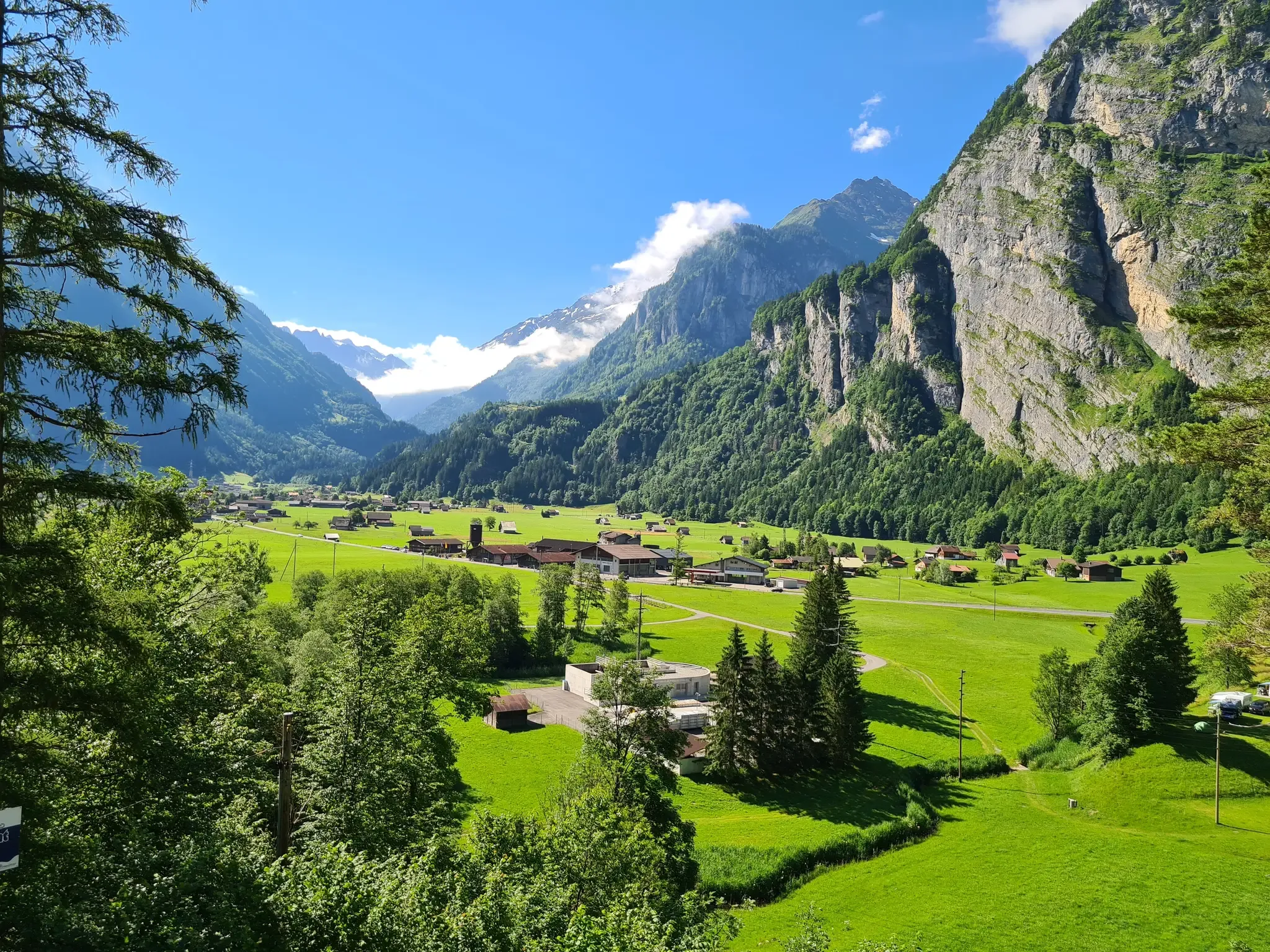
Aare Route – Everything Switzerland has to offer
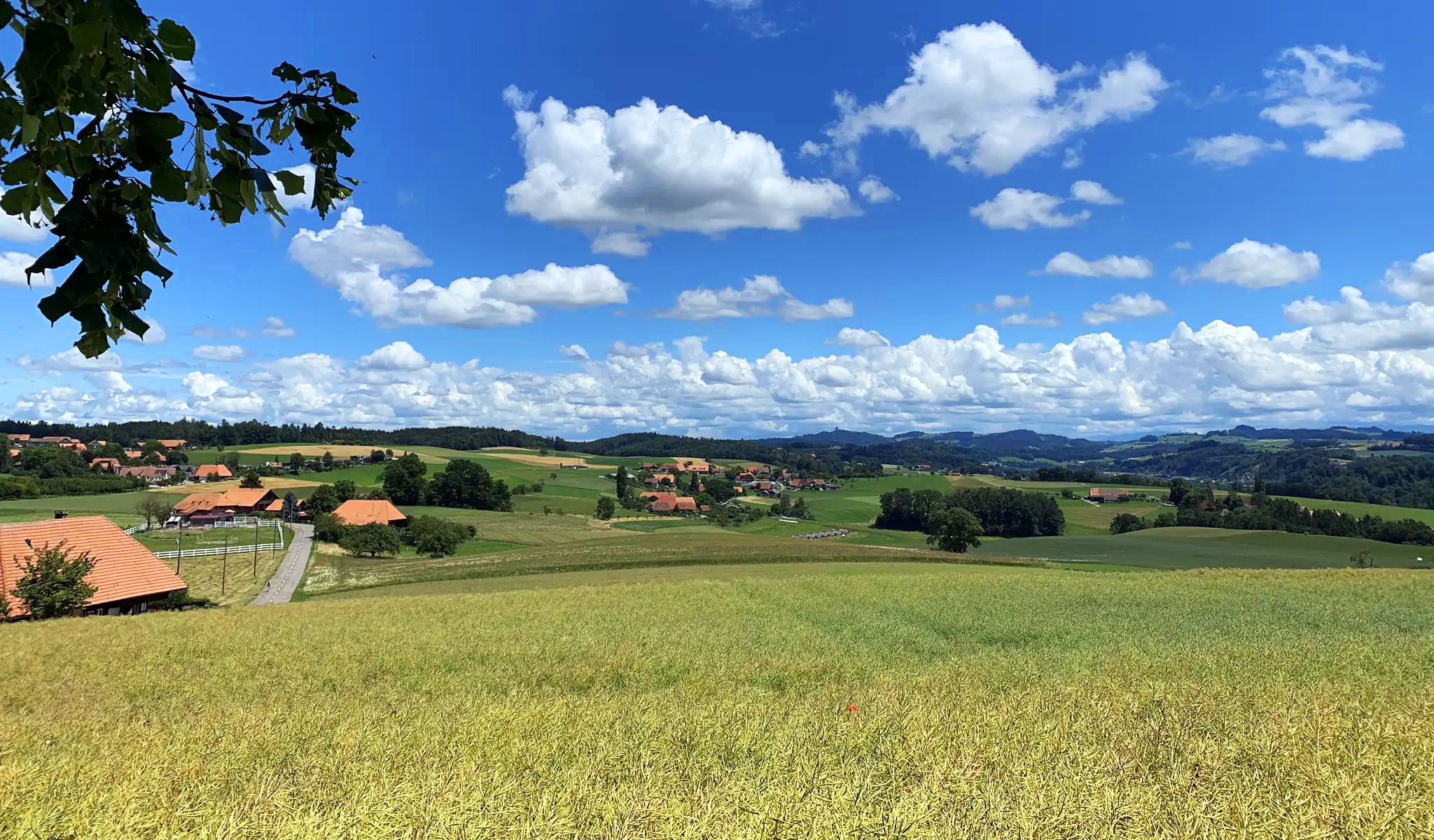
Alter Bernerweg – Cycling in the idyllic Swiss Mittelland
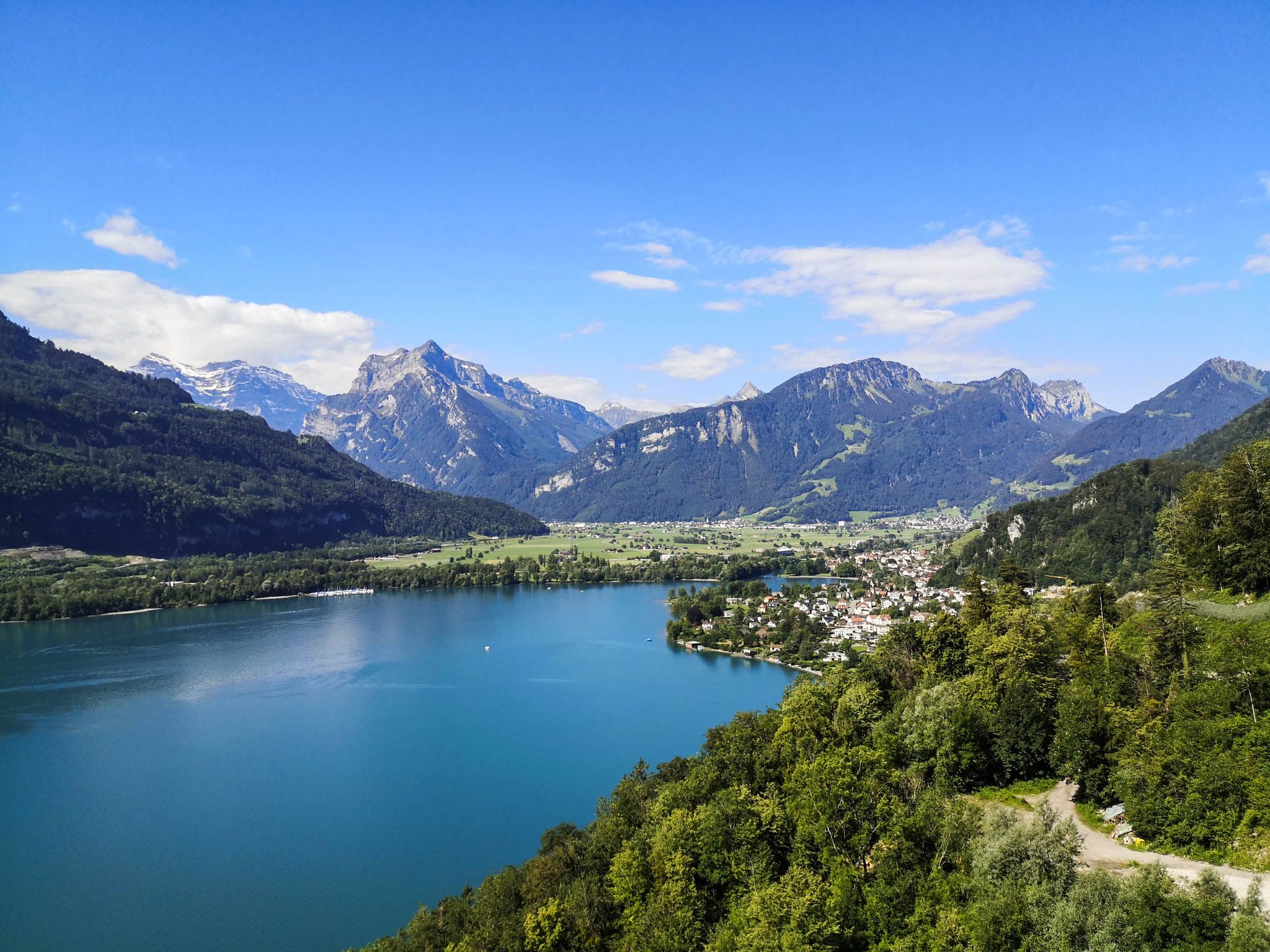
Alpine Panorama Trail in Switzerland – Keep your eyes on the mountains
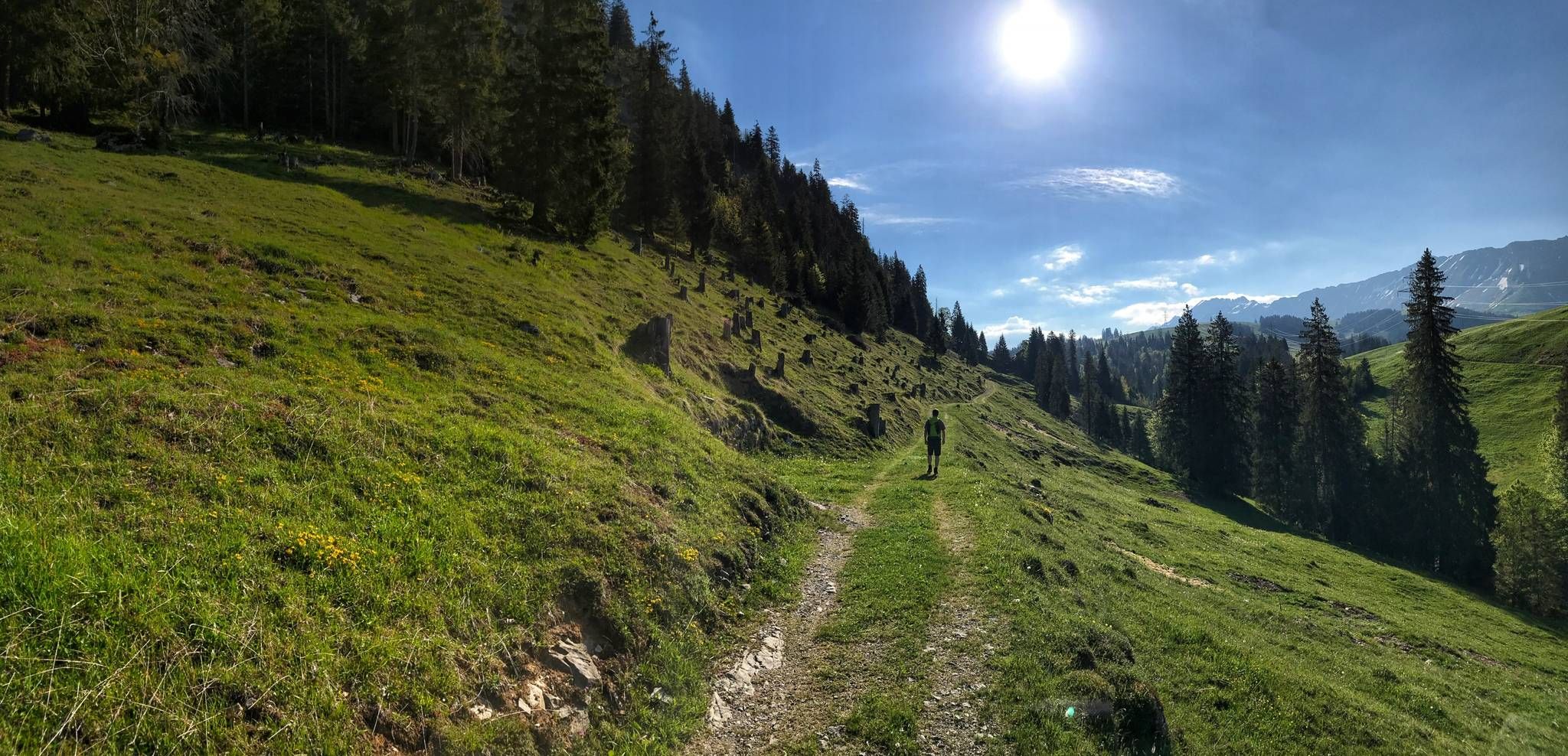
Trans Swiss Trail – Hiking across Switzerland
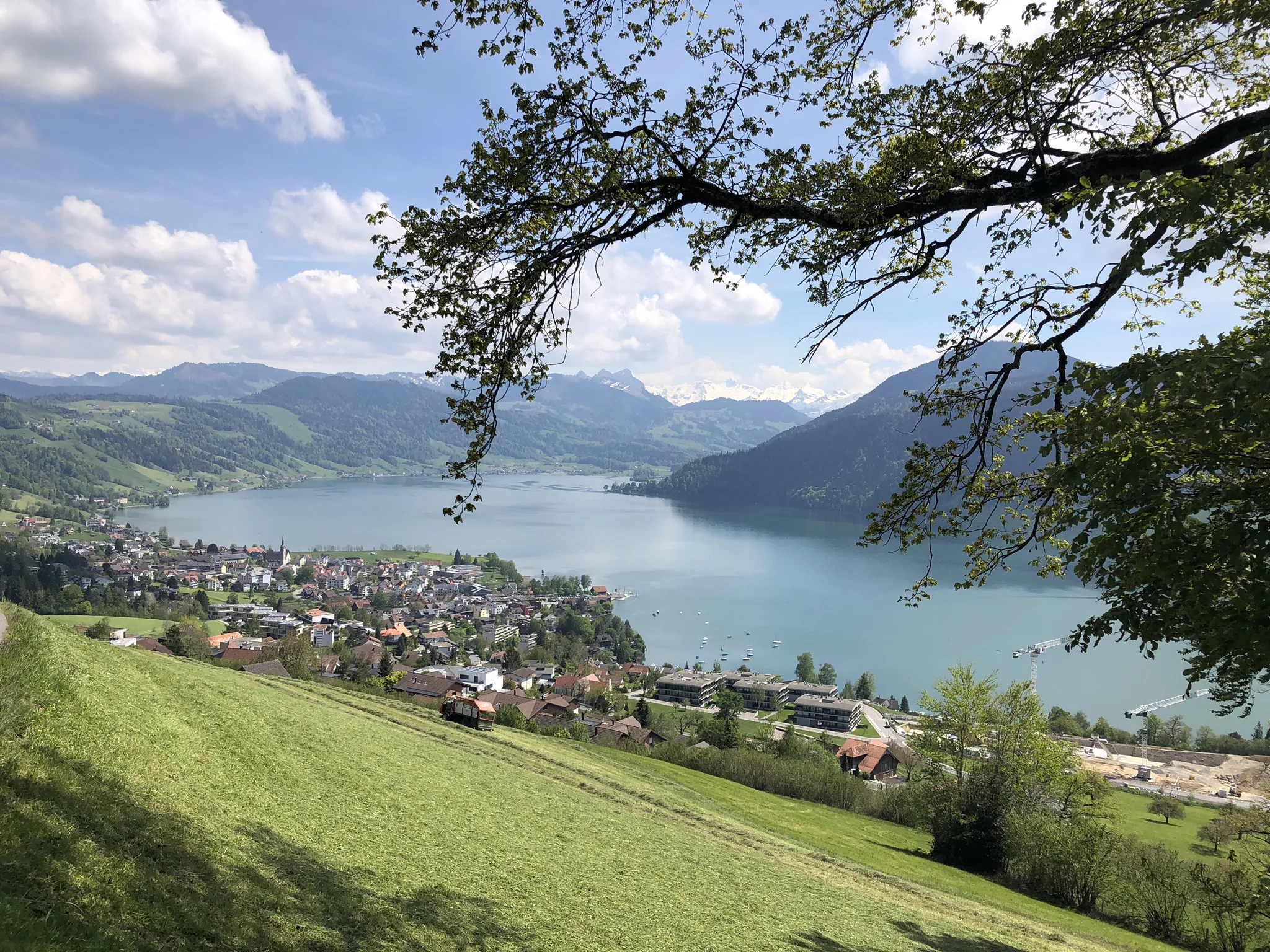
The Herzroute – Cycling through the heart of Switzerland
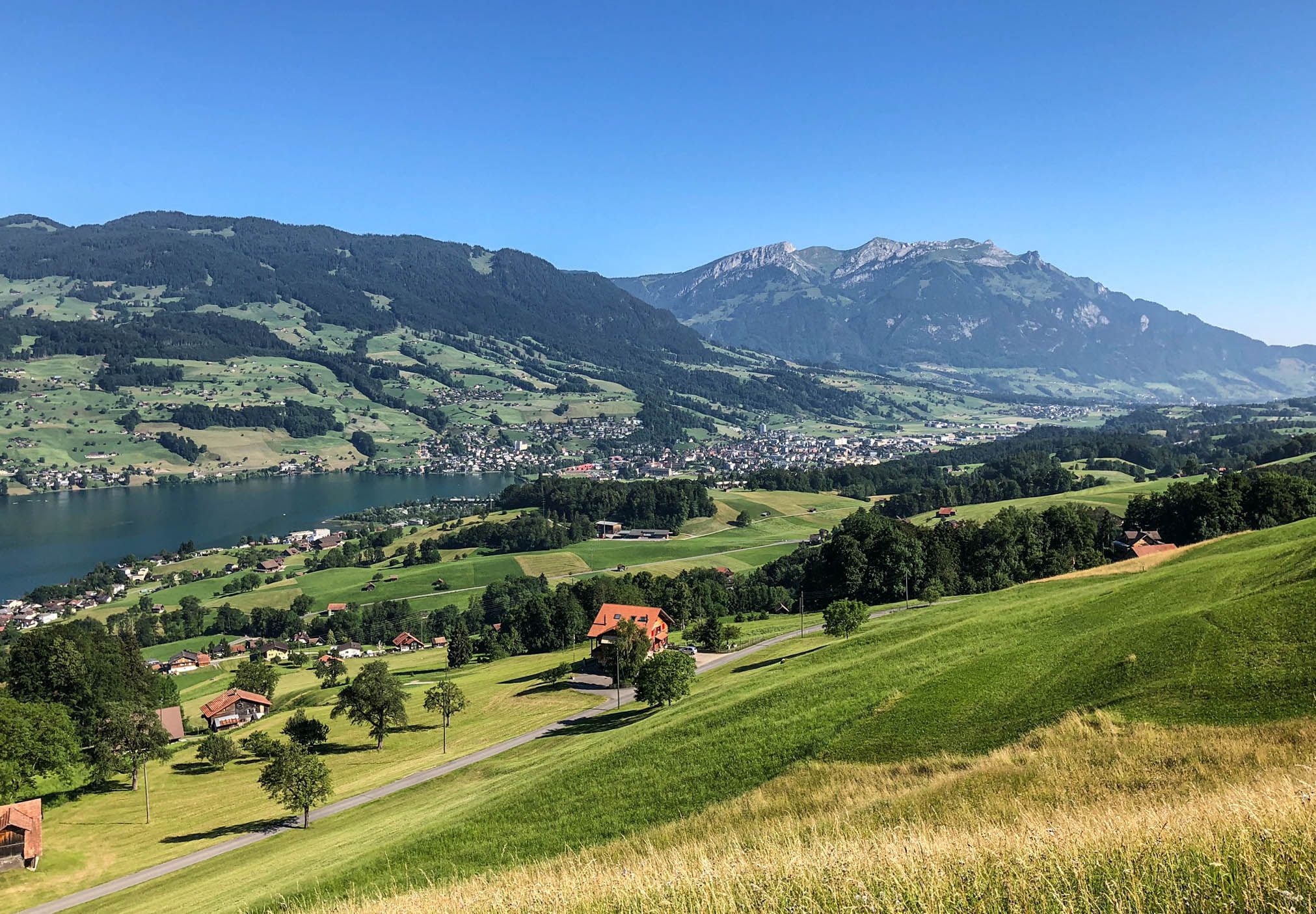
Via Jacobi – Following the Way of St James across Switzerland
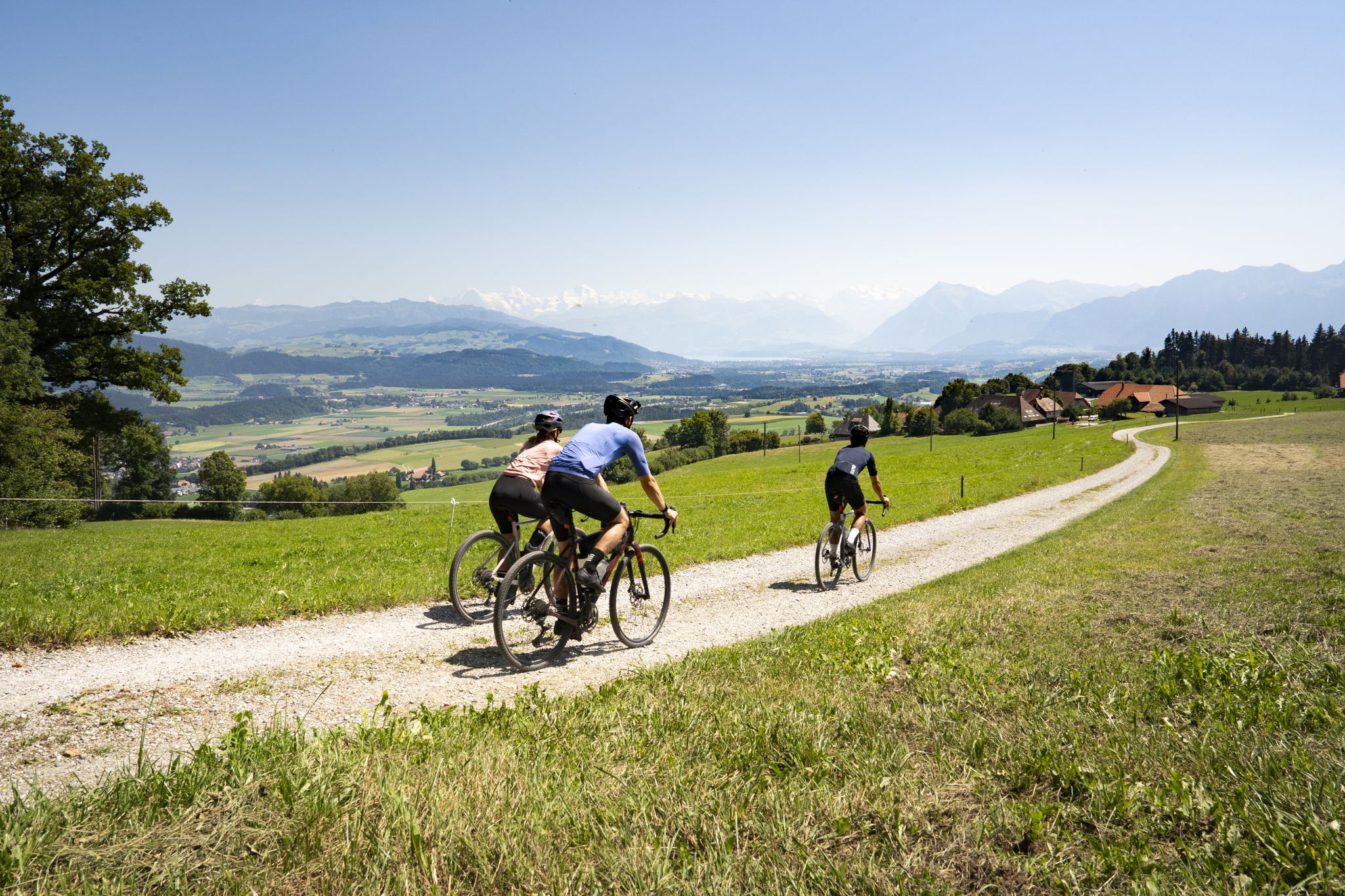
Gravel roads and Alpine views – gravel riding in the Gantrisch Nature Park
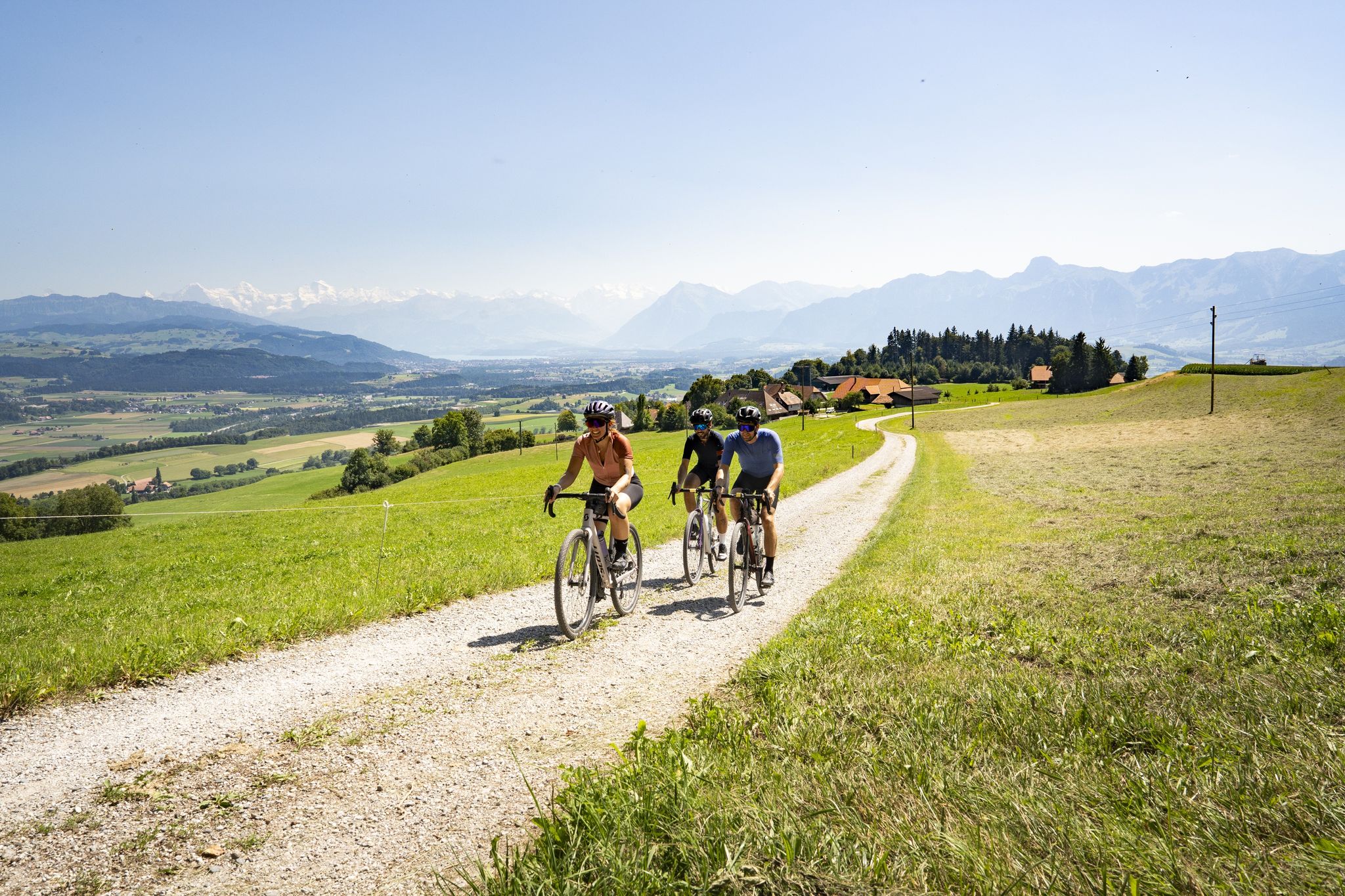
Gravel riding in the heart of Switzerland – the finest routes in Bern
Every cycling trip is a little holiday – bike to work Challenge 2026
E-Biking in the Heart of Switzerland – the Top 10 Routes in Bern
Other adventures in Bern-Mittelland


Tips from the Community

*** Grand Reopening on August 1, 2026 *** In the summer of 2026, the Gurnigel Berghaus celebrates its reopening after an extensive renovation. What was once a military accommodation now shines in an alpine chalet style and invites you to linger and relax. The Gurnigel Berghaus has been comprehensively renovated. Many of the materials come from the former Park-Hotel in Gstaad. The freshly renovated mountain house features 27 residential units such as hotel rooms, studios, lofts, and apartments. "We look forward to welcoming gravel bikers, bikers in the summer, and skiers or cross-country skiers in the winter, as well as companies and festive gatherings. Fundamentally, the offering in the Gantrisch region is aimed at nature-loving people who want to relax well. Whether through sports or relaxed lingering."
1
0

Cycled through with a birdsong concert in the morning, simply wonderful
0
0

Enchanted place in the Bremgarten forest
0
0

A truly beautiful bridge to admire with its magnificent arches. Plus: a fantastic barbecue and picnic area right on the water, with a bistro (during the season) and restrooms. A prime location for a quick refreshment break and/or a swim in Lake Wohlen or the Aare.
1
0

Great all-round view in all directions
1
0

A very worthwhile summit with a great view that you have to work hard to reach... there is also a climbing route that leads up here... but because of the amazing view you are rarely alone
1
0

The Minster impresses with its imposing façade and the highest church tower in Switzerland, which reaches a height of 100.6 meters. Particularly noteworthy is the main portal of the Minster, which shows the Last Judgement with over 200 figures. These figures are artfully designed and a true masterpiece of medieval art. The interior of the church is equally impressive, with high vaults, colorful stained glass windows and magnificent choir stalls. The choir area is decorated with beautiful carvings and the organ, which is regularly used for concerts, adds a special richness of sound to the room. A climb up the Minster's tower is an absolute must for every visitor. The steep staircase leads to a viewing platform from which you can enjoy a breathtaking panoramic view of the old town of Bern, the Aare and the surrounding mountains.
11
0

“Completion” of the Minster in the late 19th century The 19th century was a time of accelerated change under the sign of industrialization, especially since Bern was connected to the railway network in the 1850s. In the second half of the century alone, the city's population doubled. On the other hand, this acceleration of change gave rise to the desire to historically assure one's own identity. In the later 19th century, this was done, among other things, through historical commemorations in the name of patriotism. But architecturally, in the spirit of historicism, memory politics were also set in Bern: for example, in 1892-94 with the “medieval” castle building of the Historical Museum, the construction of the casino at the beginning of the 20th century in the style of late Baroque classicism, or with the completion of the Minster tower in 1891-93 in the neo-Gothic style. It was no coincidence that it was also the time when the homeland protection movement experienced its first heyday. The completion of the cathedral tower in the neo-Gothic style between 1891 and 1893, initiated by the cathedral building association through a patriotic appeal to the people of Bern, recalled the era of Matthäus Ensinger, the first master builder of the cathedral. After a break of over 300 years, the aim was to redeem “Bern’s debt of honour to its old, glorious past” in the spirit of historical reflection and historicism. Text / Source: Bern Cathedral, Münsterplatz 1, Bern https://www.bernermuenster.ch/bauwerk/geschichte
21
0
Frequently Asked Questions
What unique natural features can I explore in Bern-Mittelland?
The Bern-Mittelland region offers diverse natural beauty. You can visit Wohlensee, a long reservoir formed by the Aare River, popular for biking and swimming. The Bremgarten Forest near Bern provides tranquil paths for walking and cycling. The Aare River itself, which dramatically encircles the Old City of Bern, is a prominent natural boundary and offers opportunities for swimming and rafting in warmer months. The region also features magnificent lakes like Lake Thun, Lake Brienz, Lake Biel, and Lake Murten.
Are there good hiking or cycling routes in Bern-Mittelland?
Yes, Bern-Mittelland is excellent for outdoor activities. For hiking, consider the Gantrisch Summit, which offers rewarding views of the Alps, Mittelland, and Jura. The region also has numerous well-marked routes, including the Aare Route and the Alpine Panorama Trail. For cycling, the area around Wohlensee is very popular. You can find many road cycling routes, running trails, and gravel biking options, such as those listed in the Road Cycling Routes in Bern-Mittelland guide or the Gravel biking in Bern-Mittelland guide.
What historical sites should I visit in Bern-Mittelland?
The heart of historical exploration is the Old City of Bern, a UNESCO World Heritage Site. Key landmarks include the medieval Zytglogge (Clock Tower) with its astronomical clock, the towering Bern Minster (Cathedral of Bern), and the Federal Palace (Bundeshaus), the seat of the Swiss government. You can also visit Laupen Castle, a historic fortress in the wider region.
Are there any notable museums or cultural sites in the region?
Bern-Mittelland boasts a rich cultural scene. The Einsteinhaus (Einstein House) is where Albert Einstein developed his groundbreaking theories. The Bern Historical Museum, one of Switzerland's largest, includes an integrated Einstein Museum. Art enthusiasts will appreciate the Zentrum Paul Klee, dedicated to the influential artist. The Museum of Communication offers interactive displays on its subject.
What are some family-friendly attractions in Bern-Mittelland?
Families can enjoy several attractions. The Gurten Viewpoint is considered family-friendly, offering hiking trails and panoramic views. The BearPark (BärenPark) along the Aare River allows observation of Bern's symbolic brown bears in a naturalistic environment. The Bremgarten Forest is also great for family walks and bike rides. Many of the Renaissance Fountains in the Old City can also be a fun discovery for children.
Where can I find panoramic views of the Bern-Mittelland region?
For stunning panoramic views, head to the Gurten Viewpoint, Bern's local mountain, accessible by funicular. The Gantrisch Summit also offers wonderful vistas of the Alps, Mittelland, and Jura. Additionally, the Rosengarten (Rose Garden) provides exceptional views over the Old Town of Bern and the surrounding Alps.
Can I go swimming in Bern-Mittelland?
Yes, the region offers several opportunities for swimming. The Aare River, which flows through the area, is popular for swimming during warmer months. Wohlensee has many small bathing places along its shores. The Bernese Mittelland is also home to magnificent lakes such as Lake Thun, Lake Brienz, Lake Biel, and Lake Murten, which offer various swimming spots.
What is the best time to visit Bern-Mittelland for outdoor activities?
The best time for outdoor activities like hiking and cycling in Bern-Mittelland is generally from spring to autumn (April to October) when the weather is mild and trails are clear. Summer months are ideal for swimming in the Aare River and lakes. For winter sports, the Gurnigel-Gantrisch area is known for its offerings during the colder months.
Are there any accessible attractions or trails in Bern-Mittelland?
While specific wheelchair-accessible trails are not detailed in the provided data, many urban attractions in the Old City of Bern, such as the arcades and some museums, may offer accessibility. The Botanical Garden of the University of Bern is generally designed for easy strolling. It's always recommended to check directly with specific venues for their accessibility features.
What winter activities are available in Bern-Mittelland?
During winter, the broader Gurnigel-Gantrisch area, which includes the Gantrisch Summit, is known for winter sports. This can include activities like cross-country skiing, snowshoeing, and winter hiking, depending on snow conditions.
What do visitors enjoy most about Bern-Mittelland?
Visitors frequently praise the stunning panoramic views from spots like the Gurten Viewpoint and the Gantrisch Summit. The tranquility and natural beauty of places like the Bremgarten Forest and the opportunities for biking and swimming at Wohlensee are also highly appreciated. The well-preserved medieval charm of the Old City of Bern and its historical landmarks are also major draws.
Can I climb any towers or viewpoints for a better perspective?
Yes, you can climb the 254 steps of the Bern Minster (Cathedral of Bern) for panoramic views of the city and the Alps. The Bantiger Observation Tower also offers wonderful views towards Worb, Stettlen, Ostermundigen, and Bern. The Gurten Viewpoint provides an excellent all-round view over the entire city of Bern.
Most popular routes in Bern-Mittelland
Most popular attractions in Bern-Mittelland

Get inspired with the komoot mobile app


Didn’t find what you were looking for?
Are you keen on exploring more awesome places nearby? Browse our guides:
Explore more
Still not found the Highlight you’re looking for? See guides of the top attractions in other regions:
