Top 5 Mountain Passes around Saint-Jean-De-Tholome
Best mountain passes around Saint-Jean-De-Tholome are found in the Haute-Savoie region of France, characterized by its varied terrain and natural environment. The area offers access to several mountain passes that provide views and opportunities for outdoor activities. Prominent peaks like Le Môle contribute to diverse landscapes for hiking, touring cycling, and mountain biking. The region provides views of the Jura mountains, Prealps, and the Mont-Blanc Massif.
Best mountain passes around Saint-Jean-De-Tholome
- The most popular mountain pass is Col de Réray…
Last updated: June 26, 2026
Col de Réray
Highlight • Mountain Pass
Translated by Google •
Tip by

Ascent of Col de la Colombière from Scionzier
Highlight (Segment) • Climb
Translated by Google •
Tip by

Sign up now to discover places like this
Get recommendations on the best single tracks, peaks, & plenty of other exciting outdoor places.
Sign up for free
Cenise Pass
Highlight • Mountain Pass
Tip by

Ascent of Col de la Ramaz from Mieussy
Highlight (Segment) • Climb
Translated by Google •
Tip by

Start today with a free account
Your next adventure awaits.
Login or Signup
Popular around Saint-Jean-De-Tholome
Tips from the Community

Here is the route for the ascent of the Col de la Ramaz starting from Mieussy.
1
0

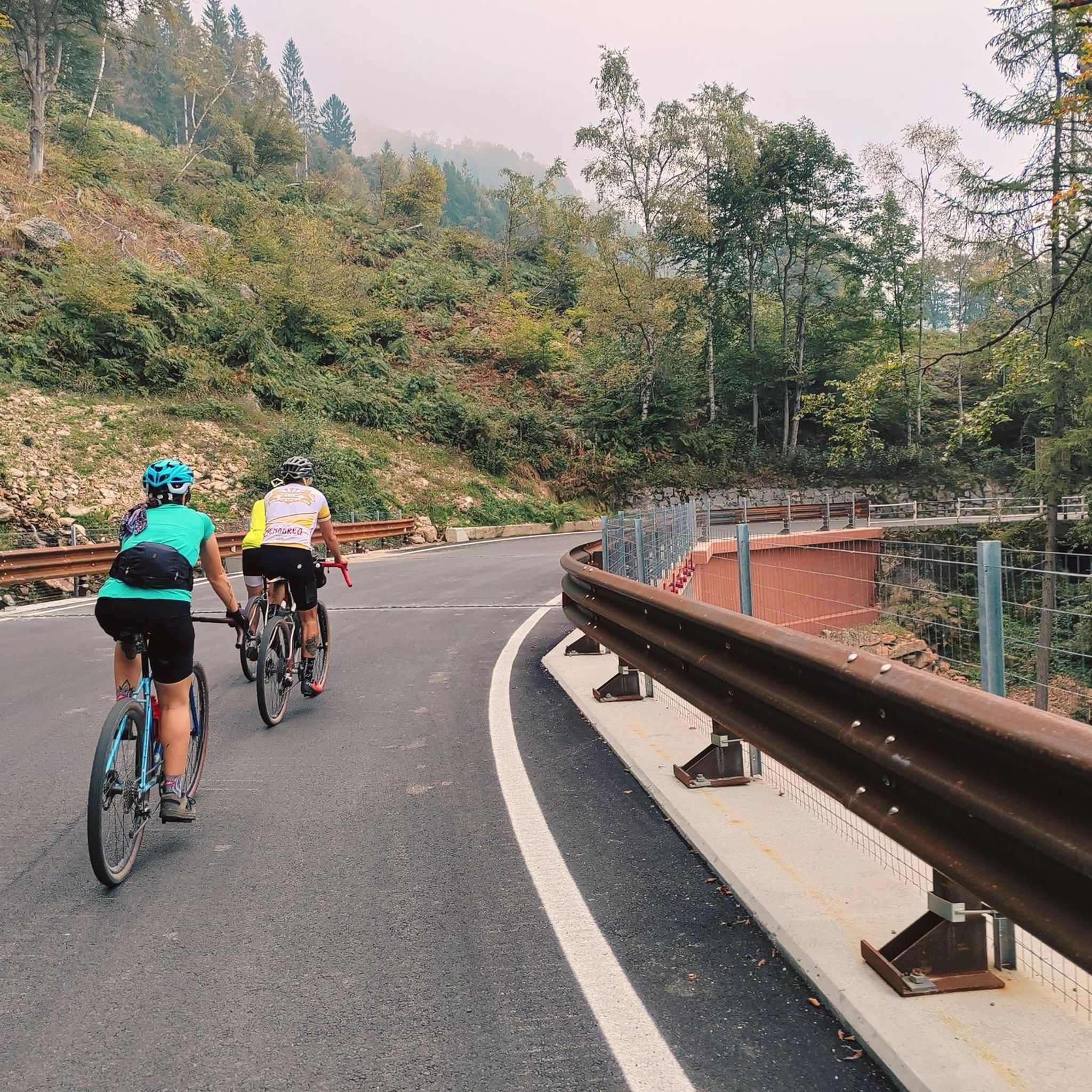
A Tour de France classic, the Col de la Colombière is classified as category one. Sixteen kilometers long, it is more difficult in the second section, notably with a final wall in the last kilometer.
1
0
From Mieussy, the climb to the Col de la Ramaz is classified as first-category, with fourteen kilometers at an average gradient of 7%. The beautiful scenery and steady incline make it a pleasant climb.
0
0

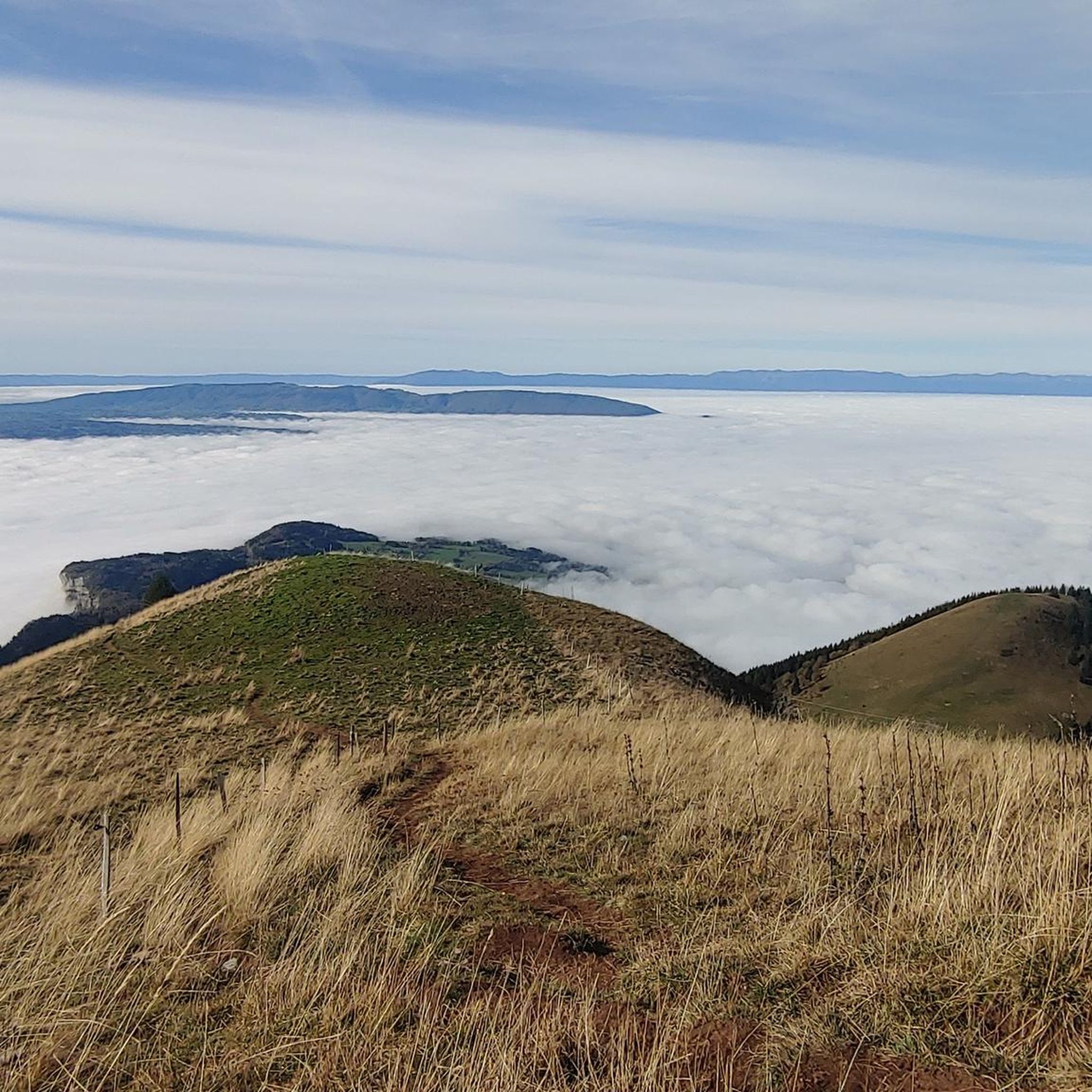
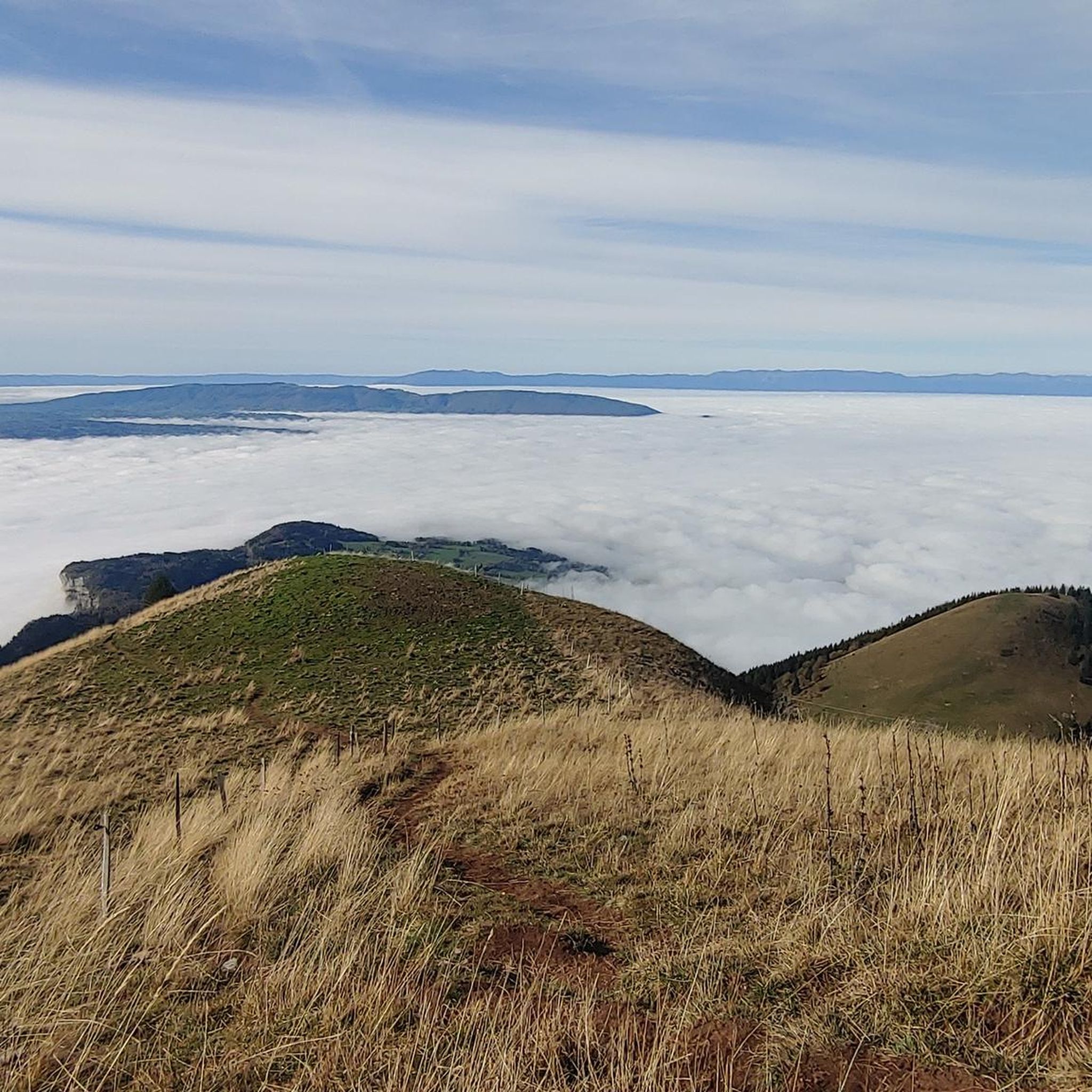
The tour certainly includes portions of pushing, particularly when it comes to reaching the Ecutieux chalets, but the landscapes are magnificent (view of Lake Geneva, wild mountain pastures) Once you arrive at the summit it is almost 8km descent, technical and varied to go back down to Bonneville
0
0

Nice pass on a “ridge” path (even if you don’t really realize it). Bel AR to the Môle (and the head of the ecutieux) for the brave
0
0

The col de Cenise sits on a small, 1,700-metre (5,578 ft) exposed plateau, with rugged, higher peaks on both sides of the track. The wind and weather can howl through here, so come prepared!
2
0

Nice pass to discover but the view is not incredible. I recommend continuing the hike to the big castle (the mountain right next to it). It's a bit uphill but from the top the view is much better
0
0

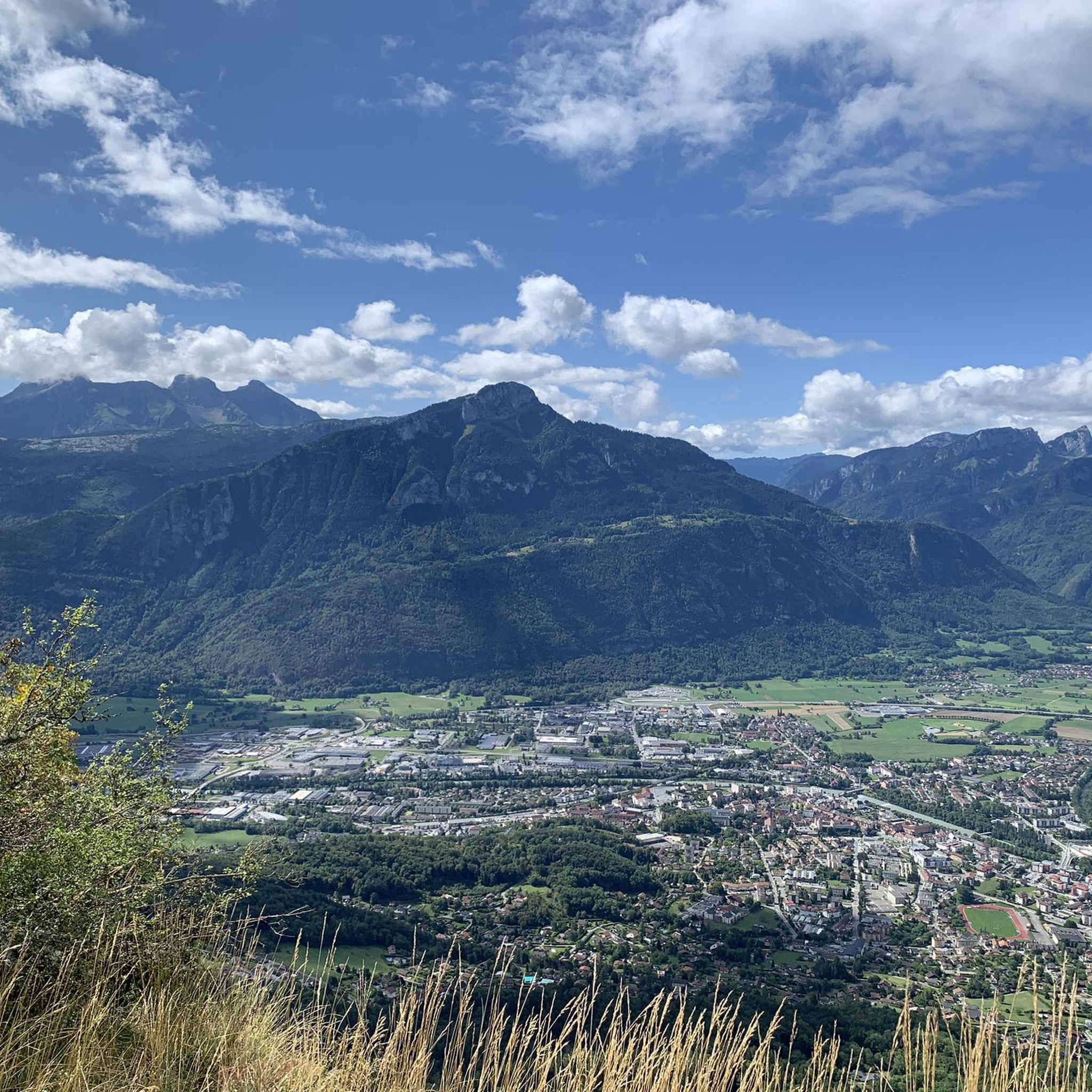
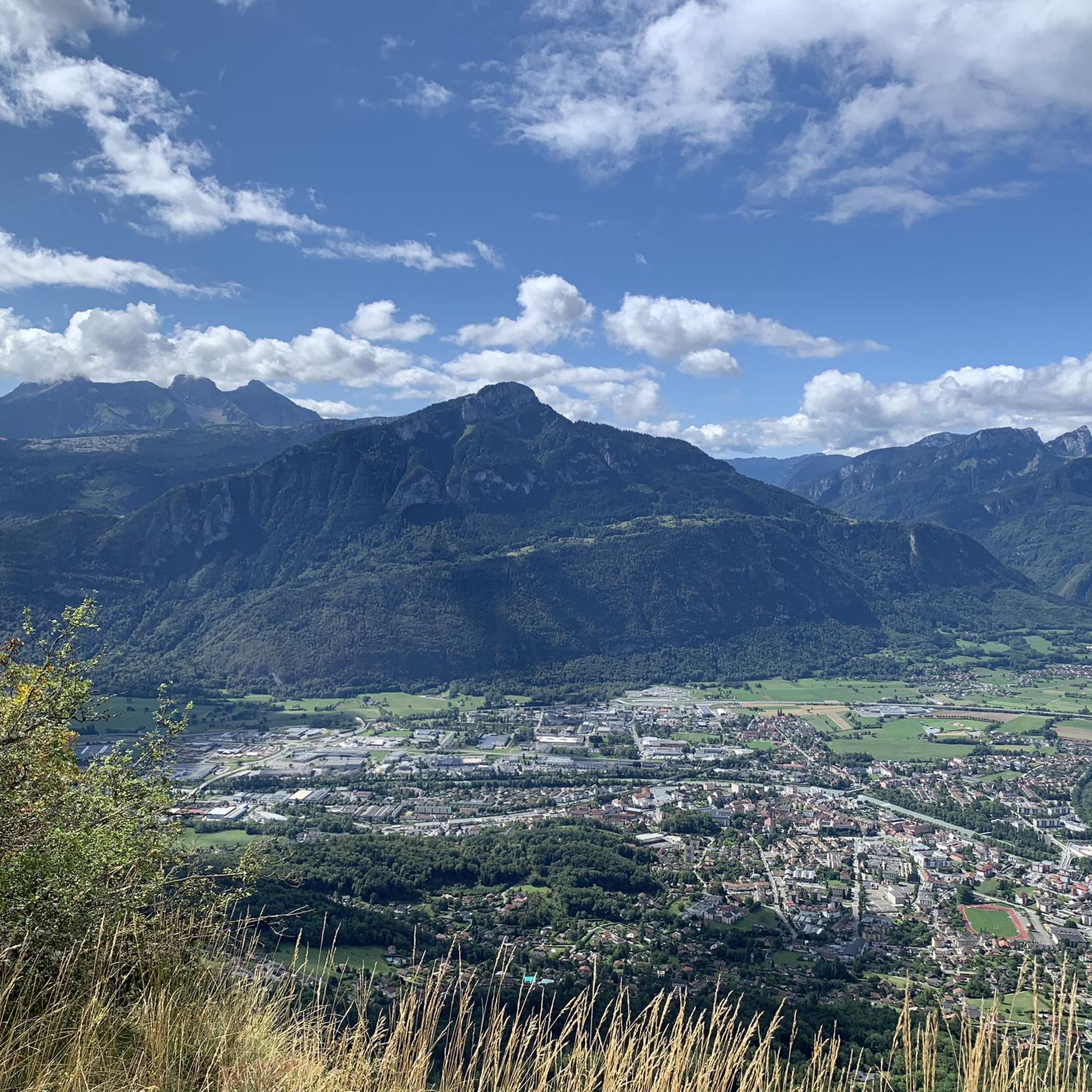
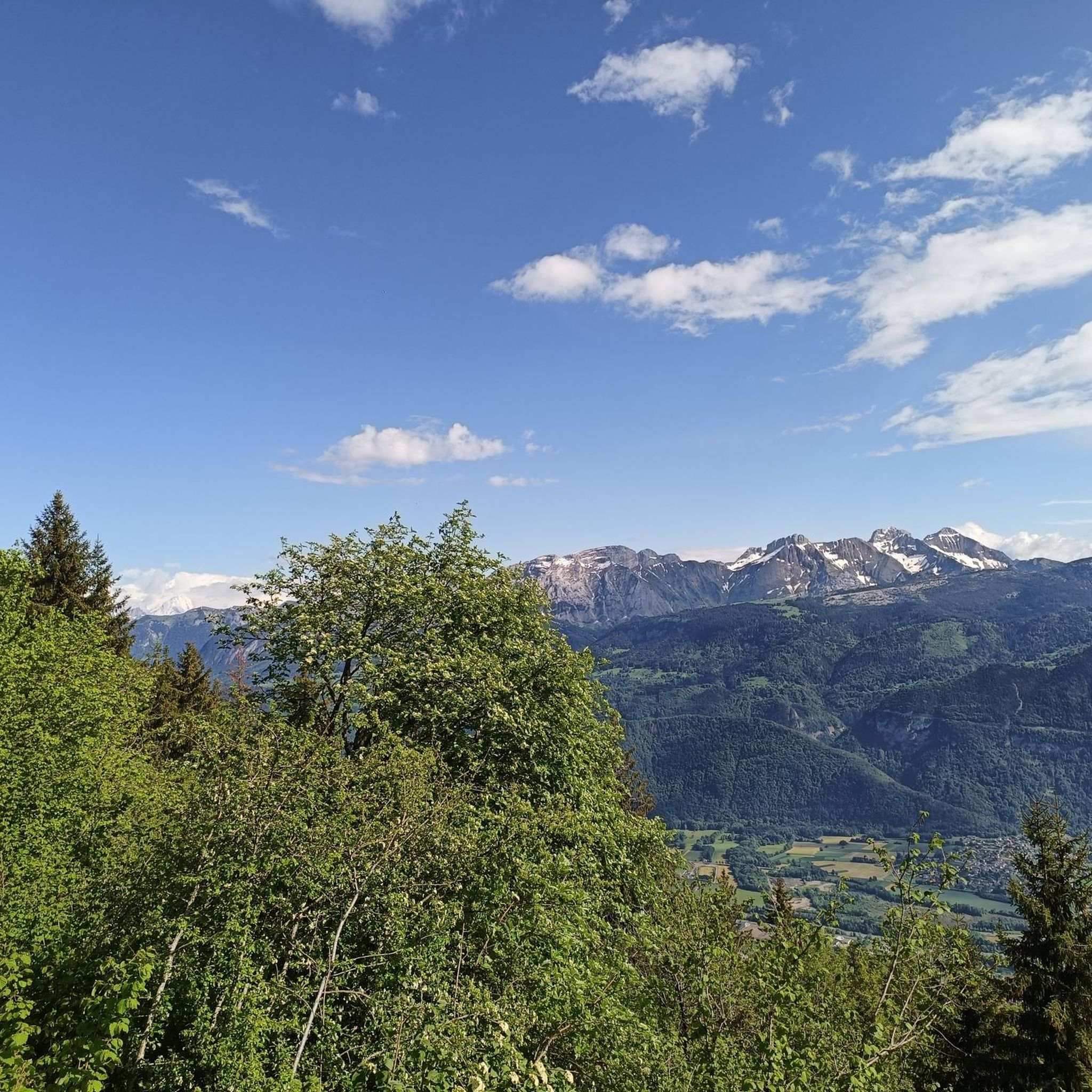
The Col de Réray is the crossing point located at an altitude of 930m which makes the link between the Arve valley and the Risse and Giffre valleys.
1
0
Frequently Asked Questions
What are some popular mountain passes for outdoor activities near Saint-Jean-De-Tholome?
The region offers several notable mountain passes. The Col de Réray is a significant pass at 930 meters, known for its views and historical dry stone walls. Other popular climbs include the Ascent of Col de la Colombière from Scionzier, a classic Tour de France route, and the scenic Cenise Pass, which sits on an exposed plateau with rugged peaks.
What kind of views can I expect from the mountain passes around Saint-Jean-De-Tholome?
You can expect magnificent panoramic views. From the Col de Réray, you'll see the middle Arve Valley, Bonneville, and the Pays Rochois, with the Pointe d'Andey and the Bargy mountain range in the background. The broader region also offers expansive views of the Jura mountains, Prealps, and the Mont-Blanc Massif, especially from higher points like the Pointe des Brasses.
Are there hiking trails suitable for families near Saint-Jean-De-Tholome's mountain passes?
Yes, the area around the Col de Réray offers options for both gentle strolls and more challenging hikes. While specific family-friendly trails are not detailed, the varied terrain and picturesque environment make it suitable for walks with different difficulty levels. Always check trail conditions and difficulty before heading out with children.
What are some challenging hiking or cycling options around the mountain passes?
For hikers seeking a challenge, continuing past the Col de Réray to the Grand Château cliffs offers excellent vantage points and a more uphill trek. Cyclists can tackle the Ascent of Col de la Colombière from Scionzier, a 16-kilometer climb with a difficult final section, or the Ascent of Col de la Ramaz from Mieussy, a first-category climb with an average gradient of 7% over 14 kilometers.
What are the best cycling routes around Saint-Jean-De-Tholome's mountain passes?
The region is excellent for cycling. You can find various routes, including the "Lake with the Fisherman's Hut – Col de Réray loop" which offers significant elevation changes. For more options, explore the traffic-free bike rides or gravel biking routes guides around Saint-Jean-De-Tholome, which feature loops like the "Gravel and Mountain Bike Trail – Col de Réray loop" and routes with views of Mont Blanc.
When is the best time to visit the mountain passes near Saint-Jean-De-Tholome?
The best time to visit is generally from late spring to early autumn (May to October) when the weather is milder and the passes are clear of snow, making them ideal for hiking and cycling. During this period, you can fully enjoy the natural beauty and outdoor activities. Be prepared for potentially windy conditions at higher, exposed passes like Cenise Pass.
What natural features are prominent around the mountain passes?
The landscape around the mountain passes is diverse and picturesque. You'll find ancient pastures, well-preserved dry stone walls, and a transition from fir to beautiful pine trees, giving some areas a Mediterranean feel, particularly around the Col de Réray. The region also features rugged peaks, valleys, and extensive views of surrounding massifs like the Bargy mountain range and Le Môle.
Are there any historical aspects to the mountain passes in this region?
Yes, the Col de Réray, for instance, has historical significance as a crucial route between the Arve valley and the Risse and Giffre valleys. The presence of ancient pastures and a well-preserved dry stone wall hints at its past importance as a passage between Bonneville and Saint-Jean-de-Tholome.
What do visitors enjoy most about the mountain passes around Saint-Jean-De-Tholome?
Visitors frequently praise the stunning views and the variety of outdoor activities. The Col de Réray is appreciated for its pleasant ridge path and views towards Le Môle. Cyclists enjoy the challenge and scenery of climbs like the Col de la Colombière, despite its difficulty. The beautiful scenery and steady incline of the Col de la Ramaz also make it a pleasant experience.
Are there opportunities for mountain biking or gravel biking near these passes?
Absolutely. The varied terrain around Saint-Jean-De-Tholome is well-suited for both mountain biking and gravel biking. You can explore routes like the "Gravel and Mountain Bike Trail – Col de Réray loop" or the "Col de Réray – Vers Château loop." For more detailed options, consult the gravel biking guide for the area.
What should I wear for hiking or cycling in the mountain passes?
Given the mountainous terrain and potential for varying weather, it's advisable to dress in layers. Even in warmer months, conditions can change quickly, especially at higher altitudes or exposed passes like Cenise Pass where wind can be strong. Bring waterproof outer layers, sturdy hiking shoes or cycling gear, and sun protection.
Most popular routes around Saint-Jean-De-Tholome
Most popular attractions around Saint-Jean-De-Tholome

Get inspired with the komoot mobile app


Explore more
See even more epic mountain passes by checking out these guides around Saint-Jean-De-Tholome:
