The best traffic-free bike rides around Saint-Jean-De-Tholome
4.3
(439)
15,221
riders
64
rides
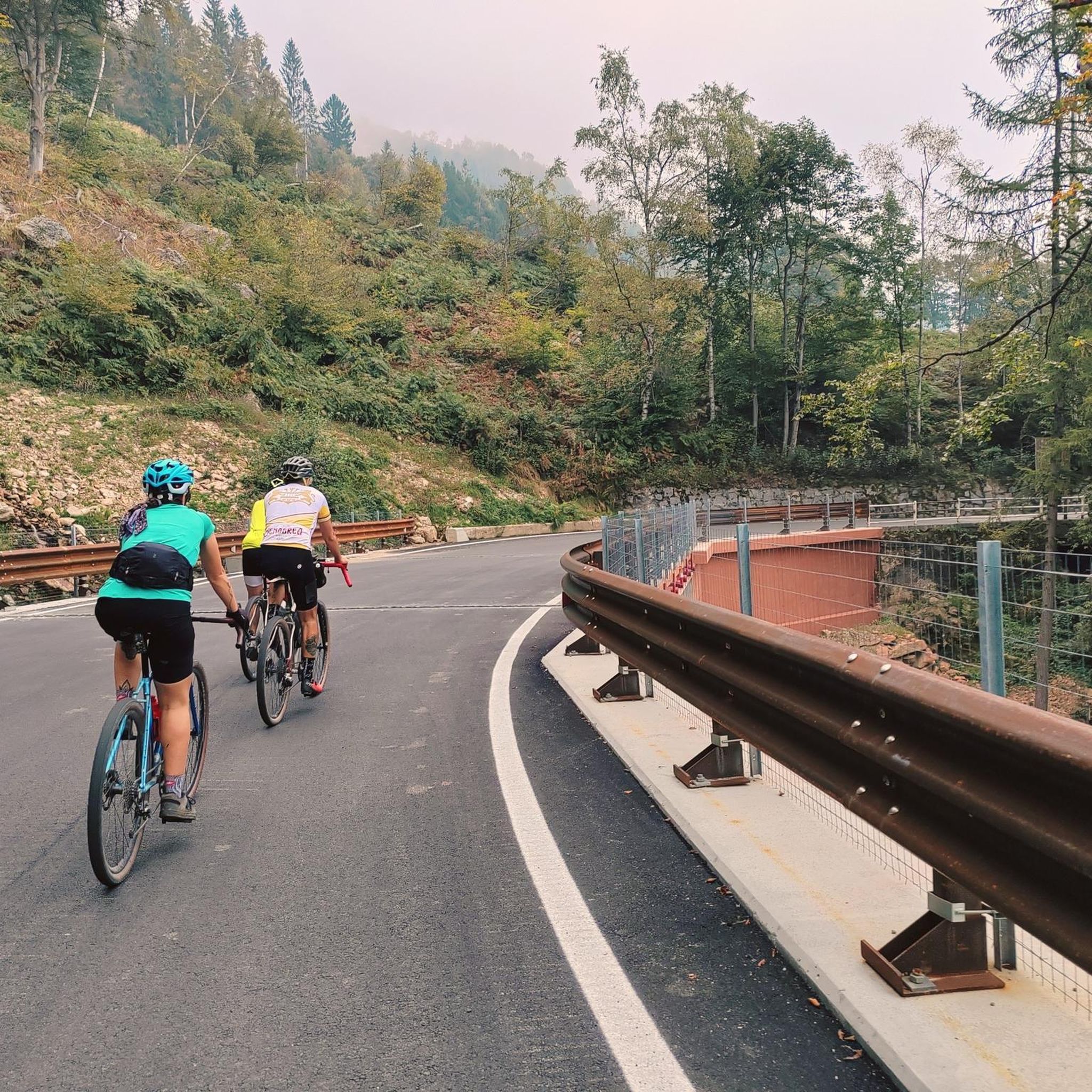
No traffic road cycling routes around Saint-Jean-De-Tholome are set within the mountainous environment of Haute-Savoie, offering diverse landscapes and varied terrain. The region features physically demanding ascents and more gentle rides through forests and mountain pastures. Cyclists can experience routes with rewarding vistas, including views towards the Mont Blanc chain and the Geneva region. The area provides a mix of challenges suitable for different skill levels.
Best no traffic road cycling routes around Saint-Jean-De-Tholome
- The most popular no traffic road…
Last updated: November 2, 2026
4.7
(32)
633
riders
51.5km
02:29
690m
690m
Moderate road ride. Good fitness required. Mostly well-paved surfaces and easy to ride.
4.0
(5)
92
riders
24.6km
01:01
120m
120m
Easy road ride. Mostly well-paved surfaces and easy to ride.

51
riders
24.2km
01:31
610m
610m
Moderate road ride. Good fitness required. Mostly well-paved surfaces and easy to ride.
5.0
(1)
48
riders
41.9km
02:17
730m
730m
Moderate road ride. Good fitness required. Mostly well-paved surfaces and easy to ride.
42
riders
21.2km
01:17
400m
400m
Moderate road ride. Good fitness required. Mostly well-paved surfaces and easy to ride.
Get access to more routes and recommendations from other explorers.
Already have an account?
Our route recommendations are based on thousands of hikes, rides, and runs completed by other people on komoot.
Start today with a free account
Your next adventure awaits.
Popular around Saint-Jean-De-Tholome
Tips from the Community

The bridge has had its current form since 1866 and was renovated in 2025.
0
0

A beautiful mountain range with the "little" and "big" Bargy
0
0
A 48-meter footbridge to cross the Giffre River. This greenway allows you to cross Marignier safely.
0
0


The bridge is an element from the city's origins, built from 1225. It was initially made of wood, resting on the islands of the Arve to connect the two banks. In 1661, the Regent Marie-Jeanne-Baptiste de Savoie-Nemours had a stone bridge with five arches built. Between 1862 and 1866, it was replaced by the current bridge, built by engineers Deglin and Vivenot. It was named “Pont de l’Europe” during Valérie Giscard d’Estaing's visit to Bonneville in 1989, during the campaign for the European elections. Downstream, it was duplicated in 2010 by a second asymmetrical cable-stayed bridge whose elegant silhouette is already part of Bonneville's architectural heritage.
1
0

Vive Allure is a great place to equip yourself, but also to have your bike serviced. Don't hesitate to stop by if you need a little adjustment on the road.
0
0
Frequently Asked Questions
How many no-traffic road cycling routes are available around Saint-Jean-De-Tholome?
There are nearly 70 dedicated no-traffic road cycling routes around Saint-Jean-De-Tholome. These routes offer a variety of experiences, with 13 easy, 38 moderate, and 17 difficult options to choose from.
What kind of terrain can I expect on no-traffic road cycling routes in this region?
The terrain around Saint-Jean-De-Tholome is diverse, ranging from challenging mountainous ascents to more gentle rides through valleys. You'll find routes that traverse forests, alpine pastures, and offer rewarding vistas of the Mont Blanc chain and the Aravis mountains. The Haute-Savoie region is known for its varied and demanding climbs, even on quieter roads.
Are there any easy, car-free road cycling routes suitable for beginners or families?
Yes, there are 13 easy no-traffic road cycling routes. An example is the View of the Massif du Bargy loop from Vougy, which is just under 24 km with minimal elevation gain, offering a pleasant ride without significant traffic.
What natural features or landmarks can I see along the no-traffic road cycling routes?
Many routes offer scenic views of the mountainous landscape, including peaks like Le Môle. You might also encounter charming natural features such as the peaceful La Gouille aux Morts pond, known for its wildlife, or the picturesque Lake Môle. Some routes also pass through charming villages and alongside rivers.
Are there any circular no-traffic road cycling routes available?
Yes, many of the no-traffic routes are designed as loops. For instance, the Marignier footbridge – Lake Môle loop from Viuz-en-Sallaz is a moderate 51.5 km circular route, offering a good balance of distance and elevation.
What do other road cyclists enjoy most about cycling in Saint-Jean-De-Tholome?
The area is highly rated by the komoot community, with an average score of 4.2 stars from over 320 ratings. Reviewers often praise the stunning panoramic views of the Mont Blanc chain, the quiet roads, and the diverse terrain that caters to various skill levels, from gentle valley rides to challenging mountain passes.
Can I find routes with significant elevation gain for a challenging ride?
Absolutely. The mountainous environment of Haute-Savoie provides ample opportunities for challenging climbs. Routes like the Vers Château – Lake Môle loop from Viuz-en-Sallaz feature over 700 meters of elevation gain, offering a demanding yet rewarding experience on quiet roads.
Are there any specific viewpoints along the no-traffic road cycling routes?
Many routes are designed to showcase the region's natural beauty. You'll find numerous spots offering splendid 360° panoramas, particularly on higher sections, with views extending to the Mont Blanc chain, the Aravis mountains, and the Geneva region. The
What is the best time of year for no-traffic road cycling in Saint-Jean-De-Tholome?
The best time for road cycling in this mountainous region is typically from late spring through early autumn (May to October). During these months, the weather is generally milder, and mountain passes are clear of snow, offering optimal conditions for enjoying the scenic routes. Always check local weather and road conditions before heading out.
Are there any routes that pass by bridges or gorges?
Yes, some routes may lead you near interesting geological features. For example, the Europe Bridge and the dramatic Gorges du Pont du Diable are notable attractions in the wider area that could be incorporated into or viewed from cycling excursions, though specific no-traffic routes passing directly through them would need to be checked individually.
Are there any specific mountain passes accessible via no-traffic road cycling routes?
While many routes offer climbs, the region is known for its 'legendary passes.' You might find quieter roads leading to or near passes like the Col de Réray, which offers a taste of the challenging yet scenic climbs characteristic of Haute-Savoie. The Col de Jambaz is also noted as a beautiful and less-frequented climb in the vicinity.
Most popular routes around Saint-Jean-De-Tholome
Most popular attractions around Saint-Jean-De-Tholome

Get inspired with the komoot mobile app


Explore more
Browse the best Road cycling routes in other regions.
