The best gravel rides in Katy Trail State Park
4.5
(39)
597
riders
53
rides
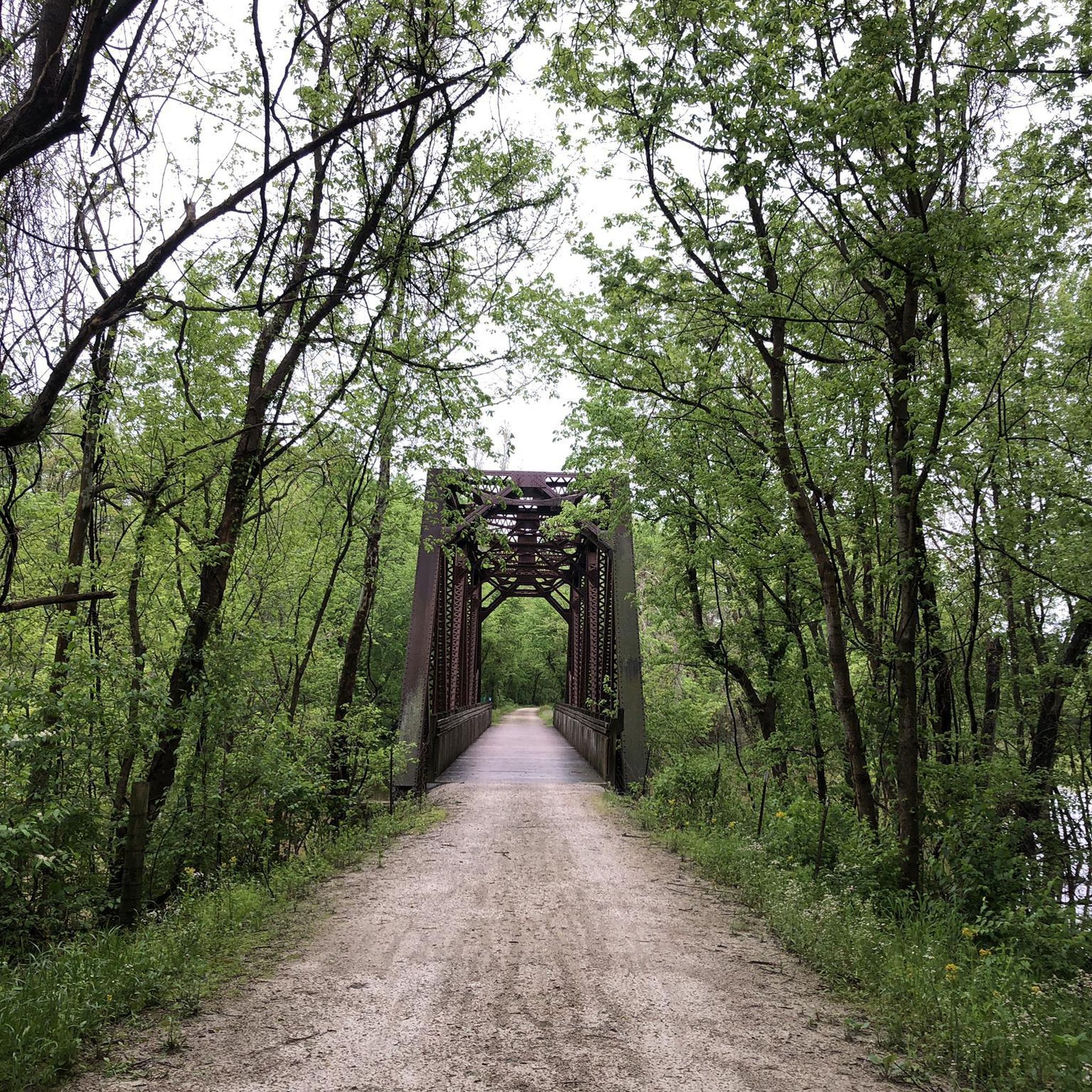
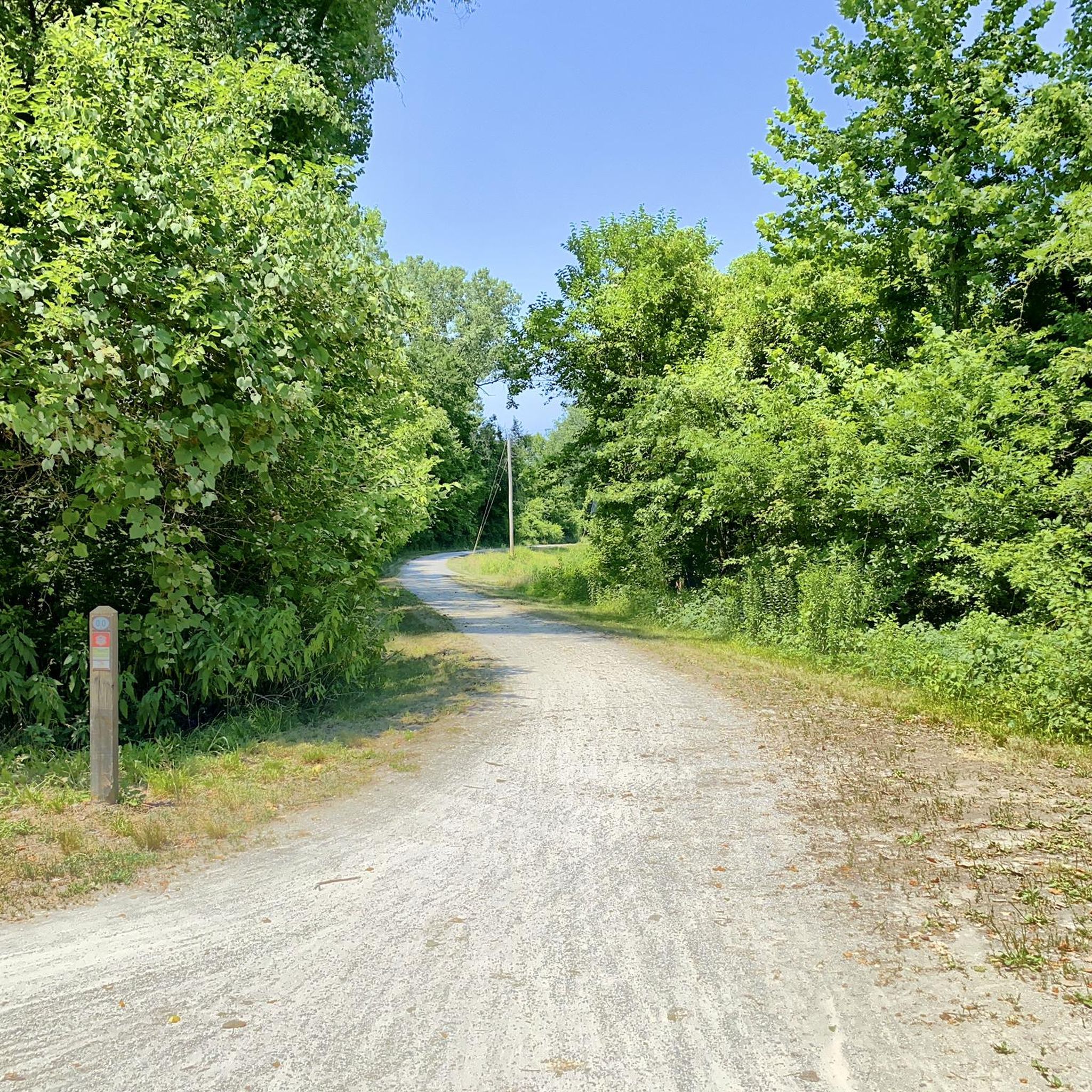
Gravel biking in Katy Trail State Park offers a unique experience across America's longest rails-to-trails conversion, spanning 240 miles across Missouri. The terrain is primarily flat, consisting of well-maintained packed crushed limestone, suitable for long-distance cycling. Riders can expect diverse landscapes, including expansive views of the Missouri River Valley, towering limestone bluffs, and stretches through farmlands, forests, and wetlands. This combination provides varied scenery and a consistent surface for gravel bike routes.
Best gravel bike trails in Katy Trail State Park
- The most popular gravel bike trail is Historic Bridge – Historic Bridge loop from Defiance, a 21.2 miles (34.2 km) trail that takes 2 hours 42 minutes to complete. This route offers views of the Missouri River and passes by historic elements.
- Another top favourite among local gravel bikers is Providence Access loop from Rocheport, a moderate 26.1 miles (42.0 km) path. This trail features dramatic limestone bluffs and scenic river views near Rocheport.
- Local gravel bikers also love the Weldon Spring Site – Hampton Lake loop from Howell Island Conservation Area, a 24.1 miles (38.9 km) trail leading through diverse landscapes including forests and wetlands, often completed in about 3 hours 21 minutes.
- Gravel biking in Katy Trail State Park is defined by the Missouri River Valley, limestone bluffs, and historic railroad depots. The network offers options for different ability levels, from easy rides to more challenging routes.
- The routes in Katy Trail State Park are highly rated by the komoot community with an average score of 4.6 stars from nearly 20 reviews. More than 390 gravel bikers have used komoot to explore Katy Trail State Park's varied terrain.
Last updated: August 21, 2026
4.6
(5)
15
riders
48.8km
02:29
110m
110m
Moderate gravel ride. Good fitness required. Mostly paved surfaces. Suitable for all skill levels.
4.0
(1)
12
riders
42.0km
02:10
120m
120m
Moderate gravel ride. Good fitness required. Mostly paved surfaces. Suitable for all skill levels.

Sign up for free
13
riders
Moderate gravel ride. Good fitness required. Mostly paved surfaces. Suitable for all skill levels.
5.0
(1)
12
riders
32.6km
01:41
70m
70m
Easy gravel ride. Great for any fitness level. Mostly paved surfaces. Suitable for all skill levels.
8
riders
39.0km
01:56
30m
30m
Easy gravel ride. Great for any fitness level. Mostly paved surfaces. Suitable for all skill levels.
Get access to more routes and recommendations from other explorers.
Sign up for free
Already have an account?
Our route recommendations are based on thousands of hikes, rides, and runs completed by other people on komoot.
Start today with a free account
Your next adventure awaits.
Login or Signup
Popular around Katy Trail State Park
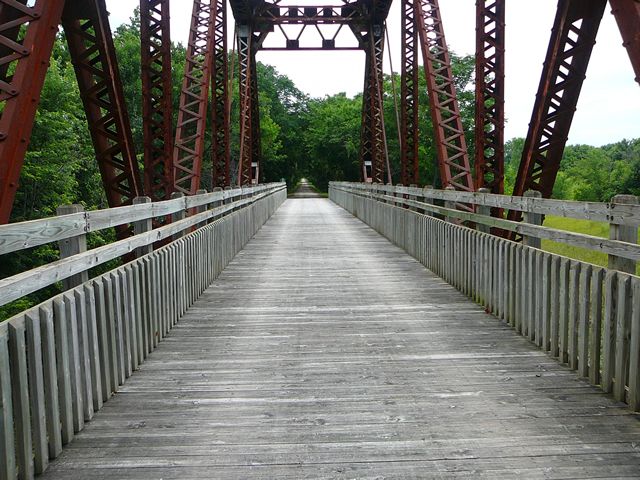
The Katy Trail – Pedaling Missouri's historic railbed
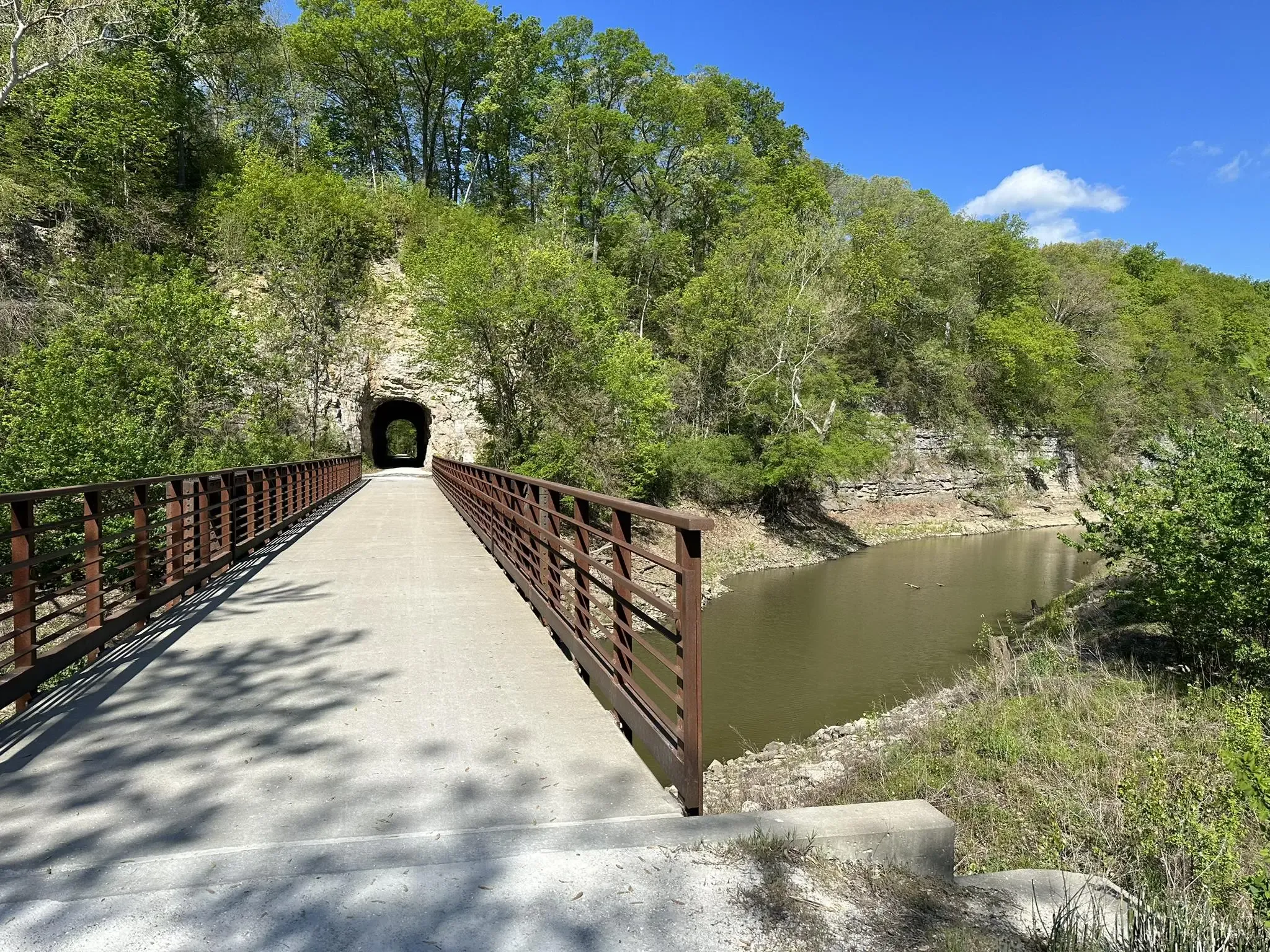
Katy Trail — From steel rails to scenic trails
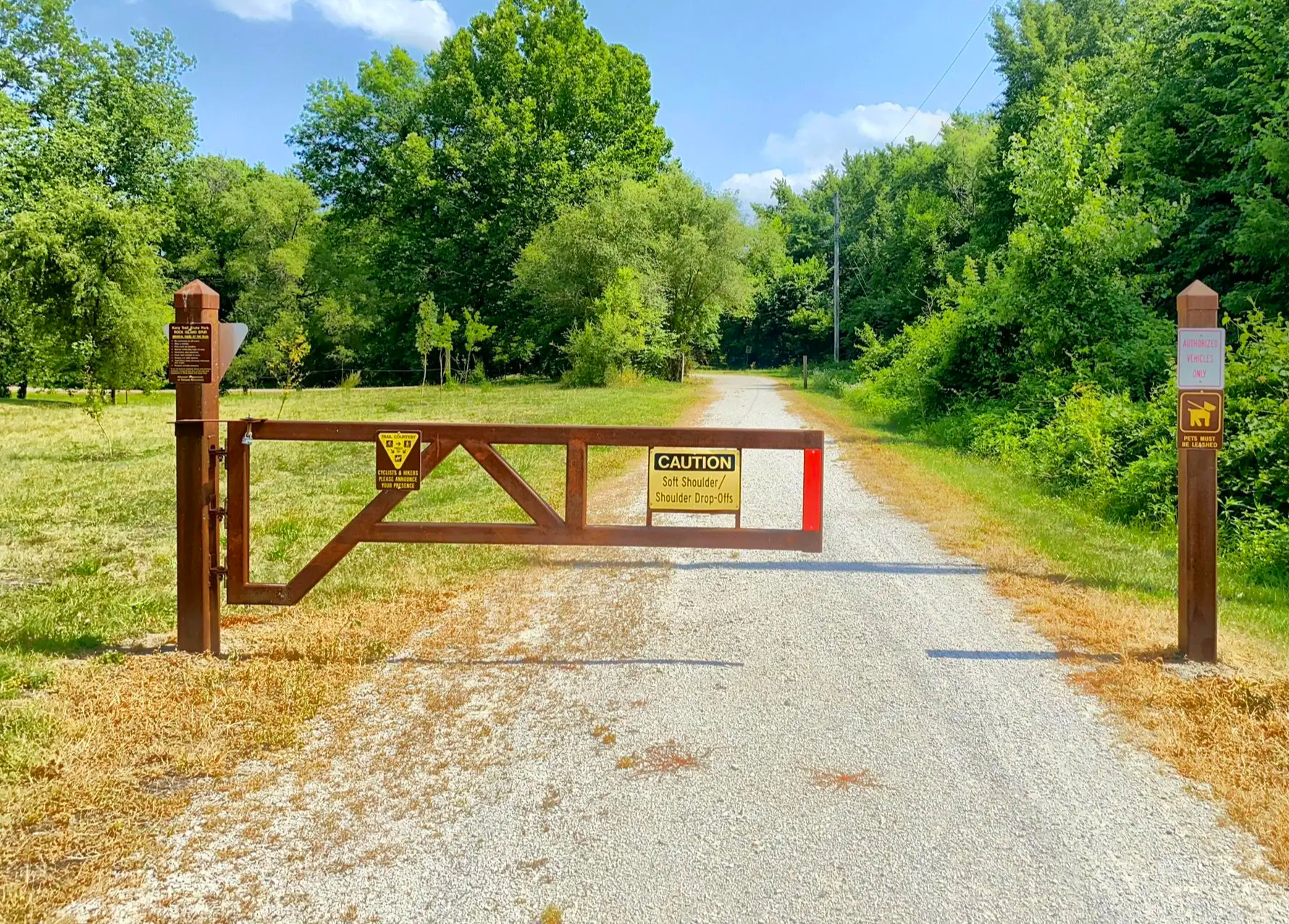
Rock Island Trail — Walking through railroad history
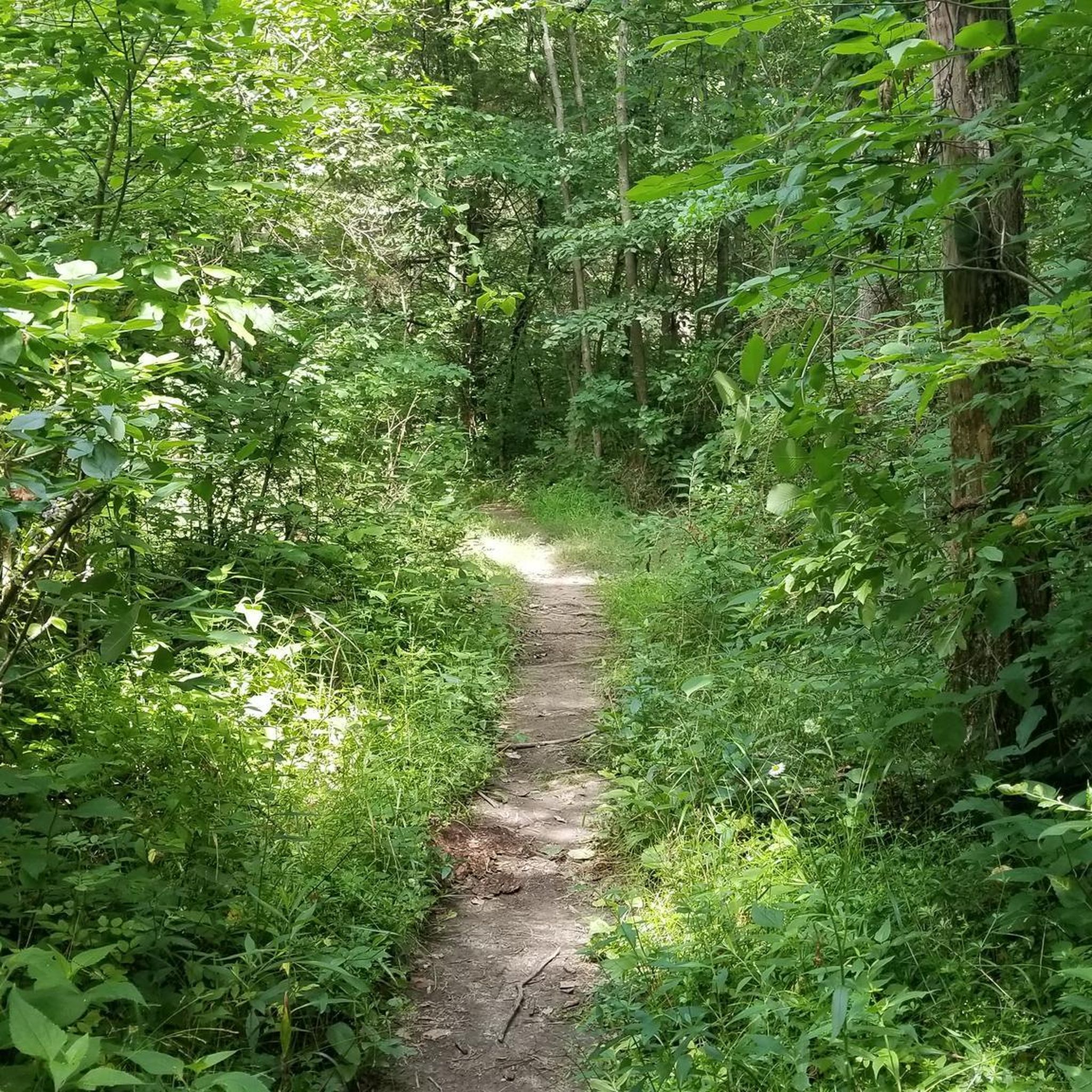
Hiking in Katy Trail State Park
Road Cycling Routes in Katy Trail State Park

Running Trails in Katy Trail State Park
Cycling in Katy Trail State Park

MTB Trails in Katy Trail State Park


Tips from the Community


The Big Burr Oak is estimated to be over 350 years old! It’s one of the oldest and largest bur oaks in the country, standing about 90 feet tall with a massive spread.
0
0

Located in the small town of Tebbetts, this trailhead offers essential amenities including parking and restrooms. Just steps away is the Turner Katy Trail Shelter, a two-story hostel providing affordable lodging with bunk beds, showers, and a bike repair station. For a convenient meal, consider the local Happy Trails Katy-ring Service, delivering hearty lunches directly to the trailhead or shelter.
1
0
On June 6, 1804, the Lewis and Clark Expedition camped on the starboard side of the Missouri River after a challenging day navigating strong currents and eroding banks. Earlier, they passed notable landmarks including Split Rock Creek and Saline Creek, the latter known for its salt springs. The day's journey was marked by the river rising a foot overnight and the crew's efforts to mend the barge's mast before setting out.
0
0
Between Rocheport and Huntsdale, the Katy Trail skirts the base of the majestic Manitou Bluffs—towering limestone cliffs shaped by the Missouri River's erosive power. These bluffs hold deep cultural significance, adorned with ancient Native American pictographs and burial mounds atop their heights. Early explorers, including Lewis and Clark, documented these sites in the early 1800s.
0
0
Just off the Katy Trail near McBaine stands the McBaine Bur Oak, affectionately known as the Burr Oak Big Tree. Estimated to be between 350 and 400 years old, this majestic tree boasts a trunk circumference of 287 inches, a height of approximately 90 feet, and a canopy spread of 130 feet. As the largest bur oak in Missouri, it shares the title of national champion with a counterpart in Kentucky. Situated about half a mile from the Missouri River, it's believed that the Lewis and Clark Expedition passed within sight of this enduring natural landmark. Accessible via a short detour from the trail, the tree offers a serene spot to pause and reflect amidst the beauty of the Missouri River floodplain.
0
0
Just west of Rocheport, the Katy Trail passes a fascinating relic of railroad history: a stone-faced bunker built into the limestone bluffs. Constructed in the early 1900s, this structure served as a secure storage site for explosives used during the Missouri-Kansas-Texas Railroad's operations. Though now on private property, trail users can glimpse its sturdy facade from the path. This hidden feature offers a tangible connection to the region's industrial past, nestled within the scenic beauty of the Missouri River bluffs.
0
0

The Medford Trailhead for the Rock Island Trail offers ample parking, drinking water, and toilets. This is the best place to fill your water bottles for many miles, not matter which direction you're headed.
0
0
Frequently Asked Questions
How many gravel bike trails are available in Katy Trail State Park?
Katy Trail State Park offers a wide selection of gravel biking routes, with over 45 trails to explore. These routes cater to various skill levels, from easy rides to more challenging options.
What kind of surface can I expect on the Katy Trail for gravel biking?
The Katy Trail is primarily composed of well-maintained packed crushed limestone, offering a smooth and consistent surface ideal for gravel bikes. Its relatively flat topography makes it suitable for long-distance rides.
Are there any easy gravel bike routes for beginners or families?
Yes, Katy Trail State Park is known for its accessible terrain. Many sections are relatively flat, making them perfect for beginners or families. An excellent easy option is the Historic Bridge – Katy Trail loop from Defiance, which is just under 15 miles and features minimal elevation gain.
What are some notable natural features or viewpoints along the gravel trails?
The trails offer diverse scenery, including expansive views of the Missouri River Valley and towering limestone bluffs, particularly near Rocheport. You can also explore areas with varied terrains like farmlands, forests, and wetlands. Don't miss the dramatic Manitou Bluffs or the scenic Missouri River Overlook.
Are there any historical landmarks or attractions to see while gravel biking?
Absolutely. The Katy Trail is built on a historic railroad corridor, passing through over 20 small towns with preserved railroad depots. A unique historical highlight is the Rocheport Tunnel, a 240-foot brick and stone structure built in 1872. You might also spot quirky landmarks like Boathenge.
What do other gravel bikers enjoy most about Katy Trail State Park?
The area is highly rated by the komoot community, with an average score of 4.6 stars. Reviewers often praise the well-maintained crushed limestone surface, the diverse landscapes including river views and bluffs, and the historical elements along the trail. Many appreciate the relatively flat terrain, making it enjoyable for long-distance rides.
Can I find circular gravel bike routes in the park?
Yes, there are several circular routes available. For example, the Historic Bridge – Historic Bridge loop from Defiance is a popular 21.2-mile option that offers views of the Missouri River and historic elements. Another favorite is the Providence Access loop from Rocheport, featuring dramatic limestone bluffs.
What is the best time of year to go gravel biking in Katy Trail State Park?
The Katy Trail is open year-round, but spring and fall generally offer the most pleasant conditions with milder temperatures and beautiful scenery. Spring brings blooming wildflowers, while fall showcases vibrant foliage. Summer can be hot, so early morning or late afternoon rides are recommended.
Are there opportunities to see wildlife along the trails?
Yes, the diverse landscapes of the Katy Trail, including forests, wetlands, and river areas, provide opportunities to observe wildlife. Depending on the season, you might spot deer, various bird species like indigo buntings and turkey vultures, snakes, and turtles.
Where can I find parking or access points for the Katy Trail?
The Katy Trail State Park has 26 trailheads, many of which offer convenient parking and facilities. These trailheads are spread along the entire 240-mile length of the trail, making access straightforward from various towns.
Are there any longer, more challenging gravel bike routes for experienced riders?
For experienced riders seeking a longer challenge, consider routes like the Frontier Park – Katy Trail loop from Saint Charles. This route spans over 58 miles and features more significant elevation changes, making it a 'difficult' grade option within the park.
Does the Katy Trail connect to other biking trails?
Yes, in Windsor, the Katy Trail connects to the Rock Island Trail State Park, which further expands your biking opportunities. The Katy Trail itself is also part of the American Discovery Trail.
Can I find amenities like cafes or accommodation along the Katy Trail?
Many of the small towns along the Katy Trail are very welcoming to cyclists and offer various amenities. You'll find places to eat, drink, and stay, including cafes, restaurants, and lodging options, particularly in towns with historic railroad depots.
Most popular routes in Katy Trail State Park
Most popular attractions in Katy Trail State Park

Get inspired with the komoot mobile app


