The best gravel rides around Moclinejo
3.9
(14)
120
riders
14
rides
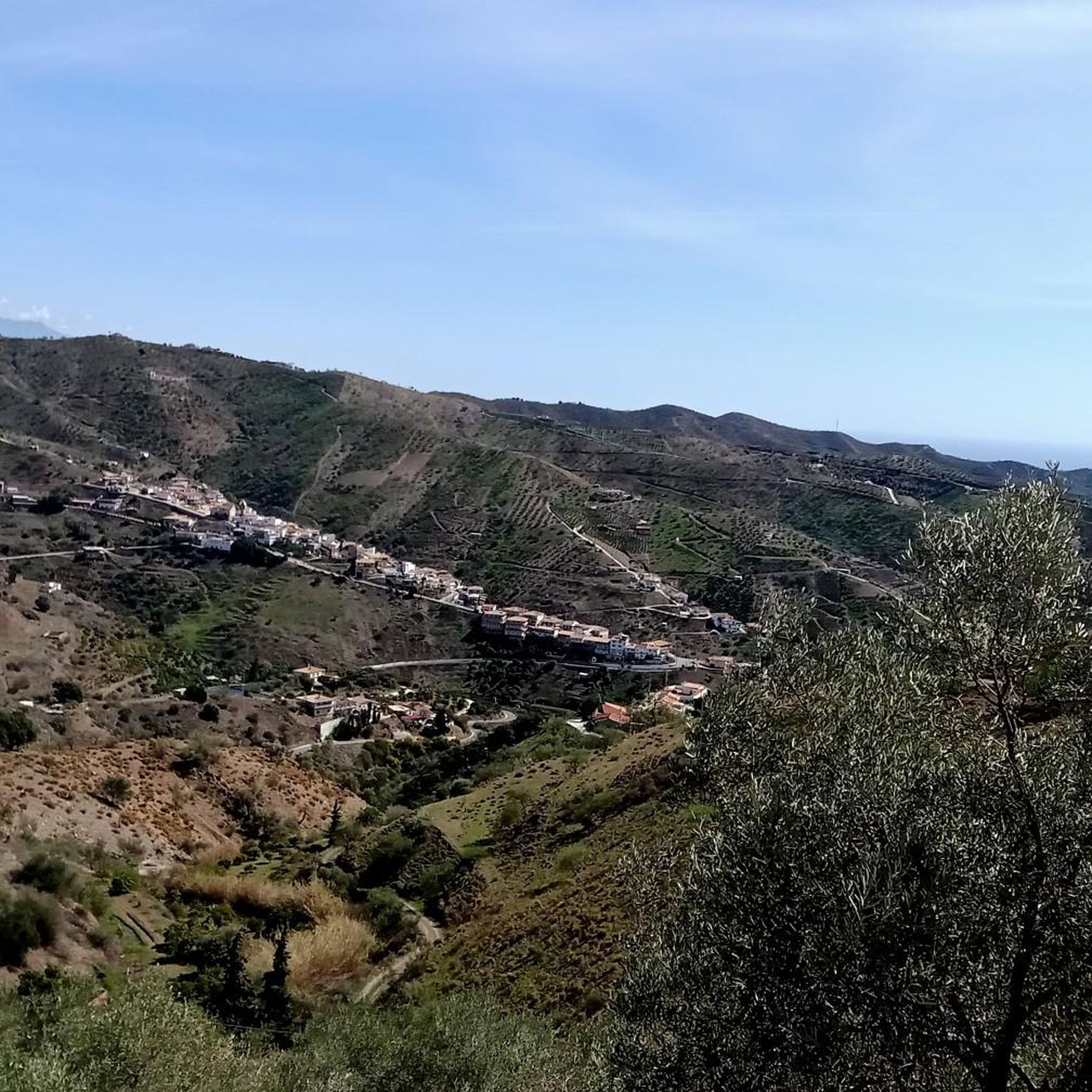
Gravel biking around Moclinejo features routes through the hilly terrain of Andalusia, characterized by olive groves, vineyards, and views towards the Mediterranean coast. The landscape includes both paved and unpaved sections, offering varied surfaces for gravel cyclists. Elevation changes are common, with routes often traversing valleys and ascending to viewpoints. The region provides a mix of challenging climbs and more moderate coastal paths.
Best gravel bike trails around Moclinejo
- The most popular gravel bike trail is Torre del Cantal –…
Last updated: August 13, 2026
11
riders
Easy gravel ride. Great for any fitness level. Mostly paved surfaces. Suitable for all skill levels.
15
riders
95.9km
06:28
1,620m
1,620m
Hard gravel ride. Very good fitness required. Mostly paved surfaces. Suitable for all skill levels.

Sign up for free
3.0
(2)
2
riders
17.9km
01:40
470m
470m
Hard gravel ride. Very good fitness required. Mostly paved surfaces. Suitable for all skill levels.
5.0
(2)
14
riders
48.2km
03:00
590m
590m
Hard gravel ride. Very good fitness required. Mostly paved surfaces. Suitable for all skill levels.
2
riders
Hard gravel ride. Very good fitness required. Mostly paved surfaces. Suitable for all skill levels.
Get access to more routes and recommendations from other explorers.
Sign up for free
Already have an account?
Our route recommendations are based on thousands of hikes, rides, and runs completed by other people on komoot.
Start today with a free account
Your next adventure awaits.
Login or Signup
Tips from the Community

The Casa Fuerte de Bezmiliana is one of the most emblematic buildings in Rincón de la Victoria and was built in 1766, during the reign of Charles III. Its function was to reinforce the defense of the coast against pirate attacks and invasions, complementing the area's watchtower system. With its square floor plan, robust walls, corner towers, and old moat, it is a good example of 18th-century coastal military architecture. Today it functions as a cultural space and hosts exhibitions and activities throughout the year.
1
0
The Cantal tower is an old watchtower located on a rocky promontory, about 30 meters above the sea. Of Nasrid or Moorish origin, it was part of the coastal defense system and was used to warn of possible pirate attacks by means of smoke or fire signals. Today it is protected as a Site of Cultural Interest and is one of the best spots to enjoy the coastal views.
1
0
The Rincón de la Victoria tunnels were excavated in the rock for the old train that connected Málaga with Vélez-Málaga. That train, popularly known as La Cochinita, transported passengers and goods until it stopped running in 1960. Today, crossing these tunnels is a curious way to glimpse the railway history of the Málaga coast, with sea views between one section and another.
1
0

The Bezmiliana Fortress was built in 1766 in present-day Rincón de la Victoria, in the province of Málaga, and is a typical example of 18th-century military coastal architecture. Its construction took place under the reign of King Charles III, in order to better protect the Andalusian Mediterranean coast against pirate raids and enemy fleets, as the older watchtowers were no longer able to cope with these threats. The fortress has a square floor plan with massive walls, corner towers, and a moat, and was designed to serve both defensive purposes and to house soldiers and horses. Over time, the fortress lost its military importance and partially fell into disrepair. It was only towards the end of the 20th century that it was extensively restored and put to a new use. Since 1992, the Bezmiliana Fortress has served as a cultural center, hosting exhibitions, concerts, and other events. Thus, it has evolved from a military defense structure into an important historical and cultural site in the region.
0
0

The Malaga tram, which made the route between the Alameda and El Palo until 1961 and which is remembered by thousands of Malagans, returned home.
0
0
Its wide variety of amenities, fine sand, moderate swells and shallow waters make it an ideal beach spot for a family-friendly day. And when it’s time to take a break from the hot temperatures, the beach has an extensive palm grove with small natural lawns for visitors to lie down in the shade.
0
0
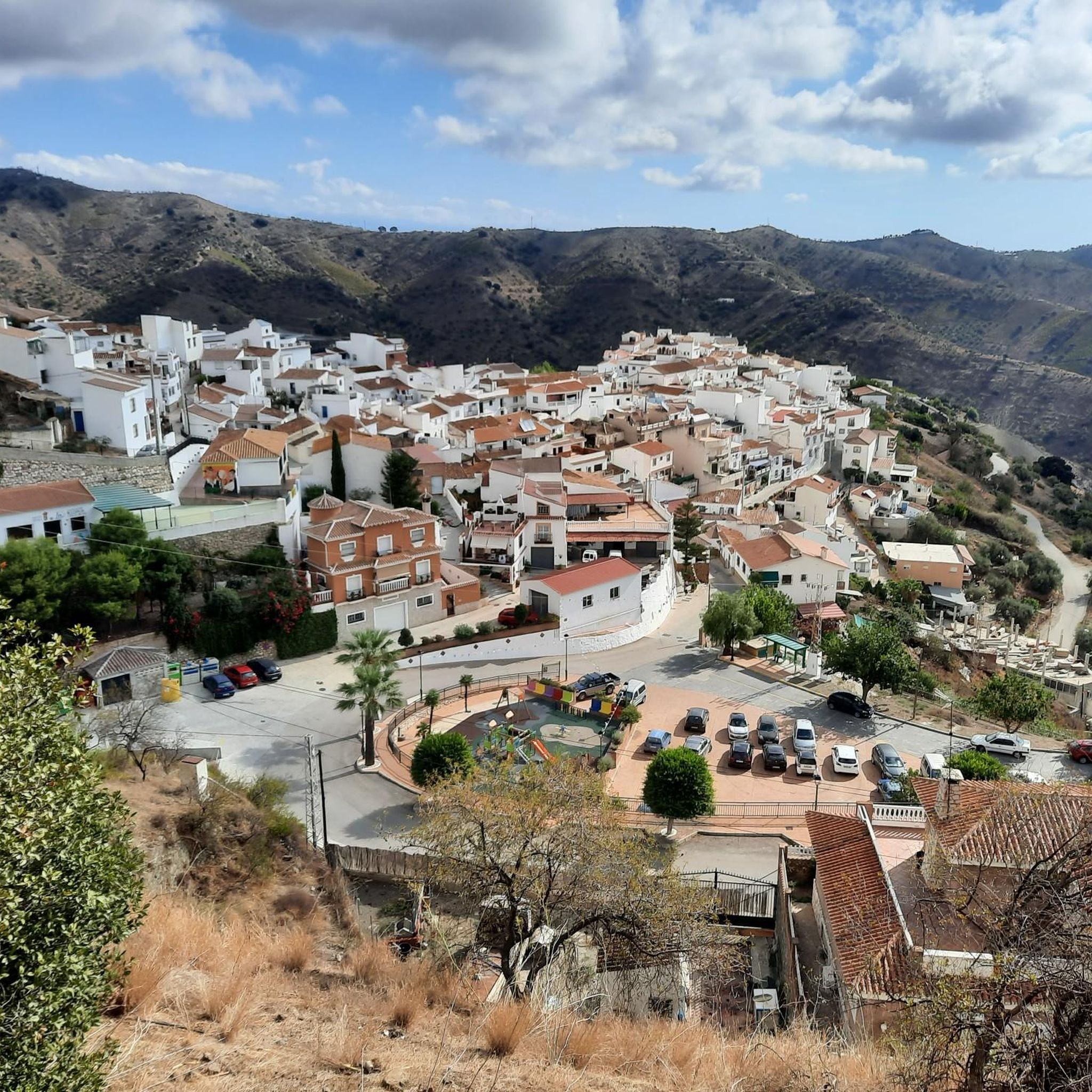
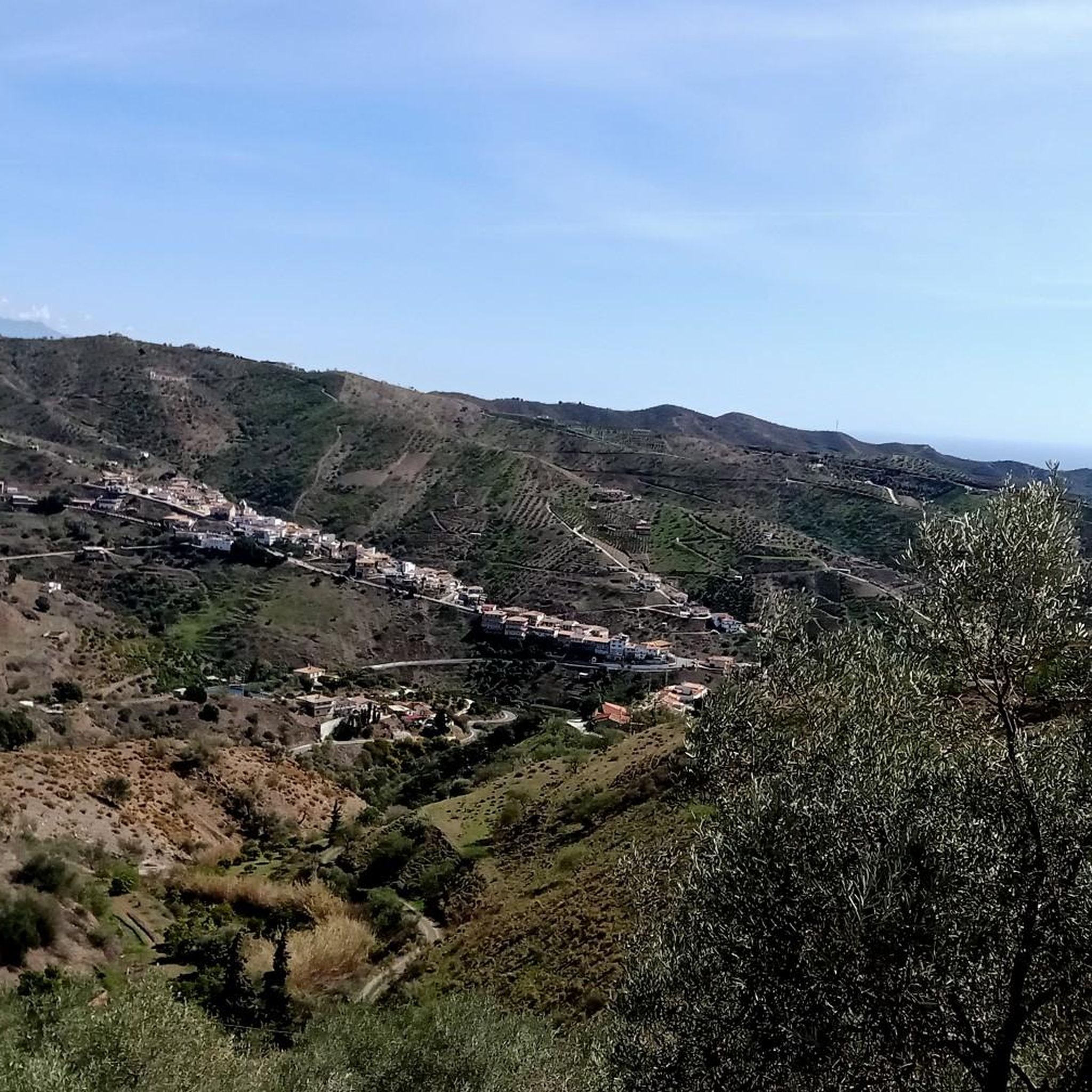
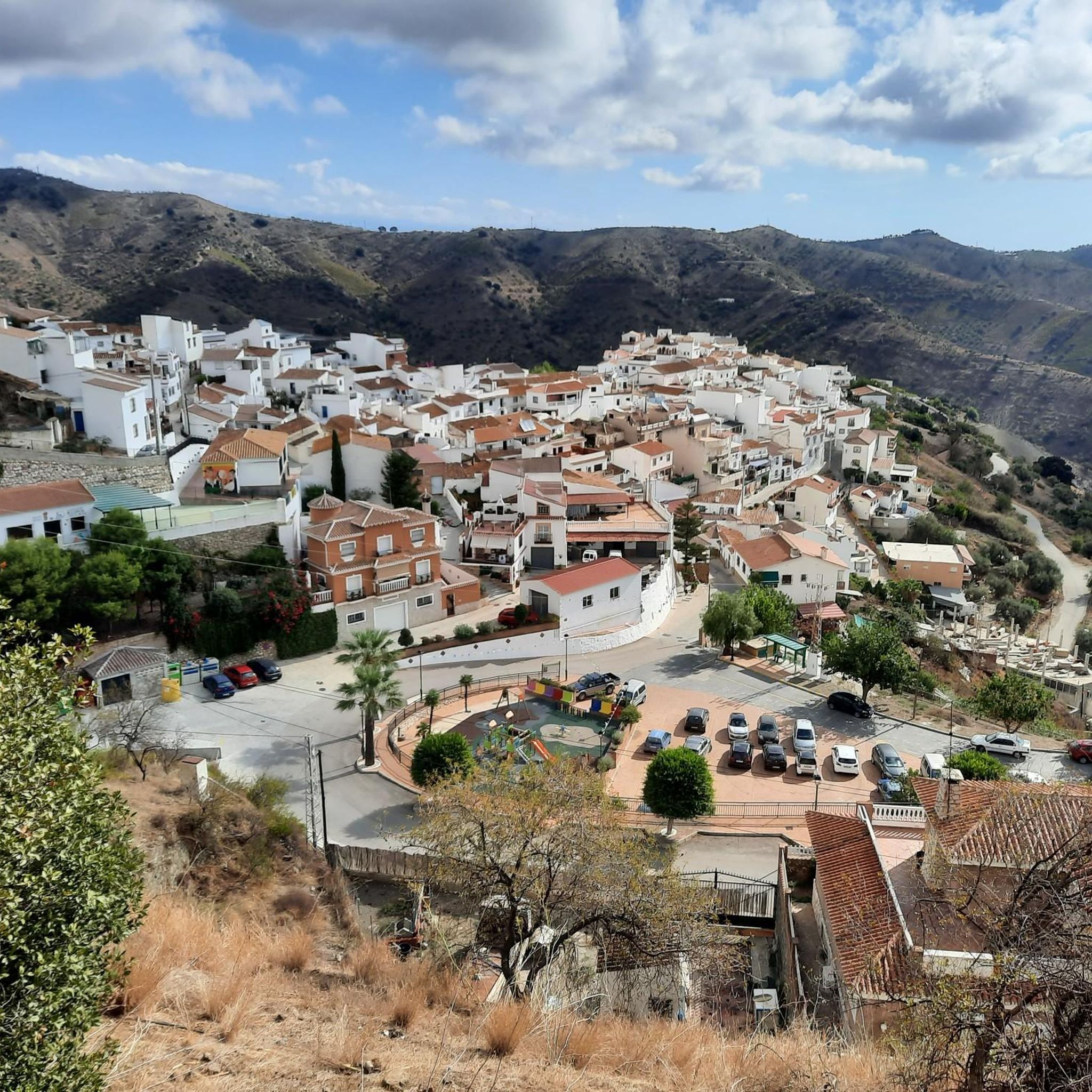
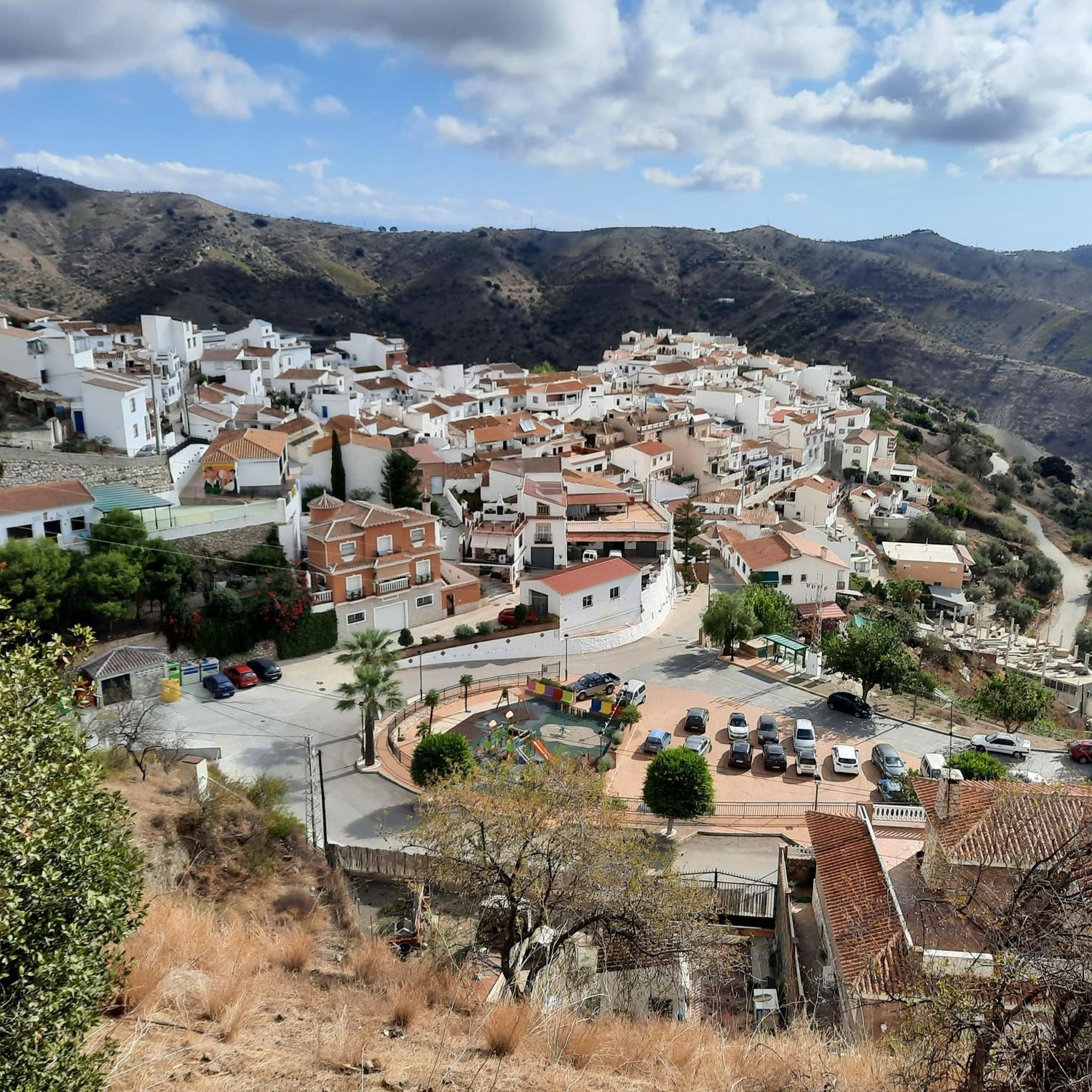
Iznate is an idyllic white village in the Axarquía region, about twelve kilometers from Vélez-Málaga. The village lies harmoniously in a gently rolling landscape characterized by vineyards, mangoes, and other fruit plantations. Narrow, whitewashed streets and a tranquil, rural atmosphere lend the village its authentic Andalusian character. The small Iznate River meanders through the area, providing the fertile soil that surrounds the village. From viewpoints like the Mirador de la Loma de Barcos, sweeping vistas open up across valleys, terraced fields, and olive groves – on a clear day, even as far as the Mediterranean Sea. Iznate exudes an authentic, serene atmosphere and is a prime example of the traditional "Pueblos Blancos" (white villages) of Andalusia – ideal for those seeking nature, relaxation, and the unspoiled charm of southern Spanish rural life.
0
0
The Torre Vigía de El Cantal is a 14th-century Moorish coastal watchtower that was part of a defense system against pirates. It stands on a rocky outcrop about thirty meters above the sea. The tower is approximately eight to ten meters high, built of stone and limestone, and was used for signaling with smoke and fire. After the Reconquista, it lost its military significance but remained as a landmark. Today, it is protected as a cultural monument ("Bien de Interés Cultural") and offers a breathtaking view of the coast.
4
0
Frequently Asked Questions
How many gravel bike trails are available around Moclinejo?
There are 9 gravel bike routes documented around Moclinejo on komoot, offering a variety of experiences through the region's diverse landscape.
Are there any easy gravel bike routes suitable for beginners or families in Moclinejo?
Yes, Moclinejo offers easy gravel bike routes perfect for beginners or a relaxed family outing. A great option is the Torre del Cantal – Rincón de la Victoria Beach loop from Rincón de la Victoria, an easy 9.5 miles (15.4 km) path with a flatter profile along the coastline.
What are the more challenging gravel bike routes around Moclinejo?
For experienced gravel bikers seeking a challenge, Moclinejo has several difficult routes. The Bolina Pass – View of Olías Village loop from El Palo is a difficult 37.5 miles (60.4 km) trail with significant elevation gain. Another demanding option is the Direct Ascent to Canillas de Aceituno – Monument to Peace loop from Benagalbón, which covers 59.6 miles (95.9 km) through mountainous terrain.
Can I find circular gravel bike routes in the Moclinejo area?
Yes, many of the gravel bike routes around Moclinejo are designed as loops, allowing you to start and end at the same point. Examples include the Torre del Cantal – Rincón de la Victoria Beach loop from Rincón de la Victoria and the Rincón de la Victoria Beach – Paseo de la Marina loop from La Cala del Moral.
What kind of views or natural landmarks can I expect to see on gravel bike trails near Moclinejo?
Gravel biking around Moclinejo offers panoramic views of the surrounding countryside, including olive groves, vineyards, and glimpses of the Mediterranean coast. You might pass by peaks like Cerro Salazar Geodesic Vertex or viewpoints such as El Pastor, especially on routes traversing higher elevations.
Are there any specific points of interest or attractions along the gravel bike routes?
Yes, some routes incorporate interesting landmarks. For instance, the Bolina Pass – View of Olías Village loop from El Palo takes you near the Bolina Pass. Coastal routes might lead you past the Rincón de la Victoria Beach or the Tunnels of the Coastal Greenway.
What is the best time of year for gravel biking in Moclinejo?
Given Moclinejo's Mediterranean climate and hilly terrain, spring (March to May) and autumn (September to November) are generally the best times for gravel biking. Temperatures are milder, and the landscape is vibrant. Summer can be very hot, especially on routes with significant climbs, while winter offers cooler, but potentially wetter, conditions.
Where can I find parking when gravel biking in Moclinejo?
Parking availability varies by starting point. For routes beginning in towns like Rincón de la Victoria or El Palo, you can typically find public parking areas. For routes starting in smaller villages or more rural areas, roadside parking might be available, but it's always advisable to check local regulations or designated parking spots.
What do other gravel bikers say about the trails in Moclinejo?
The gravel bike routes in Moclinejo are highly rated by the komoot community, with an average score of 4.0 stars from over 3 reviews. Riders often praise the varied terrain, from coastal paths to challenging mountain climbs, and the scenic views of the Andalusian countryside.
Are there any coastal gravel biking options in Moclinejo?
Yes, Moclinejo's proximity to the coast means you can enjoy gravel routes that combine inland hills with coastal sections. The Torre del Cantal – Rincón de la Victoria Beach loop from Rincón de la Victoria is a prime example, offering a flatter ride along the beachfront.
What is the typical terrain like on gravel bike trails around Moclinejo?
The terrain around Moclinejo is highly varied, reflecting the diverse landscape of Andalusia. You'll encounter a mix of paved and unpaved sections, including gravel roads through olive groves and vineyards, as well as more rugged paths in mountainous areas. Elevation changes are common, ranging from gentle coastal undulations to significant climbs.
Most popular attractions around Moclinejo

Get inspired with the komoot mobile app


Explore more
Browse the best Gravel rides in other regions.
