The best gravel rides around Almonacid De Toledo
3.7
(3)
33
riders
11
rides
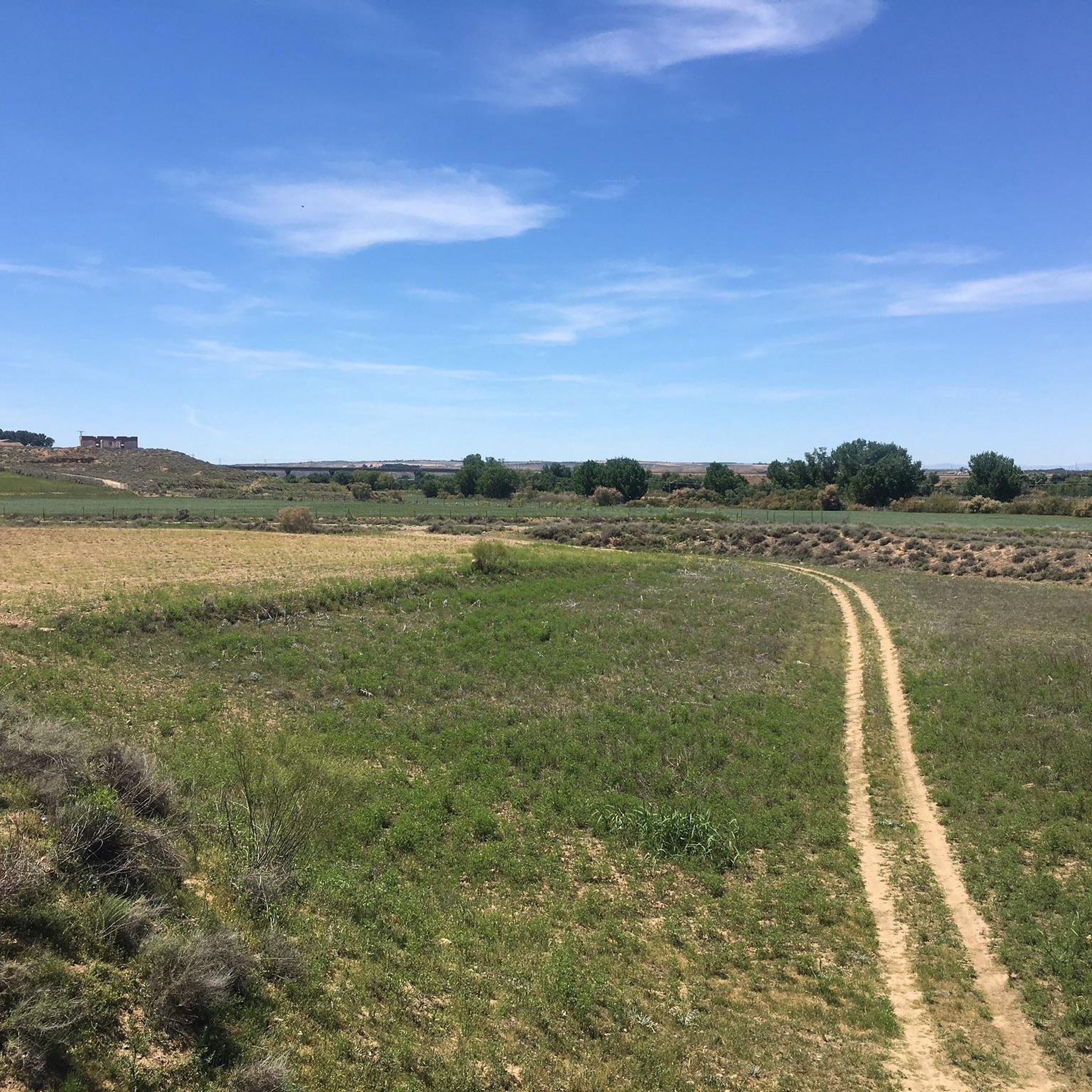
Gravel biking around Almonacid De Toledo offers diverse terrain, characterized by rural roads, comfortable tracks, and isolated paths ideal for gravel bikes. The region, situated in the province of Toledo, features varied topography with vineyards, rivers, and hills, providing scenic backdrops for rides. Routes often incorporate sections of the "Ruta del Quijote," leading through landscapes that inspired classic literature. The area also includes historical landmarks like the Castle of Almonacid de Toledo, which offers panoramic views.
Best gravel bike trails…
Last updated: November 2, 2026
4
riders
28.3km
02:10
260m
260m
Moderate gravel ride. Good fitness required. Mostly paved surfaces.
8
riders
39.6km
02:54
300m
300m
Moderate gravel ride. Good fitness required. Mostly paved surfaces.

3.7
(3)
8
riders
Moderate gravel ride. Good fitness required. Mostly paved surfaces.
2
riders
40.0km
03:15
240m
240m
Moderate gravel ride. Good fitness required. Mostly paved surfaces.
2
riders
22.4km
01:34
210m
210m
Moderate gravel ride. Good fitness required. Mostly paved surfaces.
Get access to more routes and recommendations from other explorers.
Already have an account?
Our route recommendations are based on thousands of hikes, rides, and runs completed by other people on komoot.
Start today with a free account
Your next adventure awaits.

Other adventures around Almonacid De Toledo

Tips from the Community

From the hills of Cobisa, you can enjoy a magnificent panoramic view of Toledo and the Tagus Valley. Surrounded by olive groves and La Mancha landscapes, this municipality combines the tranquility of a residential setting with proximity to one of the most important historical cities in Spain.
8
0

Toledo is a historic city in central Spain, the capital of the autonomous community of Castile-La Mancha. Located about 70 kilometers south of Madrid, it stands on a rocky promontory surrounded by the Tagus River and is entirely declared a UNESCO World Heritage Site. It is universally known as the "City of Three Cultures" for the centuries-long and peaceful coexistence of Christians, Muslims, and Jews.
0
0
Located in the Plaza de la Constitución, in the historic Town Hall in the Neo-Mudéjar style, designed by Ezequiel Martín Martín and built between 1927–1928, with a striking brick facade, masonry panels, horseshoe arches and ceramic decorations, culminating in a circular tower topped with a bulbous dome (tiled, from 1930).
3
0
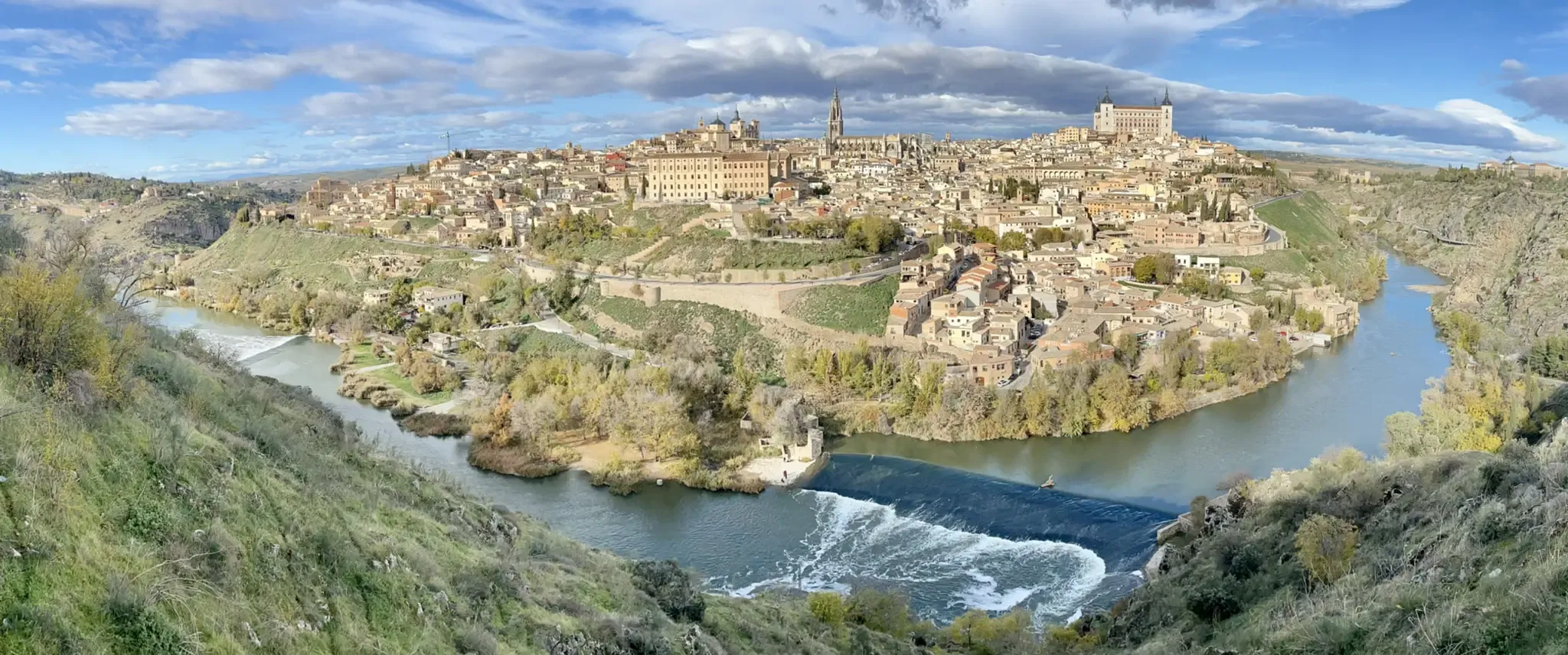
The view of Toledo from the Mirador del Valle road is considered one of the most iconic panoramas in Spain and, for many, the best way to admire the city. From this vantage point, you can appreciate the historic center surrounded by the Tagus River, which forms a meander that embraces the city. The Alcázar of Toledo dominates the upper part of the city. The Primate Cathedral, with its prominent Gothic tower, is also visible. Historic bridges such as the Alcántara Bridge and the San Martín Bridge are also prominent.
7
0
The most iconic view of Toledo from the road in the Cabeza area is from the Mirador del Valle, located in Ronda del Valle, very close to the Hermitage of the Virgen de la Cabeza. This spot is famous for its classic panoramic view, seen on postcards and paintings, with the Alcázar, the Primate Cathedral, and the Tagus River framing the city.
3
1
Cobisa, very close to Toledo, is ideal for cycling and hiking.
9
0
The Plaza de la Concordia in Cobisa (Toledo) is a central and very active space in the municipality, ideal for strolling, enjoying local events, and exploring the surrounding area.
13
3
Frequently Asked Questions
What kind of terrain can I expect on gravel bike trails around Almonacid De Toledo?
The region around Almonacid De Toledo offers diverse terrain, ideal for gravel biking. You'll find a mix of rural roads with good surfaces, comfortable tracks, and isolated paths. The broader Toledo area features varied topography including vineyards, rivers, and hills, providing engaging rides without extreme technical demands.
Are there any challenging gravel bike routes in the area?
Yes, there are routes suitable for experienced gravel bikers. For example, the Public Fountain (Parking lots) – View of the Palacio de Galiana loop from Santa María de Benquerencia is a difficult 46.0 km trail with an ascent of over 460 meters, offering varied terrain and views towards historical landmarks. Another challenging option is the Alcántara Bridge – View of the Palacio de Galiana loop from Santa María de Benquerencia, which covers nearly 59 km with over 550 meters of elevation gain.
What historical landmarks can I see while gravel biking near Almonacid De Toledo?
The area is rich in history. A prominent landmark is the Almonacid Castle, a 14th-century fortress offering panoramic views. You might also encounter the Peñas Negras Castle, which can be seen on routes like the Peñas Negras – Peñas Negras Castle loop from Mora. The region's historical significance includes its role in the Napoleonic Wars, with the castle serving as a refuge during the Battle of Almonacid in 1809.
Are there any circular gravel bike routes available?
Yes, several routes are designed as loops, allowing you to start and finish in the same location. Examples include the Mora Town Hall loop from Mora, a moderate 22.4 km path, and the Peñas Negras – Peñas Negras Castle loop from Mora, a 26.0 km trail through scenic landscapes.
What is the best time of year to go gravel biking in Almonacid De Toledo?
The Toledo province generally offers good conditions for cycling for much of the year. Spring and autumn are often ideal, with milder temperatures and pleasant scenery. Summers can be hot, so early morning or late afternoon rides are recommended, while winters are generally mild but can have cooler, wetter days.
Are there any family-friendly gravel biking options?
While specific 'family-friendly' designations aren't always explicit, routes with moderate difficulty and comfortable tracks, like the Mora Town Hall loop from Mora, could be suitable for families with some cycling experience. The region's rural roads and less technical terrain make it generally accessible, but always check the route details for distance and elevation to ensure it matches your family's ability.
Can I find places to eat or drink near the gravel bike trails?
Almonacid De Toledo and nearby towns like Mora offer local cafes and restaurants where you can refuel. These establishments often cater to locals and visitors, providing opportunities to experience local cuisine and take a break during your ride.
What are the typical elevation changes on gravel routes in this region?
Elevation changes vary by route. For instance, a moderate route like the Mora Town Hall loop from Mora has an ascent of around 205 meters over 22.4 km. More difficult routes, such as the Public Fountain (Parking lots) – View of the Palacio de Galiana loop from Santa María de Benquerencia, can feature ascents of over 460 meters. This suggests a varied topography with engaging climbs and descents.
Is it possible to connect to larger cycling networks from Almonacid De Toledo?
Yes, Almonacid De Toledo is integrated into broader cycling networks, notably sections of the 'Ruta del Quijote.' This allows for connections to other towns like Burguillos de Toledo and Cobisa, enhancing the potential for longer, multi-day bikepacking adventures across the region.
Are there any specific natural features to look out for on the trails?
The region is characterized by picturesque landscapes, including vineyards, rivers, and rolling hills. While specific 'natural features' like waterfalls aren't prominent, the scenic backdrop of the Toledo province, with its rural charm and varied topography, provides a beautiful setting for gravel biking.
How many gravel bike trails are available around Almonacid De Toledo on komoot?
There are 5 gravel bike routes available around Almonacid De Toledo on komoot, offering a range of distances and difficulties to explore the region.
What is the general difficulty level of gravel biking in Almonacid De Toledo?
The gravel biking routes around Almonacid De Toledo cater to various skill levels. You'll find a mix of moderate trails, such as the Peñas Negras – Peñas Negras Castle loop from Mora, and more difficult options like the Alcántara Bridge – View of the Palacio de Galiana loop from Santa María de Benquerencia. This ensures there's something for both casual riders and those seeking a greater challenge.
Most popular routes around Almonacid De Toledo
Most popular attractions around Almonacid De Toledo

Get inspired with the komoot mobile app


Explore more
Browse the best Gravel rides in other regions.
