The best cycling routes around Almonacid De Toledo
4.2
(15)
367
riders
52
rides
Touring cycling around Almonacid De Toledo offers routes through the expansive countryside of Castile-La Mancha, characterized by vast olive groves and vineyards. The region, part of the La Mancha plains, presents a varied topography with flat stretches and undulating hills. Cyclists can explore historical sites, including the Almonacid de Toledo Castle, strategically perched on a hilltop. This area provides diverse cycling experiences suitable for various preferences.
Best touring cycling routes around Almonacid De Toledo
- The most popular touring cycling route…
Last updated: May 15, 2026
4.5
(4)
49
riders
25.9km
01:58
200m
200m
Moderate bike ride. Good fitness required. Mostly paved surfaces. Suitable for all skill levels.
15
riders
49.2km
04:48
670m
670m
Hard bike ride. Very good fitness required. Mostly paved surfaces. Suitable for all skill levels.

Sign up for free
1.0
(1)
13
riders
52.1km
04:02
490m
490m
Hard bike ride. Very good fitness required. Mostly paved surfaces. Suitable for all skill levels.
5.0
(1)
16
riders
43.8km
04:04
440m
440m
Moderate bike ride. Good fitness required. Mostly paved surfaces. Suitable for all skill levels.
5.0
(1)
12
riders
40.2km
03:22
230m
230m
Moderate bike ride. Good fitness required. Mostly paved surfaces. Suitable for all skill levels.
Get access to more routes and recommendations from other explorers.
Sign up for free
Already have an account?
Our route recommendations are based on thousands of hikes, rides, and runs completed by other people on komoot.
Start today with a free account
Your next adventure awaits.
Login or Signup

Other adventures around Almonacid De Toledo

Tips from the Community

Currently, it is not possible to climb to the castle because a tower has collapsed.
0
1

Cerro Gordo de la Oliva is a 900-meter peak located in the Sierra de la Oliva mountain range, part of the Montes de Toledo, within the municipalities of Villaminaya (Toledo) and Almonacid de Toledo (Castilla-La Mancha). It forms part of a mountain range approximately 3 km long and 1 km wide, with its summit, Pico Oliva, reaching 901 meters. From the summit: panoramic views extend towards the Sierra de Nambroca, Cerro Marica, Nambroca, Burguillos, Ajofrín, Sonseca, Villaminaya, Mascaraque, Mora, and Almonacid Castle.
2
0
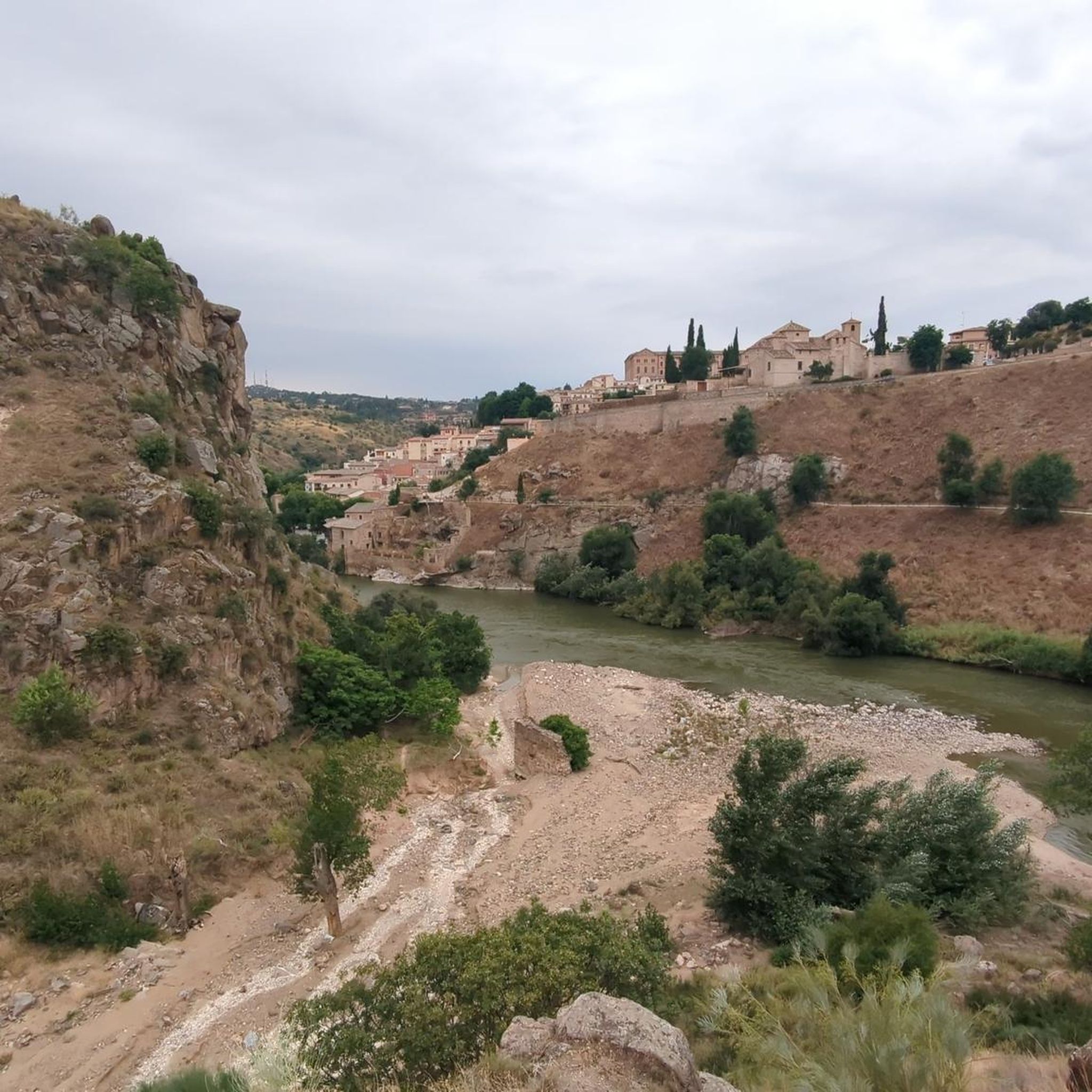
The Safont Waterwheel is a unique landmark in Toledo, located in Safont Park, next to the Tagus Nature Trail, very close to the Azarquiel Bridge and the bus station. It's an ideal spot for strolling along the riverbank and discovering a corner steeped in history and interesting facts.
4
0
The Bisagra Gate is one of Toledo's most iconic monuments and a monumental entrance to its historic center. Muslim Origin: The original gate, known as the Old Bisagra Gate or Bab al-Saqra ("Sacred Gate"), was built in the 9th century during Islamic rule. Renaissance Reconstruction: In the 16th century, under the reigns of Charles V and Philip II, the New Bisagra Gate was built, the gate that remains today. Construction began around 1540 and was completed in 1576. Notable Architects: Alonso de Covarrubias, Nicolás de Vergara the Elder, Juan de Benavides, Eugenio Sánchez, among others, participated.
10
0
Toledo Cathedral, also known as the Primate Cathedral of Spain, is one of the masterpieces of Gothic art in Europe and a symbol of the city. Its construction began in 1226 during the reign of Ferdinand III and lasted for more than two centuries. It is dedicated to Saint Mary and stands on the site of an old mosque, which in turn was built on the site of a Visigothic church.
11
0
The Church of Santa María Magdalena in Burguillos de Toledo is located in the Plaza de San Pedro. It is a parish church with medieval origins, built in the 13th century. Its architectural style is Gothic, with decorative details that reflect centuries of history. Inside, there are altarpieces, carvings, and religious paintings. It has been a key element in the spiritual and social life of the town.
11
3
The Castle of San Servando is an impressive medieval fortress located in Toledo, next to the Tagus River and very close to the Alcántara Bridge. It is one of the city's most notable monuments due to its history, architecture, and strategic location. Built in 1024 as a monastery during the reign of Alfonso VI.
11
0
The Alcántara Bridge is one of Toledo's most iconic monuments, with a history dating back to Roman times and an architecture that has evolved over the centuries. Originally built by the Romans in the 3rd century AD, as part of the network of roads that connected the Empire. Its name comes from the Arabic "al-qanṭarah," meaning "the bridge," given by the Muslims after its reconstruction in the 10th century.
10
0
Frequently Asked Questions
How many touring cycling routes are available around Almonacid De Toledo?
There are over 50 touring cycling routes available around Almonacid De Toledo, offering diverse experiences through the region's landscapes.
What is the overall difficulty level of touring cycling routes in Almonacid De Toledo?
The routes around Almonacid De Toledo cater to various skill levels. While there are a few easy routes, the majority (over 35) are moderate, and nearly 20 routes are considered difficult, offering challenges for experienced cyclists.
What kind of terrain can I expect on touring cycling routes in Almonacid De Toledo?
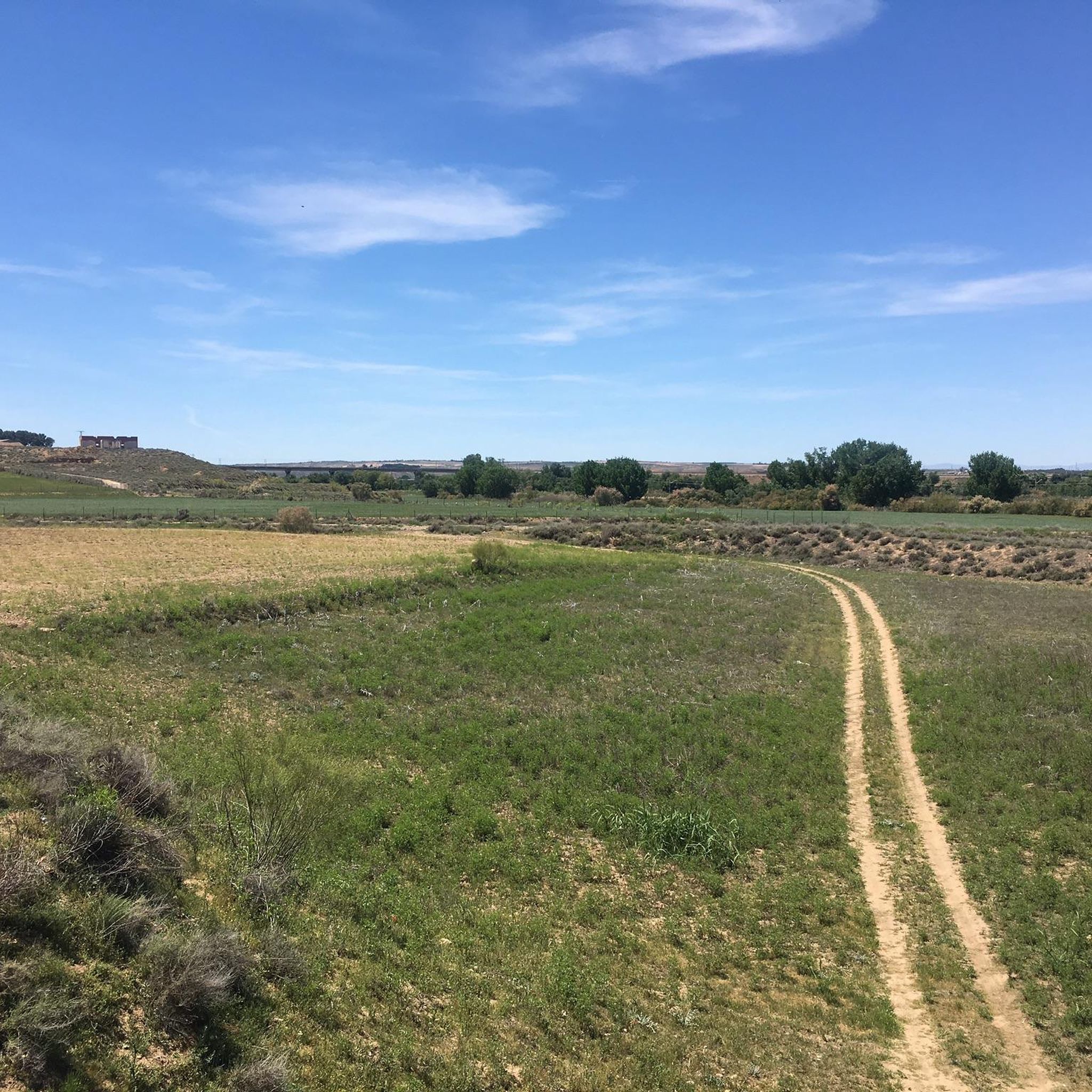
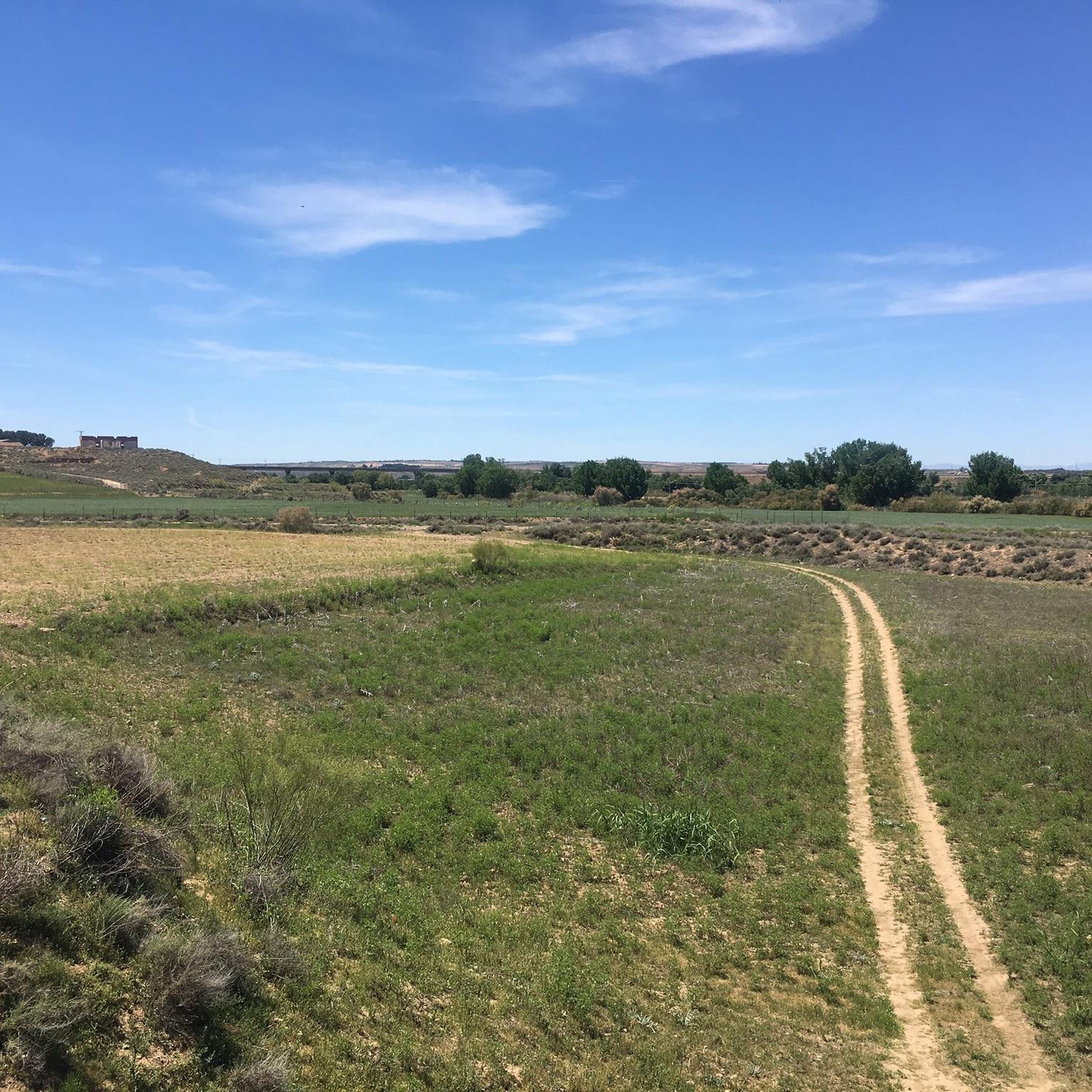
The region is characterized by expansive countryside, featuring vast olive groves and vineyards. You can expect a varied topography, ranging from flat stretches across the La Mancha plains to undulating hills, providing engaging and diverse cycling experiences.
Are there easy touring cycling routes suitable for beginners in Almonacid De Toledo?
Yes, there are a few easy touring cycling routes perfect for beginners. These routes typically navigate the flatter sections of the La Mancha plains, offering a gentle introduction to the area's scenic beauty.
Are there challenging touring cycling routes for experienced cyclists?
Absolutely. For experienced cyclists seeking a challenge, routes like the Pinares de Yepes loop from Villasequilla offer significant elevation changes and cover nearly 50 km. The ascent to Almonacid Castle also provides a rewarding challenge with spectacular views.
What historical sites or landmarks can I see along the touring cycling routes?
Many routes offer opportunities to explore historical sites. A prominent landmark is the Almonacid Castle, strategically perched on a hilltop with panoramic views. Other notable attractions include the 16th-century Parish Church of San Antonio Abad and the Hermitage of Nuestra Señora de la Oliva. You might also encounter other castles like the Castle of the Counts of Orgaz.
Are there any circular touring cycling routes in the area?
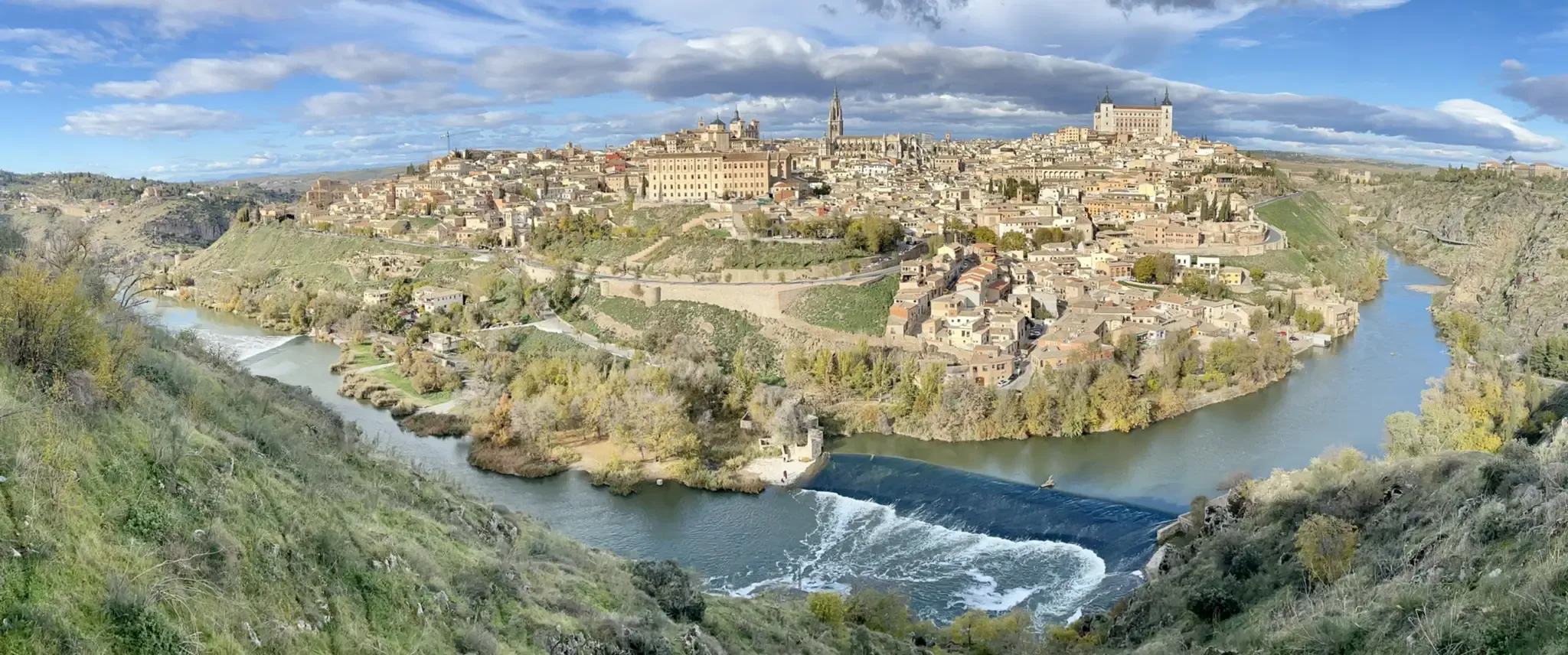
Yes, many routes are designed as loops, allowing you to start and end in the same location. An example is the Palacio de Galiana – View of Toledo loop from Santa María de Benquerencia, which is a moderate 25.9 km ride offering views towards Toledo.
What is the best time of year for touring cycling in Almonacid De Toledo?
The region experiences hot summers, so spring (April-May) and autumn (September-October) are generally the most pleasant times for touring cycling. During these seasons, temperatures are milder, making longer rides more enjoyable through the olive groves and vineyards.
What do other touring cyclists say about the routes in Almonacid De Toledo?
The touring cycling routes in Almonacid De Toledo are highly rated by the komoot community, with an average score of 4.2 stars from over 15 reviews. More than 400 touring cyclists have explored the area, often praising the scenic countryside and the historical points of interest.
Are there routes that connect Almonacid De Toledo to the city of Toledo?
Yes, Almonacid de Toledo is well-connected to the historic city of Toledo via several cycling routes. These routes, such as the Palacio de Galiana – Alcántara Bridge loop from Santa María de Benquerencia, often feature significant elevation changes and pass by historical landmarks, offering a blend of cultural immersion and natural beauty.
Can I find routes that are part of the Ruta del Quijote?
Yes, some touring cycling routes in the area incorporate segments of the famous Ruta del Quijote. This trail winds through the landscapes immortalized in Miguel de Cervantes' novel, offering quiet country roads and generally an easy to moderate cycling difficulty, perfect for cultural exploration.
Are there any routes that offer good viewpoints?
Many routes provide excellent viewpoints, especially those that ascend to higher elevations. The Almonacid Castle, perched on a hilltop, offers spectacular panoramic views of the surrounding countryside, making any route that includes its ascent very rewarding.
Most popular attractions around Almonacid De Toledo

Get inspired with the komoot mobile app


Explore more
Browse the best Cycling routes in other regions.
