Top 20 Castles around Weißenfels
Best castles around Weißenfels offer a blend of historical significance and architectural heritage in Central Germany. The region features impressive Baroque palaces and medieval fortifications, often situated atop hills with panoramic views. These sites reflect centuries of ducal history and cultural development, providing insights into the area's past. The landscape around Weißenfels combines natural beauty with historical landmarks, making it suitable for exploration.
Best castles around Weißenfels
- The most popular castles is Saaleradweg Vineyards and Castle Ruins, a cycle…
Last updated: July 6, 2026
Ducal Vineyard below Neuenburg Castle
Highlight • Structure
High above the wine-growing town of Freyburg lies Neuenburg, the sister castle of Wartburg, founded around 1090 by the Thuringian Count Ludwig the Springer. The first mighty …
Translated by Google •
Tip by

Saaleradweg Vineyards and Castle Ruins
Highlight • Cycleway
Translated by Google •
Tip by

Sign up now to discover places like this
Get recommendations on the best single tracks, peaks, & plenty of other exciting outdoor places.
Sign up for free
View of Schönburg Castle
Highlight • Castle
Translated by Google •
Tip by

Neuenburg Castle (Freyburg)
Highlight • Castle
Translated by Google •
Tip by

View of Goseck Castle
Highlight • Viewpoint
Translated by Google •
Tip by
Sign up for free to discover even more castles around Weißenfels.
Sign up for free
Already have an account?
Start today with a free account
Your next adventure awaits.
Login or Signup
Popular around Weißenfels
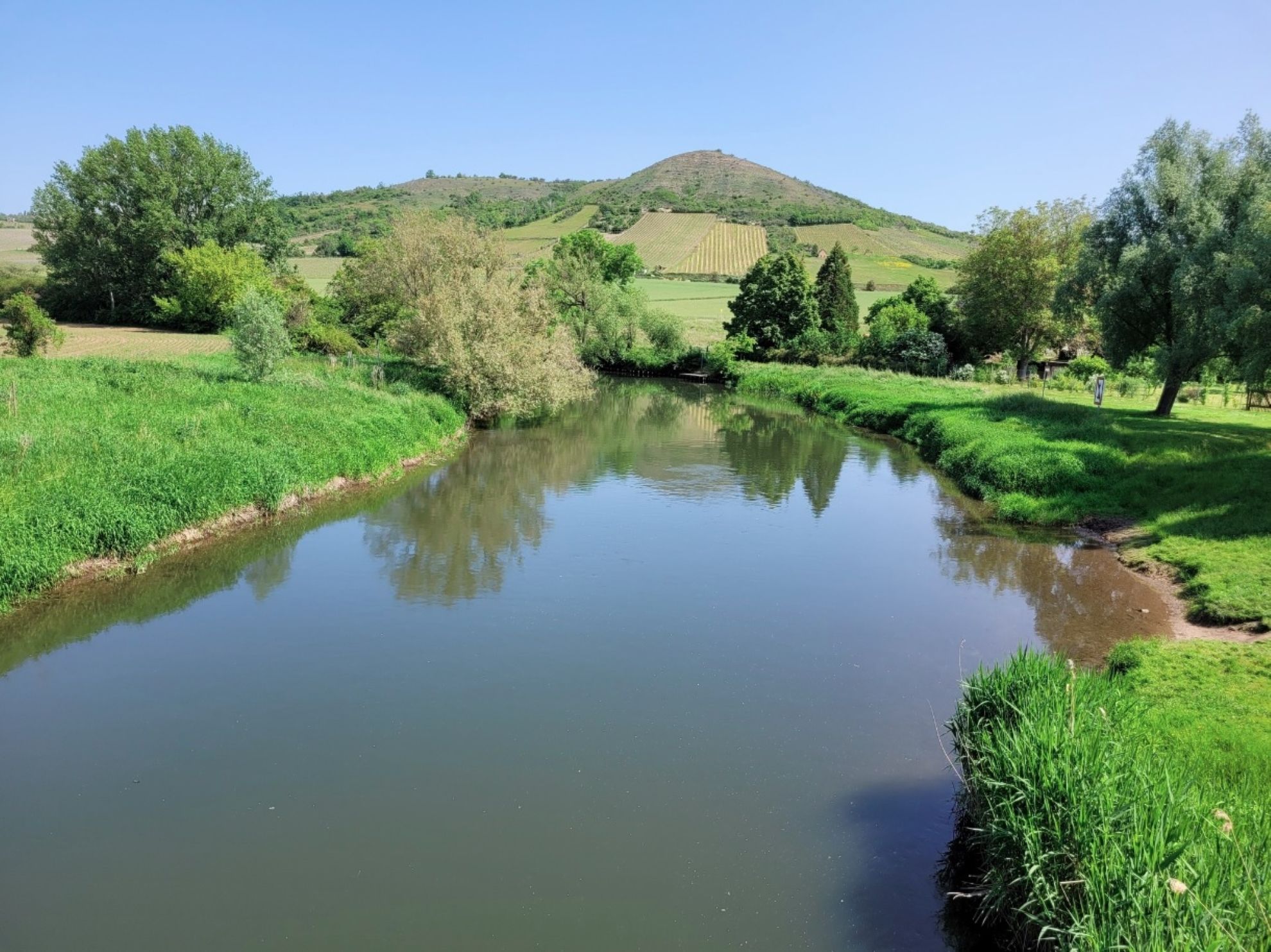
Weekend bike ride on Germany’s Saale and Unstrut cycle path
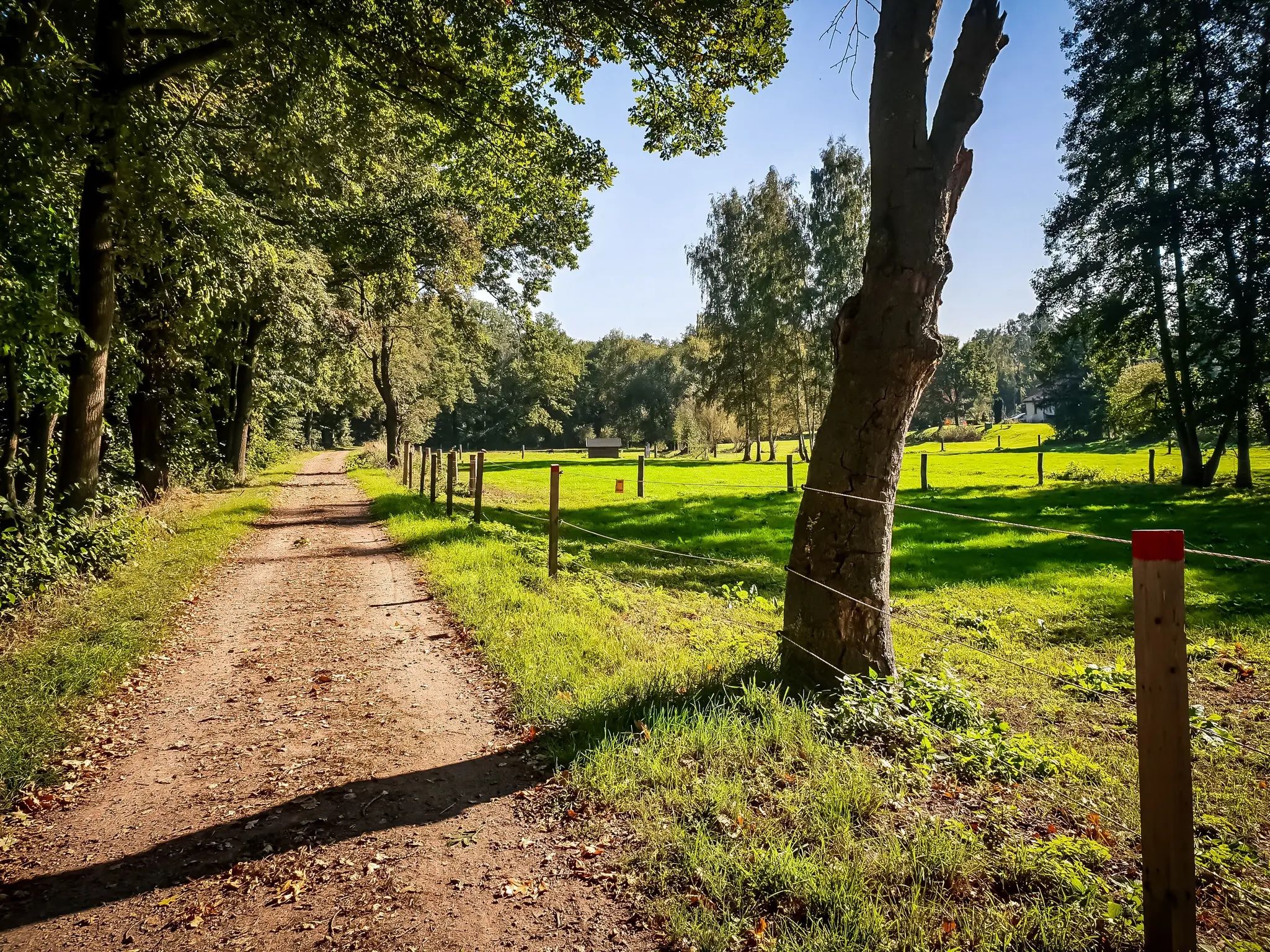
Out and about with the pram – hiking around Leipzig

Zwischen Elster und Saale – Mit der RB 76 zu deiner Wanderung
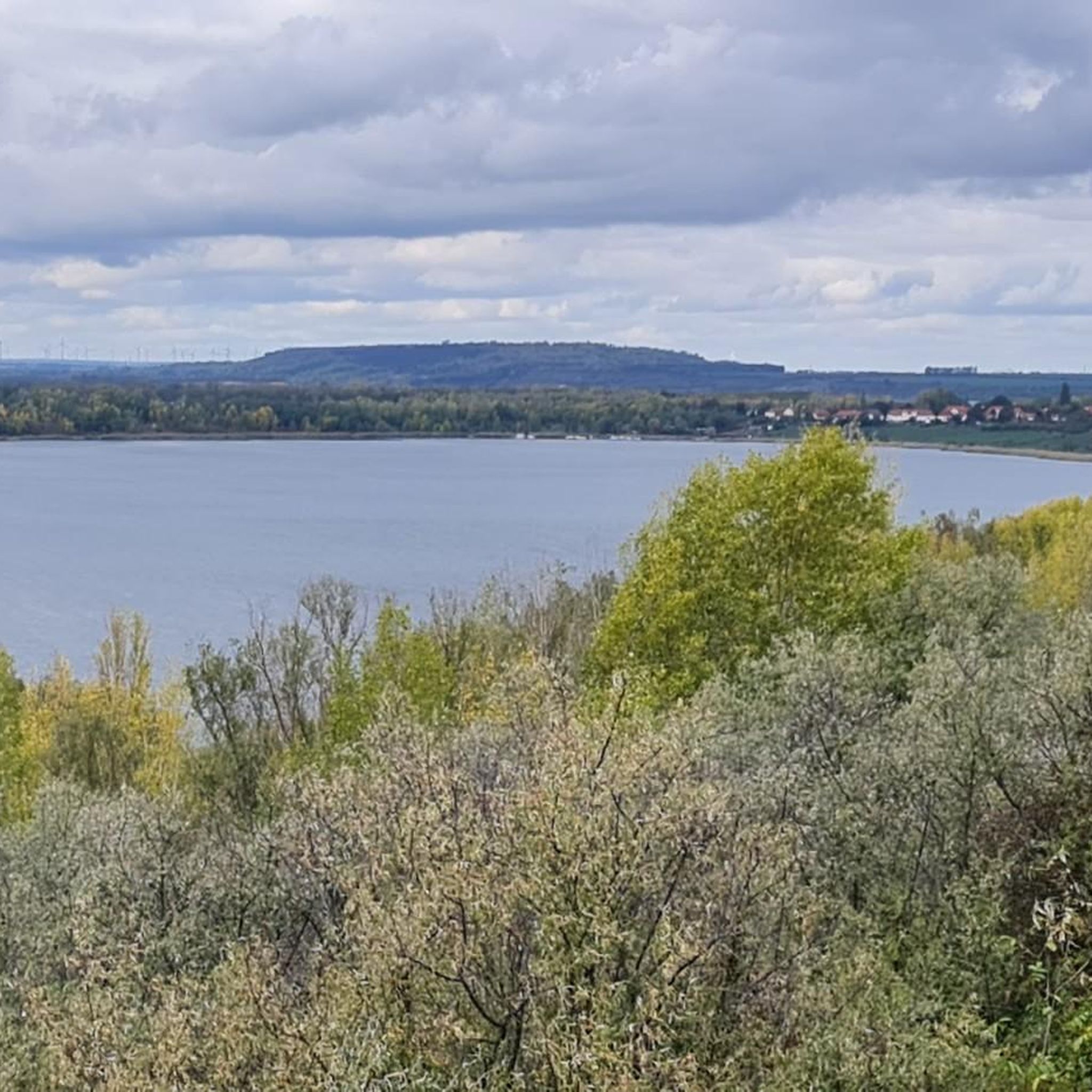
Cycling around Weißenfels
Hiking around Weißenfels
Road Cycling Routes around Weißenfels
MTB Trails around Weißenfels
Running Trails around Weißenfels

Gravel biking around Weißenfels
Other adventures around Weißenfels


Tips from the Community

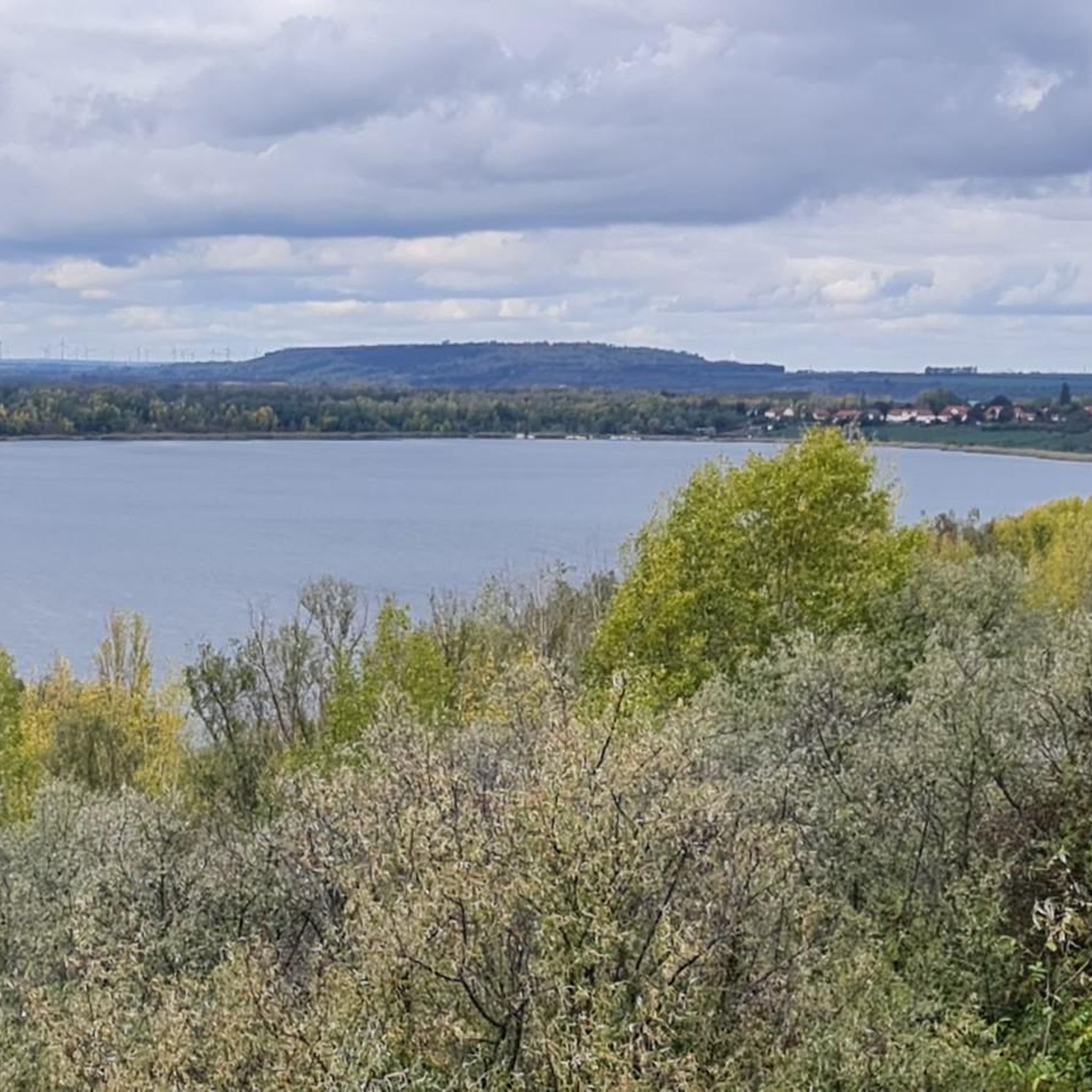
A beautiful landscape on the Saale.
0
0

Please keep the area clean👍🏻
0
0

The hilltop castle complex of Neuenburg Castle, located on the Romanesque Road, was once the largest castle of the Landgraves of Thuringia. Its construction, under the direction of Count Ludwig von Schauenburg of Ludowingen, known as Ludwig the Springer (1042 to 1123), began around 1090 with the first circular walls, which still stand today up to a height of eight meters in the inner castle. Over the next hundred years, the castle was reinforced and expanded in several stages. From around 1400, the castle underwent extensive rebuilding in the Gothic style, and large parts of the Romanesque structure were lost. After losing its military importance, the castle was converted into a hunting lodge for the Dukes of Saxe-Weissenfels, for which purpose a zoo and pleasure garden were created in the forest to the east. Today, Neuenburg Castle is managed by the Saxony-Anhalt Cultural Foundation.
24
0

I liked the cycle path here and it was properly marked.
4
0

Museum & Exhibitions High above the wine-growing town of Freyburg lies Neuenburg, the sister castle of Wartburg, founded around 1090 by the Thuringian Count Ludwig the Springer. The first mighty complex was built by 1150. The rise of the Landgraves of Thuringia was accompanied by further magnificent expansion. By 1230, Neuenburg was already around three times as large as Wartburg! The Romanesque double chapel built around 1170/75 is still an architectural gem today. On behalf of Hermann I, Heinrich von Veldeke completed the Eneasroman around 1185, the first Middle High German knightly-courtly verse epic ever. Neuenburg experienced the end of its high medieval heyday under Landgrave Ludwig IV and his wife, Saint Elisabeth.
13
0

The origin of Neuenburg is linked to Count Ludwig the Springer of Schauenburg, who was also responsible for the founding of Wartburg. One theory is that the name Neuenburg was chosen to distinguish it from the somewhat older Wartburg. The son of Ludwig the Springer was Ludwig I, the first Landgrave of Thuringia, from 1131 onwards, and during the 116 years of the Ludowinger Langraves, the castle was an important part of the court and some of the building structure dates from that time. With the extinction of the Ludowingers in 1247 and after the subsequent War of Succession, the Landgraviate passed to the Wettins, who were already Margraves of Meissen and later Dukes and Electors of Saxony at that time. Neuenburg was therefore no longer an outstanding place of residence within the Saxon state territory. Nevertheless, there was a lot of building activity and use as a hunting lodge in the 15th and 16th centuries.
6
0

Goseck Castle is a real landmark. You can also see it from the train.
5
0
The castle and the castle tavern also regularly offer cultural events. You should definitely visit the Castle Church... Well worth seeing.
6
0
Frequently Asked Questions
What types of castles can I explore around Weißenfels?
The region around Weißenfels offers a diverse range of historical fortifications. You can find impressive Baroque palaces, medieval ring castles, and ancient castle ruins, many of which are situated atop hills and offer panoramic views. These sites reflect centuries of ducal history and cultural development.
Are there any castles with significant historical or musical connections?
Yes, Schloss Neu-Augustusburg in Weißenfels is particularly notable. This early Baroque palace was a vibrant cultural hub, attracting renowned artists and musicians like Johann Beer, Johann Philipp Krieger, and Georg Philipp Telemann. It's also considered the place where George Frideric Handel's musical talent was discovered, and Johann Sebastian Bach served as the court music director there. You can learn more about its history on Wikipedia.
Which castles offer museums or exhibitions?
Schloss Neu-Augustusburg houses the Museum Weißenfels, featuring Germany's largest Shoe Museum, an exhibition on the Duchy of Saxe-Weißenfels, and a regional history exhibition. Additionally, the Ducal Vineyard below Neuenburg Castle is a historical site with its own museum and exhibitions.
Can I visit the princely crypt at Schloss Neu-Augustusburg?
Yes, beneath the castle church of Schloss Neu-Augustusburg lies the princely crypt, which contains 38 magnificently decorated sarcophagi of the Dukes of Saxe-Weißenfels. Visits are typically possible on specific dates, usually the last Saturday of each month.
Are there family-friendly castles or activities in the area?
Many castles around Weißenfels are considered family-friendly. For instance, Neuenburg Castle (Freyburg) and the Ducal Vineyard below Neuenburg Castle offer historical insights that can be engaging for families. The Saaleradweg Vineyards and Castle Ruins is also a great option for a family cycling trip with views of historical sites.
What outdoor activities can I do near these castles?
The region is excellent for outdoor activities. You can enjoy cycling along the Saaleradweg Vineyards and Castle Ruins, which offers views of castle ruins. There are also numerous running trails and gravel biking routes. For more detailed routes, you can explore the Running Trails around Weißenfels or Gravel biking around Weißenfels guides.
Are there good viewpoints to see the castles and surrounding landscape?
Absolutely. Schloss Neu-Augustusburg itself offers wonderful panoramic views over the city of Weißenfels from its hilltop location. Other highlights like View of Schönburg Castle and View of Goseck Castle are specifically noted for their scenic vistas over the Saale river and the castles.
What is unique about Neuenburg Castle (Freyburg)?
Neuenburg Castle (Freyburg) is a very well-preserved hilltop ring castle, once the largest castle of the Landgraves of Thuringia. It features impressive Romanesque structures, including a double chapel, and has a rich history dating back to its construction around 1090 by Ludwig the Springer. It was later converted into a hunting lodge.
What can I expect when visiting Goseck Castle?
When visiting Goseck Castle, you'll find a site with deep historical roots, mentioned as early as the 9th century. It was the ancestral home of the Counts Palatine of Saxony and later became a Benedictine monastery. Today, it houses the European Music and Cultural Center, known for its Gosecker Castle Concerts. The castle church is a highlight, and the estate often has organic cafes. Nearby, you can also find the 7,000-year-old oldest solar observatory.
What do visitors appreciate most about the castles around Weißenfels?
Visitors frequently appreciate the blend of historical significance and architectural heritage. The komoot community has given the castles around Weißenfels over 2500 upvotes and shared more than 500 photos, highlighting the beautiful views, well-preserved structures, and the opportunity to combine historical exploration with outdoor activities like cycling along the Saale river.
Are there any specific architectural highlights to look for?
Yes, at Schloss Neu-Augustusburg, the St. Trinitatis Castle Church is an impressive architectural highlight. It's considered one of the most beautiful early Baroque churches in Central Germany, featuring frescoes, magnificent stucco work by Italian masters, and a historic Förner organ, all largely preserved in their original state. Neuenburg Castle (Freyburg) also boasts remarkable Romanesque structures, including a double chapel.
What is the best time to visit the castles around Weißenfels?
While specific seasonal considerations vary by castle, the region's natural beauty combined with historical landmarks makes it suitable for exploration throughout much of the year. Spring and autumn offer pleasant weather for outdoor activities like cycling and hiking, which can enhance your castle visits. Many castles also host events or concerts, particularly in the warmer months.
Most popular routes around Weißenfels
Most popular attractions around Weißenfels

Get inspired with the komoot mobile app


Explore more
Looking for the best castles somewhere else? Discover other guides around Weißenfels:
