The best cycling routes in Back Bay National Wildlife Refuge
4.3
(13)
213
riders
14
rides
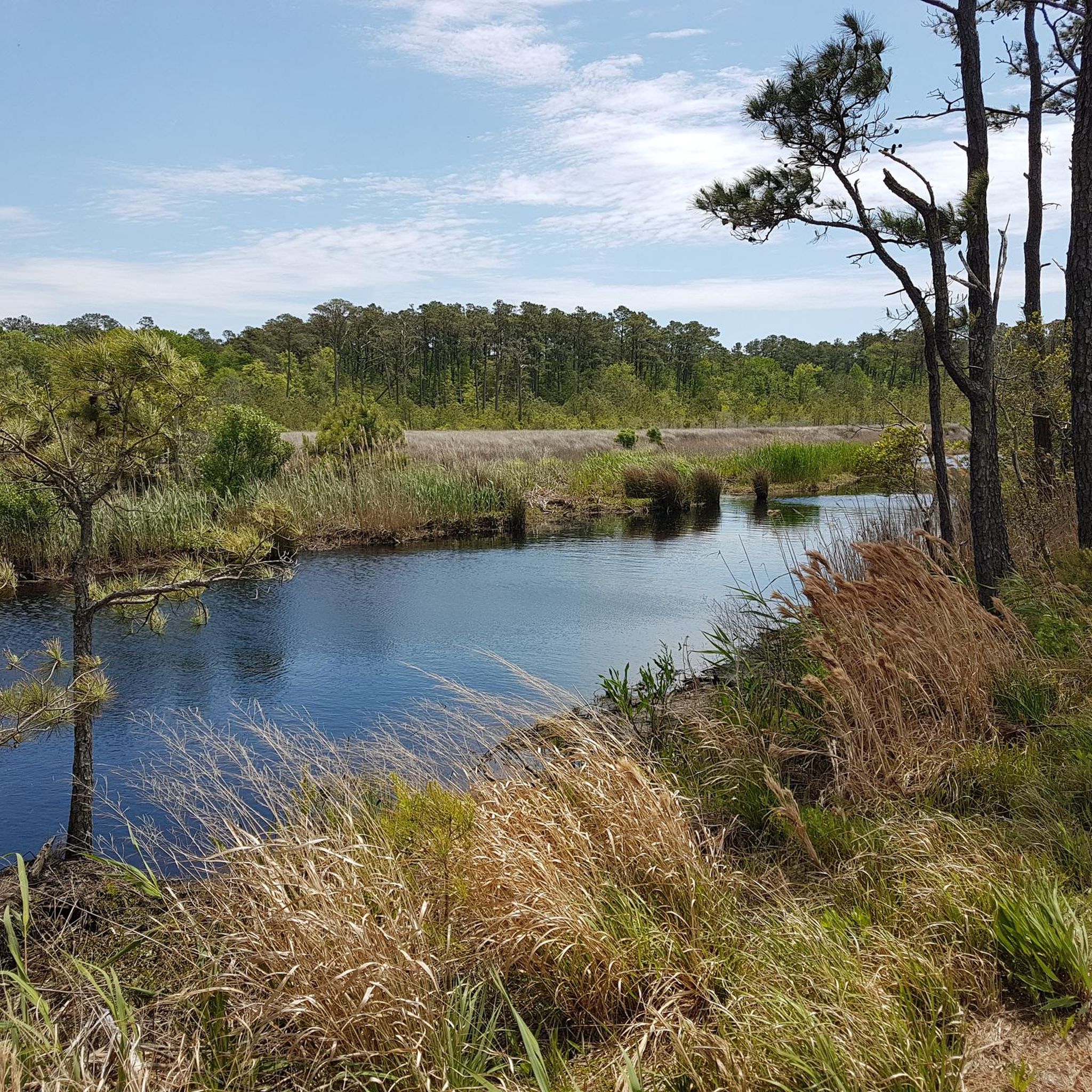
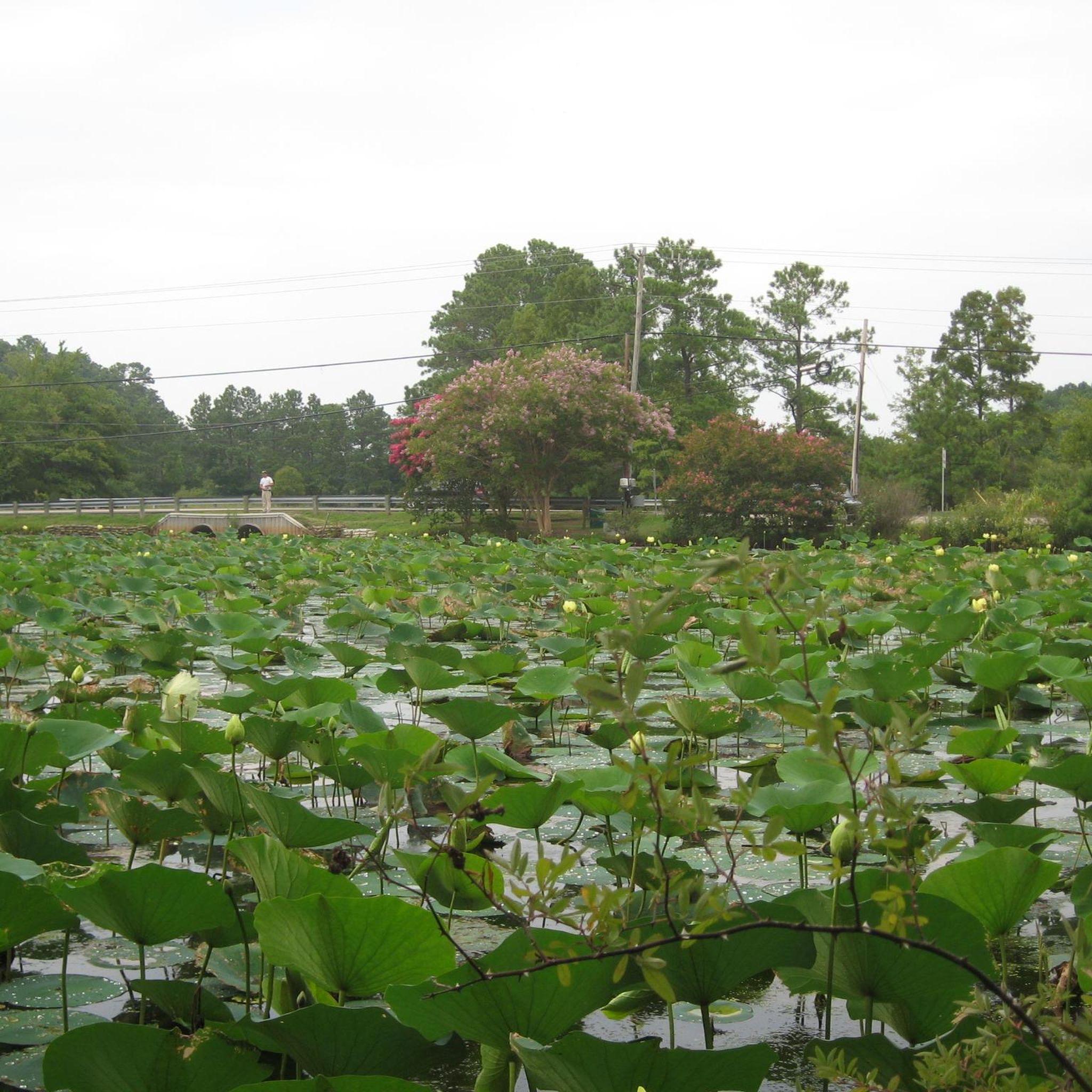
Touring cycling in Back Bay National Wildlife Refuge offers routes through diverse coastal habitats, including barrier islands, freshwater marshes, and maritime forests. The terrain is generally flat, with paths often following dike trails and accessible sections of ocean beach. While many routes are well-maintained, some sections, particularly the dike trails, feature gravel surfaces. This environment provides opportunities for leisurely rides and wildlife viewing.
Best touring cycling routes in Back Bay National Wildlife Refuge
- The most popular touring cycling route is…
Last updated: July 2, 2026
26
riders
Moderate bike ride. Good fitness required. Mostly paved surfaces. Suitable for all skill levels.
5.0
(2)
12
riders
13.0km
00:48
10m
10m
Easy bike ride. Great for any fitness level. Mostly paved surfaces. Suitable for all skill levels.

Sign up for free
5.0
(1)
14
riders
Easy bike ride. Great for any fitness level. Mostly paved surfaces. Suitable for all skill levels.
6
riders
Moderate bike ride. Good fitness required. Mostly paved surfaces. Suitable for all skill levels.
5.0
(1)
5
riders
Easy bike ride. Great for any fitness level. Mostly paved surfaces. Suitable for all skill levels.
Get access to more routes and recommendations from other explorers.
Sign up for free
Already have an account?
Our route recommendations are based on thousands of hikes, rides, and runs completed by other people on komoot.
Start today with a free account
Your next adventure awaits.
Login or Signup
Popular around Back Bay National Wildlife Refuge

Tips from the Community

While not paved, the trail here is hard packed and may be doable depending on your bike. At this point East Dike crosses the Dune Trail, which is a lovely little boardwalk that you can walk your bike down to get beach access and beautiful views of the Atlantic.
0
0

If you're on a bike (or if you were walking), you can enter the refuge for free! Just pay attention to signage about where cycling is and isn't allowed. For trails where cycling isn't allowed, there will usually be a bike rack so you can lock your bike up, explore the trail on foot, then cycle back on your way.
0
0

Though not paved this hard packed gravel track is doable on pretty much any bike. If you've ridden out this far you owe to yourself to venture out and see all of the wonderful landscapes and wildlife this area has to offer.
0
0

The hiking trails are clearly marked and easy to navigate. The landscape is beautiful.
0
0

The southermost point of the park, the Virginia/North Carolina Border Monument
0
0

This boardwalk leads to a magnificent stretch of sandy beach. It's perfect for relaxing during a bike ride, watching the waves lap the shore and forgetting any worries.
0
0

Warning: The biking / hiking trails through the Back Bay Reserve close over the winter to protect wild birds. If the goal is to reach the False Cap National Park, you have to use a boat connection during this time.
1
0
It is always worth interrupting the bike tour to let your soul dangle on the pristine beach for a while.
0
0
Frequently Asked Questions
What kind of terrain can I expect when touring cycling in Back Bay National Wildlife Refuge?
The refuge offers diverse coastal habitats, including barrier islands, freshwater marshes, and maritime forests. The terrain is generally flat, with paths often following dike trails and accessible sections of ocean beach. While many routes are well-maintained, it's important to note that the dike trails feature gravel surfaces, making them less suitable for road bikes.
How many touring cycling routes are available in Back Bay National Wildlife Refuge?
There are 14 touring cycling routes available in Back Bay National Wildlife Refuge. These routes cater to various skill levels, with 9 easy routes and 5 moderate routes, ensuring options for both beginners and more experienced cyclists.
Are there any family-friendly cycling routes in the refuge?
Yes, many routes are suitable for families and beginners due to their flat terrain. An excellent option is the West Dike Trail loop from Back Bay National Wildlife Refuge, an easy 8.1-mile (13.0 km) path that provides a straightforward ride along the dike system.
What are the best times of year to go touring cycling in Back Bay National Wildlife Refuge?
The best time to visit for cycling is typically from April 1 to October 31. The East and West Dike Trails are closed annually from November 1 to March 31 to protect migratory and wintering waterfowl. However, the refuge beach and the first mile of the Dike Trail system are available for biking year-round.
What kind of wildlife can I expect to see while cycling in the refuge?
Back Bay National Wildlife Refuge is a haven for wildlife. You can expect to see over 300 recorded bird species, including various ducks, tundra swans, snow geese, herons, egrets, ospreys, and bald eagles. Beyond birds, you might also spot white-tailed deer, foxes, river otters, raccoons, bobcats, and various reptiles and amphibians.
Are there any longer or more challenging touring cycling routes in the refuge?
For those seeking a longer ride, the East Dike Trail loop from Back Bay National Wildlife Refuge Visitor Contact Station is a moderate 35.8-mile (57.6 km) trail. This route leads through freshwater marshes and coastal landscapes, typically taking around 4 hours and 34 minutes to complete.
What do other touring cyclists enjoy most about cycling in Back Bay National Wildlife Refuge?
The area is highly rated by the komoot community, with an average score of 4.4 stars from over 12 reviews. Reviewers often praise the peaceful, nature-filled rides, the diverse coastal habitats, and the opportunities for wildlife viewing along the flat, well-maintained paths.
Are there any specific trails that combine different sections of the refuge?
Yes, the East Dike Trail – West Dike Trail loop from Back Bay National Wildlife Refuge Visitor Contact Station is a popular easy route. This 8.9-mile (14.3 km) trail combines two prominent dike trails, offering scenic views of the refuge's freshwater impoundments.
What are some notable natural features or attractions to look out for along the cycling routes?
While cycling, you'll encounter barrier islands with large sand dunes, freshwater marshes, and pristine ocean beaches. You can also explore the Path to a pristine beach or experience the natural beauty of the Back Bay National Wildlife Refuge itself, which is considered a natural monument.
Are there any specific trails designated for hiking only that cyclists should be aware of?
Yes, some trails within the refuge are narrow and designated for hiking only. These include the Raptor, Sunset Point Overlook, Kuralt, Seaside, and Dune boardwalk trails. Cyclists are required to walk their bikes or use provided bike racks in these areas.
Is there a shorter, easy loop option for touring cyclists?
Absolutely. The West Dike Trail loop from Back Bay National Wildlife Refuge Visitor Contact Station is an easy 7.1-mile (11.5 km) route, perfect for a shorter, relaxed ride through the refuge.
Can I extend my ride into neighboring areas from the refuge?
Yes, the Dike Trail System, particularly the East and West Dike Trails, offers routes that can extend into neighboring False Cape State Park, providing opportunities for longer excursions.
Most popular routes in Back Bay National Wildlife Refuge
Most popular attractions in Back Bay National Wildlife Refuge

Get inspired with the komoot mobile app


Explore more
Browse the best Cycling routes in other regions.
