Attractions and Places To See in High Peaks Wilderness - Top 20
Best attractions and places to see in High Peaks Wilderness include a diverse range of natural features and historical sites within New York's largest protected wilderness area, spanning over 272,000 acres. This region is characterized by rugged natural beauty, challenging terrain, and varied landscapes from low-lying wetlands to rocky alpine zones. It is home to Mount Marcy, the highest point in New York State, and offers traces of human history alongside its pristine nature. The area provides opportunities to explore…
Last updated: May 25, 2026
Marcy Dam
Highlight • Structure
Tip by

Cascade Mountain Summit
Highlight • Summit
Tip by

Sign up now to discover places like this
Get recommendations on the best single tracks, peaks, & plenty of other exciting outdoor places.
Sign up for free
Avalanche Lake
Highlight • Lake
Tip by

Ampersand Mountain
Highlight • Summit
Tip by
Mount Marcy
Highlight • Summit
Tip by
Sign up for free to discover even more attractions in High Peaks Wilderness.
Sign up for free
Already have an account?
Start today with a free account
Your next adventure awaits.
Login or Signup
Other adventures in High Peaks Wilderness

Tips from the Community

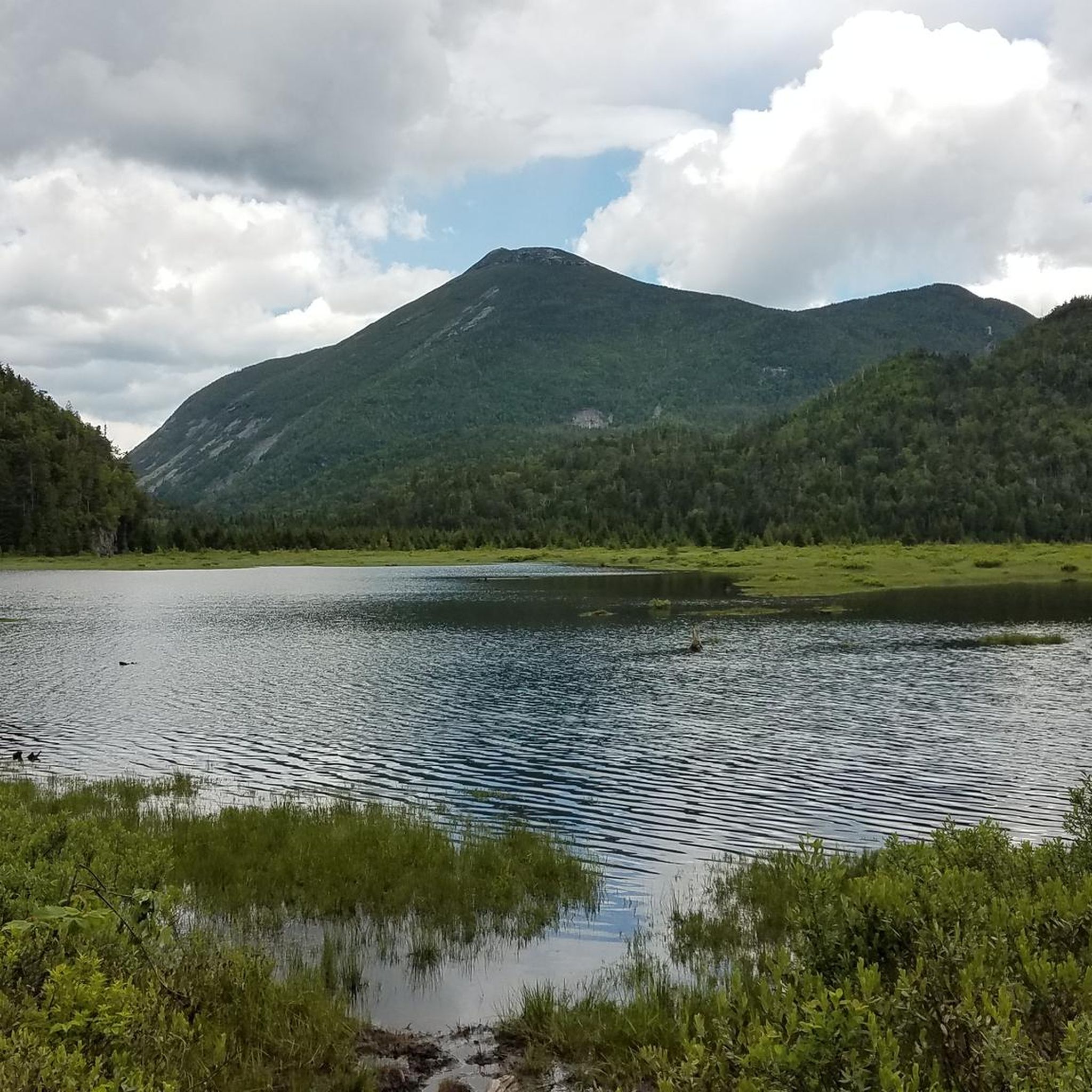
Avalanche Lake is a skinny, 9-acre mountain lake in the Adirondack High Peaks of New York. Sitting at an elevation of 2,885 feet, it lies between the between the towering cliffs of Mount Colden (4,714 feet) and Avalanche Mountain (3,816 feet). The sight of Avalanche Lake, surrounded by vertical rock walls, offers one of the most picturesque views in the region. The challenging trail to Avalanche Lake from Adirondak Loj involves navigating through Avalanche Pass, clambering over boulders, and crossing wooden catwalks bolted into the cliffs - a section known as the "Hitch-Up Matilda." The trail continues south, connecting to Lake Colden within the Hudson River watershed.
0
0


From the summit, you have incredible views of the Saranac Lakes and the High Peaks.
1
0
Mount Marcy is the highest mountain in the Adirondacks! From the summit, you can see most of the High Peaks.
0
0
Great summit views await at the top of Cascade Mountain! On a clear day, you can see the High Peaks, Lake Placid and Lake Champlain from here.
1
0

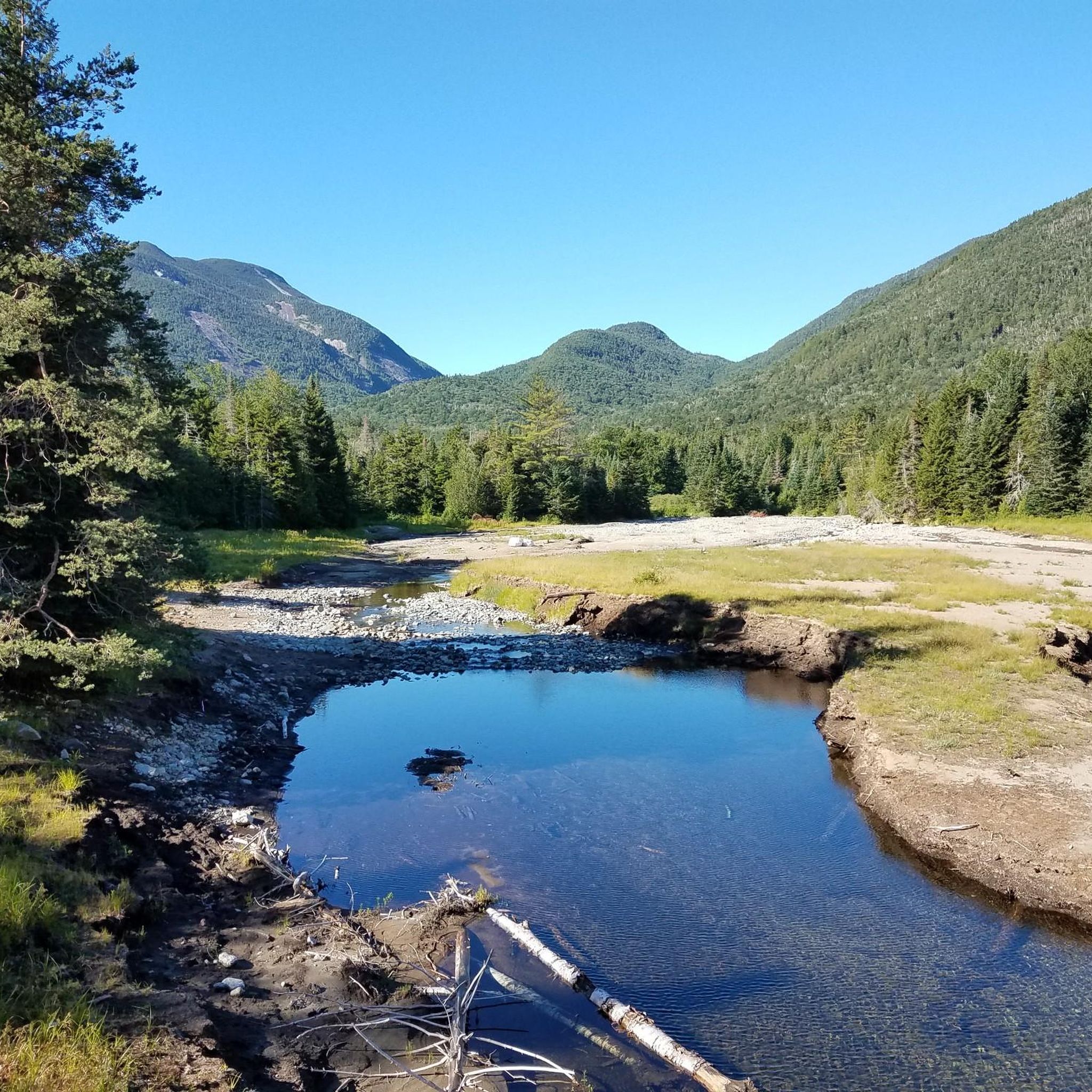
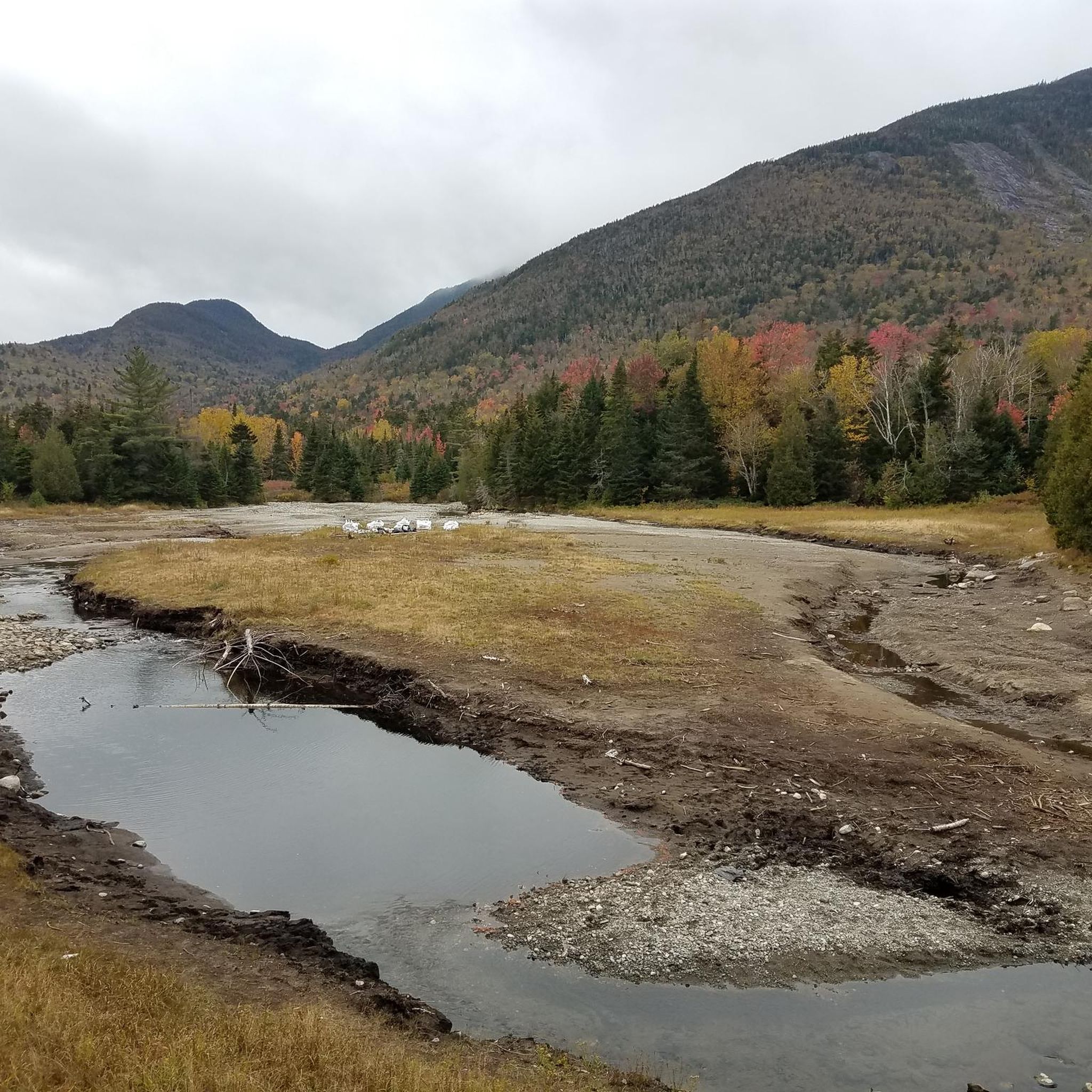
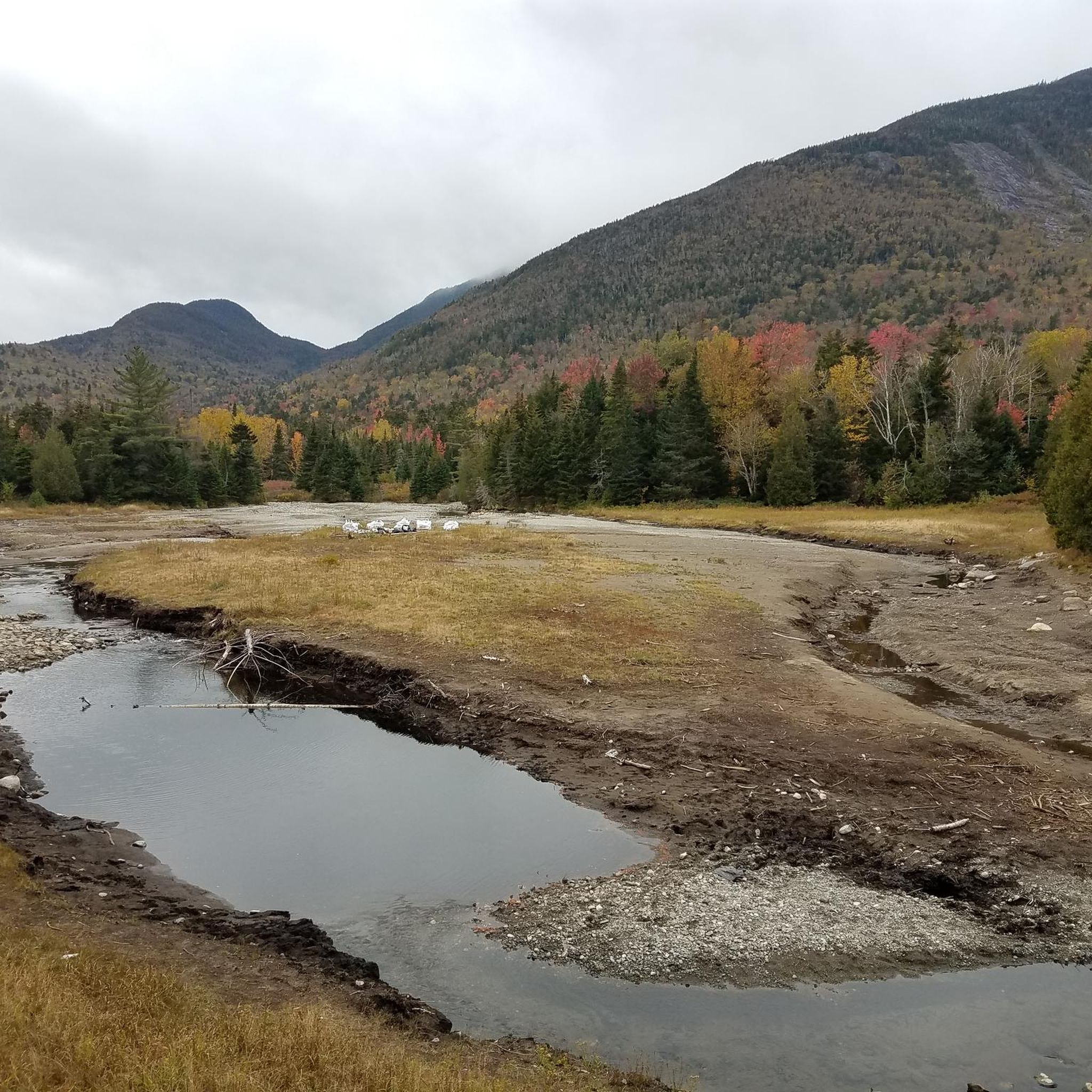
A wide open area to take a break amongst the washed out Marcy Dam
1
0
The washed out Marcy Dam that won't be repaired. A wide open area perfect to take a rest break with plenty of sun and shade available. Water access is good.
1
0
Frequently Asked Questions
What are some prominent mountain summits to explore in High Peaks Wilderness?
The High Peaks Wilderness is home to many significant summits. Mount Marcy is the highest point in New York State, offering panoramic views. Another popular, challenging hike is Cascade Mountain Summit, known for its extensive views of the High Peaks, Lake Placid, and Lake Champlain on clear days. For those seeking different perspectives, Ampersand Mountain provides incredible views of the Saranac Lakes and the High Peaks.
Are there any unique natural features besides mountains in the High Peaks Wilderness?
Yes, the region boasts several unique natural features. Avalanche Lake is a picturesque 9-acre mountain lake nestled between towering cliffs, offering stunning views. Lake Tear of the Clouds is a small tarn often considered the highest pond source of the Hudson River. The recently added Boreas Ponds area features a vast network of wetlands, ideal for spotting moose and enjoying mountain views from the water. Indian Pass is known for 'The Wallface,' a dramatic glacial cirque and steep ravines.
What historical or cultural sites can I find within or near the High Peaks Wilderness?
The High Peaks Wilderness has traces of human history. The area around Marcy Dam, though the original dam was washed out, remains a popular resting spot and hub for trails, reflecting conservation efforts. The Johns Brook Lodge, built in 1925, is the only backcountry lodge in the Adirondacks and serves as a historic basecamp. Evidence of past logging operations, including old logging roads and corduroy roads, can still be found in various sections.
Are there family-friendly hiking options in the High Peaks Wilderness?
While many trails are challenging, some areas offer easier access. For instance, the area around Marcy Dam is a relatively flat and open space, suitable for a rest break. For specific easy hikes, you can explore routes like the Heart Lake loop or the Van Hoevenberg Trailhead loop. Find more options in the Easy hikes in High Peaks Wilderness guide.
What kind of outdoor activities are popular in the High Peaks Wilderness?
The High Peaks Wilderness is a premier destination for outdoor enthusiasts. Popular activities include hiking, backpacking, rock climbing, and canoeing. In winter, visitors can enjoy ice climbing, skiing, and snowshoeing. The region offers diverse landscapes, from wetlands to alpine zones, making it suitable for various adventures.
When is the best time to visit the High Peaks Wilderness for hiking?
The best time to visit for hiking generally depends on your preferences. Summer offers warm weather and full access to trails. Fall is popular for its stunning foliage, though trails can be crowded. Spring can be muddy with melting snow, while winter provides opportunities for snowshoeing and ice climbing, requiring specialized gear and experience. Always check trail conditions before heading out.
Do I need a permit to hike or camp in the High Peaks Wilderness?
While general day hiking does not typically require a permit, specific regulations apply to overnight camping. Bear canisters are required for overnight campers in some zones to protect food from wildlife. Additionally, campfires are prohibited in certain areas to preserve the pristine nature of the wilderness. It's always best to check the latest regulations before your trip, for example, on the Nature Conservancy website or local ranger stations.
Where can I find accommodation or a basecamp for exploring the High Peaks Wilderness?
The Johns Brook Lodge, operated by the Adirondack Mountain Club, is the only backcountry lodge within the wilderness, serving as a historic basecamp for adventures. Just outside the wilderness boundary, the Adirondack Loj at Heart Lake is a critical access point and information center for many High Peaks trails, offering additional lodging options. You can find more information about Johns Brook Lodge on Visit Adirondacks.
What are some challenging trails for experienced hikers in the High Peaks Wilderness?
Experienced hikers can tackle challenging routes like the 14.8-mile round trip to Mount Marcy, which features diverse ecosystems and a treeless alpine summit. Algonquin Peak, the second-highest peak, also offers a demanding ascent. The Great Range Trail is considered one of the most scenic and rugged routes, traversing multiple summits like Algonquin and Gothics. Indian Pass is known for its challenging terrain and dramatic glacial features.
Can I go cycling or mountain biking in the High Peaks Wilderness area?
While the core High Peaks Wilderness is primarily for hiking and backpacking, there are cycling and mountain biking opportunities in the broader High Peaks region. You can find various routes for different skill levels. Explore options in the Cycling in High Peaks Wilderness guide for road cycling or the MTB Trails in High Peaks Wilderness guide for mountain biking.
What should I know about winter activities in the High Peaks Wilderness?
Winter transforms the High Peaks Wilderness into a challenging but rewarding destination. Activities include ice climbing, skiing, and snowshoeing. Winter hiking requires specific gear such as snowshoes, microspikes, and appropriate cold-weather clothing. Conditions can be extreme, so proper preparation, experience, and knowledge of avalanche safety are crucial for winter excursions.
Are there any specific regulations for preserving the wilderness environment?
Yes, the High Peaks Wilderness is meticulously managed to preserve its pristine nature. Regulations include the mandatory use of bear canisters for overnight campers in certain areas to protect wildlife and prevent habituation. Campfires are prohibited in some zones. Visitors are encouraged to practice Leave No Trace principles, such as packing out all trash and staying on marked trails, to minimize their impact on this sensitive ecosystem.
Most popular routes in High Peaks Wilderness
Most popular attractions in High Peaks Wilderness

Get inspired with the komoot mobile app


Explore more
Still not found the Highlight you’re looking for? See guides of the top attractions in other regions:
