Top 14 Castles around Krusenfelde
Best castles around Krusenfelde are found in the surrounding Mecklenburg-Vorpommern region of Germany, an area known for its picturesque countryside and historical estates. This region offers a blend of natural beauty and cultural heritage, with many historical sites nestled amidst its landscapes. Visitors can explore a variety of architectural styles, from medieval ruins to grand manor houses, providing insight into the area's rich past. The guide features 14 castles around Krusenfelde.
Best castles around Krusenfelde
- The most popular castles is…
Last updated: October 17, 2026
Landskron Castle Ruins
Highlight • Castle
The "Veste Landskron" (as it is also called) was built between 1576 and 1579 …
Translated by Google •
Tip by

Broock Manor Estate
Highlight • Historical Site
Translated by Google •
Tip by

Sign up now to discover places like this
Get recommendations on the best single tracks, peaks, & plenty of other exciting outdoor places.
Schloss Neetzow
Highlight • Castle
Translated by Google •
Tip by

Burg Klempenow
Highlight • Castle
Translated by Google •
Tip by

Veste Spantekow
Highlight • Castle
Translated by Google •
Tip by
Sign up for free to discover even more castles around Krusenfelde.
Already have an account?
Start today with a free account
Your next adventure awaits.
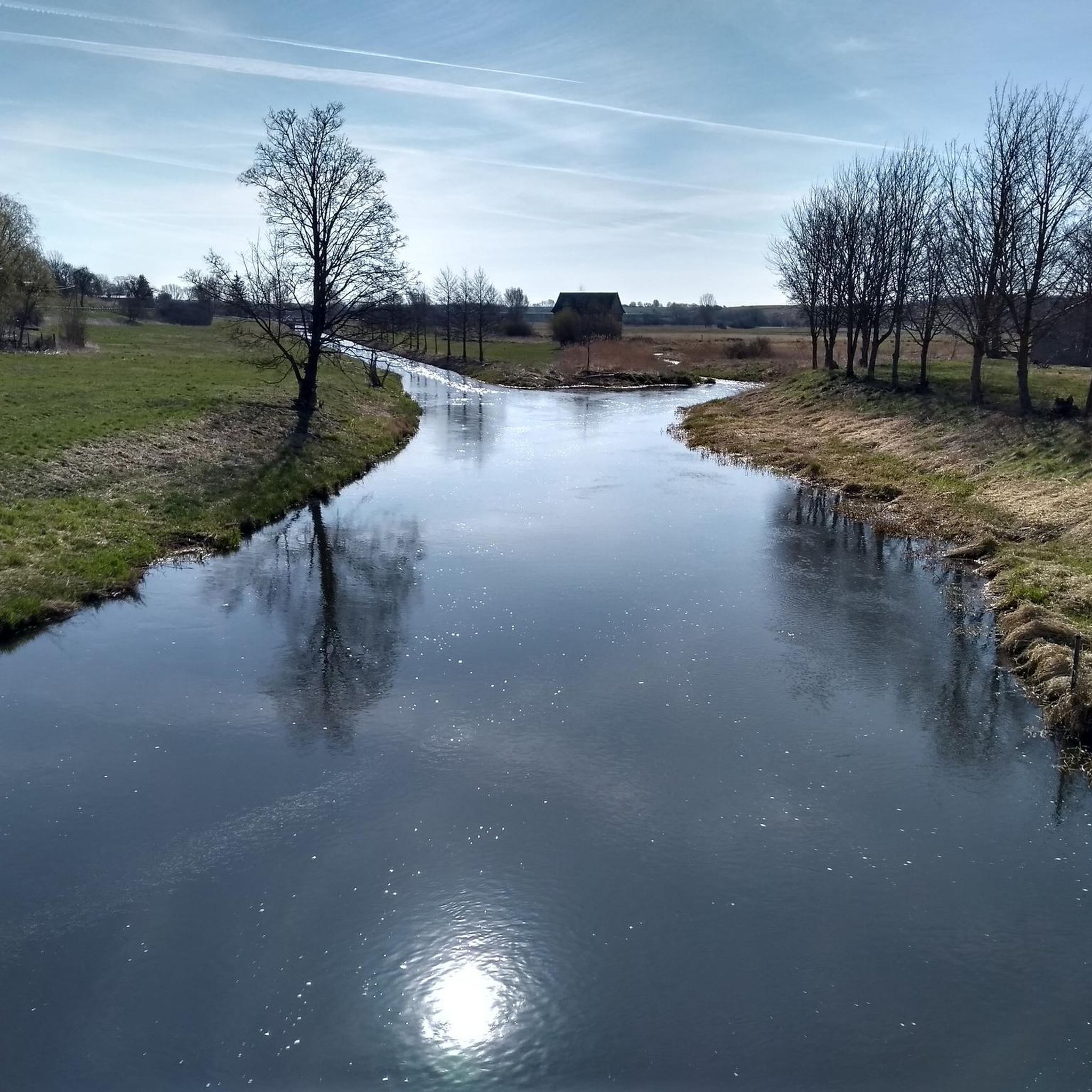
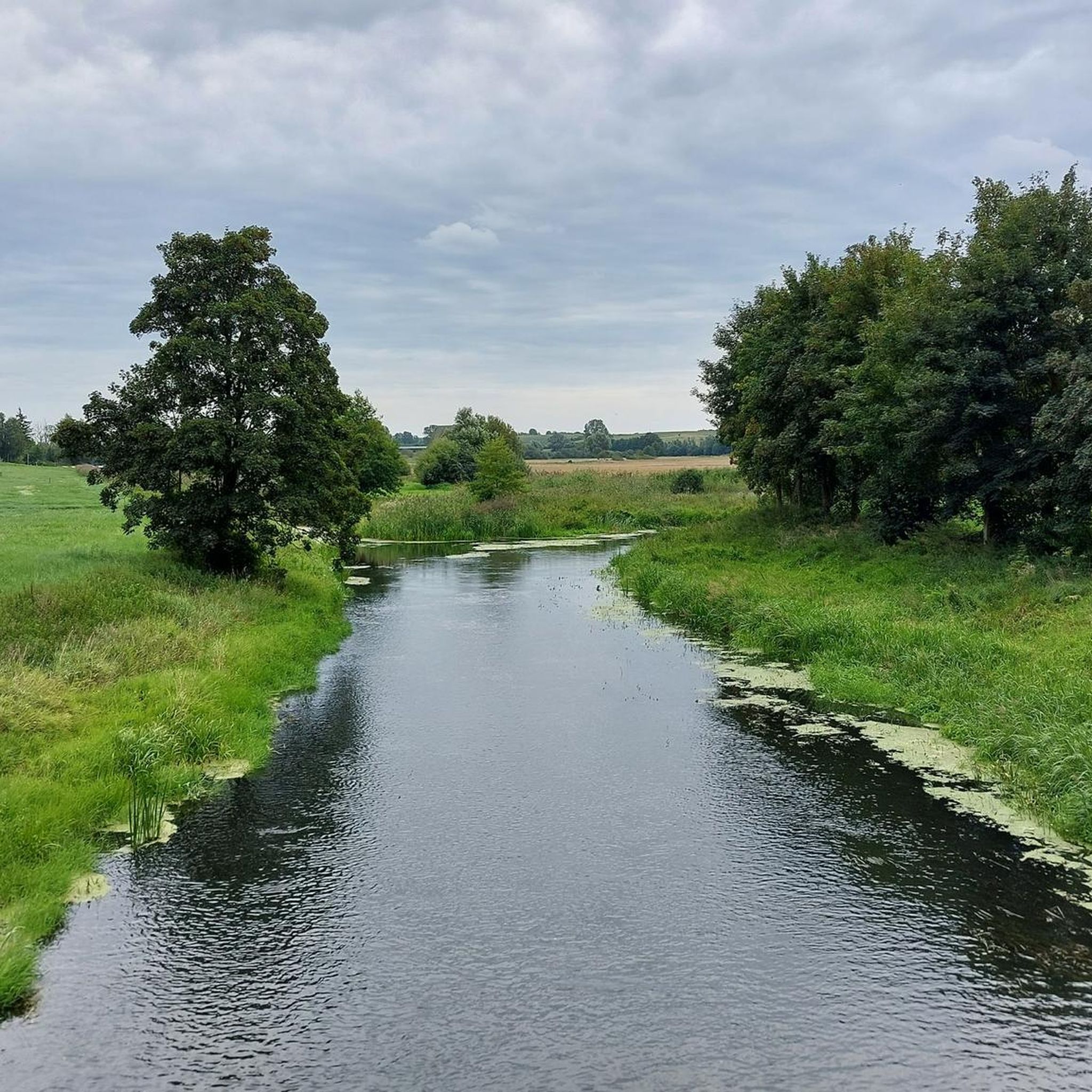
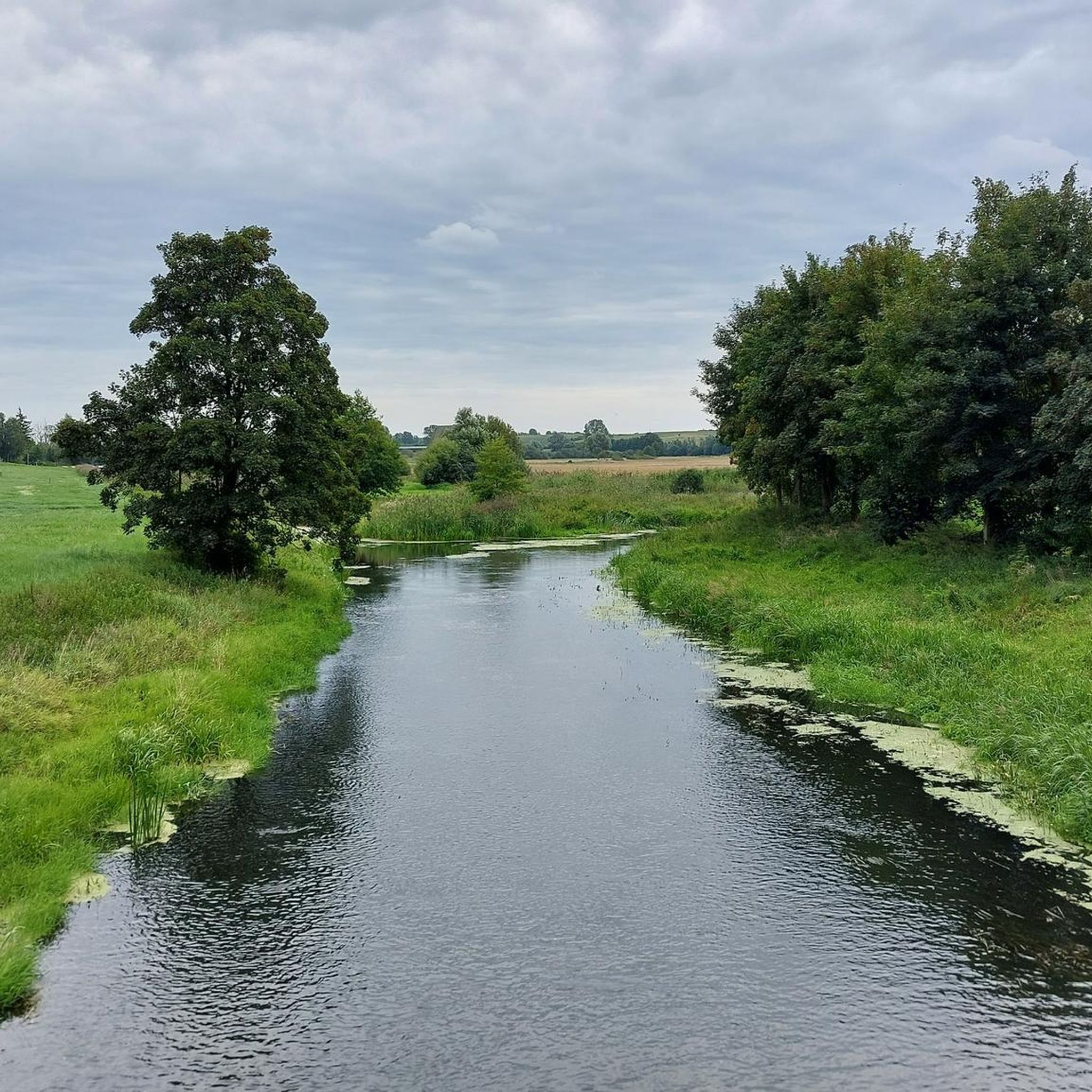
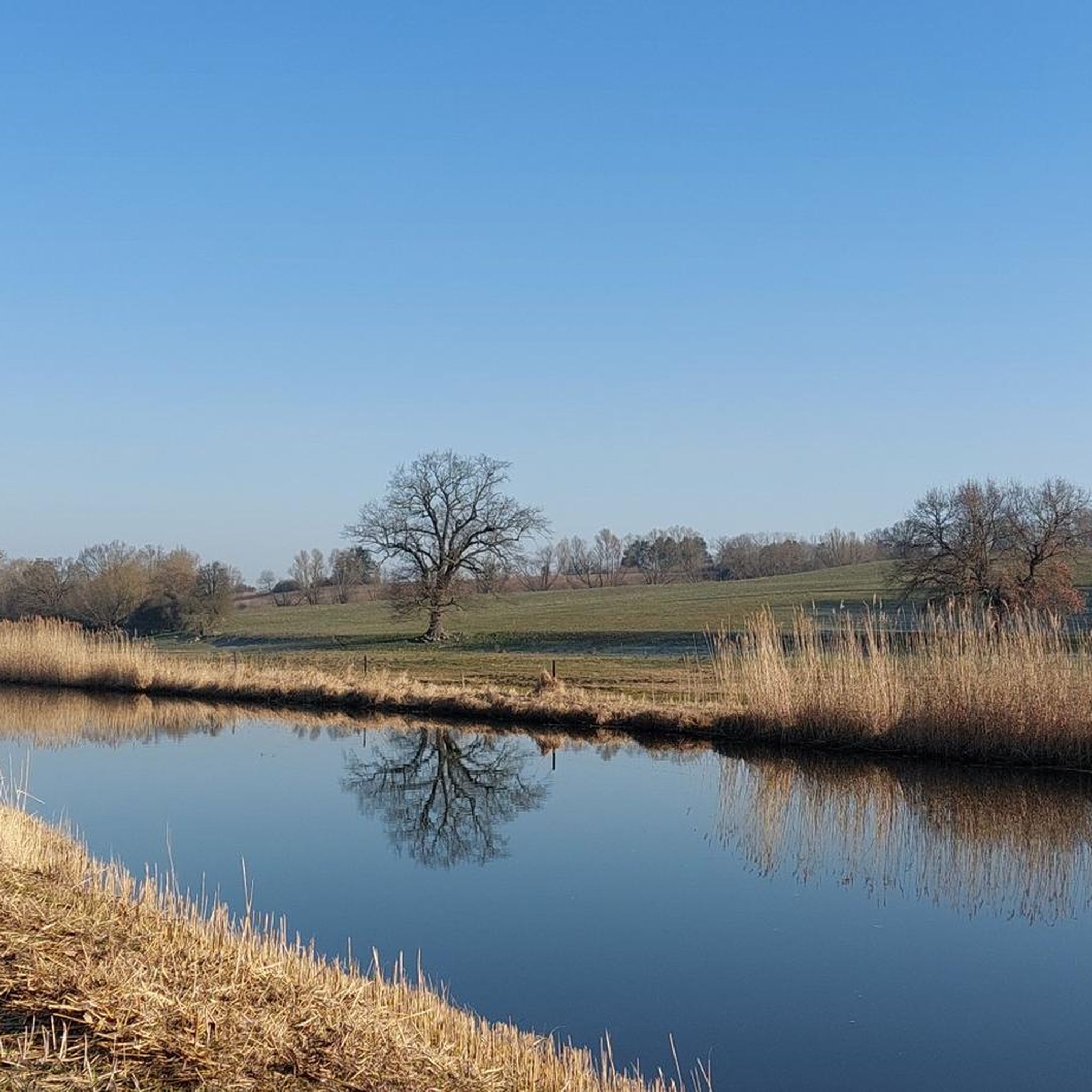
Tips from the Community

The castle is the only largely preserved lowland castle in Mecklenburg-Vorpommern. It was built in the mid-13th century (around 1240/1250, first mention often linked to 1231 or 1331) as a Pomeranian border castle on an alluvial sand island at the confluence of the Tollense and Landgraben rivers – in the middle of a marshy glacial valley. It belonged to a series of fortifications that protected the crossings over the Tollense. From the 14th century onwards, the von Heydebreck (also Heydebeck) family resided here. Joachim I and especially his son Heinrich IV (late 14th/early 15th century) are considered typical robber barons: they are said to have undertaken raids in turbulent times to increase their wealth and power – at the same time, however, Heinrich was also an advisor at the Pomeranian court. This fits perfectly with the classic image of the medieval robber baron.
1
0
In popular belief, Landskron, along with the neighboring castles of Spantekow, Klempenow, and Conerow, was considered a robber baron's nest. The lords were said to have attacked merchants between Anklam, Demmin, Friedland, and other cities. Particularly curious: they allegedly communicated using golden horns, which were said to have been captured from "Turkish" guards during the time of Barbarossa. According to legend, one tower (hunger tower) served as a prison for hostages held for ransom.
0
0
Rarely fully preserved ensemble: Late Baroque symmetrical farmyard with six buildings in front around a courtyard paved with fieldstones, stable, riding hall, park and remains of the medieval castle complex (Schlossberg an der Tollense as a protected monument). This makes the complex a special feature among the country's manor complexes.
0
0

We do not operate a public restaurant. Our hotel guests enjoy peace and privacy. Therefore, we kindly request that you refrain from requesting tours of the interior of our property. However, we intentionally keep Lenée Park open to the public; please enjoy our flora and fauna respectfully and with consideration for others. 🙏🏼
0
0

Beautiful castle with an interesting past.
3
0

Beautiful, secluded location in the heart of the Tollense Valley, surrounded by farmland and meadows. I'm already looking forward to its completion and opening.
1
0

Broock Castle, once the social center of the region and the largest private stud farm in Western Pomerania, will be expanded into a supra-regional conference and cultural center in the coming years. Since May 2023, our guests will be served in the new village shop with café-bistro and beer garden.
2
0

Really a very romantic place that invites you to browse around!
1
0
Frequently Asked Questions
What types of historical estates and castles can I explore around Krusenfelde?
The region around Krusenfelde offers a diverse range of historical structures, including medieval castle ruins, stately baroque manor estates, and elegant neo-Gothic castles. You can find everything from well-preserved ruins like Landskron Castle Ruins to renovated estates like Broock Manor Estate, which is being developed into a cultural center.
Are there any particularly famous or grand castles in the wider Mecklenburg-Vorpommern region?
While Krusenfelde itself is a smaller locality, the wider Mecklenburg-Vorpommern region is home to some truly magnificent castles. The most famous is undoubtedly Schwerin Castle, often called the 'Neuschwanstein of the North.' This fairytale-like fortress is located on an island in Lake Schwerin and boasts stunning architecture, rich history, and expansive gardens. Another notable example is Prebberede Castle, an 18th-century architectural gem.
Are there any castle ruins worth visiting near Krusenfelde?
Yes, Landskron Castle Ruins is considered the most impressive castle ruin in all of Mecklenburg-Western Pomerania. Built between 1576 and 1579, this well-preserved ruin is surrounded by impressive old trees, offering a unique historical atmosphere. It's a mysterious place perfect for exploration and a picnic.
Can I visit a castle that also offers dining or accommodation?
Yes, Schloss Neetzow is a neo-Gothic castle built between 1848 and 1851 that operates as a hotel and is very popular as a wedding venue. It features a restaurant, and visitors particularly enjoy breakfast on the terrace with views of the surrounding landscape park. Additionally, Broock Manor Estate is developing a new village shop with a café-bistro and beer garden.
Are there family-friendly castles to visit in the area?
Several castles in the region offer a great experience for families. Schloss Neetzow is listed as family-friendly, and Burg Klempenow is also noted for being family-friendly, often hosting various festivals and markets that appeal to all ages. The expansive gardens of Schwerin Castle are also free to access and great for children to explore.
What outdoor activities can I combine with a castle visit?
The region around Krusenfelde is ideal for combining historical exploration with outdoor activities. You can find numerous hiking and running trails. For example, there's a moderate 18 km hiking loop that connects the Burg Klempenow with the Landskron Castle Ruins. You can find more options in the Hiking around Krusenfelde guide or the Running Trails around Krusenfelde guide.
Are there hiking trails directly around any of the castles?
Yes, you can find hiking opportunities near several castles. For instance, the Landskron Castle Ruins are part of a moderate 14.5 km loop that also explores the Großer Landgraben River. The area around Schloss Neetzow also features a moderate 8.5 km running loop from Neetzow. Explore more trails in the Hiking around Krusenfelde guide.
What is the best season to visit the castles around Krusenfelde?
The best time to visit the castles around Krusenfelde is generally during the spring, summer, and early autumn months (April to October). During these seasons, the weather is pleasant for exploring castle grounds, gardens, and combining visits with outdoor activities like hiking or cycling. The gardens of Schwerin Castle, for example, are particularly beautiful in bloom.
Are there any castles currently undergoing restoration?
Yes, Veste Spantekow, one of the oldest and most important Renaissance castle complexes in northern Germany, is currently undergoing restoration. While it may be closed to visitors for interior access, its impressive exterior is still worth seeing, and you can take a break on a bench in front of the World War Memorial nearby.
What natural features can I see near these castles?
Many castles in the region are set amidst beautiful natural landscapes. Schwerin Castle is on an island in Lake Schwerin, surrounded by extensive English-style gardens. Prebberede Castle is near the picturesque Mecklenburg Switzerland and Lake Kummerow Nature Park. Landskron Castle Ruins are nestled within a forest, and Broock Manor Estate offers views of the Tollense Valley.
What do visitors enjoy most about the castles around Krusenfelde?
Visitors appreciate the unique historical atmosphere, the architectural beauty, and the peaceful settings of these castles. For instance, Landskron Castle Ruins are loved for their well-preserved state and impressive old trees. Schloss Neetzow is praised for its pleasant atmosphere and the wonderful ensemble of the castle and its landscape park. Many also enjoy the opportunity to combine castle visits with walks in nature.
Most popular attractions around Krusenfelde

Get inspired with the komoot mobile app


Explore more
Looking for the best castles somewhere else? Discover other guides around Krusenfelde:
