Top 19 Castles around Langelsheim
Castles around Langelsheim are located in a region rich in history, nestled near the Harz mountains. This area features a variety of historical structures, from ancient ruins to well-preserved palaces. Its strategic position along historical trade routes led to the construction of numerous fortifications over centuries. Visitors can explore sites that offer insights into medieval architecture and imperial history.
Best castles around Langelsheim
- The most popular castles is Stauffenburg Castle Ruins, a castle ruin with structural beginnings in the…
Last updated: August 16, 2026
Goslar Imperial Palace
Highlight • Historical Site
Translated by Google •
Tip by

Breite Gate and Riesling Tower, Goslar
Highlight • Historical Site
Translated by Google •
Tip by

Sign up now to discover places like this
Get recommendations on the best single tracks, peaks, & plenty of other exciting outdoor places.
Sign up for free
Imperial Palace with Pfalz Meadow
Highlight • Historical Site
A unique monument of …
Translated by Google •
Tip by

Hausmann Tower, Liebenburg
Highlight • Monument
Translated by Google •
Tip by

Stauffenburg Castle Ruins
Highlight • Castle
Translated by Google •
Tip by
Sign up for free to discover even more castles around Langelsheim.
Sign up for free
Already have an account?
Start today with a free account
Your next adventure awaits.
Login or Signup
Popular around Langelsheim
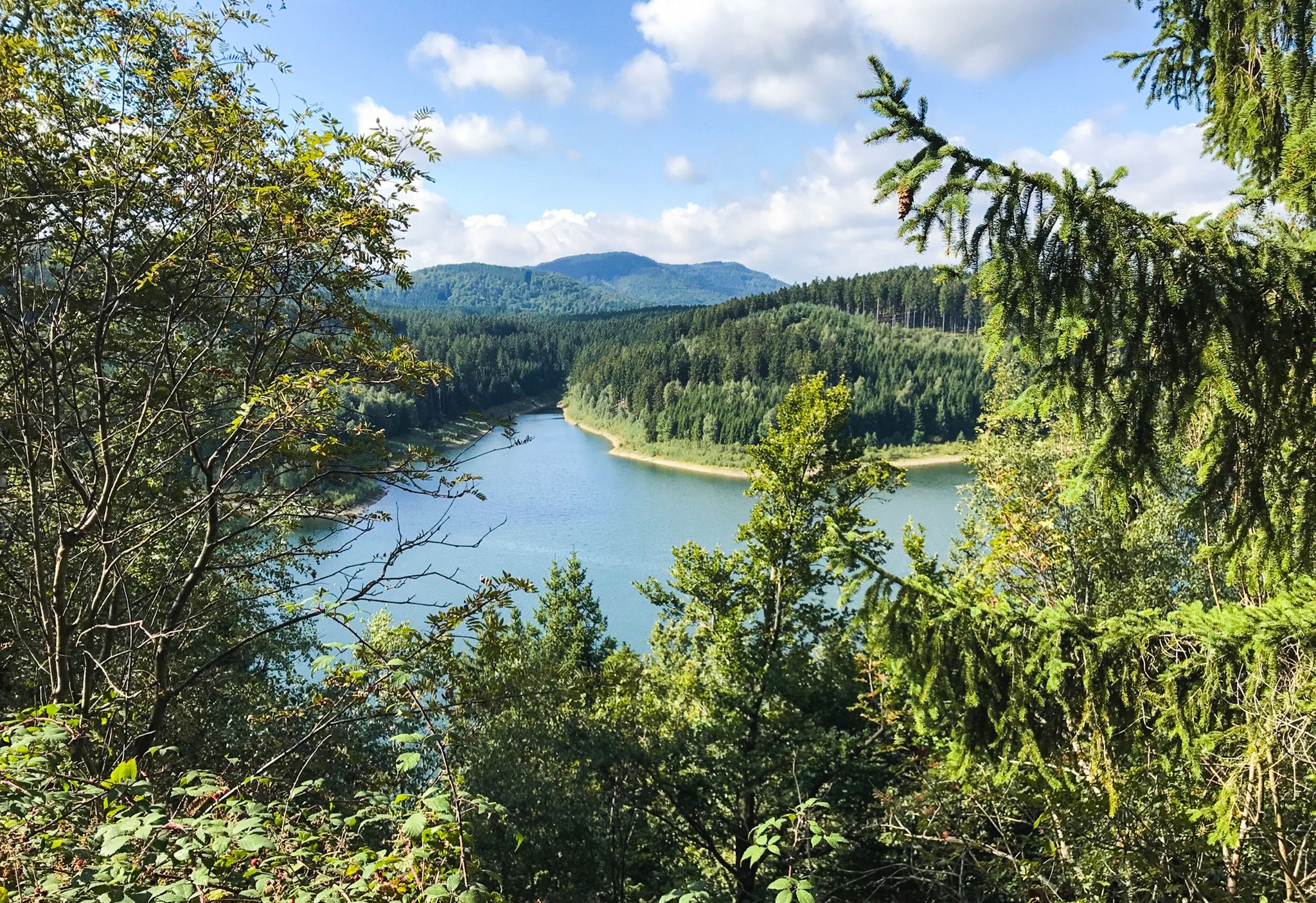
The Harzer Försterstieg trail – in 4 stages through the western Harz
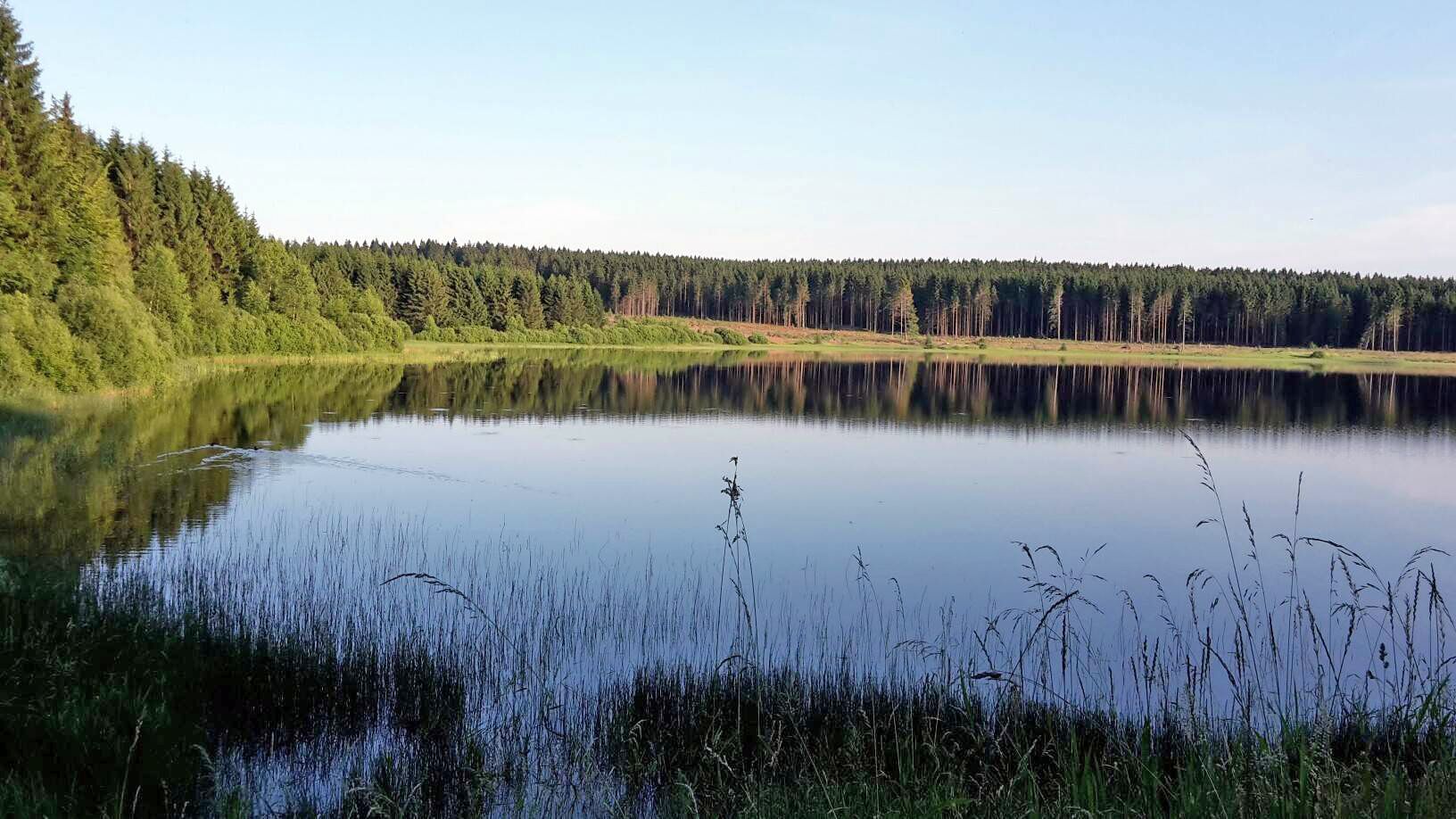
The best swimming lakes in Lower Saxony
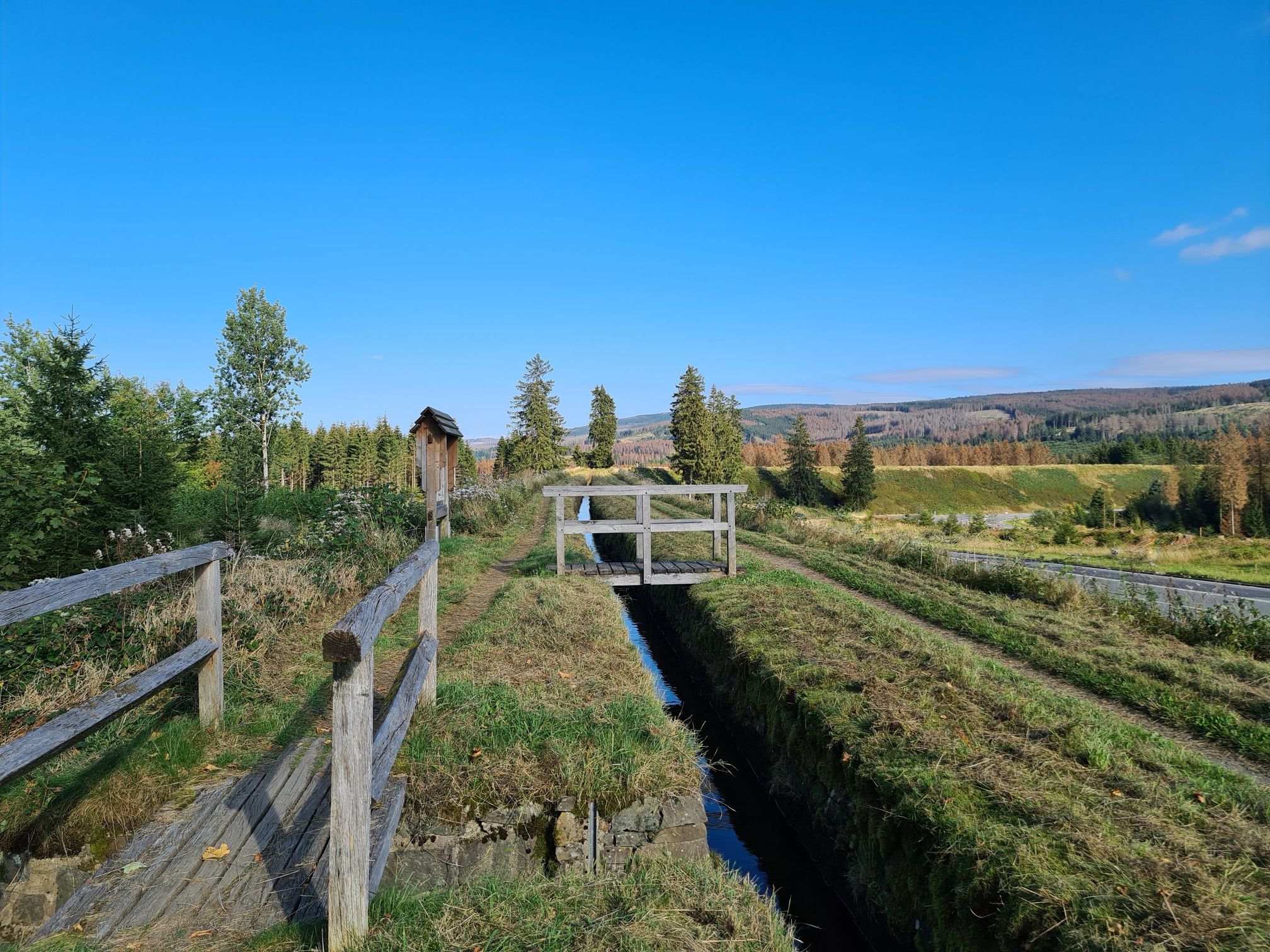
Explore Germany’s mining history — explore the Harz Mountains
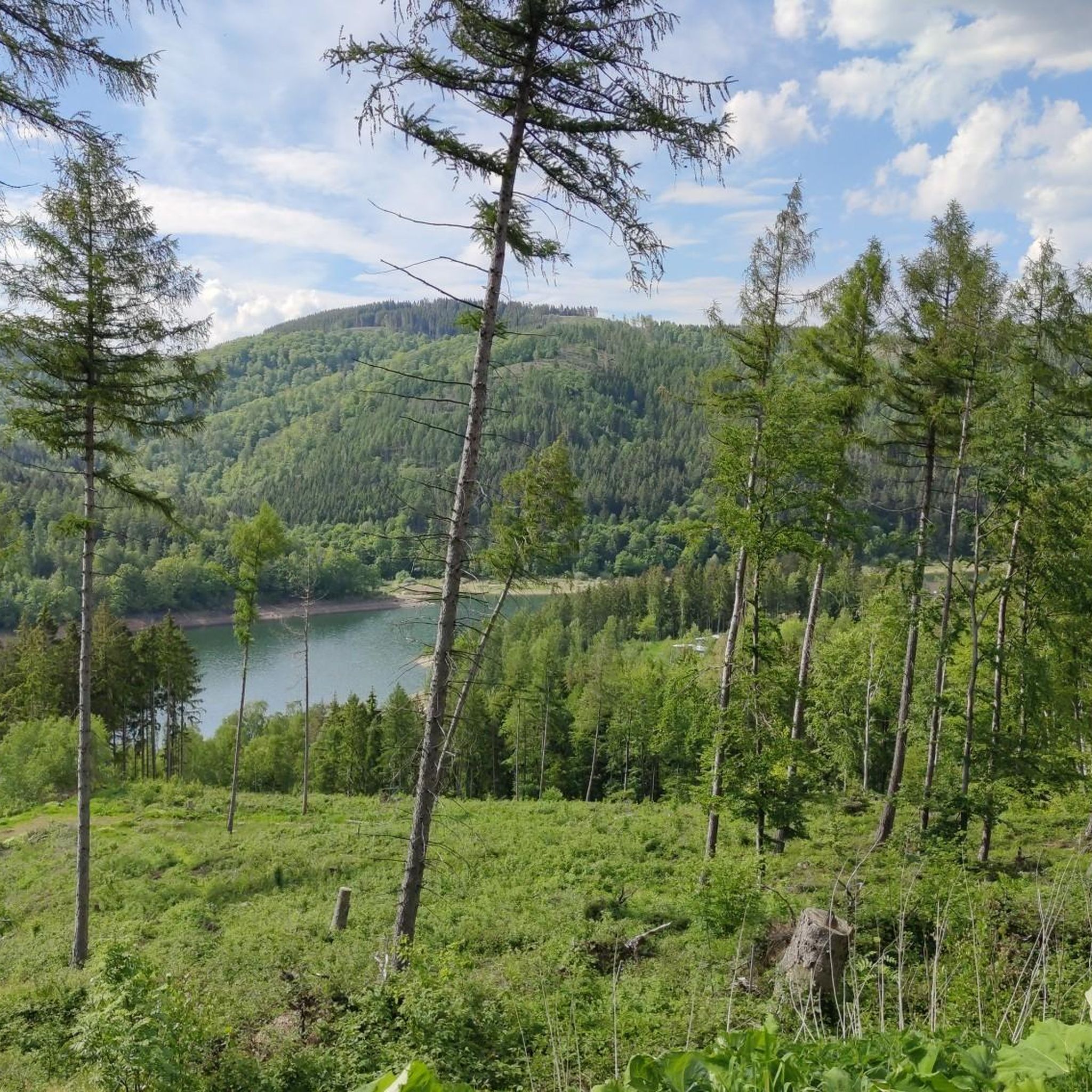
Hiking around Langelsheim
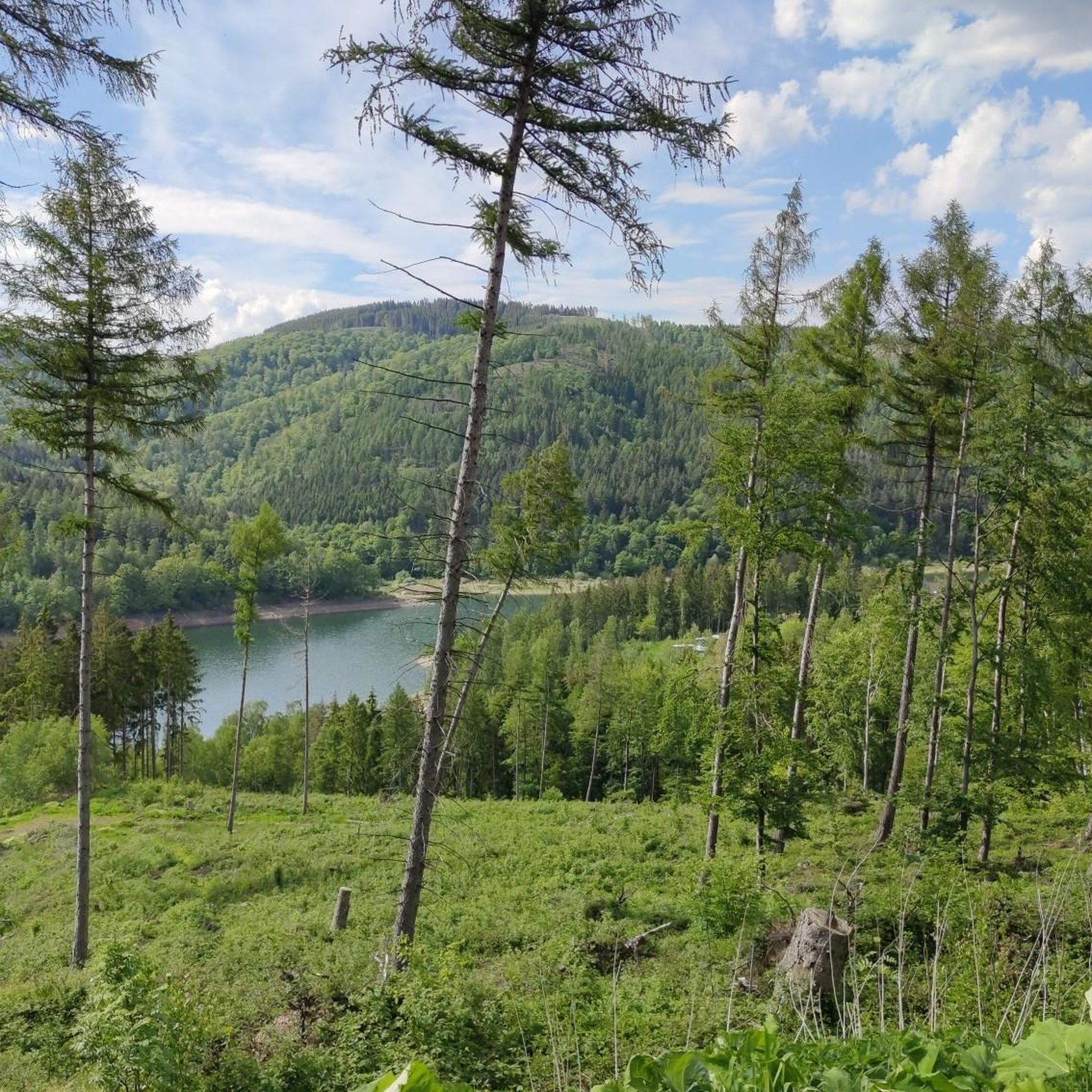
Cycling around Langelsheim
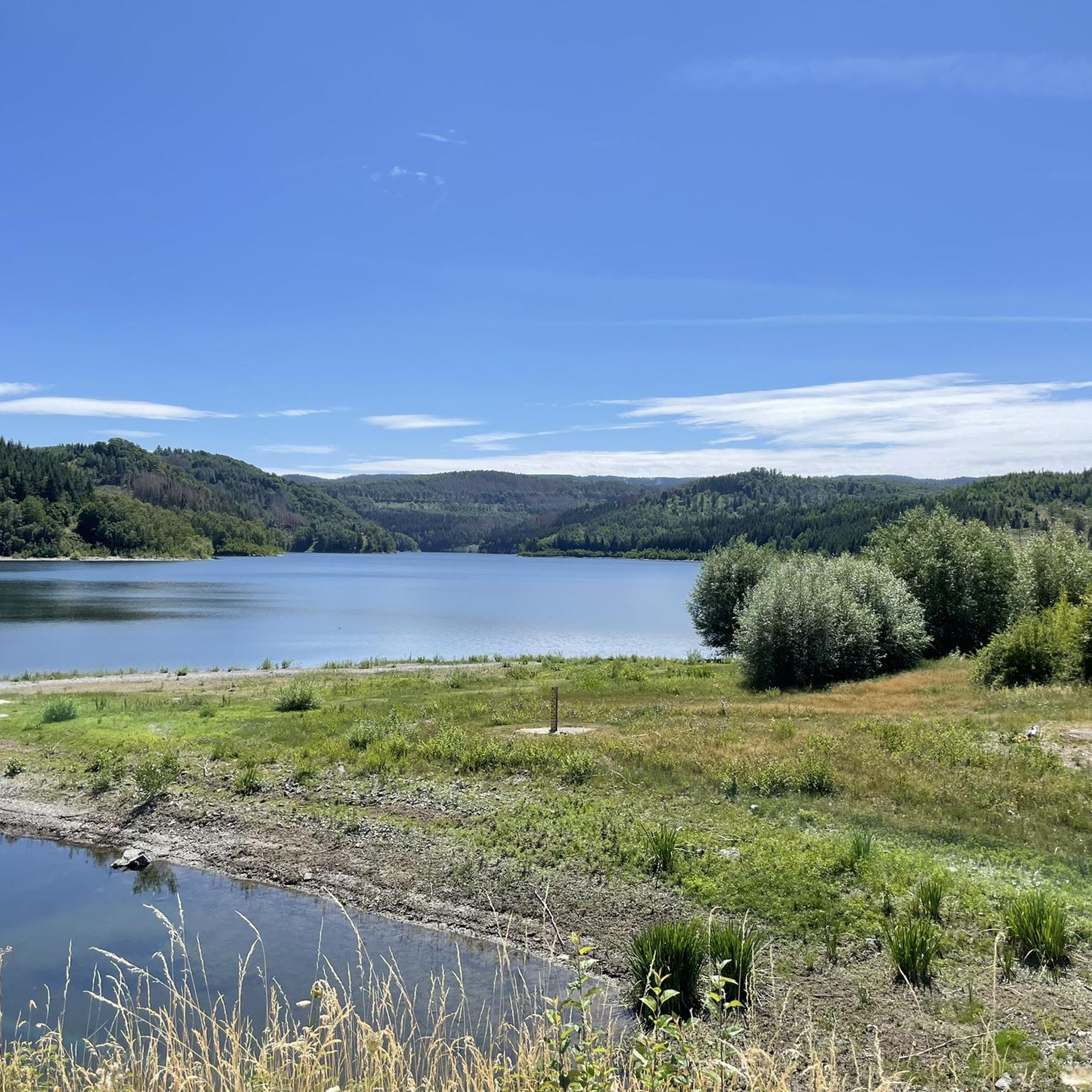
MTB Trails around Langelsheim
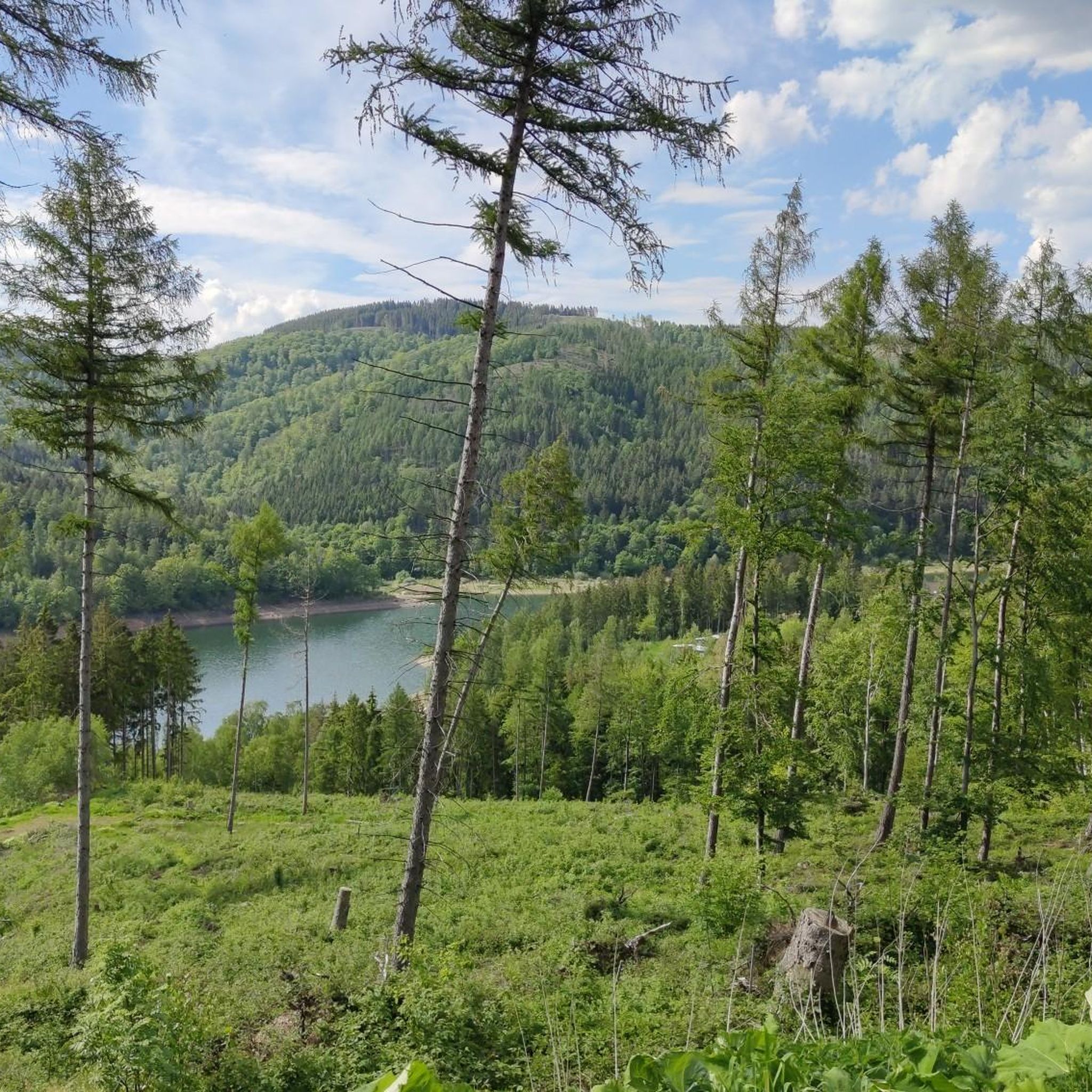
Running Trails around Langelsheim
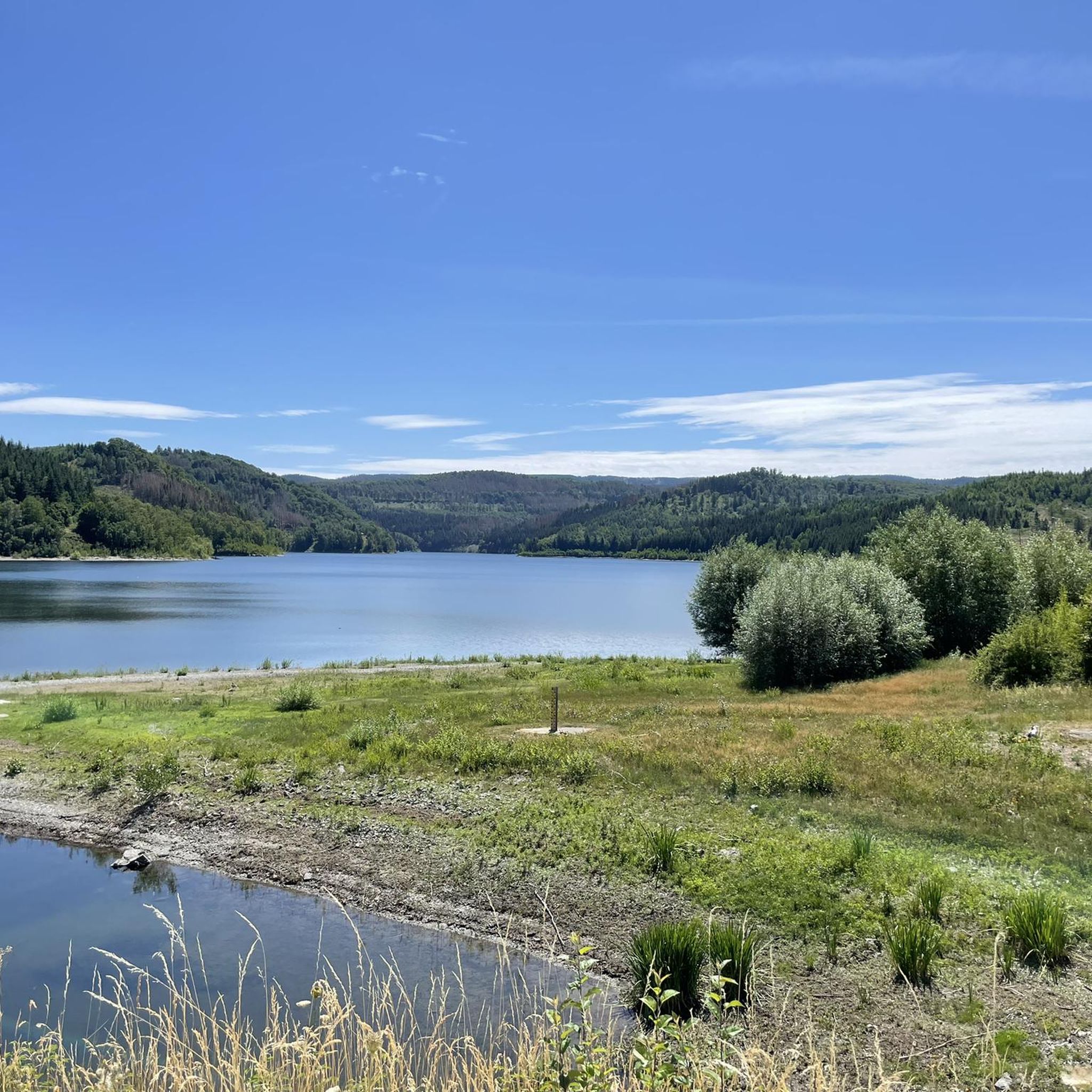
Road Cycling Routes around Langelsheim
Mountain Hikes around Langelsheim

Gravel biking around Langelsheim


Tips from the Community

The Imperial Palace of Goslar covers an area of approximately 340 by 180 metres
6
0

Beautiful old thick city walls
5
1

The Staufenburg is a great destination for a hike. The remains of the walls are a great photo opportunity, you can enjoy a beautiful view and get interesting information from the information board. You will also find a few places to rest here. Former stamping point of the HWN.
3
0

Even if not much remains: a former castle with a sometimes scandalous history!
3
0

The emperors resided here for around two weeks, as there was silver to be collected from the mines. ;-) At first, Henry I of the noble Liudolfing family often visited the palace of Werla between Wolfenbüttel and Goslar. There he had to deal with the rebellious Saxon tribes. But the region around the Harz became more and more the focus of interest. The reason for this was increased economic interest in the mining of silver and copper. Smaller palaces were built in Nordhausen, Mühlhausen, Memleben and Werla.
6
0

The historic center of Goslar. A visit to the Palatinate is a must
9
0

The Hausmannsturm is not far from the castle and is always worth a visit.
6
0

in spring it smells of wild garlic and in autumn you can literally hear the falling of the colorful leaves
4
0
Frequently Asked Questions
What are some of the most historically significant castles to visit near Langelsheim?
The Imperial Palace of Goslar is a UNESCO World Heritage site and a prime example of 11th-century Romanesque architecture, serving as a residence for Holy Roman Emperors. While in Langelsheim, you can also explore the remnants of the Carolingian-era Kansteinburg, which holds local historical significance, though only earthworks and wall fragments remain today.
Are there any castles near Langelsheim that offer panoramic views?
Yes, the Stauffenburg Castle Ruins provide expansive views of the Harz Mountains from its wooded hilltop. Additionally, the Hausmann Tower in Liebenburg, a historical defense and watchtower, offers views of the Brocken and the surrounding Liebenburg area.
Which castles near Langelsheim are suitable for families?
The Imperial Palace of Goslar is family-friendly, offering extensive exhibitions and multimedia tours that can engage visitors of all ages. Liebenburg Palace is also categorized as family-friendly, allowing visitors to appreciate its Baroque architecture and church.
Can I combine a castle visit with hiking or other outdoor activities?
Absolutely. The Burghagen Castle Ruins are a popular destination for hikers, serving as a point of interest along various routes like the "Lageswarte (HWN 102) – Spur der Steine Trail loop from Langelsheim." You can find many easy hiking trails around Langelsheim, some of which pass by historical sites. For more options, explore easy hikes around Langelsheim.
What kind of historical architecture can I expect to see in the castles around Langelsheim?
The region showcases a range of architectural styles. The Imperial Palace of Goslar is a magnificent example of 11th-century Romanesque architecture. In contrast, Liebenburg Palace features impressive Baroque architecture from the 18th century. You can also see medieval fortifications like the Breite Gate and Riesling Tower in Goslar, a significant city gate from 1443.
Are there any castles that are particularly good for dog owners?
Many outdoor castle ruins and their surrounding areas, like the Burghagen Castle Ruins and Stauffenburg Castle Ruins, are generally dog-friendly for walks, provided dogs are kept on a leash. For specific indoor access policies at places like the Imperial Palace of Goslar, it's best to check directly with the venue.
What is the best time of year to visit the castles near Langelsheim?
Spring and autumn offer pleasant weather for exploring both indoor and outdoor castle sites, with fewer crowds than summer. The Harz region can be beautiful in winter, but some outdoor ruins might be less accessible due to snow or ice. For hiking-focused visits, late spring to early autumn is ideal.
Are there any castles that are easily accessible by public transport?
The Imperial Palace of Goslar is located in the city of Goslar, which is well-connected by public transport. From Goslar's train station, the palace is within walking distance or a short bus ride. Access to more remote ruins like Burghagen Castle Ruins might require a combination of public transport and a walk.
How long should I plan for a visit to a castle near Langelsheim?
For extensive sites like the Imperial Palace of Goslar, plan at least 2-3 hours to explore the exhibitions and grounds. Smaller ruins like Stauffenburg Castle Ruins or Burghagen Castle Ruins can be explored in 1-2 hours, often as part of a longer hike.
Are there any Baroque palaces in the area?
Yes, Liebenburg Palace is a notable Baroque palace in the region. Its exterior was completed between 1754 and 1760, and it features a Catholic Baroque church with a significant ceiling fresco by Joseph Gregori Winck.
What can I learn about the local history of Langelsheim through its castles?
The Kansteinburg in Langelsheim, though mostly ruins, dates back to the Carolingian period (8th-9th century) and highlights the region's strategic importance along historical trade routes. The local history museum in Langelsheim houses a model of the Kansteinburg, offering insights into its past.
Most popular routes around Langelsheim
Most popular attractions around Langelsheim

Get inspired with the komoot mobile app


Explore more
Looking for the best castles somewhere else? Discover other guides around Langelsheim:
