The best road cycling routes in Hilo Watershed Forest Reserve
4.5
(2)
84
riders
7
rides
Road cycling in Hilo Watershed Forest Reserve offers routes through a region characterized by dense montane rainforest and a network of streams. The area features native trees like ʻōhiʻa lehua and koa, with some trails traversing older lava flows. While the reserve's interior roads are less suitable for dedicated road cycling, the surrounding Hilo area provides paved routes with varied terrain. These routes include elevation gains towards volcanic landscapes and scenic coastal paths.
Best road cycling routes in Hilo Watershed…
Last updated: August 23, 2026
39
riders
108km
06:27
2,780m
2,780m
Hard road ride. Very good fitness required. Mostly well-paved surfaces and easy to ride.
32.6km
01:32
250m
250m
Easy road ride. Great for any fitness level. Mostly well-paved surfaces and easy to ride.

Sign up for free
10
riders
52.2km
02:37
660m
660m
Moderate road ride. Good fitness required. Some segments of this route may be unpaved and difficult to ride.
5.0
(1)
12
riders
57.3km
02:54
840m
840m
Moderate road ride. Good fitness required. Mostly well-paved surfaces and easy to ride.
5
riders
41.6km
02:43
510m
510m
Moderate road ride. Good fitness required. Mostly well-paved surfaces and easy to ride.
Get access to more routes and recommendations from other explorers.
Sign up for free
Already have an account?
Our route recommendations are based on thousands of hikes, rides, and runs completed by other people on komoot.
Start today with a free account
Your next adventure awaits.
Login or Signup
Popular around Hilo Watershed Forest Reserve
Tips from the Community

Macadamia plantation with sales and beautiful garden
2
0

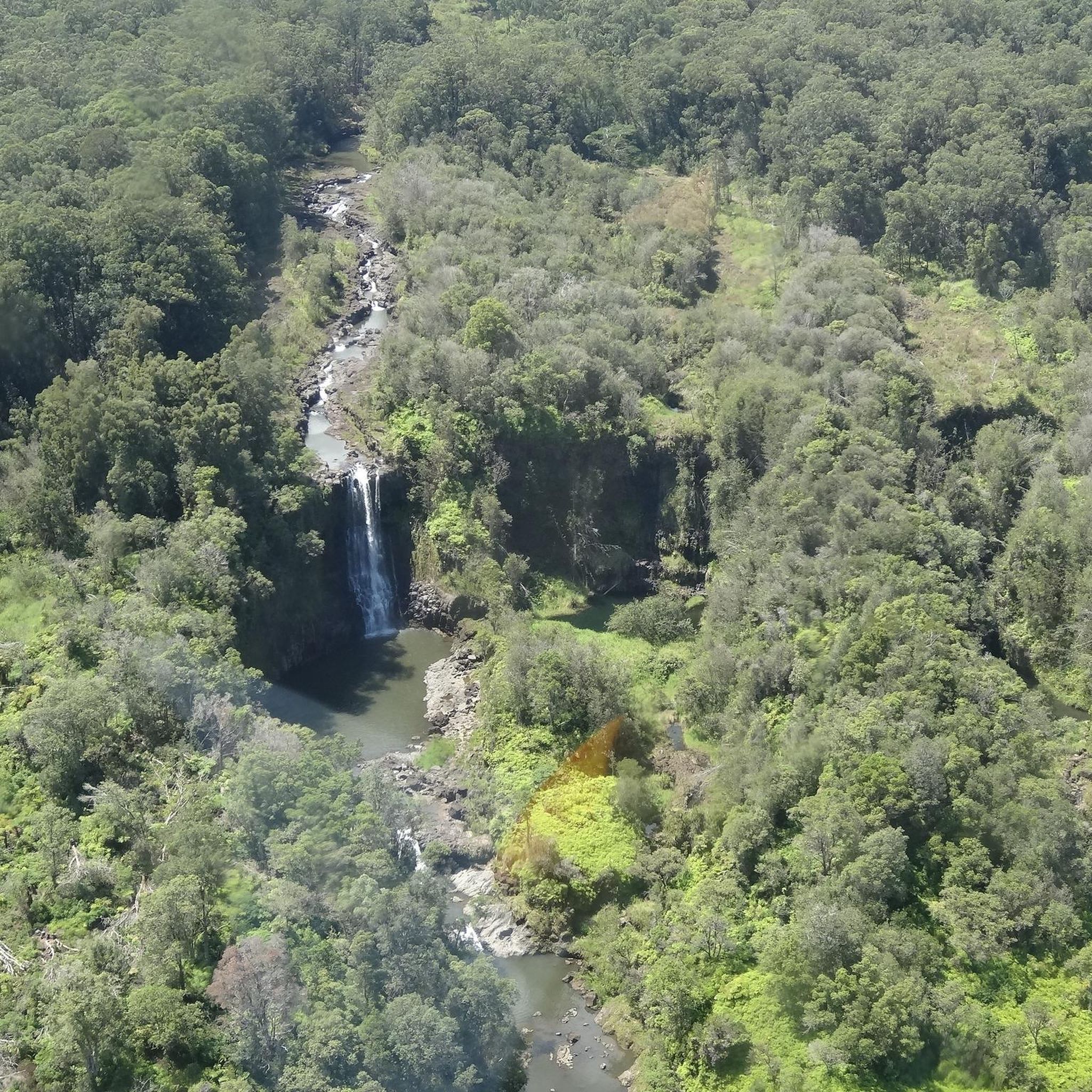
impressive waterfall in front of a huge cave
2
0
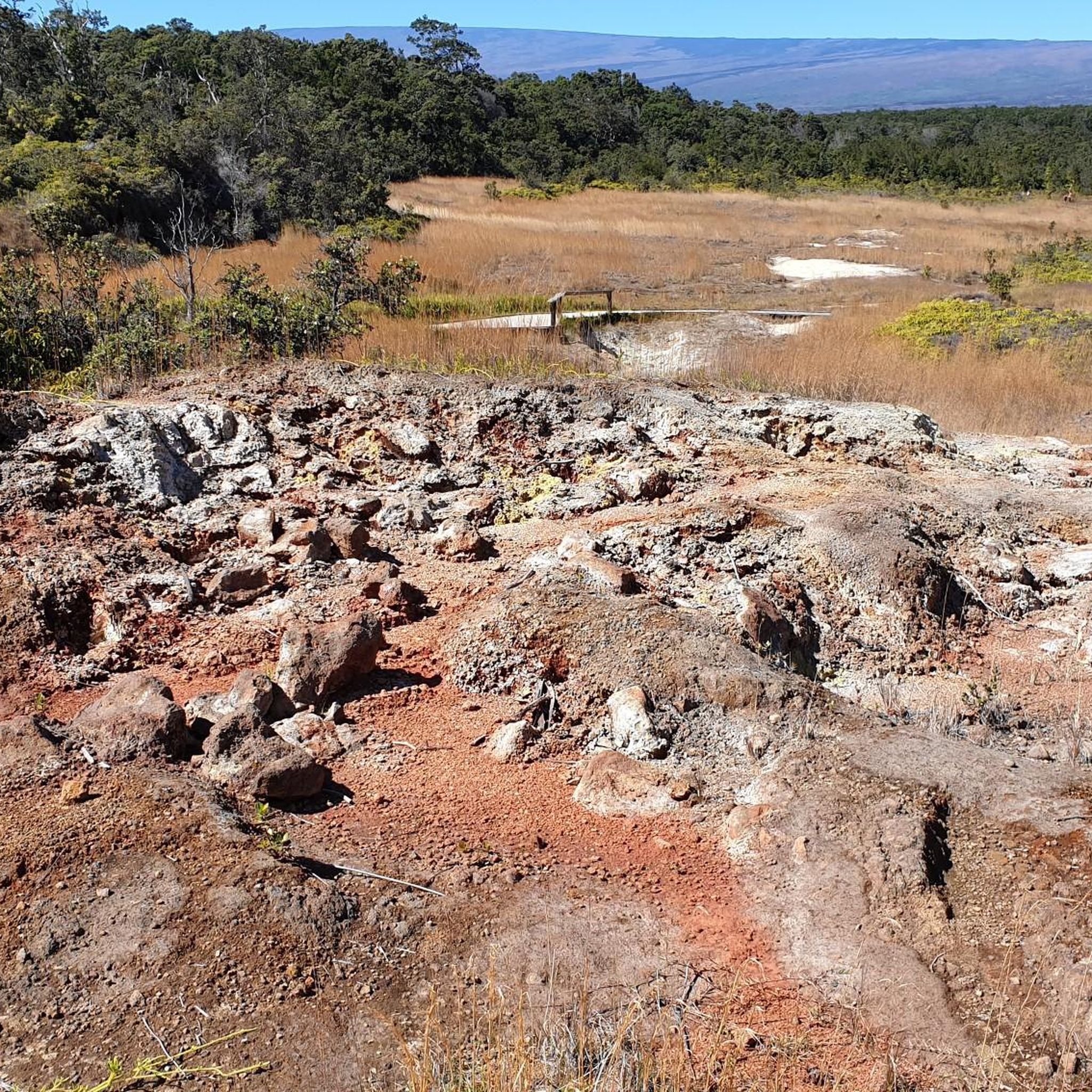
Observation platform with a view of the bubbling water
2
0
From the entrance, the lava tunnel leads in two directions. The tunnel system is 2,197 meters long in total. Sturdy footwear and sufficient lighting are recommended.
2
0

The water on the upstream side runs through an old lava tube. I'm told (but haven't seen myself) that when the water isn't too rough, you can carefully hike upstream through the tube to see two waterfalls. There's good parking for several cars just past the bridge in the direction away from Hilo (towards Pepeekeo).
0
0

Mauna Loa's Visitor Center has a gift shop that sells all different variations of the macadamia nut products the factory across the street produces. You can take a tour of the factory and see how these are made!
0
0

Kolekole Beach Park is a nice area where the Kolekole Stream meets the ocean. There is a small waterfall, a nice beach, and a large grassy area, which makes it easy for families to gather, which makes it very popular during the weekdays and holidays. The park is currently temporarily closed due to some soil contaminants. Because of the closure, the park is not currently well maintained and has become overgrown. The ocean conditions here are a little too dangerous for swimming, but visitors can swim in the Kolekole Stream. There is no lifeguard here, so visitors should always visit and swim with caution.
0
0
Frequently Asked Questions
How many road cycling routes are available in the Hilo Watershed Forest Reserve area?
The Hilo Watershed Forest Reserve area offers a variety of road cycling routes. There are 8 routes documented, including 3 easy, 4 moderate, and 1 difficult option, catering to different skill levels.
What kind of terrain can I expect on road cycling routes near the Hilo Watershed Forest Reserve?
You can expect diverse terrain, ranging from lush rainforests and scenic coastlines to routes with significant elevation gains towards volcanic landscapes. While the reserve's interior roads are less suitable for dedicated road cycling, the surrounding Hilo area provides mostly paved surfaces.
Are there challenging road cycling routes for experienced cyclists?
Yes, for experienced cyclists seeking a challenge, the area offers routes with considerable elevation gains. A notable difficult route is the Hilo to Maunakea Visitor Information Station, which is 67.4 miles (108.4 km) long and features extensive views of volcanic landscapes.
Are there road cycling routes suitable for beginners or families?
Yes, there are easier options available. The Hilo to Mauna Loa Macadamia Nut Visitor Center loop is an easy 20.2 miles (32.6 km) trail leading through macadamia nut orchards. For a more relaxed ride, the Hilo Bayfront Trail offers a dedicated multi-use path along the shore with scenic views.
What scenic points of interest can I explore while road cycling in the Hilo area?
The Hilo area boasts numerous scenic attractions. You can cycle along the historic Old Mamalahoa Highway – Onomea Bay loop from Wainaku, which winds through tropical forest and offers ocean views. Other routes lead to places like Kolekole Beach Park & ʻAkaka Falls State Park, known for lush scenery and waterfalls.
Are there any circular road cycling routes?
Yes, many routes are designed as loops. Examples include the Hilo to Mauna Loa Macadamia Nut Visitor Center loop and the Hilo City Ride loop, offering convenient starting and ending points.
What do other road cyclists enjoy most about road cycling in the Hilo Watershed Forest Reserve area?
The area is highly rated by the komoot community, with an average score of 5.0 stars. Reviewers often praise the diverse landscapes, from lush rainforests and coastal vistas to challenging climbs towards volcanic areas, and the variety of routes available for different fitness levels.
Can I find routes that feature waterfalls or coastal views?
Absolutely. Routes like the Hilo to Kolekole Beach Park & ʻAkaka Falls State Park offer stunning coastal views and lead to impressive waterfalls. The Old Mamalahoa Highway also provides picturesque ocean vistas and follows singing streams.
Is the Old Mamalahoa Highway suitable for road cycling?
The Old Mamalahoa Highway, also known as the Onomea Scenic Drive, is a highly appealing section for road cyclists. This four-mile paved stretch north of Hilo winds through dense tropical forest, crosses historic bridges, and offers beautiful ocean views. Riders should be cautious due to narrow roads, tight curves, and one-lane bridges.
What is the best time of year to go road cycling in the Hilo Watershed Forest Reserve area?
The Hilo region experiences substantial rainfall, contributing to its lush environment. While cycling is possible year-round, checking local weather forecasts is advisable, especially during wetter periods, to ensure optimal riding conditions.
Are there any specific regulations or permits needed for cycling in the Hilo Watershed Forest Reserve?
While the interior roads of the Hilo Watershed Forest Reserve are generally less suited for dedicated road cycling, the surrounding Hilo area's paved routes do not typically require special permits for cycling. For more detailed information about the reserve itself, you can visit the official Hawaii DLNR website: Hawaii DLNR.
Are there any routes that pass through agricultural areas?
Yes, the Hilo to Mauna Loa Macadamia Nut Visitor Center loop is a great option, taking you through scenic macadamia nut orchards, offering a different kind of landscape to enjoy.
Most popular routes in Hilo Watershed Forest Reserve

Get inspired with the komoot mobile app


Explore more
Browse the best Road cycling routes in other regions.
