Attractions and Places To See in Zona De Especial Protección Para Las Aves «Mar Menor» - Top 20
Best attractions and places to see in Zona De Especial Protección Para Las Aves «Mar Menor» include a diverse range of natural and cultural sites. This region, encompassing the Mar Menor lagoon, its volcanic islands, and surrounding wetlands, is recognized for its ecological importance as a vital habitat for numerous bird species. Visitors can explore Europe's largest saltwater lagoon, significant natural parks, and historical landmarks. The area offers a blend of geological features, traditional sites, and opportunities for observing local…
Last updated: August 29, 2026
Mud Baths at Villananitos Beach
Highlight • Beach
Translated by Google •
Tip by

Molino de la Calcetera
Highlight • Monument
The mill is located in the Salinas y Arenales de San …
Translated by Google •
Tip by

Sign up now to discover places like this
Get recommendations on the best single tracks, peaks, & plenty of other exciting outdoor places.
Sign up for free
Los Alcázares Sculpture Roundabout
Highlight • Monument
Translated by Google •
Tip by
Marchamalo Salt Flats
Highlight • Natural Monument
At the end …
Translated by Google •
Tip by

Mar Menor (Little Sea)
Highlight • Lake
The Mar Menor, Spanish for "Little Sea", is actually a saltwater …
Translated by Google •
Tip by
Sign up for free to discover even more attractions in Zona De Especial Protección Para Las Aves «Mar Menor».
Sign up for free
Already have an account?
Start today with a free account
Your next adventure awaits.
Login or Signup
Popular around Zona De Especial Protección Para Las Aves «Mar Menor»
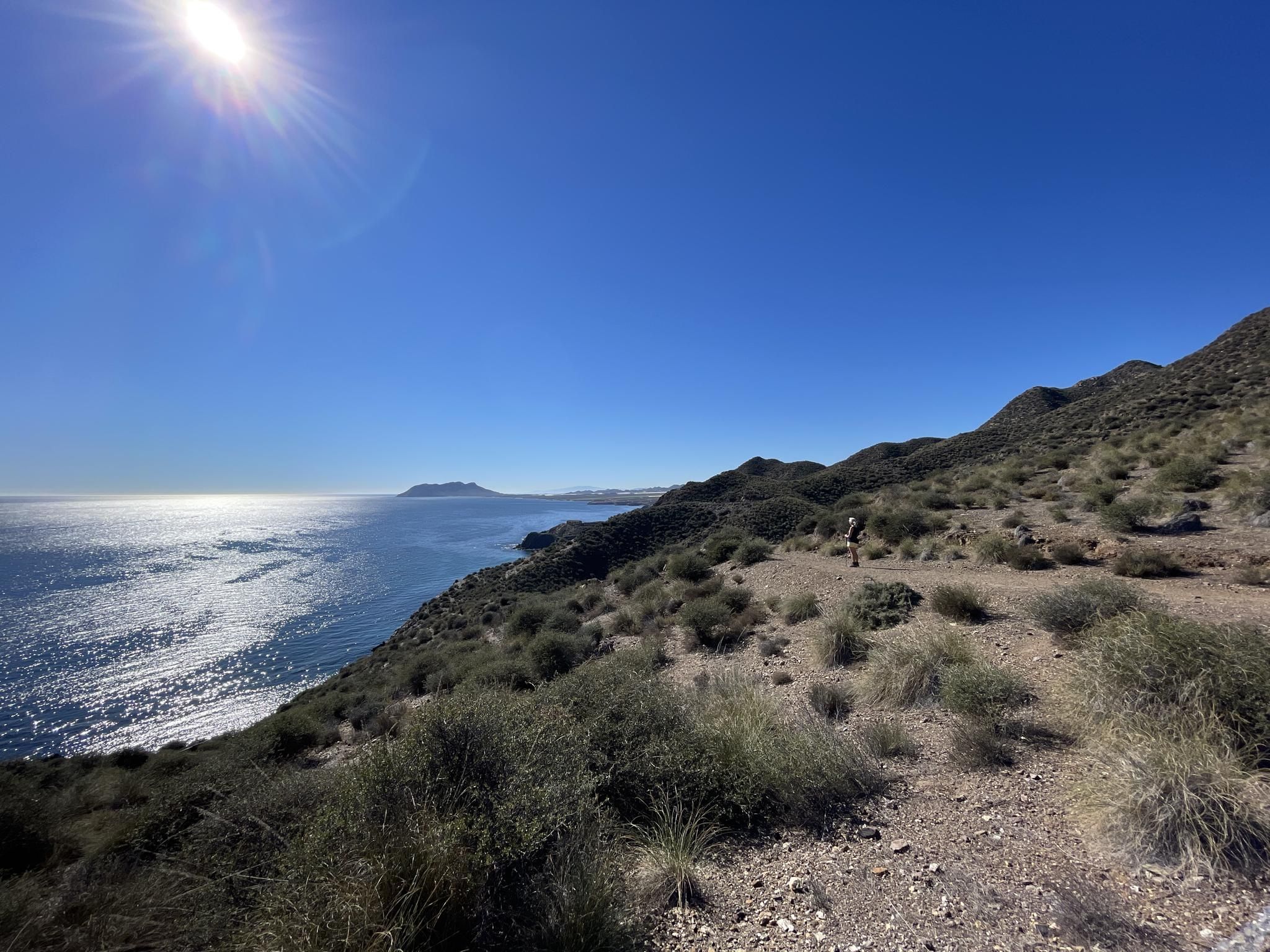
Mediterranean industry and nature – hike the GR 92 in Murcia
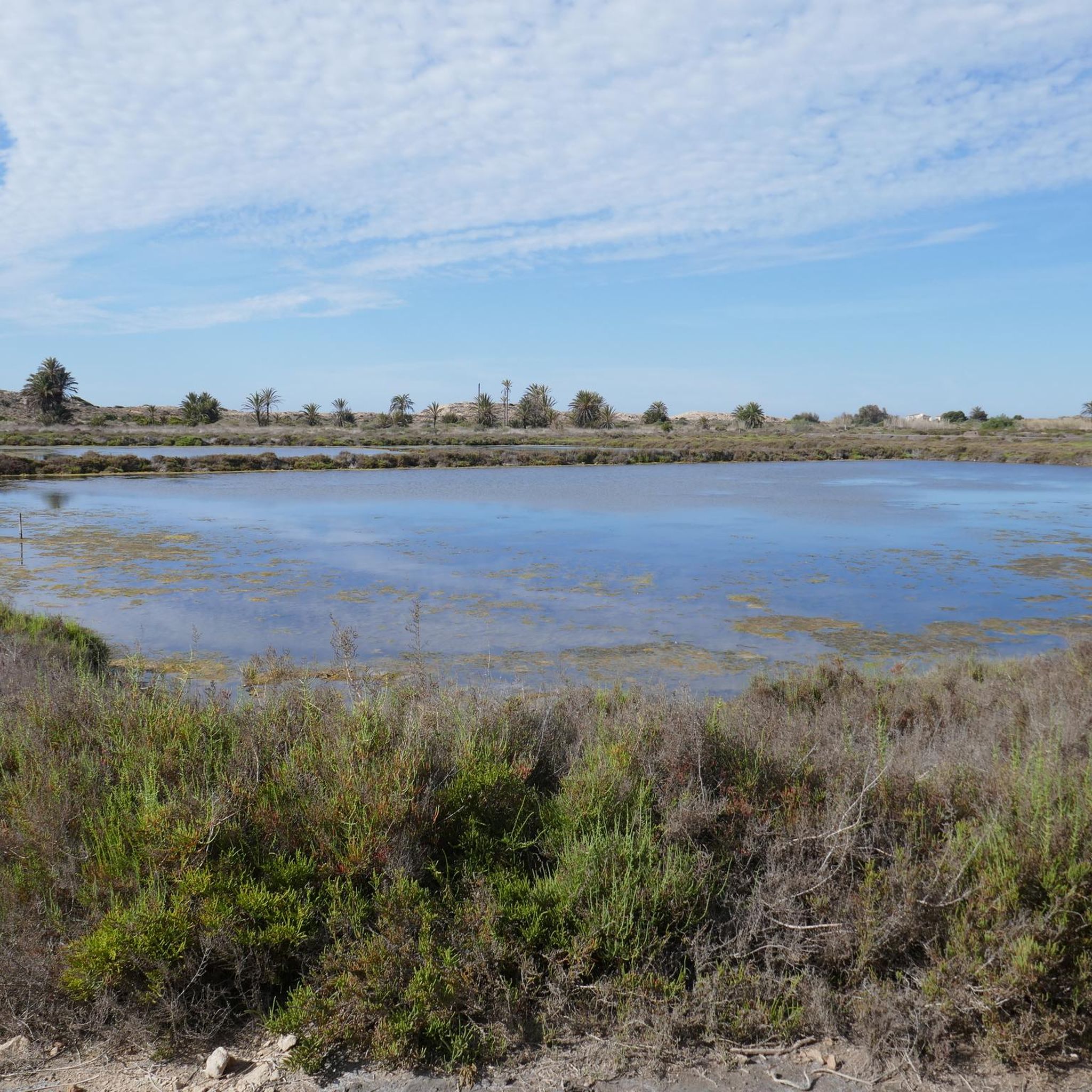
Running Trails in Zona De Especial Protección Para Las Aves «Mar Menor»
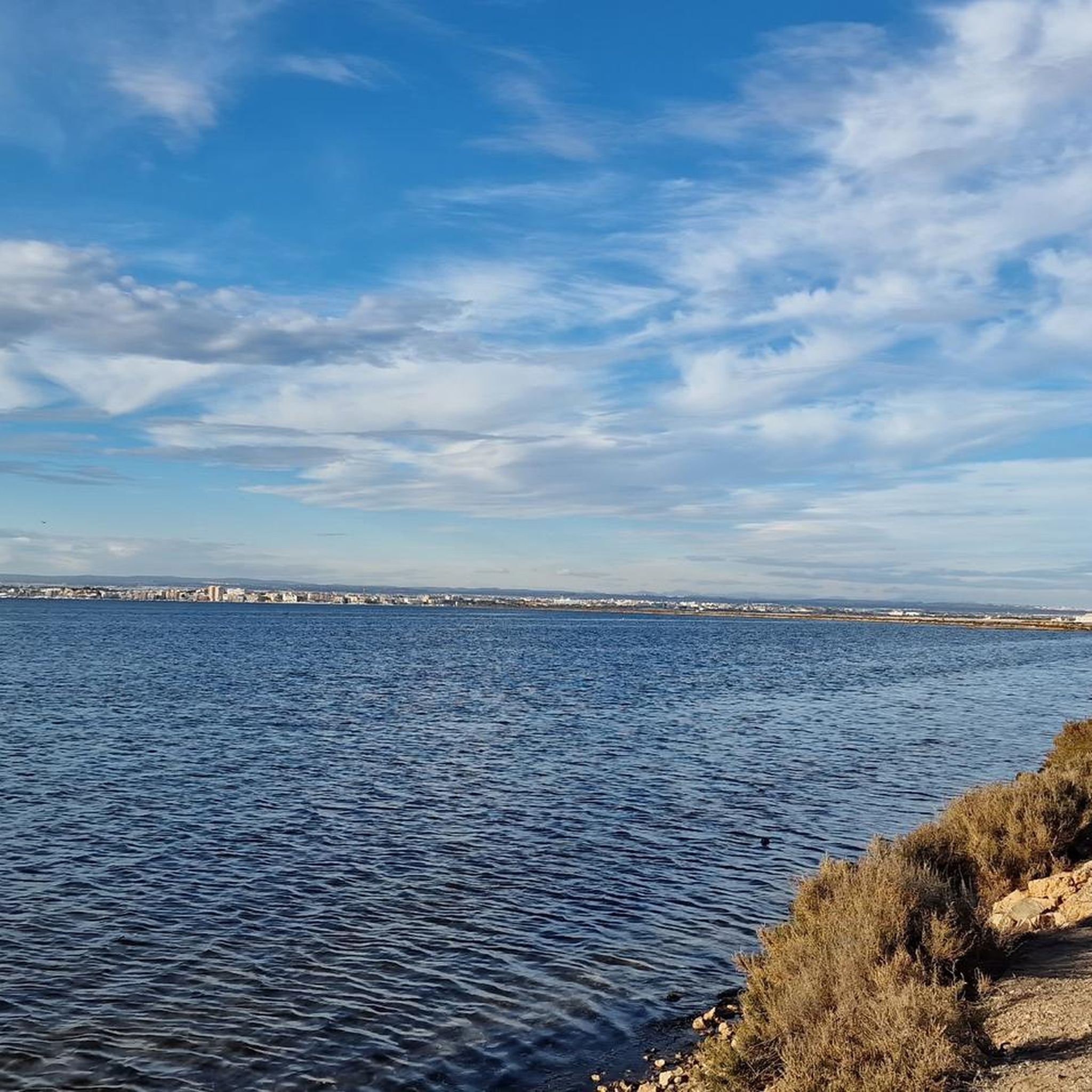
Hiking in Zona De Especial Protección Para Las Aves «Mar Menor»
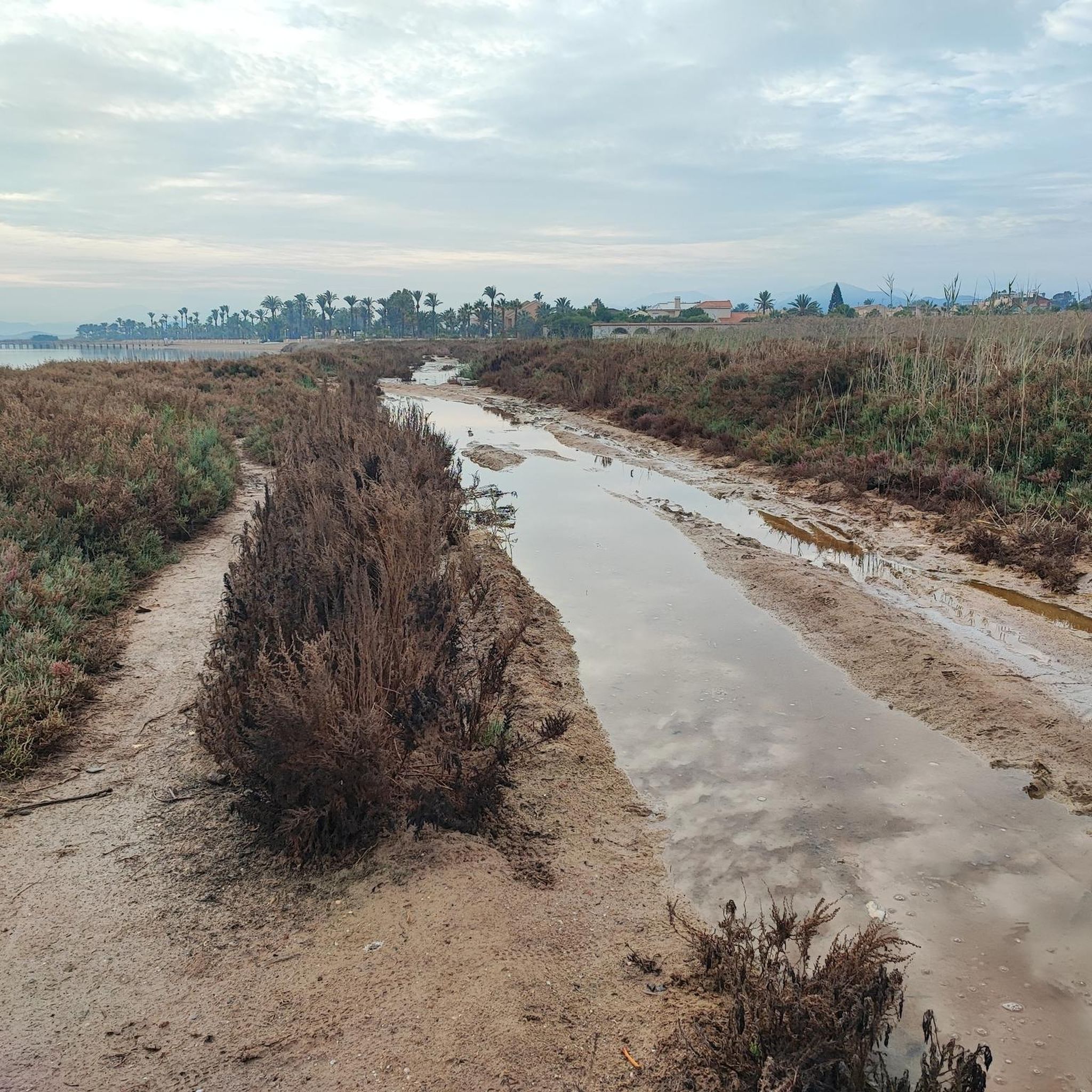
Cycling in Zona De Especial Protección Para Las Aves «Mar Menor»
Road Cycling Routes in Zona De Especial Protección Para Las Aves «Mar Menor»
MTB Trails in Zona De Especial Protección Para Las Aves «Mar Menor»

Gravel biking in Zona De Especial Protección Para Las Aves «Mar Menor»
Other adventures in Zona De Especial Protección Para Las Aves «Mar Menor»

Tips from the Community

Nice ride, though difficult in some places. Several options for a bite to eat or a drink. Thanks for posting the route. Greetings from Antwerp
1
1


You need to continue to the right
1
1
places to discover
1
0

Los Alcázares has a long history as a resort, dating back to Roman times. The Arabs also used the hot springs and built baths, which gave the place its name. “Alcázares” means “palaces” or “residences” in Arabic. The long promenade along the coast is ideal for walks and bike rides with a view of the Mar Menor. Here you will find numerous cafés, restaurants and chiringuitos. A nice destination for a tour, you should make the little detour and drive a little way along the coast. Los Alcázares has two important nature reserves in its municipal area, the Espacios abiertos e islas del Mar Menor, which are designated as a natural park, Lugar de Importancia Comunitaria and Zona de Especial Protección para las Aves.
1
0

The mud of the ponds is the result of centuries of action of the sun and the very salty water of the Mar Menor. The result is a mud that, when applied to the skin, has great therapeutic value for all types of ailments: rheumatism, arthritis, gout, skin pathologies, rehabilitation after fractures, throat, etc. The ideal complement to the treatment is to take a bath in the mineralized water of the Mar Menor.
4
0
Los Alcázares has a long history as a resort, dating back to Roman times. The Arabs also used the hot springs and built baths, which gave the town its name. “Alcázares” means “palaces” or “residences” in Arabic. The long promenade along the coast is ideal for walks and bike rides with a view of the Mar Menor. Here you will find numerous cafes, restaurants and chiringuitos. A nice destination for a tour. Los Alcázares has two important nature reserves in its municipality, the Espacios abiertos e islas del Mar Menor, which are designated as a natural park, Lugar de Importancia Comunitaria and Zona de Especial Protección para las Aves.
5
0

Outdoor mud therapy area. The mud of the Salinas is characterized by long exposure to the sun and the salty water from the Mar Menor. The result is a clay mud that is applied to the skin and is said to have great therapeutic value for all kinds of ailments. Rheumatism and arthritis are among them. In addition, on the opposite side you can take a bath in the mineralized water of the Mar Menor. There are thalassotherapy and spa centers in the area.
1
0
Frequently Asked Questions
What unique natural features can I explore in Zona De Especial Protección Para Las Aves «Mar Menor»?
The region is home to Europe's largest saltwater lagoon, the Mar Menor, which features five volcanic islands, including Isla Mayor and Isla Perdiguera. You can also visit the Marchamalo Salt Flats, part of the Salinas y Arenales de San Pedro Regional Park, known for its extensive salt flats and as a refuge for migratory birds like flamingos. Another notable natural feature is El Carmolí, an extinct Quaternary volcano.
Where can I experience the therapeutic mud baths in the Mar Menor area?
The renowned therapeutic mud baths are located in San Pedro del Pinatar and Lo Pagán. Specifically, you can find them at Villananitos Beach, where mineral-rich mud is freely available for application. These open-air spas are believed to offer health benefits, especially for conditions like rheumatism and arthritis, and are complemented by bathing in the Mar Menor's mineralized water.
What historical sites can I visit in the Mar Menor region?
Beyond the natural beauty, the area offers several historical points of interest. You can see the historic Molino de la Calcetera, a traditional salt mill in the Salinas y Arenales de San Pedro del Pinatar Nature Reserve. The Cabo de Palos Lighthouse, commissioned in 1865, is an impressive landmark offering spectacular coastal views. For ancient history, the Abandoned Village of Amoladeras dates back to the Copper Age (2850 B.C.).
Are there family-friendly activities or attractions suitable for children?
Yes, the Mar Menor region offers several family-friendly options. The shallow, warm waters of the Mar Menor lagoon are ideal for swimming and various water sports suitable for all ages. The Mud Baths at Villananitos Beach are also considered family-friendly, offering a unique and fun experience. Additionally, the Salinas y Arenales de San Pedro Regional Park and the Marchamalo Salt Flats provide opportunities for birdwatching and easy walks, which can be enjoyable for families.
What kind of outdoor activities can I do near these attractions?
The region is excellent for various outdoor activities. You can enjoy cycling along the promenades or explore dedicated routes like the 'Tour around the Regional Park of Las Salinas y Arenales de San Pedro del Pinatar' or the 'Scenic Bicycle Path – Aguamarina Promenade and Beach loop'. For hiking, options include the 'Barnuevo Beach – Quintín Windmill loop' or the 'Cabo de Palos Lighthouse – La Galera (Duck Rock) loop'. Find more routes in the cycling guide Cycling in Zona De Especial Protección Para Las Aves «Mar Menor» and the hiking guide Hiking in Zona De Especial Protección Para Las Aves «Mar Menor».
Where are the best spots for birdwatching in the Mar Menor area?
As a Special Protection Area for Birds (ZEPA), the Mar Menor is a prime birdwatching destination. Key locations include the Salinas y Arenales de San Pedro Regional Park, particularly Las Encañizadas del Mar Menor, where you can observe waders like Whimbrel and Dunlin, as well as flamingos. The Marchamalo Salt Flats are also known for observing native birds, especially waterfowl.
What are the popular water sports activities in the Mar Menor lagoon?
The warm, shallow, and calm waters of the Mar Menor lagoon make it an ideal location for a wide array of water sports. Popular activities include sailing, canoeing, windsurfing, kite-surfing, and paddleboarding. Many towns along the lagoon, such as Los Alcázares, offer facilities and schools for these nautical sports.
Are there any museums or cultural sites to visit?
Yes, the region and nearby Cartagena offer several cultural sites. In Los Alcázares, you can visit the Museo Aeronáutico Municipal, dedicated to the history of Spain's first seaplane base. San Javier hosts the Museo de Historia Local, showcasing local life and history. In San Pedro del Pinatar, the Barón de Benifayó Palace Municipal Museum offers a glimpse into the lives of wealthy residents and local archaeology. Nearby Cartagena boasts the Molinete Roman Forum Museum and the Naval Museum.
What do visitors enjoy most about Zona De Especial Protección Para Las Aves «Mar Menor»?
Visitors particularly appreciate the unique combination of natural beauty and therapeutic experiences. The Mud Baths at Villananitos Beach are a highlight, with many finding the experience beneficial and enjoyable. The scenic views from historic sites like the Molino de la Calcetera and the opportunities for cycling and birdwatching in the natural parks are also highly rated.
Are there accessible routes or attractions for visitors with mobility needs?
Yes, some areas are designed with accessibility in mind. The Mud Baths at Villananitos Beach are noted for having a bike path along the coast, which enhances accessibility to the area. Additionally, the long promenades in towns like Los Alcázares are generally flat and suitable for easy strolls, offering views of the Mar Menor.
What is the best time of year to visit for birdwatching?
The Mar Menor is a crucial habitat for nesting, wintering, and migratory birds, making it a good birdwatching destination throughout much of the year. However, spring and autumn are particularly excellent for observing migratory species. During these seasons, the wetlands and salt flats are bustling with a diverse array of birds, including flamingos and various waders.
Can I find hiking trails with scenic viewpoints in the region?
Absolutely. The region offers several trails that lead to stunning viewpoints. For example, the Calblanque Regional Park, located south of La Manga, features hiking routes like the one up Monte de las Cenizas, which provides panoramic views of the protected dunes, cliffs, and unspoiled beaches. The Molino de la Calcetera also offers scenic views of the water on both sides, making it a popular spot for cyclists and walkers.
Most popular routes in Zona De Especial Protección Para Las Aves «Mar Menor»
Most popular attractions in Zona De Especial Protección Para Las Aves «Mar Menor»

Get inspired with the komoot mobile app


Explore more
Still not found the Highlight you’re looking for? See guides of the top attractions in other regions:
