The best road cycling routes in Refugio Nacional De Vida Silvestre De Cabo Rojo
23
riders
5
rides
Road cycling in Refugio Nacional De Vida Silvestre De Cabo Rojo offers diverse terrain across its coastal and inland areas. The region features dramatic limestone cliffs, tranquil salt flats, and picturesque Caribbean beaches, alongside rolling hills and various forest types, including mangrove and subtropical dry forests. Many routes provide mostly paved surfaces, making them suitable for road cycling, with options ranging from easy rides to more challenging routes with substantial elevation changes. The refuge is known for its natural features…
Last updated: July 13, 2026
3
riders
Moderate road ride. Good fitness required. Mostly well-paved surfaces and easy to ride.
4
riders
Moderate road ride. Good fitness required. Mostly well-paved surfaces and easy to ride.

Sign up for free
4
riders
Moderate road ride. Good fitness required. Some segments of this route may be unpaved and difficult to ride.
4
riders
25.7km
01:07
200m
200m
Easy road ride. Great for any fitness level. Mostly well-paved surfaces and easy to ride.
8
riders
40.4km
01:41
290m
290m
Easy road ride. Great for any fitness level. Mostly well-paved surfaces and easy to ride.
Our route recommendations are based on thousands of hikes, rides, and runs completed by other people on komoot.
Start today with a free account
Your next adventure awaits.
Login or Signup
Popular around Refugio Nacional De Vida Silvestre De Cabo Rojo

Tips from the Community

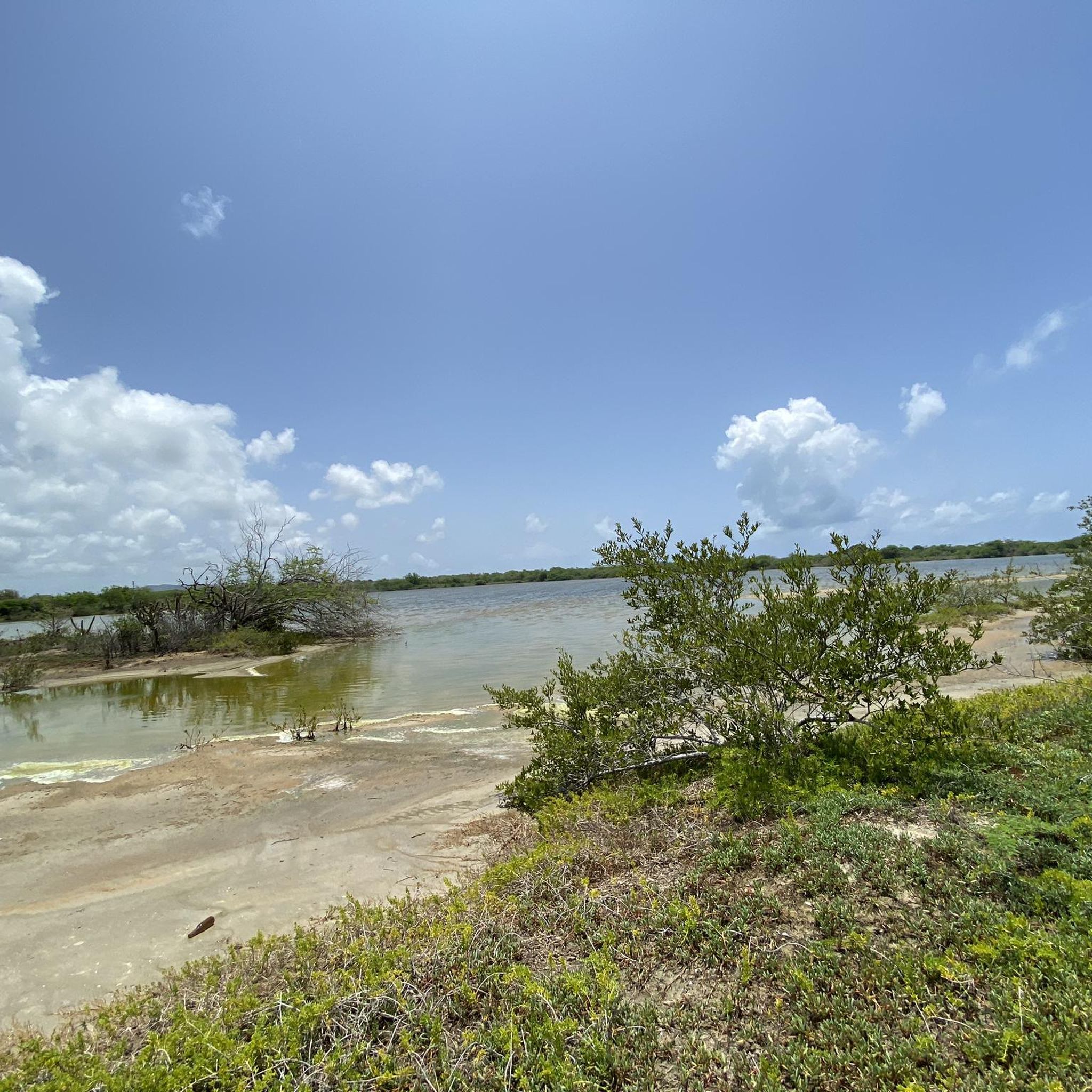
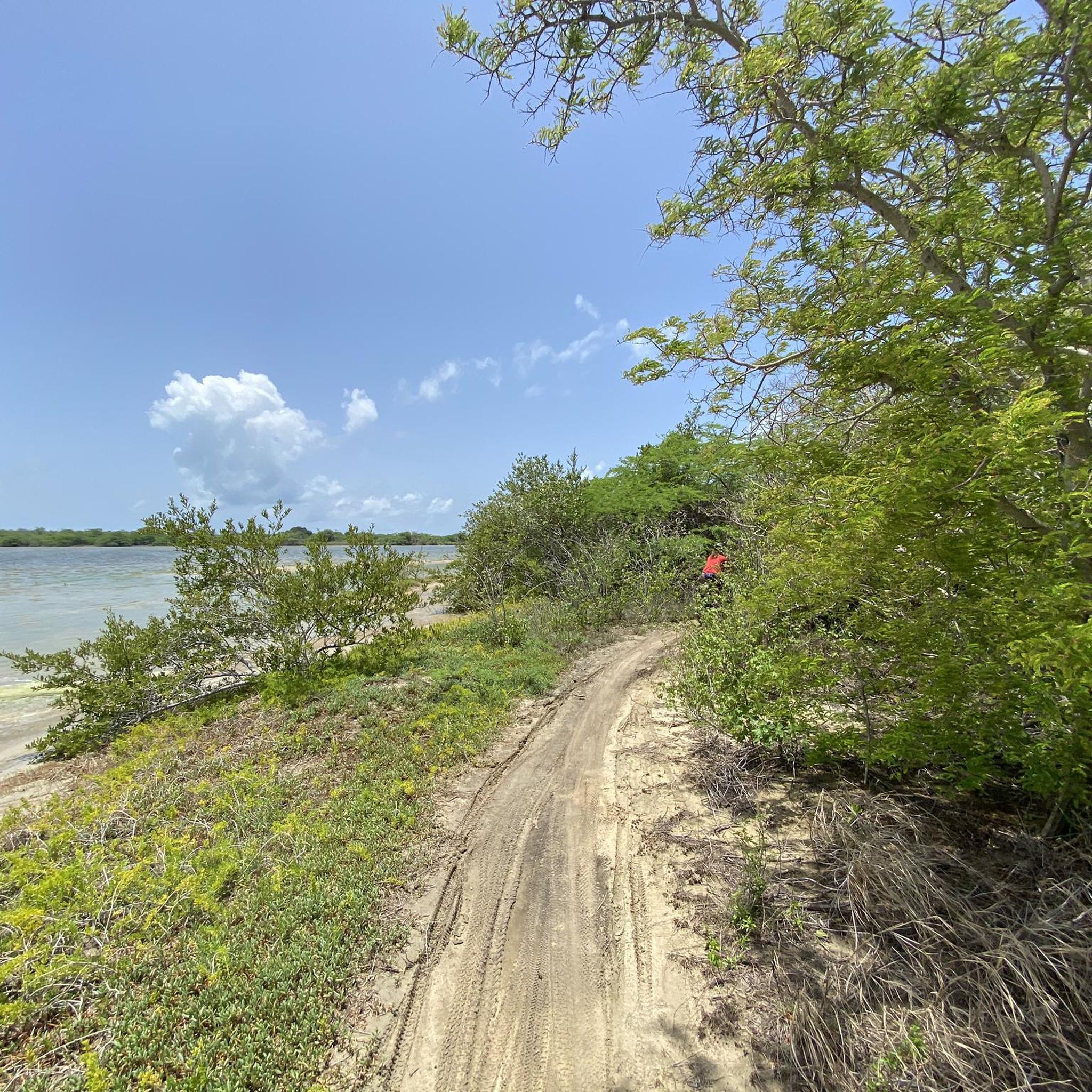
La Parguera is a must stop when exploring the south coast. Mangrove islands, excellent SUP, windsurfing and kite-surfing conditions, plus great bike routes makes this location an ideal destination for the outdoor enthusiast. Top that with an amazing bio luminescent bay and in a couple of days you can experience the best Puerto Rico can offer.
0
0
Frequently Asked Questions
What kind of terrain can I expect on road cycling routes in Refugio Nacional De Vida Silvestre De Cabo Rojo?
The region offers diverse terrain, including dramatic limestone cliffs, tranquil salt flats, and picturesque Caribbean beaches. You'll also encounter rolling hills and various forest types, such as mangrove and subtropical dry forests. Many routes feature mostly paved surfaces, making them well-suited for road cycling.
Are there road cycling routes suitable for beginners or families in Refugio Nacional De Vida Silvestre De Cabo Rojo?
Yes, the refuge offers routes for various fitness levels. For example, the Cerro Algódon loop from Bosque Estatal de Boquerón is an easy 16.0-mile (25.7 km) trail, and the Mirador de las Salinas – Playa Bahía Salinas loop from Barrio Pueblo is another easy option at 25.1 miles (40.4 km). These routes are generally suitable for those looking for less challenging rides.
What are some notable landmarks or natural features I can see while cycling in the refuge?
While cycling, you can explore the historically significant Cabo Rojo Salt Flats with their red and blue lagoons, and visit the iconic Cabo Rojo Lighthouse (Faro Los Morrillos de Cabo Rojo) for panoramic coastal views. The refuge also features beautiful beaches like Playa Sucia (La Playuela) and the distinctive Puente Natural (Natural Bridge).
Can I expect to see wildlife during my road cycling trip?
Absolutely. Refugio Nacional De Vida Silvestre De Cabo Rojo is a vital habitat for both migratory and resident bird species, hosting approximately 40,000 migratory birds during winter. It's a critical habitat for the endangered Yellow-shouldered Blackbird, and over 145 bird species have been identified here, making it an Important Bird Area.
Are there challenging road cycling routes for experienced cyclists?
Yes, for more experienced cyclists seeking a challenge, routes with substantial elevation changes are available. The La Parguera Bay – Cerro Algódon loop from Cabo Rojo National Wildlife Refuge is a moderate 52.5-mile (84.5 km) route with over 670 meters of elevation gain, offering varied landscapes and rolling hills. Another moderate option is the Cerro Algódon – Cerro Piñas loop from Monumento al Dr. Ramón Emeterio Betances y Alacán, which is 26.4 miles (42.5 km) and traverses inland areas with notable elevation changes.
What is the best time of year to go road cycling in Refugio Nacional De Vida Silvestre De Cabo Rojo?
The refuge is generally pleasant for cycling year-round, but conditions can vary. Consider visiting during the drier seasons to avoid heavy rainfall, which can impact trail conditions. The cooler months might offer more comfortable temperatures for longer rides.
Is parking available for cyclists at Refugio Nacional De Vida Silvestre De Cabo Rojo?
Yes, parking is generally available at various access points to the refuge and its trails. It's advisable to check specific trailheads or visitor centers for designated parking areas before your visit.
Are there any specific permits required for road cycling within the refuge?
Generally, no specific permits are required for recreational road cycling on established trails within the refuge. However, it's always a good idea to check the official U.S. Fish & Wildlife Service website for the most current regulations regarding activities in the refuge. You can find more information on their activities page: fws.gov/refuge/cabo-rojo/visit-us/activities.
Can I rent a bike near Refugio Nacional De Vida Silvestre De Cabo Rojo?
Yes, if you don't have your own equipment, bike rentals are conveniently available near the refuge's north entrance at Parador Combate Beach. E-bikes are also permitted on trails where traditional bicycles are allowed, provided it aligns with the refuge's purpose.
Are dogs allowed on the road cycling trails in Refugio Nacional De Vida Silvestre De Cabo Rojo?
The refuge has specific regulations regarding pets to protect wildlife. While some areas might permit leashed dogs, it's crucial to verify the current pet policy for cycling trails directly with the refuge authorities to ensure compliance and avoid disturbing the natural habitat. Check the official FWS website for detailed visitor guidelines.
What are the typical lengths of road cycling routes in the refuge?
The road cycling routes in Refugio Nacional De Vida Silvestre De Cabo Rojo vary in length. You can find shorter routes like the Cerro Algódon loop from Bosque Estatal de Boquerón at 16.0 miles (25.7 km), up to longer options such as the La Parguera Bay – Cerro Algódon loop from Cabo Rojo National Wildlife Refuge, which spans 52.5 miles (84.5 km).
Are there any facilities like cafes or restaurants near the road cycling routes?
While the refuge itself focuses on natural preservation, the surrounding areas of Cabo Rojo offer various amenities. You can find cafes, restaurants, and accommodation options in nearby towns and communities, particularly closer to popular beaches and tourist areas.
Most popular routes in Refugio Nacional De Vida Silvestre De Cabo Rojo

Get inspired with the komoot mobile app


Explore more
Browse the best Road cycling routes in other regions.
