The best running trails in Parco Dell’Alto Martesana
4.3
(278)
17,055
runners
506
runs
Jogging routes in Parco Dell’Alto Martesana are characterized by a network of waterways and green spaces northeast of Milan. The area features the historic Martesana Canal, offering a dedicated cycle path alongside its banks. Proximity to the Adda River provides additional running opportunities with dirt roads and wooded sections. The region's diverse terrain includes paved surfaces along the canal and natural paths within interconnected parks.
Best jogging routes in Parco Dell’Alto Martesana
- The most popular jogging route is Martesana Canal…
Last updated: October 5, 2026
3.3
(4)
153
runners
13.5km
01:24
20m
20m
Moderate run. Good fitness required. Mostly paved surfaces. Suitable for all skill levels.
5.0
(1)
77
runners
10.4km
01:04
20m
20m
Moderate run. Good fitness required. Mostly paved surfaces. Suitable for all skill levels.

3.0
(1)
67
runners
11.8km
01:13
20m
20m
Moderate run. Good fitness required. Mostly paved surfaces. Suitable for all skill levels.
44
runners
13.7km
01:25
20m
20m
Moderate run. Good fitness required. Mostly paved surfaces. Suitable for all skill levels.
38
runners
Hard run. Very good fitness required. Mostly paved surfaces. Suitable for all skill levels.
Get access to more routes and recommendations from other explorers.
Already have an account?
Our route recommendations are based on thousands of hikes, rides, and runs completed by other people on komoot.
Start today with a free account
Your next adventure awaits.
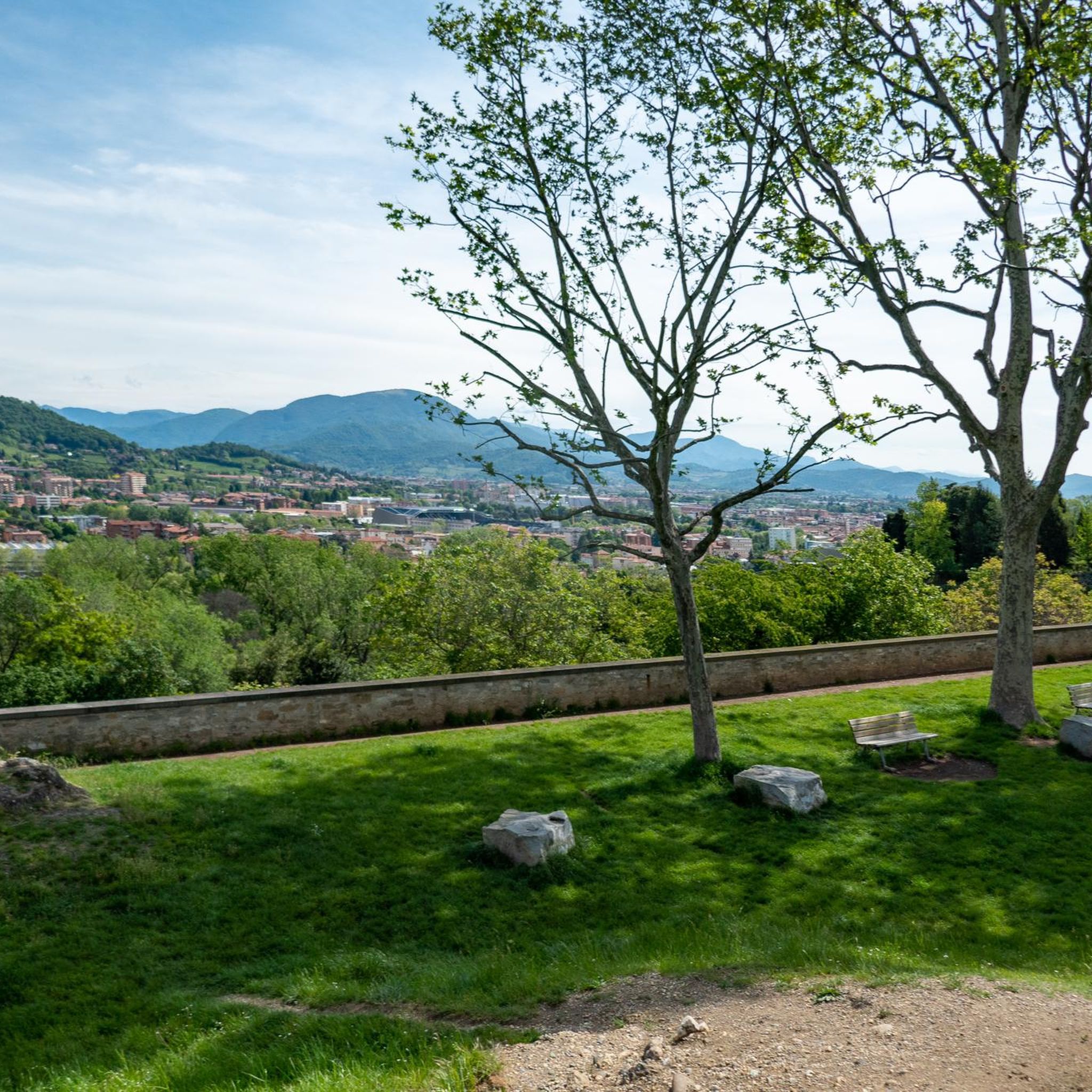
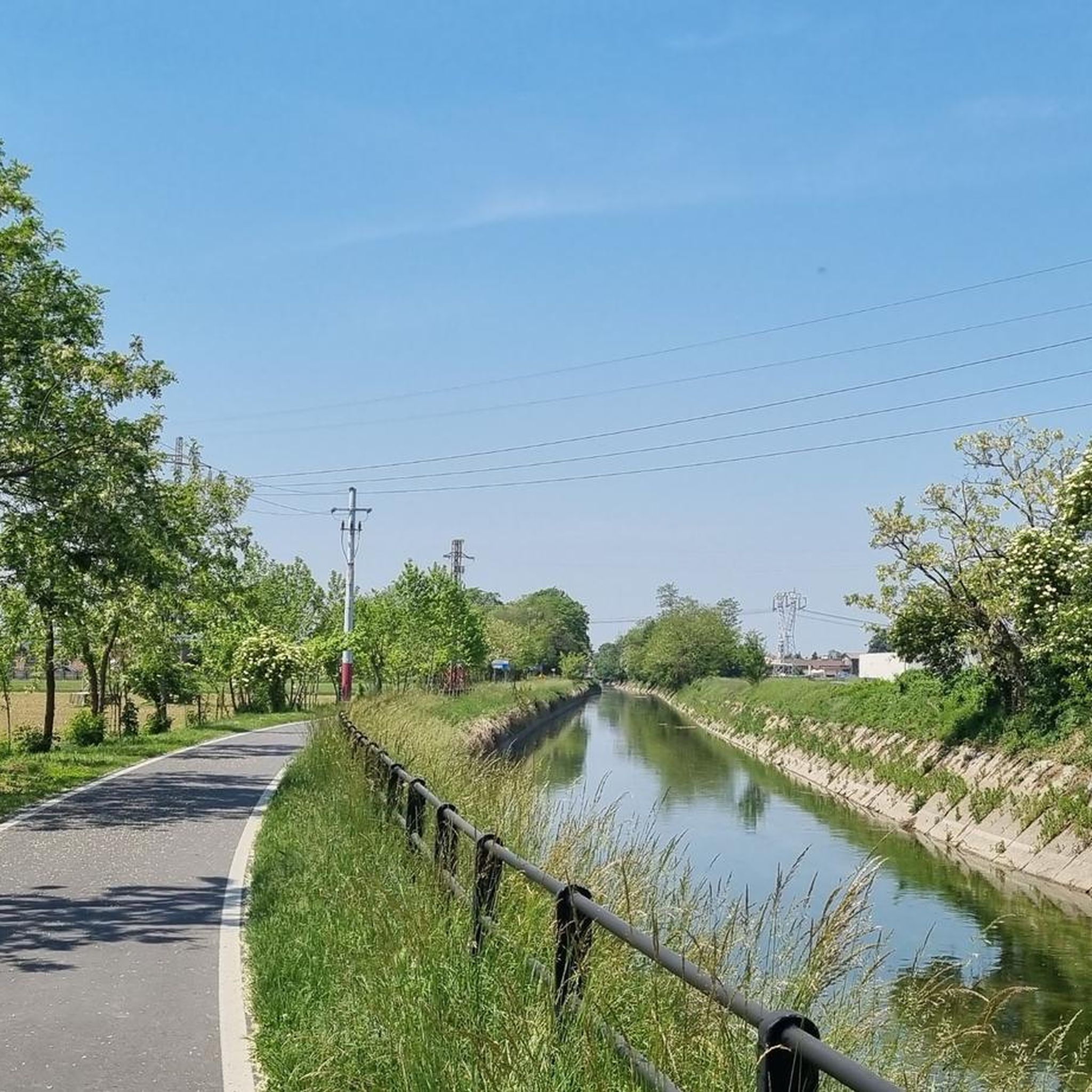
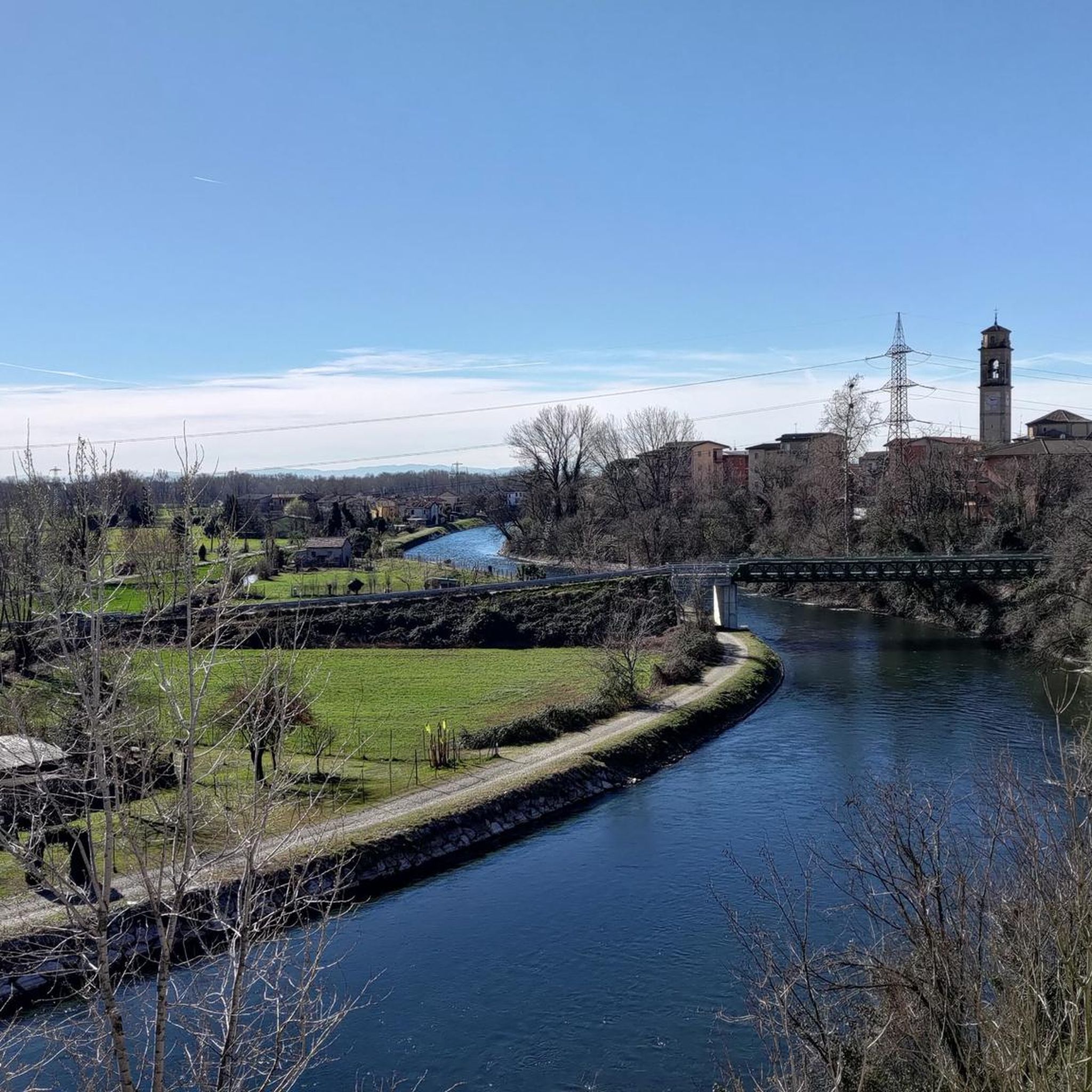
Tips from the Community

The section of the Naviglio Martesana cycle path between Bellinzago Lombardo and Inzago is a flat, entirely asphalted stretch without technical difficulties, ideal for cycle tourists of all levels. This specific rural fragment runs for about 3-4 kilometers along the Martesana canal in a protected area.
2
0
In Gorgonzola, the most famous historic bridges crossing the Naviglio Martesana are the monumental Ponte di Milano (in pink granite with a lower walkway for towing barges) and the iconic wooden pedestrian Ponte di Legno. These bridges are landmarks on the flat route of the Martesana cycle path, very popular for trips and walks.
1
0

The bridge over the Muzza Canal, located in Lavagna (a hamlet of the municipality of Comazzo in the province of Lodi), is a historical landmark for crossing this ancient artificial waterway. The Muzza is a branch of the Adda river, known for being one of the oldest canals in Europe. Lavagna Lodigiana is a small rural village immersed in the countryside that develops right next to the canal. The bridge area is frequented by cyclists and hikers who travel along the Muzza cycle path or the Muzza-Ponte di Lavagna route, enjoying the river landscape.
1
0
Villa Fornaci is a historic hamlet geographically divided between the municipalities of Gessate and Bellinzago Lombardo, in the metropolitan city of Milan. The core rises and develops entirely along the banks of the Naviglio della Martesana (also called Naviglio Piccolo), representing one of the most characteristic and historically rich hydraulic and industrial crossing points in the entire Martesana territory.
0
0
The Muzza canal (61 km long in total) is a branch of the Adda River and has recently celebrated its 800th anniversary, making it one of the oldest in Europe. Its name, with slight variations over the centuries, still recalls the Roman family Mutia who moved here in 90 BC, starting the first land reclamation works. Smaller watercourses branch off from the wide canal, winding through the countryside for a total length of about 1000 kilometers, mainly intended for agricultural irrigation. The surrounding landscape of countryside and farmhouses is evocative, with a succession of tree-lined rows and open fields. It is also very interesting from a naturalistic point of view as it attracts many aquatic birds that can be observed along the route.
2
0
The Muzza canal (61 km long in total) is a branch of the Adda River and recently celebrated its 800th anniversary, making it one of the oldest in Europe. Its name, with slight variations over the centuries, still recalls the name of the Roman Mutia family who moved here in 90 BC, initiating the first land reclamation works. Minor watercourses branch off from the wide canal, winding through the countryside for a total length of about 1000 kilometers, and are mainly intended for agricultural irrigation. The surrounding landscape of countryside and farmhouses is evocative, with rows of trees and open fields. It is also very interesting from a naturalistic point of view as it attracts many waterfowl that can be observed along the route.
2
0
Naviglio della Martesana is perhaps the least known of the ancient artificial canals connecting Milan to the great Lombard rivers. It originates from the Adda in Concesa, a hamlet of Trezzo d’Adda, crosses the Martesana sub-region, northeast of the provincial capital, and once in the city, it plunges underground beneath Via Melchiorre Gioia, at the height of Cassina de’ Pomm. It measures approximately 38 km in length, with a width varying from 9 to 18 meters. However, once upon a time, the Naviglio della Martesana continued in the open air all the way to the center, where a lock system centered on the Conca dell’Incoronata connected it to the short Naviglio di S. Marco and the urban network of the Navigli. The lock was inaugurated in 1496, utilizing lock gates designed by Leonardo da Vinci. The canal had been opened in 1471, under Francesco Sforza. By connecting it to the other Navigli, Leonardo laid the foundations for realizing a dream of the Sforzas: to travel by water from the Ticino, and therefore from Lake Maggiore, all the way to the Adda.
1
0
Leonardo's locks on the Naviglio della Martesana, particularly the Conca dell'Incoronata and the Conca di San Marco in Milan, are 15th-16th century engineering systems designed to overcome water level differences and connect the Martesana to the inner network of canals. Designed by Leonardo da Vinci, these locks used wooden leaf gates, designed to facilitate the passage of barges loaded with goods.
0
0
Frequently Asked Questions
How many running routes are available in Parco Dell’Alto Martesana?
Parco Dell’Alto Martesana offers a wide selection of running routes, with over 460 trails available for exploration. These routes cater to various fitness levels, including easy, moderate, and difficult options.
Are there running routes suitable for beginners in Parco Dell’Alto Martesana?
Yes, beginners will find suitable running routes in Parco Dell’Alto Martesana. There are approximately 30 easy routes, often featuring flat, paved surfaces along the Martesana Canal, perfect for those new to jogging or looking for a relaxed run.
What interesting landmarks or natural features can I see while jogging in Parco Dell’Alto Martesana?
While jogging in Parco Dell’Alto Martesana, you can encounter several notable features. The historic Martesana Canal itself is a scenic backdrop, and you might spot the famous Naviglio Martesana Cycle Path. The area also features the Adda River with its natural trails and interconnected green spaces like Parco Azzurro dei Germani. For a historical touch, look out for the Rudun Water Wheel near Groppello d'Adda, a structure possibly designed by Leonardo da Vinci.
Are there many circular running routes in the Parco Dell’Alto Martesana area?
Yes, many of the running routes in Parco Dell’Alto Martesana are circular, offering convenient starting and ending points. For example, the popular Martesana Canal loop from Inzago and the Trail Along the Adda River loop from Inzago are both excellent circular options.
Are dogs allowed on the running trails in Parco Dell’Alto Martesana?
Generally, dogs are welcome on the running trails in Parco Dell’Alto Martesana, especially on the canal paths and in the green spaces. It's always recommended to keep your dog on a leash and ensure you clean up after them to maintain a pleasant environment for all users.
Are there family-friendly jogging routes in Parco Dell’Alto Martesana?
Absolutely. The relatively flat and well-maintained paths along the Martesana Canal are ideal for family-friendly jogging. Routes like the Martesana Canal – Martesana Canal Cycle Path loop from Inzago offer smooth surfaces and scenic views suitable for all ages.
Where can I find parking near the jogging routes in Parco Dell’Alto Martesana?
Many running routes in Parco Dell’Alto Martesana start from towns like Inzago and Pozzuolo Martesana. You can typically find public parking available within these towns, providing convenient access to the canal paths and river trails.
What is the best time of year to go running in Parco Dell’Alto Martesana?
The best time to go running in Parco Dell’Alto Martesana is generally during spring and autumn when the weather is mild and comfortable. Summer mornings or evenings are also pleasant, while winter can offer crisp, scenic runs, though some paths might be affected by weather conditions.
What do other runners enjoy most about jogging in Parco Dell’Alto Martesana?
The komoot community highly rates the running experience in Parco Dell’Alto Martesana, with an average score of 4.3 stars from over 200 reviews. Runners frequently praise the diverse terrain, from paved canal paths to natural dirt roads along the Adda River, and the scenic beauty of the waterways and green spaces.
Are there any cafes or refreshment spots near the running routes?
While specific cafes directly on the trails are not detailed, the running routes often pass through or near towns such as Inzago and Pozzuolo Martesana. These towns typically offer various cafes, bars, and restaurants where you can find refreshments before or after your run.
What kind of terrain can I expect on the running trails?
The terrain in Parco Dell’Alto Martesana is quite varied. You'll find smooth, paved surfaces along the Martesana Canal cycle path, as well as dirt roads and wooded sections, particularly near the Adda River. This mix provides options for different preferences and running styles.
How long are the running paths in Parco Dell’Alto Martesana?
Running paths in Parco Dell’Alto Martesana vary significantly in length. You can find shorter routes, but many popular options range from moderate distances like the Martesana Canal – Martesana Canal Cycle Path loop from Inzago at 7.6 miles (12.3 km) to longer, more challenging runs such as the Martesana Canal loop from Inzago, which is 11.7 miles (18.9 km).
Most popular routes in Parco Dell’Alto Martesana
Most popular attractions in Parco Dell’Alto Martesana

Get inspired with the komoot mobile app


Explore more
Browse the best Running Trails & Routes in other regions.
