The best walks and hikes in Parco Dell’Alto Martesana
4.4
(835)
6,798
hikers
361
hikes
Hiking trails in Parco Dell’Alto Martesana traverse a landscape characterized by agricultural lands and natural corridors, forming a "Green Backbone" that connects larger protected areas. The park, covering approximately 1,120 hectares, integrates these spaces with the Naviglio Martesana canal. A significant natural feature is the WWF Natural Oasis of Martesana, a renatured former quarry spanning over 30 hectares, rich in biodiversity. The terrain generally offers accessible paths suitable for various skill levels, with minimal elevation changes.
Best hiking trails in…
Last updated: July 9, 2026
5.0
(6)
62
hikers
9.65km
02:26
20m
20m
Moderate hike. Good fitness required. Easily-accessible paths. Suitable for all skill levels.
48
hikers
6.38km
01:36
10m
10m
Easy hike. Great for any fitness level. Easily-accessible paths. Suitable for all skill levels.

Sign up for free
3.0
(1)
60
hikers
7.71km
01:57
10m
10m
Easy hike. Great for any fitness level. Easily-accessible paths. Suitable for all skill levels.
5.0
(2)
21
hikers
6.14km
01:33
10m
10m
Easy hike. Great for any fitness level. Easily-accessible paths. Suitable for all skill levels.
5.0
(2)
19
hikers
Moderate hike. Good fitness required. Easily-accessible paths. Suitable for all skill levels.
Get access to more routes and recommendations from other explorers.
Sign up for free
Already have an account?
Our route recommendations are based on thousands of hikes, rides, and runs completed by other people on komoot.
Start today with a free account
Your next adventure awaits.
Login or Signup
Tips from the Community

The Locks of Bellinzago Lombardo are an important historical hydraulic engineering work located along the course of the Naviglio della Martesana. They represent one of the best-known stopping and points of interest for cyclists and hikers who frequent the canal bank. These historical hydraulic systems (locks or sluices) originally served to regulate the flow of water and allow commercial navigation between the Adda and Milan.
0
0

The Naviglio della Martesana, definitively completed in 1496 under the guidance of Ludovico il Moro, flows from Trezzo sull’Adda to Milan for a total length of 38 km. The route runs alongside the ancient Roman road (the current SS 11 padana superiore) which crossed the Adda with two branches: at Vaprio and Cassano. Irrigation of the land located above the spring belt was for a long time the predominant use of the canal, so much so that initially navigation was limited to two days a week; concurrently with the improvement of the agricultural structure thanks to irrigation, a notable flourishing of stately villas occurred in the Baroque era, intended to enjoy the convenience of travel on water and to control owned lands.
1
0
Naviglio della Martesana is perhaps the least known of the ancient artificial canals connecting Milan to the great Lombard rivers. It originates from the Adda in Concesa, a hamlet of Trezzo d’Adda, crosses the Martesana sub-region, northeast of the provincial capital, and once in the city, it plunges underground beneath Via Melchiorre Gioia, at the height of Cassina de’ Pomm. It measures approximately 38 km in length, with a width varying from 9 to 18 meters. However, once upon a time, the Naviglio della Martesana continued in the open air all the way to the center, where a lock system centered on the Conca dell’Incoronata connected it to the short Naviglio di S. Marco and the urban network of the Navigli. The lock was inaugurated in 1496, utilizing lock gates designed by Leonardo da Vinci. The canal had been opened in 1471, under Francesco Sforza. By connecting it to the other Navigli, Leonardo laid the foundations for realizing a dream of the Sforzas: to travel by water from the Ticino, and therefore from Lake Maggiore, all the way to the Adda.
1
0
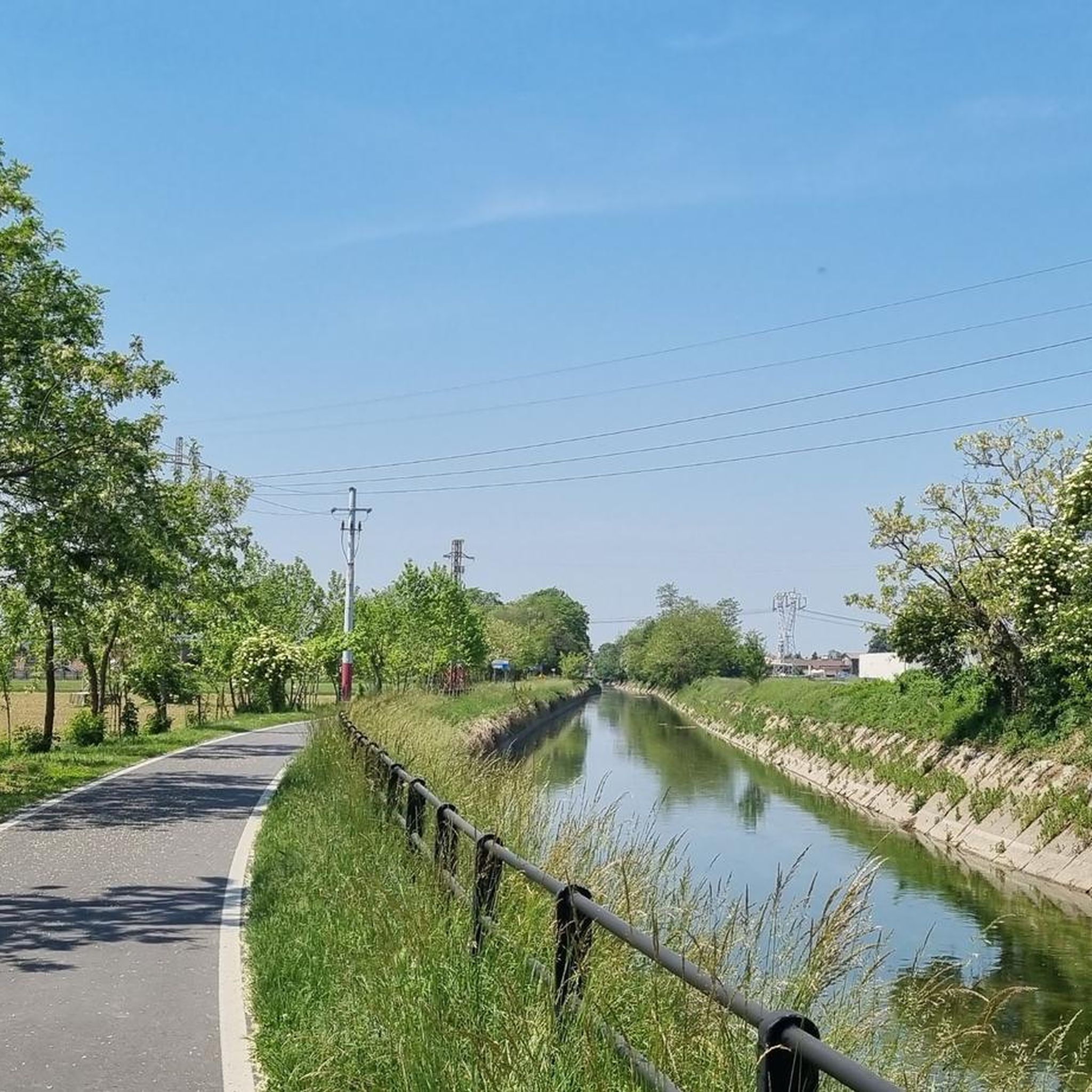
The Naviglio della Martesana, initially known as Naviglio Piccolo, is one of the Milanese canals that connects Milan with the course of the Adda river through the municipalities of Martesana. Commissioned in the 15th century by Francesco Sforza, it was used for irrigating the countryside but also represented the ambitious project of connecting Milan with Lake Como and thus with the Alps and Ticino. The Naviglio della Martesana is a place rich in history and beauty, a heritage for everyone that, however, today is still little known and protected. Along the Naviglio runs a rather busy cycle path, which allows you to admire the landscape and cultural beauties, such as the rich flora, fauna, or the numerous historic villas, including the Renaissance Villa Melzi d’Eril in Vaprio d’Adda.
1
0
Leonardo's locks on the Naviglio della Martesana, particularly the Conca dell'Incoronata and the Conca di San Marco in Milan, are 15th-16th century engineering systems designed to overcome water level differences and connect the Martesana to the inner network of canals. Designed by Leonardo da Vinci, these locks used wooden leaf gates, designed to facilitate the passage of barges loaded with goods.
0
0

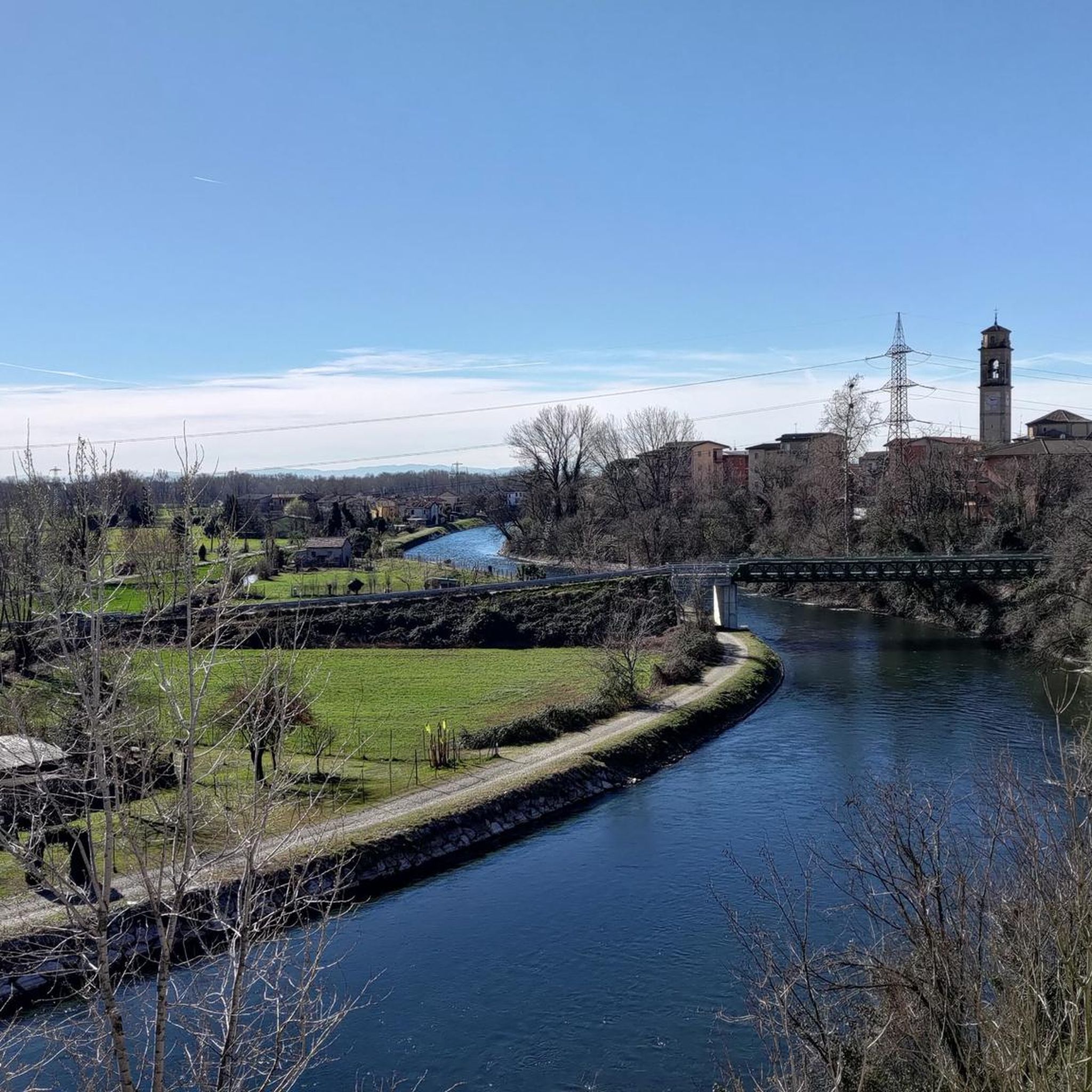
Beautiful walkway; you can push your bike and enjoy a truly breathtaking view of the Adda River. It's very busy on Sundays.
0
0

In Groppello d'Adda, along the Martesana Canal, there is a large waterwheel called "el rudun." It is not a mill, but a noria that was used to raise water for irrigation. It was built in 1618 at the behest of Cardinal Federico Borromeo. It was used to irrigate the vegetable gardens and gardens of the Archbishop's Villa. Tradition attributes the design to Leonardo da Vinci. The water also fed kitchens, washhouses, and livestock watering troughs. The original wheel was dismantled in the late 19th century. The current one is a 1989 reconstruction, restored several times. It has a diameter of 11 meters and eight large blades. Today, it is a historical and educational symbol that tells the story of the area's past.
2
0

Better during the week, Saturday and Sunday full of tourists
0
0
Frequently Asked Questions
How many hiking trails are available in Parco Dell’Alto Martesana?
Parco Dell’Alto Martesana offers a wide variety of hiking opportunities, with over 300 routes available. These range from easy strolls to more moderate excursions, ensuring options for all skill levels.
What is the best time of year to hike in Parco Dell’Alto Martesana?
The park's blend of agricultural lands and natural corridors makes it enjoyable throughout much of the year. Spring and autumn offer pleasant temperatures and vibrant scenery, while summer can be suitable for early morning or late afternoon hikes. The paths are generally accessible, with minimal elevation changes.
What kind of terrain can I expect on the trails in Parco Dell’Alto Martesana?
The terrain primarily consists of accessible paths traversing agricultural lands and natural corridors. You'll find a 'Green Backbone' connecting larger protected areas, with generally flat routes and minimal elevation changes, making for comfortable walking.
Are there easy trails suitable for beginners or families with children?
Yes, Parco Dell’Alto Martesana is very family-friendly and offers many easy trails. Approximately half of the routes are classified as easy, perfect for leisurely walks or outings with children. An example is the Farmhouse loop from Inzago, an easy 3.8-mile path through agricultural areas.
Are there any circular walks in the park?
Many of the trails in Parco Dell’Alto Martesana are designed as circular routes, allowing you to start and end in the same location. For instance, the Hiking loop from Inzago is a moderate 6.0-mile circular trail offering varied scenery.
What natural features or wildlife can I see while hiking?
The park is rich in biodiversity, especially at the WWF Natural Oasis of Martesana, a renatured former quarry. Here, you can observe over 110 bird species, including Common Pochards, Eurasian Teals, and Grey Herons, along with various amphibians, dragonflies, and butterflies. The oasis also features diverse aquatic and marshland flora.
Are there any historical points of interest along the trails?
Yes, the Naviglio Martesana canal itself is a historical feature, with sections offering scenic walks. You might encounter historical elements like the 'rudun,' a large wheel built in 1618 by Cardinal Federico Borromeo to draw water from the canal. Additionally, you can explore highlights such as Santa Maria delle Grazie al Monasterolo.
Can I hike along the Naviglio Martesana?
While primarily known for its cycling path, sections of the Naviglio Martesana can certainly be enjoyed by walkers. The canal offers scenic views and a glimpse into the region's historical and agricultural context. You can find paths like the Naviglio Martesana Cycle Path Between Bellinzago Lombardo and Inzago that are suitable for walking.
Are dogs allowed on the hiking trails in Parco Dell’Alto Martesana?
Generally, dogs are welcome on trails in Parco Dell’Alto Martesana. However, it's always recommended to keep them on a leash, especially in areas with wildlife or near agricultural fields, and to clean up after them to preserve the natural environment for everyone.
Where can I park when visiting Parco Dell’Alto Martesana?
Parking is typically available in the municipalities surrounding the park, such as Inzago, Melzo, and Pozzuolo Martesana. Many trailheads are accessible from these towns, and local parking facilities can be found near starting points for popular routes.
How can I reach the trailheads using public transport?
The park encompasses territories across several municipalities like Pozzuolo Martesana, Melzo, and Inzago. These towns are generally served by local public transport, making it possible to reach various starting points for hikes without a car. Check local bus schedules for connections to the specific trailhead you plan to visit.
What do other hikers say about the trails in Parco Dell’Alto Martesana?
The trails in Parco Dell’Alto Martesana are highly rated by the komoot community, with an average score of 4.3 stars from over 600 reviews. Hikers often praise the accessible paths, varied scenery, and the peaceful atmosphere of the agricultural lands and natural corridors.
Are there places to eat or stay near the hiking trails?
The municipalities surrounding Parco Dell’Alto Martesana, including Inzago, Melzo, and Pozzuolo Martesana, offer various amenities. You can find cafes, restaurants, and accommodation options in these towns, providing convenient places to refuel or stay overnight before or after your hike.
Most popular routes in Parco Dell’Alto Martesana
Most popular attractions in Parco Dell’Alto Martesana

Get inspired with the komoot mobile app


Explore more
Browse the best Hikes in other regions.
