The best MTB trails in Bruchköbel
4.6
(1941)
4,552
riders
399
rides
Mountain bike trails in Bruchköbel are set within the Spessart region, characterized by dense forests and rolling hills that provide varied terrain. The area offers extensive trail networks suitable for different skill levels. Routes often follow the Main River and pass through natural reserves like the Nidda-Auen, providing scenic views and diverse landscapes. This geographical setting makes Bruchköbel a starting point for exploring the low mountain range.
Best mountain bike trails in Bruchköbel
- The most popular mountain bike trail is…
Last updated: October 4, 2026
4.7
(10)
22
riders
21.7km
01:14
30m
30m
Hard mountain bike ride. Great for any fitness level. Advanced riding skills necessary. Some portions of the route may require you to push your bike.
4.0
(3)
7
riders
Easy mountain bike ride. Great for any fitness level. Suitable for all skill levels.

5.0
(1)
10
riders
Easy mountain bike ride. Great for any fitness level. Suitable for all skill levels.
4.9
(15)
42
riders
43.6km
02:30
320m
320m
Moderate mountain bike ride. Good fitness required. Advanced riding skills necessary.
5.0
(10)
23
riders
48.8km
03:25
580m
580m
Moderate mountain bike ride. Good fitness required. Advanced riding skills necessary.
Get access to more routes and recommendations from other explorers.
Already have an account?
Our route recommendations are based on thousands of hikes, rides, and runs completed by other people on komoot.
Start today with a free account
Your next adventure awaits.
Tips from the Community

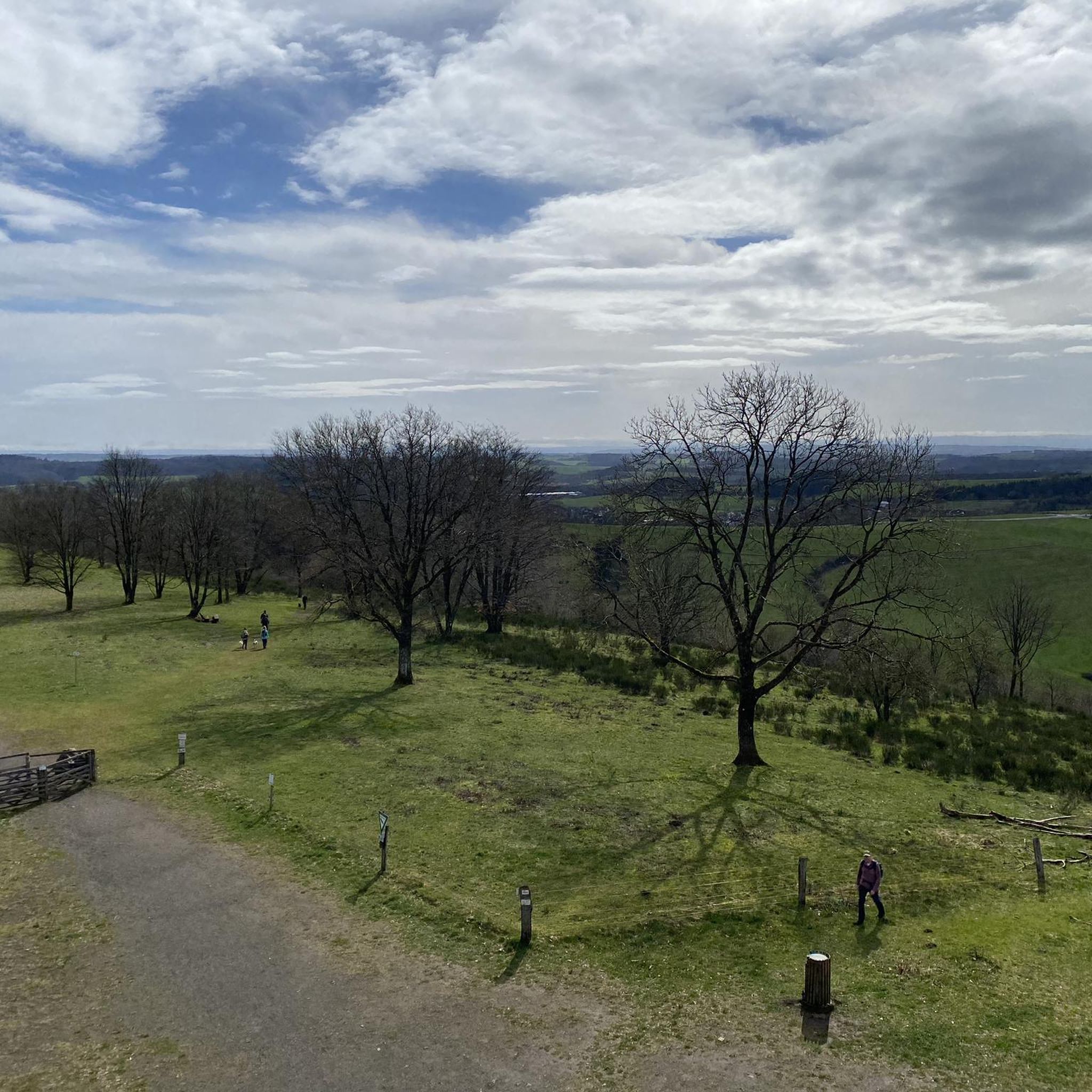
A great viewpoint with a view all the way to the Taunus - Frankfurt. On the other sides are the Odenwald and Spessart.
0
0

It is a beautiful bridge for pedestrians and cyclists.
0
0

Origins and Early Modern Period 14th century: Probable origin and construction of the first mill on the Kinzig. 1667: First secure documentary mention, granted to the miller Hans Georg Krembs. 18th century: Expansion to include an oil and millet mill and later a snuff mill.
0
0
The history of the Rückinger Mühle dates back to the 14th century. The most important milestones include: the documented mention in 1667, its operation as a grist mill for the flour brand „Kinzigstolz“ until a major fire in 1959, and the conversion to green electricity generation using Francis shaft turbines in 1961. (Note: The abbreviation „KI“ has no historical significance in the history of this mill; in the modern context, „NaTourHuKi“ simply stands for a nature and culture project on the Kinzig).
0
0

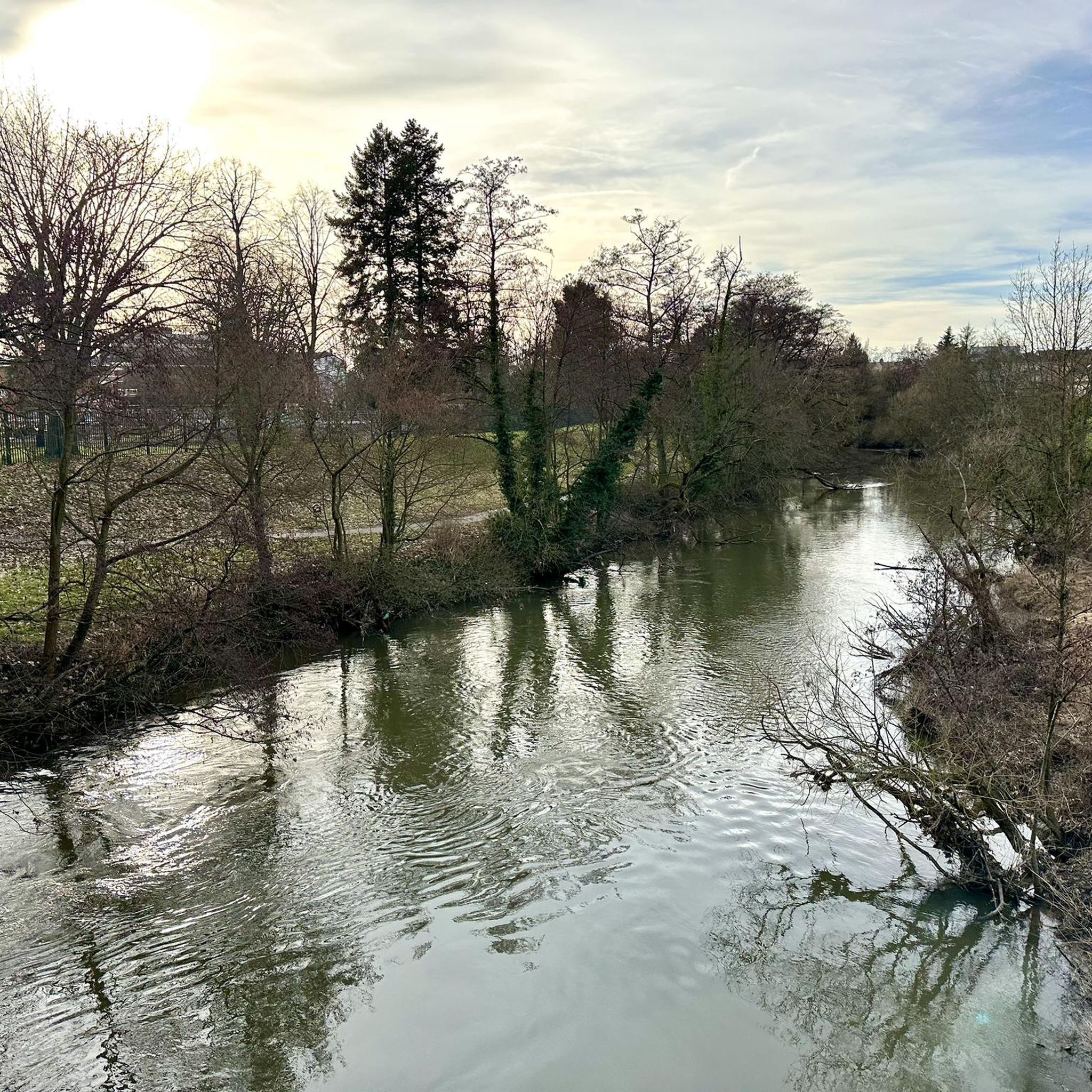
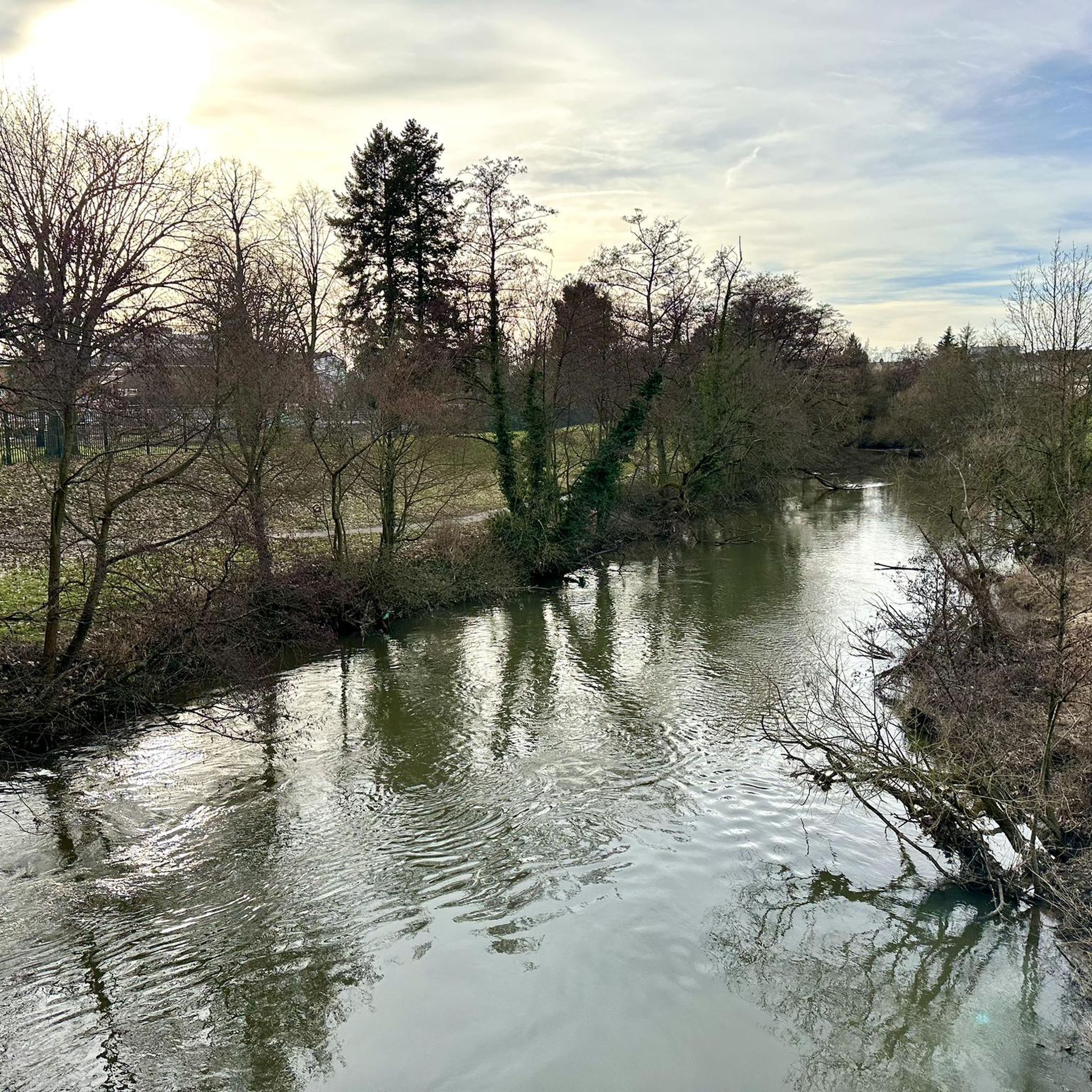
Beautiful narrow path along the Kinzig.
0
0
In previous years, I wondered what the purpose of this building was.
1
0

From here on, the riverside path on the right bank of the Kinzig is wildly romantic and beautiful.
0
0
Here you can enjoy the stunning panorama.
1
0
Frequently Asked Questions
How many mountain bike trails are available in Bruchköbel?
Bruchköbel and the surrounding Spessart region offer an extensive network of over 400 mountain bike trails. These routes cater to various skill levels, from easy paths to challenging single trails.
What is the best time of year for mountain biking in Bruchköbel?
The best seasons for mountain biking in Bruchköbel are spring and autumn, when the weather is mild and nature is particularly vibrant. Even in summer, early morning or evening rides are a great option to enjoy the trails.
Are there mountain bike trails suitable for beginners or families in Bruchköbel?
Yes, Bruchköbel offers a good selection of trails suitable for beginners and families. There are over 120 easy routes available. An example is the Wilhelmsbad Spa House – Wilhelmsbad State Park, Hanau loop from Hanau Nord, which is rated as easy and takes you through Wilhelmsbad State Park.
What kind of terrain can I expect on mountain bike trails in Bruchköbel?
The terrain in Bruchköbel is characterized by the Spessart region's dense forests and rolling hills, offering varied conditions. You'll find everything from relatively flat sections along river valleys to more technical single trails with climbs and descents.
Are there any challenging mountain bike routes for experienced riders?
Absolutely. For experienced riders seeking a challenge, Bruchköbel has over 25 difficult mountain bike routes. A notable option is the Viewpoint shelter at Hahnenkammsee – View of Hahnenkamm Lake loop from Hanau Nord, a demanding 59.1-mile trail with significant elevation changes.
What do other mountain bikers say about the trails in Bruchköbel?
The mountain bike trails in Bruchköbel are highly rated by the komoot community, with an average score of 4.6 stars from over 1600 reviews. Riders often praise the diverse landscapes, well-marked paths, and the opportunity to explore the natural beauty of the Spessart region.
Are there mountain bike trails that offer scenic views or pass by natural attractions?
Many trails in Bruchköbel offer scenic views and pass through natural attractions. For instance, the View of the Frankfurt Skyline – Niddaauen Cycle Path loop from Bruchköbel offers views of the Frankfurt skyline and goes through the Nidda-Auen nature reserve. Routes also run along the Main and Kinzig rivers, providing picturesque waterside scenery.
Can I find circular mountain bike routes in Bruchköbel?
Yes, many mountain bike routes in Bruchköbel are designed as circular loops, making them convenient for starting and ending at the same point. An example is the Kinzigsteg Bulau – Kinzig Bridge loop from Hanau Nord, which is a difficult 13.2-mile circular path.
Are there any specific natural reserves or areas of interest for mountain bikers near Bruchköbel?
The Nidda-Auen nature reserve, which is part of the Nidda Cycle Path, is a significant area of interest near Bruchköbel. It's known for its rare animal and plant species and offers a relaxed cycling experience amidst nature. The Spessart region itself is a low mountain range characterized by dense forests and rolling hills, providing a rich natural environment for exploration.
Are there any cultural or historical attractions near the mountain bike trails in Bruchköbel?
While not directly on a mountain bike trail, the Baroque Philippsruhe Palace in Hanau is a notable cultural and architectural monument nearby. It features a beautiful park perfect for a leisurely stroll after an active day and is located near the Main River.
What are the typical distances and durations for mountain bike trails in Bruchköbel?
Trail distances vary widely, from shorter routes of around 13 miles to longer, more challenging rides exceeding 50 miles. Durations can range from just over an hour for easier, shorter loops to several hours for difficult, extended trails, depending on your pace and the route's technicality.
Are there any trails that follow river paths?
Yes, several mountain bike routes in the Bruchköbel area follow river paths. You can find trails along the Main River and the Kinzig River, such as the Kinzig Bridge – St. Wolfgang Monastery Ruins loop from Hanau Nord, offering scenic views of the water and green surroundings.
Most popular routes in Bruchköbel

Get inspired with the komoot mobile app


Explore more
Browse the best MTB trails in other regions.
