Top 20 Caves in Naturpark Sauerland-Rothaargebirge
Best caves in Naturpark Sauerland-Rothaargebirge offer unique geological features and historical significance. This region is characterized by its diverse natural landscape, including impressive underground formations. Visitors can explore various cave systems, each providing distinct insights into the area's natural history and geology. The Naturpark Sauerland-Rothaargebirge provides opportunities for engaging visitor experiences within these subterranean environments.
Best caves in Naturpark Sauerland-Rothaargebirge
- The most popular caves is Feldhof Cave, a cave that is very large and requires a flashlight for exploration.…
Last updated: July 5, 2026
Feldhof Cave
Highlight • Cave
Translated by Google •
Tip by

Felsenmeer (Hemer)
Highlight • Natural Monument
Translated by Google •
Tip by

Sign up now to discover places like this
Get recommendations on the best single tracks, peaks, & plenty of other exciting outdoor places.
Sign up for free
Seven Maidens Rock Formation
Highlight • Natural Monument
Translated by Google •
Tip by

Haake Cave
Highlight • Cave
Translated by Google •
Tip by

Balver Cave
Highlight • Cave
Translated by Google •
Tip by

Sign up for free to discover even more caves in Naturpark Sauerland-Rothaargebirge.
Sign up for free
Already have an account?
Start today with a free account
Your next adventure awaits.
Login or Signup
Popular around Naturpark Sauerland-Rothaargebirge
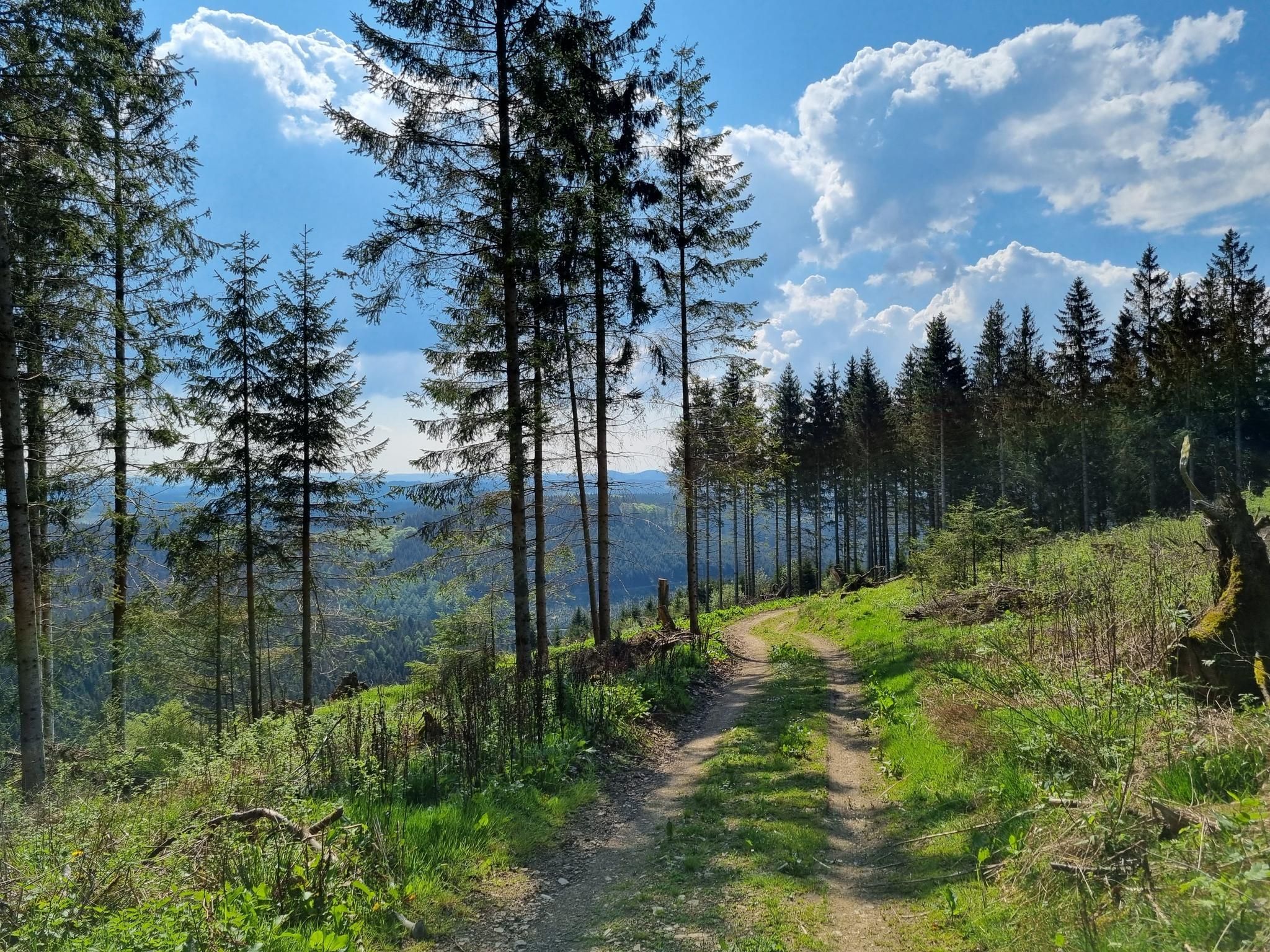
Ehmsenweg – Hiking through Western Sauerland
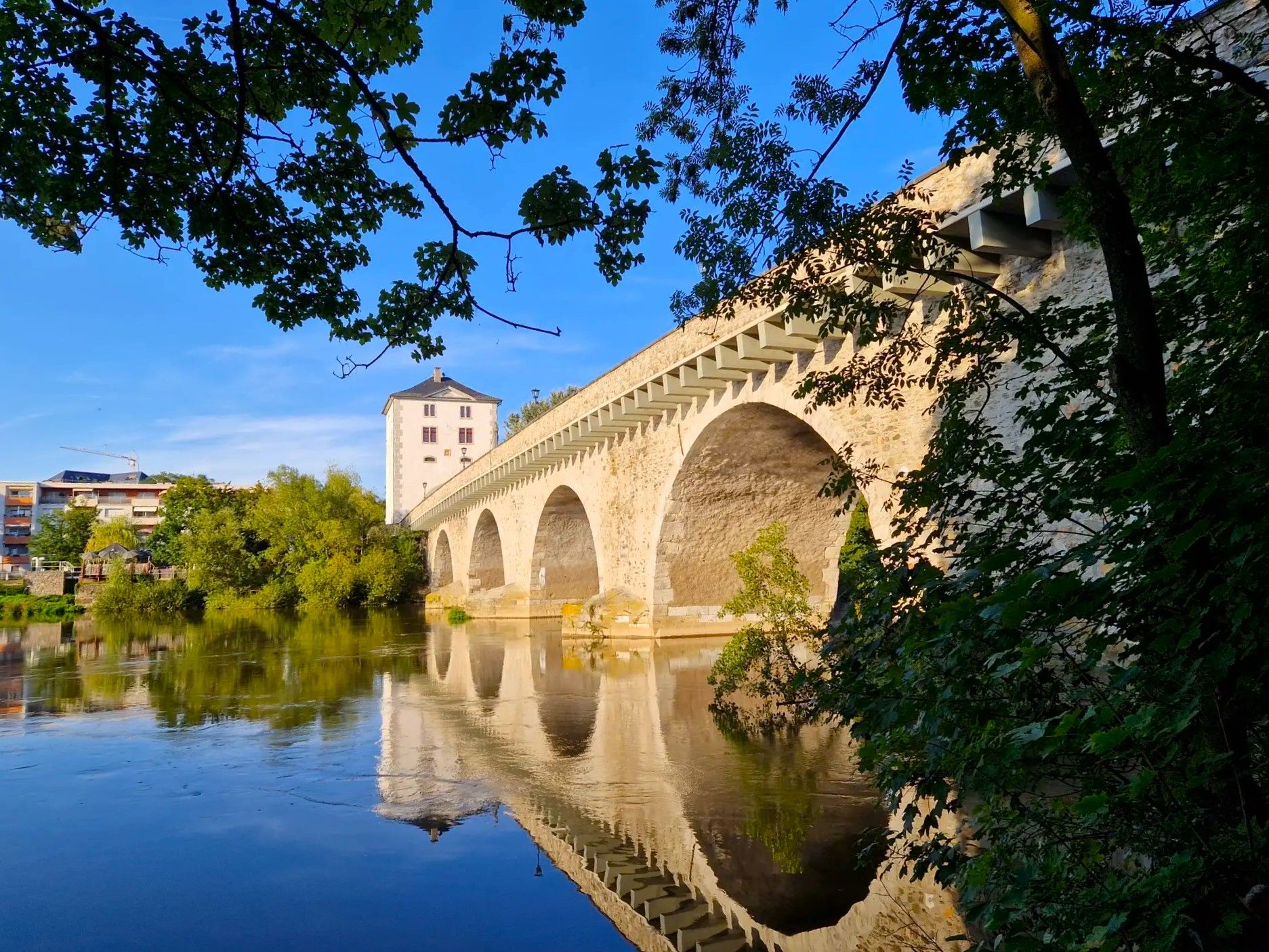
Lahnwanderweg Trail – The Lahn from its source to the estuary
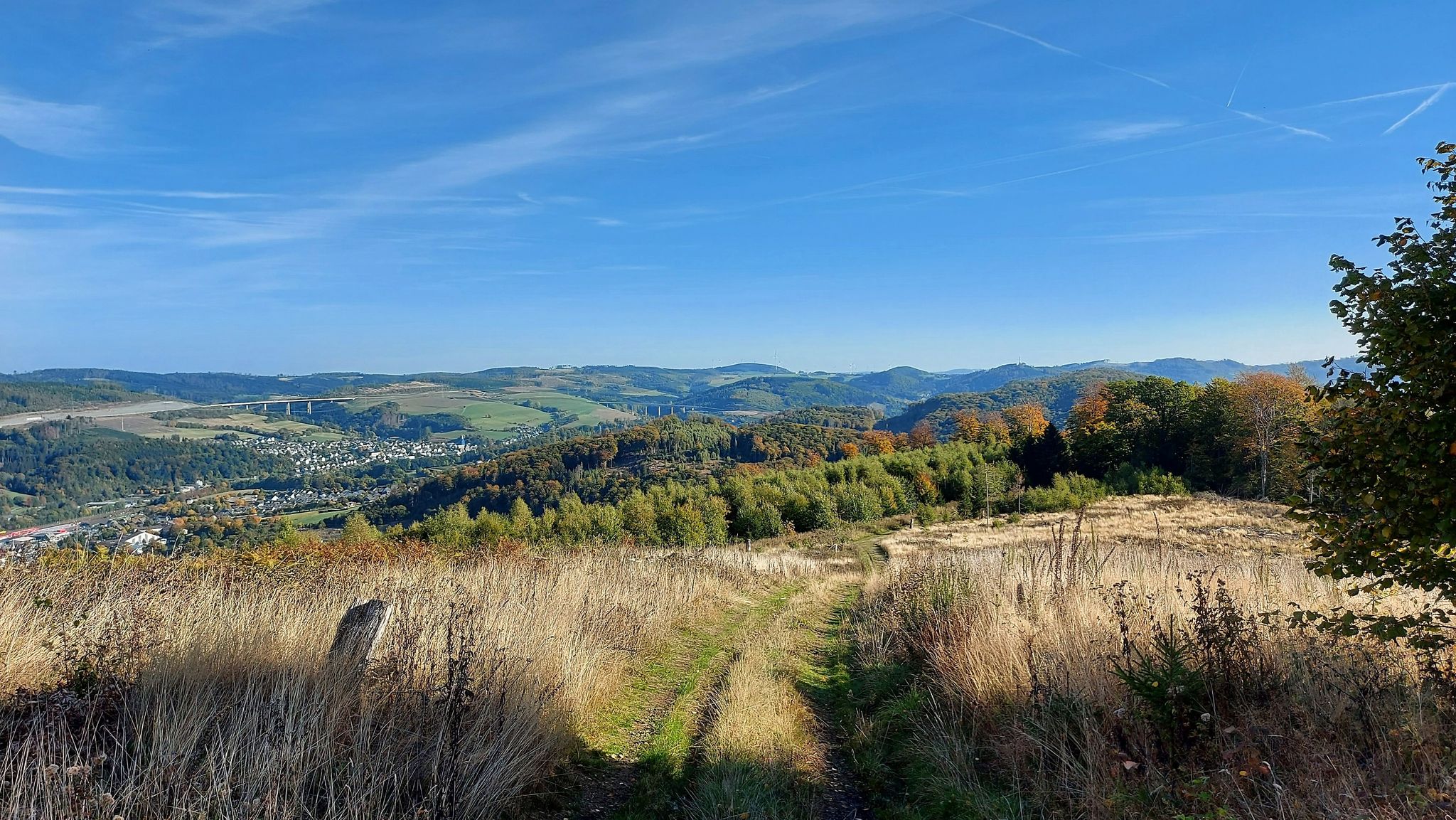
Bestwig Panorama Trail – 4 days of Sauerland views
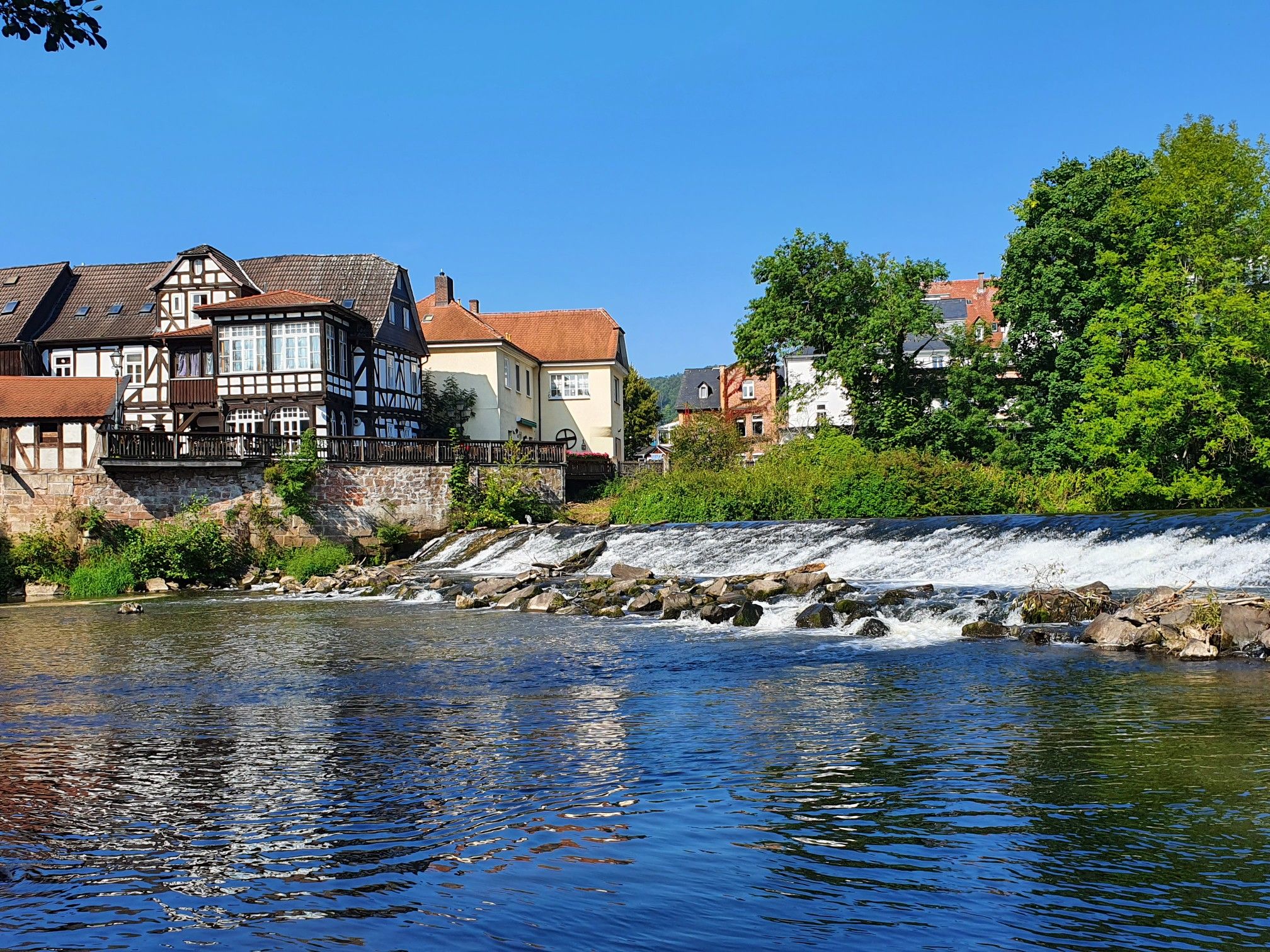
11 Hessen trails – criss-cross through the countryside
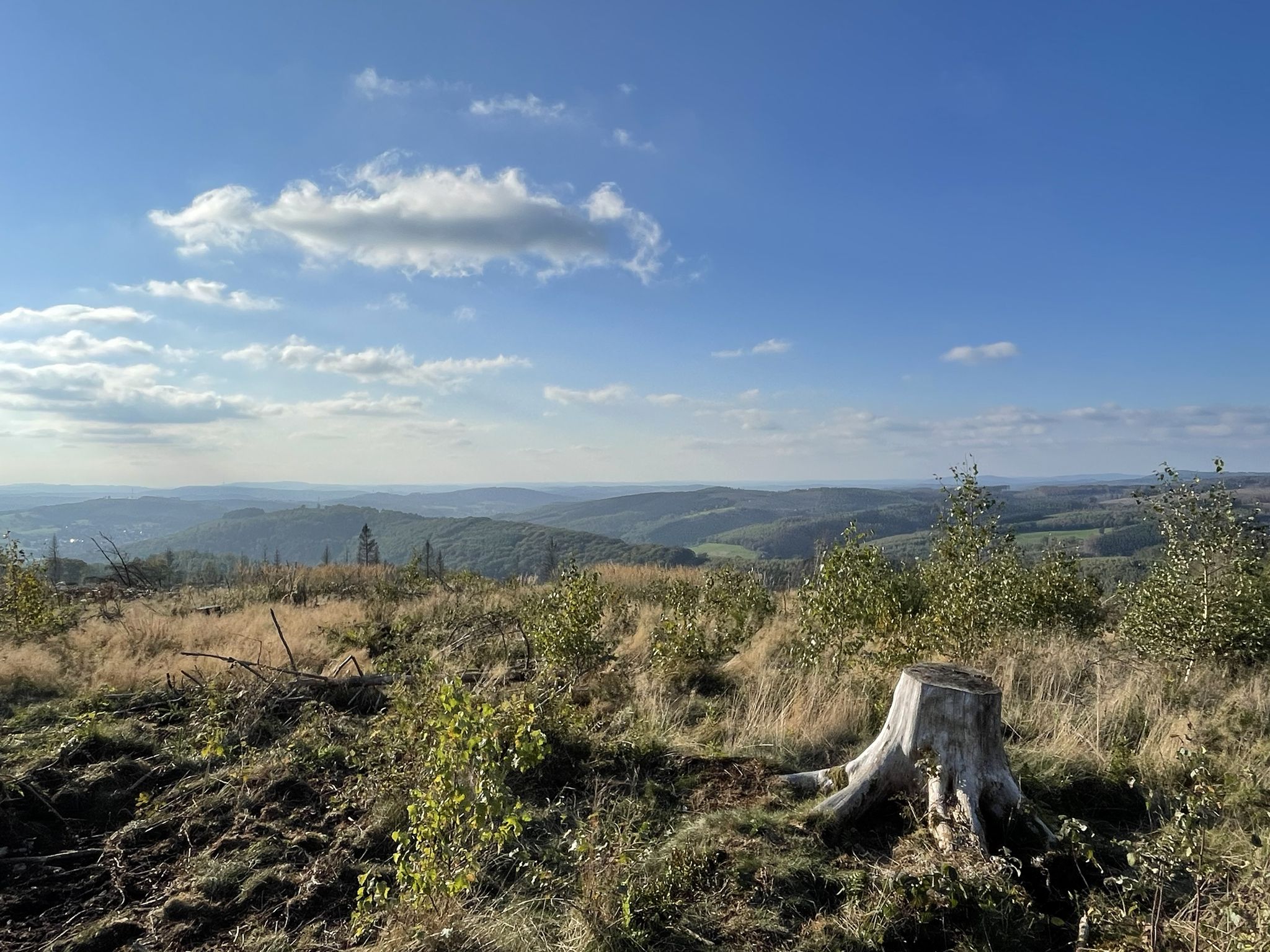
Siegerland-Höhenring – A classic in six stages
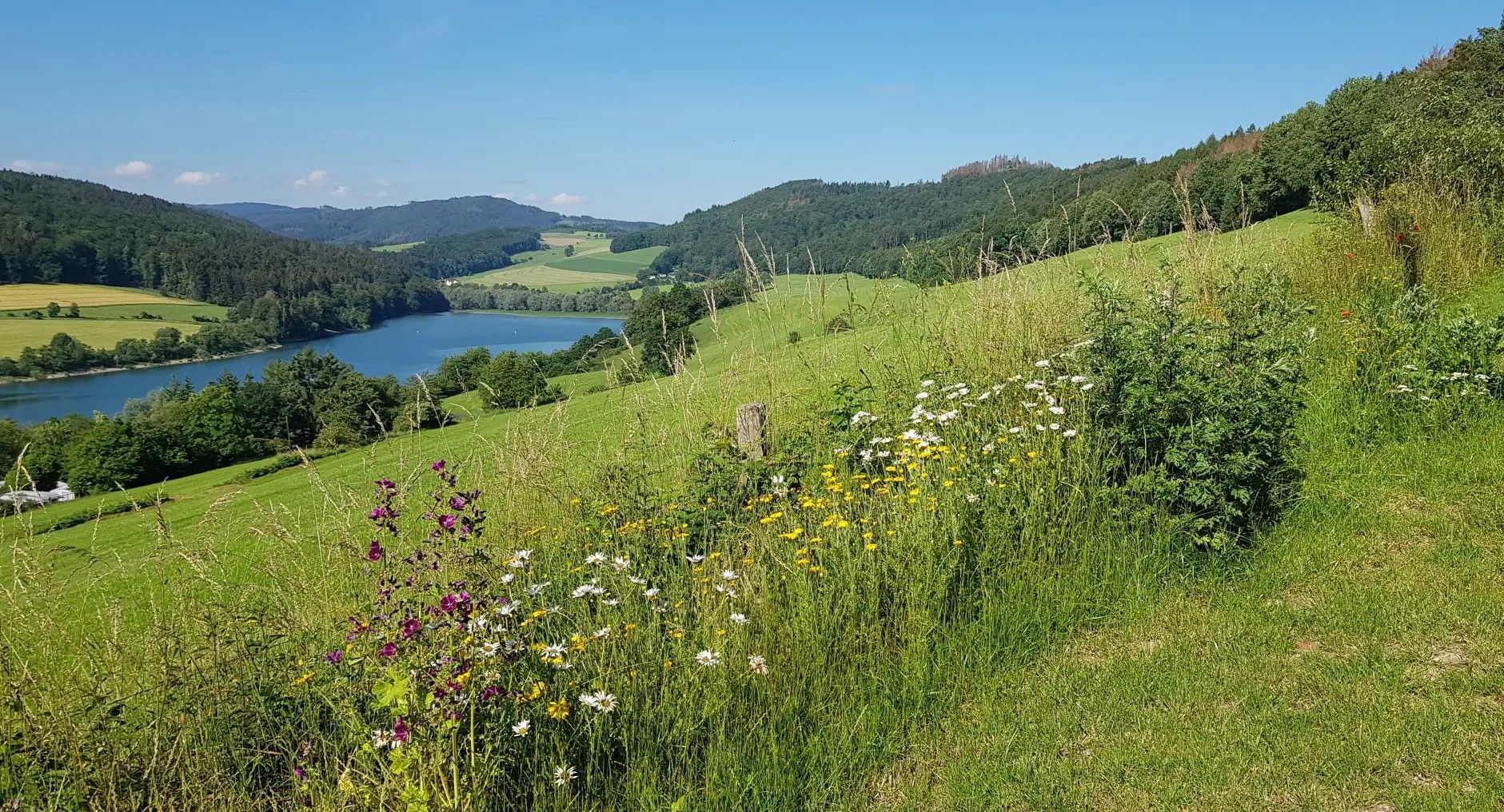
Germany's Sauerland Forest Route – Views and discoveries
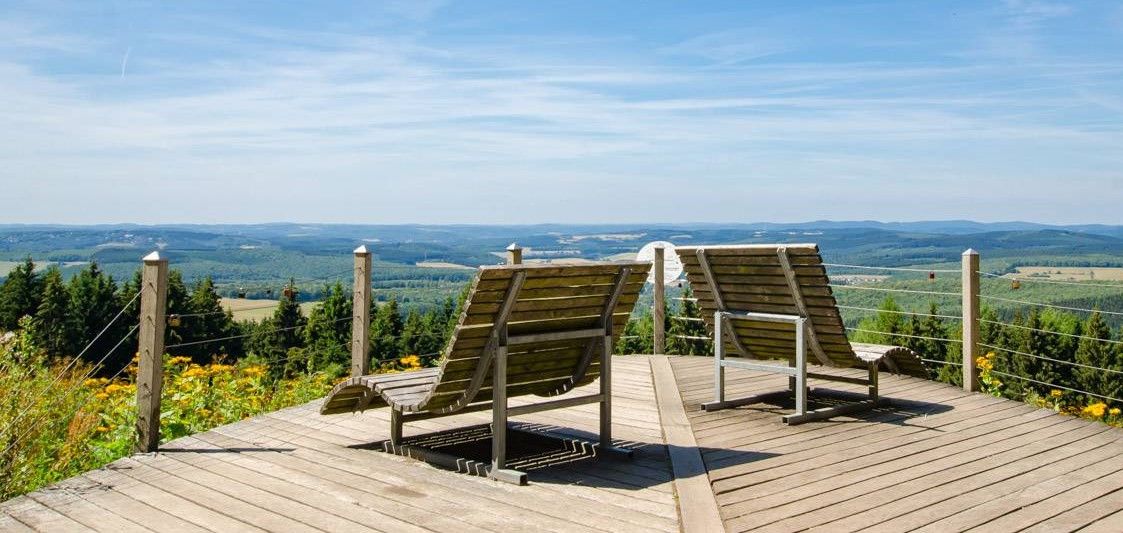
Siegerland-Höhenring – Discover a classic in 6 days
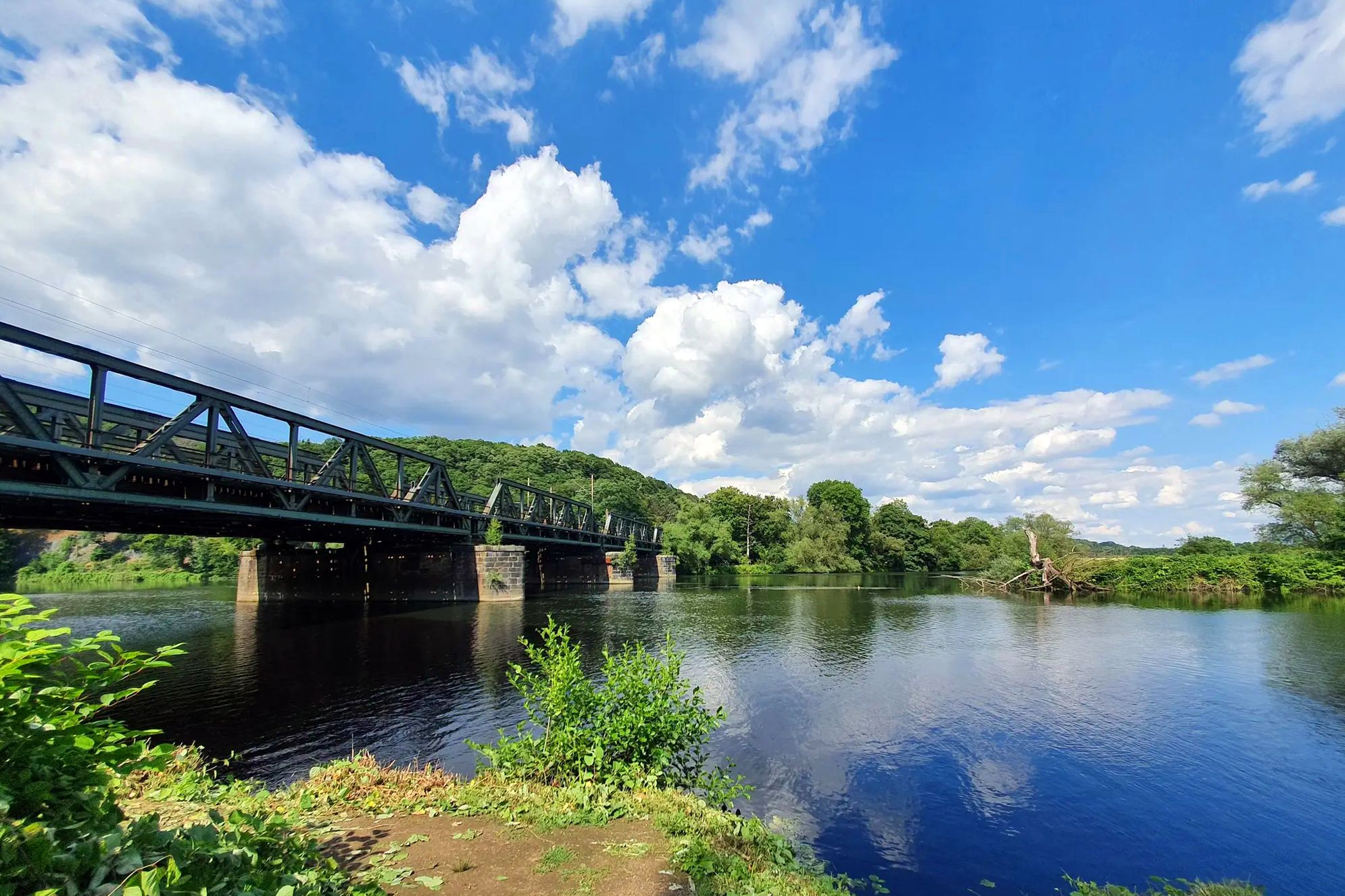
The Lenneroute – From mountains to the Ruhr through the Sauerland
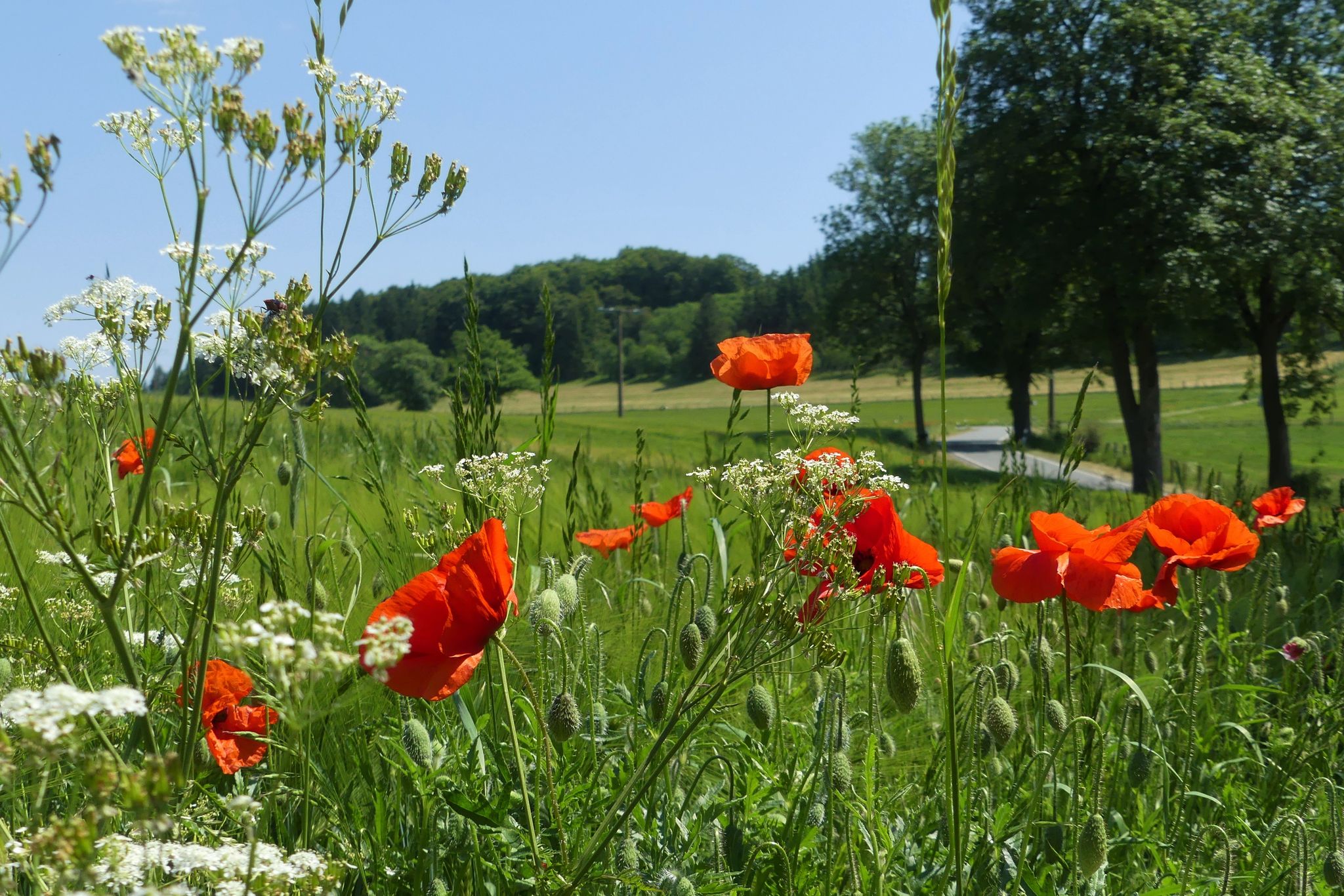
Hiking the Uplandsteig in North Hesse – From lively to lonely
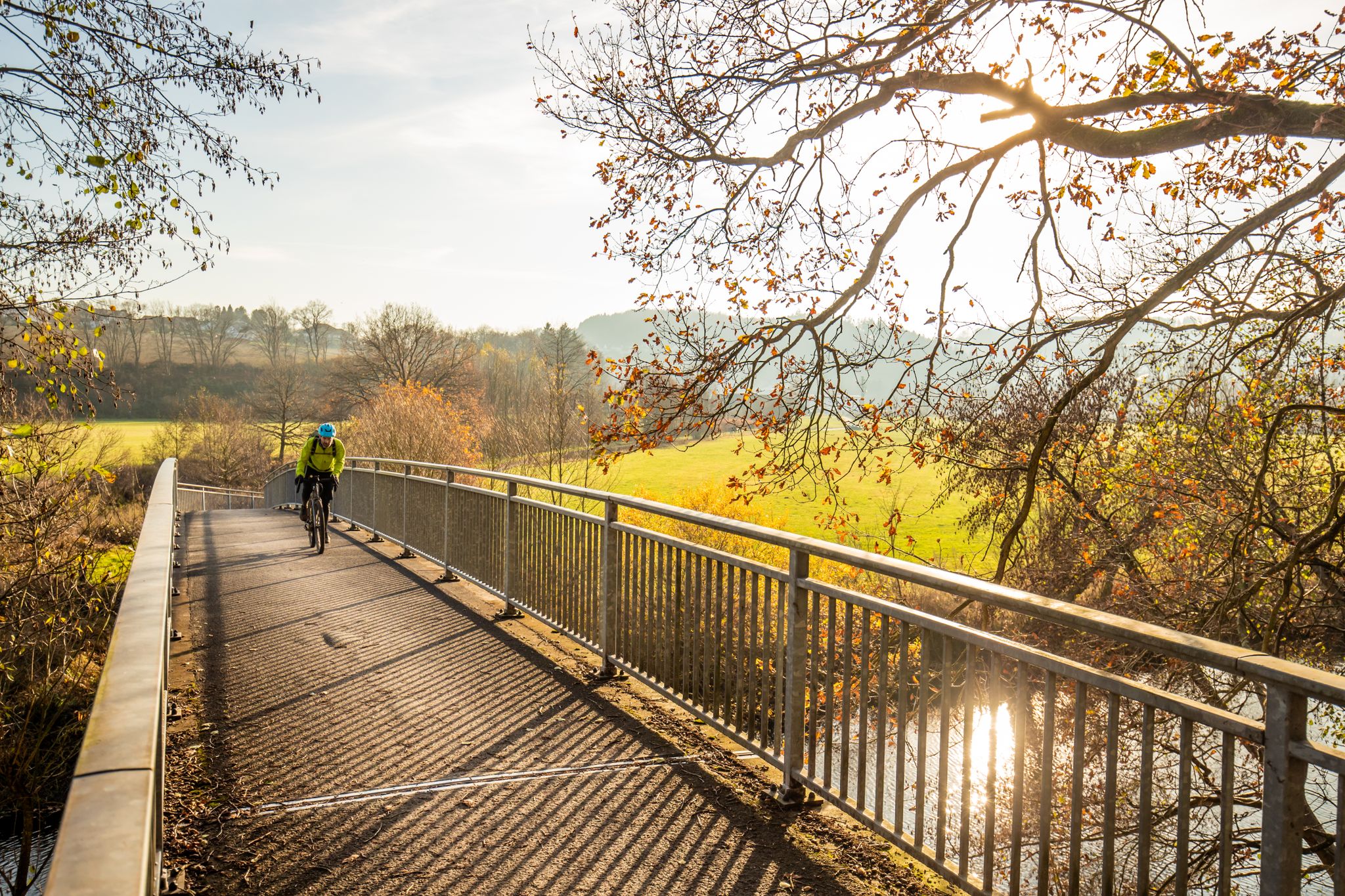
Ruhr Valley Gravel – rediscover the Ruhr Area in Germany
Other adventures in Naturpark Sauerland-Rothaargebirge


Tips from the Community

The Balver Kulturhöhle impresses right from the first step: a gigantic natural dome, up to eleven meters high, which has been used since the Old Stone Age and is today considered an extraordinary event venue. Where Neanderthals and cave bears once found shelter, you can now experience concerts, theater, and the traditional Schützenfest (marksmen's festival) in an acoustics that is second to none. The cave is only accessible as part of events or guided tours, but a glance at the mighty entrance is enough to reveal why it fascinates as Europe's largest open hall cave. https://www.sauerland.com/de/neusta-pois/balver-hoehle-europas-groesste-kulturhoehle
2
0

Large cultural cave with a restaurant right next door. The cave is said to have great acoustics. Unfortunately it was closed when we were there.
2
0

A beautiful little cave a flashlight would be an advantage but not essential. Back to the car was also a beautiful stream that you can hike along
0
0

Unfortunately, like all rocks in the Hönne Valley, it is closed for climbing.
1
1

cultural events are held regularly in the Balver cave
1
0

The Balver Cave is the largest open cultural cave in Europe with an entrance portal that is 11 meters high and 18 meters wide. In the huge hall, which is almost 90 meters deep and splits into two arms after 54 meters, around 2,000 people can celebrate or experience the unique acoustics and atmosphere at concerts. Caves only exist in limestone. This grew from dead corals in a warm sea around 360 million years ago. The enormous forces of the earth's interior fold, raise and lower the originally crack-free mass limestone. Penetrating water dissolves the lime, widens the cracks into crevices and cavities - this is how our cave was formed over tens of millions of years. During the ice ages 100,000 to 20,000 years ago, mud was deposited in the Balver Cave. The cave clay filled the cave almost to the ceiling. The farmers recognized the high fertilizer value of the phosphate-containing clay and brought it to their fields. This is how the impressive cave space was uncovered - a rock dome. During later excavations, skeletons of local animals, such as mammoths and cave bears, and around 40,000 artifacts were found.
3
0

Very nice large cave, with many side passages, you should have a torch with you.
1
0

Culture and event cave in Balve. It has been used for all sorts of purposes for thousands of years.
1
0
Frequently Asked Questions
What are some of the most impressive dripstone caves in the Naturpark Sauerland-Rothaargebirge?
The region is home to several remarkable dripstone caves. The Feldhof Cave is very large and requires a flashlight for exploration, featuring an 8-meter high and 15-meter wide main hall. The Atta Cave in Attendorn is renowned as one of Germany's largest and most beautiful dripstone caves, known for its colorful stalactites and a health grotto. The Dechen Cave in Iserlohn is celebrated for its extraordinary stalactite formations, including the 'organ' and the 'palm column'.
Which caves offer unique historical or archaeological insights?
For historical and archaeological significance, the Heinrichshöhle near Hemer is one of Germany's most bone-rich sites, with thousands of 30,000-year-old Ice Age bone remains, including a complete cave bear skeleton. The Bilsteinhöhle near Warstein has significant archaeological value, with Stone Age finds like a copper dagger, jewelry, and human bones, indicating prehistoric settlement and cult practices. The Peterszeche Mine Tunnel and Shelter also offers a glimpse into the region's mining history.
Are there family-friendly caves to visit in the Naturpark Sauerland-Rothaargebirge?
Yes, several caves in the region are suitable for families. The Heinrichshöhle offers guided tours and educational programs specifically for children. The Bilsteinhöhle is part of the Bilsteintal wildlife park, which includes a forest playground, making it an excellent full-day outing for families. The Atta Cave and Dechen Cave also provide engaging experiences for visitors of all ages with their impressive formations and accessible tours.
What kind of natural features can I expect to see in and around the caves?
Beyond the underground formations, the region offers diverse natural beauty. The Felsenmeer (Hemer) is a natural monument with impressive rock formations, ravines, and faults. The Seven Maidens Rock Formation also provides scenic views of unique rock structures. Inside the caves, you'll find stalactites, stalagmites, flowstone drapes, and unique calcite crystal formations, often enhanced by modern lighting.
What is the best time of year to visit the caves in Naturpark Sauerland-Rothaargebirge?
The caves maintain a constant temperature year-round (e.g., Atta Cave at 9°C, Dechen Cave at 10°C), making them a good destination regardless of the season. However, visiting during spring, summer, or autumn allows for combining cave exploration with outdoor activities in the surrounding Naturpark Sauerland-Rothaargebirge. Some caves, like Bilsteinhöhle, also host special events such as 'Leuchtendes Bilsteintal' in September.
What outdoor activities can I do near the caves in Naturpark Sauerland-Rothaargebirge?
The Naturpark Sauerland-Rothaargebirge offers a variety of outdoor activities. You can find numerous running trails, such as the 'Grevenstein Beer Brewing Wonder Trail' or the 'Sorpe Valley Trail S'. For hikers, there are easy routes like the 'Balve: Hönne Trail' or the 'Hohe Bracht Circular Hiking Trail'. Road cycling enthusiasts can explore routes like the 'Rothaar Road Bike Route' or the 'Lenne Valley and Lake Sorpesee Loop'. You can find more details on these activities in the Running Trails, Easy Hikes, and Road Cycling Routes guides for the region.
Are there any unique features or experiences offered by specific caves?
Yes, several caves offer unique experiences. The Atta Cave features a 'health grotto' 50 meters underground, where visitors can relax in mineral-rich, dust-free air. The Dechen Cave is home to the German Cave Museum, displaying dinosaur bones and Ice Age animal skeletons, and is unique for having its own train station. The Bilsteinhöhle is notable for its active subterranean river, the Bilsteinbach, which continues to shape the cave system.
What should I wear when visiting the caves?
Given the constant cool temperatures inside the caves (around 9-10°C), it is advisable to wear warm clothing, even in summer. Comfortable, sturdy shoes are also recommended, as paths can sometimes be uneven or damp. For caves like Feldhof Cave or Haake Cave, bringing a flashlight is essential as they are freely accessible and not fully lit.
Are there any caves that are freely accessible without a guided tour?
Yes, the Feldhof Cave is freely accessible, though a flashlight is required for exploration. The Felsenmeer (Hemer), which includes some cave-like formations, is also freely accessible around the clock, though visitors must stay on marked trails due to safety concerns.
What do visitors enjoy most about the caves in Naturpark Sauerland-Rothaargebirge?
Visitors frequently appreciate the unique geological formations, such as the sparkling stalactites and bizarre dripstones. The historical and archaeological significance of sites like Heinrichshöhle and Bilsteinhöhle also captivates many. The opportunity for family-friendly outings, often combined with nearby attractions like wildlife parks or forest playgrounds, is also a highlight. The komoot community has shown strong appreciation, with over 2600 upvotes and 2100 photos shared across 86 highlights.
Are there options for food and accommodation near the caves?
Yes, many of the popular cave sites are located near towns or attractions that offer amenities. For example, the Bilsteinhöhle is surrounded by the Bilsteintal wildlife park, which includes a forest restaurant. The Dechen Cave is in Iserlohn, a town with various dining options. For specific recommendations, it's best to check local listings for restaurants and accommodation in the towns closest to the cave you plan to visit.
Most popular routes in Naturpark Sauerland-Rothaargebirge
Most popular attractions in Naturpark Sauerland-Rothaargebirge

Get inspired with the komoot mobile app


Explore more
Extend your search for the best caves by checking out these guides of the top ones in Naturpark Sauerland-Rothaargebirge:
