Attractions and Places To See in Heuvelrug Tussen Lichtaart En Kasterlee - Top 20
Best attractions and places to see in Heuvelrug Tussen Lichtaart En Kasterlee include a variety of natural formations, historical sites, and family-friendly cultural experiences. This area is characterized by its sand dunes, forming a natural boundary between the Kleine Nete basin and the Rulloop valley. The broader Kempense Heuvelrug features varying elevations up to 30 meters, offering a unique landscape within the Kempen region. Visitors can explore distinctive natural features and cultural sites.
Best attractions and places to see in Heuvelrug Tussen Lichtaart En Kasterlee
- The most popular attractions is De Hoge Mouw with its sleeping giant, a man-made monument located on a 30-meter high sand dune. This artwork, named "A Giant Sculpture," is inspired by the region's landscape, which can resemble a sleeping giant when viewed from above.
- Another must-see spot is Devil's Pit Pond, a lake with local legends. This unique pond is associated with stories of ancient pagan practices and prehistoric burial fields.
- Visitors also love Aerial Roots of the Kabouterberg, a natural monument. This phenomenon occurs where rain and wind have eroded sand around tree roots, making them appear to emerge from the dunes.
- Heuvelrug Tussen Lichtaart En Kasterlee is known for its natural formations, historical sites, and family-friendly cultural experiences. The region offers a variety of attractions to see and explore, from sand dunes to unique landscapes.
- The attractions in Heuvelrug Tussen Lichtaart En Kasterlee are appreciated by the komoot community, with 239 upvotes and 112 photos shared by visitors.
Last updated: May 25, 2026
De Hoge Mouw with its sleeping giant
Highlight • Monument
You are on the Kempen ridge, a chain of hills made of ferrous sandstone. Due to its length and height, it is not only the largest, but also the most impressive far and wide.
Look around you: the landscape, the forest, the heath and the sand have inspired people and stimulated their imagination for centuries. So it's no wonder that there are so many legends about mythical creatures here.
The huge shape of the shifting dunes makes it appear as if there is a giant in the landscape. Dunes typically move about five meters a year, while those in the Kempen no longer move. The vegetation on them has brought them to a standstill. As long as the vegetation is there, the dunes stand still - and the giant sleeps on.
Translated by Google •
Tip by

Devil's Pit Pond
Highlight • Lake
Translated by Google •
Tip by

Sign up now to discover places like this
Get recommendations on the best single tracks, peaks, & plenty of other exciting outdoor places.
Sign up for free
Aerial Roots of the Kabouterberg
Highlight • Natural Monument
Even though these trees look like mangroves, nature is just playing tricks on us here. Rain has washed out the soil and flushed out the "normal" roots.
But that doesn't detract from the creepy impression. Depending on your level of imagination, use your imagination: don't get too close to them - they'll grab you. Or think of Harry Potter's Whomping Willow. Maybe these are copies of it?
Translated by Google •
Tip by
Keeses Mill
Highlight • Monument
Before the mill was moved to the Kabouterberg, it had a closed base and wooden breast rods. The base was changed to an open base before the mill was turned in on June 13, 1954. An important impetus in connection with the move came from the Royal Society for Nature and Urban Beauty.
Translated by Google •
Tip by

Kabouterberg, Kasterlee
Highlight • Forest
Speaking of which, doesn't the name of nearby Kasterlee remind you a bit of Casterly Rock from Game of Thrones, the ancient ancestral seat of House Lannister on the west coast of Westeros? That can not be a coincidence...?!
Those who are less imaginative will simply be happy about the possibility of a nice picnic even in rainy weather.
Translated by Google •
Tip by
Sign up for free to discover even more attractions in Heuvelrug Tussen Lichtaart En Kasterlee.
Sign up for free
Already have an account?
Start today with a free account
Your next adventure awaits.
Login or Signup
Popular around Heuvelrug Tussen Lichtaart En Kasterlee
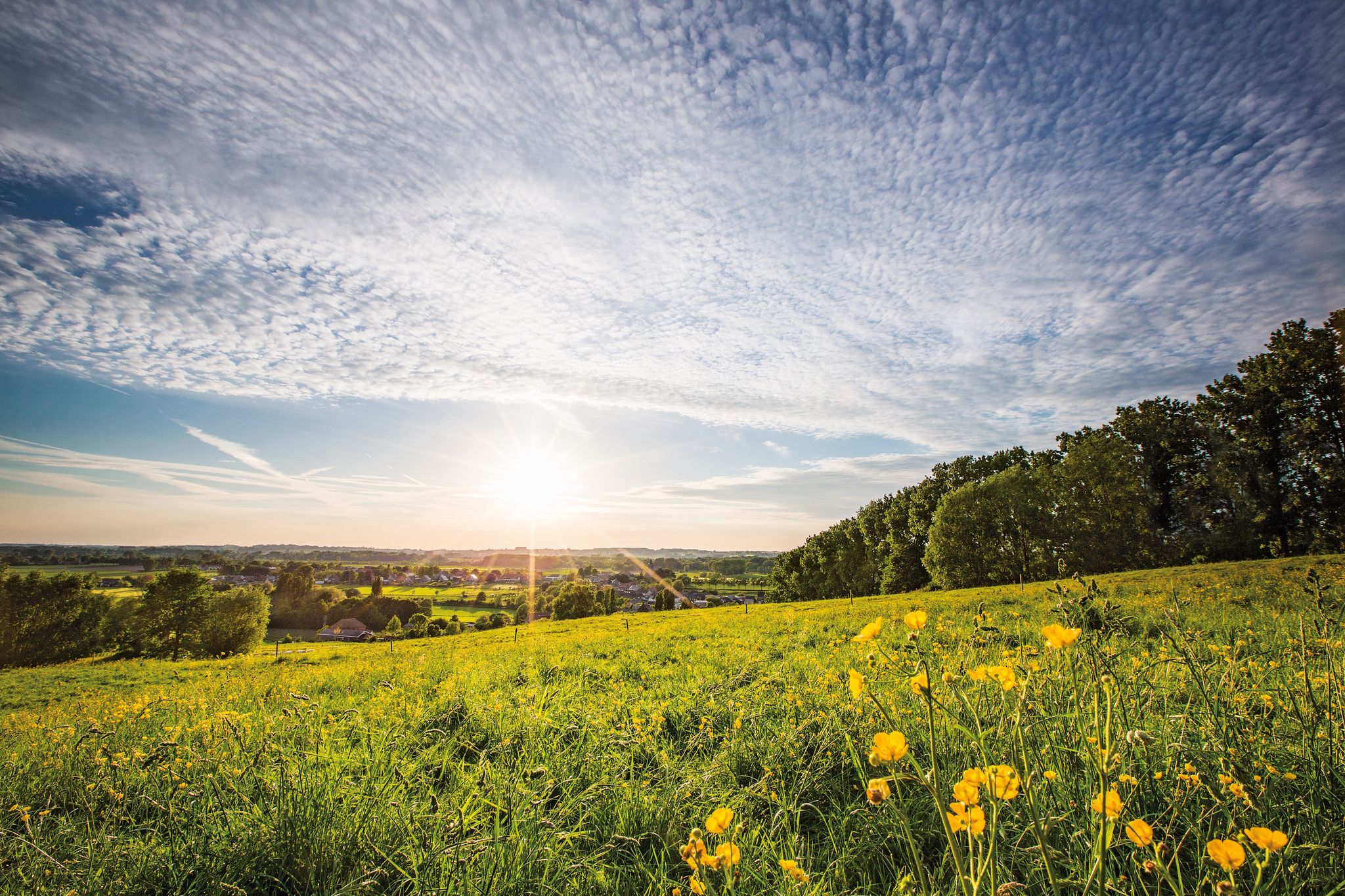
Belgium's best – the most beautiful hiking routes in Flanders
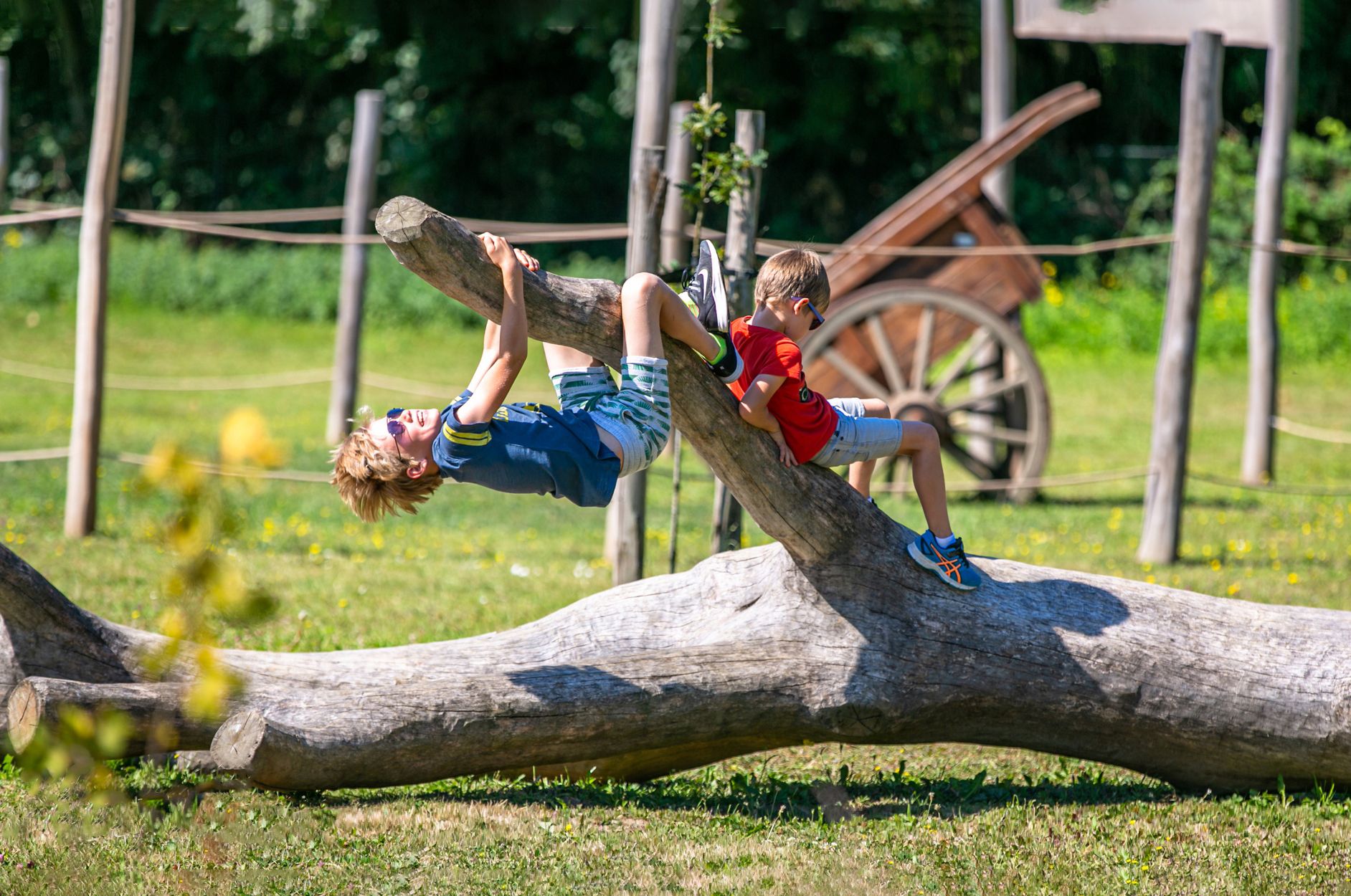
Tours for little adventurers and heroes in Flanders
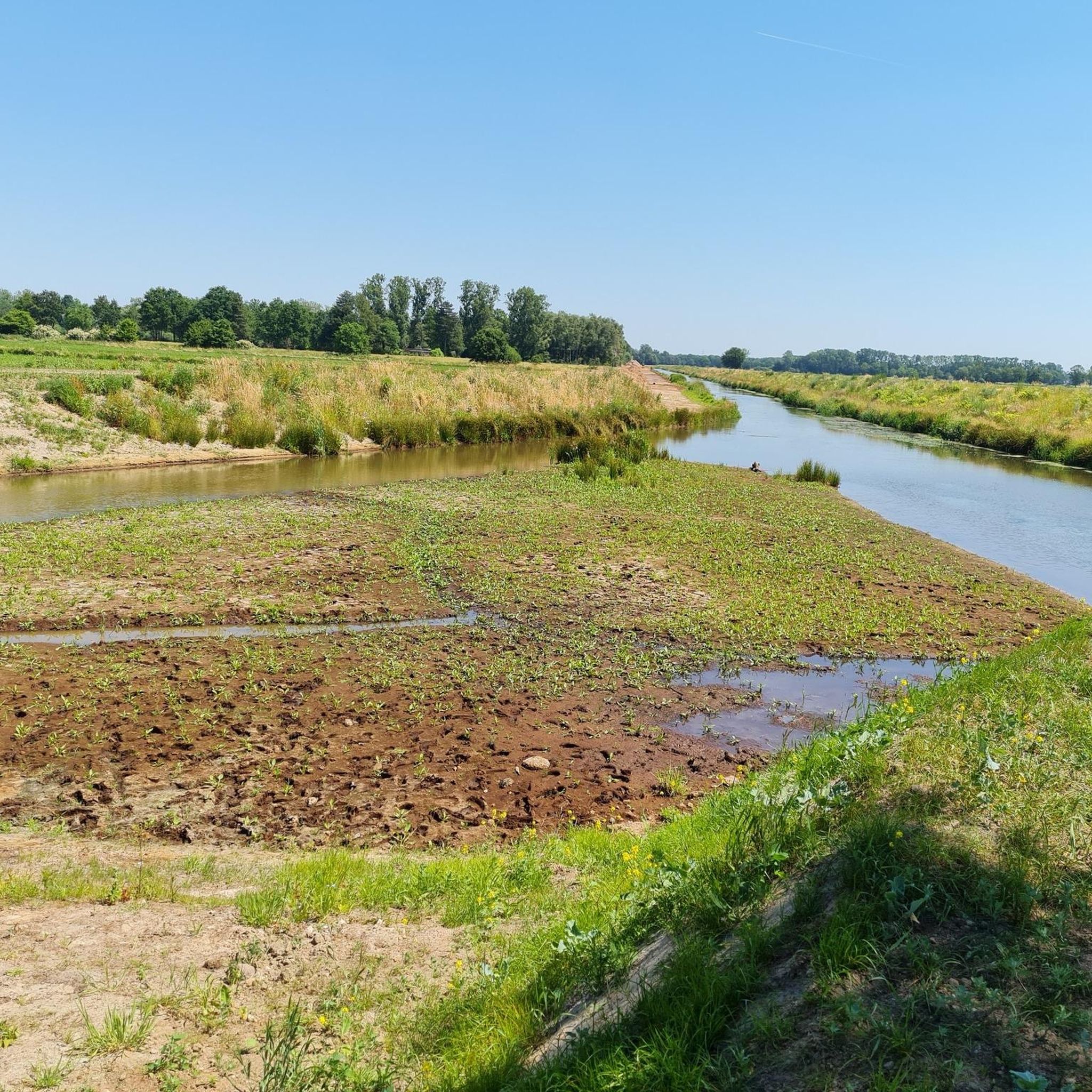
Hiking in Heuvelrug Tussen Lichtaart En Kasterlee
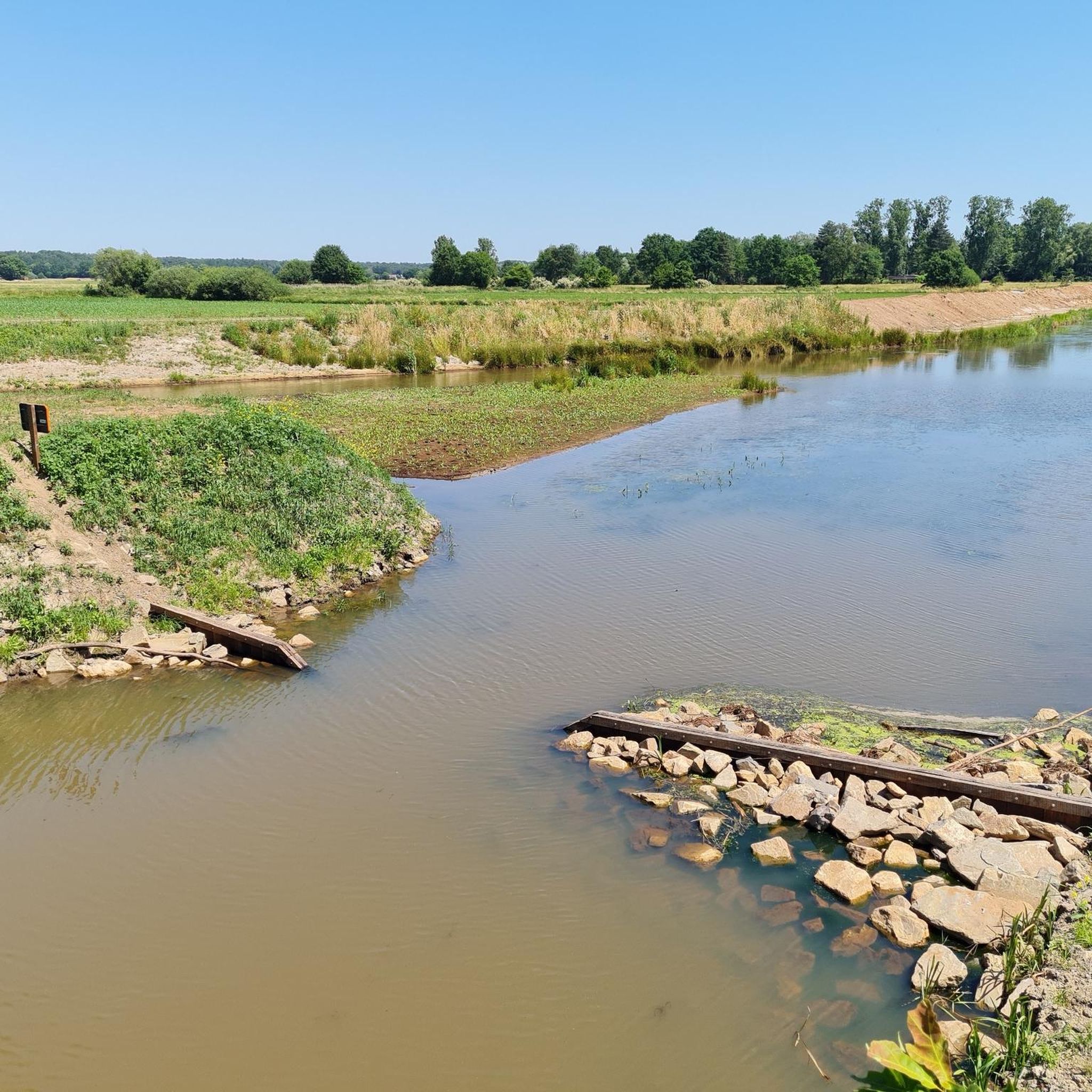
MTB Trails in Heuvelrug Tussen Lichtaart En Kasterlee
Cycling in Heuvelrug Tussen Lichtaart En Kasterlee
Running Trails in Heuvelrug Tussen Lichtaart En Kasterlee

Gravel biking in Heuvelrug Tussen Lichtaart En Kasterlee
Road Cycling Routes in Heuvelrug Tussen Lichtaart En Kasterlee
Other adventures in Heuvelrug Tussen Lichtaart En Kasterlee

Tips from the Community

Many captivating stories have been written about this well (not just any well). The first probably dates back to 1571, when Lieske Coolbonders committed suicide by drowning herself in the well while the devil himself was pursuing her. Lieske was the illegitimate daughter of Katrien Coolbonders, who was raped by a Spanish nobleman. The nobleman was murdered by Katrien's husband. The body was first dumped in the Devil's Well. Later, it was buried somewhere nearby. (Efkesweg.be)
5
0
The jagged roots rise high above the sand dunes, creating a fairytale-like, even eerie atmosphere. (Efkesweg.be)
7
0
Viewed from above, with a little imagination, the Kempen Ridge's relief can be seen as if a giant were sleeping beneath the landscape. Because of the vegetation on the sand dunes, they no longer move, and the giant's slumber is not disturbed. In 2018, Gijs Van Vaerenbergh's artwork, "A Giant Sculpture," was unveiled. It was placed on the 30-meter-high summit of the Hoge Mouw sand dune. (Efkesweg.be)
7
0
The Kabouterberg (Gnome Mountain) in the Kempen Hills is a unique experience for children aged 3 to 7. In a beautiful forest with many paths, you'll find all sorts of gnome-themed buildings, play areas, information boards—in short, everything themed around gnomes. You can walk on your own (the gnome walk is signposted), play, explore, or participate in various activities such as daily stories. A wonderful place to walk with children.
8
0
The mill, a colossus weighing over thirty tons, was moved to this location in 1954 and was then designated a protected monument. Previously, the mill stood on Kerkenbergen, along the road to Retie. (Information board on site)
6
0

In a thunderstorm, it is best not to touch it, a lightning strike can be dangerous. Inside it is a Faraday cage and you are safe, but what if you touch the corten steel at the moment that lightning strikes? Still, stay away from this beautiful work of art in a thunderstorm!?
4
0

Keeses Mill stands on a spur of the Kempen Ridge, called the Kabouterberg, on the Geelse Baan (near the De Waaiberg heritage site) in Kasterlee. It is a working, typical Kempen post mill with an open base. The mill was built around 1650 and then stood on Dam Square in Antwerp. From there, it was moved in 1853-54 to the hamlet of Lo in Heist-op-den-Berg, and in 1922 to "de Heesbergen" along the Retsebebaan in Kasterlee, replacing a mill that had been blown down. Keeses Mill owes its name to one of its last owners, Cornelius (Kees) Van Laer. It was declared a monument twice, on October 18, 1943, and on September 27, 1954. Its wind resistance is poor because the pine forest on the dune has grown too tall. Before the mill was moved to Kabouterberg, it had a closed base and wooden sills. The base was changed to an open base before the mill was turned in on June 13, 1954. A major impetus for the move came from the Royal Society for Nature and Urban Beauty.
6
0
60 years ago I played here as a child. Seeing these aerial roots again is pure nostalgia for me and a nice memory of my youth.
3
2
Frequently Asked Questions
What unique natural features can I explore in Heuvelrug Tussen Lichtaart En Kasterlee?
The region is known for its distinctive natural formations. You can discover the intriguing Aerial Roots of the Kabouterberg, where tree roots appear to emerge from the sand dunes due to erosion. Another unique spot is the Devil's Pit Pond (Duivelskuilpoel), a lake steeped in local legends and surrounded by a characteristic Kempen landscape with heathland and fens. The broader Kempense Heuvelrug itself offers varying elevations and sand dunes, providing a unique natural environment.
Are there any historical sites or cultural landmarks to visit?
Yes, the area features historical and cultural points of interest. The protected monument Keeses Mill is a 17th-century standard mill with an open base, relocated multiple times and now standing on the Kabouterberg. The Devil's Pit Pond also carries historical weight, with local legends of ancient pagan practices and prehistoric burial fields.
What is the 'Slapende Reus' (Sleeping Giant) and where can I find it?
The 'Slapende Reus' refers to a monumental artwork titled 'A Giant Sculpture' by Gijs Van Vaerenbergh, located on De Hoge Mouw. This sculpture is inspired by the region's landscape, which, when viewed from above, can resemble a sleeping giant. The Hoge Mouw itself is a prominent 30-meter high sand dune, offering a unique viewpoint.
Are there family-friendly attractions suitable for children?
Absolutely! Kabouterberg, Kasterlee (Gnome Mountain) is a magical experience, especially for children aged 3 to 7. It features a forest with gnome-themed buildings, play facilities, and self-guided 'gnome walks'. De Hoge Mouw with its soft sand is also an ideal place for children to romp around. Many attractions, including the Devil's Pit Pond, are categorized as family-friendly.
What outdoor activities can I do near these attractions?
The Heuvelrug Tussen Lichtaart En Kasterlee area is excellent for outdoor activities. You can enjoy extensive hiking, cycling, mountain biking, and even geocaching. There are numerous routes available, including the popular 'Slapende Reus Route'. For more detailed information on routes, you can explore the hiking guide, gravel biking guide, and running trails guide for the region.
Are there hiking trails near the attractions?
Yes, there are many hiking opportunities. For example, you can hike the 'Sleeping Giant Route' near De Hoge Mouw. Other popular routes include the 'Hoge Mouw Heathland – Aerial Roots of the Kabouterberg loop from Lichtaart' and the 'Keeses Mill – Millekes Bridge loop from Kasterlee'. You can find more hiking options in the Hiking in Heuvelrug Tussen Lichtaart En Kasterlee guide.
What do visitors enjoy most about Heuvelrug Tussen Lichtaart En Kasterlee?
Visitors particularly appreciate the unique natural landscapes, such as the sand dunes and the intriguing Aerial Roots of the Kabouterberg. The blend of nature with local legends, like those surrounding the Devil's Pit Pond, adds a captivating element. Family-friendly experiences at places like Kabouterberg, Kasterlee, and the artistic integration with nature at De Hoge Mouw are also highly valued.
Are there any accessible trails for strollers or wheelchairs?
Yes, at Kabouterberg, Kasterlee, while there are marked trails for climbing the ridge, a parallel, lower, and easier alternative route is available for strollers. This ensures that families with young children or those needing easier access can still enjoy the gnome-themed forest.
Where can I find information about geocaching in the area?
Geocaching is a popular activity in the Heuvelrug Tussen Lichtaart En Kasterlee area. While specific geocache locations are not listed here, the region's diverse landscape of forests, dunes, and historical sites makes it an ideal setting for this modern-day treasure hunt. You can typically find geocache details on dedicated geocaching platforms.
Are there any cafes or places to eat near the attractions?
The region offers various options for refreshments. For instance, near Kabouterberg, Kasterlee, there are facilities for picnics, and an ice cream cart is often present on public roads during good weather. While specific cafes are not detailed in the provided data, Kasterlee and Lichtaart, the towns bordering the Heuvelrug, offer local establishments where you can find food and drinks.
What is the best time to visit Heuvelrug Tussen Lichtaart En Kasterlee?
The area is enjoyable year-round, but the best time depends on your preferred activities. Spring and autumn offer pleasant temperatures for hiking and cycling, with beautiful foliage changes. Summer is ideal for family outings, especially to places like Kabouterberg, and for enjoying the outdoor activities. Even in winter, the unique landscape can be explored, though some facilities might have reduced hours.
Can I find viewpoints in the region?
Yes, the varying elevations of the Kempense Heuvelrug, reaching up to 30 meters, offer several natural viewpoints. De Hoge Mouw, being a 30-meter high sand dune, provides excellent panoramic views of the surrounding landscape, including the forest and heathland.
Most popular routes in Heuvelrug Tussen Lichtaart En Kasterlee
Most popular attractions in Heuvelrug Tussen Lichtaart En Kasterlee

Get inspired with the komoot mobile app


Explore more
Still not found the Highlight you’re looking for? See guides of the top attractions in other regions:
