The best traffic-free bike rides in Heuvelrug Tussen Lichtaart En Kasterlee
4.4
(168)
4,170
riders
166
rides
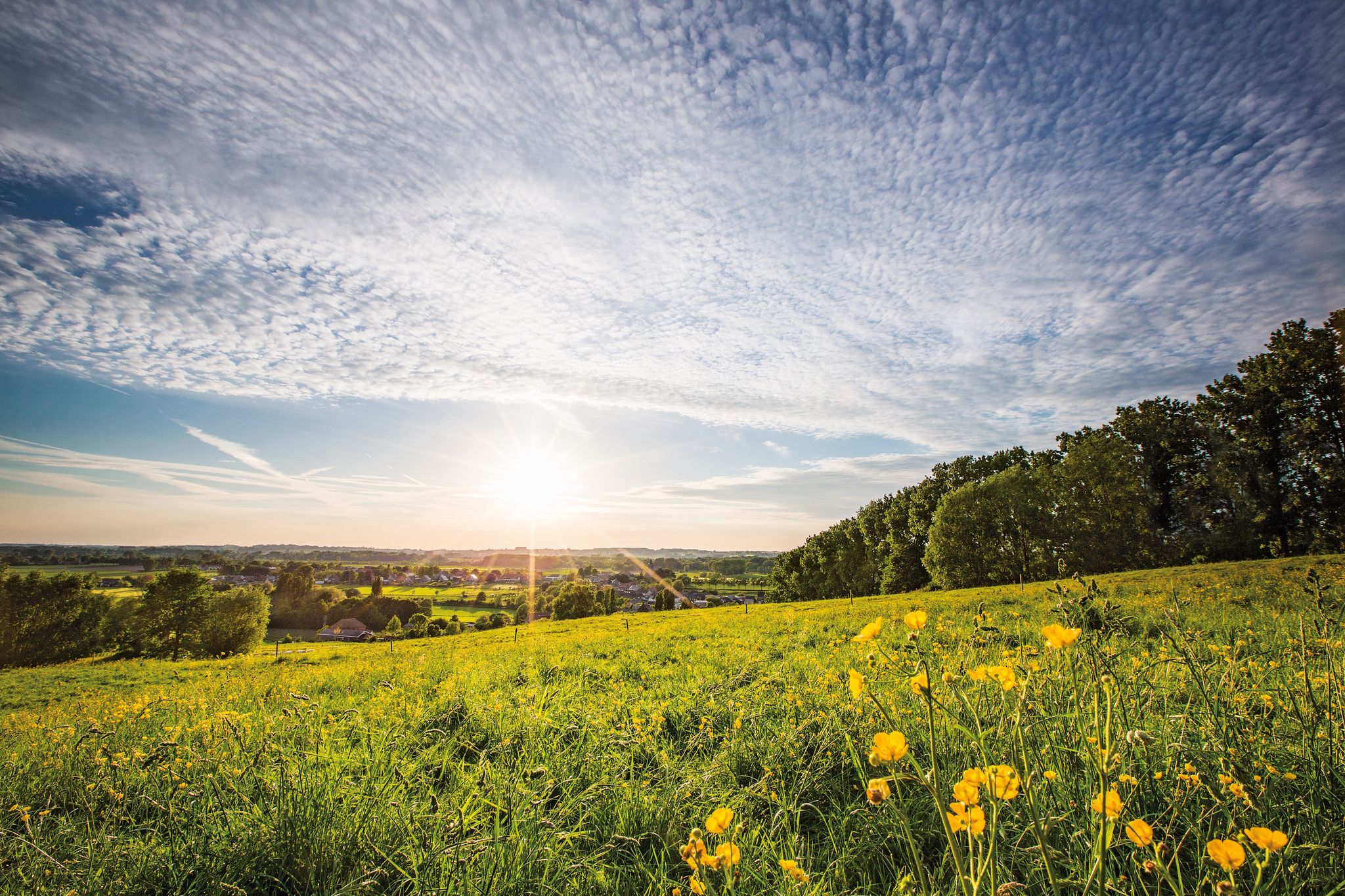
Gravel biking in Heuvelrug Tussen Lichtaart En Kasterlee is characterized by a diverse natural landscape featuring inland sand dunes, extensive pine forests, and heathlands. The region's terrain includes challenging sand climbs and winding singletracks, alongside wider gravel roads. This area, known for its varied surfaces, also incorporates fens and river valleys like the Kleine Nete, providing a range of riding experiences. The Heuvelrug forms the largest relief in the Antwerp Campine, an elongated ridge of these natural elements.
Best no…
Last updated: September 1, 2026
3.0
(1)
10
riders
59.0km
03:38
100m
100m
Moderate gravel ride. Good fitness required. Mostly paved surfaces. Suitable for all skill levels.
4.6
(5)
31
riders
Easy gravel ride. Great for any fitness level. Mostly paved surfaces. Suitable for all skill levels.

Sign up for free
4.3
(12)
195
riders
65.9km
03:59
120m
120m
Hard gravel ride. Good fitness required. You may need to push your bike for some segments of this route.
4.0
(2)
33
riders
47.9km
02:55
80m
80m
Moderate gravel ride. Good fitness required. Mostly paved surfaces. Suitable for all skill levels.
4.5
(6)
39
riders
Easy gravel ride. Great for any fitness level. Mostly paved surfaces. Suitable for all skill levels.
Get access to more routes and recommendations from other explorers.
Sign up for free
Already have an account?
Our route recommendations are based on thousands of hikes, rides, and runs completed by other people on komoot.
Start today with a free account
Your next adventure awaits.
Login or Signup
Other adventures in Heuvelrug Tussen Lichtaart En Kasterlee

Tips from the Community

The mill, a colossus weighing over thirty tons, was moved to this location in 1954 and was then designated a protected monument. Previously, the mill stood on Kerkenbergen, along the road to Retie. (Information board on site)
6
0
Opening Hours Breakfast: Thursday to Sunday: 7:00 AM - 11:00 AM Lunch: Thursday to Sunday: 12:00 PM - 5:00 PM Dinner: Thursday to Sunday: From 5:00 PM
9
0

Generations of castle lords and the village community have cared for the magnificent heritage we have today. We must cherish this legacy with care. Everyone has a responsibility in this regard: the government, the owners, and certainly also the visitors. We all want to safeguard this for future generations. VORSELAAR: Proposal to protect the castle "de Borrekens", the rectory, the immediate surroundings of the castle, and the linden avenue as a village landmark. The castle was built in the thirteenth century as a military fortification for the Duke of Brabant, granted as a fief to the Lord Van Rotselaer. The latter gave the fortification, which had the character of a moated castle, the ground plan that can still largely be seen today. Little is known about its evolution since the thirteenth century. The castle is depicted in a print by Ertinger in the second half of the seventeenth century and published by Jacques Le Roy. This shows that the current castle's core still largely reflects this condition. The building's military character was lost in the eighteenth century, and it was converted into a "house of pleasure." This involved the demolition of several surrounding walls and defensive towers, and the moat separating the forecourt from the castle was filled in. Simultaneously or shortly before, several embellishments were carried out on the castle, with J.P. van Baurscheit as the architect. The buildings in the forecourt were constructed during the same period. In the 1850s and 1860s, restoration work was carried out in keeping with the fashion of the time. Several dormers, stepped gables, fireplaces, turrets, and battlements were added in the Neo-Gothic style. The interior was also altered during this period and in the same style. Although this renovation significantly altered the castle's appearance, the renovation itself is remarkable as a testament to the Neo-Gothic style that emerged in our region around 1850.
0
0


The Dessel-Kwaadmechelen Canal is a 15.7 km long canal in Belgium. It connects the canal junction in Dessel with the Albert Canal in Kwaadmechelen (municipality of Ham). It is one of the seven Kempen canals between the Meuse and the Scheldt rivers. It flows through four municipalities: Dessel, Mol, Balen, and Ham. Upon completion in 1858, it formed part of the branch canal to Hasselt. It has a gauge of 2,000 tons, contains no locks, and has a bend near the junction with the Albert Canal. At Dessel, it connects with two Kempen canals: the Bocholt-Herentals Canal and the Dessel-Turnhout-Schoten Canal. There are eleven bridges across the canal: three road bridges in Mol (near Sluis, Rauw, and Gompel), four road bridges in Balen (near Balen, Hoolst, Olmen, and Gervoort), and two road bridges in Ham. There are also two railway bridges over the canal: railway line 15 and railway line 19 run over the canal.
3
0
An idyllic spot with a view of the pond
6
0

The Konijnenberg, a crescent-shaped dune, is the only relic of the shifting dune complex in the vicinity of Beerse-Vosselaar. A few late medieval coppice stumps have been preserved on the dune ridge. The Konijnenberg is a northeast-southwest oriented crescent-shaped dune with a length of approximately 700 meters that extends from the village center of Vosselaar in a southwesterly direction. This dune is the only relic of the shifting dune complex in the vicinity of Beerse-Vosselaar. The average height of this area is approximately 25 meters +TAW, the dune top is at more than 35 meters +TAW. Inventory of Immovable Heritage 2025: Konijnenberg, https://id.erfgoed.net/erfgoedobjecten/300075
7
0

De Watermolen Hotel | Brasserie | Hall | Lounge Pure Luxury and Timeless Charm, Surrounded by Natural Beauty .
9
0
Frequently Asked Questions
How many no-traffic gravel bike trails are available in Heuvelrug Tussen Lichtaart En Kasterlee?
There are over 140 dedicated no-traffic gravel bike trails in the Heuvelrug Tussen Lichtaart En Kasterlee region. These routes offer a mix of easy, moderate, and difficult options, ensuring there's something for every skill level.
What kind of terrain can I expect on the gravel trails in this region?
The Heuvelrug Tussen Lichtaart En Kasterlee region is known for its varied terrain, including inland sand dunes like Langenberg and Hoge Mouw, extensive pine forests, and heathlands. You'll encounter challenging sand climbs, winding singletracks, and wider gravel roads, often with a 'bobsleigh feeling' on descents. The presence of fens and river valleys, such as those carved by the Kleine Nete, adds to the diverse riding experience.
Are there any easy, beginner-friendly no-traffic gravel routes?
Yes, the region offers several easy routes perfect for beginners. An excellent option is The Zwart Water nature reserve – The Zwart Water loop from Lichtaart, which is just under 29 km and provides a gentle introduction to gravel biking in the area.
What are some popular longer or more challenging no-traffic gravel routes?
For those seeking a longer or more challenging ride, consider routes like The Dessel Ramp – Junction of Four Canals loop from Kasterlee, which is a difficult 68 km tour. Another popular moderate option is the nearly 60 km Lilse Bergen Singletrack – Warandeplas loop from Kasterlee.
What do other gravel bikers enjoy most about riding in Heuvelrug Tussen Lichtaart En Kasterlee?
The area is highly rated by the komoot community, with an average score of 4.4 stars from over 90 ratings. Reviewers often praise the region's diverse natural landscapes, the challenging yet rewarding mix of sand climbs and singletracks, and the serene, traffic-free environment that makes it a 'Walhalla' for cyclocrossers and gravel bikers alike.
Are there any interesting landmarks or natural features to see along the gravel trails?
Absolutely! The region is rich in natural beauty and historical sites. You can discover highlights such as De Hoge Mouw with its sleeping giant, the tranquil Devil's Pit Pond, or the unique Aerial Roots of the Kabouterberg. The Prehistoric Habitation on the Kempen Heuvelrug in Kasterlee also offers a glimpse into the area's ancient past.
Are there any circular gravel routes available?
Yes, many of the gravel routes in Heuvelrug Tussen Lichtaart En Kasterlee are designed as loops, allowing you to start and end at the same point. Examples include Keeses Mill – Forest singletrack loop from Kasterlee and Warandeplas – Little Bridge Over the Aa loop from Kasterlee.
What is the best time of year to go gravel biking in Heuvelrug Tussen Lichtaart En Kasterlee?
The region is suitable for gravel biking throughout much of the year. Spring and autumn offer pleasant temperatures and beautiful scenery with changing foliage. Summer can be warm but is generally good, while winter rides are possible, though some sandy sections might be more challenging if wet or frozen. Always check local conditions before heading out.
Are there any specific considerations for parking when accessing these trails?
While specific parking details vary by trailhead, many routes start from villages like Kasterlee or Lichtaart, where public parking is often available. It's advisable to check the starting point of your chosen komoot tour for the most accurate parking information.
Can I find cafes or places to rest along the gravel trails?
Yes, the routes often pass through or near small villages and towns like Kasterlee and Lichtaart, where you can find cafes, pubs, and other amenities to refuel and rest. The region is well-equipped to cater to outdoor enthusiasts.
Is the Heuvelrug Tussen Lichtaart En Kasterlee region suitable for family gravel biking?
With a good selection of easy and moderate routes, the region can be suitable for families. Look for shorter, less technical loops, particularly those that avoid the most challenging sand dunes. The 'no traffic' nature of these trails makes them safer and more enjoyable for family outings.
Most popular routes in Heuvelrug Tussen Lichtaart En Kasterlee
Most popular attractions in Heuvelrug Tussen Lichtaart En Kasterlee

Get inspired with the komoot mobile app


Explore more
Browse the best Gravel rides in other regions.
