Attractions and Places To See in Bourgoyen-Ossemeersen - Top 10
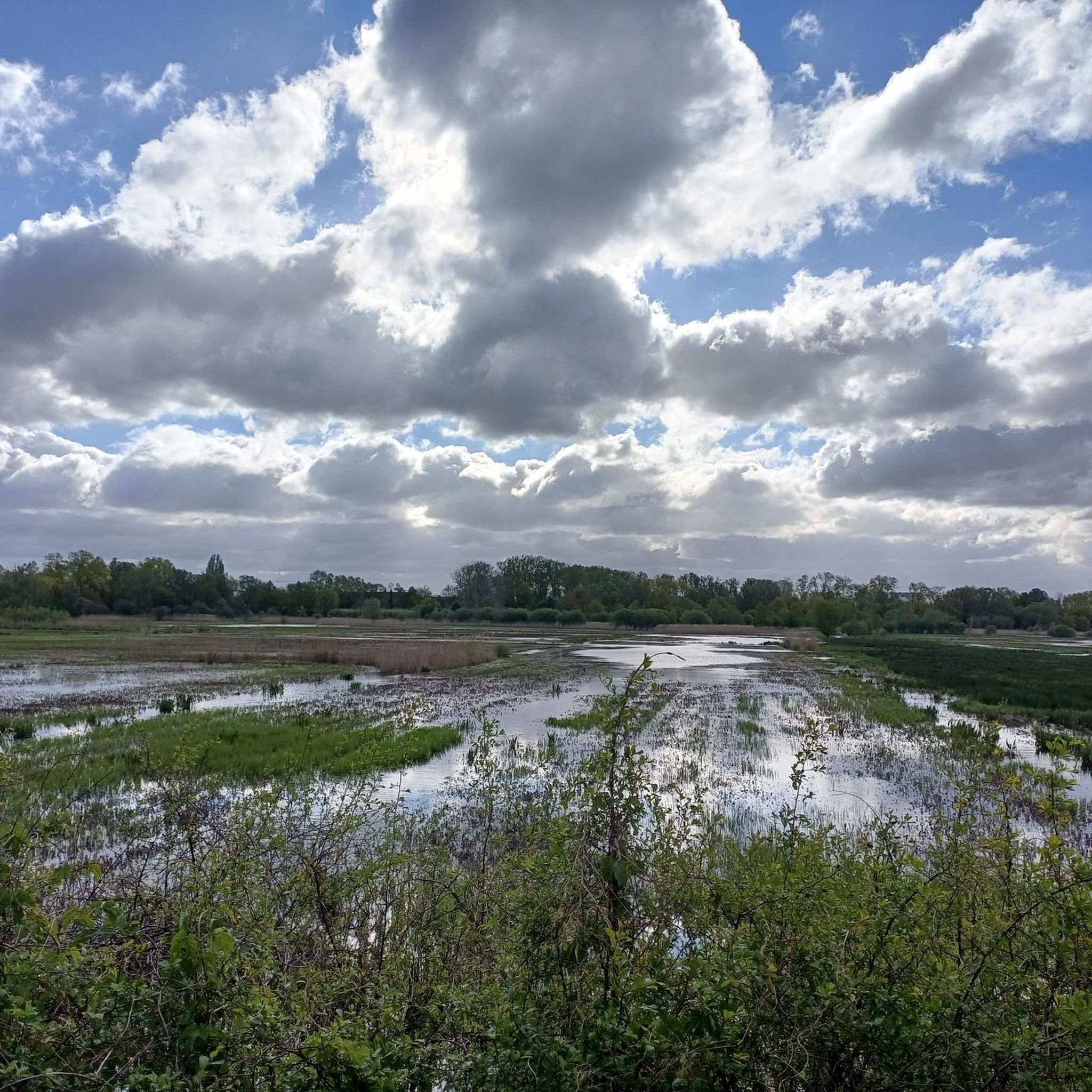
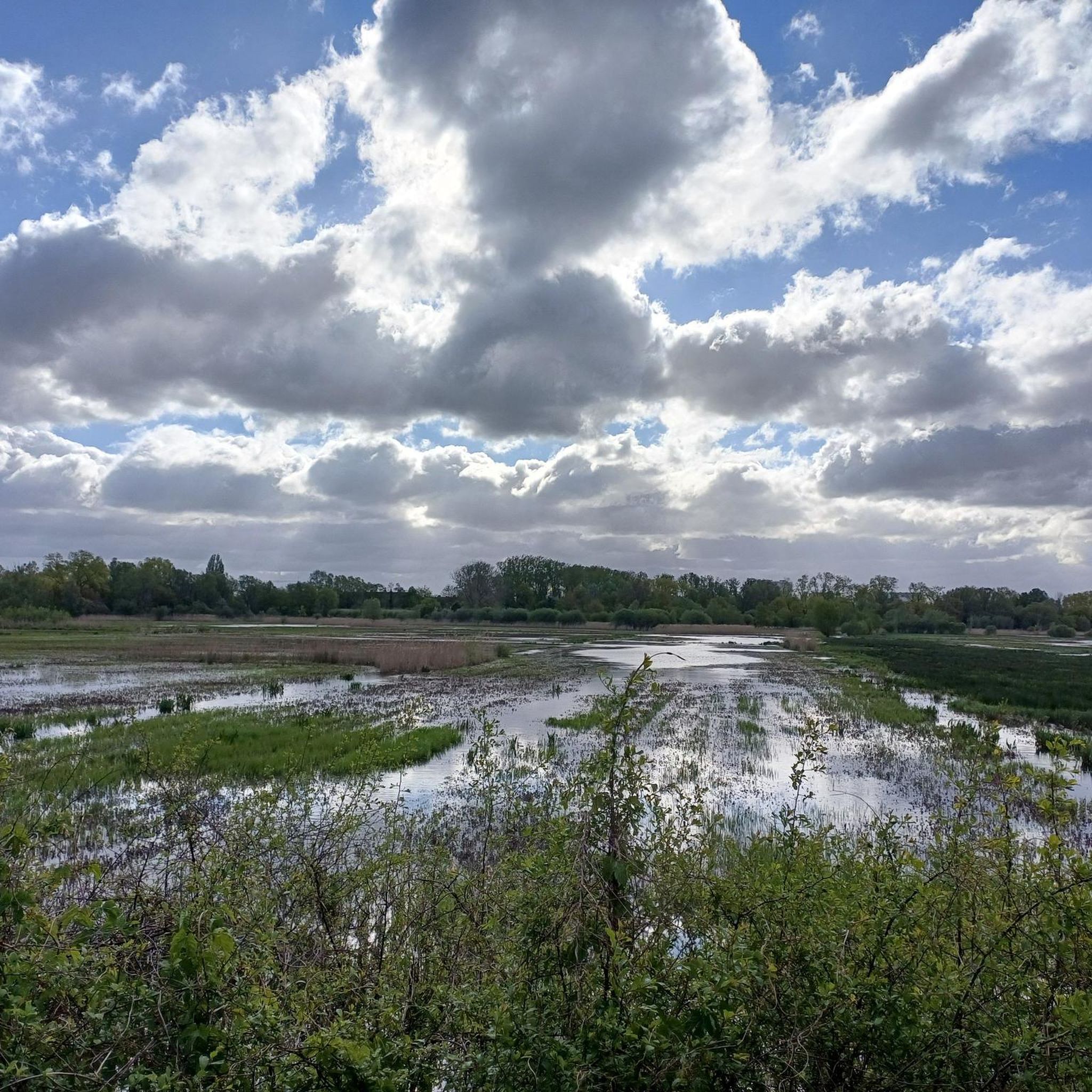
Best attractions and places to see in Bourgoyen-Ossemeersen, a nature reserve spanning over 220 hectares in Ghent, Belgium, offers a tranquil escape for outdoor enthusiasts. This area is characterized by moist grasslands, extensive ditches, and canals, and is recognized as one of Flanders' most bird-rich areas. It has been a protected landscape since 1978, providing a habitat for various bird species and diverse flora.
Best attractions and places to see in Bourgoyen-Ossemeersen
- The most popular attractions is Bourgoyen-Ossemeersen Nature Reserve…
Last updated: October 9, 2026
Bourgoyen-Ossemeersen
Highlight • Natural
Translated by Google •
Tip by

Hoosmolen Water Pumping Mill
Highlight • Monument
Translated by Google •
Tip by

Sign up now to discover places like this
Get recommendations on the best single tracks, peaks, & plenty of other exciting outdoor places.
Jan Hublé Nature Center
Highlight • Rest Area
Translated by Google •
Tip by

Hoosmolen
Highlight • Monument
Translated by Google •
Tip by
Schepvijver
Highlight • Lake
Translated by Google •
Tip by
Sign up for free to discover even more attractions in Bourgoyen-Ossemeersen.
Already have an account?
Start today with a free account
Your next adventure awaits.
Tips from the Community

A true hiking paradise. Bourgoyen-Ossemeersen is famous for its rich bird population and is an important bird reserve. While hiking, you can spot various bird species, especially in the winter months, when the area is a refuge for numerous migratory birds. Species that you can encounter include grey herons, ducks, sea eagles and birds of prey such as the hawk and buzzard. In spring and summer, the area is also rich in breeding birds, such as the redstart and the common teal.
1
1

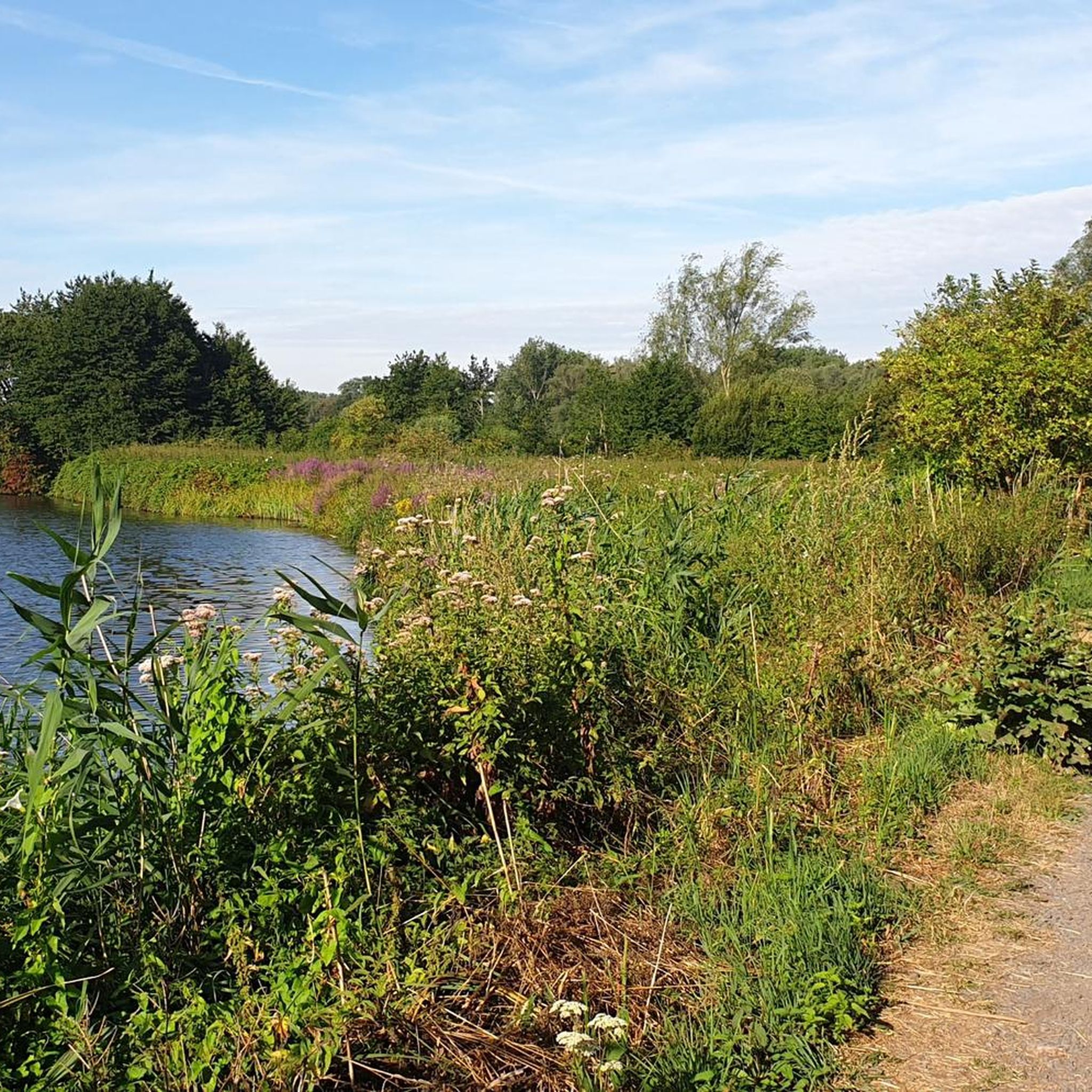
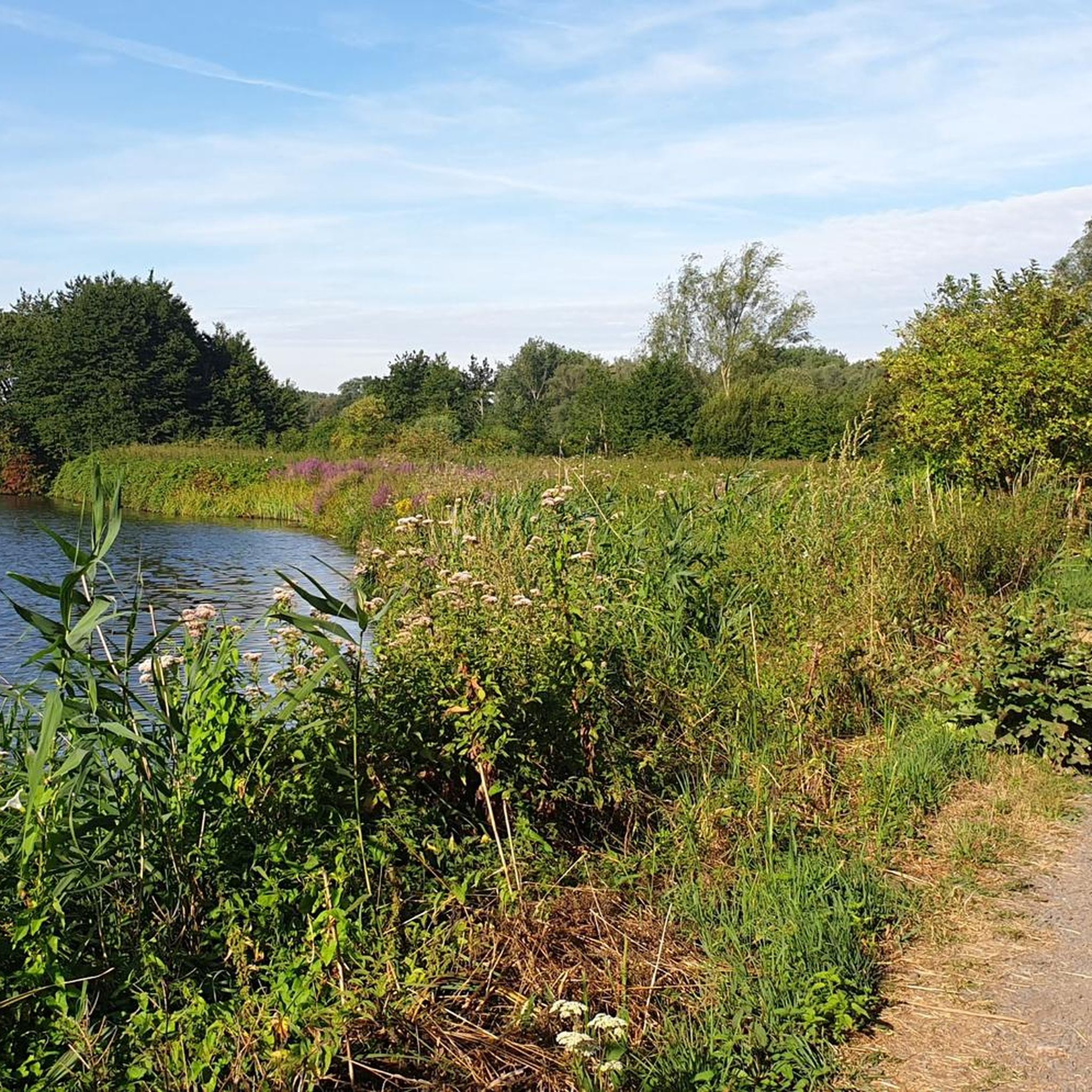
The Bourgoyen-Ossemeersen Urban Nature Reserve in Ghent is a vast and water-rich nature reserve, ideal for nature lovers who want to escape the hustle and bustle of the city. This unique marshland offers a beautiful landscape of grasslands, reed beds and ponds, where numerous water birds breed and forage. With well-maintained hiking trails and viewpoints, it is a wonderful place to walk and spot birds, in the middle of nature.
2
1

The Bourgoyen was once a difficult to access marshy area. A windmill was even needed to pump away the excess water. On the site of the current octagonal Hoosmolen, there was already an octagonal wooden drainage mill before 1500 that drove a scoop wheel. In 1866, the mill cross was removed and a steam engine was installed. From 1945, the drive was done by an electric motor. The square chimney of the steam engine was demolished. The mill plays a more modest role today. Weirs now ensure that the water is removed from the Bourgoyen. The mill occasionally pumps the excess water into the Leie. Between 2000 and 2004, the city of Ghent had the mill renovated, whereby the mill is once again accessible to the top via a spiral staircase. The pump has been demonstratively put back into operation after a standstill of more than 20 years. Information panels are installed in the hull that show the history and technology of the pumping station. The mill is open to the general public for one afternoon every month. Group visits are possible by appointment. For reservations, tel. 09 226 15 01
5
0

The Boeboek family backpack for families with children from 5 years old. The route for experiencing nature with children runs for about 2 km and is easily accessible with an all-terrain buggy. You can borrow the backpack free of charge from the reception in the Jan Hublé Nature Center, or can be reserved by telephone on 09 323 57 01.
4
0

De Hoosmolen is a polder mill or dewatering mill on the edge of the Bourgoyen-Ossemeersen nature reserve in Drongen, a borough of the Belgian city of Ghent. The mill can be found in notarial deeds as early as 1316, making it the oldest known of its kind. Most likely there was already a mill in the 12th century that ensured the drainage of Bourgoyen-Ossemeersen, whereby the excess water was discharged via the Grijtgracht (formerly called Rietgracht) into the higher Lys. After the troubled times in the first half of the 16th century, the mill was rebuilt in 1597 as a wooden octagonal ground sailer, which was replaced in 1701 by a stone one (the current octagonal hull) commissioned by David Brandt, Lord of Mariakerke. In 1852 wind power was replaced by a steam engine and a tall square chimney was erected. Around 1860, hood and runway were removed from the mill. The paddle wheel was replaced in 1897 by the still existing Phoenix centrifugal pump. In 1945 they switched to electric drive. In 2016, the Lys is locally cut off from its upper course. From the autumn, the rainwater is no longer drained. In this way the area is flooded and the former flooding of the Lys is simulated. Only from March is the water slowly drained through sluices and the pump installation in the old Hoosmolen. Source: Wikipedia
7
0
The scooping pond Jan Hublé can reach young adventurers via a platform. But the gentle slopes on the edge also make it easy for young people to get to the water. They can go there for water research, especially in a class or school context.
10
0
In the nature center you will find walking maps, you can rent binoculars and you can enjoy an organic drink in the café. Gageleer is also served here, a beer brewed according to an ancient natural recipe. You can also become a member of Natuurpunt here.
7
0
Nature Center Jan Hublé. That is the new name of the Nature and Environment Center De Bourgoyen. Hublé, a biology professor, was the driving force behind the Ghent nature reserve. The fact that Ghent has its own nature reserve is largely due to Jan Hublé (1923-2009). In 1971, the biology professor presented a plan that formed the basis for the Bourgoyen-Ossemeersen nature reserve as we know it today. In addition to being a professor, Hublé was also a pioneer of Belgian and international nature conservation. He gave advice about and for various nature reserves and was the first professional in our country to teach nature conservation. Source: AVS
8
0
Frequently Asked Questions
What natural features can I expect to see in Bourgoyen-Ossemeersen?
Bourgoyen-Ossemeersen is characterized by its moist grasslands, extensive ditches, and canals. It's divided into three main sections: Bourgoyen, Ossemeersen, and Meerskant, separated by the Leie River. The area is renowned for its rich bird population and diverse flora, especially during spring when hayfields are adorned with cuckoo flowers.
Are there any historical landmarks within the nature reserve?
Yes, the reserve is home to significant historical landmarks. You can visit the Hoosmolen Water Pumping Mill, a historic polder mill dating back to 1316, which was originally designed to drain the area. Another notable site is the Valkenhuis Farm, a medieval settlement that served as a training ground for falcons.
What activities are available for families with children?
Families will find several engaging activities. The Jan Hublé Nature Center offers 'Boeboek backpacks' with activities for children aged 5 and up, designed to enhance their walk. All marked walking trails are stroller-friendly, and the Schepvijver (scooping pond) provides a platform for water research, particularly for young adventurers.
What kind of walking trails are available, and how long are they?
The reserve features three marked walking trails of varying lengths: 2 km, 4.4 km, and 5.5 km. The longest path offers a full loop around the entire reserve, taking approximately two hours. The 4.4 km 'Meerskantpad' is notably accessible for wheelchair users and those with visual impairments.
Is Bourgoyen-Ossemeersen suitable for birdwatching?
Absolutely. Bourgoyen-Ossemeersen is one of Flanders' most bird-rich areas and an important wintering ground for thousands of waterfowl. Two spacious observation huts are available for avid birdwatchers, offering undisturbed views of rare waterfowl and cormorants.
What is the best time of year to visit Bourgoyen-Ossemeersen?
The best time to visit depends on your interests. In spring (May-June), the area is vibrant with flowering hayfields. During winter, it becomes a crucial habitat for thousands of waterfowl, making it ideal for birdwatching. The reserve offers unique experiences year-round.
Are there any unique or unusual experiences to try in the reserve?
For a unique sensory experience, you can try the barefoot path, which allows you to connect directly with nature by walking without shoes. Additionally, the reserve's birdwatching huts offer a special opportunity to observe rare waterfowl in their natural habitat.
Where can I get information or assistance during my visit?
The Jan Hublé Nature Center serves as an ideal starting point for exploring the reserve. Here, you can find information, pick up walking maps, rent binoculars, and enjoy refreshments at its café.
What outdoor activities can I do near these attractions?
Beyond walking, the area around Bourgoyen-Ossemeersen offers various outdoor activities. You can find numerous cycling routes, including easy touring bicycle paths like the 'Cycle path along the Lieve'. For more adventurous options, there are also mountain biking (MTB) trails and gravel biking routes available. Explore more routes on the Cycling in Bourgoyen-Ossemeersen, MTB Trails in Bourgoyen-Ossemeersen, and Gravel biking in Bourgoyen-Ossemeersen guide pages.
Is Bourgoyen-Ossemeersen accessible for people with disabilities?
Yes, efforts have been made to ensure accessibility. The 4.4 km 'Meerskantpad' is specifically noted as being accessible for wheelchair users and those with visual impairments, allowing a broader range of visitors to enjoy the natural beauty of the reserve.
What makes Bourgoyen-Ossemeersen an important natural area?
Bourgoyen-Ossemeersen has been a protected landscape since 1978 and is recognized as one of Flanders' most bird-rich areas. It provides a crucial habitat for various bird species, especially as a wintering ground for thousands of waterfowl, and supports diverse flora within its unique marshland ecosystem.
Most popular routes in Bourgoyen-Ossemeersen

Get inspired with the komoot mobile app


Explore more
Still not found the Highlight you’re looking for? See guides of the top attractions in other regions:
