Attractions and Places To See in Schnegaer Mühlenbachtal - Top 20
Attractions and places to see in Schnegaer Mühlenbachtal include a diverse range of natural beauty and cultural heritage within its approximately 480-hectare nature reserve in Lüchow-Dannenberg, Germany. The region is characterized by the Schnegaer Mühlenbach and its tributaries, featuring lowland landscapes with meadows, pastures, and natural deciduous forests. Visitors can explore historic mills and unique geological formations, making it a destination for outdoor enthusiasts.
Best attractions and places to see in Schnegaer Mühlenbachtal
- The most popular attractions is Jiggel Watermill…
Last updated: July 5, 2026
Schnega Watermill and Historical Washing Place
Highlight • Historical Site
Translated by Google •
Tip by

Jiggeler Watermill and Ford
Highlight • Monument
Here is one of many places where the Schnegerer Mühlenbach is being …
Translated by Google •
Tip by

Sign up now to discover places like this
Get recommendations on the best single tracks, peaks, & plenty of other exciting outdoor places.
Sign up for free
Jiggel Watermill
Highlight • Monument
Translated by Google •
Tip by

Proitzer Mill
Highlight • Structure
Translated by Google •
Tip by
Picnic Areas at Mühlteich
Highlight • Rest Area
Translated by Google •
Tip by

Sign up for free to discover even more attractions in Schnegaer Mühlenbachtal.
Sign up for free
Already have an account?
Start today with a free account
Your next adventure awaits.
Login or Signup
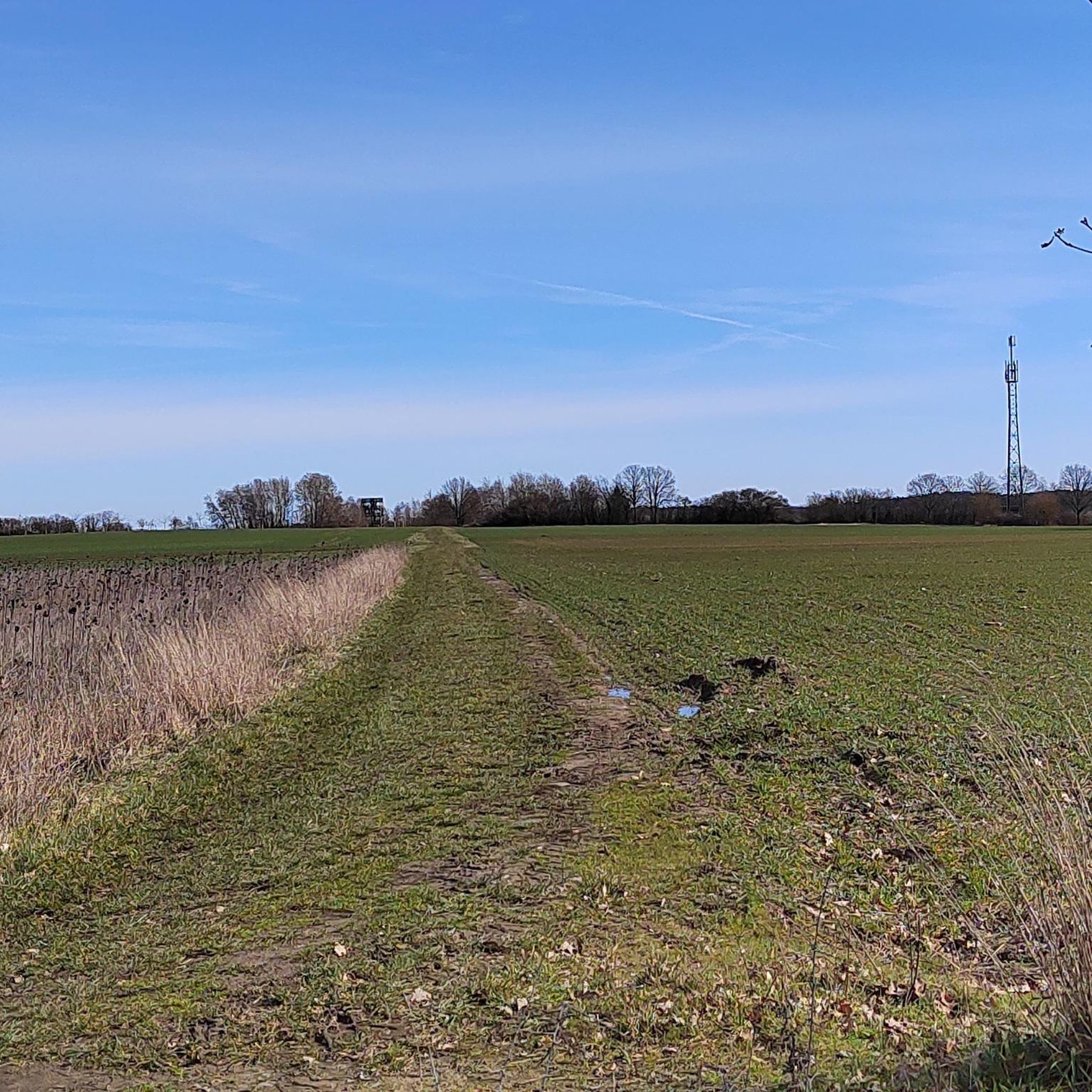
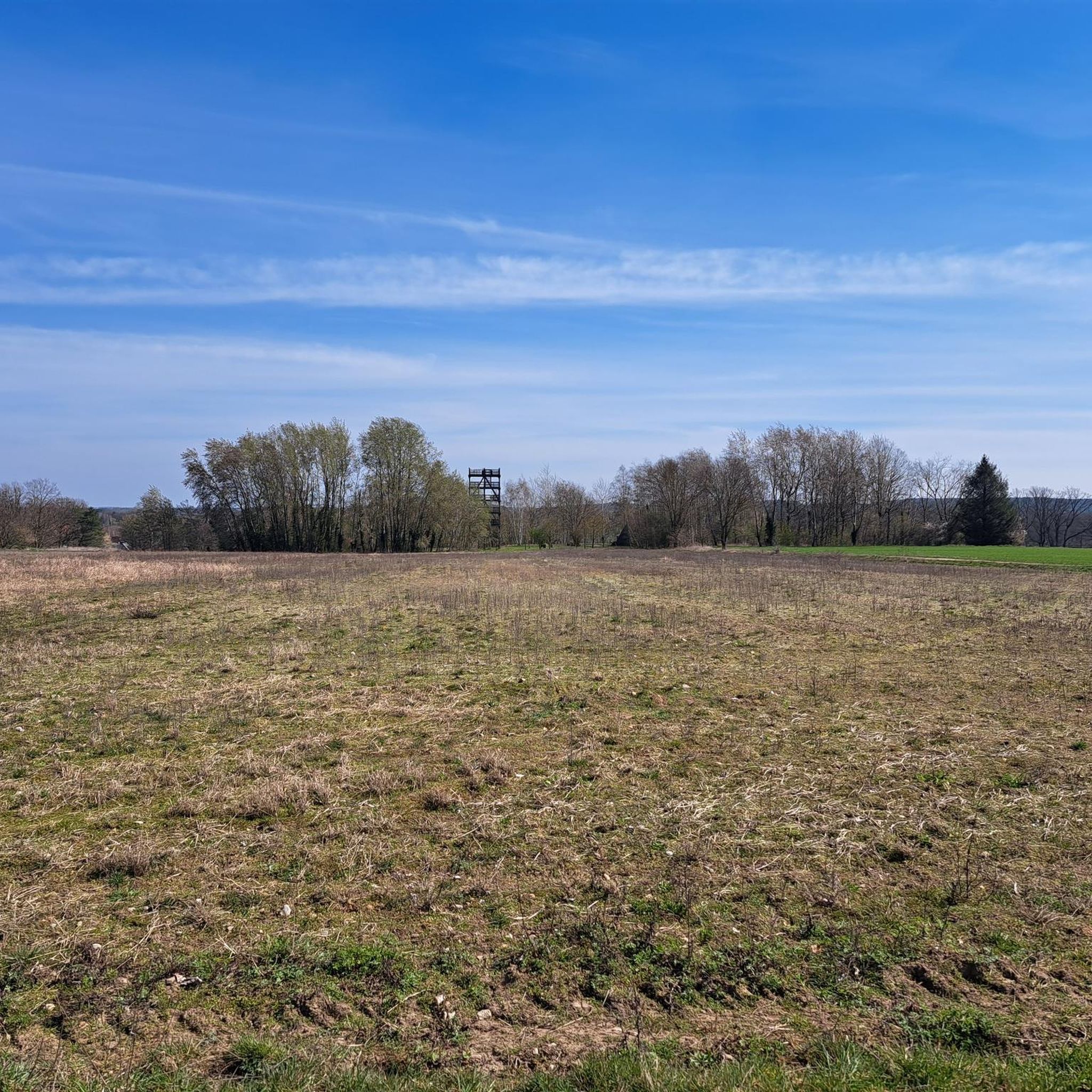
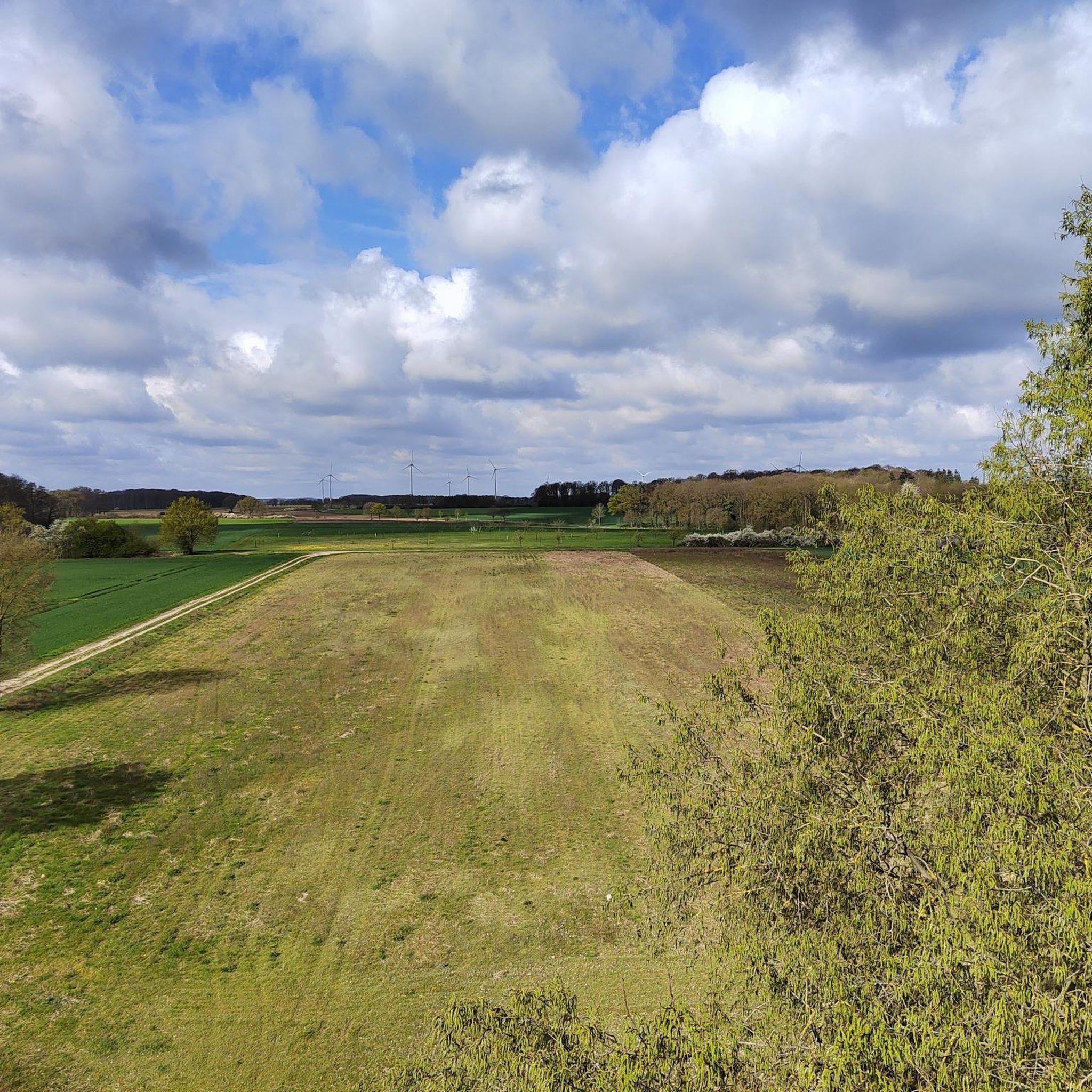
Tips from the Community

A wonderful seminar center in the Wendland region. They offer various accommodation options and delicious food, including vegan, vegetarian, and gluten-free choices. Surrounded by forest and fields.
0
0

Very nice walk in absolute peace.
0
0

Fortunately, there is a wooden bridge for pedestrians
0
0
An idyllic, beautifully maintained corner
0
0

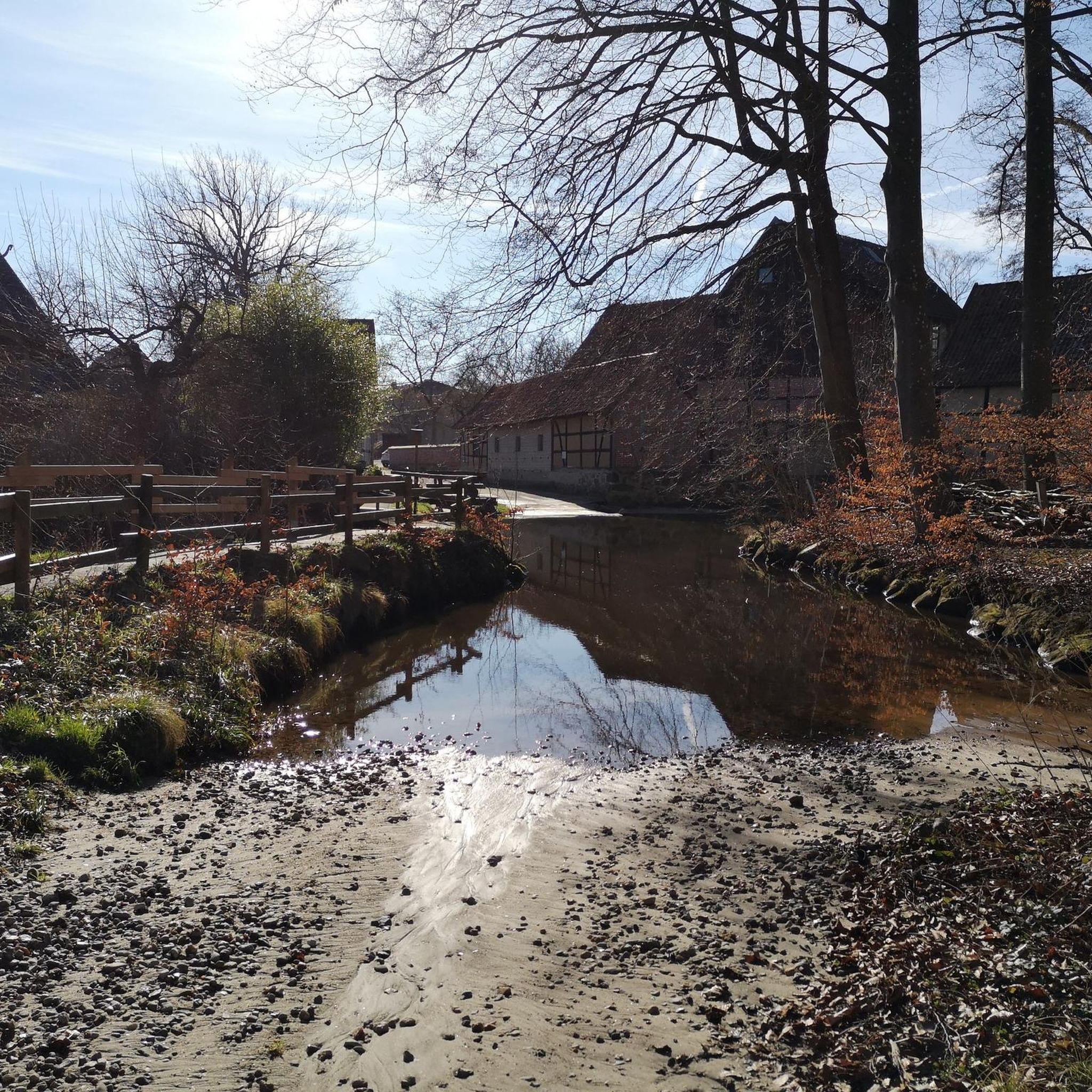
The Schnega mill originally stood west of Schnega at the Dullborn spring near Gledeberg. It was first mentioned in 1360. In 1668 it appears in documents in Schnega, but is still referred to as the Gledeberg mill. After the Lords of Bodendieck, the Barons Grote came into possession of the Schnega estate and mill. In addition to the grain grinding, the mill also had a hammer mill for beating oil and was also used as a baking mill for baking flax. The mill was finally driven by a turbine. The mill often changed owners: Pletke in 1679, Wilke in 1708, Ude in 1721, Köthke in 1754, Schulz in 1776, Pletke in 1801 and Möller in 1823. This list is certainly not complete. This mill may have been a leased mill, which is suggested by its proximity to the estate. In 1901, the mill was bought by Heinrich Niefind, whose heirs sold it in 2005 to Mr. Ingo Timm from Berlin and Mr. Jürgen Zaak from Sommerland near Elmshorn. The new owners have extensively renovated the mill, repaired the turbine and partially got the grinding mechanisms working again. Interested visitors can see for themselves on the annual Mill Day (Whit Monday) and experience a piece of old mill romance with coffee and butter cake. Source: Information board at the site
2
0
Historical washing area The washing area at the Schnega Mill was renovated in 1998. Until 1948, the washing area next to the stately half-timbered building of the water mill, which was then owned by the Niefind family, was still regularly used to wash laundry. The laundry was soaked long before it was brought to the mill stream on regular washing days. The clothes were boiled thoroughly in the kettle and particularly dirty areas were pre-cleaned with soap. The laundry items were moved in the water again at home and wrung out well before being loaded onto the wooden cart and taken to the stream to be washed. The laundry basket and tub were carried over a narrow footbridge onto the wooden platform. In a bent position, bed linen and clothing were vigorously moved in the flowing stream water and then wrung out. The whole family had to help. Source: Information board at the site
2
0

Here you can endure it longer
0
0

Frequently Asked Questions
What natural features can I explore in Schnegaer Mühlenbachtal?
The Schnegaer Mühlenbachtal is characterized by the natural course of the Schnegaer Mühlenbach and its tributaries, featuring a gravelly, stony bed with aquatic vegetation. You can also discover lowland landscapes with wet meadows, pastures, and natural deciduous forests. A notable natural monument is the Clenzer Schweiz Erratic Boulder Park, which offers geological insights with its sorted and labeled boulders.
Are there historical sites or cultural landmarks to visit?
Yes, the region is rich in historical mills. You can visit the picturesque Jiggel Watermill, known for its old mill wheel and nearby rest area. Another significant site is the Proitzer Mill, a well-preserved half-timbered structure. Don't miss the Schnega Watermill and Historic Washing Place, which offers a glimpse into past local practices, with the mill first mentioned around 1360.
Are there family-friendly attractions in Schnegaer Mühlenbachtal?
Absolutely. The area around the Jiggel Watermill is particularly family-friendly, offering a rest area, playground, and barbecue facilities. Additionally, the Picnic Areas at Mühlteich provide pleasant spots for relaxation and enjoyment, some with public barbecue facilities.
What outdoor activities are available in the Schnegaer Mühlenbachtal?
The region is ideal for outdoor enthusiasts, with numerous trails for hiking and cycling. You can explore the diverse natural beauty, including the Schnegaer Mühlenbachtal Nature Reserve. The area also offers opportunities for running.
Are there specific hiking trails recommended for visitors?
Yes, there are several easy hiking options. For example, you can try the "Jiggel Watermill – NSG Upper Dumme Lowlands loop from Bergen an der Dumme" (approx. 7.5 km) or the shorter "Picnic Area at Mühlenteich – Oldendorf Watermill loop from Schnega" (approx. 3.5 km). You can find more options on the Easy hikes in Schnegaer Mühlenbachtal guide.
What cycling routes can I find in the area?
The Schnegaer Mühlenbachtal offers various cycling routes. For road cyclists, options include the "Barnebeck Village Church – St. Nicholas Church Henningen loop from Schnega" (approx. 29.5 km, moderate difficulty) or longer routes like the "Half-timbered Church Riebrau – Elbuferstraße Climbs loop from Schnega" (approx. 127.6 km, difficult). Explore more on the Road Cycling Routes in Schnegaer Mühlenbachtal guide.
What do visitors enjoy most about Schnegaer Mühlenbachtal?
Visitors appreciate the tranquil and idyllic atmosphere, especially around the historic mills and the natural landscapes. The well-preserved half-timbered structures, like the Jiggel Watermill, are often highlighted for their beauty. The rest areas and picnic spots, particularly those by the mill pond, are also popular for relaxing breaks.
Are there any viewpoints in Schnegaer Mühlenbachtal?
While specific designated viewpoints are not widely noted, the Picnic Areas at Mühlteich offer pleasant views over the lake and surrounding nature. The various mills, such as the Jiggel Watermill, also provide picturesque settings to enjoy the landscape.
What is the best time to visit Schnegaer Mühlenbachtal?
The region is beautiful year-round, but spring and summer are particularly pleasant for hiking and cycling, when the aquatic vegetation is flourishing and the weather is mild. Autumn also offers scenic views with changing foliage. Some historical sites, like the Schnega Watermill, may have special events on specific days, such as the annual Mill Day on Whit Monday.
Can I bring my dog to the trails in Schnegaer Mühlenbachtal?
The Schnegaer Mühlenbachtal is generally welcoming to dogs, especially on its numerous hiking and cycling trails. As it is a nature reserve, it's always recommended to keep dogs on a leash to protect wildlife and ensure a pleasant experience for all visitors. Specific regulations may apply in certain sensitive areas.
Are there places to eat or stay near the attractions?
While the guide focuses on attractions, the region around Schnegaer Mühlenbachtal offers various cafes, restaurants, pubs, and accommodation options in nearby towns and villages. The Proitzer Mill itself is utilized as a conference venue, suggesting facilities for visitors.
What is the terrain like for hiking and cycling in Schnegaer Mühlenbachtal?
The terrain in Schnegaer Mühlenbachtal is primarily characterized by lowland landscapes. Trails often follow the natural course of the Schnegaer Mühlenbach, passing through wet to moist meadows, pastures, and natural deciduous forests. While generally not mountainous, some routes may have moderate difficulty due to distance or varied surfaces, such as gravelly paths.
Most popular routes in Schnegaer Mühlenbachtal

Get inspired with the komoot mobile app


Explore more
Still not found the Highlight you’re looking for? See guides of the top attractions in other regions:
