Attractions and Places To See in Mantingerzand - Top 12
Attractions and places to see in Mantingerzand include a nature reserve in Drenthe, Netherlands, known for its dynamic sand drifts, extensive heathlands, and diverse forests. This Natura 2000 area features ancient juniper bushes and gnarled oaks, offering a landscape shaped by centuries of natural processes and historical land use. It provides opportunities for exploring unique natural features and various outdoor activities.
Best attractions and places to see in Mantingerzand
- The most popular attractions is Mantingerzand Nature Reserve, an other…
Last updated: July 5, 2026
Mantingerzand
Highlight • Natural
Translated by Google •
Tip by

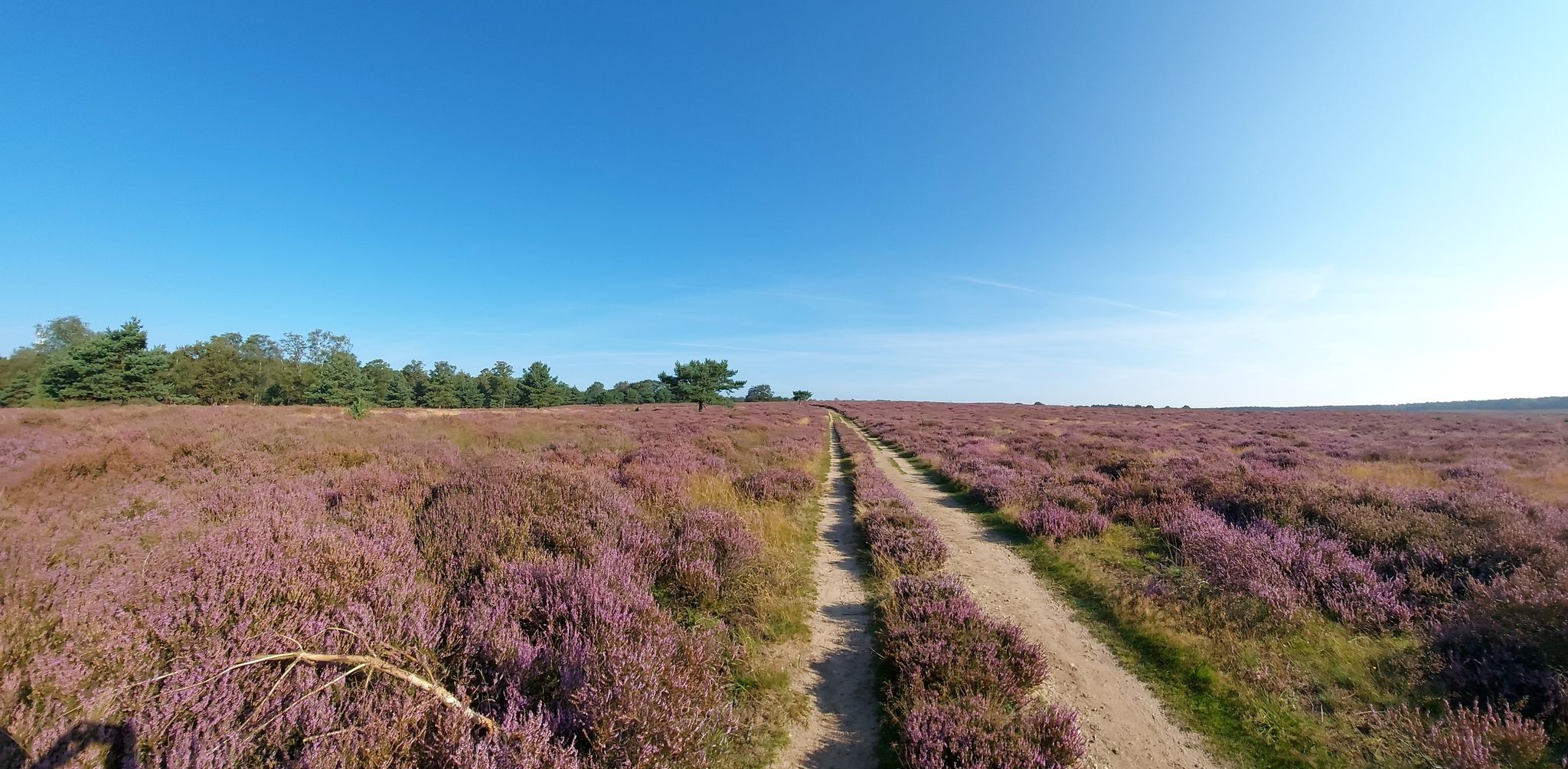
Narrow sandy path through Mantingerzand
Highlight • Trail
Translated by Google •
Tip by
Sign up now to discover places like this
Get recommendations on the best single tracks, peaks, & plenty of other exciting outdoor places.
Sign up for free
Mantingerzand Nature Reserve
Highlight • Natural
Translated by Google •
Tip by

Mantingerzand Grassland
Highlight • Natural
Translated by Google •
Tip by

Paths Through the Juniper Trees in Mantingerzand
Highlight • Forest
Translated by Google •
Tip by
Sign up for free to discover even more attractions in Mantingerzand.
Sign up for free
Already have an account?
Start today with a free account
Your next adventure awaits.
Login or Signup
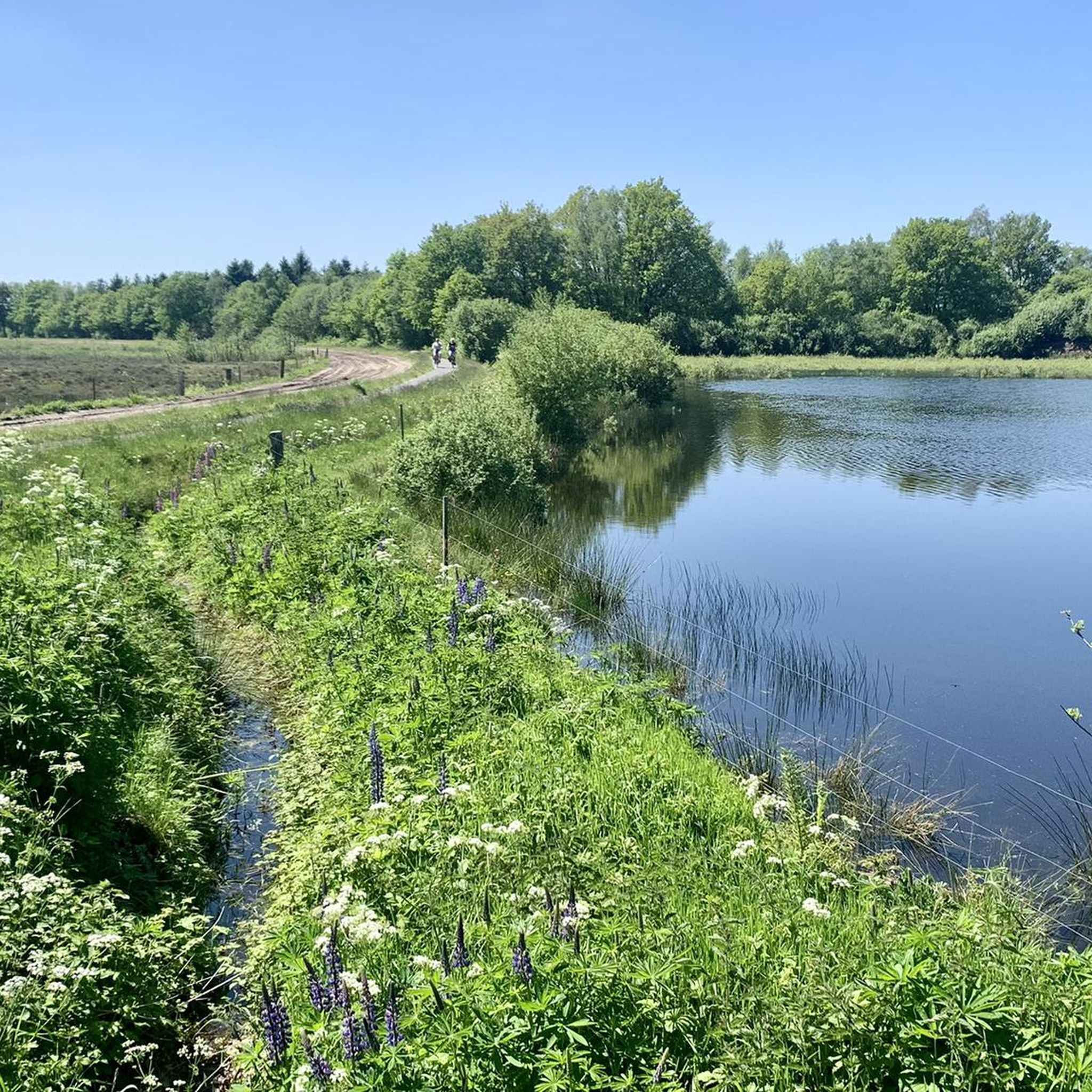
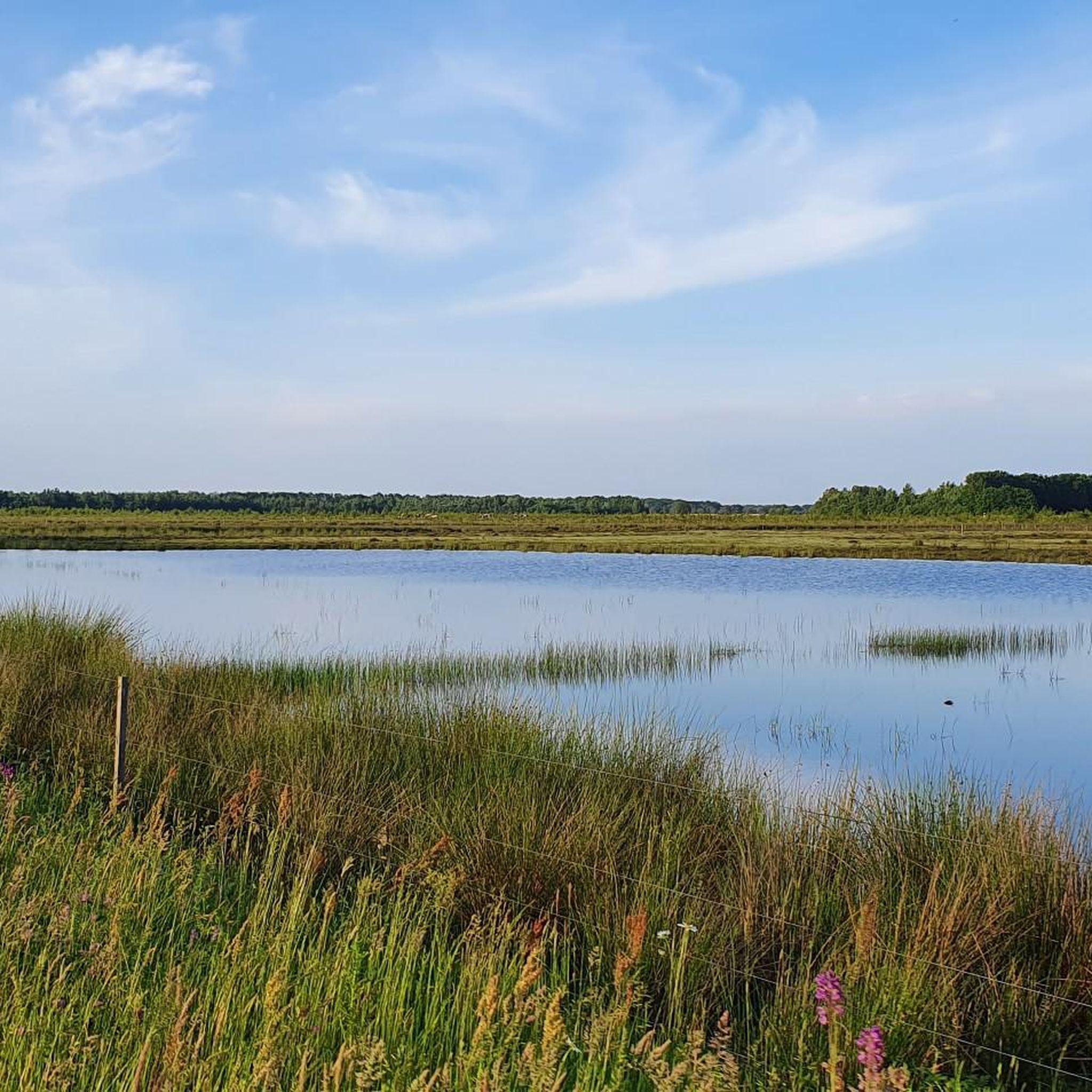
Other adventures in Mantingerzand

Tips from the Community

The Mantingerzand is a vast nature reserve between the villages of Mantinge and Nieuw-Balinge. This area, better known as the Mantingerveld, consists largely of heathland, fens, forests, and some small drifting sands. Former agricultural lands are also part of the Natura 2000 area. These lands have been developed by the owner, Natuurmonumenten, for nature development. The main goal of these interventions was to connect isolated heathlands into one large nature reserve. Heathlands such as the Hullenzand, the Balingerzand and Mantingerzand, Martensplek, and the Lentsche Veen. These nature reserves were valuable remnants of a vast heathland between Hoogeveen and Westerbork, which was increasingly reclaimed over the course of the 20th century. Each of the four areas individually still possessed high natural quality, but were under considerable pressure due to their small size. A striking feature of the Natura 2000 area is the extensive and magnificent juniper thickets, which are among the most beautiful thickets in the Netherlands. The dry and wet heathlands, fens, and drifting sands also demonstrate the area's great diversity. Several old deciduous forests and a number of reclaimed forests are also part of the Natura 2000 area. Source: https://www.provincie.drenthe.nl/onderwerpen/natuur-milieu/natuur/natuurbeleid-regels/natura-2000/gebieden/mantingerzand/
0
0
The Mantingerzand is a vast nature reserve between the villages of Mantinge and Nieuw-Balinge. This area, better known as the Mantingerveld, consists largely of heathland, fens, forests, and some small drifting sands. Former agricultural lands are also part of the Natura 2000 area. These lands have been developed by the owner, Natuurmonumenten, for nature development. The main goal of these interventions was to connect isolated heathlands into one large nature reserve. Heathlands such as the Hullenzand, the Balingerzand and Mantingerzand, Martensplek, and the Lentsche Veen. These nature reserves were valuable remnants of a vast heathland between Hoogeveen and Westerbork, which was increasingly reclaimed over the course of the 20th century. Each of the four areas still possessed high natural quality, but their small size put them under considerable pressure. A striking feature of the Natura 2000 area is the extensive and magnificent juniper thickets, which are among the most beautiful thickets in the Netherlands. The dry and wet heathlands, fens, and drifting sands also demonstrate the area's great diversity. Several old deciduous forests and a number of reclaimed forests are also part of the Natura 2000 area. Source: https://www.provincie.drenthe.nl/onderwerpen/natuur-milieu/natuur/natuurbeleid-regels/natura-2000/gebieden/mantingerzand/
1
0
The Mantingerzand is a vast nature reserve between the villages of Mantinge and Nieuw-Balinge. This area, better known as the Mantingerveld, consists largely of heathland, fens, forests, and some small drifting sands. Former agricultural lands are also part of the Natura 2000 area. These lands have been developed by the owner, Natuurmonumenten, for nature development. The main goal of these interventions was to connect isolated heathlands into one large nature reserve. Heathlands such as the Hullenzand, the Balingerzand and Mantingerzand, Martensplek, and the Lentsche Veen. These nature reserves were valuable remnants of a vast heathland between Hoogeveen and Westerbork, which was increasingly reclaimed over the course of the 20th century. Each of the four areas individually still possessed high natural quality, but were under considerable pressure due to their small size. A striking feature of the Natura 2000 area is the extensive and magnificent juniper thickets, which are among the most beautiful thickets in the Netherlands. The dry and wet heathlands, fens, and drifting sands also demonstrate the area's great diversity. Several old deciduous forests and a number of reclaimed forests are also part of the Natura 2000 area. Source: https://www.provincie.drenthe.nl/onderwerpen/natuur-milieu/natuur/natuurbeleid-regels/natura-2000/gebieden/mantingerzand/
1
0

Mantingerzand is a vast nature reserve in Drenthe, known for its sand drifts, heathlands, and woods. The area offers a unique open landscape experience and is important for plant and animal species that thrive in dry, sandy environments. Mantingerzand is popular with hikers, cyclists, and nature lovers for its tranquility and natural beauty.
3
0
The Mantingerzand is a vast nature reserve in Drenthe, known for its sand drifts, heathlands and woods.
1
0
Juniper shrubs are evergreen conifers known for their blue berries.
3
0
The Mantingerzand is a nature reserve in the province of Drenthe, near the border with Overijssel. The area consists of extensive sand drifts, heathlands, and woods, and is an important habitat for various plant and animal species. The Mantingerzand is popular with hikers, cyclists, and nature lovers because of its unique natural beauty and tranquil setting.
3
0

Frequently Asked Questions
What unique natural features can I explore in Mantingerzand?
Mantingerzand is renowned for its dynamic sand drifts, extensive heathlands, and diverse forests. You can discover ancient juniper bushes, some over 150 years old, alongside gnarled oaks and Scots pines. The area also features fens and grasslands, contributing to its rich biodiversity. Don't miss the Mantingerzand Nature Reserve, one of the most notable shifting sand areas in the Netherlands.
Are there good hiking opportunities in Mantingerzand?
Yes, Mantingerzand is a haven for hikers, offering numerous marked trails of varying lengths and difficulty. You can explore routes like the Narrow sandy path through Mantingerzand, which provides an open landscape experience. For more options, check out the Running Trails in Mantingerzand guide, which includes several walking routes.
What kind of wildlife can I expect to see in Mantingerzand?
The diverse habitats of Mantingerzand support a rich array of wildlife. You might spot Scottish Highlanders (cattle) grazing, which help maintain the open landscape, as well as deer, foxes, field larks, and tree pipits. Lucky observers could even encounter badgers or snakes. The area is also home to rare plants like sundew and bog gentian, especially vibrant in spring and summer.
When is the best time to visit Mantingerzand for its natural beauty?
For the most vibrant display of nature, visit Mantingerzand in late summer, particularly August and September, when the heathlands burst into bloom with purple hues. Spring and early summer are also excellent for spotting rare plants like sundew and bog gentian.
Are there cycling routes available in Mantingerzand?
Absolutely. In addition to hiking, the broader Mantingerveld area, which includes Mantingerzand, offers excellent opportunities for cycling. You can find various routes, from easy to moderate, in the Cycling in Mantingerzand and Road Cycling Routes in Mantingerzand guides.
Are there any family-friendly attractions or activities in Mantingerzand?
Mantingerzand offers several family-friendly spots, such as the Mantingerzand Nature Reserve and Paths Through the Juniper Trees in Mantingerzand, which are ideal for leisurely walks. The tranquil environment and diverse landscapes make it a great place for families to explore nature together.
What are the historical aspects of Mantingerzand?
Mantingerzand's history as a drift sand area dates back to the Middle Ages. Much of the current nature reserve was once agricultural land. While there are no traditional cultural sites like museums, the ancient oaks and old pines in the area serve as natural landmarks, bearing witness to centuries of landscape evolution.
Where can I find viewpoints or scenic spots in Mantingerzand?
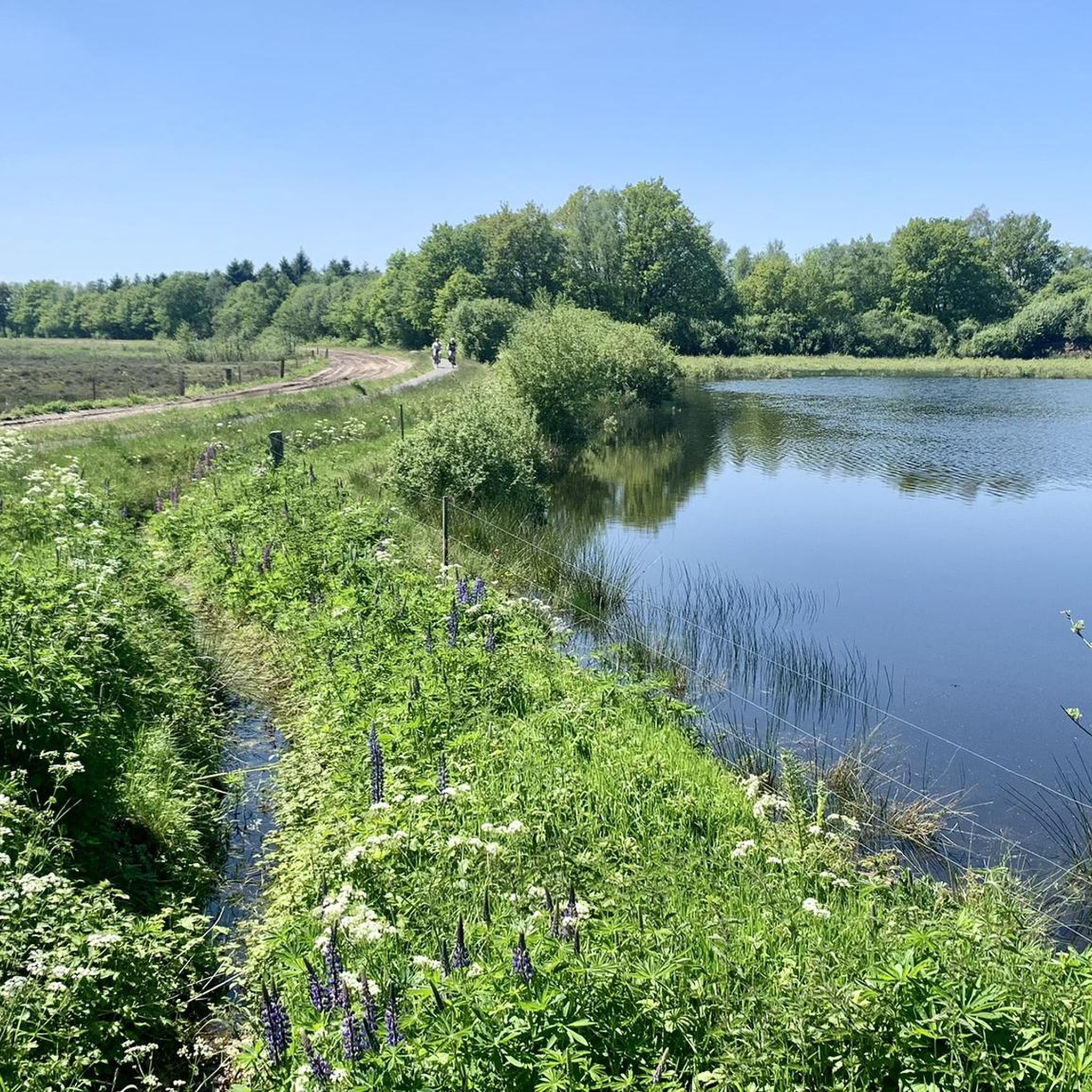
Mantingerzand offers numerous scenic spots, particularly along its trails. The Mantingerzand area itself is known for its expansive views of sand drifts and heathlands. You can also find tranquil spots like the Heathland pond at Mantingerzand, which offers a beautiful combination of heaths, fens, and sand drifts.
What do visitors enjoy most about Mantingerzand?
Visitors consistently praise Mantingerzand for its tranquility and natural beauty. Many enjoy the unique open landscape experience, the extensive juniper thickets, and the opportunity for peaceful walks. It's considered an ideal spot for those seeking a quiet escape and nature photography.
Can I go horseback riding in Mantingerzand?
Yes, the broader Mantingerveld area, which encompasses Mantingerzand, provides opportunities for horseback riding, allowing you to explore the diverse landscapes from a different perspective.
Are there any specific natural monuments within Mantingerzand?
The Mantingerzand Nature Reserve is recognized as a natural monument, celebrated for its unique geological formations like the shifting sand areas and its significant ecological value as a Natura 2000 site. The ancient juniper bushes and gnarled oaks also stand as natural landmarks due to their age and historical presence.
What is the significance of the juniper bushes in Mantingerzand?
The juniper bushes in Mantingerzand are a striking feature and are among the most beautiful and extensive thickets in the Netherlands. Some are estimated to be over 150 years old, contributing significantly to the area's distinctive, almost fairy-tale-like atmosphere. You can explore them via Paths Through the Juniper Trees in Mantingerzand.
Most popular routes in Mantingerzand

Get inspired with the komoot mobile app


Explore more
Still not found the Highlight you’re looking for? See guides of the top attractions in other regions:
