The best walks and hikes in Mantingerzand
4.4
(4003)
22,700
hikers
16
hikes
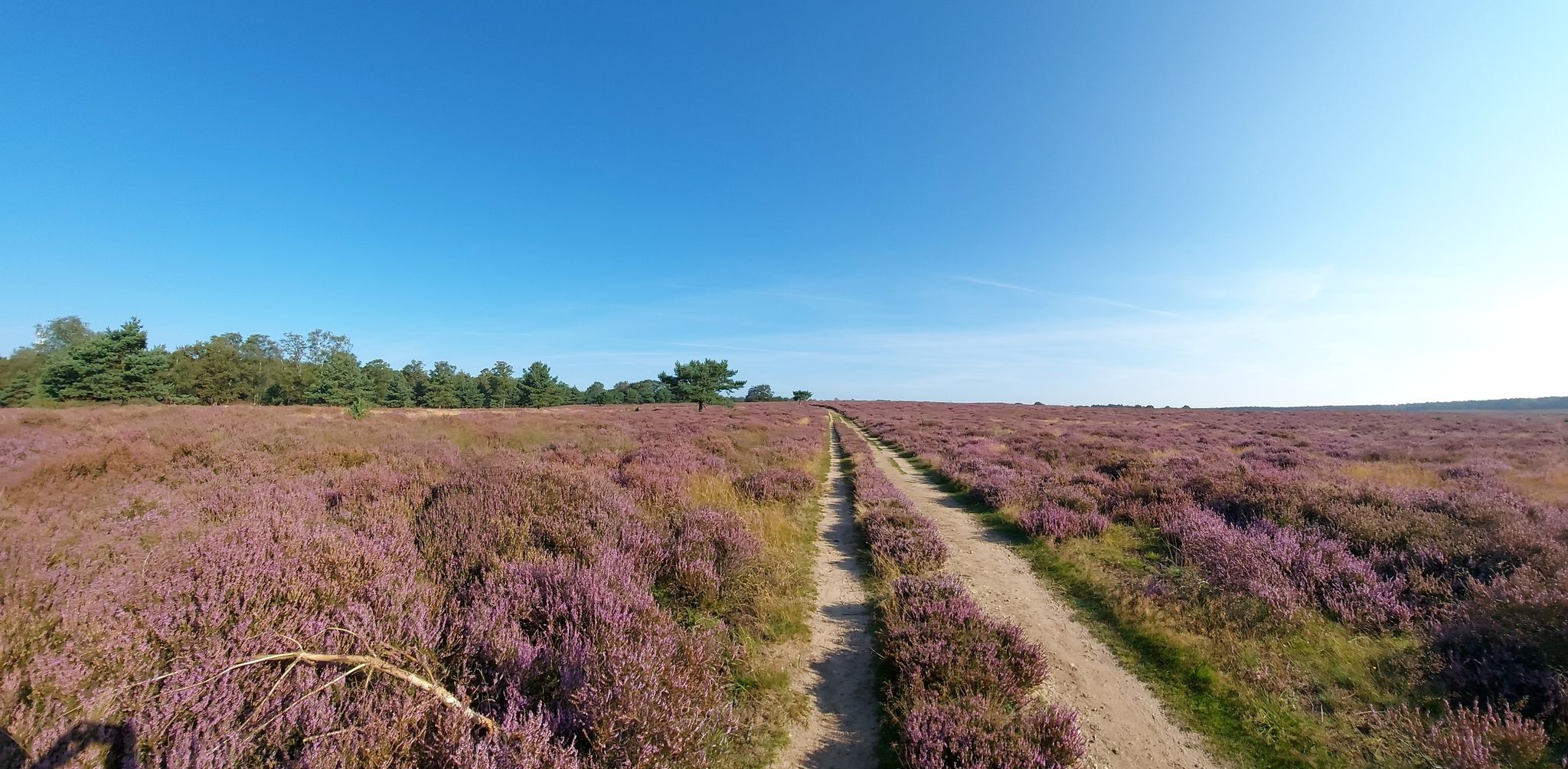
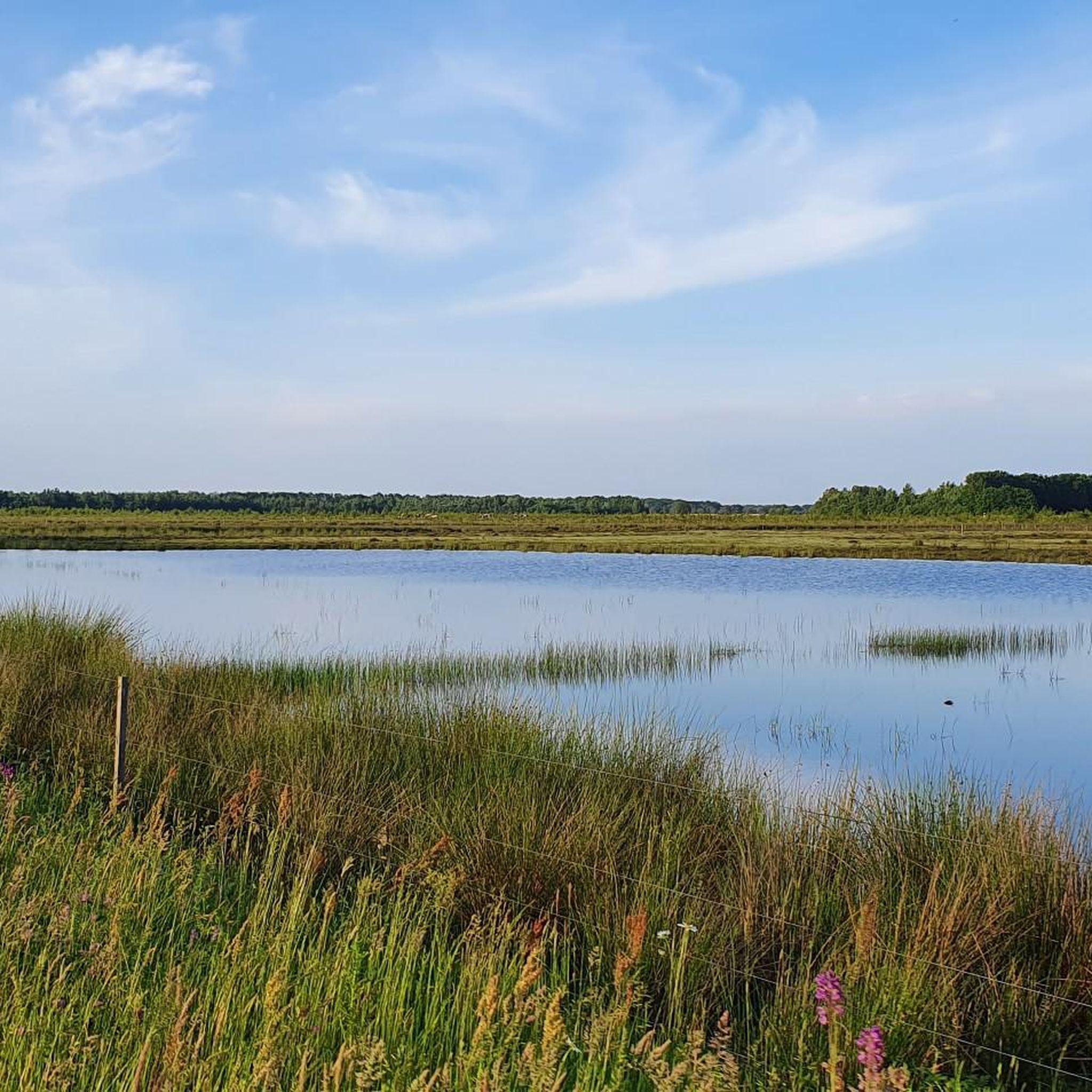
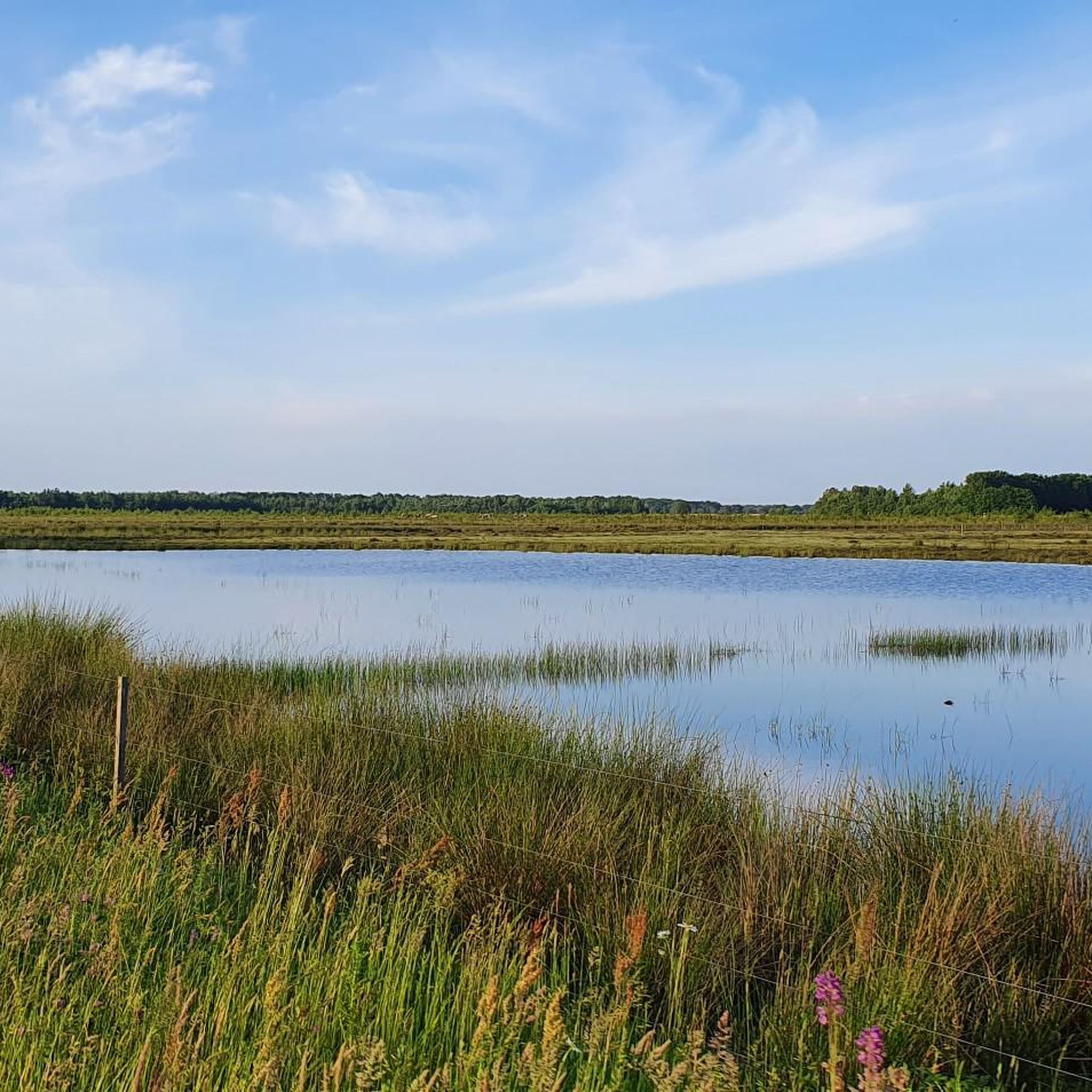
Hiking in Mantingerzand offers diverse natural features within the Mantingerveld nature reserve in Drenthe, Netherlands. The terrain is characterized by expansive sand drifts and heathlands, shaped by wind and grazing. Ancient juniper bushes, gnarled oaks, and Scots pines contribute to varied forest sections. The landscape also includes fens and grasslands, supporting a range of flora and fauna.
Best hiking trails in Mantingerzand
- The most popular hiking route is Fens, heath and sand in Drenthe – discover the Mantingerveld, a…
Last updated: June 30, 2026
4.5
(32)
93
hikers
11.9km
03:01
40m
30m
Moderate hike. Good fitness required. Easily-accessible paths. Suitable for all skill levels.
4.6
(93)
468
hikers
Moderate hike. Good fitness required. Easily-accessible paths. Suitable for all skill levels.

Sign up for free
4.6
(24)
96
hikers
Moderate hike. Good fitness required. Easily-accessible paths. Suitable for all skill levels.
4.8
(6)
28
hikers
Easy hike. Great for any fitness level. Easily-accessible paths. Suitable for all skill levels.
4.3
(4)
12
hikers
Moderate hike. Good fitness required. Easily-accessible paths. Suitable for all skill levels.
Get access to more routes and recommendations from other explorers.
Sign up for free
Already have an account?
Our route recommendations are based on thousands of hikes, rides, and runs completed by other people on komoot.
Start today with a free account
Your next adventure awaits.
Login or Signup
Other adventures in Mantingerzand

Tips from the Community

The Mantingerzand is a vast nature reserve between the villages of Mantinge and Nieuw-Balinge. This area, better known as the Mantingerveld, consists largely of heathland, fens, forests, and some small drifting sands. Former agricultural lands are also part of the Natura 2000 area. These lands have been developed by the owner, Natuurmonumenten, for nature development. The main goal of these interventions was to connect isolated heathlands into one large nature reserve. Heathlands such as the Hullenzand, the Balingerzand and Mantingerzand, Martensplek, and the Lentsche Veen. These nature reserves were valuable remnants of a vast heathland between Hoogeveen and Westerbork, which was increasingly reclaimed over the course of the 20th century. Each of the four areas individually still possessed high natural quality, but were under considerable pressure due to their small size. A striking feature of the Natura 2000 area is the extensive and magnificent juniper thickets, which are among the most beautiful thickets in the Netherlands. The dry and wet heathlands, fens, and drifting sands also demonstrate the area's great diversity. Several old deciduous forests and a number of reclaimed forests are also part of the Natura 2000 area. Source: https://www.provincie.drenthe.nl/onderwerpen/natuur-milieu/natuur/natuurbeleid-regels/natura-2000/gebieden/mantingerzand/
0
0
The Mantingerzand is a vast nature reserve between the villages of Mantinge and Nieuw-Balinge. This area, better known as the Mantingerveld, consists largely of heathland, fens, forests, and some small drifting sands. Former agricultural lands are also part of the Natura 2000 area. These lands have been developed by the owner, Natuurmonumenten, for nature development. The main goal of these interventions was to connect isolated heathlands into one large nature reserve. Heathlands such as the Hullenzand, the Balingerzand and Mantingerzand, Martensplek, and the Lentsche Veen. These nature reserves were valuable remnants of a vast heathland between Hoogeveen and Westerbork, which was increasingly reclaimed over the course of the 20th century. Each of the four areas still possessed high natural quality, but their small size put them under considerable pressure. A striking feature of the Natura 2000 area is the extensive and magnificent juniper thickets, which are among the most beautiful thickets in the Netherlands. The dry and wet heathlands, fens, and drifting sands also demonstrate the area's great diversity. Several old deciduous forests and a number of reclaimed forests are also part of the Natura 2000 area. Source: https://www.provincie.drenthe.nl/onderwerpen/natuur-milieu/natuur/natuurbeleid-regels/natura-2000/gebieden/mantingerzand/
1
0
The Mantingerzand is a vast nature reserve between the villages of Mantinge and Nieuw-Balinge. This area, better known as the Mantingerveld, consists largely of heathland, fens, forests, and some small drifting sands. Former agricultural lands are also part of the Natura 2000 area. These lands have been developed by the owner, Natuurmonumenten, for nature development. The main goal of these interventions was to connect isolated heathlands into one large nature reserve. Heathlands such as the Hullenzand, the Balingerzand and Mantingerzand, Martensplek, and the Lentsche Veen. These nature reserves were valuable remnants of a vast heathland between Hoogeveen and Westerbork, which was increasingly reclaimed over the course of the 20th century. Each of the four areas individually still possessed high natural quality, but were under considerable pressure due to their small size. A striking feature of the Natura 2000 area is the extensive and magnificent juniper thickets, which are among the most beautiful thickets in the Netherlands. The dry and wet heathlands, fens, and drifting sands also demonstrate the area's great diversity. Several old deciduous forests and a number of reclaimed forests are also part of the Natura 2000 area. Source: https://www.provincie.drenthe.nl/onderwerpen/natuur-milieu/natuur/natuurbeleid-regels/natura-2000/gebieden/mantingerzand/
1
0
The Mantingerzand is a vast nature reserve between the villages of Mantinge and Nieuw-Balinge. This area, better known as the Mantingerveld, consists largely of heathland, fens, forests, and some small drifting sands. Former agricultural lands are also part of the Natura 2000 area. These lands have been developed by the owner, Natuurmonumenten, for nature development. The main goal of these interventions was to connect isolated heathlands into one large nature reserve. Heathlands such as the Hullenzand, the Balingerzand and Mantingerzand, Martensplek, and the Lentsche Veen. These nature reserves were valuable remnants of a vast heathland between Hoogeveen and Westerbork, which was increasingly reclaimed over the course of the 20th century. Each of the four areas individually still possessed high natural quality, but were under considerable pressure due to their small size. A striking feature of the Natura 2000 area is the extensive and magnificent juniper thickets, which are among the most beautiful thickets in the Netherlands. The dry and wet heathlands, fens, and drifting sands also demonstrate the area's great diversity. Several old deciduous forests and a number of reclaimed forests are also part of the Natura 2000 area. Source: https://www.provincie.drenthe.nl/onderwerpen/natuur-milieu/natuur/natuurbeleid-regels/natura-2000/gebieden/mantingerzand/
1
0

Added to the collection: https://www.komoot.com/de-de/collection/3600632/-naturdenkmaeler-besondere-baeume-und-weitere-schaetze-der-natur
0
0

The characteristic pine trees of the Mantingerzand are striking conifers that thrive in the area's dry, sandy soil. They give the landscape its distinctive character, often in combination with heathlands and open sandy plains. These pines contribute to biodiversity, provide shelter and nesting sites for birds and other animals, and enhance the natural character of the Mantingerzand.
4
0
Ancient oaks are very old, often hundreds of years old, oak trees that play a vital role in the ecosystem. They provide a habitat for numerous plants, birds, insects, and fungi. Their age and size also make them historical and landscape icons, often recognizable by their impressive trunks and broad crowns.
4
0
Mantingerzand is a vast nature reserve in Drenthe, known for its sand drifts, heathlands, and woods. The area offers a unique open landscape experience and is important for plant and animal species that thrive in dry, sandy environments. Mantingerzand is popular with hikers, cyclists, and nature lovers for its tranquility and natural beauty.
3
0
Frequently Asked Questions
What kind of landscapes can I expect to see while hiking in Mantingerzand?
Mantingerzand offers a diverse landscape characterized by expansive sand drifts and heathlands, which are particularly vibrant when the heath blooms from August into September. You'll also find ancient juniper bushes, some over 150 years old, gnarled oaks, and Scots pines, creating a unique, almost 'fairytale-like' atmosphere. The area also features smaller coniferous and deciduous forests, as well as fens and grasslands.
Are there hiking trails suitable for beginners or those looking for an easy walk?
Yes, Mantingerzand has several easy hiking options. For instance, the Mantingerzand Nature Reserve – Ancient Oaks at Mantingerzand loop from Mantinge is an easy 5.0 km (3.1 miles) path that leads through areas featuring ancient oak trees. Another easy option is the Mantingerzand Nature Reserve – Mantingerzand loop from Nieuw-Balinge, a 4.6 km (2.8 miles) trail through heathlands and sand drifts.
What is the best time of year to go hiking in Mantingerzand?
Mantingerzand is beautiful year-round, offering a peaceful and inspiring experience in any season. However, for vibrant colors, late summer (August into September) is particularly special when the heathlands are in full bloom. Spring and early summer also offer opportunities to spot rare plants like sundew and bog gentian.
What wildlife might I encounter on the trails in Mantingerzand?
The diverse landscape of Mantingerzand supports a rich variety of wildlife. Hikers often spot Scottish Highlanders (cattle) grazing, which help maintain the open landscape. Other animals include deer, foxes, field larks, and tree pipits. If you're lucky, you might even see badgers or snakes. The area is also home to rare plants like sundew and bog gentian, especially in spring and summer.
Are there any circular hiking routes in Mantingerzand?
Yes, many of the trails in Mantingerzand are circular, allowing you to start and end at the same point. Examples include the Mantingerzand Nature Reserve – Ancient Oaks at Mantingerzand loop from Mantinge and the Mantingerzand Nature Reserve – Mantingerzand loop from Nieuw-Balinge, both offering convenient loop options.
What do other hikers enjoy most about Mantingerzand?
The area is highly rated by the komoot community, with an average score of 4.4 stars from over 2,300 reviews. Reviewers often praise the tranquility and natural beauty, highlighting the unique combination of sand drifts, ancient juniper, and heathlands. Many appreciate the well-maintained, winding paths and the peaceful escape it offers.
Are there any notable natural features or landmarks to look out for?
Mantingerzand itself is a significant natural landmark, known for its dynamic sand drifts and ancient juniper bushes. You can explore specific points of interest like the Mantingerzand area, the broader Mantingerzand Nature Reserve, and the impressive Ancient Oaks at Mantingerzand. Keep an eye out for the Distinctive Pines of Mantingerzand and the Narrow sandy path through Mantingerzand for characteristic views.
How many hiking trails are available in Mantingerzand?
There are 17 hiking trails available in Mantingerzand, catering to various preferences. This includes 9 easy routes, 7 moderate routes, and 1 more challenging option, ensuring there's something for every fitness level.
What are the typical trail conditions and accessibility like?
The trails in Mantingerzand are generally well-maintained and easily accessible. They often consist of winding paths through varied terrain, including sand, heath, and forest floors. Some routes are clearly marked with colored arrows, making navigation straightforward. The area is suitable for all fitness levels, with options ranging from short, easy loops to longer, more challenging routes.
Can I combine hiking with other outdoor activities in the Mantingerzand area?
Yes, Mantingerzand is also popular for cycling and horseback riding, with dedicated paths available. If you wish to extend your stay, there are possibilities for combining a visit with an overnight stay at nearby nature campsites, allowing for a more immersive outdoor experience.
Are there any longer, more challenging routes for experienced hikers?
For those seeking a longer, moderate challenge, the Fens, heath and sand in Drenthe – discover the Mantingerveld is a 11.9 km (7.4 miles) trail that takes approximately 3 hours to complete. This route explores the diverse landscapes of fens, heath, and sand. Another moderate option is the Ancient Oaks at Mantingerzand – Mantingerzand Grassland loop from Mantinge, which is 12.1 km (7.5 miles).
Most popular routes in Mantingerzand
Most popular attractions in Mantingerzand

Get inspired with the komoot mobile app


Explore more
Browse the best Hikes in other regions.
